What’s driving change in funeral transport vehicles today

AVRO FLEET TEAM • February 20, 2026

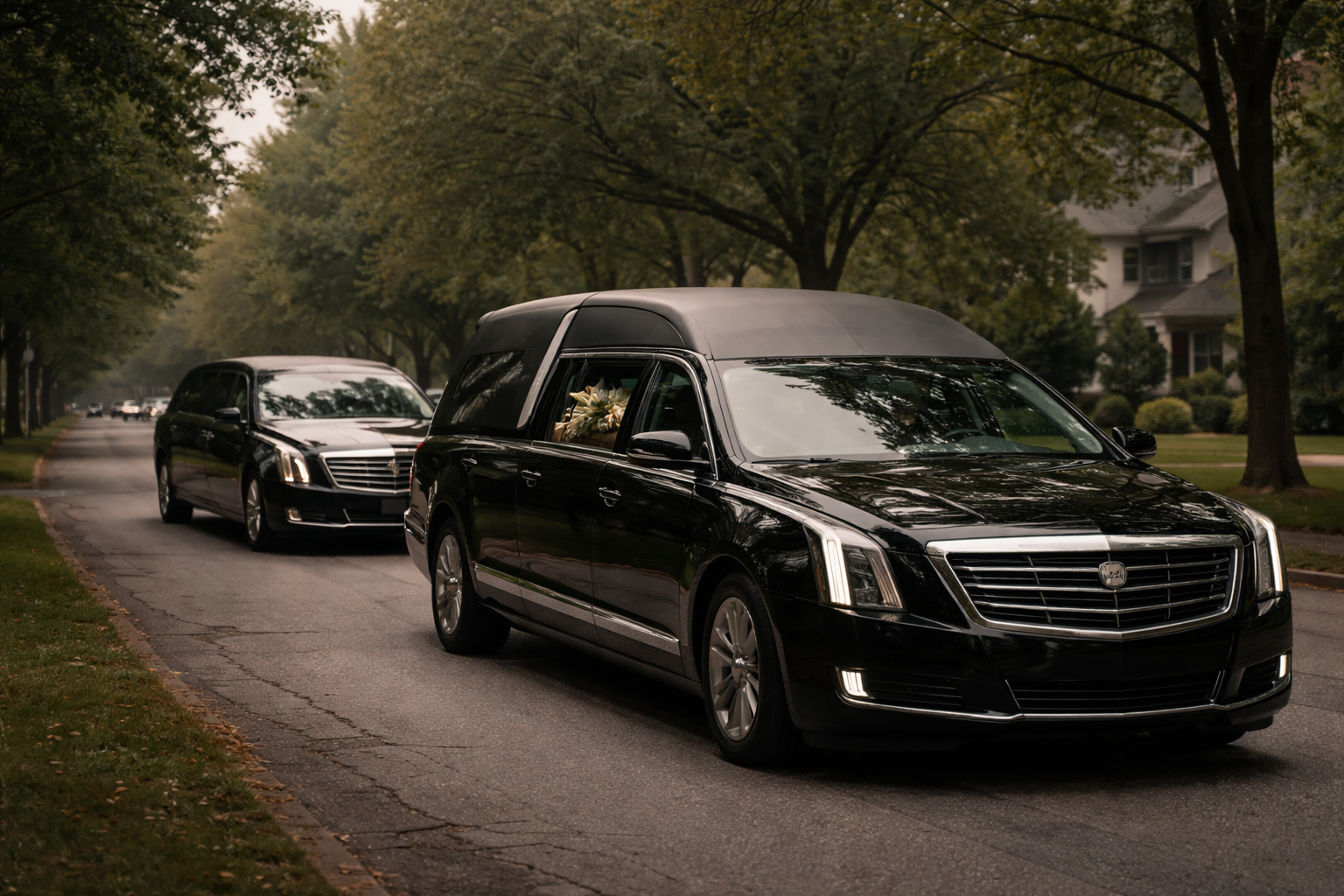
The segment of the market that includes hearses, funeral limousines, and specialised transport used by funeral directors and private ambulance operators may not make daily headlines, but it’s quietly evolving.

Market growing on the back of personalisation and luxury

Recent industry data shows the global funeral car market — which encompasses hearses, limousines and related professional vehicles — is expected to climb from around $1.88 billion in 2026 to about $2.62 billion by 2035, growing at an annual rate near 3.8%. That steady expansion reflects broader trends: families increasingly want funeral services that feel personal and meaningful, and vehicles play a key role in that expression.

For operators and asset managers, this matters: hearing “it’s tradition” isn’t the whole story. Demand for vehicles that feel right culturally and emotionally — whether a classic Cadillac coach, a bespoke limousine, or a discreet first‑call van — is growing.

What funeral transport providers are doing

Coachbuilders and specialist manufacturers remain central to this sector. Companies like Wilcox Limousines combine traditional craftsmanship with modern design tools and materials to produce hearses, limousines and first‑call vehicles that meet both ceremonial and practical needs. Their work ranges from bespoke Jaguar‑based hearses used in high‑profile funerals to export models for markets like Australia and New Zealand.

Operators also take cues from global customer preferences. Some funeral homes use minivans or purpose‑built first‑call vehicles instead of using the main hearse for initial pickups — this can help preserve the main ceremonial vehicle while giving families a dignified but discreet first contact.

Trends to watch: personalisation, technology, sustainability

The industry is also feeling the push toward personalise experiences. Some firms offer vehicles styled to reflect the personal history or interests of the deceased — whether that’s a classic Land Rover hearse, a custom coach, or a more contemporary electric platform. While not yet mainstream, these kinds of choices show how families are thinking differently about transport.

On the technology side, modern funeral vehicles increasingly come with better ride quality, integrated navigation and communications gear, and improved safety systems. That makes sense: these vehicles are called on when emotions are high and logistics matter. Within operations, smooth coordination reduces stress for families and helps directors meet tight schedules without hiccups.

Sustainability is emerging too, with more interest in lower‑emission options. As with other ground transport segments, funeral operators are asking whether electric or hybrid chassis can fit their use cases in a cost‑effective way.

Planning for asset lifecycles

For funeral directors and the brokers and financiers who support them, this sector’s growth means thinking about vehicle lifecycle planning. Hearses and limousines are not high‑turn assets like taxis or delivery vans: they require thoughtful maintenance, clear expectations around usage patterns, and an understanding of how customer preferences are shifting.


Using data on market direction and fleet trends helps when you’re negotiating price, planning capital expenditure, or talking through timing for replacements. Instead of treating these vehicles as static tools, viewing them as part of a broader cultural and market shift makes for better decisions.


In a quiet but important corner of professional transport, funeral vehicles are evolving — and that evolution opens room for smart planning and thoughtful investment

You might also like
By avro fleet team March 16, 2026
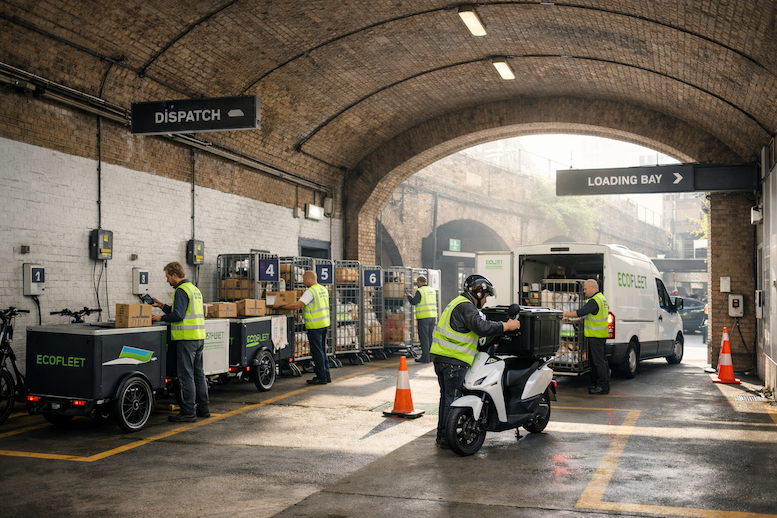
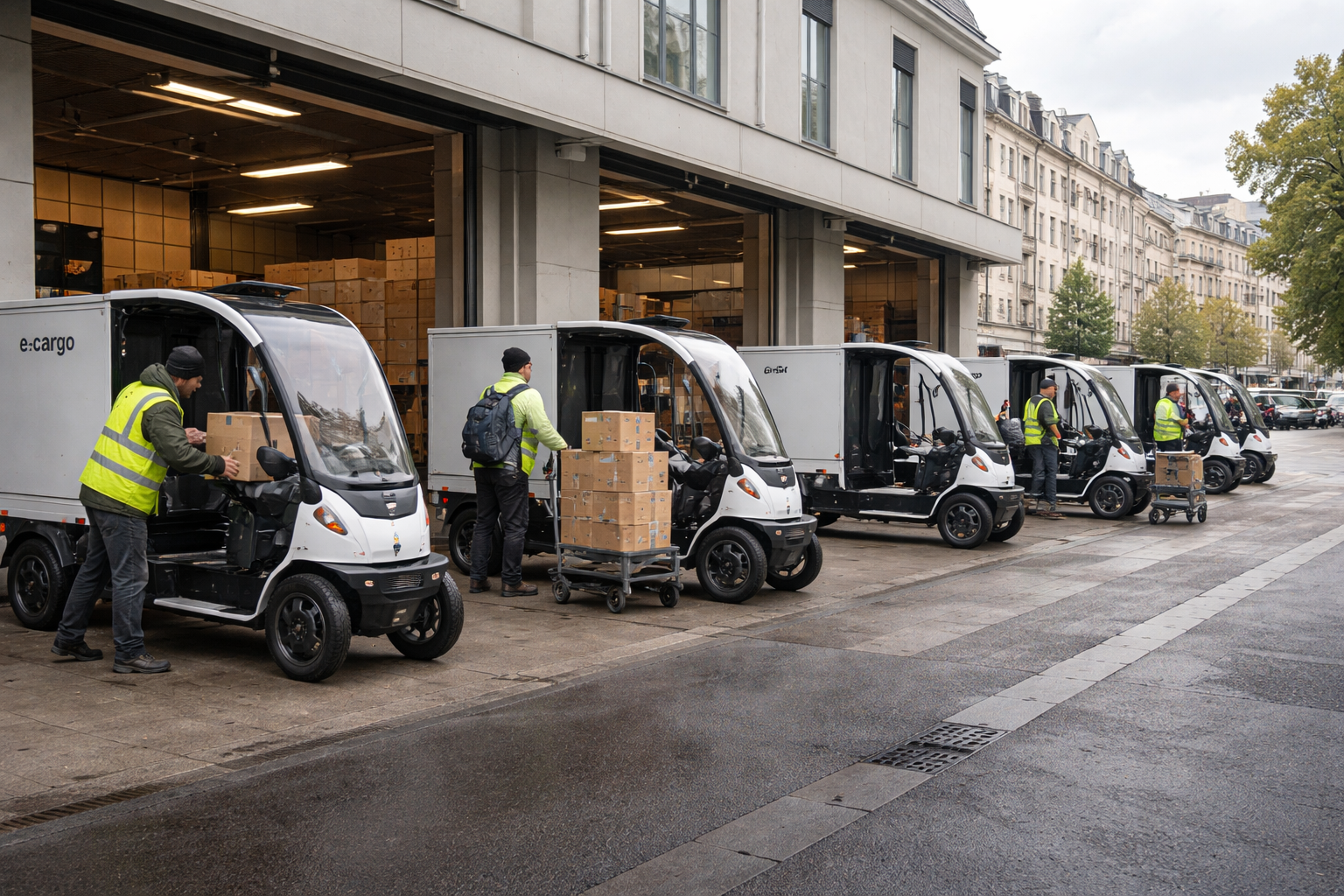
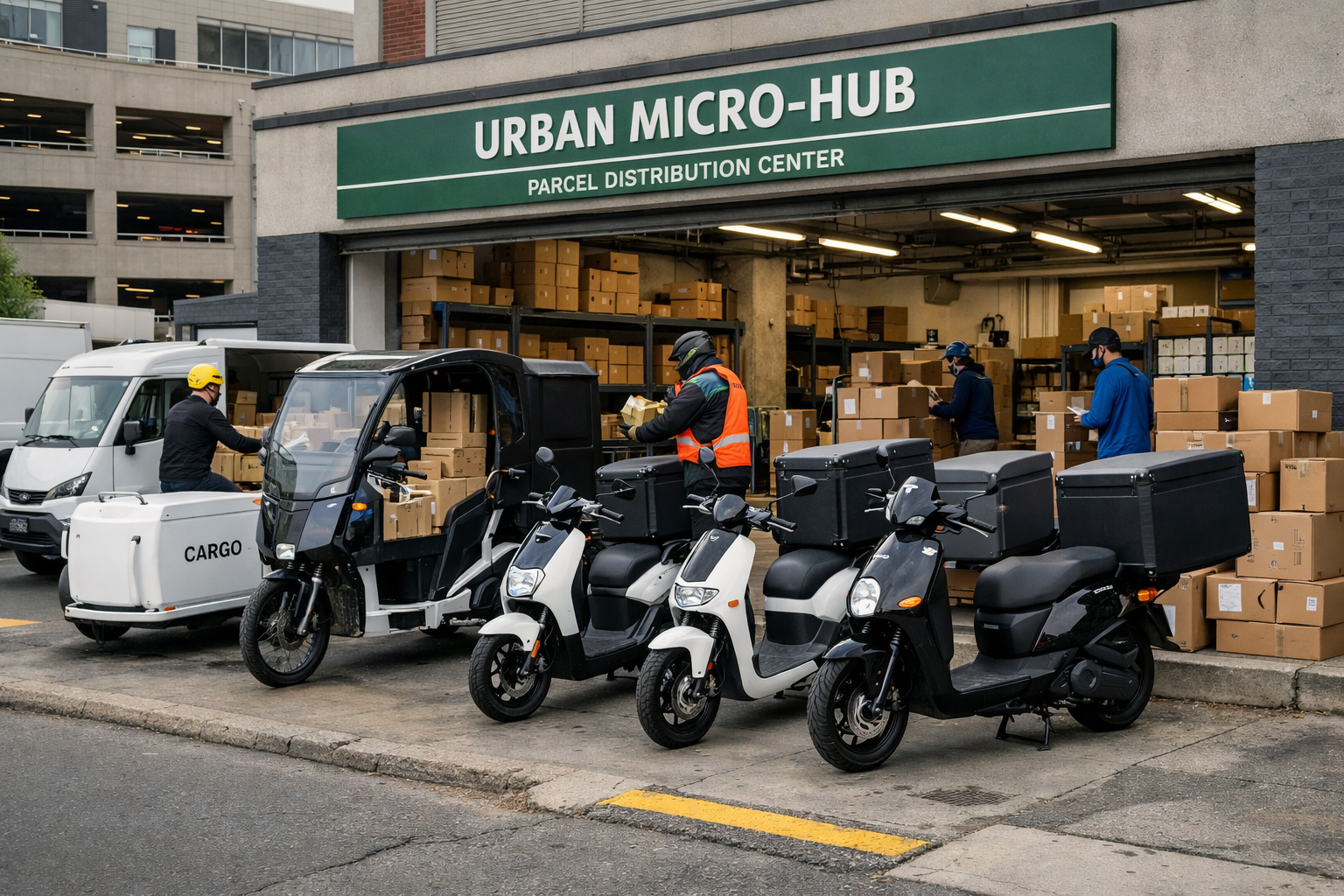
Urban logistics is changing fast. The traditional delivery van is no longer the only vehicle handling the last kilometre of e‑commerce shipments. Cargo bikes, electric mopeds and small electric carts are now becoming a core part of delivery fleets in major cities. One clear example is Amazon’s recent milestone: more than 100 million deliveries across Europe using cargo bikes, electric mopeds and push carts.  This scale shows that micromobility logistics is no longer experimental. Instead, it is becoming a practical strategy for navigating the constraints of city centres. Urban areas present unique challenges for delivery vehicles. Narrow streets, restricted access zones and limited parking slow down traditional vans. Drivers often spend significant time searching for loading space or dealing with congestion. Cargo bikes solve several of these problems. Because they are smaller, riders can use bike lanes, reach pedestrian areas and park directly near delivery addresses. In dense neighbourhoods this often leads to faster deliveries and more stops per hour. Electric mopeds fill another niche. They offer greater range and speed than bicycles while remaining compact enough for city traffic. For food delivery platforms and courier services, these vehicles balance efficiency and flexibility. The key to making these systems work is infrastructure. Many operators now use micro‑hubs located close to high‑demand areas. Parcels arrive at the hub in larger vehicles and are then transferred to cargo bikes or mopeds for the final leg of the journey. This approach reduces the number of vans entering city centres while keeping delivery times short. Cities are beginning to support these changes. Some municipalities are creating dedicated cargo‑bike parking zones, loading bays and consolidation hubs. These policies recognise that urban freight is evolving and needs infrastructure designed for smaller vehicles. The shift toward micromobility fleets is likely to continue as e‑commerce grows and cities introduce stricter emissions rules. Instead of replacing vans entirely, the future of delivery will probably involve mixed fleets where each vehicle type handles the routes it performs best. Cargo bikes, mopeds and electric vans working together could become the standard model for urban logistics.
By avro fleet team March 14, 2026
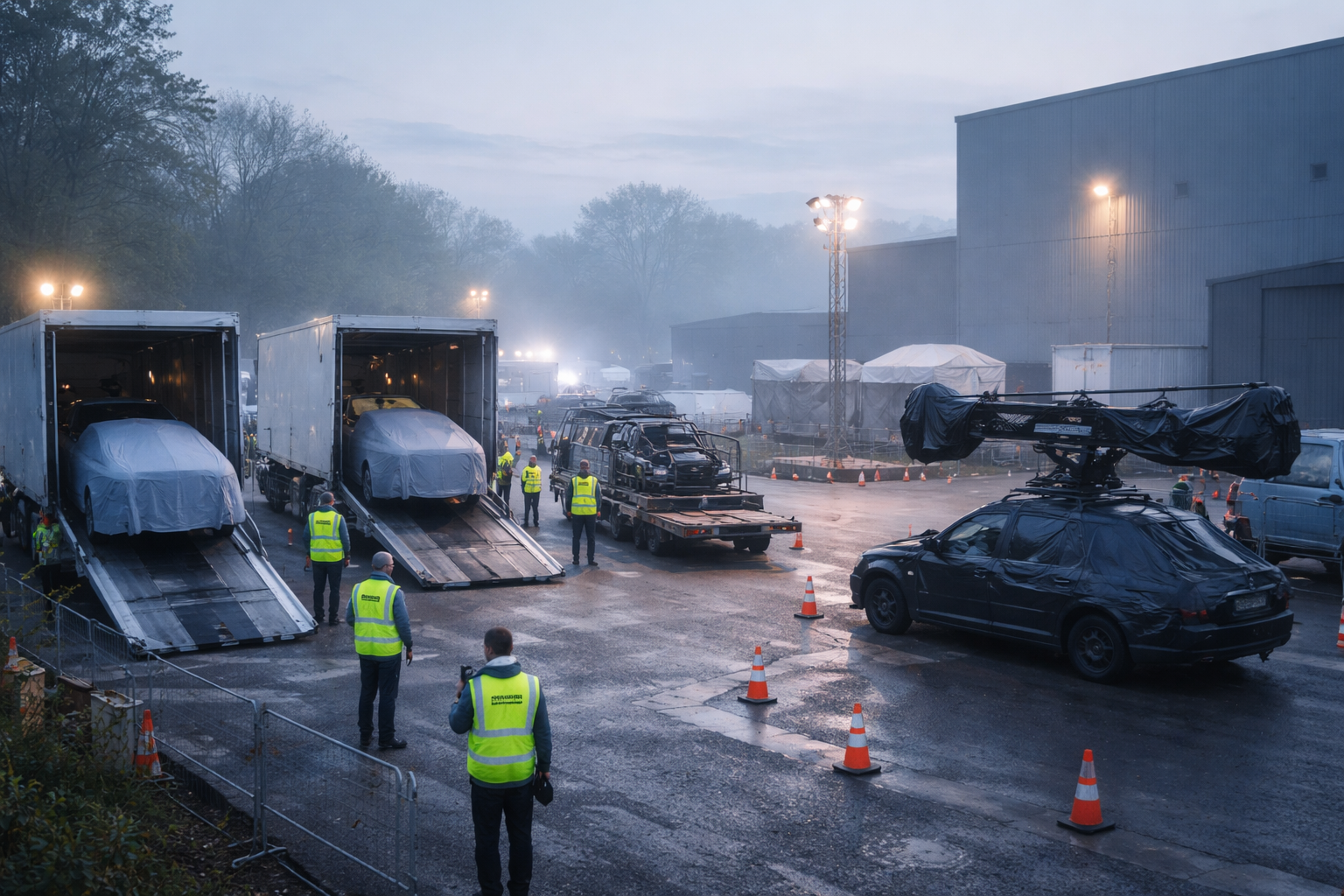
When audiences watch a film, they see the action on screen. What they rarely see is the logistics required to place those vehicles in front of the camera. Cars, trucks and specialist camera vehicles rarely live near the locations where scenes are filmed. Modern productions move frequently between cities, states and sometimes countries. As a result, vehicle transport has become a critical part of film production logistics. Why vehicles travel so much during production Film projects often change locations several times during shooting. One location might provide city streets, another might offer tax incentives, and a third might match the landscape described in the script. When the production moves, many of the vehicles move with it. These can include: Hero or “picture” cars used in close‑up scenes Backup vehicles that match the same model and colour Stunt cars prepared for crashes or high‑speed driving Camera vehicles used for moving shots Support vehicles used by the transport department Each vehicle plays a specific role in filming. Losing access to one at the wrong moment can delay an entire scene. Transport timing matters more than distance In traditional logistics, the main concern is getting cargo from point A to point B at a competitive price. In film production, timing is often the bigger concern A scene might require a specific vehicle at a precise time because hundreds of crew members are scheduled around that moment. Actors, road permits and location access are also tied to the schedule. If the vehicle arrives late, the production may have to reschedule filming or cancel the scene for the day. That can quickly turn into a very expensive problem. Special handling requirements Production vehicles are rarely treated like normal freight. Many require additional precautions during transport. For example, classic cars may need enclosed transport to avoid damage. Stunt vehicles may have structural modifications that require careful loading. Camera vehicles carrying specialised rigs may need custom securing methods. Insurance, condition reports and secure storage are also common parts of the process. Transport providers working with film productions must understand these risks and plan accordingly. Why vehicle transport rarely gets attention Transport teams usually do their best work when nobody notices them. If the vehicles arrive on time, the department quietly supports the production and filming continues smoothly. But if the transport chain breaks down, the consequences appear immediately on set. Crew members wait. Locations sit unused. Shooting time disappears. For productions working on tight schedules, that kind of delay can ripple through the entire shoot. The role of logistics in modern filmmaking Film and television production is often described as a creative industry, but it also relies heavily on logistics. Behind every scene involving vehicles there is a transport network moving equipment, props and cars across long distances. The audience only sees the finished scene.  The real work often happened days or weeks earlier, when someone made sure the right vehicle arrived in the right place at exactly the right time.
By avro fleet team March 12, 2026
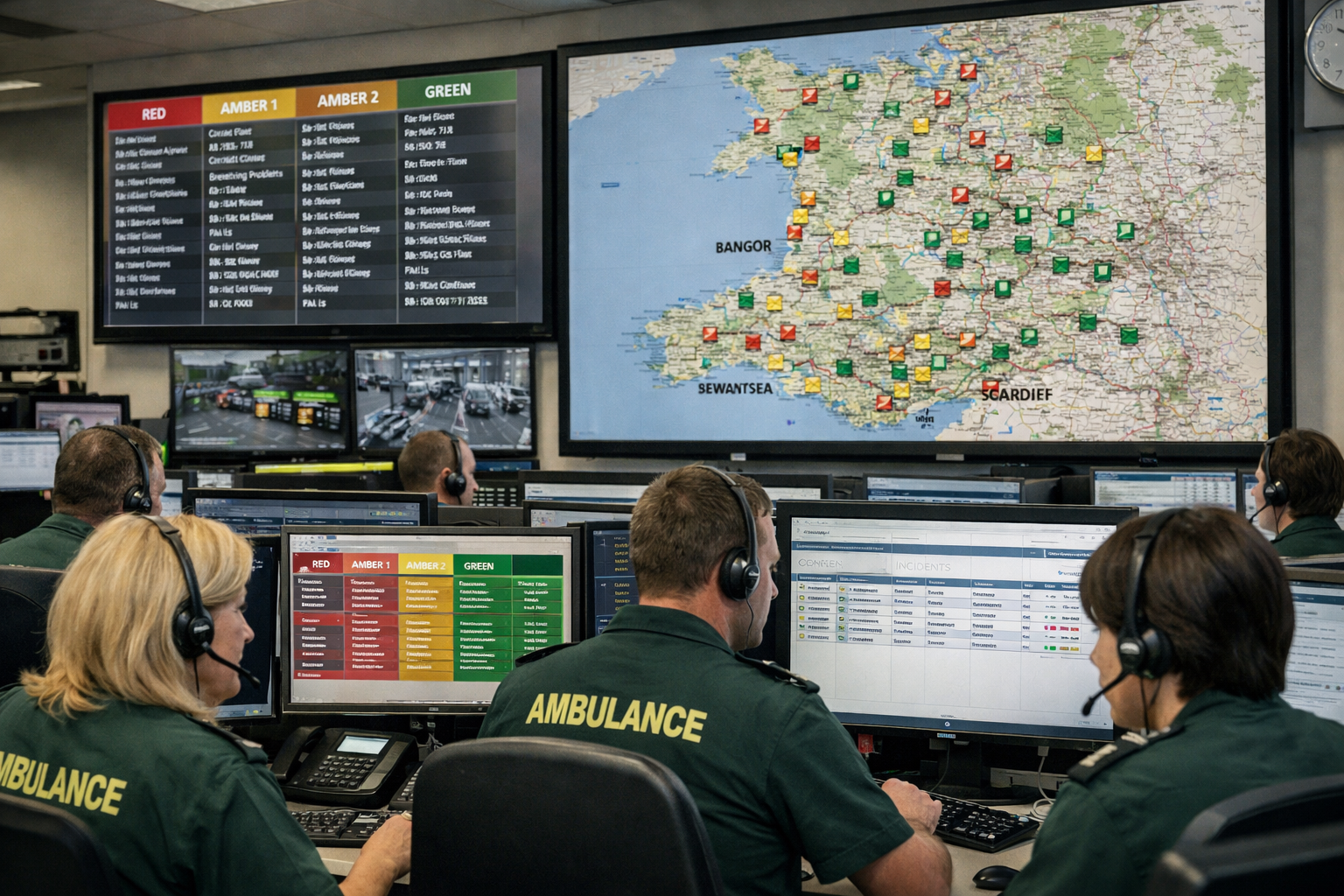
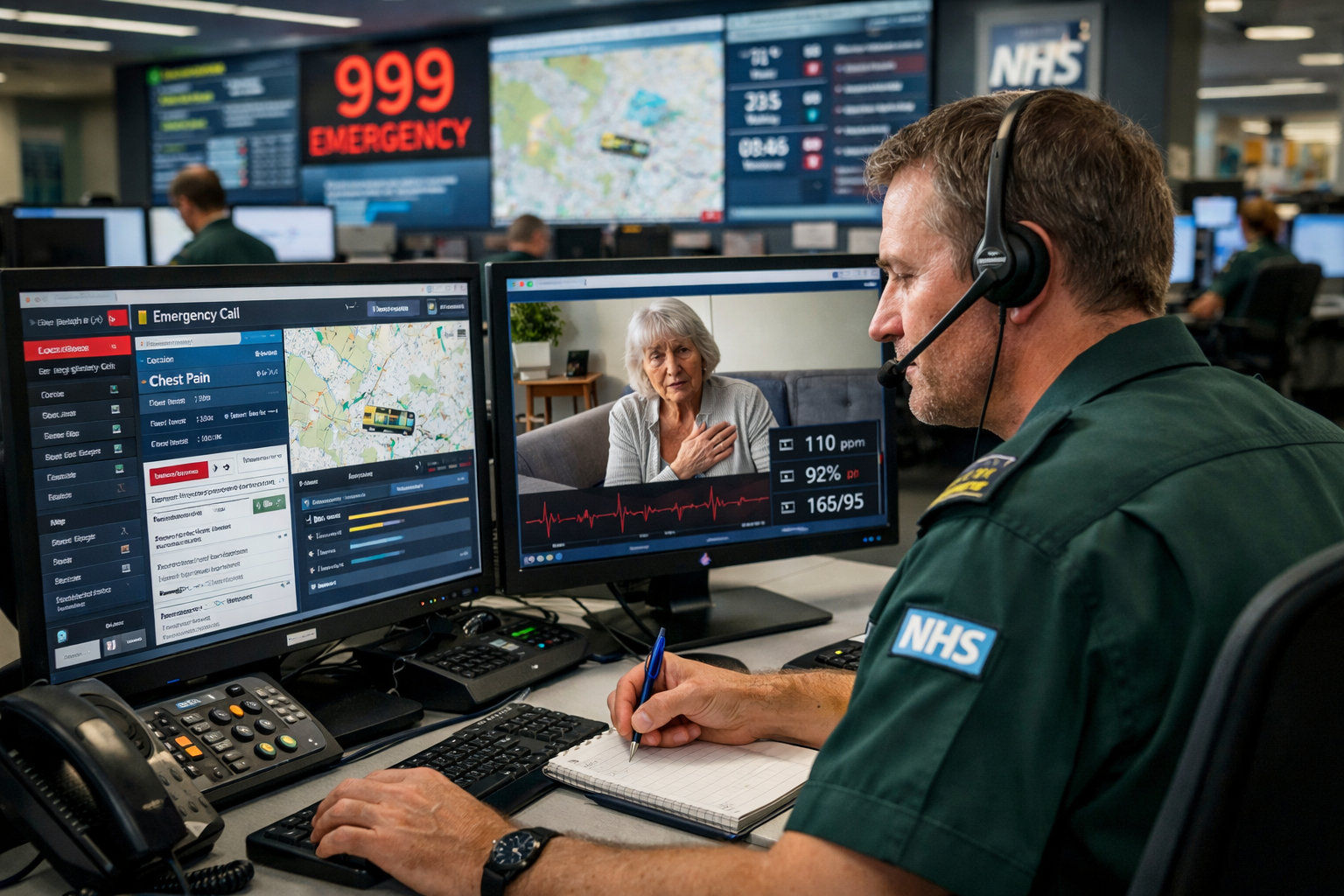
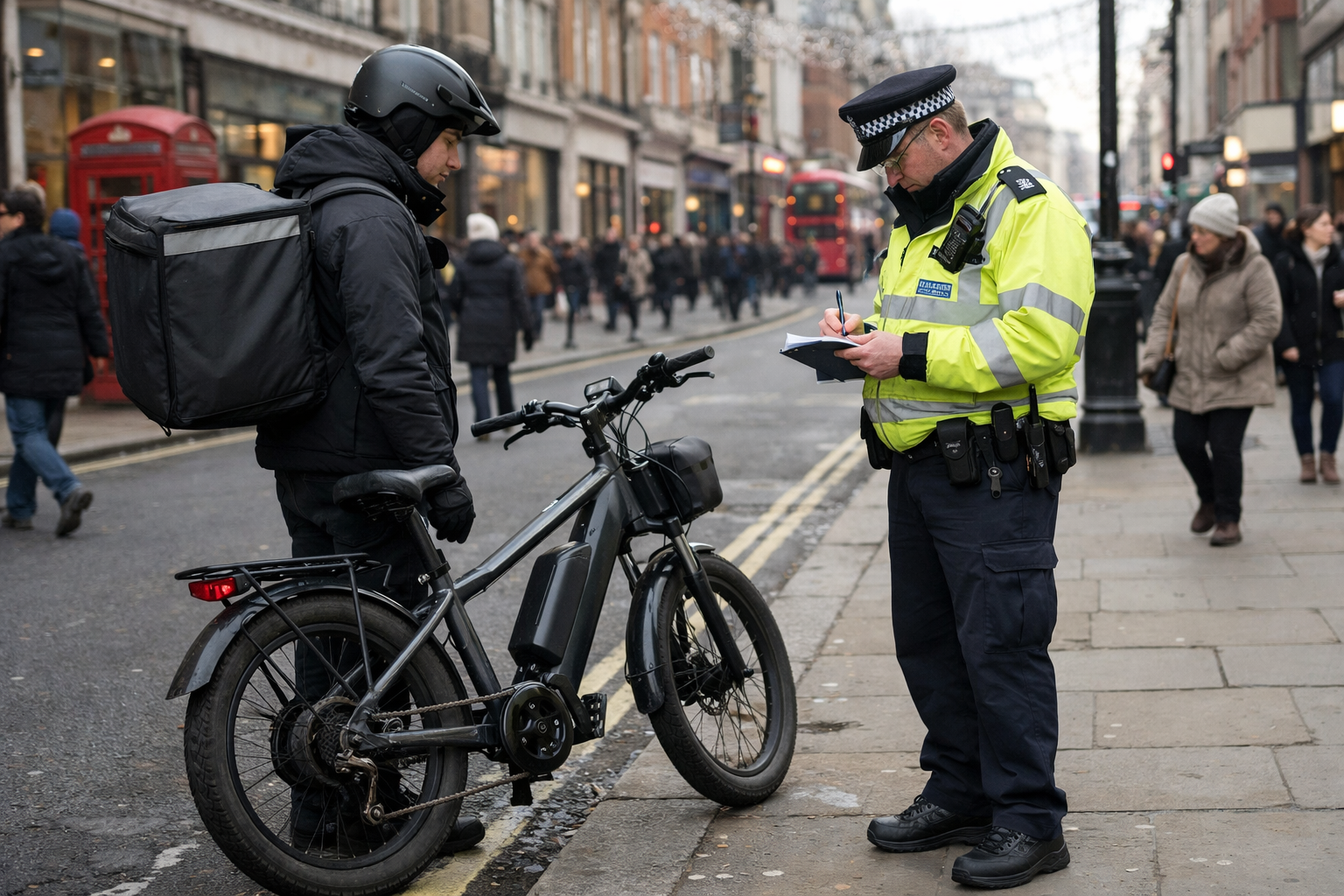
The Welsh Ambulance Services NHS Trust has introduced a new emergency response model that could influence ambulance services across the UK. Instead of automatically dispatching an ambulance to most 999 calls, clinicians now assess many patients remotely using phone consultations, video calls and digital monitoring tools. Ambulances are primarily sent to the most serious emergencies, such as cardiac arrests or life‑threatening breathing problems. The shift reflects growing pressure on ambulance services, where rising demand and hospital delays have stretched response systems to their limits. Why the change was needed Traditionally, emergency services measured success by response times. The faster an ambulance arrived, the better the performance score. But this model created problems. Ambulances were being dispatched to many cases that did not ultimately require emergency transport. At the same time, hospital handover delays meant vehicles could be stuck waiting outside emergency departments for extended periods. The result was fewer vehicles available for genuinely critical incidents. The Welsh model changes that. Clinical teams now evaluate calls first and decide whether a patient needs an ambulance, community care or remote monitoring. Technology supporting the model The system uses several digital tools to support remote triage. Patients may be asked to provide readings from home devices such as blood‑pressure monitors or oxygen sensors. Those readings can be tracked through monitoring apps and alert clinicians if the patient deteriorates. Ambulances are also being upgraded with better connectivity. Some vehicles are fitted with satellite antennas so crews can access hospital systems and transmit patient data even in rural areas. In addition, trials are exploring drone‑delivered defibrillators to reach cardiac arrest incidents in remote locations. Implications for fleet operators For ambulance services and private providers, the implications are significant. Fleet demand will become more targeted. Instead of dispatching a vehicle to most calls, services will rely on a mix of emergency ambulances, rapid response cars and remote clinical teams. That means the future emergency fleet is likely to be more varied and more data‑driven. Vehicle numbers still matter, but how they are deployed will matter even more. Wales is effectively testing a new operational model for emergency care.  If the approach continues to improve response times and patient outcomes, it may influence ambulance services across the UK. For organisations involved in emergency vehicle fleets, the message is clear: the future of ambulance response may depend as much on clinical triage and digital tools as it does on the vehicles themselves.
By avro fleet teams March 10, 2026
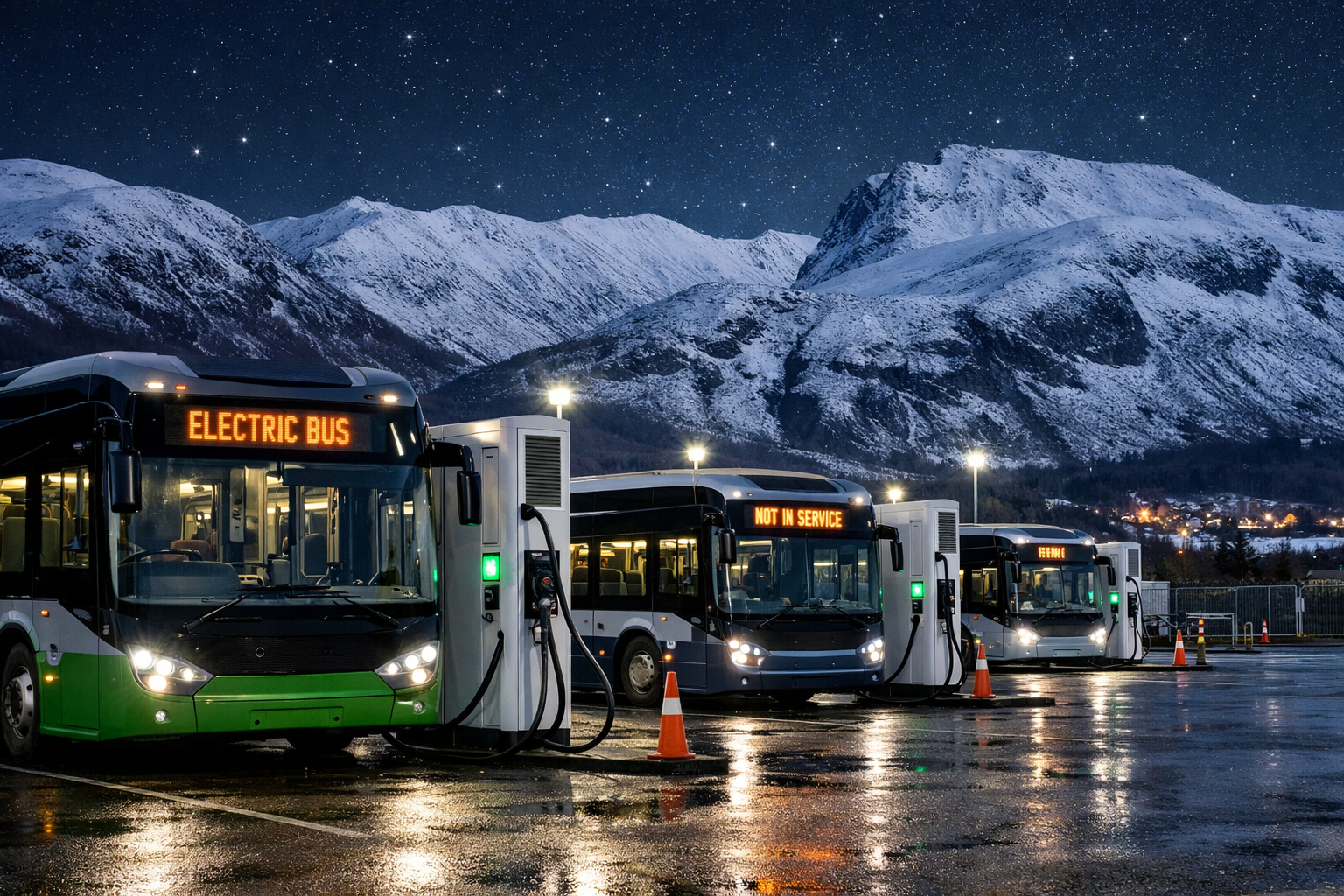
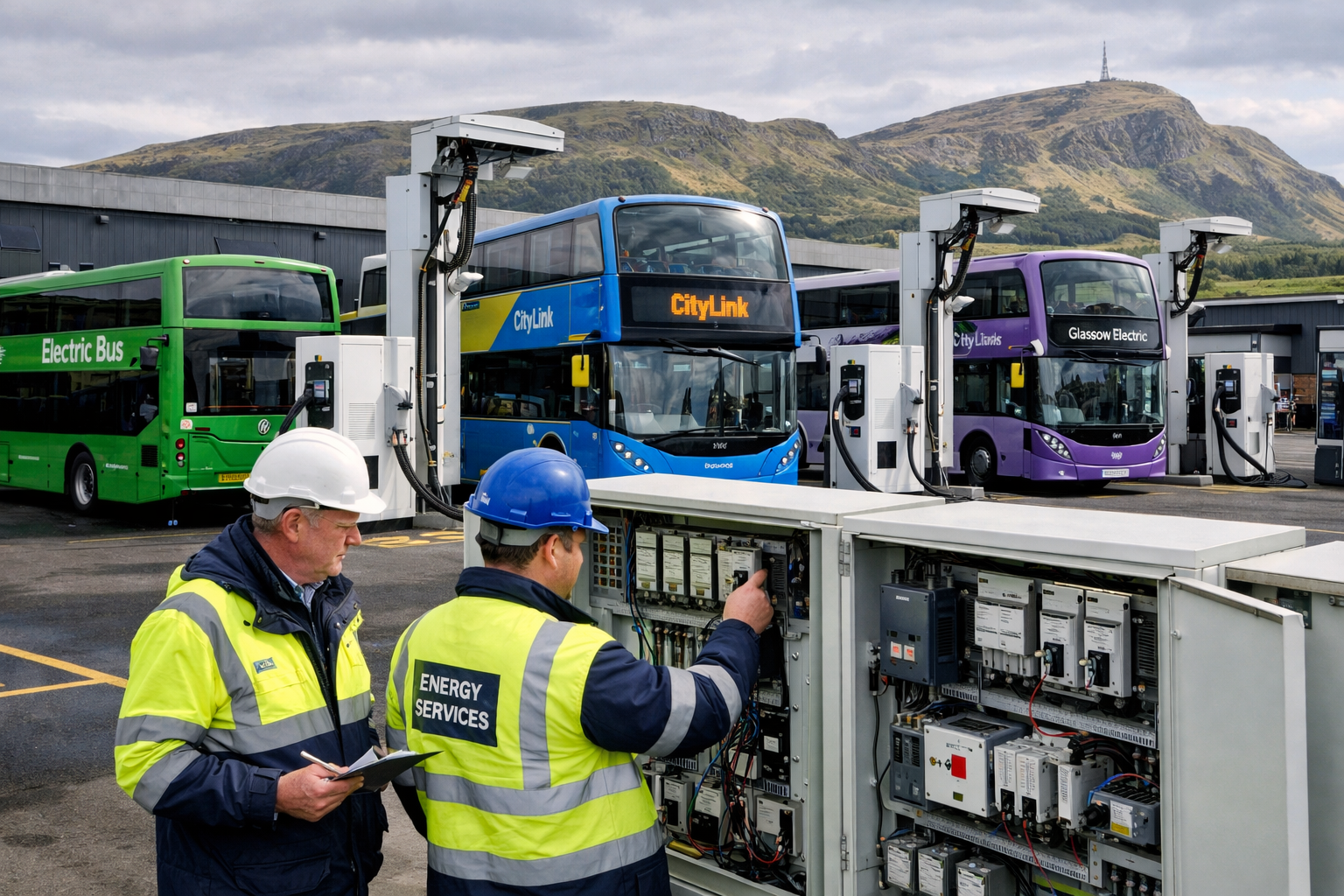
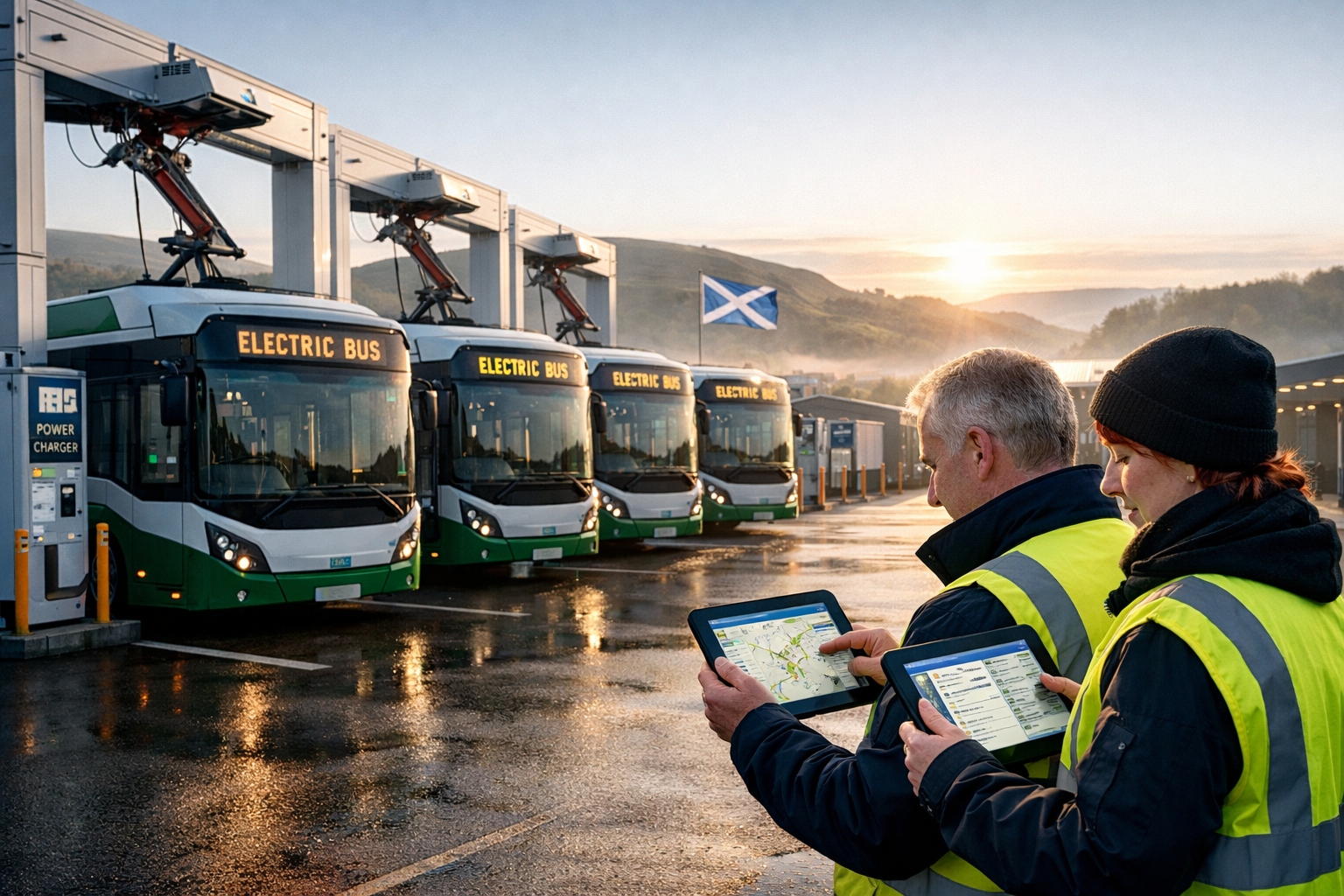
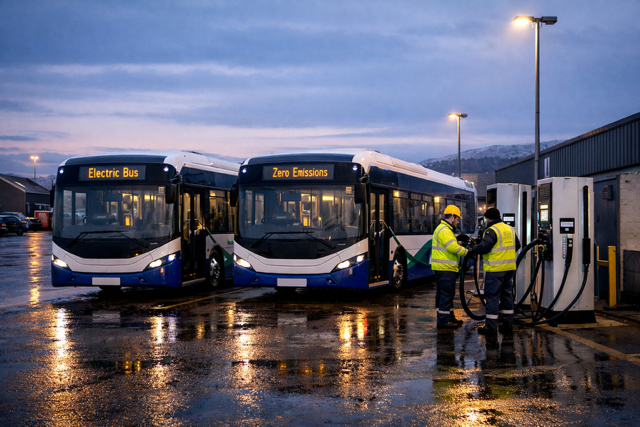
Scotland’s third round of the Scottish Zero Emission Bus Challenge Fund, known as ScotZEB3, marks an important shift in the country’s approach to bus decarbonisation. The programme provides up to £45 million to support the purchase of battery‑electric and hydrogen buses along with charging and refuelling infrastructure. It focuses on vehicles operating on registered local services rather than private or tourism fleets. While earlier funding rounds aimed to accelerate adoption of new technology, ScotZEB3 reflects a more mature market. From pilot projects to infrastructure delivery When the programme first launched, electric bus technology was still relatively new. Funding helped operators trial vehicles and develop experience with charging systems. Now the industry has moved beyond that stage. Electric buses are increasingly common across Scotland’s major operators. The challenge has shifted from technology adoption to infrastructure deployment. Charging equipment, depot upgrades and grid connections are now the main barriers to scaling up zero‑emission fleets. Why infrastructure matters more than vehicles In many projects, the bus itself is the easy part. The complex work lies in: securing grid capacity installing high‑power chargers redesigning depot layouts planning charging schedules around daily routes These factors determine whether vehicles can actually operate reliably. As a result, ScotZEB3 evaluations place strong emphasis on deliverability and project readiness. Financial considerations The cost of zero‑emission buses remains higher than diesel equivalents. However, operating costs can be lower due to reduced fuel and maintenance requirements. Funding programmes like ScotZEB3 help bridge the capital gap while the market continues to mature. Private financing and partnerships are also becoming more common, particularly where infrastructure providers build and operate charging systems for operators. Looking ahead Scotland has already supported hundreds of zero‑emission buses through earlier funding schemes. The government is also considering regulatory measures that could require new buses on local services to be zero‑emission from around 2030. That policy direction means electrification is moving from optional to inevitable. What this means ScotZEB3 is less about experimentation and more about execution. Operators that can demonstrate strong infrastructure planning, reliable power supply and realistic delivery timelines will be best placed to secure funding and expand their zero‑emission fleets.
By avro fleet team March 10, 2026
Funeral vehicles are traditionally associated with formal processions and fixed routes between a funeral home, church, and cemetery. But recent stories circulating online show that the final journey is starting to look a little different. A widely shared video showed a hearse with a coffin visible in the rear stopping at a McDonald’s drive‑through. For many viewers the moment seemed strange or even disrespectful. In reality, funeral professionals explained that these stops are often arranged at the family’s request as a final tribute to the person who has died. This small example highlights a wider shift in how funeral services are planned. The rise of personalised final journeys Funeral directors have always tailored services around family wishes. But in recent years there has been a noticeable increase in requests that reflect the everyday life of the deceased. Instead of travelling directly to a crematorium or cemetery, the cortege may pass by meaningful locations such as: a favourite café or restaurant a workplace or family home a sports stadium a familiar local street or landmark These moments give families a chance to acknowledge the life being remembered in a very personal way. What this means for funeral vehicles The vehicles themselves have not changed much in purpose. A hearse is still designed to transport the deceased with dignity and stability, and limousines continue to carry close family members during the procession. What has changed is how those vehicles are used. A traditional route is predictable. A personalised route often isn’t. Drivers may need to plan for stops in places that were never designed for ceremonial vehicles, including car parks, drive‑through lanes, or narrow residential roads. That requires careful preparation, good local knowledge, and clear communication with the funeral director leading the service. The operational side of funeral transport From an operational perspective, small details start to matter more when routes vary. Vehicle size and turning radius can affect whether a hearse can safely access certain locations. Timing also becomes more important when additional stops are included before the service begins. Drivers play a key role in maintaining the tone of the procession. Even when a route includes unusual locations, the atmosphere must remain calm and respectful. A quiet shift in expectations Personalised journeys do not replace traditional funeral processions. Many families still prefer the established format. But the increasing number of requests for meaningful stops suggests expectations are evolving. Funeral transport is no longer just about moving from one location to another. It is also about marking the journey in a way that reflects the person being remembered. For funeral directors and transport providers, the lesson is straightforward. Flexibility and planning are becoming just as important as the vehicles themselves.
By avro fleet team March 5, 2026
Ambulance services across the UK are facing a shift in how performance is measured. Recent urgent and emergency care policy places a strong focus on productivity, particularly reducing hospital handover delays and improving vehicle turnaround times. This change has direct implications for fleet management. From response times to utilisation Historically, ambulance performance was judged largely on response time targets. While these remain important, the new focus is on how effectively vehicles are used throughout a shift. A vehicle waiting outside a hospital for an hour is not available for new calls, regardless of how quickly it reached its last patient. Improving productivity therefore requires coordination between ambulance services, hospitals and transport providers. The role of hospital flow Handover delays are often linked to hospital capacity and patient flow. Investments in same‑day emergency care, discharge pathways and bed management can reduce waiting times for ambulance crews. For fleet operators, this means performance depends on external system factors as much as on maintenance and staffing. Private providers supporting NHS services should expect contracts and key performance indicators to reflect these whole‑system measures. Digital fleet visibility Telematics and real‑time tracking systems are becoming essential tools. They allow control rooms to monitor vehicle status, predict availability and identify bottlenecks. Preventative maintenance scheduling also improves uptime and reduces unexpected breakdowns. Digital data will increasingly support commissioning decisions and performance reporting. Operational implications Fleet strategies may shift toward: Faster vehicle turnaround processes Better coordination with hospital handover teams Greater use of rapid response units and alternative pathways Data integration between dispatch and hospital systems These changes are aimed at keeping more vehicles available for longer periods without simply increasing fleet size. Conclusion Ambulance productivity is becoming a central performance measure. Organisations that focus on utilisation, data integration and system coordination will be better placed to meet future commissioning requirements and deliver consistent service.
By avro fleet team March 4, 2026
Many cities want delivery fleets to switch to electric two‑wheelers quickly. Delhi’s recent decision to delay its full EV requirement shows why that transition is more complex in practice.  The original plan required platforms to add only electric bikes to their fleets. In reality, adoption reached just 9 percent of new vehicles. Regulators responded by allowing modern petrol bikes to remain in use until the end of 2026. The gap comes down to economics and infrastructure. Couriers need affordable vehicles, reliable charging and access to maintenance. Without those, electric models can limit earning potential if riders lose time waiting for batteries to recharge. Financing is another barrier. Many gig‑economy riders cannot fund higher upfront costs without leasing or rental support. Where those programmes exist, adoption tends to increase. There is also the issue of vehicle supply. High‑speed electric two‑wheelers suitable for delivery work are not yet available in sufficient numbers in some markets. For policymakers, the lesson is that mandates work best when paired with incentives, charging networks and fleet partnerships. For operators, a phased transition with mixed fleets often delivers better results than a sudden switch. Electrification remains the long‑term direction. But the path depends on building an ecosystem that supports riders and businesses, not just setting deadlines.
By avro fleet team March 2, 2026
As the ScotZEB3 deadline arrives, the focus of Scotland’s zero‑emission bus programme has shifted toward projects that are ready to deliver. The fund provides support for electric and hydrogen buses as well as depot charging and refuelling infrastructure, but the key assessment factor is deliverability. Infrastructure as the critical path Experience from earlier funding rounds shows that grid connections, substation upgrades and depot civil works often determine project timelines. Vehicle delivery is rarely the limiting factor. Operators that have confirmed power availability and planned depot layouts are more likely to succeed. Aligning vehicles and charging Zero‑emission fleets require careful operational planning. Charging schedules must match route duty cycles, and depot layouts must allow safe and efficient vehicle movements. These considerations affect both capital costs and day‑to‑day operations. Financing considerations The higher upfront cost of zero‑emission buses means funding structures must align with build phases. Payments for infrastructure, vehicles and installation need to be coordinated to avoid cashflow gaps. Policy context With tighter diesel regulations approaching, the transition to zero‑emission buses is moving from voluntary to expected. Early adopters benefit from grant support and operational experience. Practical steps for operators Successful projects typically include: Confirmed grid capacity and connection timelines Detailed depot and charger layouts Realistic delivery schedules Integrated fleet and infrastructure planning Conclusion ScotZEB3 is less about testing technology and more about implementing it at scale. Projects that demonstrate infrastructure readiness and operational planning are most likely to move forward and shape Scotland’s next phase of bus decarbonisation.
By avro fleet team March 2, 2026
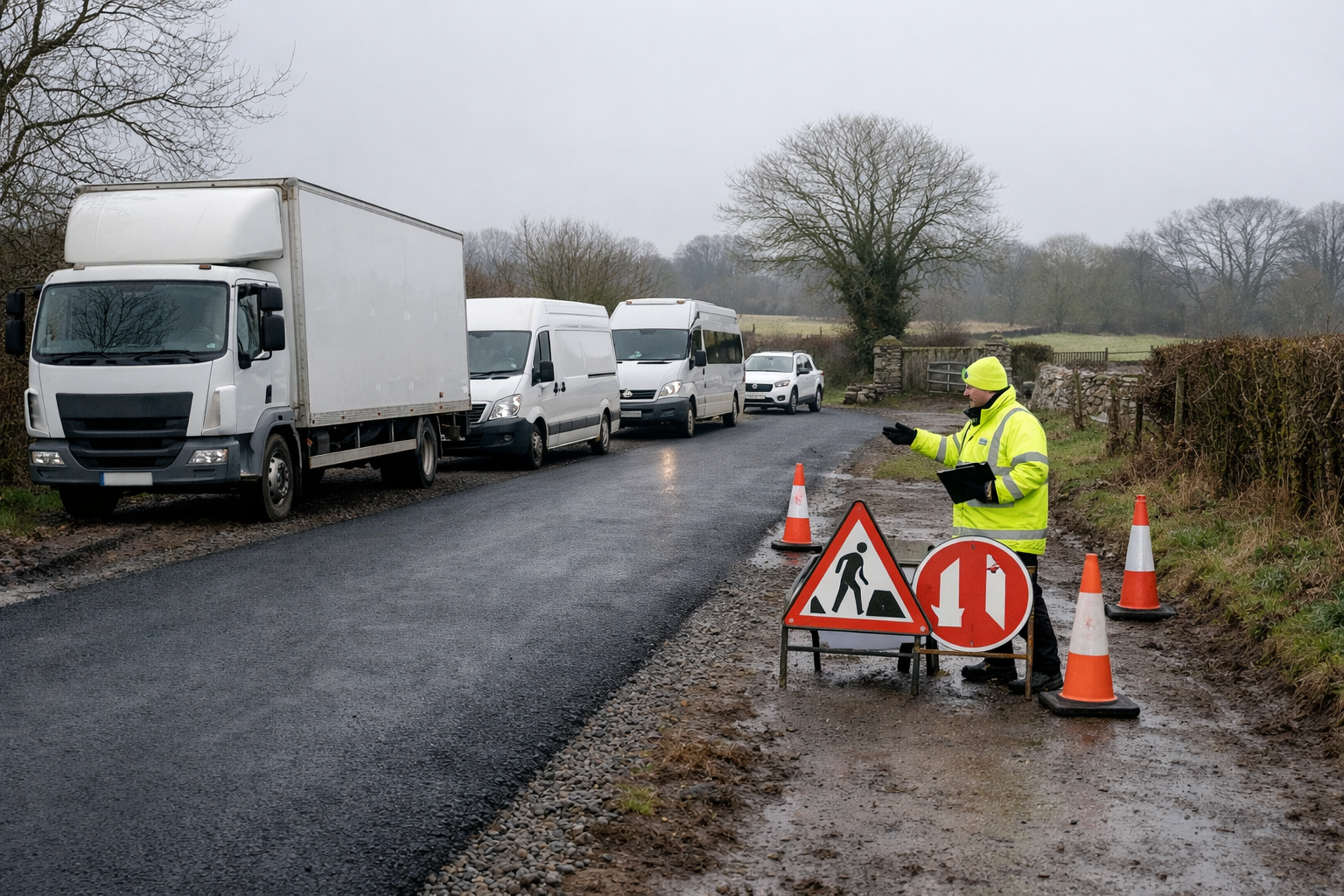
A recent TV production in Devon had to repair a damaged rural lane before trucks and support vehicles could reach the filming location. It’s a straightforward example of something transport teams deal with all the time: the condition of the route to set. Access routes are part of the transport plan Transport planning usually focuses on vehicle numbers, parking layouts and call times. But none of that works if the road to the location cannot handle the vehicles. Key checks include: Surface condition and load‑bearing strength Road width and passing points Turning space for large trucks Distance from holding areas If any of these are unsuitable, the production faces delays and extra cost. The impact of poor access Without proper road access, crews often have to: Transfer equipment into smaller vehicles Run multiple shuttle trips Extend load‑in times Increase fuel and labour costs All of that affects the shooting schedule. By resurfacing the lane, the production ensured trucks could arrive in sequence, unload safely and leave without damaging the route. Infrastructure checks during recce Location recces should include a transport assessment, not just a visual check. That means walking the route, measuring widths and identifying potential passing points. For rural shoots, it may also involve checking bridges, soft verges and drainage edges that could collapse under weight. In urban areas, similar issues appear in different forms: tight corners, weight limits and restricted loading zones. Benefits beyond the shoot Road improvements can leave a positive legacy for local communities. In this case, residents benefited from a repaired surface that had been a long‑standing problem. That helps build better relationships with locations and can make future filming easier to arrange. Transport as early planning This example shows that transport planning begins at the route level. If the access road works, the rest of the vehicle plan becomes manageable. If it doesn’t, every department feels the impact. Checking infrastructure early, budgeting for upgrades when needed and coordinating with local authorities keeps productions moving and reduces risk. Good transport logistics start before the first truck leaves the yard.
By avro fleet team February 23, 2026
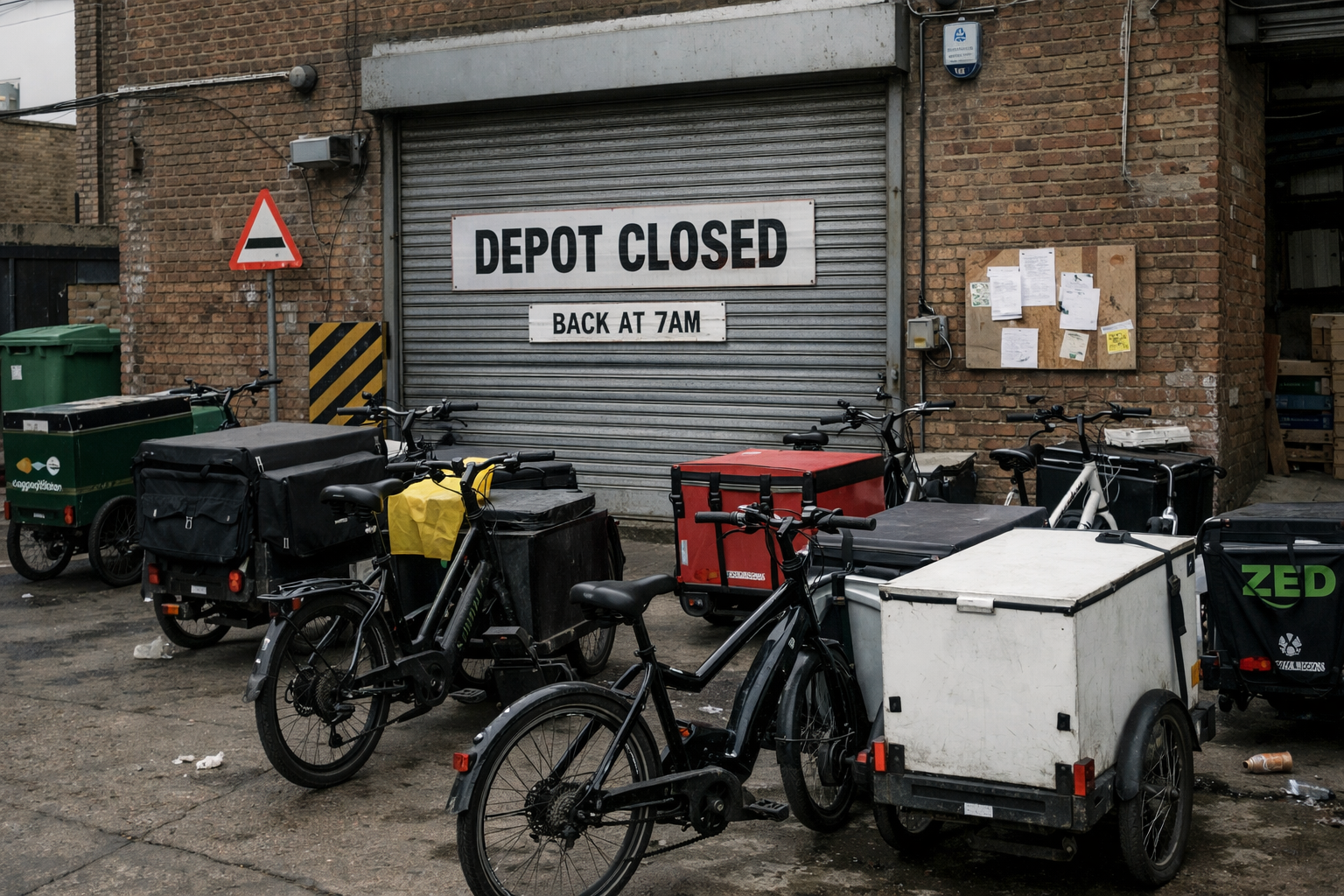
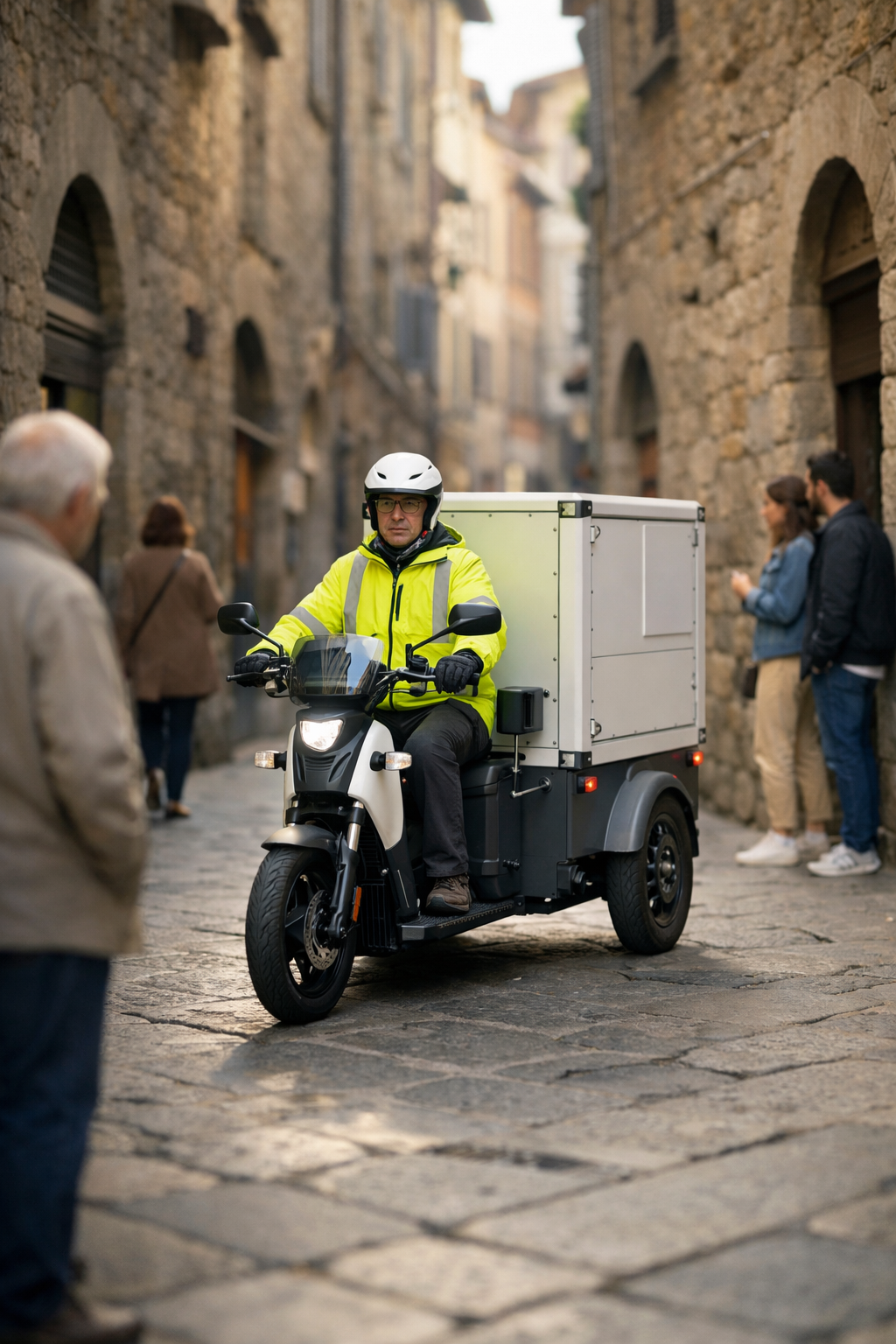
Cargo bikes are often presented as the future of urban delivery. They cut emissions, avoid congestion and complete dense routes faster than vans. Yet the closure of a well‑known cargo‑bike courier in Oxford shows that operational efficiency alone does not guarantee commercial success.  The company delivered more than 1,000 parcels per day using cycle logistics. From a performance standpoint, that is a strong proof point. The failure came after losing a single client that accounted for a large share of revenue. Without that volume, fixed costs such as depots, management and rider coordination became difficult to sustain. This highlights a key feature of last‑mile economics. Vehicles are only one part of the model. Parcel density, contract stability and hub utilisation drive profitability. Cargo bikes work best when routes are tightly clustered and volumes are predictable. Remove those conditions and the cost advantage over vans can narrow quickly. Another factor is network structure. Cycle logistics often relies on micro‑hubs close to delivery zones. These reduce travel time but introduce property costs. If parcel throughput drops, those hubs become under‑used assets. For logistics planners, the lesson is not to question cargo bikes themselves. The lesson is to design diversified customer portfolios and shared infrastructure. Multi‑client hubs, dynamic routing and mixed fleets can spread risk and keep utilisation high. Investors should also look beyond vehicle performance metrics. Contract length, client concentration and route density are stronger indicators of resilience. Cargo bikes remain one of the most effective tools for decarbonising dense urban delivery. But like any asset, they need the right commercial structure around them to succeed.
By avro fleet team February 23, 2026
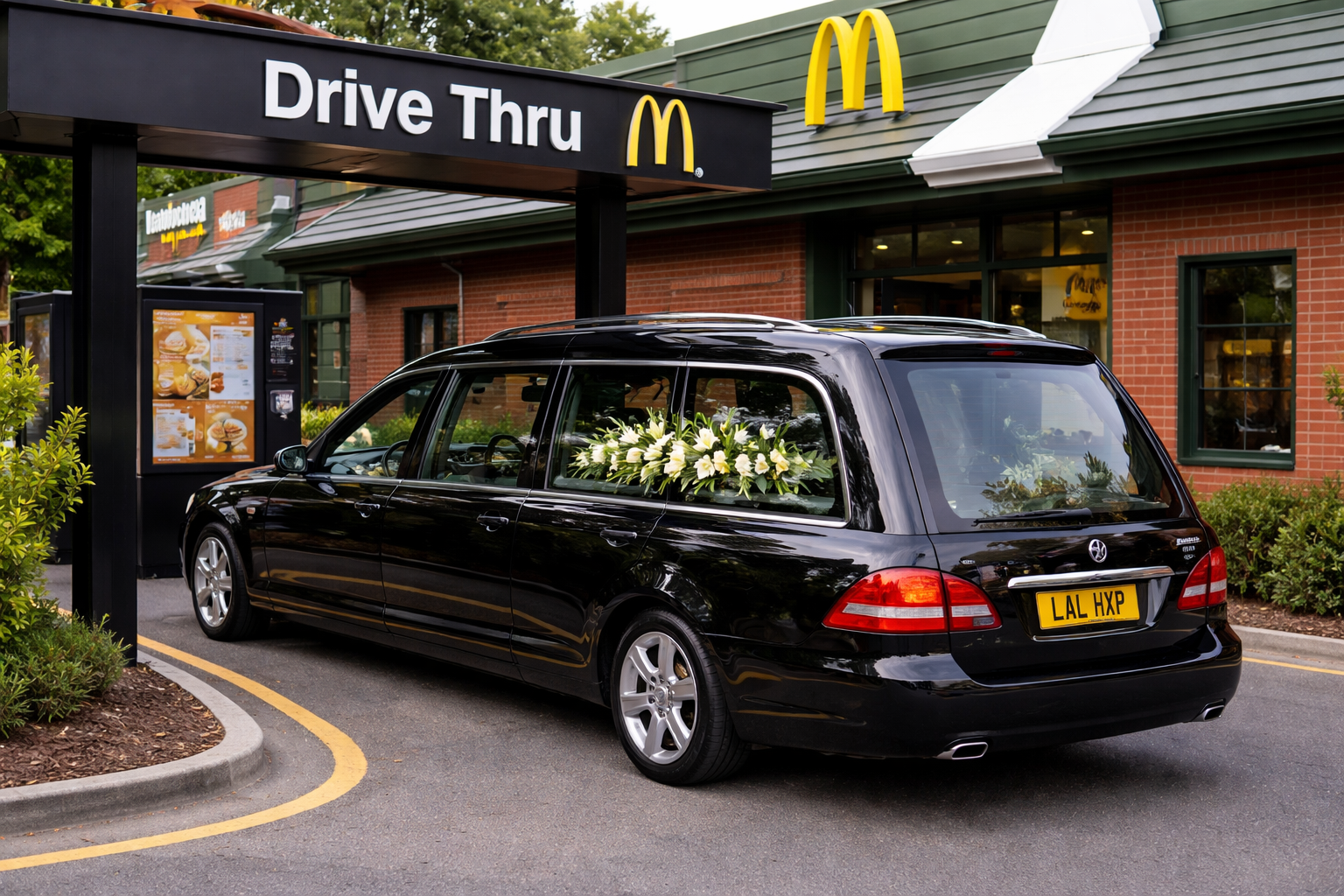
A viral clip of a hearse using a drive‑through might look unusual, but within the profession it points to something more important: families are asking for more personal final journeys. Instead of travelling directly from funeral home to place of service, cortèges are increasingly taking routes that reflect the life of the person who has died. That could be a pass by a workplace, a favourite pub, a sports ground, or a regular coffee stop. Why this matters for funeral transport For funeral directors and vehicle operators, this changes the operational picture. Traditional routes were predictable. Personalised routes are not. That means more route planning, more awareness of road restrictions, and more thought about vehicle size and manoeuvrability. A standard saloon‑based hearse handles differently from a van‑based first‑call vehicle, and both need space to stop safely if the family wants a pause. Timing becomes tighter too. A five‑minute stop on paper can become ten once you account for traffic and public attention. That has to be balanced with service times and crematorium slots. The role of the driver becomes more visible Drivers are no longer just following a fixed route. They are part of the experience. They may need to position the vehicle for a short stop, manage onlookers, or adjust the route if something unexpected happens. That requires experience and clear briefing beforehand. From a fleet perspective, reliability and ease of handling become even more important when routes vary. Vehicles that are simple to position, with good visibility and smooth low‑speed control, make these moments easier to manage. Public spaces bring new considerations Stopping in everyday locations introduces practical issues. There may be limited space, uneven surfaces, or pedestrian traffic. There is also the likelihood of being filmed or photographed. That does not mean these journeys should not happen. It means they need planning so the focus stays on the family rather than the logistics. What this means for fleet planning As personalised journeys become more common, funeral firms may look more closely at: Turning radius and vehicle length Ride comfort at low speeds Ease of access for short stops Discreet appearance in public settings Clear communication equipment for drivers These are small details, but they shape how smoothly a non‑standard route can be delivered. A quiet shift rather than a dramatic change The purpose of the hearse has not changed. It remains a ceremonial vehicle. What is changing is how it is used. The final journey is becoming more reflective of the person’s daily life, and that puts more responsibility on planning and on the vehicles themselves.
By avro fleet team February 23, 2026
Ambulance services are under sustained pressure from rising demand, workforce constraints and hospital handover delays. In Wales, a major operational change is underway that could influence how emergency fleets are planned across the UK. Instead of dispatching an ambulance to most 999 calls, the Welsh Ambulance Services NHS Trust now prioritises life‑threatening cases and uses remote clinical assessment for many others. This shift moves decision‑making from a vehicle‑first model to a clinically led model. From vehicle dispatch to clinical triage Under the new approach, clinicians assess callers by phone or video and determine whether an ambulance, a rapid response unit or an alternative care pathway is appropriate. Advanced paramedics in cars and community responders are used more often, while double‑crewed ambulances are reserved for the most serious incidents. This has a direct effect on fleet utilisation. Instead of a steady stream of automatic dispatches, demand becomes more targeted and more variable. Fleet managers need real‑time visibility of vehicle status, location and readiness to match assets to clinical need. Why telematics and data matter more Telematics systems are becoming essential in this model. Knowing which vehicles are available, how they are being driven and when they will require maintenance allows dispatch centres to make faster and safer decisions. Even small procurement activity in telematics parts and licences reflects how embedded this technology now is in ambulance operations. For private providers supporting NHS services, this means digital fleet capability is no longer optional. Contracts increasingly expect data integration with dispatch and performance systems. Implications for non‑emergency transport When fewer low‑acuity patients receive an emergency ambulance, some will still require transport. That shifts demand toward urgent and scheduled patient transport services. NEPTS providers may see changes in referral patterns, with more clinically triaged journeys rather than traditional booking routes. Providers that can accept short‑notice work and integrate with clinical triage systems will be better placed. Workforce and training A clinically led dispatch model requires skilled call‑centre clinicians, clear protocols and robust governance. Fleet teams must work closely with clinical operations so that vehicle availability aligns with patient risk levels. The bigger picture This reform is about using limited resources more effectively. Expanding fleets indefinitely is not practical. Optimising how vehicles are deployed is the next stage of performance improvement. If the Welsh model delivers better outcomes, similar approaches may appear elsewhere in the UK. Organisations that invest now in data integration, flexible fleet mixes and closer clinical alignment will be better prepared.
By AVRO FLEET TEAM February 18, 2026
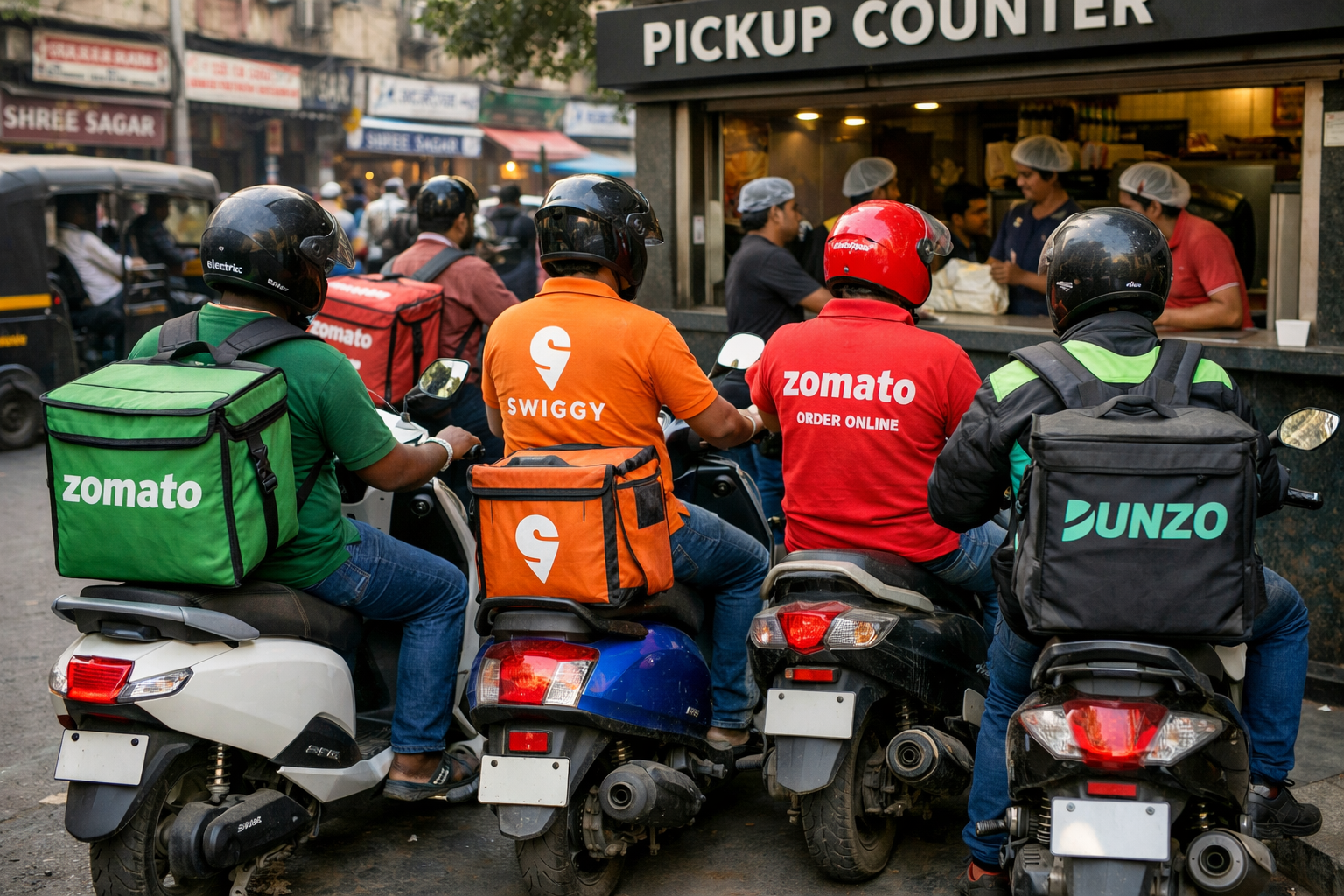
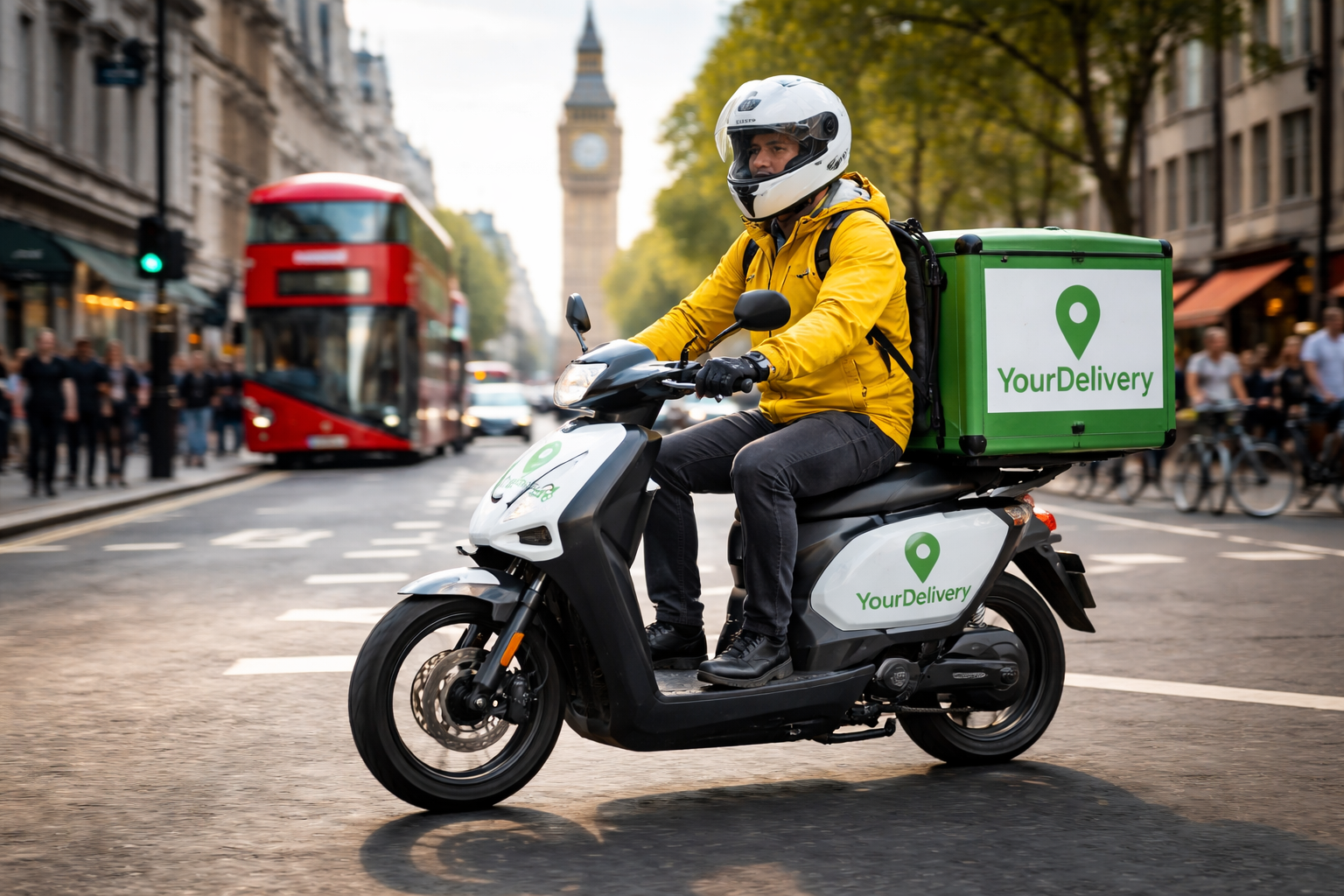
City deliveries are getting bigger and quieter as electric mopeds find roles beyond bikes and scooters. In London, Pizza Hut UK has teamed up with Otto Scooter to deploy branded electric mopeds for deliveries, both for its own operations and independent couriers working through platforms like Uber Eats and Deliveroo. Electric mopeds bridge a gap between light cargo bikes and larger vans . They carry more payload than a bike, have longer range in real urban traffic, and don’t come with the fuel costs, noise and emissions of petrol scooters. For delivery partners covering multiple orders in a shift, that can mean fewer stops, lower running cost and a more predictable daily routine. From an operational point of view, electric mopeds make sense where urban density and delivery volume exceed the capabilities of a cargo bike but don’t justify a van. They also help companies and cities meet environmental goals by cutting carbon and noise in dense neighbourhoods where residents are most affected. The branded deployment in London highlights another trend: businesses using electric vehicles not only for function but also for visibility. A distinctive electric moped with company colours stands out on the street, signalling both service and environmental commitment. That can matter in urban markets where brand presence and perception are important. Challenges remain. Charging infrastructure and battery management are essential for mopeds to stay productive all day. Teams need convenient spots to swap or recharge batteries without slowing down deliveries. However, advances in battery tech and expanding charging networks are making this more viable. As electrification of urban fleets continues, mopeds are proving they belong in the mix, not just as experimental units but as practical workhorses for day‑to‑day deliveries. If you need to chat about finance for a growing fleet contact us.
By AVRO FLEET TEAM February 16, 2026
In the face of mounting pressures on emergency services, the Welsh Ambulance Services NHS Trust has shifted how 999 calls are handled. Instead of automatically dispatching ambulances to the majority of calls, the trust now prioritises critical cases — where a life is at immediate risk — and assesses others through remote clinical evaluation. This new approach reflects growing constraints on ambulance capacity and seeks to improve outcomes for the most serious emergencies while making better use of limited crews and vehicles . Why the change matters Ambulance demand has grown significantly post‑pandemic, stretching resources. Traditional response targets, such as reaching most calls within eight minutes, became harder to meet consistently. The Welsh trust’s strategy reframes the response model: send ambulances first where they are most likely to save lives, and for other cases use clinical triage and alternative care pathways. The model includes several components: Remote assessment: Callers without immediately life‑threatening conditions are evaluated by nurses or paramedics over the phone or via video. Conditions that can safely wait or be treated without an ambulance are diverted to appropriate care. Advanced paramedics: Highly trained clinicians are deployed in cars or on bikes to assess and treat patients on site without tying up a full ambulance crew. Digital tools: Remote monitoring applications allow patients to share vital signs with clinicians during assessment, guiding decisions on urgency. Community responders: Volunteers and trained local responders supplement capacity for lower‑risk issues. Implications for providers and commissioners This shift has implications for healthcare transport and ambulance partners. Traditional metrics based on response times may evolve toward outcomes and effective use of physical resources. Providers with expertise in digital triage systems, telehealth integration, and mobile rapid response units may find new roles in the delivery ecosystem. Workforce planning will be critical. Remote clinical assessment requires protocols and training. Investing in call‑centre clinical staff and ensuring technology supports real‑time decision‑making will be essential. Another implication is fleet use optimisation. With ambulances reserved for the most serious cases, there may be increased demand for lower‑acuity transport or mobile care vehicles applied more efficiently. NEPTS and other patient transport systems will need to align with new demand patterns, particularly where patients are diverted from 999 to scheduled or urgent transport pathways. What it signals about system pressures The Welsh redesign highlights a broader issue facing NHS urgent care: balancing capacity with variable demand. As populations age and complex chronic conditions rise, demand for urgent transport and response grows. Traditional fleet expansion is expensive and slow. Adapting clinical pathways and response logic can be a practical alternative while maintaining safety. What we learn?  Wales’ emergency response redesign represents a shift toward clinical prioritisation and efficient use of ambulances. For fleet partners and transport providers, it suggests new service models that blend digital triage, mobile response, and appropriate vehicle deployment. As this model evolves, monitoring outcomes and system effects will be key.
By avro fleet team February 12, 2026
In congested city centres, delivery partners need vehicles that are compact, emission‑free, but still capable of handling multiple trips throughout a shift. That’s why Uber Eats’ recent move to introduce discounted e‑moped rentals for its couriers in London is worth watching. Unlike pedal‑assisted bicycles that are ideal for very short runs, electric mopeds offer a bit more range and larger storage capacity while remaining significantly cleaner and quieter than petrol scooters. They can handle a wider mix of jobs without jumping straight to a van . This makes them a practical intermediary for riders who want efficiency without sacrificing operational reach. The partnership with a rental provider means couriers can try the e‑mopeds with a lower upfront cost. In a gig economy where earnings can be tight, reducing barriers to experimenting with new transport is important. Riders aren’t asked to own the vehicle outright; instead they can rent, with insurance included in the pricing. If an e‑moped fits a rider’s daily pattern better than a bike or scooter, they may stick with it longer. From an organisational point of view, more electric mopeds on the street can help delivery networks reach emission targets ahead of current deadlines. Cities like London are tightening rules on low‑emission zones and restricting older petrol vehicles in central districts. Electric mopeds not only comply with these regulations, but also make it easier to navigate narrow streets and crowded areas without adding noise or fumes. Practical challenges remain. Charging infrastructure and reliable battery support are critical when vehicles are rented and used all day. Rental providers and platforms will need to ensure chargers are easy to access and downtime is minimal. Couriers also need to feel confident that the rental rate and running costs make financial sense over time. But early uptake in London suggests there is demand. Riders who can move more orders with fewer stops to refuel or charge are better positioned to maintain steady earnings. And as cities push toward cleaner transport, offering rides that fit existing workflows without ballooning cost is a smart way to accelerate EV adoption in the last mile .
By avro fleet team February 12, 2026
City‑centre delivery is under two pressures at once: more orders and tighter rules on emissions and noise. To address this, a group of major delivery platforms including Wolt has teamed up with the United Nations Environment Programme to form the Deliver‑E Coalition, a global effort to scale up electric vehicles in last‑mile logistics. The coalition focuses on zero‑emission two‑ and three‑wheelers, vehicles that are already common in many urban food and package delivery operations. Unlike traditional petrol scooters or vans, electric bikes and mopeds cut both air pollutants and noise — key factors for cities aiming to improve quality of life in dense areas. One of the biggest barriers to adoption has simply been access. Couriers and small fleet operators may struggle to source electric vehicles, find charging infrastructure , or get affordable financing. By pooling knowledge among platforms and working with researchers and city leaders, Deliver‑E hopes to tackle these pain points more effectively than any single company can on its own. The Deliver‑E Coalition also plans to establish shared metrics and track progress. That matters because it gives cities and fleet managers data they can use when planning infrastructure upgrades or incentives. For example, knowing how many electric vehicles are operating on a route, or where charging bottlenecks occur, could guide public investment priorities. Another priority is safety and rider support. Electric two‑ and three‑wheelers behave differently than petrol‑powered bikes. Rider training, vehicle standards, and maintenance systems all play into long‑term success. The coalition’s workstreams include sharing best practices in these areas to help platforms avoid costly mistakes and improve courier experience. If this alliance can reduce real‑world barriers, the result could be a faster transition away from fossil fuel transport in cities. That doesn’t just cut emissions. It makes streets quieter and reduces reliance on larger vehicles that take up space and add congestion. For logistics providers, the Deliver‑E Coalition represents an opportunity. Instead of navigating electrification alone, they can draw on shared tools, data and frameworks that accelerate progress. Cities that embrace this coordinated approach stand to benefit from cleaner air and smoother delivery operations in neighbourhoods where daily life and commerce intersect. Need to fund your growth? Contact Us.
By avro fleet team February 12, 2026
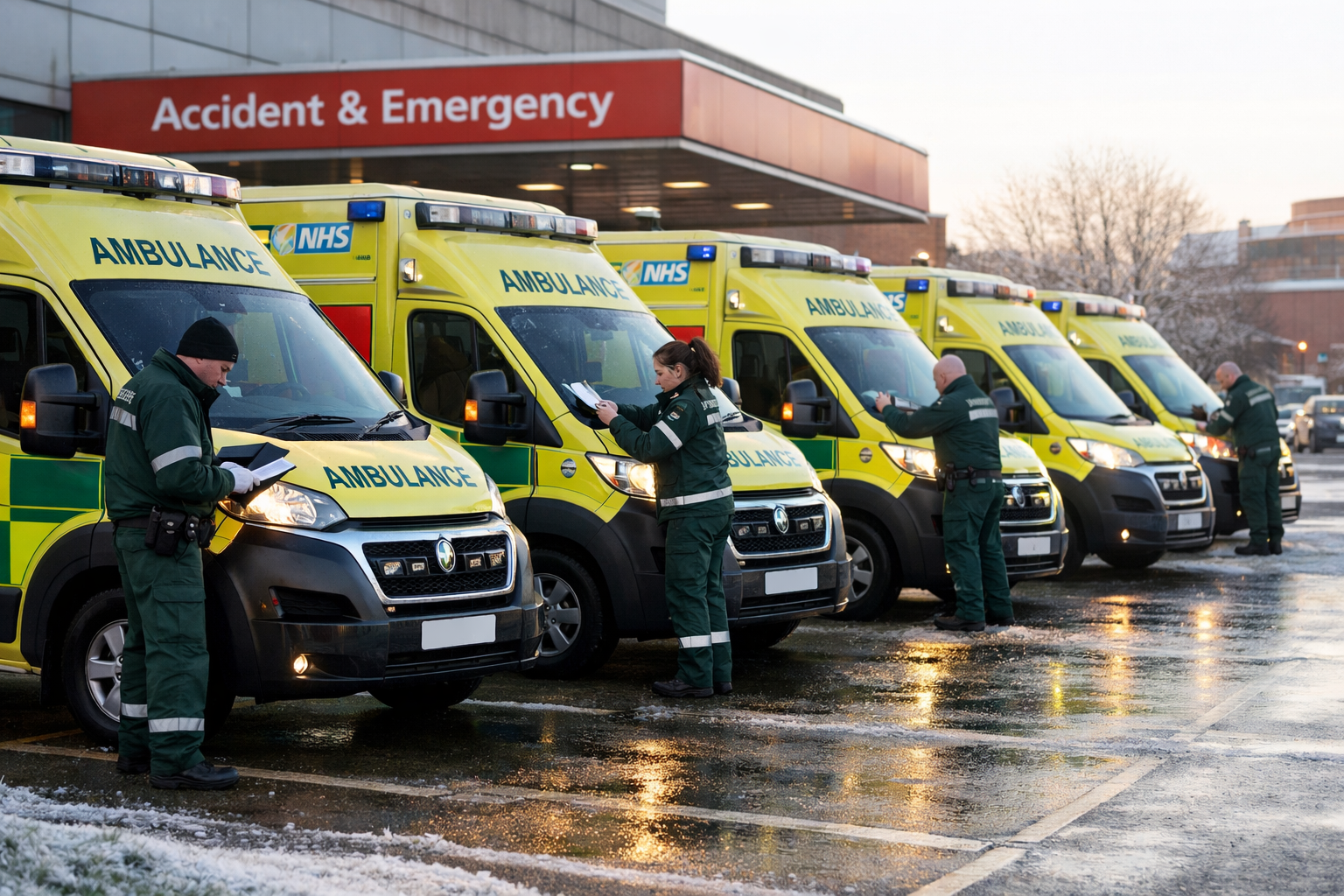
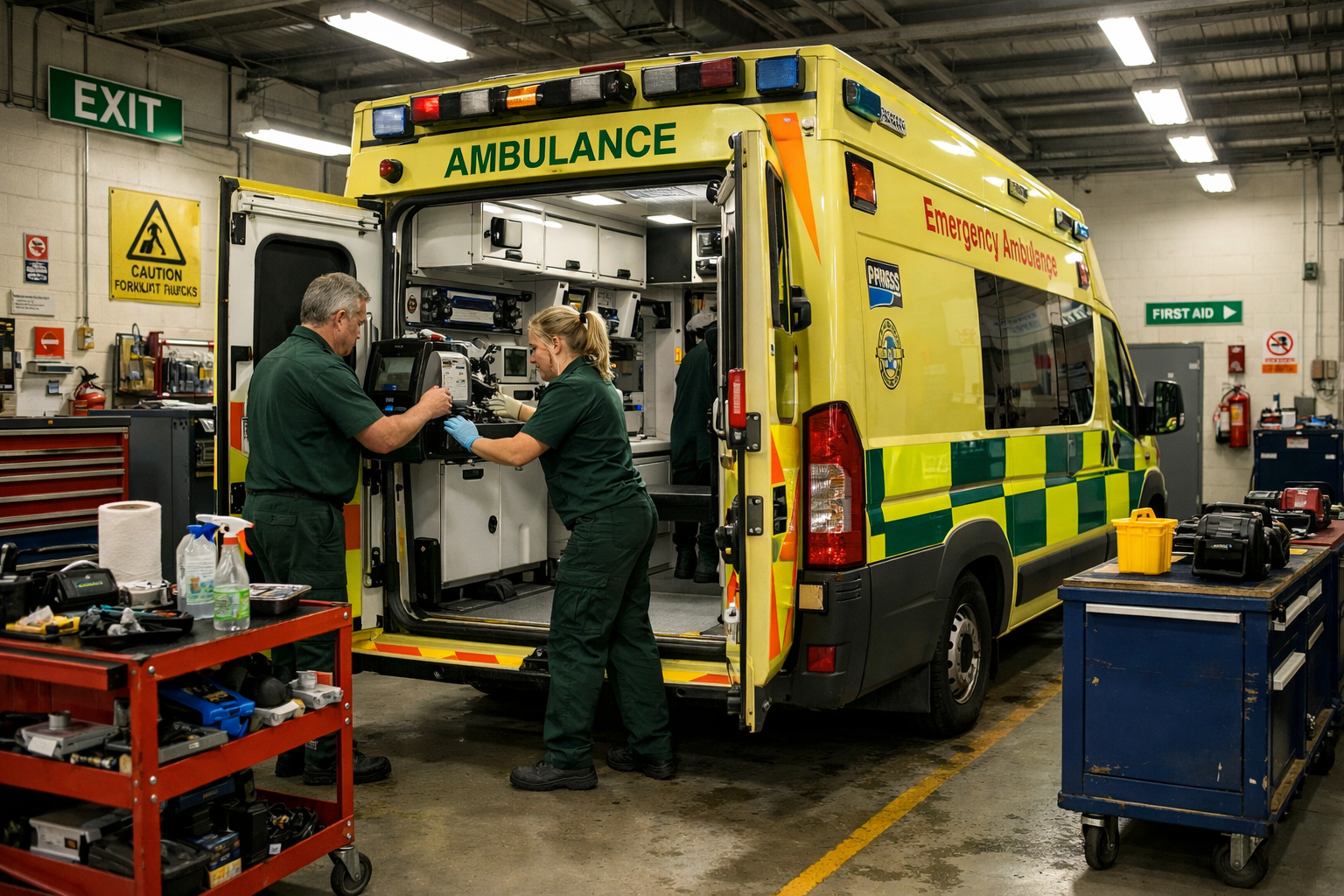
England’s NHS ambulance services have received more than 500 new vehicles as part of a £75 million investment to strengthen emergency care capacity. The rollout is one of the largest NHS fleet renewals in recent years and is aimed at cutting response times and boosting reliability during high‑pressure seasons. Breaking down the investment The new ambulances are double‑crew models equipped with updated safety technology to protect patients and paramedics . They replace older vehicles and have already reduced breakdown rates, meaning more vehicles are available to respond to 999 calls. The investment is part of a broader approach within the NHS to modernise urgent and emergency care and support frontline staff amid rising demand. An important part of this fleet upgrade is that many of the vehicles were converted or assembled in towns and cities across England. Local work in places such as Goole, Bradford, Sandbach, and Peterborough supports skilled jobs while ensuring the supply chain for ambulances remains robust and responsive. Operational impact For ambulance services stretched by seasonal spikes in respiratory illness and other pressures, having reliable, up‑to‑date vehicles makes a difference on the ground. Fewer breakdowns mean crews spend less time waiting for replacements and more time caring for patients. Early feedback suggests response times have improved compared to previous winter periods. These vehicles also play a role in non‑emergency ambulance workflows, supporting transfers between hospitals, discharges, and urgent care transport that does not require emergency lights and sirens but still matters to patient flow. What this means for the sector From the perspective of private providers, suppliers, and fleet partners, the scale and scope of this rollout send clear signals. First, NHS fleet renewal remains a priority for health planners. Second, modernisation is increasingly tied to reliability and staff safety features, not just replacement cycles. Manufacturers and converters that can deliver vehicles that match evolving NHS specifications and regulatory requirements are likely to see continued demand. Meanwhile, operators that manage maintenance and telematics well will be better positioned to support fleet uptime and reduce operational downtime. The bigger picture Investments in ambulance fleets are part of a wider strategy to improve urgent care and emergency services. Upgrading vehicles is one part; ensuring they are integrated into broader care pathways, supported by workforce planning, and backed by modern dispatch and tracking technologies will determine long‑term impact. What do we learn? The deployment of over 500 new ambulances strengthens emergency response and everyday patient transport. It underscores the need for reliable, safer vehicles and signals sustained commitment to frontline care capability across the NHS.
By avro fleet team February 12, 2026
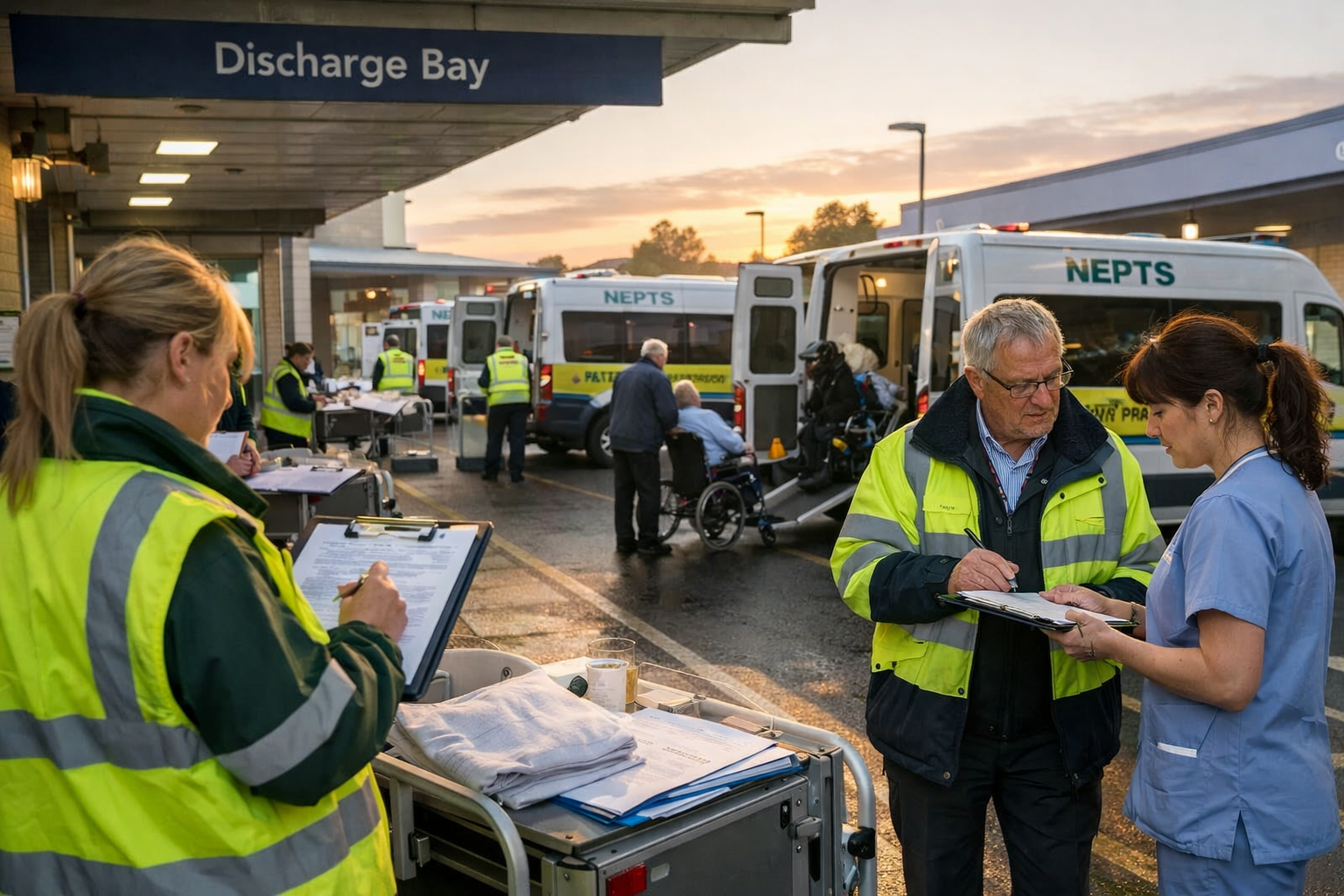
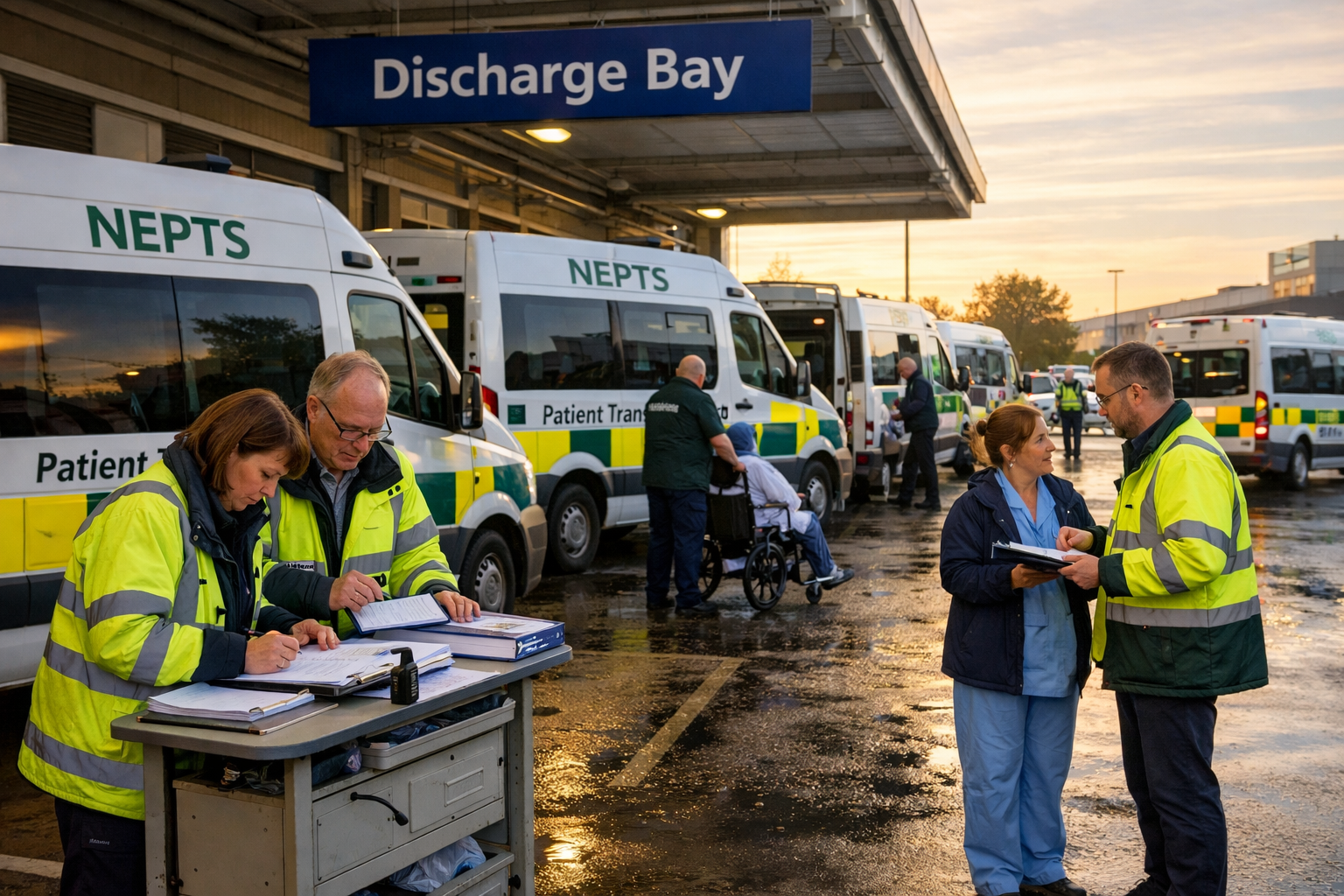
The healthcare transport sector in the South West of England has seen a significant shift following Health Transportation Group UK’s acquisition of First Care Ambulance. The deal brings the Devon non‑emergency patient transport contract and its associated vehicles and workforce into HTGUK’s portfolio and aligns services with Cornwall and Isles of Scilly operations. What the acquisition means for NEPTS delivery Non‑emergency patient transport ( NEPTS ) services are often overlooked until demand spikes or contracts change hands. They are essential to hospital flow, patient appointment access, and discharge planning. By consolidating the Devon and Cornwall contracts under one operator, commissioners may benefit from greater consistency of service delivery, deeper resource planning, and shared learning across a broader regional footprint. From an operations perspective, the acquisition brings around 176 staff and 76 vehicles into a larger group. That scale can improve resilience, especially during peak periods, unexpected staff shortages, or surge demand. For commissioners, this can translate to reduced risk, a broader pool of experienced personnel, and potentially better performance reporting because systems and processes are standardised across a larger network. Implications for private providers For private companies in the ambulance and patient transport market, this deal highlights the value of scale and integration. Winning contracts increasingly depends on demonstrating the ability to manage complex regional requirements, maintain fleet readiness, and support workforce development across multiple sites. Consolidated providers may be better placed to invest in fleet upgrades, telematics, and data‑driven performance measures than smaller, fragmented operators. Workforce and service continuity One notable feature of the acquisition is that the existing management team at First Care Ambulance stays in place. That continuity can help smooth the transition, reduce disruption, and retain institutional knowledge about local service requirements and commissioning relationships. It is an example of how acquisitions can be structured to preserve service stability while achieving organisational goals. Strategic context The merger of the Devon and Cornwall Integrated Care Boards adds a backdrop of broader health system transformation. As integrated care systems evolve, patient transport services are being looked at as part of whole‑system planning rather than discrete contracts. Bigger, coordinated transport networks may align better with broader goals like integrated discharge pathways and improved patient access. Bottom line This acquisition is more than a change of ownership. It reflects broader trends in healthcare transport: consolidation for resilience, integration with regional health planning, and the need for robust operational capability. Providers and commissioners alike should note that scale and continuity are increasingly central to delivering reliable, patient‑centric transport services.
Workers in high-vis vests sort packages near vans and a scooter under a brick archway.
By Paul Thompson February 12, 2026
“Last mile delivery” is the final leg of a supply chain: moving goods from a local distribution point to the end destination, typically a home, workplace, retail unit, or alternative collection point. In the UK, it sits at the intersection of e‑commerce, parcel networks, and urban road space, which makes it commercially vital and operationally constrained at the same time. [1] The sector is large and measurable through the parcels market. UK parcel volumes rose to 4,214 million items in 2024–25 (up from 3,936 million in 2023–24), while total parcel revenues were £13,185 million (in 2024–25 prices). Domestic parcel volumes were 3,611 million and domestic parcel revenues were £9,088 million in 2024–25. [2] This demand is reinforced by online retail: in London-focused analysis (useful as a bellwether for dense UK cities), 26% of retail sales were online in 2022 . [3] At the same time, the operating environment is tightening. Van traffic in Great Britain reached 58.5 billion vehicle miles in 2024 and was 9.5% higher than 2019 , increasing pressure on kerbside space and journey-time reliability. [4] Policy levers such as Clean Air Zones (CAZ) and net zero targets are pushing operators towards lower-emission assets, while the Zero Emission Vehicle mandate is reshaping new-vehicle supply, requiring rising proportions of new van sales to be zero emission through to 2035. [5] Against that backdrop, cargo bikes and e‑mopeds are increasingly practical tools for short-radius, high-drop-density work. In central London, Transport for London’s (TfL) active travel counts recorded cargo bike daily counts rising from 4,915 (2022) to 6,998 (2023) , a 42% increase. [6] TfL’s demand modelling suggests cargo bikes could replace up to 17% of van kilometres in central London by 2030 , with London-wide carbon savings of 10,000–30,000 tonnes of CO₂ per year by 2030 under its scenarios. [7] For finance decision-makers, the core question is no longer whether these assets “work”, but where they work, how they integrate with hubs and routing, and how to fund mixed fleets . Cargo bikes typically cost £5,000–£16,000 depending on configuration, while road-legal e‑mopeds can sit around the low-thousands for purchase, and small diesel vans typically start in the mid‑£20k ex‑VAT range (with electric small vans materially higher, albeit supported by grants). [8] 
By avro fleet team February 11, 2026
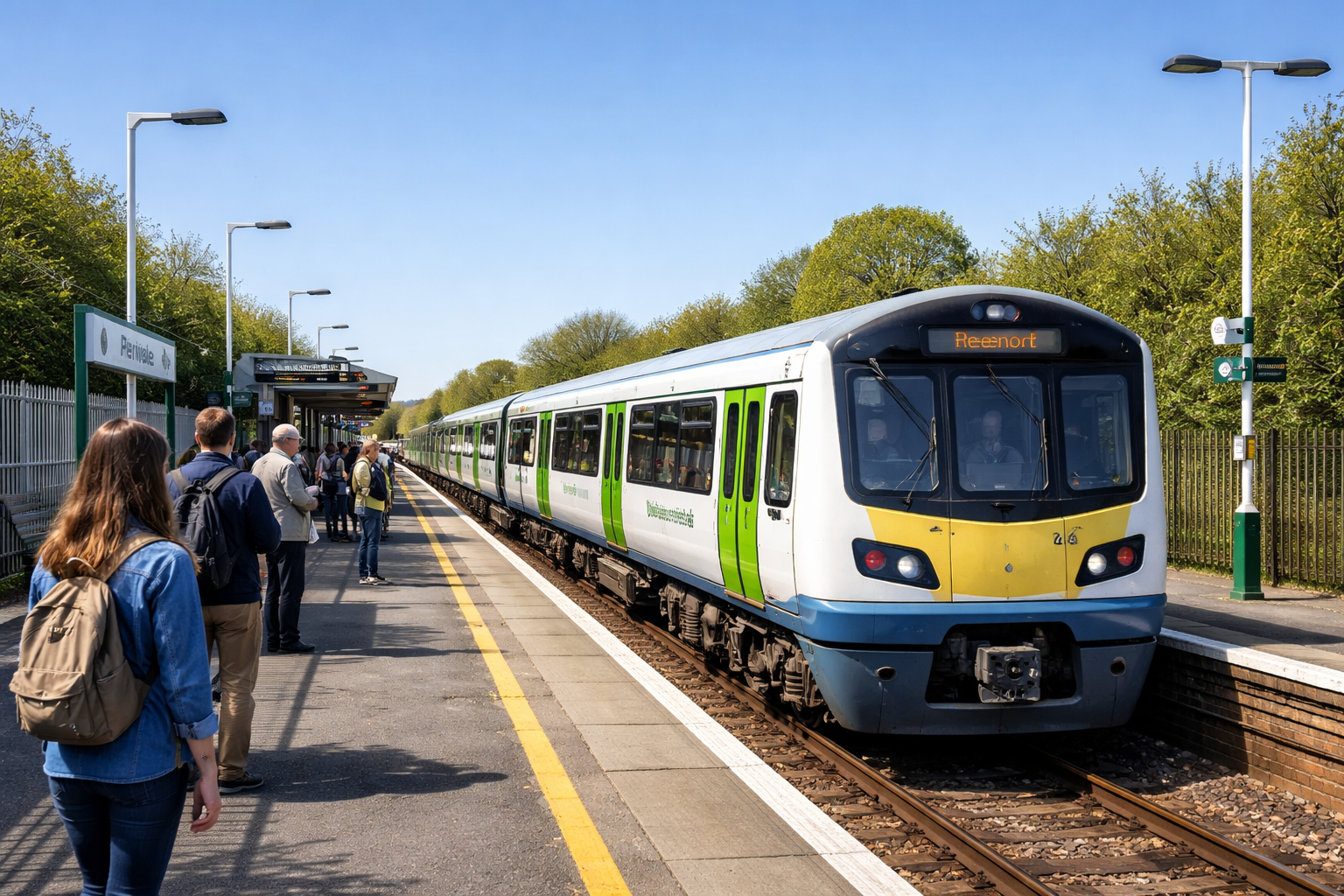
The UK’s green transport transition has a new and practical milestone. In late January 2026, Great Western Railway launched the country’s first rapid‑charging battery train into passenger service on the West Ealing to Greenford branch in west London. This converted Class 230 train recharges in a matter of minutes and is proving that battery power can replace diesel on short regional routes where traditional electrification is expensive or slow to roll out. The Guardian covered the launch, highlighting its potential role in cutting emissions and helping operators rethink infrastructure choices. This isn’t just a prototype. After successful trials that saw it break the world record for longest battery train distance on a single charge — more than 200 miles — the train now carries real passengers. Running initially on a limited Sunday schedule, the service provides invaluable data about real‑world operations and what a cleaner railway actually looks like in practice. What Makes This Important? Rail is already one of the most climate‑friendly mass transport modes in the UK, but diesel rolling stock still dominates many branch lines. Traditional electrification requires significant civil works and high upfront cost. The battery model flips part of that equation. By using targeted rapid charging infrastructure at key stations, operators can cut diesel dependency without waiting for full wire networks. For transport planners and investors alike, this shifts how we think about decarbonising networks. Instead of modelling around decades‑long electrification timelines, it becomes realistic to consider staged approaches that combine rolling battery systems and smaller, focused power points. From a finance perspective, that’s valuable. When you’re appraising an asset like a regional train fleet, the timeline to return on investment changes when you can retire diesel engines sooner, reduce maintenance, and cut fuel costs without waiting for external infrastructure projects to complete. Operational and Policy Implications Introducing battery trains brings practical considerations for operators and policymakers. Depot and station planning must integrate high‑power charging infrastructure. Timetable and turnaround strategies need to account for charging windows. Power supply plans must link with grid operators in ways that don’t simply replicate the demands of a fully electrified line, but embed intelligent load management at key nodes. Policymakers also have a role. Without clear regulatory pathways and capital allocation frameworks, innovative technologies can stall between trials and wider roll‑out. A successful battery train needs to be matched with policy signals that encourage deployment on other suitable routes and support operators in securing funding. This is especially relevant as the UK aims to phase out diesel‑only trains by 2040 as part of broader net‑zero goals. Beyond Trains: A Broader Sign of Momentum While this battery train headlines the moment, it sits within a broader context of changes in UK mobility. Scotland is trialling capped bus fares to boost public transport uptake, and debates continue around electrifying municipal fleets that lag behind road‑vehicle electrification. All this mirrors the bigger picture in UK transport: cleaner technologies are advancing, but infrastructure, policy and public behaviour must evolve alongside. That broader context is essential. The battery train shows technical feasibility. Affordable and accessible transport options like cheaper bus travel schemes aim to shift mode share. Yet gaps — such as diesel fleets still operating in key urban roles — remind us that technology advancement doesn’t automatically translate to rapid adoption. What This Means for the Next Phase For brokers and asset planners, the key takeaway is this: green transport isn’t a future event. It’s unfolding now in ways that change risk, cost and asset life assumptions. A battery train in passenger service alters depreciation models, opens new project categories, and challenges how infrastructure is valued in decision‑making. This isn’t about replacing one power source with another in theory. It’s about seeing how sustainable transport actually performs when serving people, not just ticking climate metrics. As other lines trial similar technologies and policymakers refine frameworks to support them, the shape of UK transport will continue to adjust. These early examples provide tangible evidence for more informed planning, investment decisions and strategic transitions toward net zero.
By avro fleet team February 11, 2026
The segment of the market that includes hearses, funeral limousines, and specialised transport used by funeral directors and private ambulance operators may not make daily headlines, but it’s quietly evolving. Market growing on the back of personalisation and luxury Recent industry data shows the global funeral car market — which encompasses hearses, limousines and related professional vehicles — is expected to climb from around $1.88 billion in 2026 to about $2.62 billion by 2035, growing at an annual rate near 3.8%. That steady expansion reflects broader trends: families increasingly want funeral services that feel personal and meaningful, and vehicles play a key role in that expression. For operators and asset managers, this matters: hearing “it’s tradition” isn’t the whole story. Demand for vehicles that feel right culturally and emotionally — whether a classic Cadillac coach, a bespoke limousine, or a discreet first‑call van — is growing. What funeral transport providers are doing Coachbuilders and specialist manufacturers remain central to this sector. Companies like Wilcox Limousines combine traditional craftsmanship with modern design tools and materials to produce hearses, limousines and first‑call vehicles that meet both ceremonial and practical needs. Their work ranges from bespoke Jaguar‑based hearses used in high‑profile funerals to export models for markets like Australia and New Zealand. Operators also take cues from global customer preferences. Some funeral homes use minivans or purpose‑built first‑call vehicles instead of using the main hearse for initial pickups — this can help preserve the main ceremonial vehicle while giving families a dignified but discreet first contact. Trends to watch: personalisation, technology, sustainability The industry is also feeling the push toward personalise experiences. Some firms offer vehicles styled to reflect the personal history or interests of the deceased — whether that’s a classic Land Rover hearse, a custom coach, or a more contemporary electric platform. While not yet mainstream, these kinds of choices show how families are thinking differently about transport.  On the technology side, modern funeral vehicles increasingly come with better ride quality, integrated navigation and communications gear, and improved safety systems. That makes sense: these vehicles are called on when emotions are high and logistics matter. Within operations, smooth coordination reduces stress for families and helps directors meet tight schedules without hiccups. Sustainability is emerging too, with more interest in lower‑emission options. As with other ground transport segments, funeral operators are asking whether electric or hybrid chassis can fit their use cases in a cost‑effective way. Planning for asset lifecycles For funeral directors and the brokers and financiers who support them, this sector’s growth means thinking about vehicle lifecycle planning. Hearses and limousines are not high‑turn assets like taxis or delivery vans: they require thoughtful maintenance, clear expectations around usage patterns, and an understanding of how customer preferences are shifting. Using data on market direction and fleet trends helps when you’re negotiating price, planning capital expenditure, or talking through timing for replacements. Instead of treating these vehicles as static tools, viewing them as part of a broader cultural and market shift makes for better decisions. In a quiet but important corner of professional transport, funeral vehicles are evolving — and that evolution opens room for smart planning and thoughtful investment.
By avro fleet team February 10, 2026
Film and TV production often has a visible public face — actors on set, cameras rolling, iconic locations transformed on screen. What’s less visible is the complex transport and logistics work that makes it all happen. A recent location shoot for an upcoming ABC drama in downtown West Palm Beach offers a useful example of how transportation planning intersects with production operations in the real world. When a City Becomes the Set On January 24, streets and sidewalks near the Palm Beach County Courthouse were temporarily closed as production crews filmed scenes for RJ Decker, a new drama series. From early morning through the afternoon, crews needed controlled streets for camera positions and vehicle movement, and police assisted with traffic control during active filming periods. Vehicles were stopped for short intervals while cameras rolled, and residents were still able to reach their homes with guidance from officers. Location shoots like this highlight an important reality: a production’s transport plans extend far beyond simply moving cast and crew from point A to point B. They involve negotiating space in live traffic environments, coordinating with city traffic management, and making sure equipment vehicles , production trucks and support vans are staged and positioned to support shots without compromising public safety.
By AVRO FLEET TEAM February 10, 2026
Phase 3 of the Scottish Zero Emission Bus Challenge Fund ( ScotZEB3 ) is currently open, with applications due by 26 February 2026. This programme makes up to £45m available to support the transition to zero‑emission buses and supporting infrastructure for local regulated services in Scotland. The scheme is designed to align public investment with broader policy changes, including the Bus Services Act 2025, which will eventually limit the registration of new diesel buses on local services. What ScotZEB3 covers ScotZEB3 offers partial funding toward: Battery‑electric and hydrogen buses and coaches operating on regulated local routes; Charging or refuelling infrastructure required at depots or other operational locations. Funding is open to individual operators as well as consortium bids involving authorities and partners such as infrastructure providers. Projects are assessed on criteria that include deliverability, value for money, and contribution to decarbonisation goals. Deadline and process Applications must be submitted by 26 February 2026, with assessments planned in March and awards expected in spring 2026. Operators should prepare evidence on fleet plans, infrastructure readiness, grid connections and cost forecasts. Strategic context for applicants The ScotZEB programme has been investing in bus decarbonisation since 2020, cumulatively directing over £150m into zero‑emission vehicles and charging infrastructure across Scotland. ScotZEB3 builds on this, focusing specifically on local service buses, which are the backbone of everyday public transport. Two factors make this funding round particularly significant: Policy alignment: With regulatory changes looming, decarbonised fleets are becoming a requirement, not just an aspiration. Early adaptation positions operators ahead of regulatory compliance deadlines. Infrastructure readiness: Successful bids increasingly hinge on demonstrating that charging or hydrogen refuelling infrastructure is planned and deliverable, including grid capacity and installation timelines. Operators should also note subsidy control rules embedded in the scheme, which may affect how grant awards interact with other financial support . Clear documentation of costs, deliverability and financial logic is important to avoid delays or clawbacks. Tips for prospective applicants Start with site readiness assessments, including power availability and civil works; Provide realistic cost and timetable estimates, not just ideal scenarios; Show how fleet operations will integrate with existing routes and depot workflows. What we do know. With the deadline approaching, anyone considering ScotZEB3 funding should be moving quickly from planning to submission. The fund offers a material contribution toward zero‑emission buses and infrastructure; the remaining challenge for applicants is execution. Why not talk to us about funding?
By AVRO FLEET TEAM February 10, 2026
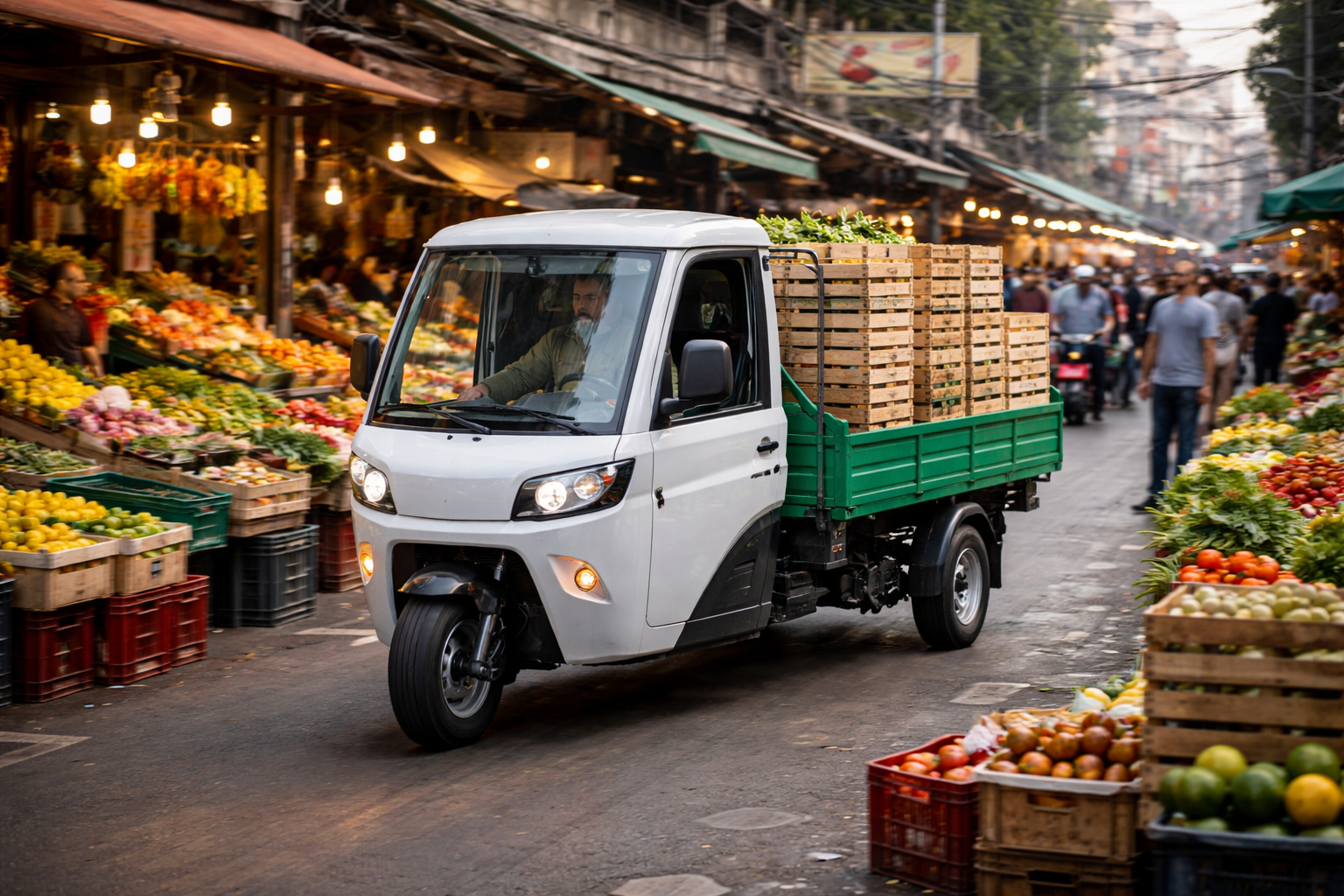
Urban delivery is shifting fast. While e‑bikes and electric mopeds are now familiar sights, a new approach is emerging in cities like Detroit. A company called Civilized Cycles has developed a three‑wheeled electric vehicle — a “semi‑trike” — that can carry heavy loads while still operating in bike infrastructure. The idea is simple but significant: give couriers and local logistics teams a vehicle that can handle up to 800 lb without needing a full van. In practice, this opens room for a different class of delivery work. Produce distribution, community food programmes and similar tasks that traditionally require vans can now be done using machines legally classified as bicycles. That matters because it allows them to use bike lanes, curbside loading spaces and routes where larger vehicles would face restrictions or congestion. This kind of vehicle could make sense for businesses and service providers that operate in tight city cores where parking and traffic slow conventional deliveries. For example, a restaurant supply run or grocery drop could be handled more efficiently with a semi‑trike than a parcel van . Legal classification as a bicycle also simplifies regulations. Riders don’t typically need special licenses or insurance the way they would for larger EVs. That lowers barriers to adoption for small businesses and independent couriers. Of course, this concept isn’t a replacement for every delivery need. Long distance runs and very large freight still call for vans or trucks. But for heavy payloads within short ranges, the electric semi‑trike fills a useful niche. If more cities embrace this type of vehicle and adapt infrastructure accordingly, it could reduce reliance on vans in dense areas, cutting emissions and making streets safer and quieter. In summary, the semi‑trike points to a more nuanced future for urban delivery fleets: one where vehicle type is closely matched to the task, not just defaulting to vans.
By avro fleet team February 8, 2026
With National Funeral Exhibition running from 11–13 June 2026, many UK funeral firms will use the show to explore new vehicles, conversion suppliers, and operational kit. But even if you don’t attend, the dates are a handy trigger: if any part of your fleet is due a refresh in the next 12–18 months, planning now reduces the risk of rushed decisions later. The real cost is usually disruption, not the monthly payment Funeral transport is one of those areas where “good enough” vehicles can still create expensive problems. A hearse or limousine going off road at the wrong time has consequences that don’t show up neatly on a spreadsheet: lost time, re-booked services, reputational pressure, and staff stress. The same goes for private ambulance /removal vehicles, where reliability and access to repairs matter more than headline spec. A sensible fleet plan starts with a simple question: which vehicle failure would hurt your service delivery the most? For some firms it’s the primary hearse. For others it’s the removal vehicle, because it quietly underpins everything. What’s changing in 2026: choice, lead times, and conversions There’s more variety now across powertrains and builds: hybrid, EV, and traditional ICE are all still in play depending on geography, duty cycle, and local constraints. But one practical pressure point is specialist conversion capacity. Recent reporting about O&H Vehicle Conversions (in the emergency-services conversion space) is a reminder that the wider conversion market can be sensitive. Even when day-to-day operations continue, uncertainty can affect order pipelines and lead times. For funeral operators, the takeaway is simple: if you need a specialist vehicle, don’t assume build slots will be instantly available. If a vehicle must be on the road by a specific month, work backwards and give yourself slack. A practical checklist before you replace anything Before you commit to a hearse, limousine, or private ambulance/removal vehicle, it helps to document: Annual mileage and duty cycle (short urban runs vs mixed routes) Where the vehicle is stored and serviced (and realistic repair turnaround) Whether low-emission zones affect you (now or likely soon) Your preferred replacement route: new, nearly new, or used What matters most: quietness, access, payload, reliability, or standardisation across the fleet Once those are clear, finance becomes a tool to match the asset to the job: term length aligned to expected use, cashflow that doesn’t squeeze the business, and a structure that keeps your upgrade path open. If you’re heading to NFE 2026, take the checklist with you. You’ll leave with cleaner comparisons, fewer “nice but not right” vehicles, and a much easier buying decision. We won't be exhibiting, but will be visiting the exhibition. Reach out if you want a coffee.
By avro fleet team February 7, 2026
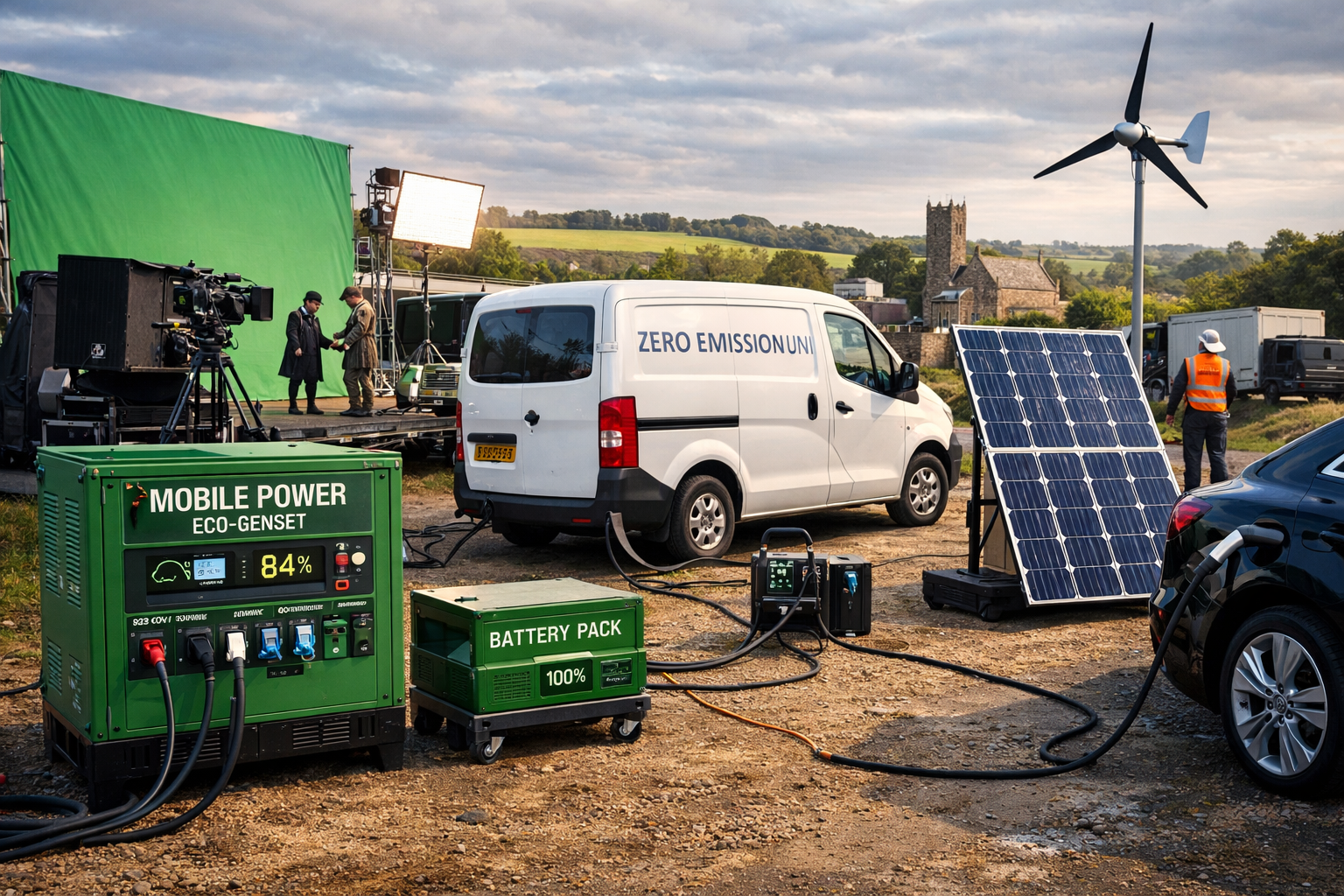
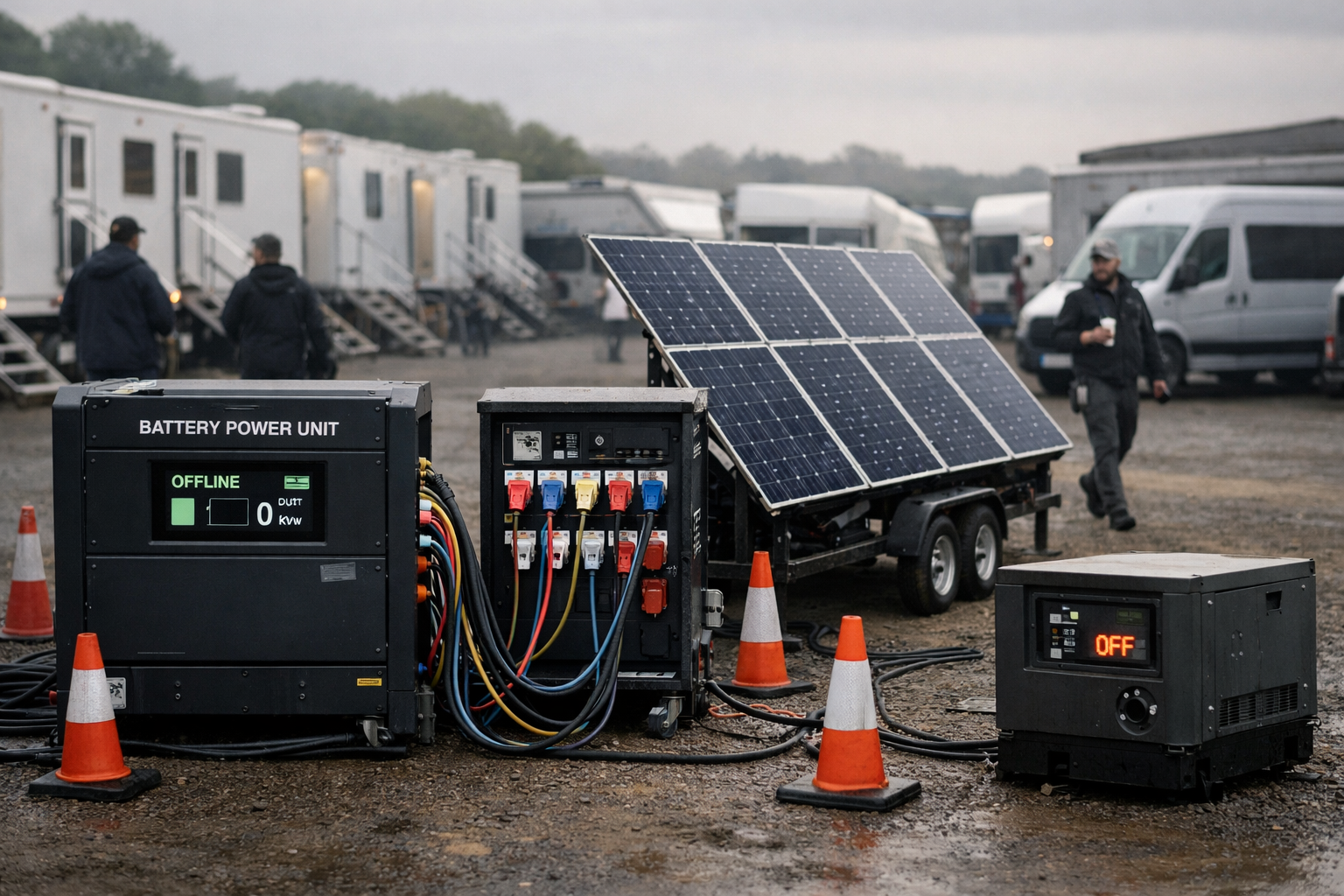
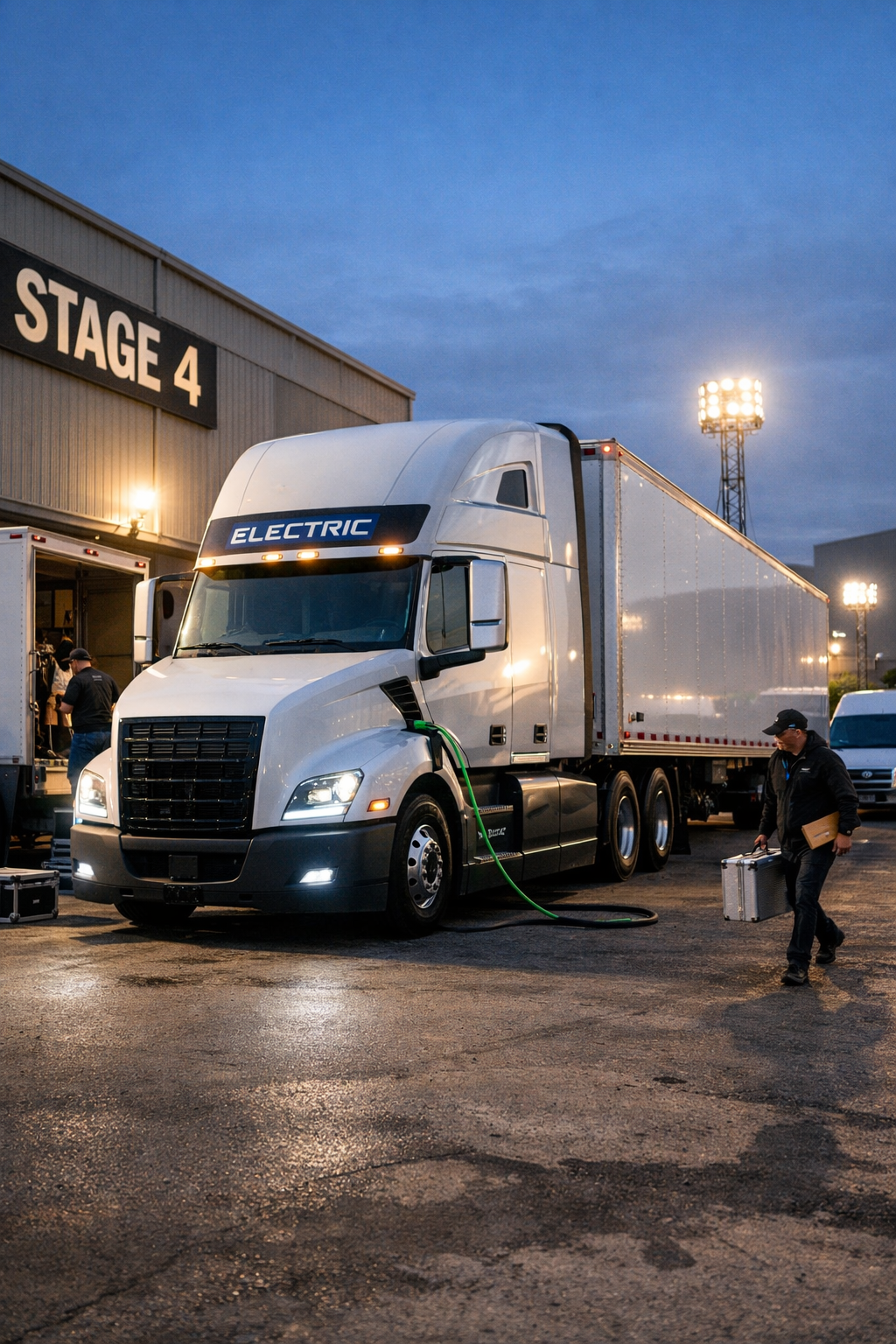
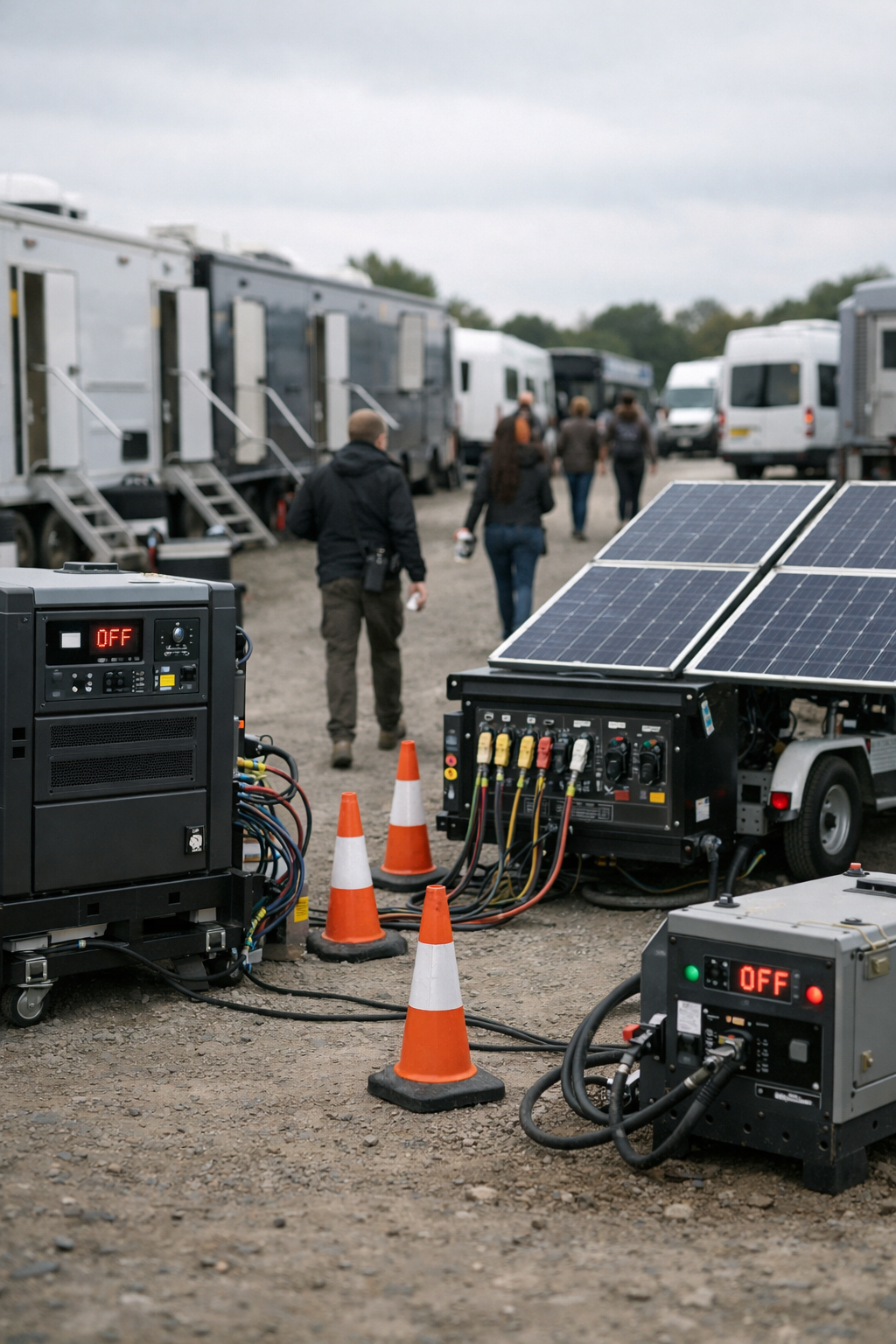
Transport and logistics aren’t usually the first things people think about in film and TV production. But anyone who’s organised a shoot knows how much hinges on moving people, equipment and power reliably and on time. The latest clean mobile power roadmap is a practical look at how the industry can improve the way these essentials are planned and delivered, and what that means for production transport teams. What the roadmap is about The roadmap was developed for key stakeholders in film and television production, including studios, rental companies, equipment suppliers and on‑production crews. At its core, it recognises a simple problem: cleaner mobile power alternatives exist, but they aren’t being used as widely as they could be because investment and adoption lag behind. Producers, line producers and unit managers still lean on diesel generators and traditional vehicles because they know those systems will show up when needed and keep running. Suppliers and manufacturers hesitate to scale cleaner tech because demand has been uncertain. The roadmap aims to fix that by offering clear steps for planning, procurement and crew involvement. Why this matters to transport on set On a typical shoot, transport isn’t just about moving cast and crew from point A to point B. It’s also handling freight for cameras, lighting, props and wardrobe. Transport and power systems are intertwined: transport vehicles often carry generators, batteries and power gear, and trucks sit idling on set for long periods. Cleaner mobile power changes that picture. It means quieter operations, fewer emissions and fewer logistical headaches when shooting in urban or sound‑sensitive locations. Practical steps the roadmap highlights One of the most useful parts of the roadmap is its focus on demand signals. It encourages production planners to articulate their needs clearly and early in budgeting and scheduling. That gives equipment suppliers and rental houses the confidence to invest in cleaner alternatives, from battery‑based power units to electric support vehicles . The roadmap also suggests training crews on how to integrate these alternatives into set operations. Adoption isn’t just about having the tech available; it’s about knowing how to use it in a fast‑paced environment without slowing production down. How transport teams can act now Transport and logistics managers can start by reviewing their upcoming schedules and identifying where clean alternatives could fit. This might mean planning charging access for electric support vehicles, or coordinating with rental houses on battery power units instead of diesel generators. Good planning also includes talking to crews and suppliers. If you signal that cleaner power and transport are priorities for a series of shoots, suppliers are more likely to adjust their offerings. That reduces risk and creates a more predictable cycle for everyone involved. At the end of the day, this roadmap isn’t about tech trends. It’s about making smart choices in how transport and power are procured and used. For production logistics teams, that’s a practical way to reduce emissions, cut noise on set and build smoother transport operations without compromising reliability.
By avro fleet team February 6, 2026
The segment of the market that includes hearses, funeral limousines, and specialised transport used by funeral directors and private ambulance operators may not make daily headlines, but it’s quietly evolving. Market growing on the back of personalisation and luxury Recent industry data shows the global funeral car market — which encompasses hearses, limousines and related professional vehicles — is expected to climb from around $1.88 billion in 2026 to about $2.62 billion by 2035 , growing at an annual rate near 3.8%. That steady expansion reflects broader trends: families increasingly want funeral services that feel personal and meaningful, and vehicles play a key role in that expression. For operators and asset managers, this matters: hearing “it’s tradition” isn’t the whole story. Demand for vehicles that feel right culturally and emotionally — whether a classic Cadillac coach, a bespoke limousine, or a discreet first‑call van — is growing. What funeral transport providers are doing Coachbuilders and specialist manufacturers remain central to this sector. Companies like Wilcox Limousines combine traditional craftsmanship with modern design tools and materials to produce hearses, limousines and first‑call vehicles that meet both ceremonial and practical needs. Their work ranges from bespoke Jaguar‑based hearses used in high‑profile funerals to export models for markets like Australia and New Zealand. Operators also take cues from global customer preferences. Some funeral homes use minivans or purpose‑built first‑call vehicles instead of using the main hearse for initial pickups — this can help preserve the main ceremonial vehicle while giving families a dignified but discreet first contact. Trends to watch: personalisation, technology, sustainability The industry is also feeling the push toward personalise experiences. Some firms offer vehicles styled to reflect the personal history or interests of the deceased — whether that’s a classic Land Rover hearse, a custom coach, or a more contemporary electric platform. While not yet mainstream, these kinds of choices show how families are thinking differently about transport. On the technology side, modern funeral vehicles increasingly come with better ride quality, integrated navigation and communications gear, and improved safety systems. That makes sense: these vehicles are called on when emotions are high and logistics matter. Within operations, smooth coordination reduces stress for families and helps directors meet tight schedules without hiccups. Sustainability is emerging too, with more interest in lower‑emission options. As with other ground transport segments, funeral operators are asking whether electric or hybrid chassis can fit their use cases in a cost‑effective way. Planning for asset lifecycles For funeral directors and the brokers and financiers who support them, this sector’s growth means thinking about vehicle lifecycle planning. Hearses and limousines are not high‑turn assets like taxis or delivery vans: they require thoughtful maintenance, clear expectations around usage patterns, and an understanding of how customer preferences are shifting. Using data on market direction and fleet trends helps when you’re negotiating price, planning capital expenditure, or talking through timing for replacements. Instead of treating these vehicles as static tools, viewing them as part of a broader cultural and market shift makes for better decisions.  In a quiet but important corner of professional transport, funeral vehicles are evolving — and that evolution opens room for smart planning and thoughtful investment.
By avro fleet team February 4, 2026
The healthcare transport sector in the South West of England has seen a significant shift following Health Transportation Group UK’s acquisition of First Care Ambulance. The deal brings the Devon non‑emergency patient transport contract and its associated vehicles and workforce into HTGUK’s portfolio and aligns services with Cornwall and Isles of Scilly operations. What the acquisition means for NEPTS delivery Non‑emergency patient transport (NEPTS) services are often overlooked until demand spikes or contracts change hands. They are essential to hospital flow, patient appointment access, and discharge planning. By consolidating the Devon and Cornwall contracts under one operator, commissioners may benefit from greater consistency of service delivery, deeper resource planning, and shared learning across a broader regional footprint. From an operations perspective, the acquisition brings around 176 staff and 76 vehicles into a larger group. That scale can improve resilience, especially during peak periods, unexpected staff shortages, or surge demand. For commissioners, this can translate to reduced risk, a broader pool of experienced personnel, and potentially better performance reporting because systems and processes are standardised across a larger network. Implications for private providers For private companies in the ambulance and patient transport market, this deal highlights the value of scale and integration. Winning contracts increasingly depends on demonstrating the ability to manage complex regional requirements, maintain fleet readiness, and support workforce development across multiple sites. Consolidated providers may be better placed to invest in fleet upgrades, telematics, and data‑driven performance measures than smaller, fragmented operators. Workforce and service continuity One notable feature of the acquisition is that the existing management team at First Care Ambulance stays in place. That continuity can help smooth the transition, reduce disruption, and retain institutional knowledge about local service requirements and commissioning relationships. It is an example of how acquisitions can be structured to preserve service stability while achieving organisational goals. Strategic context The merger of the Devon and Cornwall Integrated Care Boards adds a backdrop of broader health system transformation. As integrated care systems evolve, patient transport services are being looked at as part of whole‑system planning rather than discrete contracts. Bigger, coordinated transport networks may align better with broader goals like integrated discharge pathways and improved patient access. Bottom line This acquisition is more than a change of ownership. It reflects broader trends in healthcare transport: consolidation for resilience, integration with regional health planning, and the need for robust operational capability. Providers and commissioners alike should note that scale and continuity are increasingly central to delivering reliable, patient‑centric transport services.
By avro fleet team February 4, 2026
In dense city centres, last‑mile logistics has become a balancing act between speed, sustainability and cost. That’s why the recent announcement that Vok Bikes will shift production to Renault’s Refactory plant in France is significant. Vok Bikes specialises in four‑wheeled electric cargo bikes designed for commercial use. These vehicles are bigger than a standard cargo bike but smaller and more agile than a van. They fit comfortably into urban streets, can often use bike lanes where allowed, and avoid the congestion charges that apply to larger vehicles in many cities. By moving production to the Refactory site, Vok gains access to an industrial‑scale manufacturing setup close to its key Western European markets. This production shift is projected to boost capacity roughly tenfold in its first year. For fleet operators, that means easier access to vehicles, shorter lead times and a less constrained path from pilot to full deployment. Why does this matter now? Cities across Europe are tightening emissions rules and charging zones. Business models that rely on petrol or diesel vans are increasingly costly. Cargo bikes fill a gap: they’re capable of carrying commercial loads without the overhead of larger EV vans, and they align with sustainability goals many clients and cities are prioritising. The partnership with Renault also strengthens Vok’s credibility with large clients who may have been hesitant to adopt a smaller manufacturer’s products at scale. When a well‑established automotive group backs production capacity, it reduces risk for fleet buyers who need dependable supply and service. This expansion could reshape how logistics operators think about last‑mile fleets. Rather than treating cargo bikes as experimental add‑ons, they could become a core part of a mixed‑fleet strategy, especially for deliveries under a few hundred kilograms. From a sustainability perspective, replacing vans with electric cargo bikes reduces emissions, cuts noise and eases urban congestion. And when production constraints ease, the total cost of ownership for these bikes becomes more attractive. For businesses planning future fleet investments, understanding this shift — and watching how quickly production can scale — will be key to competitive planning. For help in finance for these asset types please contact us.
By avro fleet team February 3, 2026
When people talk about ambulance performance, the focus is usually on response times, staffing, and the vehicles themselves. But one of the biggest levers for fleet availability is much less visible: the facilities and workflow that keep vehicles prepared, maintained, and ready to deploy. That is why a recent South Western Ambulance Service NHS Foundation Trust (SWAST) award for “ Ambulance Vehicle Preparation ” (AVP) is worth paying attention to. The published notice shows a total contract value of £658,792.61 (excluding VAT), a conclusion date of 20 January 2026, and the contractor listed as T Clarke Contracting Limited. What AVP means in practice AVP is the unglamorous part of running a modern emergency fleet. It can include the space and infrastructure needed for: Vehicle prep and turnaround Refurbishment or fit-out work Basic readiness checks Managing downtime so assets return to service quickly If AVP capacity is tight, you often see it in the numbers: more vehicles unavailable, slower turnaround after maintenance or repairs, and higher operational pressure because the fleet has less slack. Why this matters to private providers supporting NHS transport Many private providers touch the ambulance ecosystem: patient transport operators, conversion and fit-out firms, fleet support services, telematics suppliers, and estates contractors. AVP investment is a signal that trusts are still putting money into the system around the vehicle, not only the vehicle. For suppliers, it also highlights how procurement can land. The SWAST notice references a framework route. That matters because framework delivery is often faster, but it places even more weight on clear scopes, practical timelines, and minimal disruption to live operations. The commercial takeaway: uptime is a system, not a line item When fleet contracts are priced, uptime is sometimes treated as “maintenance plus good intentions”. In reality, uptime is a chain: Estates capacity Workflow and scheduling Parts and equipment availability Access to bays and specialist facilities Handover quality between teams If one link is weak, you lose availability. If you invest in the weakest link, the whole chain improves. AVP projects are often exactly that: targeted work that prevents small delays turning into big operational problems. What to watch next If more AVP-related awards appear, it will likely reflect a wider push to protect utilisation as fleets become more complex (more onboard kit, more diagnostics, more integration with digital systems). The “ vehicle ” is only getting more sophisticated, so the supporting infrastructure has to keep up. Bottom line Ambulance performance is won in the basics: readiness, turnaround, and keeping vehicles in service. AVP contracts are not flashy, but they are often where real improvements start.
By avro fleet team February 3, 2026
ScotZEB3 (Scottish Zero Emission Bus Challenge Fund Phase 3) is open, but the tone of this round is changing. A recent industry report highlights that per-vehicle subsidy thresholds have broadly been reduced compared with the prior phase, with Transport Scotland describing this as a reflection of a more mature zero-emission bus market. Why the subsidy cap matters A lower maximum grant per bus changes the shape of a project. It pushes more cost and risk into the operator and their delivery partners. That is not necessarily bad. It can bring sharper planning and better value. But it does mean that “good intentions” will not survive contact with grid connections, depot civil's, and delivery timelines. Transport Scotland’s argument is straightforward: if the sector can deliver zero-emission buses at scale and attract private investment, then public subsidy should go further across more vehicles and more operators. What it signals for ScotZEB3 bids If you are preparing a ScotZEB3 application, treat the funding cap as a forcing function. It rewards bids that are deliverable, not just desirable. In practical terms, that usually means: Depot-first planning: confirm power availability, connection timelines, and the physical layout before you lock vehicle numbers. Phasing: a staged rollout (vehicles and chargers) is often more credible than a single “big bang”. Cashflow realism: supplier payment terms, build milestones, and drawdown timings need to match how the project will actually be paid for. Operating proof: the bid should show how duty cycles, range, and charging windows work on real routes, not on idealised assumptions. Single-operator bids: a quiet but important change One point worth noting from the coverage is that ScotZEB3 allows bids from single operators, not only consortiums. That could lower friction for smaller or more agile operators who want to move quickly. It also increases the need for strong delivery partners, because you may be carrying more of the project management and integration risk yourself. The wider context: infrastructure is now the constraint The hardest part of decarbonising bus fleets is often not the bus. It’s the depot and the grid. That’s why Transport Scotland confirming £85m for EV charging infrastructure is relevant even when it is not labelled as bus funding. It points to political and budget backing for the infrastructure side of electrification, which can strengthen the delivery case for depot projects that are ready to proceed. What to do next If you want to be competitive in ScotZEB3, focus on deliverability and value for money. A strong bid is usually the one that has already done the boring work: site surveys, power discussions, a practical timeline, and a finance structure that can cope with delays. The message in the lower subsidy caps is not “stop applying”. It’s “plan better”. Want a chat? Contact Us
By avro fleet team February 2, 2026
Electric scooters are emerging as a major vector for last‑mile food delivery in parts of Europe. In Spain and Portugal this year, major delivery platforms including Uber Eats, Glovo and Just Eat added thousands of electric scooters to their fleets. This deployment is more than a headline. It reflects a growing recognition that electrification isn’t just about pedal‑assisted bikes or large vans. Scooters bridge the gap when trips require more distance or speed than a bike is practical for, but still need low operating cost and emissions. The arrangement in Iberia centres on electric motorcycles supplied through a fleet management partner, with integrated battery swap possibilities via a wider charging station network. The model lets riders quickly replace a spent battery instead of waiting for long recharge cycles. That’s critical in food delivery, where downtime directly affects earnings and service quality. Electric scooters also typically have better weather protection and storage capacity than bikes. That makes them attractive for couriers handling multiple orders per shift. Free access to low‑emission zones in many cities also improves route flexibility compared with internal combustion counterparts. From the platform perspective, integrating scooters into the mix diversifies mobility. It reduces dependence on private vehicle ownership among riders and aligns with environmental targets. If demand grows and charging infrastructure improves, these scooters could become a core part of urban delivery networks. For cities, electric scooters bring their own set of considerations: parking, curb space, road safety and shared charging access. These require coordination between municipal authorities and platforms to ensure that increased scooter use doesn’t aggravate congestion or pedestrian conflicts. The trend also hints at how future fleets might evolve. Rather than one type of vehicle, a balanced mix — bikes for short dense areas, scooters for mid‑range urban runs, and small vans for large cargo — could become standard. In that mix, scooters offer a strong case for quicker electrification with real utility for riders and platforms
By avro fleet team January 30, 2026
At the start of 2026 the UK Department for Transport opened a consultation to shape a future regulatory framework for heavy goods vehicle (HGV) CO₂ emissions. The timing could hardly be more relevant. Fleets are already considering zero‑emission vehicle purchases, alternative fuels are gaining traction, and commercial operators are wrestling with how best to plan investments into vehicles and infrastructure. The consultation is part of a broader push to phase out the sale of new non‑zero emission HGVs. The intention is to have zero‑emission vehicles dominate new purchases up to 26 tonnes by 2035, and all new HGVs by 2040. The technical detail is open to industry input, with questions on trajectories, eligibility criteria and the design of compliance mechanisms. For fleet managers, finance partners and brokers this matters because regulatory clarity affects the economics of buying and owning trucks. Without a clear direction of travel, it’s hard to tell when diesel trucks turn into stranded assets or when new technology trucks become residual value anchors. What’s in the consultation The consultation is structured around several core areas: A review of the current HGV market and emissions performance. Options for regulatory frameworks that would reduce CO₂ over time. Definitions and criteria for what constitutes a zero‑emission HGV. Consideration of how to group vehicles and set compliance obligations or penalties. Because the UK’s zero‑emission heavy goods vehicle market is nascent, many manufacturers and operators see this as a chance to shape the rules rather than react. Early data shows that zero‑emission HGV penetration is growing from a low base, and that infrastructure readiness remains mixed. The consultation’s timing, closing on March 17th, gives fleet stakeholders a window to influence how the next decade unfolds. Bio‑CNG infrastructure keeps pace Parallel to regulatory discussions, infrastructure providers are building practical alternatives to electrification. ReFuels, via the CNG Fuels network, has begun construction of a Bio‑CNG refuelling station on the M4 corridor, capable of serving hundreds of trucks per day with 100 % renewable biomethane. Bio‑CNG can deliver emissions reductions of up to around 90 % relative to diesel and can be priced more predictably, reducing operating cost volatility for fleets. The expansion of public access refuelling points strengthens the case for fleets that are weighing electrification against other low‑carbon pathways. For some operators, especially those running long distances where charging infrastructure remains patchy, renewable gas can be a bridge technology. Moreover, ReFuels has signed a multi‑year fixed price supply deal with a major UK logistics operator. That kind of commercial arrangement gives fleets predictable fuel costs over time, which simplifies budgeting and helps underwriters assess fuel price risk when structuring finance. Why this matters in practice For fleet decision‑makers this is about owning and funding assets in a transition. Understanding when to replace diesel trucks with zero‑emission units is partly a question of technology readiness and total cost of ownership. But it’s also about regulatory certainty and infrastructure availability. Regulation that clearly defines timelines lets operators fine‑tune their replacement cycles, reducing the risk of buying a truck with poor resale prospects. For brokers and lenders, that kind of clarity allows better pricing of credit and residual value expectations. It also affects how you plan infrastructure investments. Electric charging deployment and Bio‑CNG or hydrogen refuelling points are capital intensive. Knowing where regulatory pressure will fall means you can advise clients on where and when to invest versus lease versus defer. Takeaways for practitioners If you’re involved in truck fleet finance or advising operators: Read the consultation: It’s not academic. It will influence when and how zero‑emission vehicles become the norm. Model multiple scenarios: With diesel phase‑out dates and infrastructure growth paths, businesses need to understand risk and return across asset lives. Look at fuel alternatives: Bio‑CNG and other renewable fuels are gaining commercial traction alongside electrification. Factor regulatory risk into deals: Timeline uncertainty directly impacts residual values and financing terms. Clearer policy helps reduce that risk.  Decarbonising road freight is not a single move from diesel to electric. It’s a sequence of policy, infrastructure and commercial shifts. The UK’s new HGV CO₂ emissions consultation is a key piece of that sequence and worth engaging with sooner rather than later.
By avro fleet team January 29, 2026
A recent milestone from Coleman Milne says a lot about where funeral transport is heading. The coachbuilder reports reaching its 100th order for vehicles built on the Mercedes “214” AMG Line platform, with delivery scheduled for January 2026 . On the surface, that’s just an order number. In practice, it’s a signal that more funeral businesses are treating fleet decisions like long-term operations planning, not occasional replacement purchases. Why hybrid fits funeral transport so well Funeral vehicles work differently to most fleets. Mileage can be modest, but the standards are unforgiving. The vehicle has to feel calm, be dependable, and present perfectly, every time. Hybrid and plug-in hybrid drivetrains can suit that reality: Quiet, composed driving that matches the tone of a cortege Strong low-speed control for processional work Better “future-proofing” for clean air rules in urban areas, without forcing every operator to jump straight to full electric This is one reason we’re seeing more investment in matched sets (hearse plus limousines) and consistent vehicle presentation across a fleet. Coleman Milne has also highlighted funeral firms investing in multiple-unit 214 vehicle fleets, which reinforces the point that this is becoming planned, repeatable fleet strategy. What this means for finance and replacement cycles If you finance funeral fleets, hybrid growth changes the conversation in a few practical ways: 1) Replacement timing becomes more deliberate Operators want to avoid getting caught with vehicles that are harder to use in city centres, or that feel dated to families comparing service levels. 2) Spec consistency matters more than ever When vehicles are part of a matched ceremonial set, downtime is costly. That tends to push buyers toward newer platforms with known support and predictable maintenance paths. 3) Residual value thinking shifts As demand moves away from traditional diesel, the market will price that change in. Hybrid may sit in a “sweet spot” for a while: familiar enough operationally, but more acceptable in increasingly low-emission city environments. Where full electric sits in the picture Full electric ceremonial vehicles are already a real part of the market. For example, Coleman Milne’s Etive range uses an all-electric Ford Mustang Mach-E base, showing that battery-electric can work in this niche. But the 214 milestone suggests many operators still prefer a staged approach: hybrid now, then electrification as charging, routes, and duty cycles become more predictable for their business. Whats going on? The “100th order” headline isn’t about one manufacturer. It’s a marker that the funeral vehicle market is evolving fast, and hybrid is currently the bridge many fleets trust. If you’re planning your next hearse and limousine cycle, it’s worth mapping your routes, city exposure, and replacement windows now, because the best time to make these decisions is before the old fleet becomes the constraint.
By avro fleet team January 28, 2026
A transport authority deciding to own or directly lease buses is a structural change with immediate financial implications. The West Midlands Combined Authority’s recent plan for a franchised network — including purchases from incumbent operators and a rolling five-year replacement plan — alters who takes capital risk and how zero-emission upgrades get funded. Why ownership matters Under the current commercial model, private operators typically buy vehicles and bear residual value risk. If the authority owns the fleet, public bodies will increasingly carry long-term asset exposure. That can accelerate the move toward electric buses because authorities can plan procurement to meet net-zero targets without waiting for operators’ balance-sheet cycles. But it also means authorities must manage depreciation, replacement cycles, and large capital calls for new vehicles and depot infrastructure. Financing consequences for brokers and lenders This model creates demand for different financing structures. Instead of financing a private operator’s purchase, lenders may be asked to fund transactions where an authority is the lessee or direct buyer. Expect appetite for: Long-dated debt and municipal-style borrowing against stable, contracted revenue streams Lease and hire-purchase products where ownership transfers to the authority but repayment is matched to network revenues Third-party asset managers or institutional investors providing long-term capital while the authority or a specialist lessor handles asset management Shifting residual value risk Electric buses command higher upfront prices than diesel equivalents. When an authority owns the asset, residual value risk shifts from private operator to public balance sheet or to any investor that buys the asset. For lenders and lessors, that changes margin expectations. Robust modelling of residual values for battery buses is now mission-critical. Factors to model include battery degradation, secondary market depth, and regulatory drivers that accelerate retirement of diesel fleets. Infrastructure is part of the deal Vehicle purchase is only half the equation. Depot charging , grid upgrades and managed charging strategies create large, often lumpy, capital requirements. Financing packages must bundle vehicle capital with infrastructure or create parallel financing lines for each. Where public grants plug part of the vehicle cost, financing needs to be flexible enough to account for grant timing and any tapering. Practical advice for asset finance professionals If you are advising clients in the West Midlands or similar markets, work on: Scenario modelling for mixed fleets across a five-year renewal window Structuring credit facilities that separate asset and operating risk Creating tender frameworks that make asset life and charging costs transparent Packaging investment products that attract institutional capital for long-dated bus assets What to watch next Final decisions will hinge on business case detail and funding mix. Grants, borrowing and network revenue will all be part of the model. For brokers, this is an opportunity to design financing approaches that reduce upfront cost pressures while keeping operators focused on delivering reliable services. Authorities owning the fleet does not remove commercial challenge. It simply moves it to a different balance sheet. That creates fresh room for creative, credit-aware financing that helps make zero-emission bus fleets affordable and investable.
By avro fleet team January 26, 2026
Transport may not be the first thing that comes to mind when you think about film and TV production, but it’s a major part of how shoots actually happen. From crew vans and executive cars to box trucks for equipment and props, reliable vehicles are part of every schedule. Now, one niche transport provider is taking a clear step toward electric vehicles, and that matters for production teams thinking about cleaner, quieter logistics on set. A Practical Shift, Not a Promise Film Logistics, a specialist in providing transport support for productions, has begun electrifying its fleet with the help of a rental partner. The focus is on vehicles that routinely move people and gear between studios, locations, and equipment yards. This isn’t a future vision. It’s happening now with vehicles that are already meeting the needs of busy production schedules. What makes this noteworthy is that transport companies serving the film industry face the same constraints any fleet operator does: reliability, cost, scheduling and range. When a vehicle needs to be somewhere at 6 a.m., there isn’t room for guesswork on charge status or breakdowns. Moving to electric vehicles shows that cleaner transport can fit those everyday demands. Why It Matters to Production Teams Production transport is often behind the scenes, but it’s essential. Think of crew shuttles at dawn, equipment trucks arriving just before call time, or executive vehicles ferrying producers between stages. These movements may seem routine, but they ripple through a schedule if they don’t run smoothly. Electric vans and crew vehicles offer a few clear benefits in that context: Reduced noise: Shooting on location often means early starts. Quieter EVs make a practical difference around neighbours and local sites. Lower emissions: Productions tracking sustainability metrics can count cleaner transport toward their goals. Predictable costs: Electricity pricing can be more stable than fuel, which matters when budgets are tight. These gains don’t erase all challenges. Charging infrastructure still has to be accounted for in planning, and there’s an upfront cost premium for some EVs. But adopting cleaner vehicles incrementally, as Film Logistics is doing, shows a workable approach that doesn’t disrupt operations. Part of a Broader Trend This move also fits into wider transport and logistics trends in 2026, where fleet electrification and sustainability are becoming baseline expectations rather than outliers. Many commercial fleets are working through electrification strategies, balancing electric vehicles with conventional models as they assess cost and performance. In the film and TV context, cleaner transport isn’t about making a production look good on paper. It’s about adjusting logistics to reflect how clients, crews and communities see responsible operations today. A cleaner van on the call sheet isn’t glamorous. But it can make life on set quieter, simpler and more in line with growing expectations for environmental impact. For production managers and logistics planners, the takeaway is clear: electric transport is now practical. It’s no longer a distant goal for when infrastructure catches up. That shift matters for how shoots are run, how budgets are set and how productions show they’re thinking about the future.
By avro fleet team January 26, 2026
Across big cities, e-bikes have quietly become part of the delivery backbone. For many riders, they’re the cheapest way to work: low fuel cost, simple parking, and the ability to move through traffic. But there’s a growing collision between what the job demands and what the law allows. In the UK, a recent Parliamentary exchange restated a key point: the Electrically Assisted Pedal Cycle (EAPC) rules apply to all cyclists, including delivery riders, and the Department has previously written to delivery platforms about the issue. At street level, enforcement activity is also becoming more visible. The Metropolitan Police has described operations where illegal or dangerous e-bikes and scooters were seized as part of wider work tackling crime and anti‑social behaviour. It’s easy to frame this as a simple safety story: “illegal bikes are dangerous, so seize them.” And yes, high‑powered conversions can be risky. Speed, weight, braking performance, and battery safety all matter when you’re riding near pedestrians. But focusing only on enforcement misses what’s driving the behaviour. Here’s the uncomfortable part: the delivery model rewards output. More drops per hour often means more money. That naturally pushes some riders toward faster, more powerful, cheaper conversions — especially if a legal, compliant bike costs more upfront, performs worse under heavy use, or requires longer downtime to charge. So what happens when enforcement tightens? Some riders lose their only way to earn. Some shift to other vehicles that may be more expensive to run or harder to park. Some keep taking risks and hope they’re not stopped. None of those outcomes are great for road safety, rider welfare, or service quality. If we want safer streets, we need a practical route to compliance. That means: Clear rules that are easy to explain and check. Affordable access to compliant vehicles and safe batteries. Better charging and battery support for high‑mileage workers. Platform-level incentives that don’t quietly reward unsafe speed. This is where rental fleets, leasing providers, and employers can play a real role. If a rider can rent a compliant e-bike or e-moped at a fair weekly cost, with safe charging and support, the temptation to buy a risky conversion drops. If platforms actively promote compliant rentals and stop turning a blind eye, street conflict reduces. The core point is simple: illegal e-bikes are partly a safety issue, but they’re also a system design issue. Policing can remove the worst vehicles. It can’t fix the economics that created them. If city-centre delivery is going to keep growing, the industry needs to make “legal and safe” the easiest choice — not the most expensive one.
By avro fleet team January 25, 2026
ScotZEB3 is now open, with up to £45 million available to accelerate the move to zero-emission buses in Scotland. It is being administered by Energy Saving Trust on behalf of Transport Scotland, and applications close at midnight on 26 February 2026. Funding awards are expected in early spring 2026. For operators, manufacturers and finance partners, ScotZEB3 matters because it is designed to push projects from “good intention” to “order placed”. It is a competitive scheme, and it is focused on operators of registered local bus services in Scotland. What the scheme will fund The Energy Saving Trust guidance sets out what is in scope: new battery-electric or hydrogen fuel cell buses and coaches running on regulated local routes, repowering existing diesel buses to full zero-emission compliance, and capital spending on charging or refuelling infrastructure .
By avro fleet team January 25, 2026
Electric cargo bikes are no longer just a greener way to deliver parcels. They are starting to look like a new type of street infrastructure: small, quiet, and increasingly packed with sensors. Poste Italiane’s latest trial is a good example. The organisation is testing three‑wheeled electric cargo e-bikes designed for historic city centres, where traffic rules often limit vans and reduce road space. The basics are practical: more stability than a standard bike, a larger cargo compartment, and a load rating aimed at real delivery work. The speed cap of 25 km/h also matters, because it keeps the vehicle inside familiar e‑bike rules and reduces conflict in dense areas. But the more interesting part is what sits on top of the vehicle. These bikes add obstacle detection, tyre condition monitoring, and rider support features that can improve driving style and reduce accidents. They also include environmental sensing — measuring things like air quality, temperature, and humidity. That combination changes the conversation for last‑mile delivery. Most urban freight debates still get stuck on a simple trade: “ vans vs bikes .” In reality, the bigger question is whether cities can trust delivery activity at street level. Trust is built through predictable behaviour: fewer near misses, fewer blocked crossings, fewer complaints from residents, and clear proof that operators are staying within the rules. A cargo bike that can help prevent incidents is valuable. A cargo bike that can also provide usable data is even more valuable. For delivery operators, this is where competitive advantage may shift. Fleet choices used to be about cost per drop and range. Now, in busy city centres, the winning fleet is often the one that can show it is safe, compliant, and considerate. That can mean better relationships with councils, smoother access to restricted zones, and fewer operational surprises. For cities, smart cargo bikes can help answer practical questions: Where do riders regularly face obstacles? Which streets generate the most conflict? Which routes are safe at different times of day? Even if the data is imperfect, it can support better street design and smarter loading policies. The risk, of course, is that data becomes another burden. If the cost of “smart and compliant” sits entirely on riders or small operators, adoption will stall. The better path is shared value: operators get safer work and fewer incidents, while cities get quieter streets and better evidence for policy. What are we learning here?: cargo bikes are evolving. They’re not only replacing vans. They’re becoming part of how city centres manage delivery itself. We have experience in arranging finance for cargo bike fleets. Contact us for a chat.
By avro fleet team January 21, 2026
West Midlands Ambulance Service has confirmed a significant expansion of its frontline fleet with 23 more ambulances supported by government funding, including eight fully electric units to be delivered by March 2026. This fleet growth reflects operational need and a gradual move toward lower emissions in emergency transport. Meeting current demand Ambulance services are operating in a context of high demand and seasonal pressure. Additional vehicles help reduce response times and ease workload on crews. In the West Midlands, a long‑standing vehicle replacement cycle is supported by this funding. People on the ground report that reliable, modern vehicles improve service confidence and help with staff morale. What electric ambulances mean in practice Incorporating fully electric ambulances is a strategic choice. These units support emissions reduction goals and align with broader NHS net zero plans, which foresee all new ambulances being zero emission from 2030 onwards. Electric ambulances can help reduce fuel costs and local emissions, but they also bring new requirements: depot charging infrastructure maintenance staff trained for high‑voltage systems clear scheduling for range and turnaround These practical needs shape how providers and trust partners plan operations. Impacts for suppliers and contractors If you provide vehicles or related services, electric ambulances change the game. They demand new skill sets and parts inventories, and often closer collaboration with energy and charging partners. Even outside pure emergency units, decarbonisation is moving into patient transport and support vehicles across the NHS and its contractors, influencing long‑term procurement decisions. Opportunities and challenges Fleet expansion gives suppliers work now, but electric units also signal future expectations. Infrastructure planning, workforce skills, and depot readiness are becoming part of standard considerations in bids and proposals. In summary The West Midlands fleet growth story is not just about more vehicles. It is a shift toward capacity that meets today’s needs while preparing for tomorrow’s emissions standards. Keeping pace means understanding both reliability and electrification as operational commitments. If you are looking for a funding partner for vehicles, contact us.
By avro fleet team January 20, 2026
A video from South Australia showed something most people don’t expect: a hearse with a coffin visible, rolling into a fast-food drive-through. It went viral because it felt like the wrong vehicle in the wrong place. But the explanation shared afterwards was simple. In some cases, families ask for a final stop that meant something to the person who died. A last coffee. A familiar snack. One more small routine before the goodbye. Whether you find that touching or uncomfortable, it points to a real change in funeral transport. Funeral journeys are getting more personal Funerals are not only about tradition now. More families want the day to feel specific to the person. The music has changed. The venues have changed. The tone has changed. And transport is part of that story. For funeral directors and fleet operators, this creates a new kind of expectation: the route matters. A “standard” point‑to‑point trip may not be enough. Families may ask for a short detour, a pause at a meaningful spot, or something that looks ordinary to the public but is deeply important to them. What transport operators can learn from the viral moment The video got attention because it was public. That is the risk and the reality. When a hearse stops somewhere everyday, strangers may film it, comment on it, and misunderstand it. So the lesson is not “do drive-through stops”. The lesson is: if you offer personalised processions, you need a plan that protects dignity. Here are practical considerations worth building into operations: Confirm the request clearly. Who is asking, and what exactly do they want: a pass-by, a stop, or a short wait? Choose locations carefully. Is there safe access for a long vehicle? Is the route suitable? Is there space to avoid blocking traffic? Keep it discreet. If a stop is meaningful but likely to attract attention, consider quieter alternatives (a nearby car park, a brief pull-in, a planned pass). Driver briefing matters. Chauffeurs need guidance on what to say if approached, how to handle filming, and how to keep the family calm. Timing and coordination. If a third party is involved (a café, venue, crematorium schedule), a quick phone call can prevent delays and awkwardness. Think about safety first. A respectful moment is not worth a risky manoeuvre or a rushed rejoin into traffic. The bigger point: dignity is not only about formality Some people equate dignity with strict tradition. Others see dignity as doing what the person would have wanted, even if it looks unusual to outsiders. The best funeral transport teams already understand this. They don’t just provide a vehicle. They provide reassurance, calm timing, and quiet professionalism when families are under pressure. Viral videos come and go. The underlying shift will stay: families want funeral transport that feels human. If the industry meets that with good judgement and clear boundaries, it can be both personal and respectful.
By avro fleet team January 20, 2026
Film and TV production runs on transport . Unit vehicles, trucks for equipment, set builds moving between shops and stages, and last‑minute courier runs that somehow become “urgent” at 10pm. That’s why a new electric trucking pilot in Texas is worth a look, even if you’ve never shipped a pallet in your life. A procurement led by the Center for Green Market Activation (GMA), with Smart Freight Centre, is set to support carrier Nevoya deploying roughly 40 Class 8 battery-electric trucks and charging infrastructure on a Houston–Dallas route. The programme brings together corporate demand through multi‑year offtake agreements, and it uses a “book and claim” approach where companies buy verified zero‑emission trucking attributes that are audited and tracked in a registry. This is a freight story. But the real lesson is about how to get clean transport capacity to show up at scale. The problem production transport keeps hitting In production transport, the pattern is familiar: A show wants lower emissions. A supplier can help, but the cleaner kit costs more upfront. Nobody wants to be the first mover if the next job might not request it. So progress becomes patchy. You get a few electric vans here, a hybrid there, and a lot of “maybe next season.” The GMA pilot tackles the same issue in heavy trucking: shippers want zero‑emission freight, but fleets need reliable demand to justify rolling out trucks and chargers. The pilot’s answer is simple: aggregate demand, lock in commitments, then deploy. Why the structure matters more than the tech Battery-electric trucks are improving fast, but a truck without a route plan and charging plan is just an expensive idea. This pilot ties the pieces together: a defined corridor (Houston–Dallas) a carrier deploying trucks where they can actually run charging infrastructure matched to that route multi‑year commitments that support financing and operations That’s the bit film and TV can borrow. What this could look like for film and TV logistics Imagine a similar buying method for production transport: Several studios or production service companies commit to a minimum number of electric unit vehicles across a season. A transport supplier commits to providing the vehicles, drivers, and charging plan. The commitment is long enough to justify investment, not just a one‑off deal. You can apply the idea to equipment trucking too, especially for predictable lanes: shop to stage, stage to location base, repeat. Even the “attribute” concept is interesting for productions working across multiple sites. The pilot separates the environmental benefit from the physical move, so companies can fund clean capacity where it’s most practical, without pretending every shipment is perfectly matched. What this means If you’re responsible for production logistics, the question to ask isn’t “Do we want cleaner vehicles?” Most people already do. The better question is: Are we buying in a way that lets suppliers invest with confidence? Because the biggest shift in production transport might not come from a new model year van.  It might come from a smarter way to commit demand, so clean capacity becomes normal.
By avro fleet team January 19, 2026
The UK transport sector remains one of the highest sources of greenhouse gas emissions in the economy. In early 2026, momentum toward cleaner freight and innovative fuel technologies took two notable steps forward: the Department for Transport launched a public consultation on a new heavy goods vehicle (HGV) CO₂ emissions regulatory framework, and five hydrogen innovation projects were selected for demonstration under the Hydrogen Innovation Initiative. These developments reflect policy and technology working in parallel to reduce carbon emissions from surface transport and support the shift toward zero‑emission fleets. HGV emissions consultation: a regulatory turning point The consultation on tighter HGV CO₂ limits represents a more structured approach to cutting emissions from heavy freight. Historically, transport emissions regulation has focused on passenger cars and vans, with heavy trucks slower to adopt binding standards. By inviting industry feedback on proposed carbon limits and compliance mechanisms, the Department for Transport aims to create a regulatory baseline that will influence buying decisions, fleet renewal cycles and total cost considerations for operators. For fleet operators and financiers , the immediate impact is planning certainty. Knowing how emissions standards could tighten over time allows asset planning teams to model depreciation curves more accurately and lenders to assess risk and collateral values with more confidence. This regulatory foresight is not just about limits on paper; it shapes residual value expectations and determines how quickly older diesel HGVs need replacement. Clear emissions frameworks also guide capital allocation to charging infrastructure or alternative fuels. Increasingly, investors look for clarity on emissions pathways before committing long‑term capital to high‑value transport assets. Hydrogen innovation reveals alternative decarbonisation pathways While electrification is central to reducing freight emissions, hydrogen shows promise for applications where battery weight, range or refuelling time present challenges. The Hydrogen Innovation Initiative’s selection of five UK pilot projects supports technology demonstrations ranging from offshore hydrogen production to the country’s first hydrogen‑powered railway shunter. These pilots aim to explore how hydrogen can be integrated safely and effectively into transport operations, especially in sectors where battery‑electric solutions may face limitations. Hydrogen transport technologies, including fuel cells and synthetic fuels, are gaining traction in markets where long ranges and fast refuelling are priorities, such as heavy freight, certain rail operations and long‑haul applications. Early demonstrations help map out the practical barriers and enablers, such as safety protocols, fuelling infrastructure and supply chain readiness. Fleet professionals and financiers should watch these pilots closely, as successful projects could unlock new investment corridors and revenue streams tied to low‑carbon fuel infrastructure. Why these moves matter for fleet decision‑makers Transport decarbonisation is as much commercial as it is environmental. Regulatory certainty around HGV emissions helps operators plan refresh cycles and quantify the business case for electric or alternative fuel trucks. It also shapes financing conversations, enabling brokers and lenders to structure products that align with future compliance timelines and residual performance expectations. As regulations tighten, demand for zero‑emission vehicles will increase, reducing technical risk and improving secondary market liquidity for greener assets. Likewise, hydrogen pilots represent a diversification of the clean transport portfolio. Fleet planners and investors benefit from understanding how hydrogen stacks up against electrification for specific use cases. Identifying where hydrogen may add value or complement electric solutions helps shape balanced long‑term plans. Putting policy into practice To turn regulatory and technological promise into operational change, fleet and finance teams should prioritise: Incorporating emissions regulation scenarios into asset life planning and depreciation models Assessing infrastructure needs for charging or hydrogen refuelling alongside vehicle purchases Monitoring pilot performance for insights on operational costs, range and refuelling processes Engaging with consultation responses and industry groups to influence emerging policy
By avro fleet team January 18, 2026
Transport and power are basic utilities on a production. Trucks, vans, buses and generators are unavoidable. But this year, there’s growing clarity around how to cut emissions from those same activities. Two recent developments show that decarbonisation of production transport and mobile power is moving from idea to planning phase. Why power and transport matter Production logistics teams know how basecamp power and vehicles shape a shoot. Diesel generators and transport fleets are often the first things booked for location work. They also happen to be among the largest sources of emissions on a set. A new industry roadmap focused on clean mobile power provides a detailed look at how productions can cut emissions from mobile power by shifting toward battery systems and renewable alternatives. The paper doesn’t just outline technologies. It breaks down barriers: practical constraints around mobility, power output, and industry purchasing patterns that slow adoption. The core message is that studios, rental houses and suppliers all need to coordinate demand and investment if clean power options are going to become standard. Data from The Fuel Project: where fleets stand now In London, Phase II of The Fuel Project quantified the emissions produced by supplier vehicles and mobile power units used across film and TV productions. That data gives logistics teams something real to plan around. Rather than guesswork, the report shows what a typical fleet emits and how switching to battery power, hydrogen or cleaner fuels can reduce that footprint over time. The findings also highlight opportunities: many generators are oversized for actual load, meaning that properly sized battery systems could already cover most production power needs without diesel. Broader transport trends influencing production logistics The wider transportation industry is also under pressure to decarbonise. In 2026, zero‑emission rules and electrification are not fringe topics — they are shaping fleet decisions across logistics sectors. Compliance with emissions standards and investment in cleaner vehicles and data systems are becoming necessary components of operating any fleet. These shifts will impact supplier operations that support film, television and live productions. For instance: Emission reporting requirements will affect both local and long‑haul transport used in production logistics. Fleet electrification and alternative fuels are becoming economic priorities as regulations tighten. Data systems that track vehicle use and emissions can provide planning insights that reduce costs and environmental impact. What this means for production planning For transport and unit teams, the takeaway is clear: sustainability is now part of operational planning. Whether it’s hiring cleaner vehicles, negotiating for battery power units on set, or tracking emissions data for budgeting, logistics staff will be asked to integrate cleaner practices into everyday workflows. It’s not just about reducing impact. As sustainability expectations grow from clients and regulators alike, teams that understand and act on these trends will manage risk better, control costs and future‑proof their operations. The shift away from fossil fuels won’t happen overnight. But with data, planning and coordinated demand across the industry, production logistics is beginning to look greener. Want to reach out for a chat ?
By avro fleet team January 17, 2026
Funeral vehicles are a strange corner of the fleet world. They usually don’t rack up huge mileage, but they carry huge expectation. The job is emotional, the timings matter, and the vehicle has to be dependable and presentable every single day. That’s why it’s worth paying attention when the market starts to shift. Recently, Coleman Milne referenced its 100th order for the Mercedes 214 hearse platform, including a hearse and matching limousines scheduled for delivery in January 2026. Whether you love that model or not, the bigger point is this: funeral transport is renewing, and hybrid powertrains are becoming normal. Why hybrid works for funeral transport A hybrid hearse (or plug-in hybrid) suits the reality of many funeral routes. Most journeys are local or regional. There’s a lot of slow-speed driving, stops, and idling. That’s exactly where electrified drivetrains can be smoother and quieter. For families, that matters. For operators, it can also reduce the “wear". Speak to us about funding your vehicles
By avro fleet team January 16, 2026
On 6 January 2026 the UK Department for Transport confirmed a new £18 million injection into the Plug‑in Truck Grant, extending the scheme through March 2026 and increasing potential cost reductions for businesses buying new electric heavy goods vehicles ( HGVs ). This matters because the upfront purchase price has long been the biggest barrier to electrifying freight operations. The enhanced grant means smaller rigid trucks (4.25‑12 tonnes) could see £20,000 knocked off the sticker price, mid‑range trucks up to £60,000, larger 18‑26 tonne models up to £80,000, and the biggest vehicles above 26 tonnes up to £120,000 in savings. This additional funding is part of a broader £318 million government push to reduce emissions from freight and logistics. Alongside the grant extension, ministers have launched a consultation on a roadmap to phase out sales of new non‑zero emission HGVs by 2040. Combined, these moves give the sector a clearer picture of where policy is heading. For fleet managers, the immediate impact is on purchasing decisions. With the grant in place, the total cost of ownership for electric trucks looks more favourable, especially when factoring in lower fuel and maintenance costs compared with diesel. But brokers and asset finance professionals should also look beyond headline grants and gauge how residual values and longer‑term policy will affect financing structures. Understanding the financing landscape Asset finance brokers need to recognise how grant‑backed pricing changes asset cost basis and risk profiles. Discounting initial capex can improve internal rates of return, but it also shifts attention to other variables that influence total lifecycle cost: battery performance, depreciation, and how future secondary markets for electric HGVs develop. Rather than just focusing on the initial price tags, advisers should incorporate expected operating savings and potential future scrap or resale values into their models. At the same time, the policy consultation on a 2040 sales phase‑out gives a useful long‑range signal, even if final regulations aren’t yet in place. For lenders and brokers structuring deals over seven or ten years, that signal matters. A defined end date for fossil fuel trucks encourages greater confidence among underwriters and portfolio managers about residual values and market direction. Infrastructure remains a key factor Even with grants improving vehicle affordability, charging infrastructure remains a gating factor. Electrifying a fleet requires more than just trucks; it demands depot charging capable of handling high‑capacity vehicles without overwhelming local grid connections. This often means working with energy providers or deploying onsite generation and storage to manage peak loads and energy cost exposure. Brokers who can introduce expertise or partners that understand charging infrastructure finance, grid access challenges and energy management will add real value to client discussions. For customers with multiple depots or cross‑country routes, planning charging infrastructure and financing it alongside vehicles can be more efficient than addressing them later in isolation. What brokers should be advising today When discussing electrification with operators, focus conversations on total cost of ownership, not just grant amounts. Explore structures that help customers: hire purchase or lease arrangements that balance initial grants with longer repayment terms; packages that incorporate battery warranty risk; and agreements that adjust repayment profiles based on operational performance. Another avenue is residual value protection. Because electric HGV values are still emerging, programmes that protect lenders or investors from steep depreciation in early secondary markets can reduce perceived risk and unlock broader capital access for fleets.
By taxi finance direct team January 13, 2026
Robotaxi pilots are moving from demonstration events to on-street trials in the UK. Major ride‑hailing firms have announced plans to test Baidu-made autonomous vehicles in 2026, leveraging the UK’s legal framework for automated vehicles. That shift could change how people move around cities — but it raises practical questions for everyday operations and for those who work in the sector now. What the pilots will test Early trials focus on limited, geofenced areas and a mix of technical and operational questions: how vehicles handle complex junctions, how they share space with cyclists and pedestrians, how incidents are reported, and how charging and vehicle staging will work. Trials also test service models — for example whether robotaxis will operate as pooled services or on-demand single trips. Regulators expect detailed safety data, incident reporting and local coordination before any expansion beyond pilot zones. City design and congestion risks UK towns and cities are different from the wide‑street testbeds sometimes used for autonomous development. Narrow lanes, heavy cycling and busy pavements make safe navigation harder. Analysts warn of “deadheading” — empty robotaxis cruising between fares — which could raise congestion unless operators use tight zone controls and high utilisation. That means local authorities must plan curb access, rank allocation and charging points so robotaxis don’t displace buses, bikes or walking space. Good local coordination will be crucial. Impact on drivers and the workforce Robotaxi pilots will not immediately replace human drivers. Early models will operate in limited zones and often with safety staff present. Still, the long‑term risk for some driving jobs exists, particularly in areas with high automation investment. Policy makers should consider retraining programmes, transitional support and mechanisms to ensure that automation complements rather than simply displaces existing services. Trade groups and councils will need to track pilot outcomes and plan workforce responses. Regulatory approach and public trust Public trust hinges on transparency. Trials must publish performance metrics, incident logs and clear geofences. The Automated Vehicles Act gives a liability framework, but public authorities need to ensure independent oversight and accessible reporting to build confidence. If trials are data‑rich and responsibly limited, the UK could show how automated vehicles fit into a mixed urban transport system; if trials are rushed, they risk public backlash. What have we learned Robotaxi pilots present an opportunity to test new forms of urban mobility. The benefits — lower emissions if vehicles are electric, extended mobility options for people who can’t drive — are real. But success depends on careful local planning, transparent reporting and policies that protect existing workers and city priorities. If pilots are run with those constraints in mind, they can become constructive building blocks for future transport networks.
By avro fleet team January 13, 2026
Non-emergency patient transport (NEPTS) rarely makes the news, but it is one of the quiet systems that holds hospital flow together. A recent Find a Tender award notice shows Great Western Hospitals NHS Foundation Trust awarding a “Provision of Non Emergency Patient Transport” contract to Ambulnz Community Partners Ltd. The notice describes journeys including inpatient discharges, transfers to discharge support facilities, wait-and-return outpatient appointments, and ad-hoc transfers authorised to support patient flow for patients registered with BSW ICB GPs. Estimated contract dates run from 1 April 2026 to 31 March 2028, with possible extension to 31 March 2030. That description matters because it tells you what NEPTS is really doing: it is not “just transport”. It is operational glue. Discharge transport affects bed capacity If discharge transport is delayed, patients stay longer than planned, beds are blocked, and wards struggle to accept new admissions. Even small delays can ripple across the day. That is why more trusts talk about transport as part of patient flow, not as a standalone service. A strong NEPTS model supports discharge by: providing reliable pickup windows handling short-notice changes communicating clearly with wards and families ensuring the right vehicle and crew for the patient’s needs Outpatient journeys protect access to care Wait-and-return journeys for clinic appointments sound simple, but they often involve people with mobility needs, complex conditions, or safeguarding requirements. When transport fails, appointments are missed and lists get longer. That creates avoidable pressure on services that are already stretched. Transition is where quality is won or lost A contract award is a milestone, but the patient experience is shaped by the transition: booking and dispatch processes call handling standards staff onboarding and local knowledge incident reporting and complaints handling coordination with wards, clinics, and discharge teams The notice also shows 11 tenders were received. That level of competition is a reminder that providers need to show not just price, but dependable delivery. Procurement routes are widening Alongside individual tenders, the NHS is also building routes to market through national frameworks. NHS SBS has a Transportation and Travel Services for Health framework that covers non-emergency patient transport and is positioned in the context of longer-term decarbonisation aims. For providers, that means two things: evidence and performance data matter more than ever fleet planning has to keep pace with policy, not just contracts The takeaway NEPTS is not a “nice to have”. It is a practical lever for better patient flow, fewer missed appointments, and calmer wards. Providers who can make the service feel boring and predictable are usually the ones who win trust.
By avro fleet team January 13, 2026
Electric vehicles are moving steadily into last‑mile delivery, but the big question has always been access. High upfront costs can keep individual riders tied to petrol scooters. Zomato’s new rental EV bike fleet in Delhi‑NCR tackles this directly by giving delivery workers access to electric two‑wheelers without the purchase burden. The pilot programme launched with 300 EV bikes that delivery partners can rent for deliveries. The timing around World Environment Day was symbolic, but the mechanics are practical: lower running costs and reduced emissions compared with internal combustion engine (ICE) bikes. Zomato’s sustainability goals include a complete EV transition for deliveries by 2030 and net‑zero emissions for its food delivery chain by 2033. For gig workers, this model creates a clearer path to electrified mobility. Owning an EV outright is expensive for many riders who operate on tight margins. By making vehicles available to rent with appropriate support, platforms can lower a key barrier to adoption. If partners see lower daily costs and reliable uptime from EV rentals, demand should grow — which could justify expanding the programme beyond the pilot area. This rental approach also aligns with broader industry shifts. Other delivery platforms and fleet managers are focused on making EV access more approachable, whether through leasing, subsidies or shared micro‑fleet structures. From a city planning perspective, increasing the number of electric delivery bikes on the road reduces pollution and noise in dense urban zones. Adoption of EVs among delivery riders can improve resident satisfaction and help cities meet their climate targets. Operationally, platforms need solid data about performance in real use. Things like real range under loaded conditions, battery swap access and service reliability will determine whether the rental model becomes a standard offering. The key point is straightforward: making EVs accessible to riders is just as important as promoting them. A rental fleet bypasses the financial risk for individuals, and could materially move the needle on electrifying last‑mile delivery.