Why EV mandates for delivery fleets are harder than expected
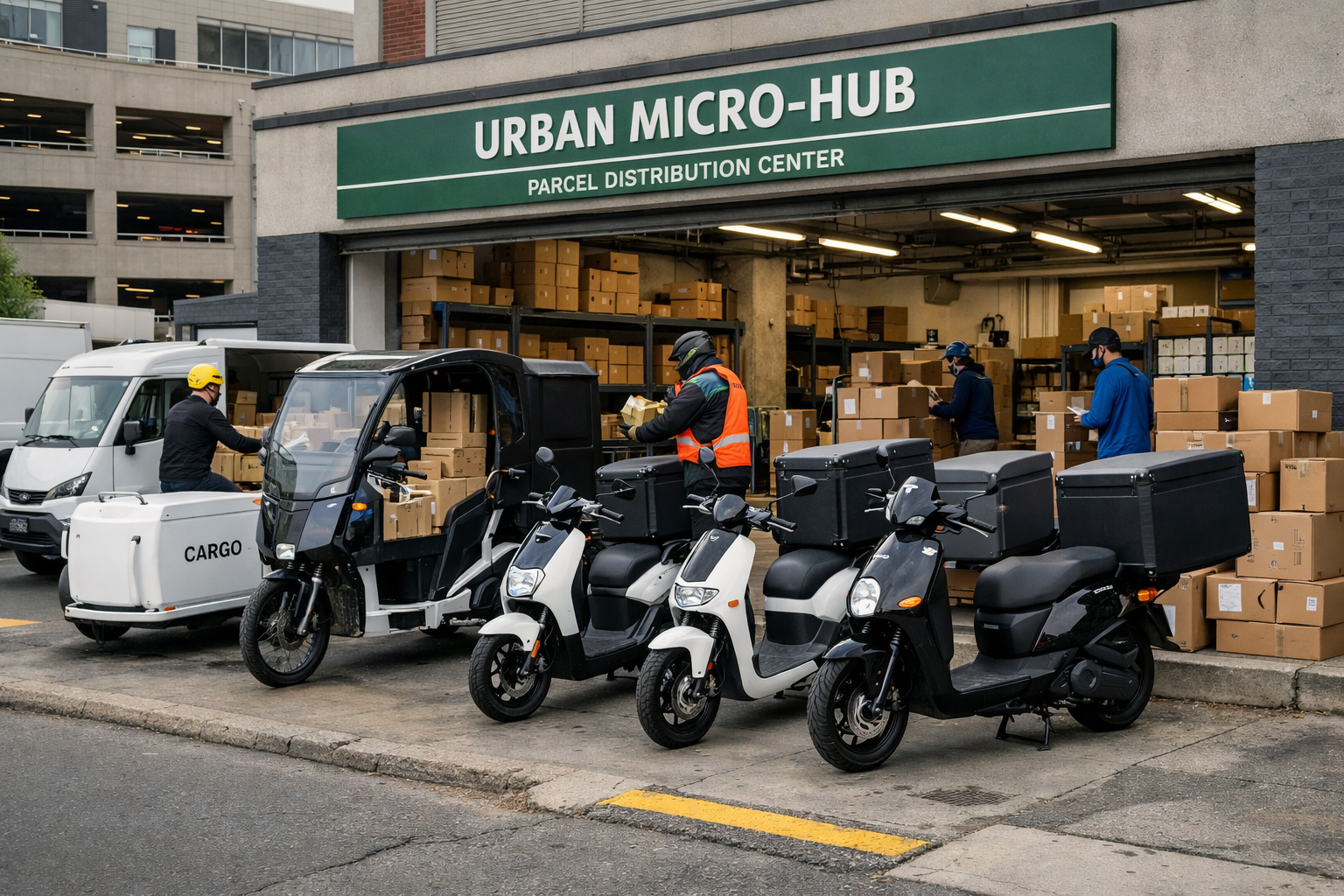
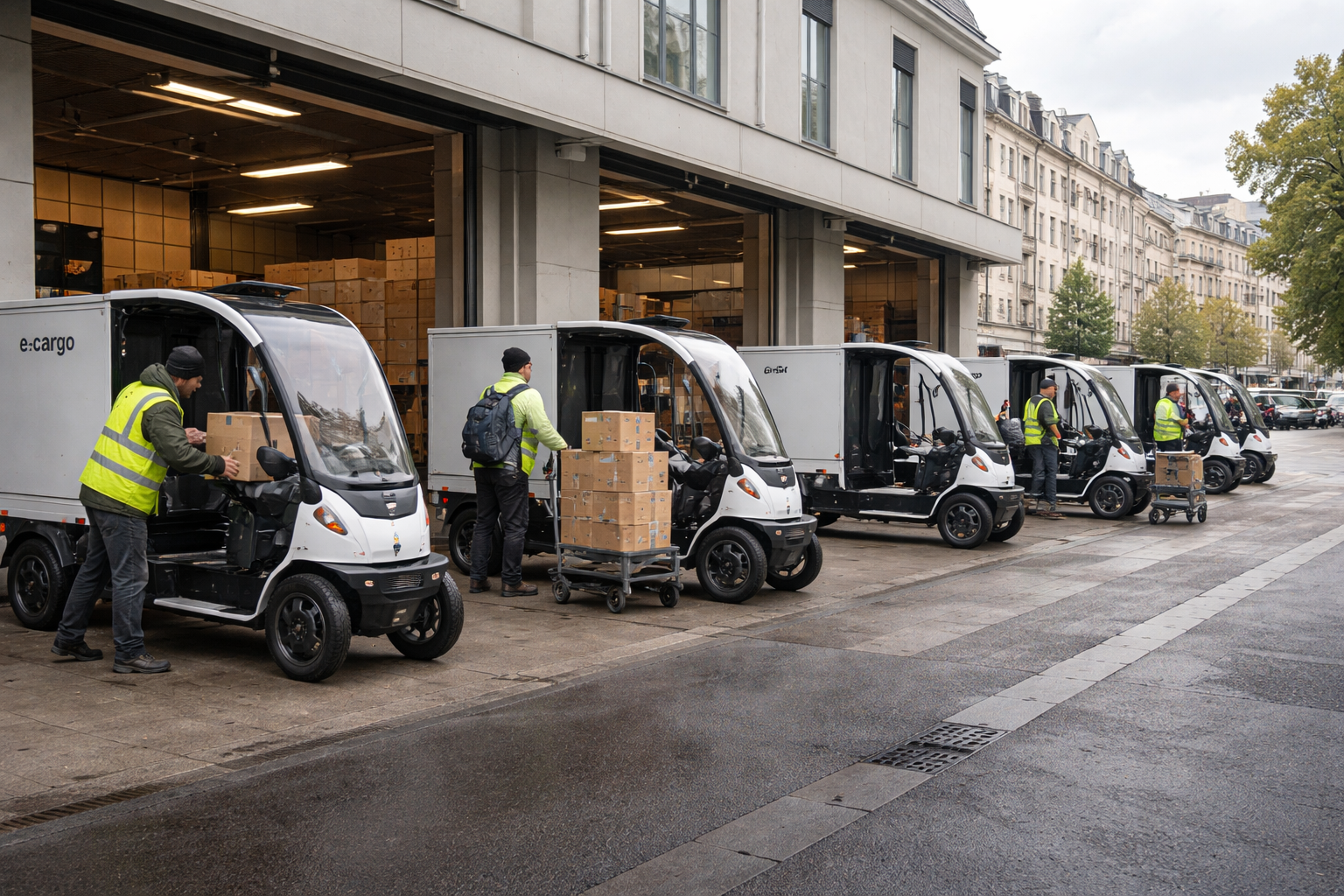
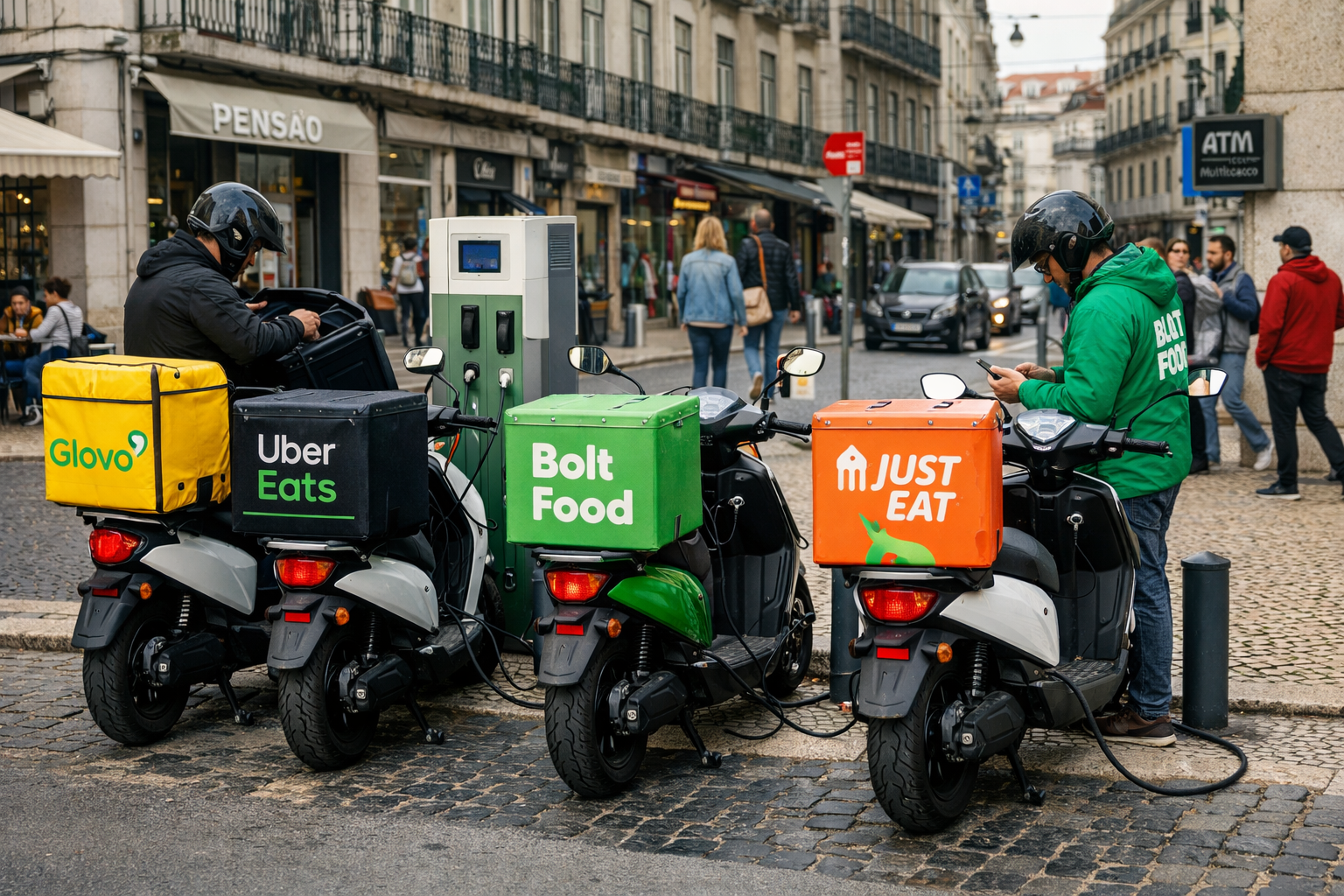
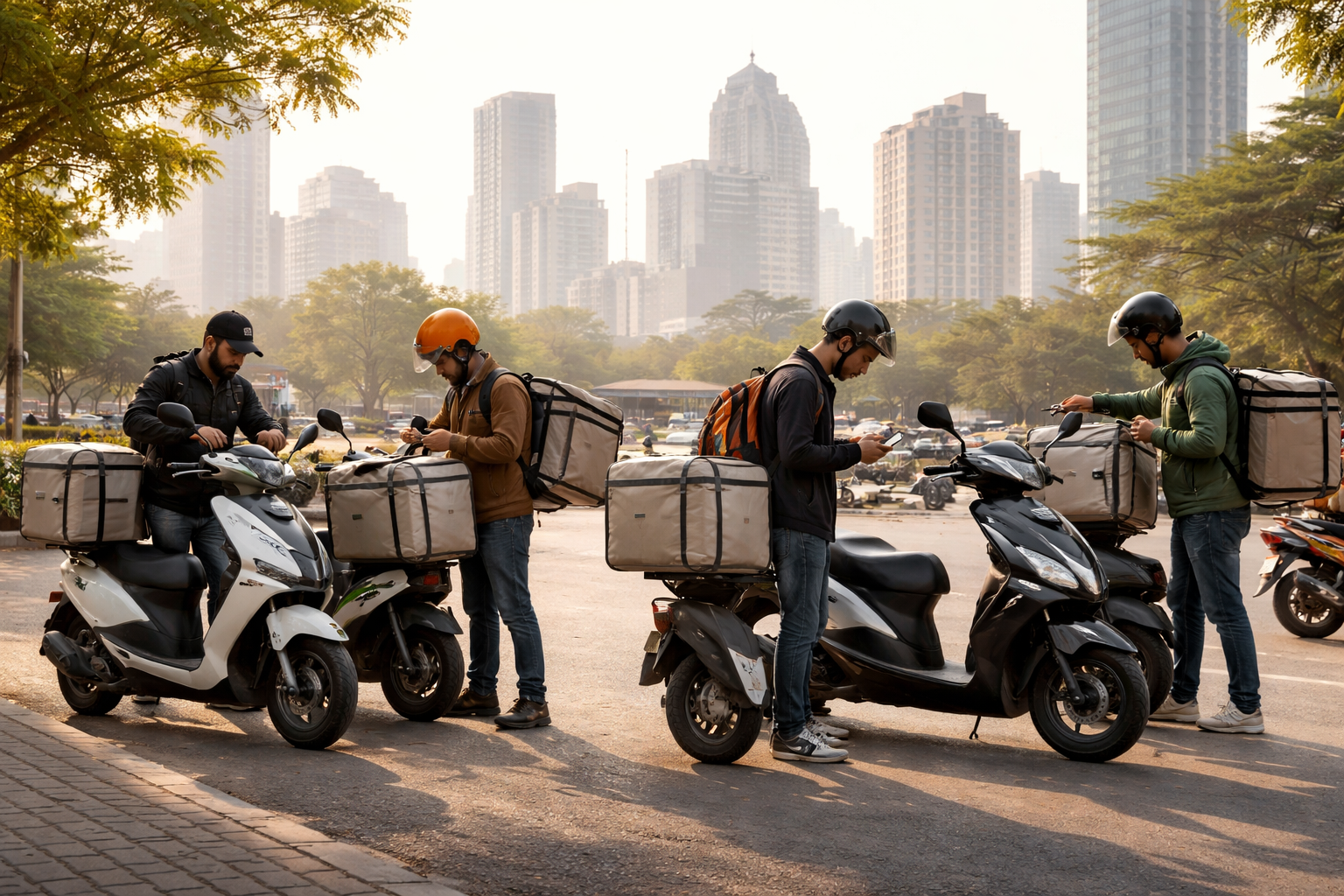
Many cities want delivery fleets to switch to electric two‑wheelers quickly. Delhi’s recent decision to delay its full EV requirement shows why that transition is more complex in practice.
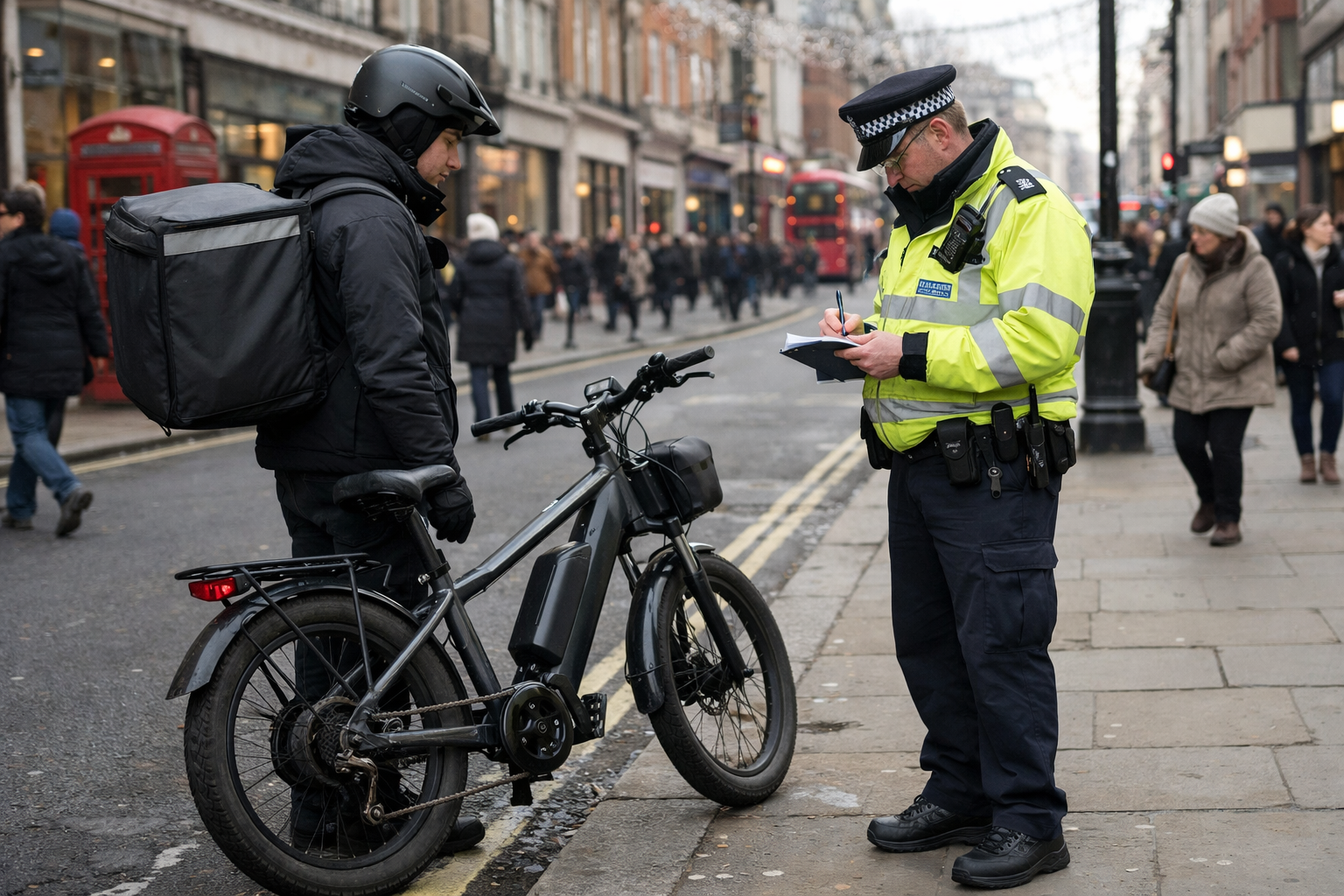
The original plan required platforms to add only electric bikes to their fleets. In reality, adoption reached just 9 percent of new vehicles. Regulators responded by allowing modern petrol bikes to remain in use until the end of 2026.
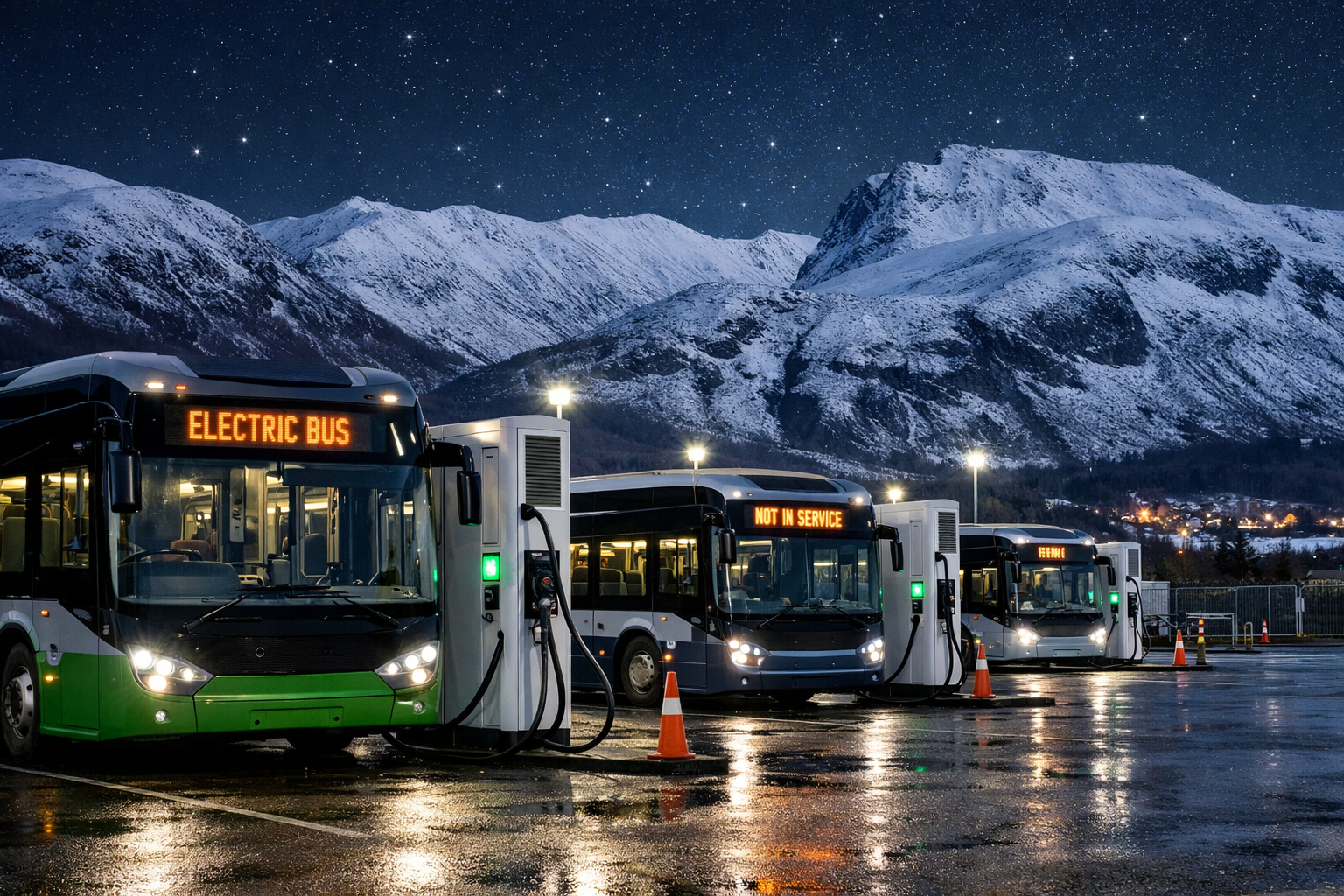
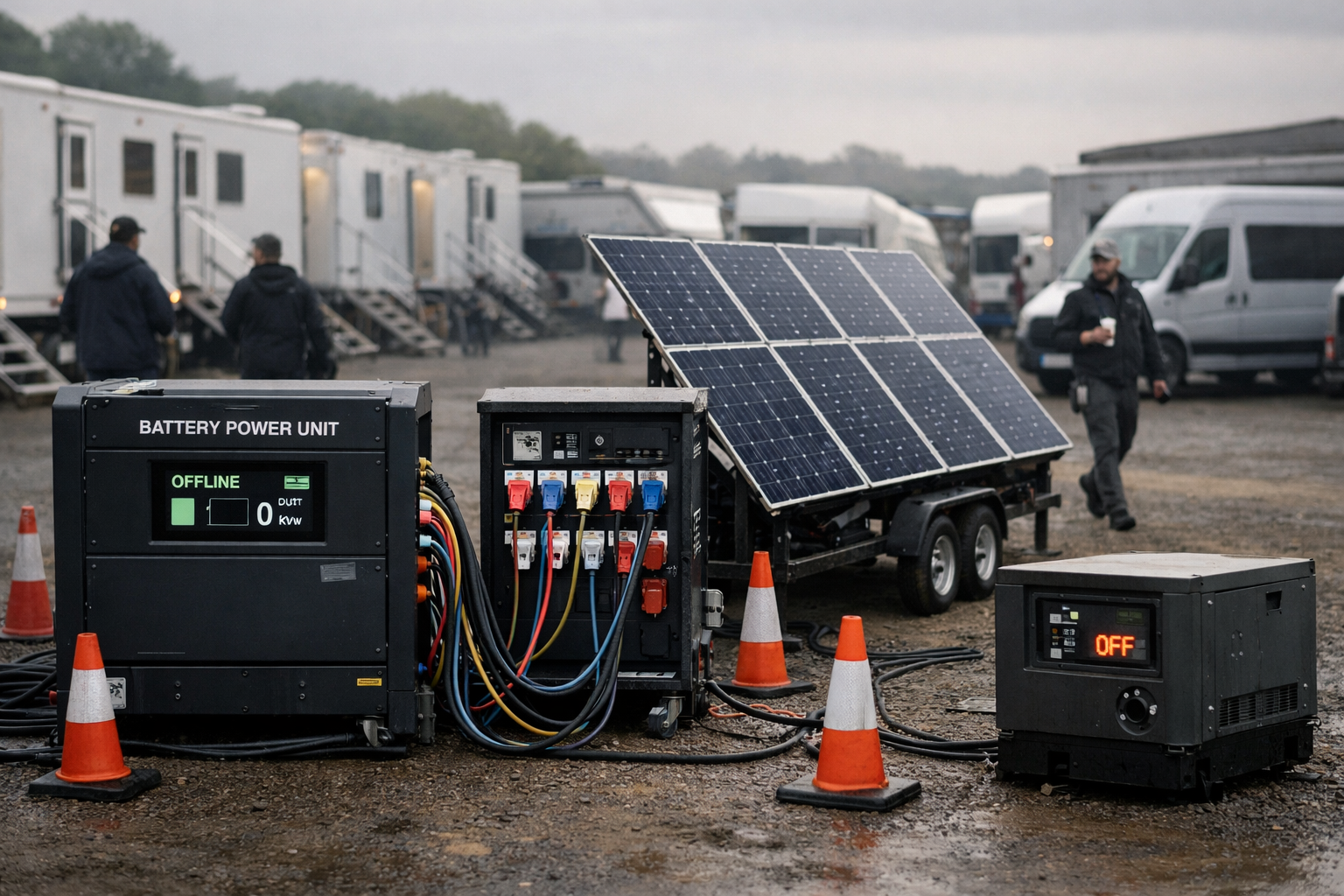
The gap comes down to economics and infrastructure. Couriers need affordable vehicles, reliable charging and access to maintenance. Without those, electric models can limit earning potential if riders lose time waiting for batteries to recharge.
Financing is another barrier. Many gig‑economy riders cannot fund higher upfront costs without leasing or rental support. Where those programmes exist, adoption tends to increase.
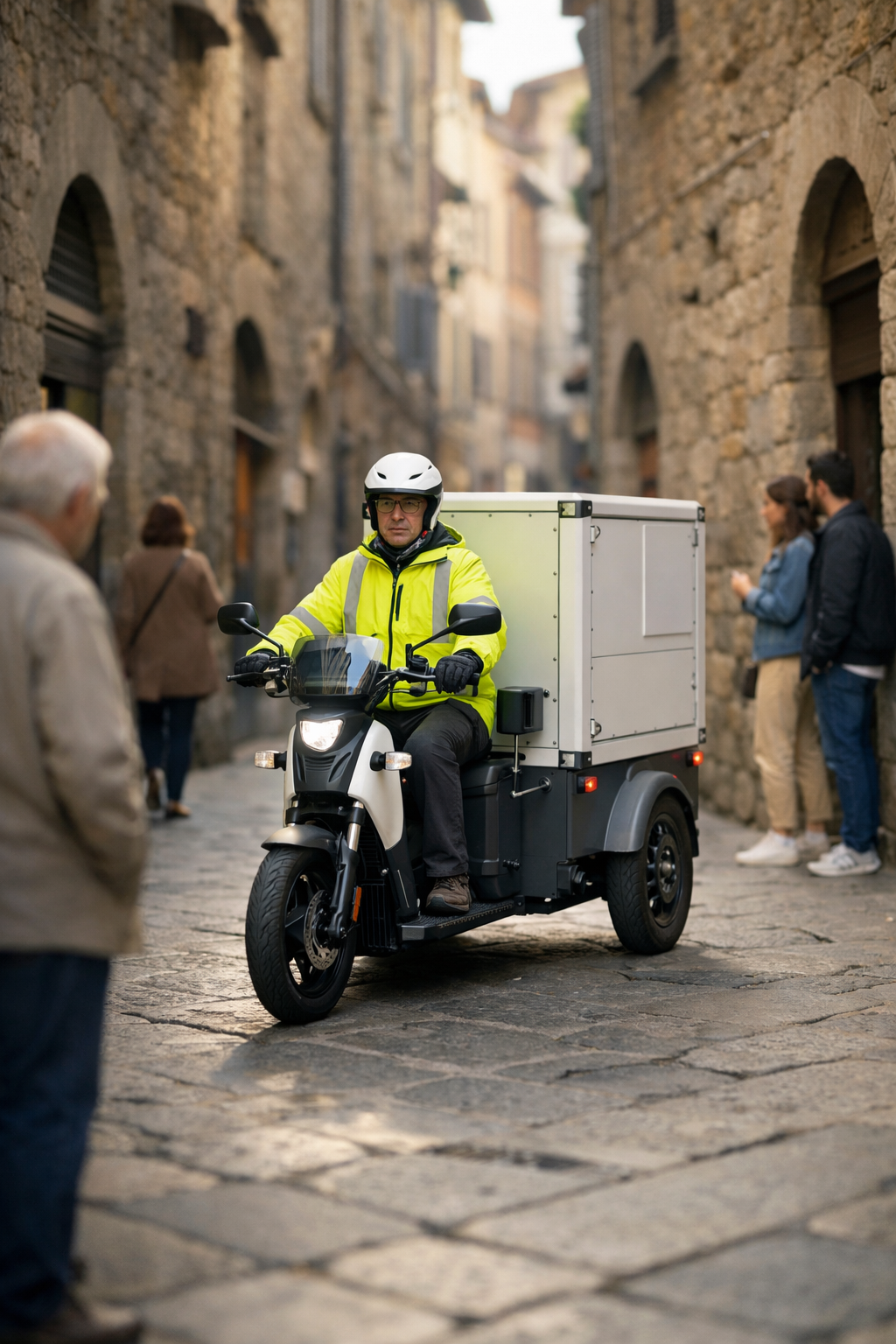
There is also the issue of vehicle supply. High‑speed electric two‑wheelers suitable for delivery work are not yet available in sufficient numbers in some markets.
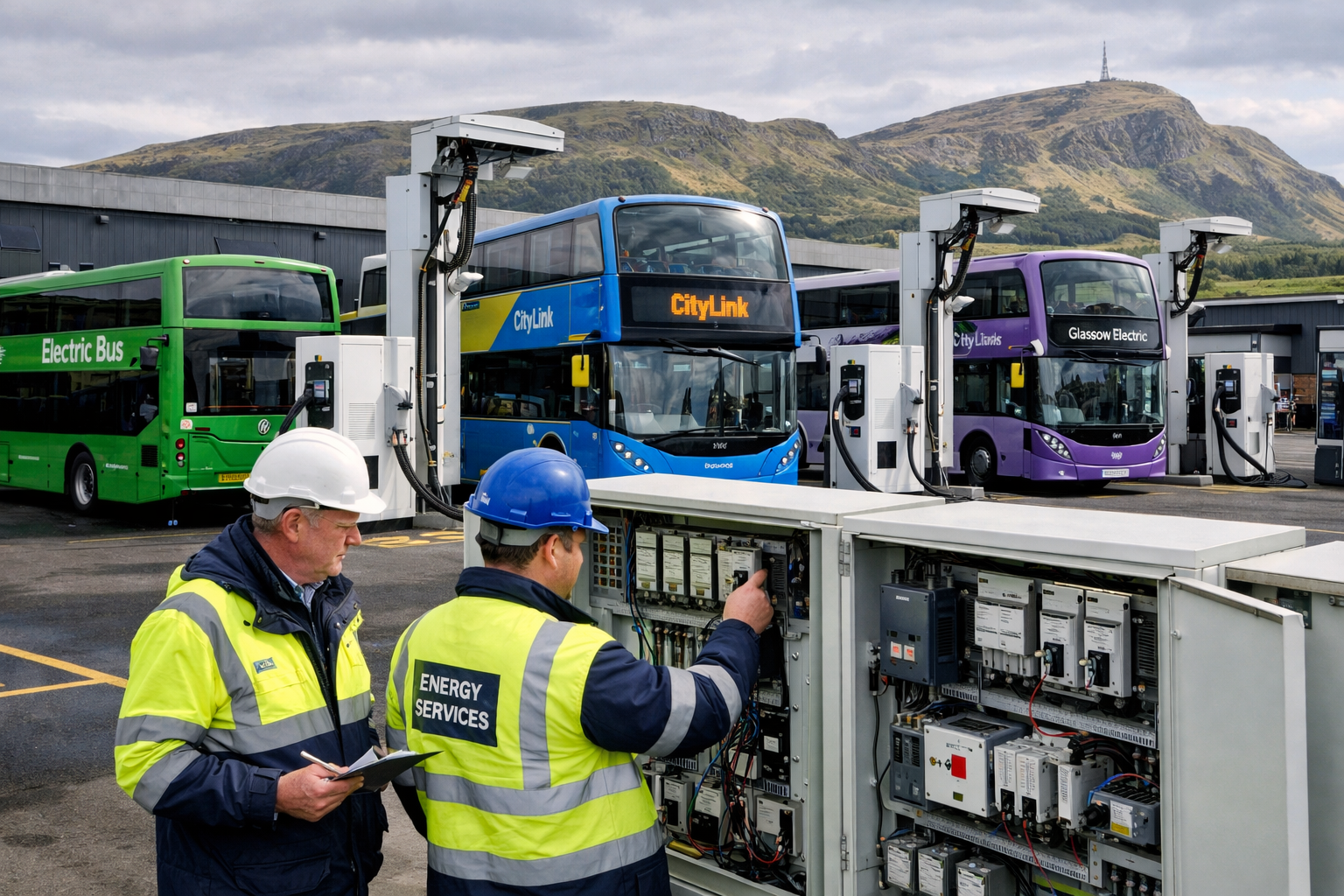
For policymakers, the lesson is that mandates work best when paired with incentives, charging networks and fleet partnerships. For operators, a phased transition with mixed fleets often delivers better results than a sudden switch.
Electrification remains the long‑term direction. But the path depends on building an ecosystem that supports riders and businesses, not just setting deadlines.
You might also like