
Electric two‑wheelers are scaling up in India’s last‑mile networks

avro fleet team • February 5, 2026

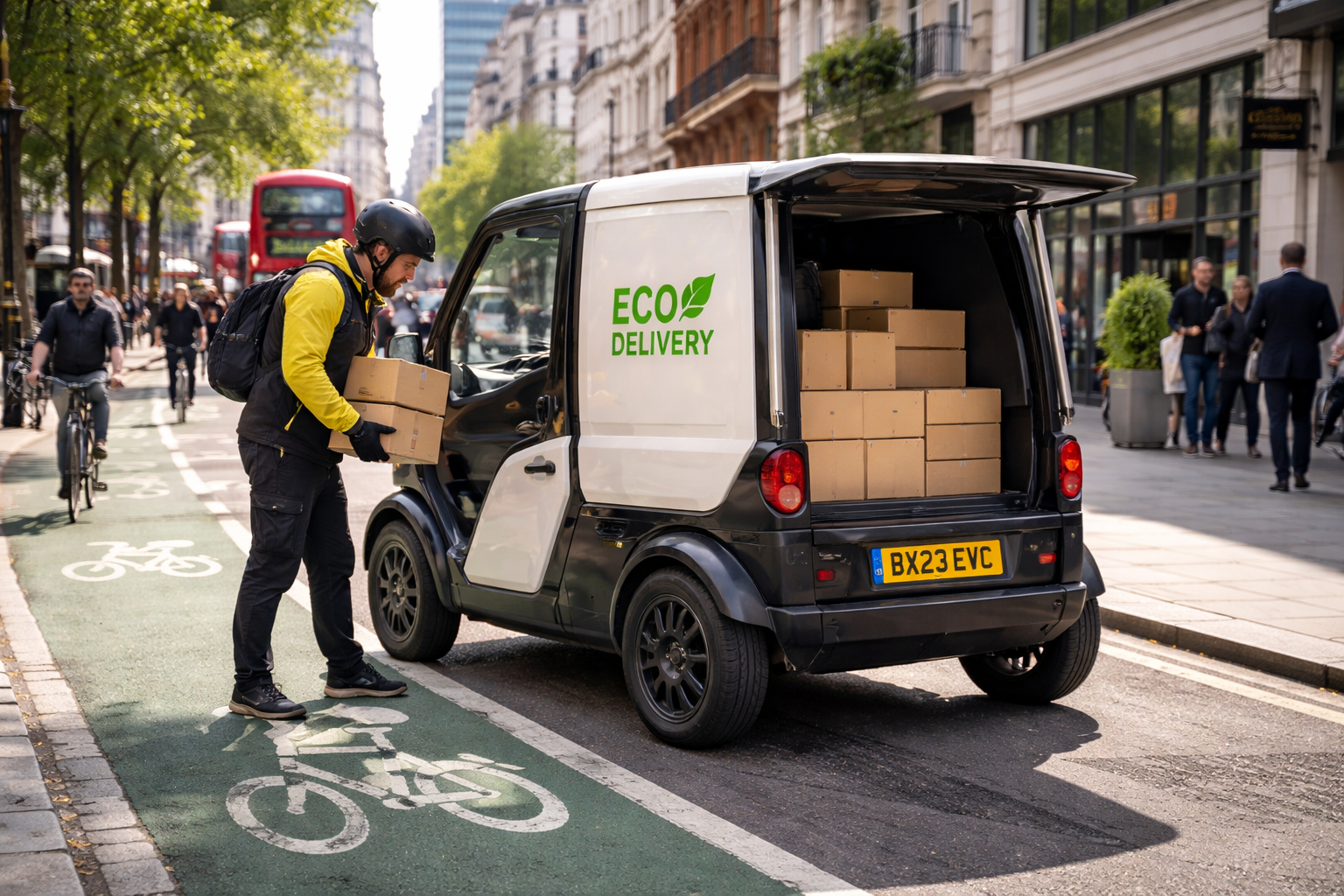
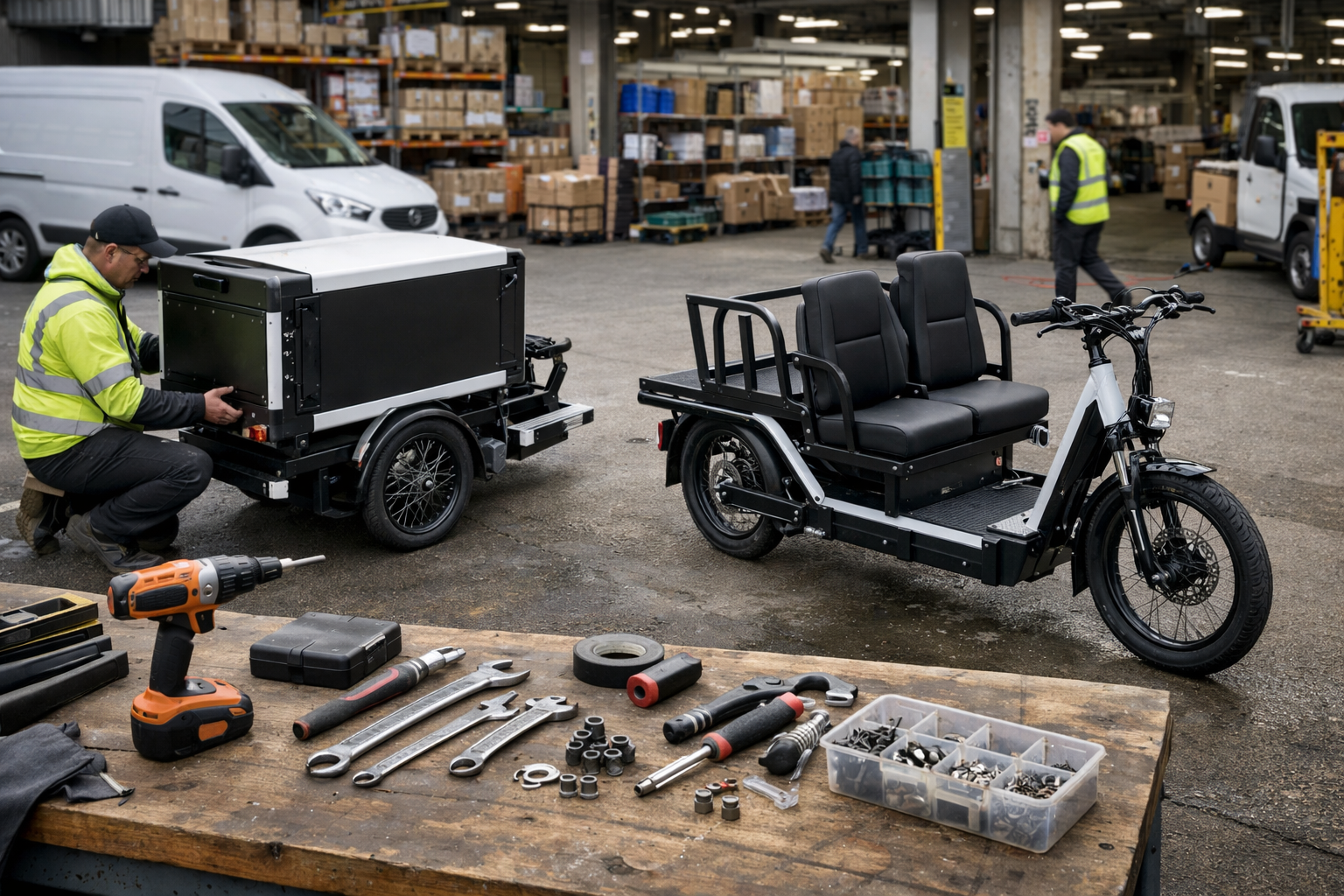
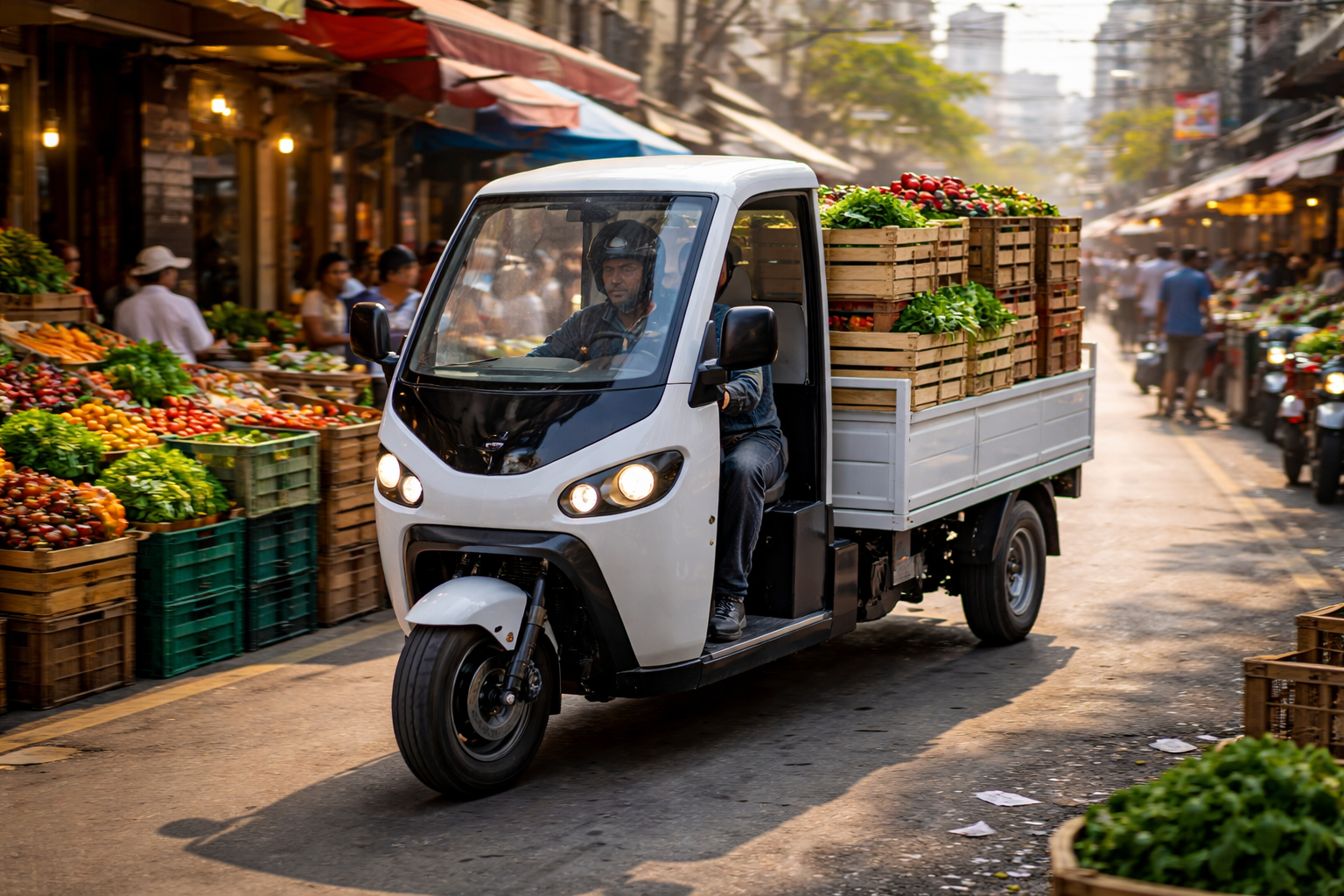
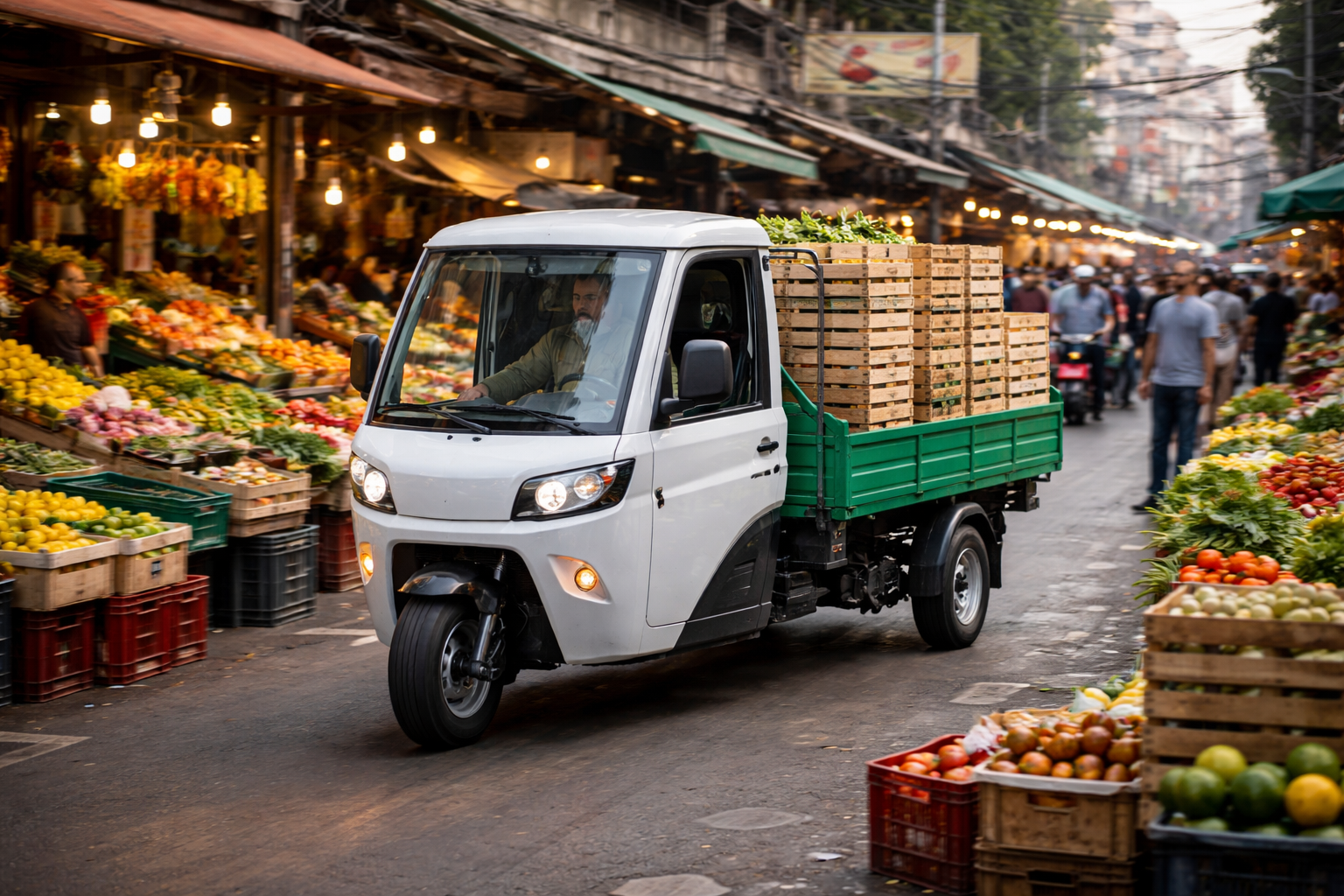
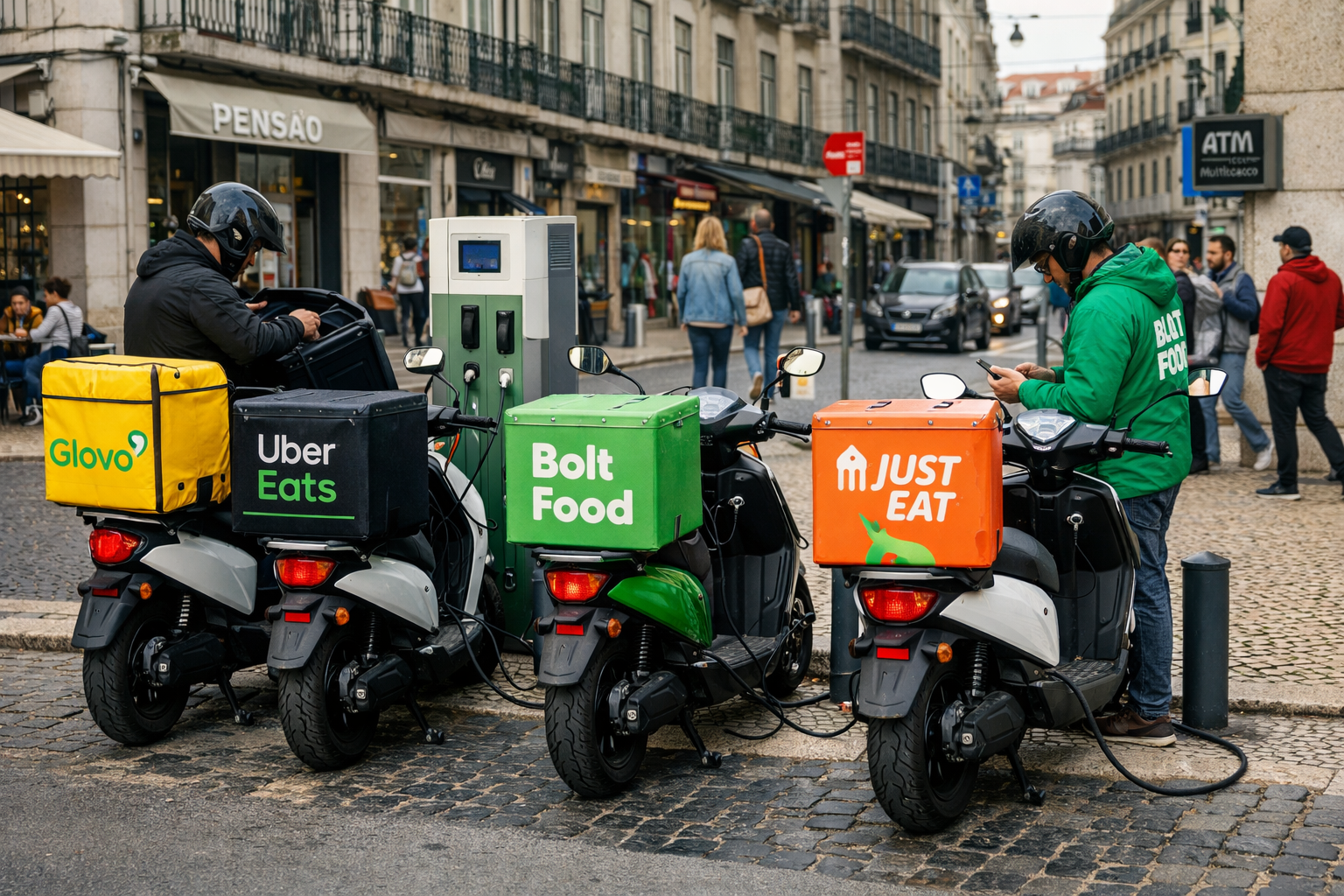
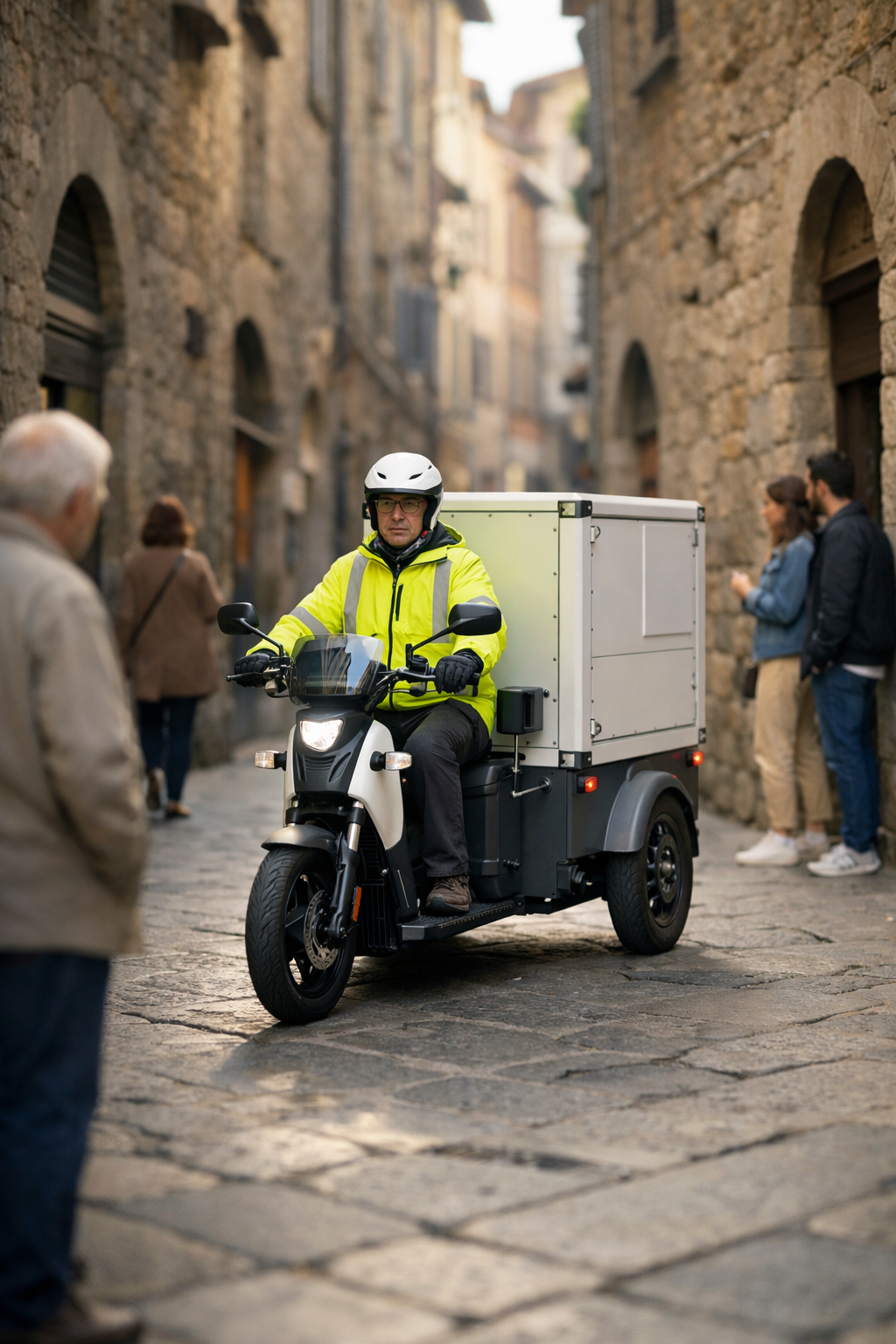
Electric two‑wheelers are gaining real traction in last‑mile delivery in India, with major deployments showing they can support heavy usage and long routings for city deliveries. Motovolt Mobility’s recent deployment of 2,500 electric two‑wheelers across major urban markets is one of the clearest examples of this trend.


Working with logistics providers and digital marketplaces such as Zomato, Swiggy, Flipkart and Blinkit, these EVs are now serving in cities including Bengaluru, Hyderabad, Chennai, Delhi and Gurugram. The vehicles have collectively logged millions of kilometres in busy urban environments, demonstrating their reliability and practicality under real‑world conditions.


For delivery networks focused on cost‑efficiency and emissions, electric two‑wheelers offer several advantages. They typically cost less per kilometre than petrol scooters, and electric motors and batteries require less routine maintenance. Given high fuel prices and increasing regulatory pressure on emissions, these savings are more than incremental — they directly improve operating margins.

Another operational benefit lies in range and uptime. Modern electric two‑wheelers can travel distances suited to typical urban delivery shifts, and many models feature removable batteries that speed turnaround times. High daily mileage figures from deployed fleets suggest that well‑managed EVs can keep pace with business demand.


From a sustainability standpoint, replacing petrol bikes with electric models reduces local air pollutants and noise in dense city streets. This aligns with broader urban environmental goals and can also improve brand perception among consumers who value cleaner deliveries.


There remain challenges: charging infrastructure, upfront costs, and battery health over time are all factors operators must manage. But the real‑world data emerging from large‑scale deployments shows that these two‑wheel EVs are not just concept vehicles — they work in tough conditions every day.


For any business involved in last‑mile delivery — whether food, retail or parcels — watching how electric two‑wheelers perform at scale is important. They are increasingly a credible part of a cost‑effective, low‑emission fleet.

You might also like

By avro fleet team February 4, 2026
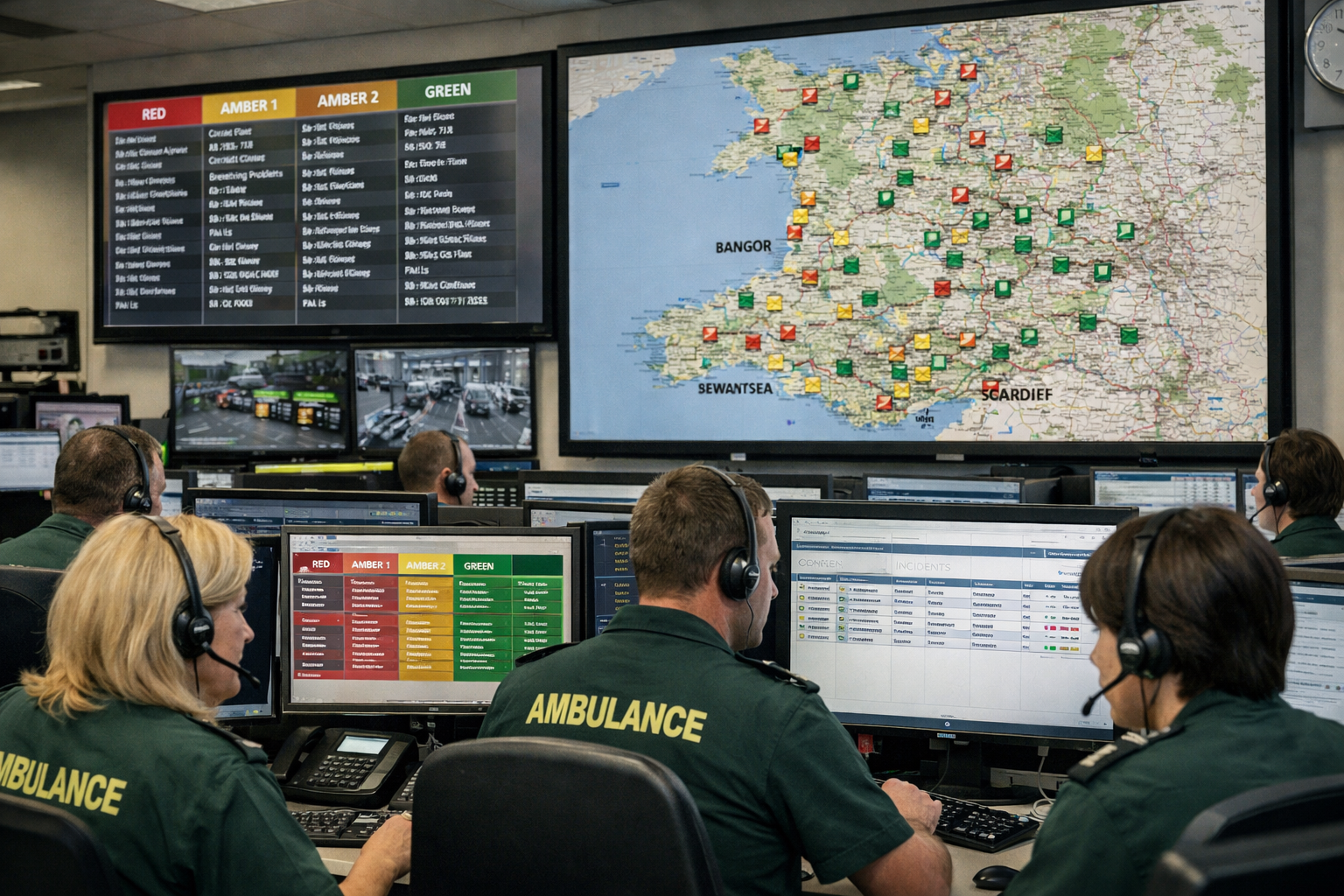
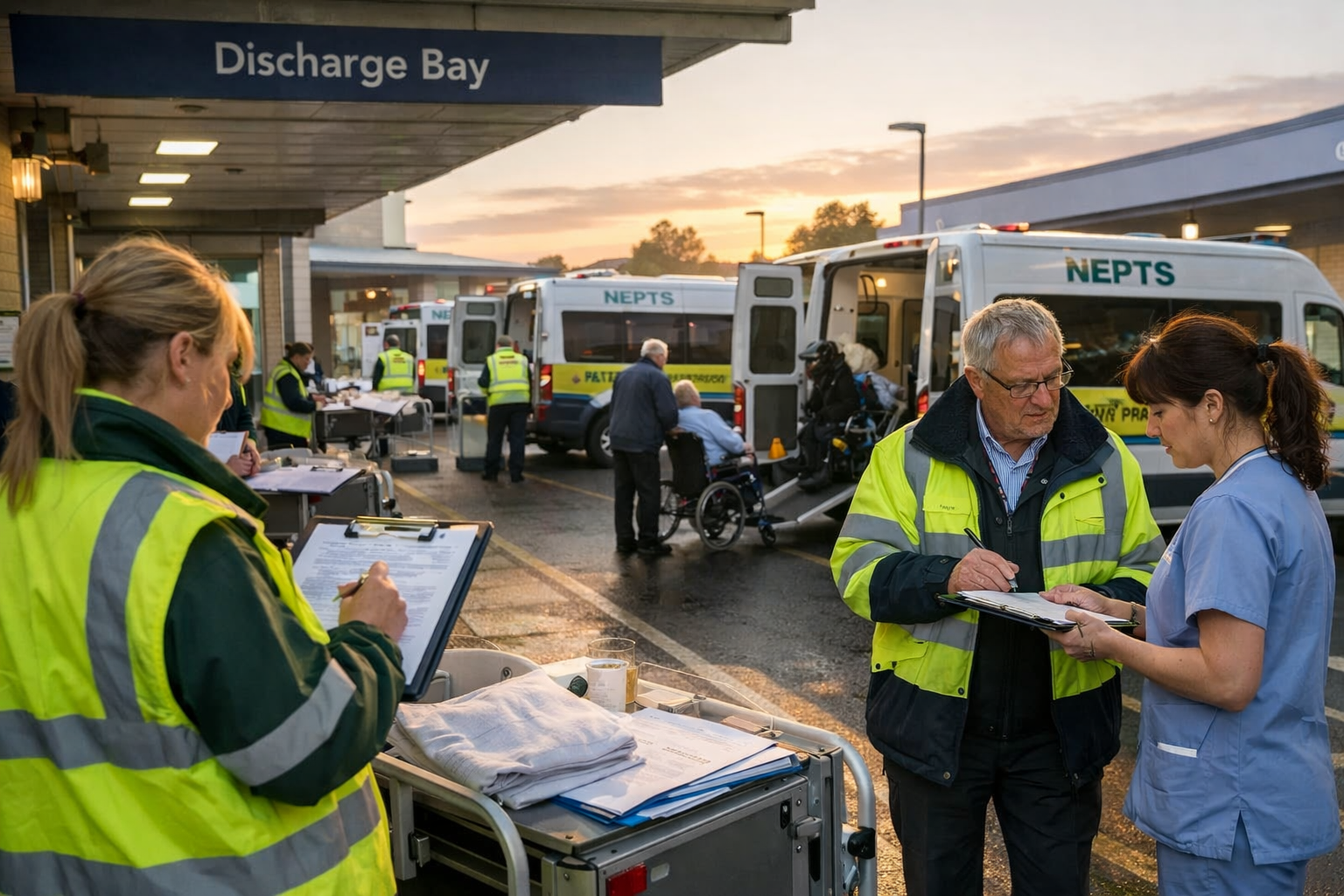
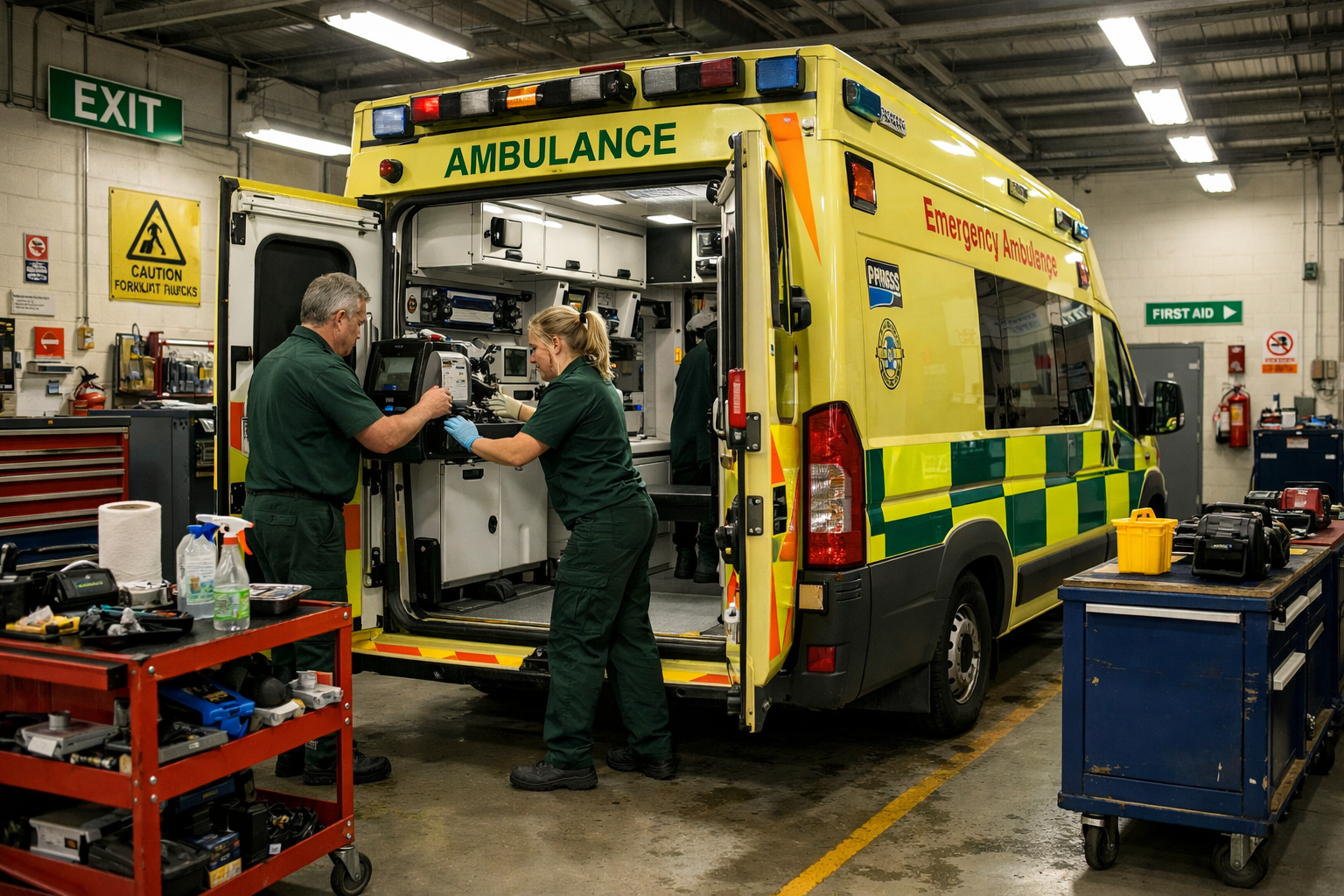
England’s NHS ambulance services have received more than 500 new vehicles as part of a £75 million investment to strengthen emergency care capacity. The rollout is one of the largest NHS fleet renewals in recent years and is aimed at cutting response times and boosting reliability during high‑pressure seasons. Breaking down the investment The new ambulances are double‑crew models equipped with updated safety technology to protect patients and paramedics. They replace older vehicles and have already reduced breakdown rates, meaning more vehicles are available to respond to 999 calls. The investment is part of a broader approach within the NHS to modernise urgent and emergency care and support frontline staff amid rising demand. An important part of this fleet upgrade is that many of the vehicles were converted or assembled in towns and cities across England. Local work in places such as Goole, Bradford, Sandbach, and Peterborough supports skilled jobs while ensuring the supply chain for ambulances remains robust and responsive. Operational impact For ambulance services stretched by seasonal spikes in respiratory illness and other pressures, having reliable, up‑to‑date vehicles makes a difference on the ground. Fewer breakdowns mean crews spend less time waiting for replacements and more time caring for patients. Early feedback suggests response times have improved compared to previous winter periods. These vehicles also play a role in non‑emergency ambulance workflows, supporting transfers between hospitals, discharges, and urgent care transport that does not require emergency lights and sirens but still matters to patient flow. What this means for the sector From the perspective of private providers, suppliers, and fleet partners, the scale and scope of this rollout send clear signals. First, NHS fleet renewal remains a priority for health planners. Second, modernisation is increasingly tied to reliability and staff safety features, not just replacement cycles. Manufacturers and converters that can deliver vehicles that match evolving NHS specifications and regulatory requirements are likely to see continued demand. Meanwhile, operators that manage maintenance and telematics well will be better positioned to support fleet uptime and reduce operational downtime. The bigger picture Investments in ambulance fleets are part of a wider strategy to improve urgent care and emergency services. Upgrading vehicles is one part; ensuring they are integrated into broader care pathways, supported by workforce planning, and backed by modern dispatch and tracking technologies will determine long‑term impact. Conclusion The deployment of over 500 new ambulances strengthens emergency response and everyday patient transport. It underscores the need for reliable, safer vehicles and signals sustained commitment to frontline care capability across the NHS.
By avro fleet team February 4, 2026
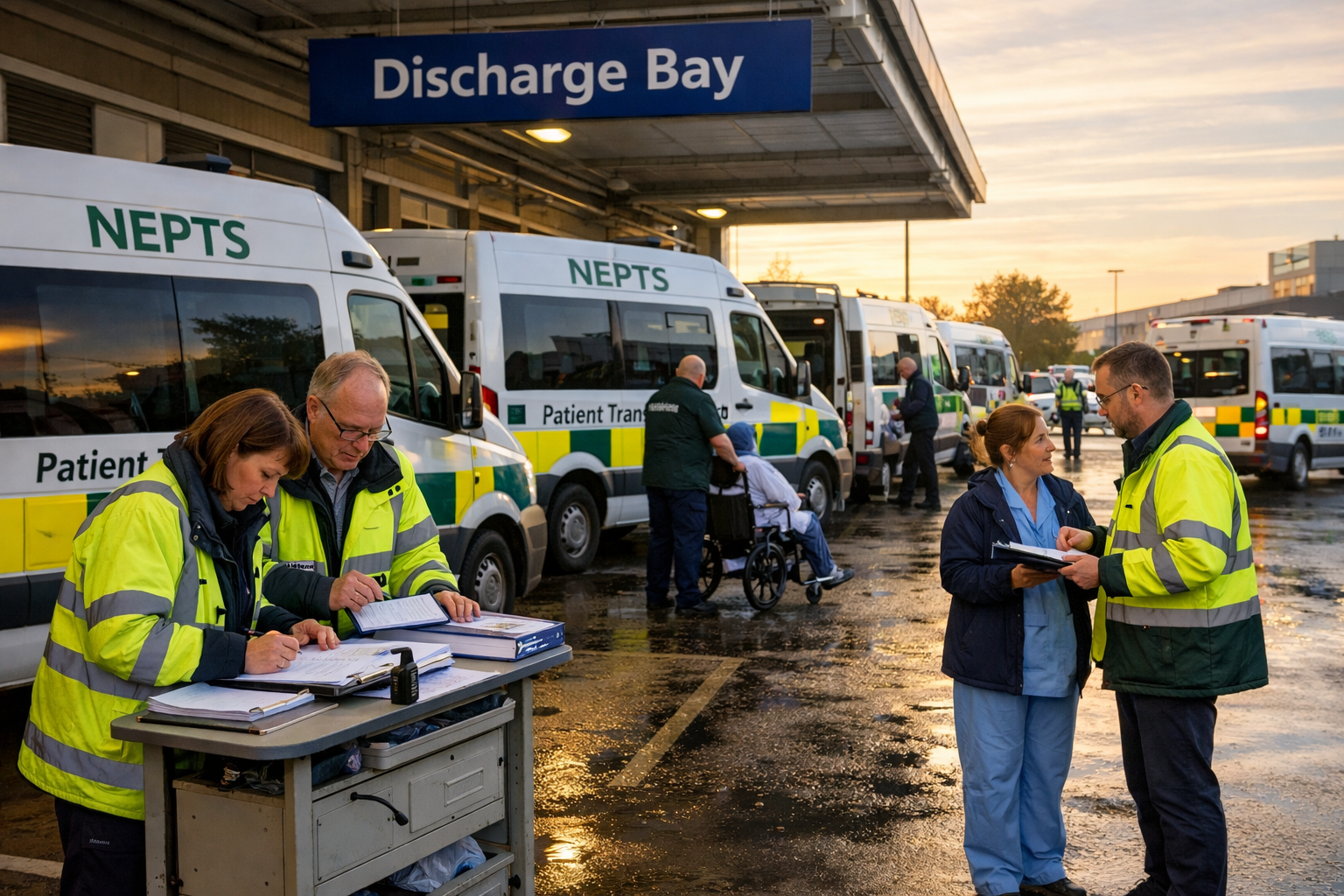
The healthcare transport sector in the South West of England has seen a significant shift following Health Transportation Group UK’s acquisition of First Care Ambulance. The deal brings the Devon non‑emergency patient transport contract and its associated vehicles and workforce into HTGUK’s portfolio and aligns services with Cornwall and Isles of Scilly operations. What the acquisition means for NEPTS delivery Non‑emergency patient transport (NEPTS) services are often overlooked until demand spikes or contracts change hands. They are essential to hospital flow, patient appointment access, and discharge planning. By consolidating the Devon and Cornwall contracts under one operator, commissioners may benefit from greater consistency of service delivery, deeper resource planning, and shared learning across a broader regional footprint. From an operations perspective, the acquisition brings around 176 staff and 76 vehicles into a larger group. That scale can improve resilience, especially during peak periods, unexpected staff shortages, or surge demand. For commissioners, this can translate to reduced risk, a broader pool of experienced personnel, and potentially better performance reporting because systems and processes are standardised across a larger network. Implications for private providers For private companies in the ambulance and patient transport market, this deal highlights the value of scale and integration. Winning contracts increasingly depends on demonstrating the ability to manage complex regional requirements, maintain fleet readiness, and support workforce development across multiple sites. Consolidated providers may be better placed to invest in fleet upgrades, telematics, and data‑driven performance measures than smaller, fragmented operators. Workforce and service continuity One notable feature of the acquisition is that the existing management team at First Care Ambulance stays in place. That continuity can help smooth the transition, reduce disruption, and retain institutional knowledge about local service requirements and commissioning relationships. It is an example of how acquisitions can be structured to preserve service stability while achieving organisational goals. Strategic context The merger of the Devon and Cornwall Integrated Care Boards adds a backdrop of broader health system transformation. As integrated care systems evolve, patient transport services are being looked at as part of whole‑system planning rather than discrete contracts. Bigger, coordinated transport networks may align better with broader goals like integrated discharge pathways and improved patient access. Bottom line This acquisition is more than a change of ownership. It reflects broader trends in healthcare transport: consolidation for resilience, integration with regional health planning, and the need for robust operational capability. Providers and commissioners alike should note that scale and continuity are increasingly central to delivering reliable, patient‑centric transport services.


By avro fleet team February 4, 2026
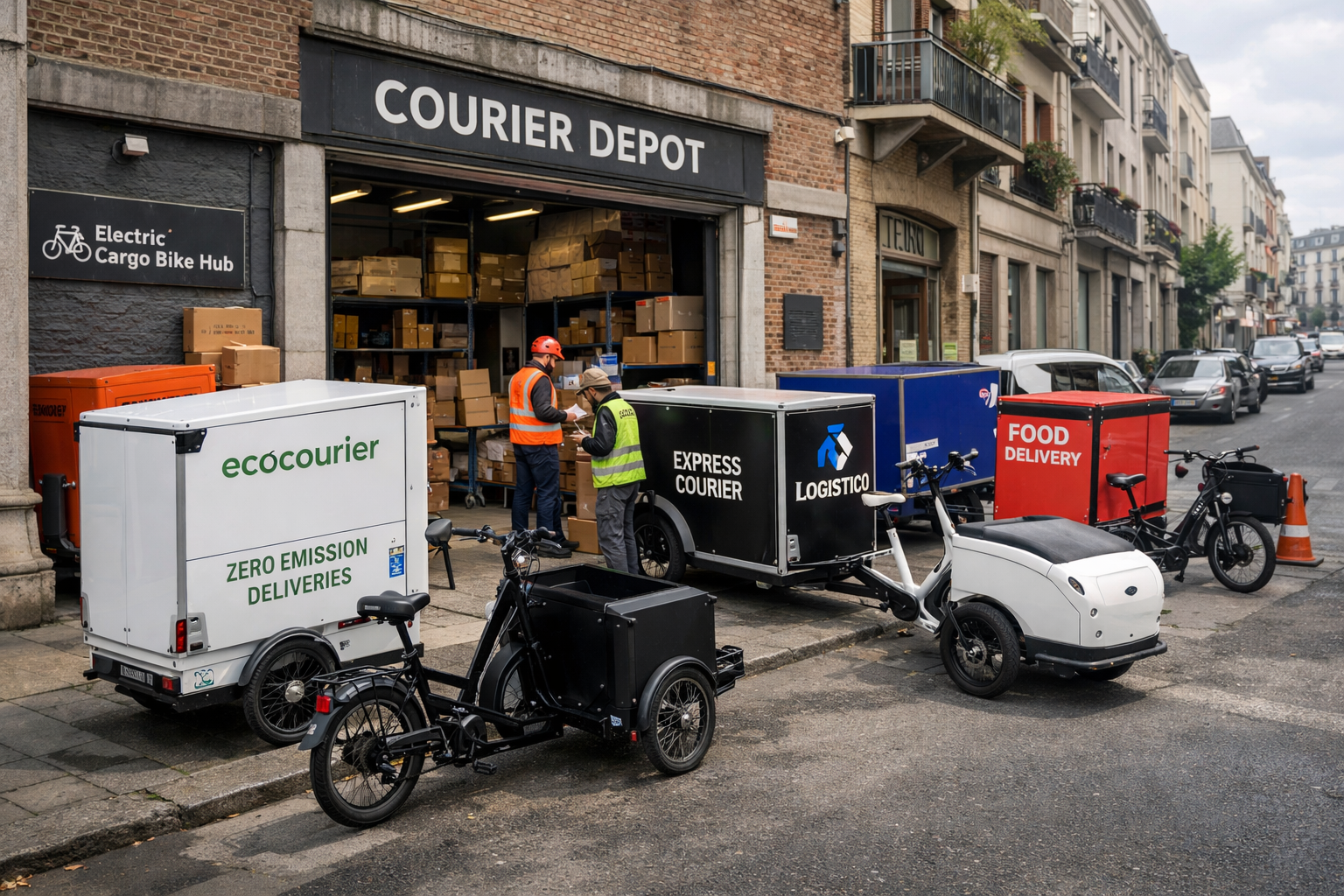
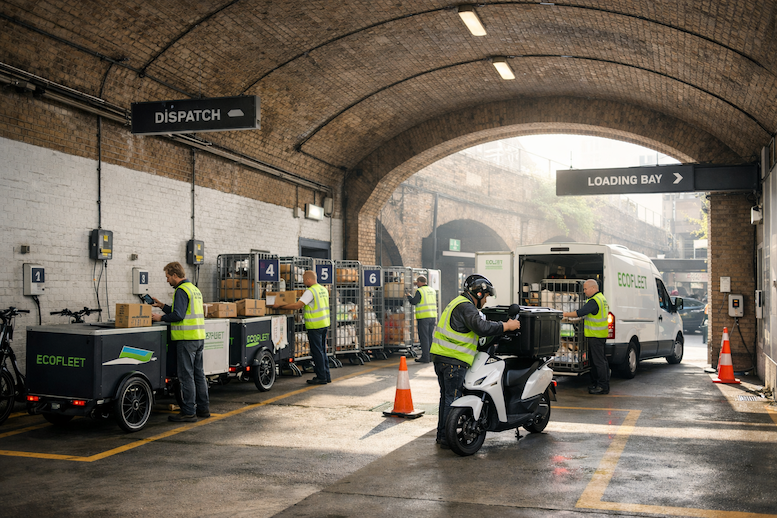
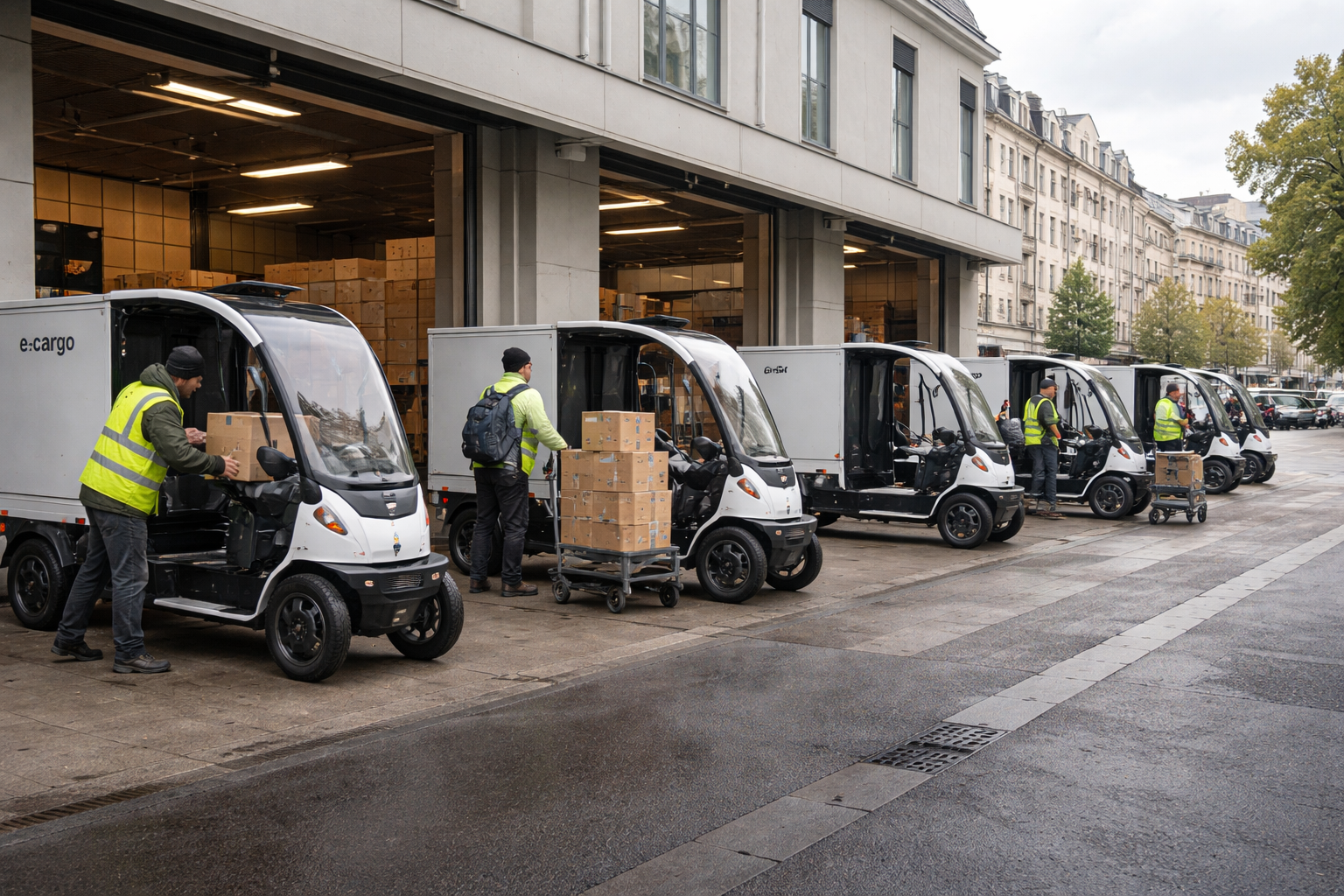
In dense city centres, last‑mile logistics has become a balancing act between speed, sustainability and cost. That’s why the recent announcement that Vok Bikes will shift production to Renault’s Refactory plant in France is significant.  Vok Bikes specialises in four‑wheeled electric cargo bikes designed for commercial use. These vehicles are bigger than a standard cargo bike but smaller and more agile than a van. They fit comfortably into urban streets, can often use bike lanes where allowed, and avoid the congestion charges that apply to larger vehicles in many cities. By moving production to the Refactory site, Vok gains access to an industrial‑scale manufacturing setup close to its key Western European markets. This production shift is projected to boost capacity roughly tenfold in its first year. For fleet operators, that means easier access to vehicles, shorter lead times and a less constrained path from pilot to full deployment. Why does this matter now? Cities across Europe are tightening emissions rules and charging zones. Business models that rely on petrol or diesel vans are increasingly costly. Cargo bikes fill a gap: they’re capable of carrying commercial loads without the overhead of larger EV vans, and they align with sustainability goals many clients and cities are prioritising. The partnership with Renault also strengthens Vok’s credibility with large clients who may have been hesitant to adopt a smaller manufacturer’s products at scale. When a well‑established automotive group backs production capacity, it reduces risk for fleet buyers who need dependable supply and service. This expansion could reshape how logistics operators think about last‑mile fleets. Rather than treating cargo bikes as experimental add‑ons, they could become a core part of a mixed‑fleet strategy, especially for deliveries under a few hundred kilograms. From a sustainability perspective, replacing vans with electric cargo bikes reduces emissions, cuts noise and eases urban congestion. And when production constraints ease, the total cost of ownership for these bikes becomes more attractive. For businesses planning future fleet investments, understanding this shift — and watching how quickly production can scale — will be key to competitive planning.