Our latest research into UK last-mile delivery found that the market is being reshaped by two pressures happening at the same time: sustained parcel demand and a more constrained urban operating environment. Parcel volumes rose to 4,214 million items in 2024–25, while van traffic in Great Britain reached 58.5 billion vehicle miles in 2024. Together, those trends matter because they increase the cost of inefficiency. More drops, more time spent at the kerb and more route friction can quickly erode margin when fleets are still trying to meet demanding service expectations.
The report also highlights why delivery strategy is becoming more location-specific. Clean Air Zones, congestion, limited loading space and city-centre access restrictions are changing how operators think about the final leg of fulfilment. In that environment, micro-hubs, urban consolidation points and mixed-fleet planning are becoming more commercially relevant because they shorten the van leg and allow lighter assets to handle the densest urban zones more efficiently.
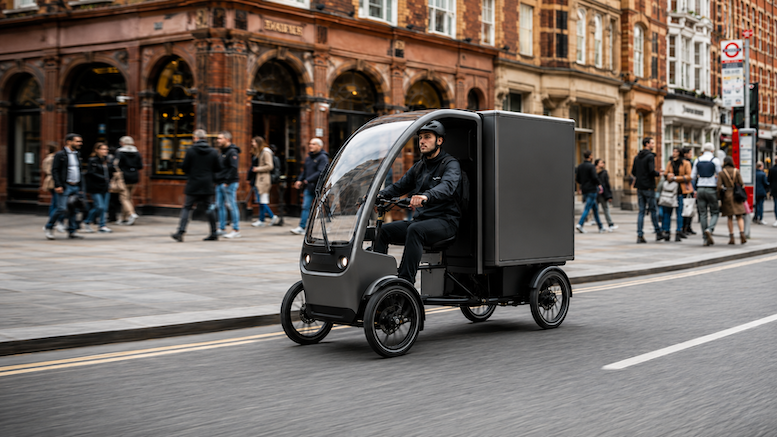
Electric cargo bike adoption sits within that wider shift. Our analysis of UK fleet trends suggests businesses are not looking at cargo bikes as symbolic sustainability assets; they are looking at them as operational tools for short-radius, high stop-density work where vehicle utilisation is shaped by dwell time, kerbside access and repeat-drop productivity. For finance decision-makers, the commercial question is increasingly about where cargo bikes improve fleet economics, how they integrate with vans and other assets, and how investment can be structured around practical rollout rather than theory alone.