News

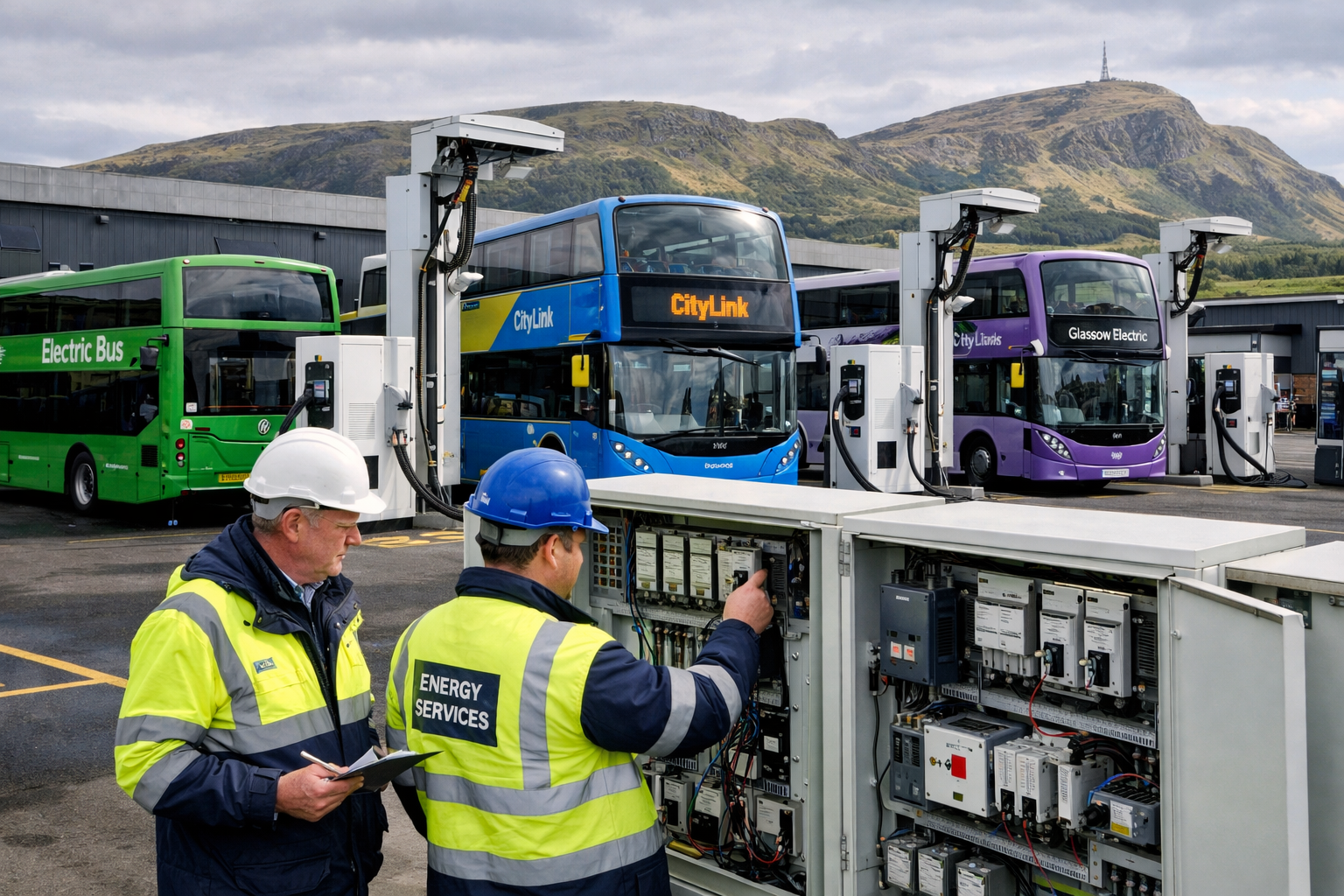
Scotland’s third round of the Scottish Zero Emission Bus Challenge Fund, known as ScotZEB3, marks an important shift in the country’s approach to bus decarbonisation. The programme provides up to £45 million to support the purchase of battery‑electric and hydrogen buses along with charging and refuelling infrastructure. It focuses on vehicles operating on registered local services rather than private or tourism fleets. While earlier funding rounds aimed to accelerate adoption of new technology, ScotZEB3 reflects a more mature market. From pilot projects to infrastructure delivery When the programme first launched, electric bus technology was still relatively new. Funding helped operators trial vehicles and develop experience with charging systems. Now the industry has moved beyond that stage. Electric buses are increasingly common across Scotland’s major operators. The challenge has shifted from technology adoption to infrastructure deployment. Charging equipment, depot upgrades and grid connections are now the main barriers to scaling up zero‑emission fleets. Why infrastructure matters more than vehicles In many projects, the bus itself is the easy part. The complex work lies in: securing grid capacity installing high‑power chargers redesigning depot layouts planning charging schedules around daily routes These factors determine whether vehicles can actually operate reliably. As a result, ScotZEB3 evaluations place strong emphasis on deliverability and project readiness. Financial considerations The cost of zero‑emission buses remains higher than diesel equivalents. However, operating costs can be lower due to reduced fuel and maintenance requirements. Funding programmes like ScotZEB3 help bridge the capital gap while the market continues to mature. Private financing and partnerships are also becoming more common, particularly where infrastructure providers build and operate charging systems for operators. Looking ahead Scotland has already supported hundreds of zero‑emission buses through earlier funding schemes. The government is also considering regulatory measures that could require new buses on local services to be zero‑emission from around 2030. That policy direction means electrification is moving from optional to inevitable. What this means ScotZEB3 is less about experimentation and more about execution. Operators that can demonstrate strong infrastructure planning, reliable power supply and realistic delivery timelines will be best placed to secure funding and expand their zero‑emission fleets.
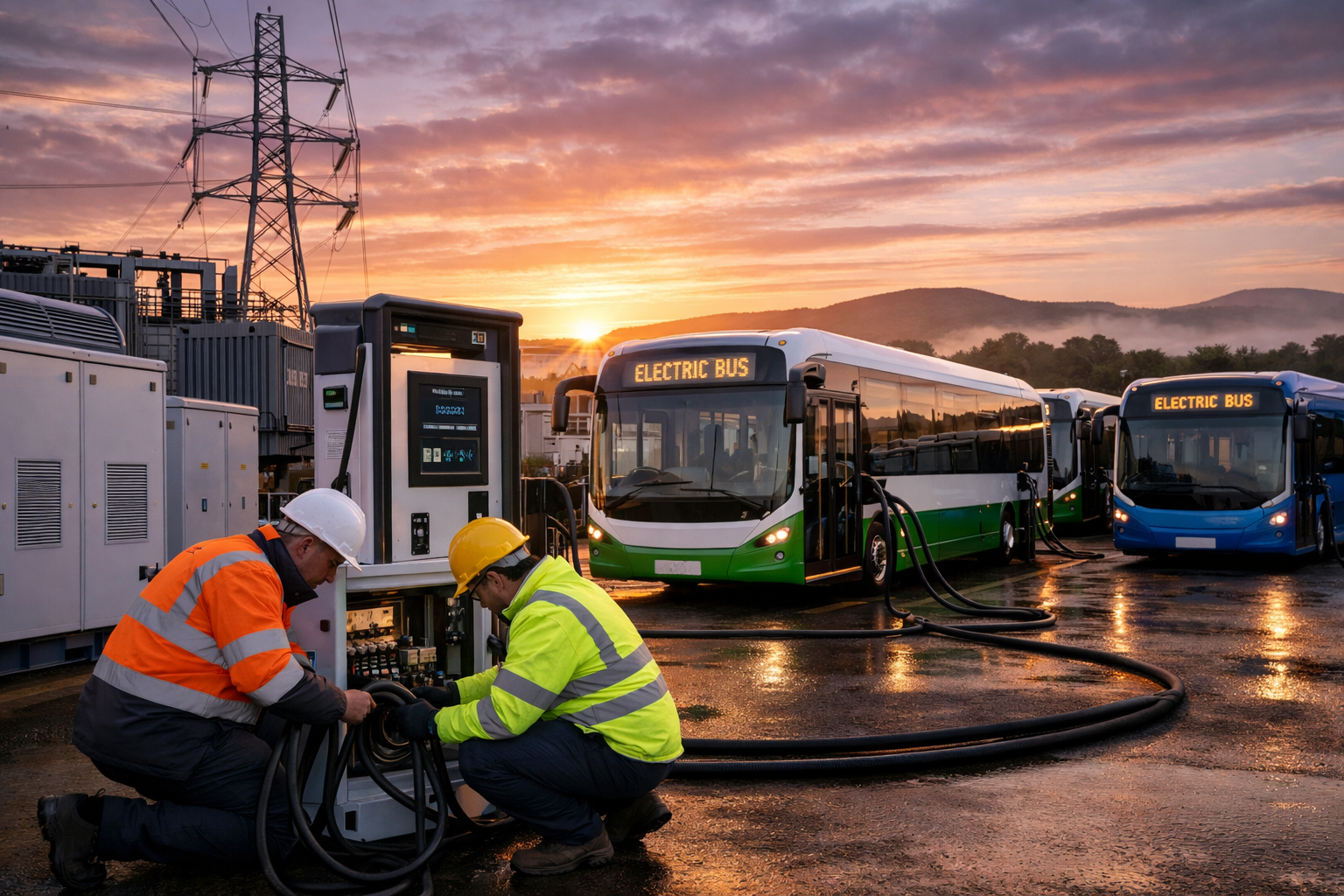
As the ScotZEB3 deadline arrives, the focus of Scotland’s zero‑emission bus programme has shifted toward projects that are ready to deliver. The fund provides support for electric and hydrogen buses as well as depot charging and refuelling infrastructure, but the key assessment factor is deliverability. Infrastructure as the critical path Experience from earlier funding rounds shows that grid connections, substation upgrades and depot civil works often determine project timelines. Vehicle delivery is rarely the limiting factor. Operators that have confirmed power availability and planned depot layouts are more likely to succeed. Aligning vehicles and charging Zero‑emission fleets require careful operational planning. Charging schedules must match route duty cycles, and depot layouts must allow safe and efficient vehicle movements. These considerations affect both capital costs and day‑to‑day operations. Financing considerations The higher upfront cost of zero‑emission buses means funding structures must align with build phases. Payments for infrastructure, vehicles and installation need to be coordinated to avoid cashflow gaps. Policy context With tighter diesel regulations approaching, the transition to zero‑emission buses is moving from voluntary to expected. Early adopters benefit from grant support and operational experience. Practical steps for operators Successful projects typically include: Confirmed grid capacity and connection timelines Detailed depot and charger layouts Realistic delivery schedules Integrated fleet and infrastructure planning Conclusion ScotZEB3 is less about testing technology and more about implementing it at scale. Projects that demonstrate infrastructure readiness and operational planning are most likely to move forward and shape Scotland’s next phase of bus decarbonisation.
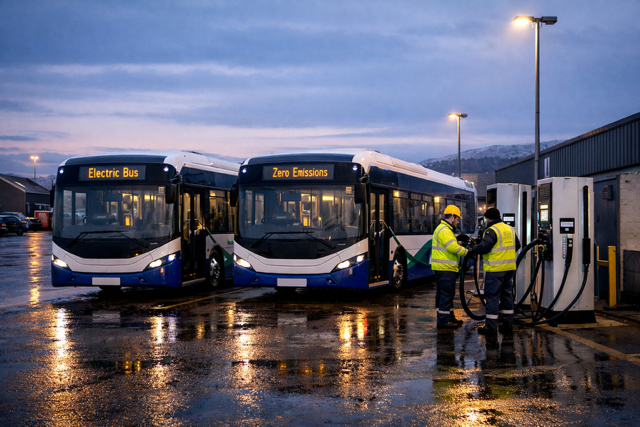
Scotland’s transition to zero‑emission buses has been supported for several years through the ScotZEB programme. Phase 3, with up to £45 million available, is now nearing its application deadline. This round is widely seen as the last major funding window of its type before tighter diesel regulations take effect. For operators, manufacturers and finance partners, the emphasis has shifted from ambition to delivery. What ScotZEB3 supports The fund contributes toward the cost of battery‑electric and hydrogen buses operating on regulated local services, along with the infrastructure needed to run them. That includes depot charging systems, hydrogen refuelling equipment and associated electrical works. Projects are assessed on deliverability, value for money and their contribution to decarbonisation targets. Infrastructure is the critical path Experience from earlier rounds shows that the main constraint is not vehicle supply but infrastructure readiness. Grid connection lead times, substation upgrades and depot civil works can take longer than vehicle delivery. Successful applications therefore need confirmed power availability, realistic installation schedules and clear cost planning. Without that, vehicle funding alone does not result in operational buses. Financing and timing Zero‑emission buses require different financing structures compared with diesel fleets. Capital costs are higher, while operating costs and maintenance profiles differ. Aligning funding drawdowns with construction milestones is essential to avoid cashflow gaps. For finance providers, ScotZEB3 projects require careful structuring to reflect phased vehicle deliveries and infrastructure build programmes. Regulatory context Policy changes are pushing the market toward zero‑emission fleets for local services. Early adopters benefit from grant support and operational experience, while late adopters may face higher costs without subsidy. Why the deadline matters With applications closing soon, projects that are already developed stand the best chance. Waiting for a future scheme carries risk, as funding levels and eligibility criteria may change. What this means ScotZEB3 is less about experimentation and more about implementation. Operators that can demonstrate infrastructure readiness, realistic timelines and integrated fleet planning are most likely to succeed. The shift to zero‑emission buses in Scotland is moving from pilot projects to mainstream delivery.
ScotZEB3 is now open, with up to £45 million available to accelerate the move to zero-emission buses in Scotland. It is being administered by Energy Saving Trust on behalf of Transport Scotland, and applications close at midnight on 26 February 2026. Funding awards are expected in early spring 2026. For operators, manufacturers and finance partners, ScotZEB3 matters because it is designed to push projects from “good intention” to “order placed”. It is a competitive scheme, and it is focused on operators of registered local bus services in Scotland. What the scheme will fund The Energy Saving Trust guidance sets out what is in scope: new battery-electric or hydrogen fuel cell buses and coaches running on regulated local routes, repowering existing diesel buses to full zero-emission compliance, and capital spending on charging or refuelling infrastructure .