ScotZEB3 signals a more mature market for zero‑emission buses
Scotland’s third round of the Scottish Zero Emission Bus Challenge Fund, known as ScotZEB3, marks an important shift in the country’s approach to bus decarbonisation.
The programme provides up to £45 million to support the purchase of battery‑electric and hydrogen buses along with charging and refuelling infrastructure. It focuses on vehicles operating on registered local services rather than private or tourism fleets.
While earlier funding rounds aimed to accelerate adoption of new technology, ScotZEB3 reflects a more mature market.
From pilot projects to infrastructure delivery
When the programme first launched, electric bus technology was still relatively new. Funding helped operators trial vehicles and develop experience with charging systems.
Now the industry has moved beyond that stage.
Electric buses are increasingly common across Scotland’s major operators. The challenge has shifted from technology adoption to infrastructure deployment.
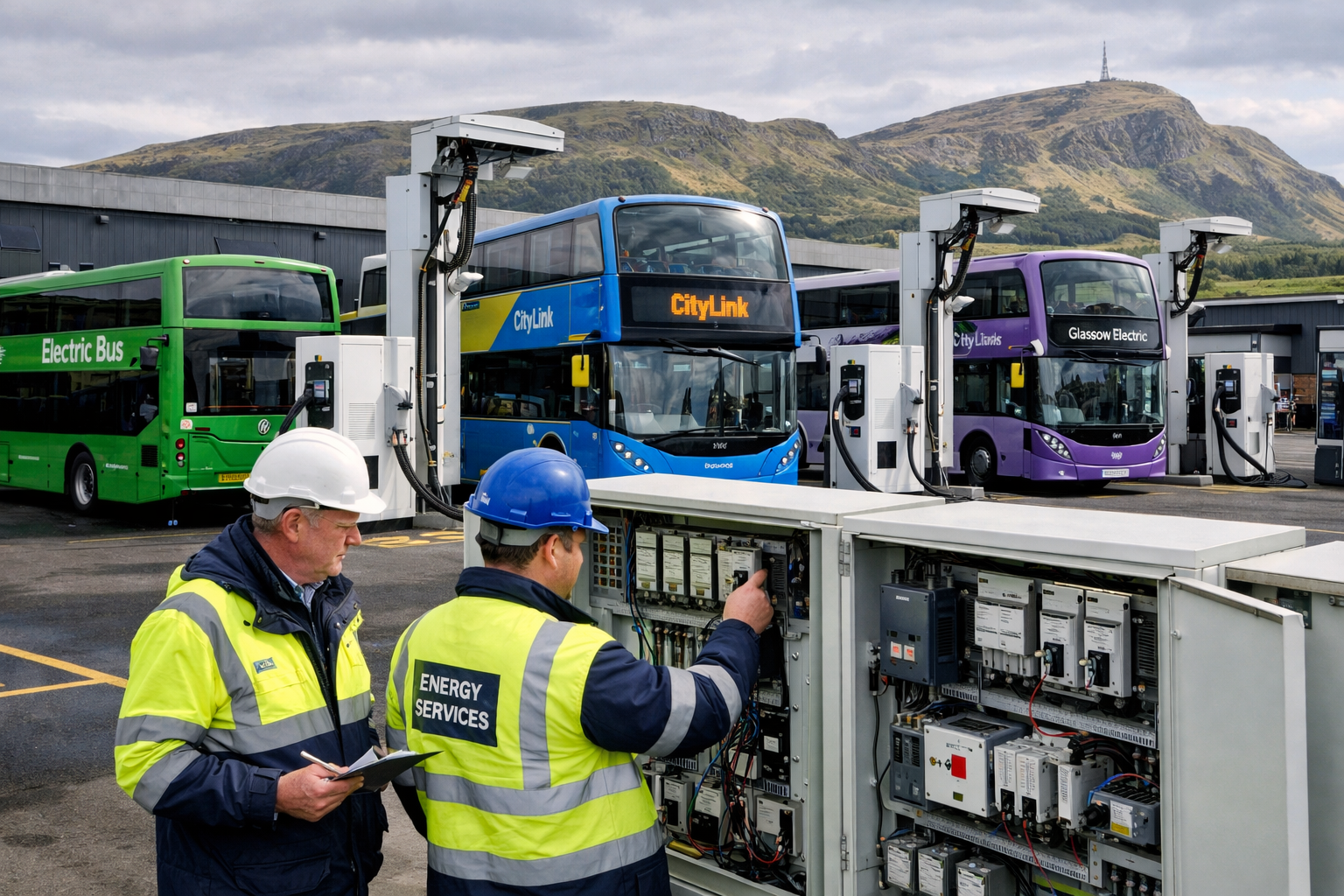
Charging equipment, depot upgrades and grid connections are now the main barriers to scaling up zero‑emission fleets.
Why infrastructure matters more than vehicles
In many projects, the bus itself is the easy part.
The complex work lies in:
securing grid capacity
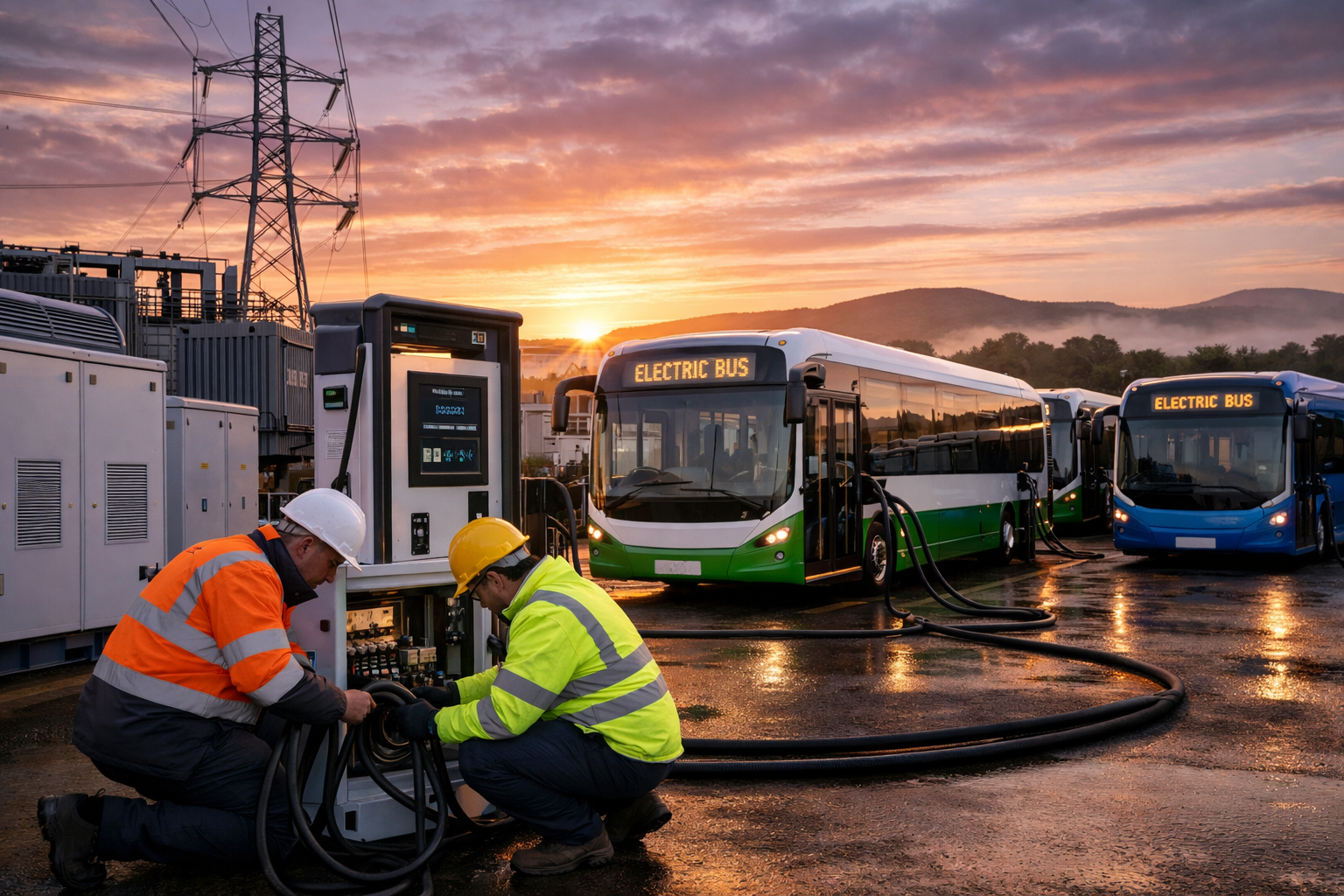
installing high‑power chargers
redesigning depot layouts
planning charging schedules around daily routes
These factors determine whether vehicles can actually operate reliably.
As a result, ScotZEB3 evaluations place strong emphasis on deliverability and project readiness.
Financial considerations
The cost of zero‑emission buses remains higher than diesel equivalents. However, operating costs can be lower due to reduced fuel and maintenance requirements.
Funding programmes like ScotZEB3 help bridge the capital gap while the market continues to mature.
Private financing and partnerships are also becoming more common, particularly where infrastructure providers build and operate charging systems for operators.
Looking ahead
Scotland has already supported hundreds of zero‑emission buses through earlier funding schemes. The government is also considering regulatory measures that could require new buses on local services to be zero‑emission from around 2030.
That policy direction means electrification is moving from optional to inevitable.
What this means
ScotZEB3 is less about experimentation and more about execution.
Operators that can demonstrate strong infrastructure planning, reliable power supply and realistic delivery timelines will be best placed to secure funding and expand their zero‑emission fleets.
You might also like