Ambulance triage reform is reshaping fleet strategy in the UK
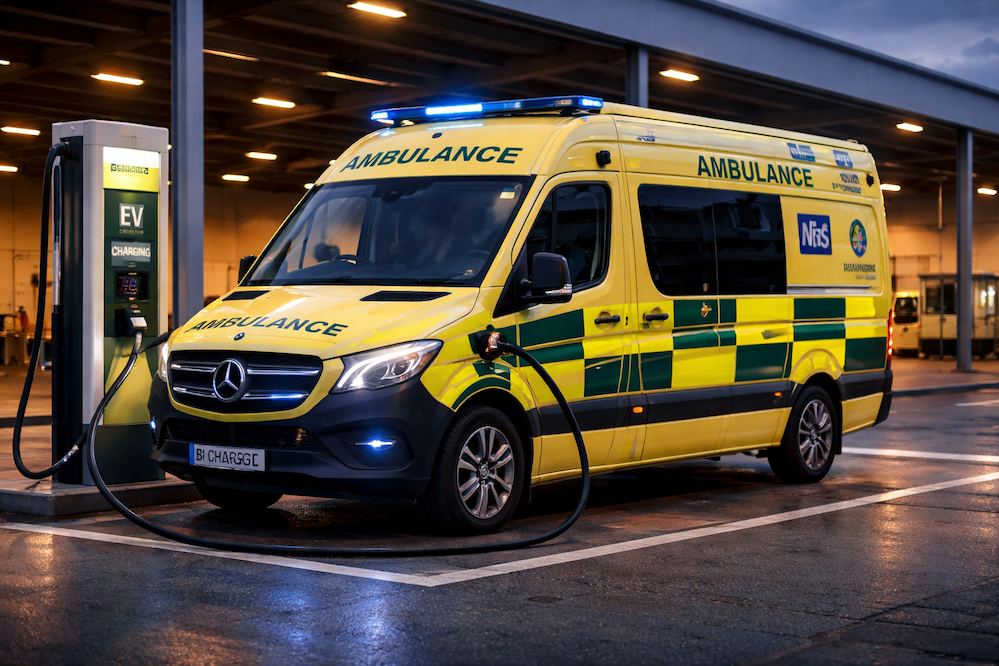
Ambulance services are under sustained pressure from rising demand, workforce constraints and hospital handover delays. In Wales, a major operational change is underway that could influence how emergency fleets are planned across the UK. Instead of dispatching an ambulance to most 999 calls, the Welsh Ambulance Services NHS Trust now prioritises life‑threatening cases and uses remote clinical assessment for many others.
This shift moves decision‑making from a vehicle‑first model to a clinically led model.
From vehicle dispatch to clinical triage
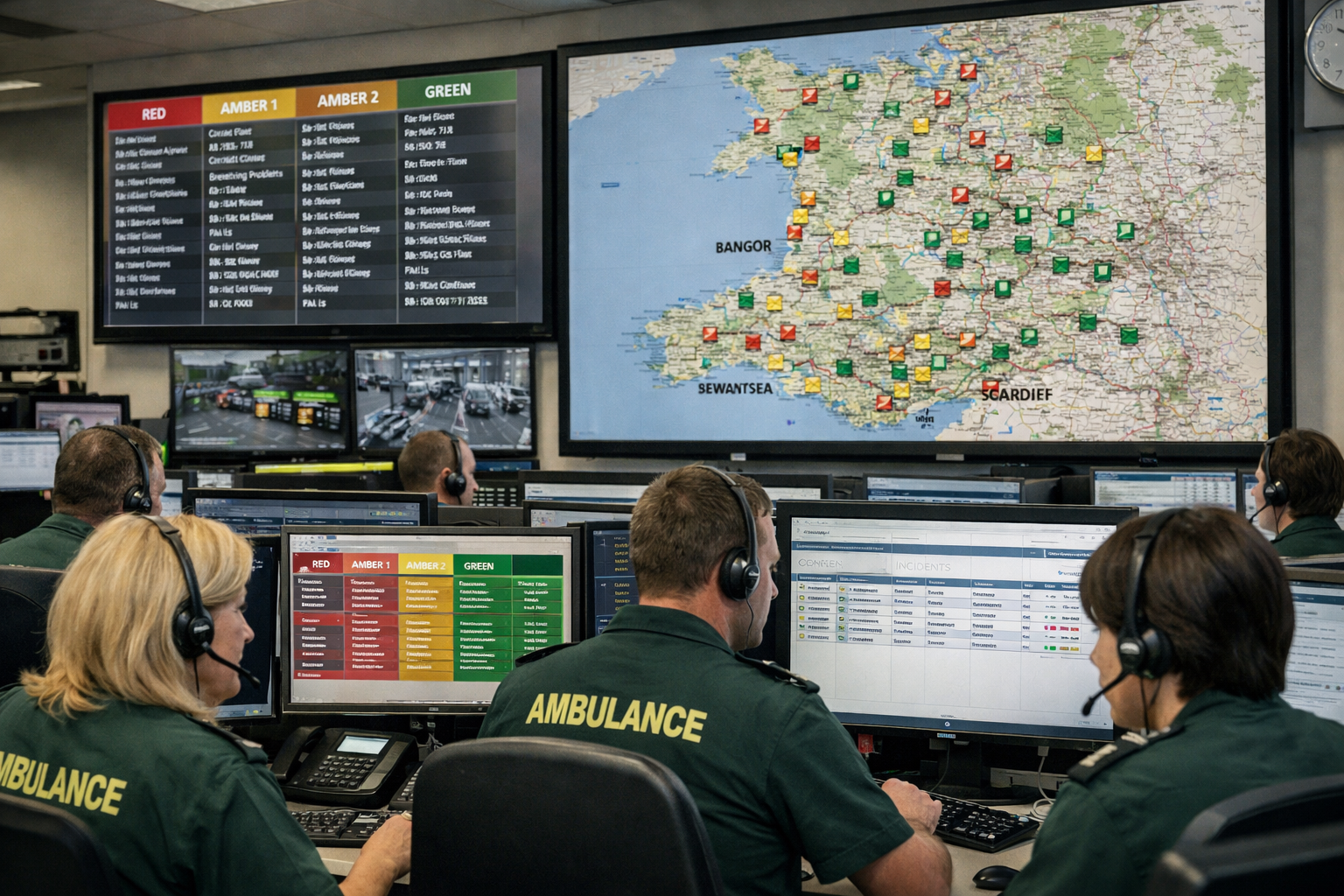
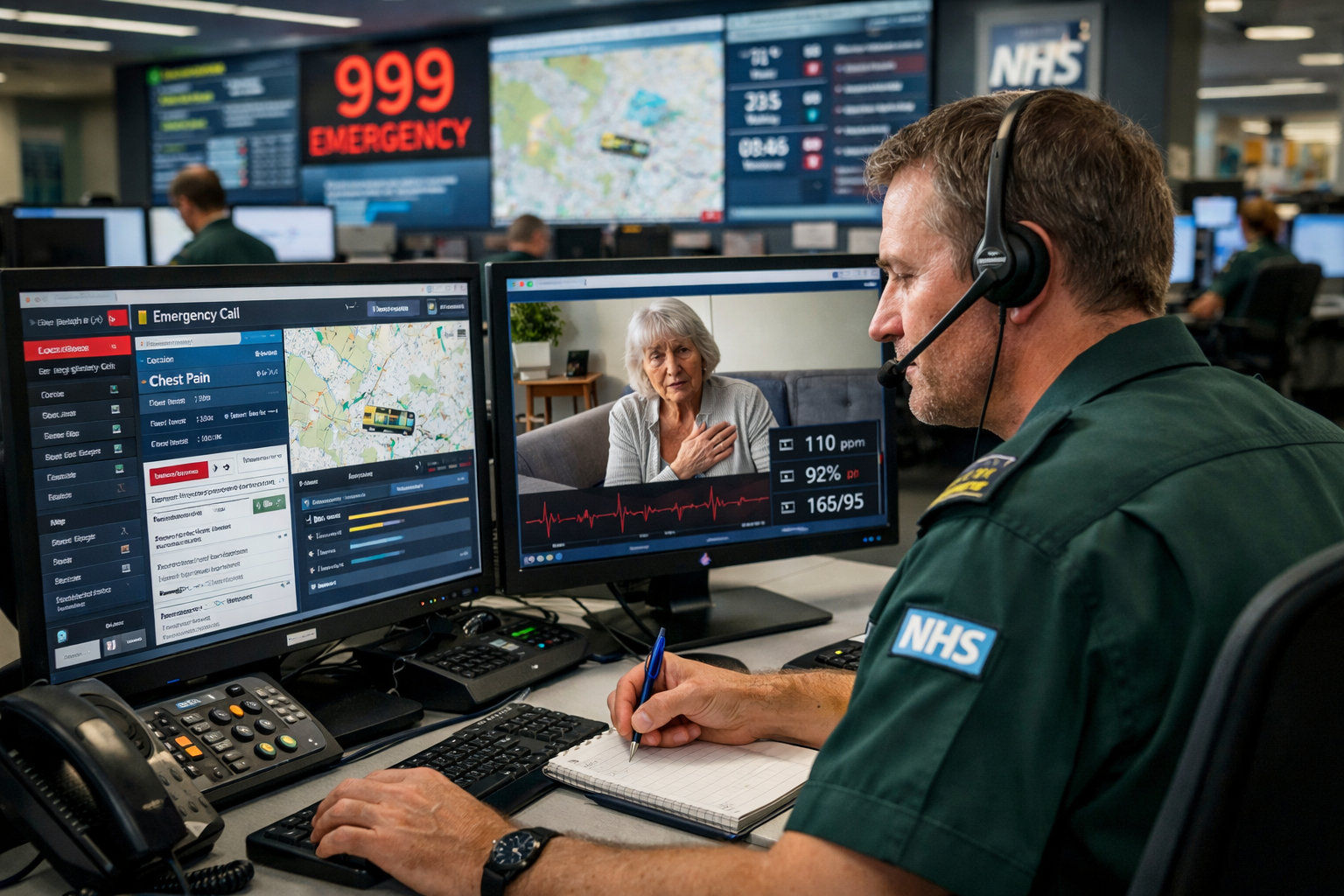
Under the new approach, clinicians assess callers by phone or video and determine whether an ambulance, a rapid response unit or an alternative care pathway is appropriate. Advanced paramedics in cars and community responders are used more often, while double‑crewed ambulances are reserved for the most serious incidents.
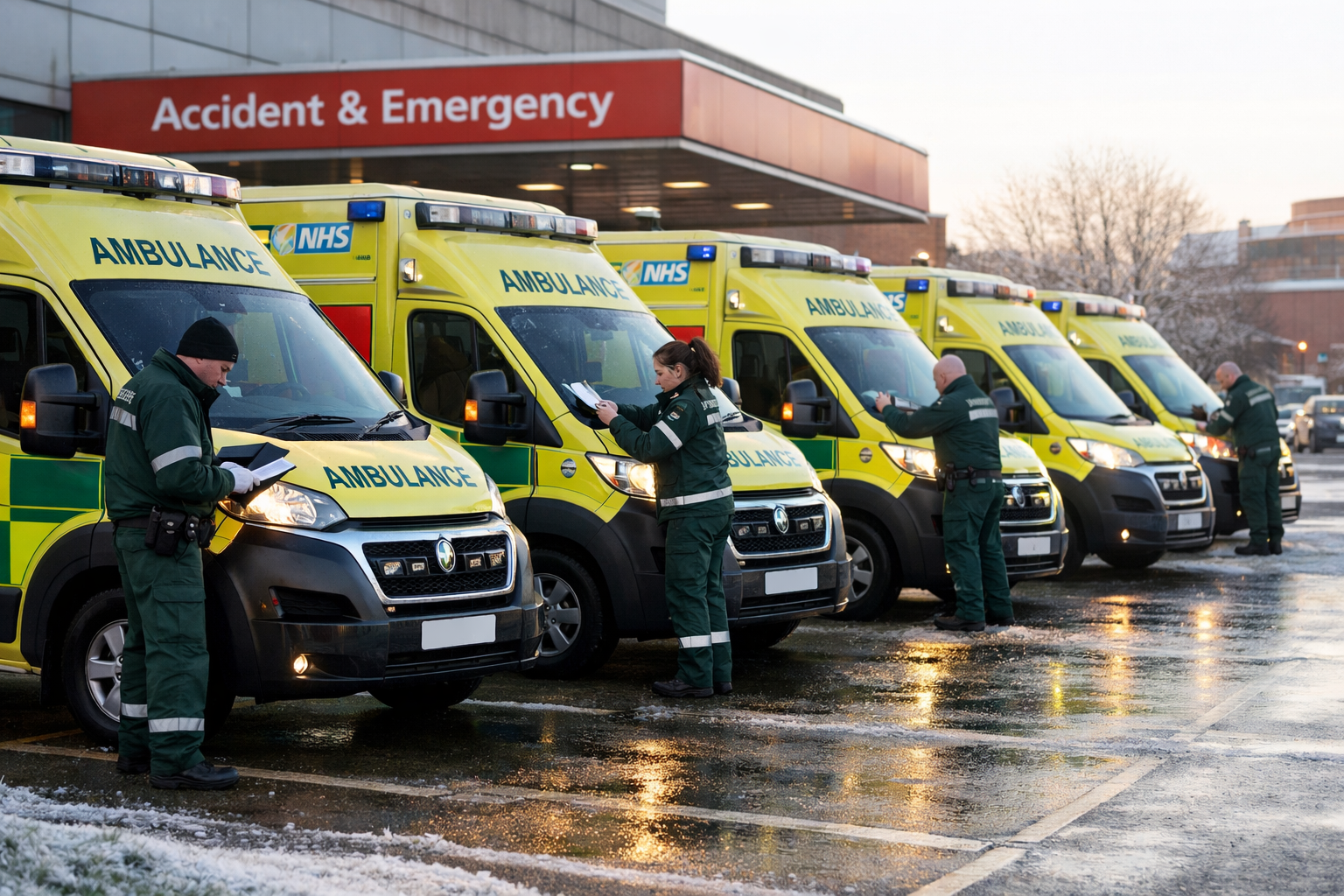
This has a direct effect on fleet utilisation. Instead of a steady stream of automatic dispatches, demand becomes more targeted and more variable. Fleet managers need real‑time visibility of vehicle status, location and readiness to match assets to clinical need.
Why telematics and data matter more
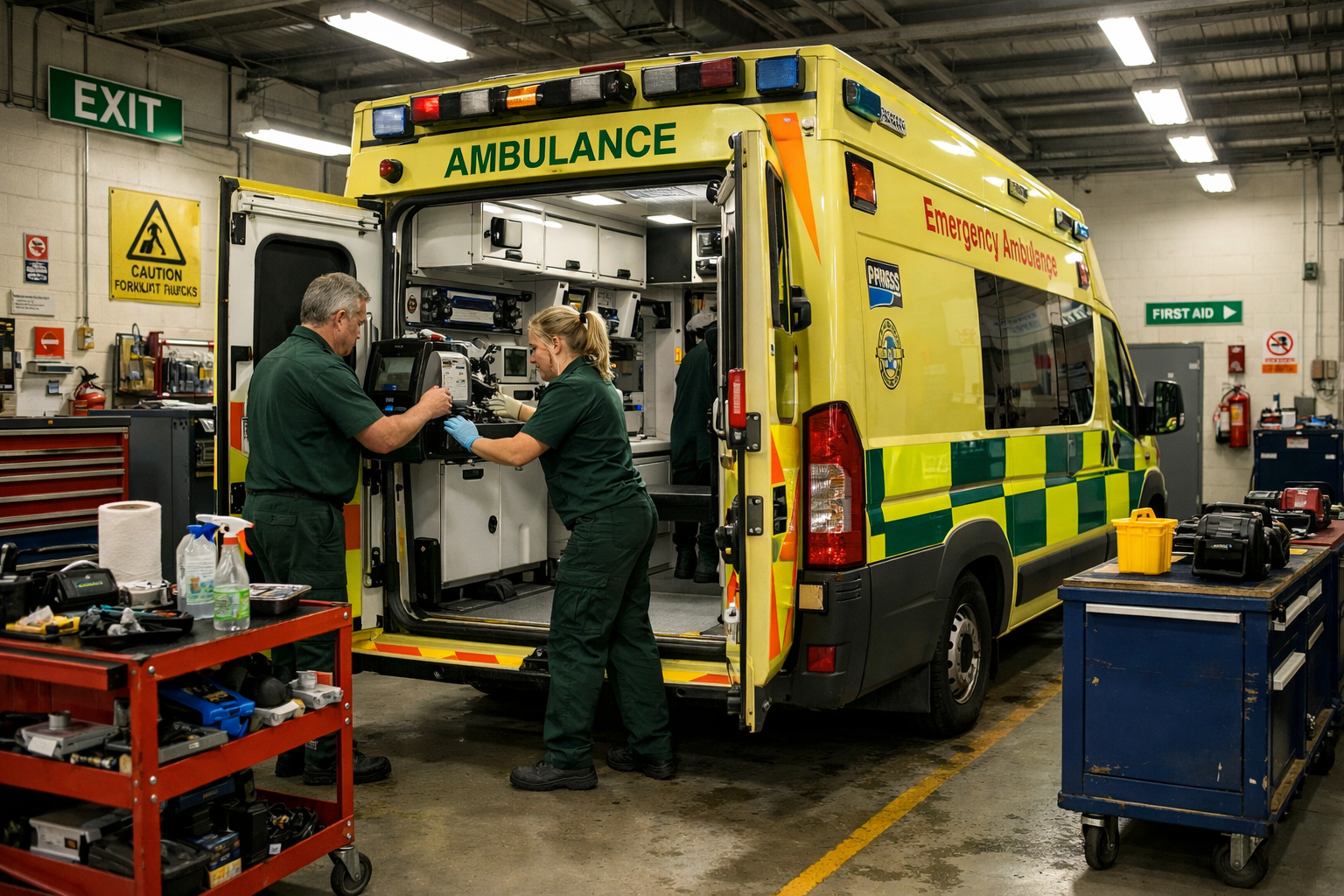
Telematics systems are becoming essential in this model. Knowing which vehicles are available, how they are being driven and when they will require maintenance allows dispatch centres to make faster and safer decisions. Even small procurement activity in telematics parts and licences reflects how embedded this technology now is in ambulance operations.
For private providers supporting NHS services, this means digital fleet capability is no longer optional. Contracts increasingly expect data integration with dispatch and performance systems.
Implications for non‑emergency transport
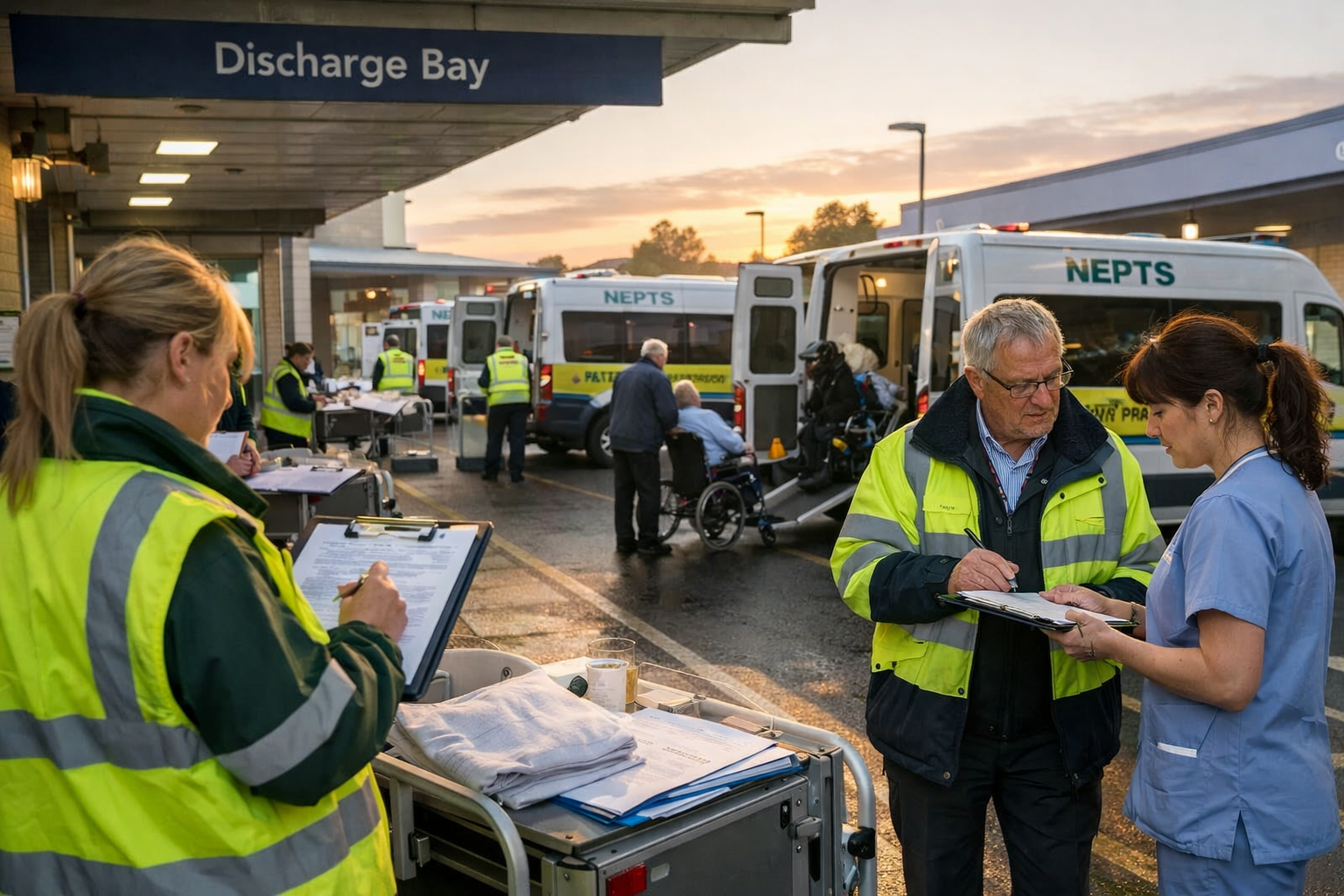
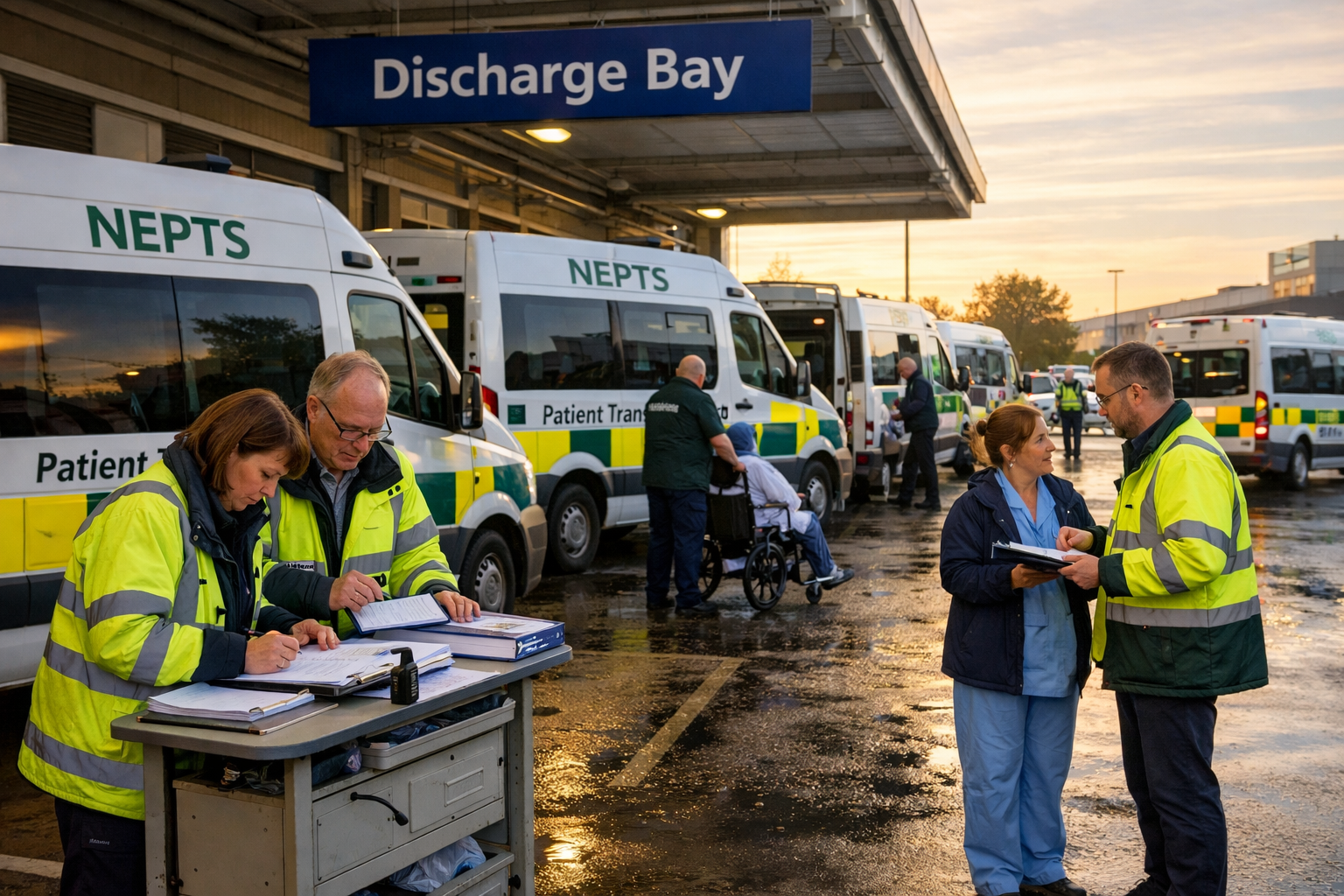
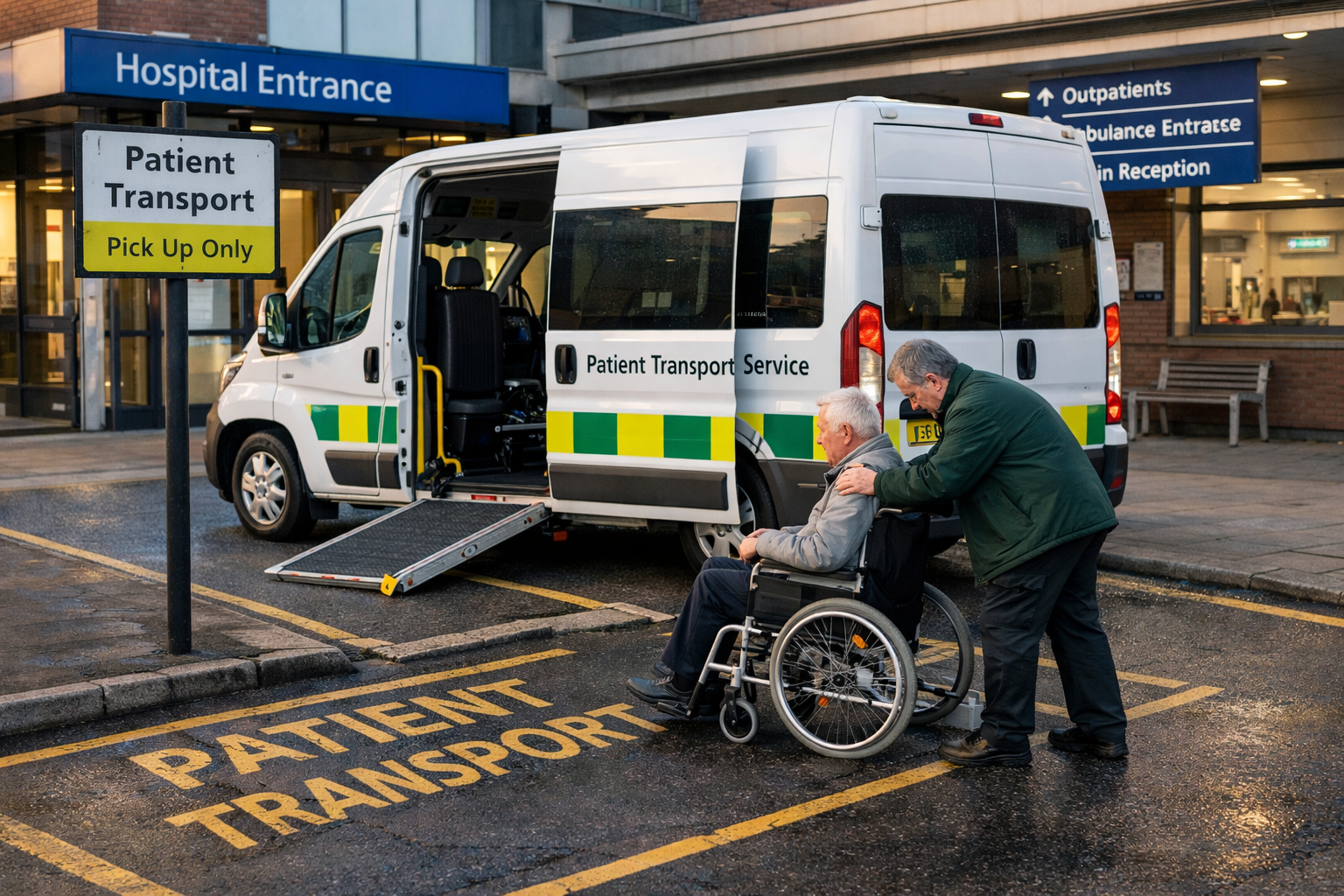
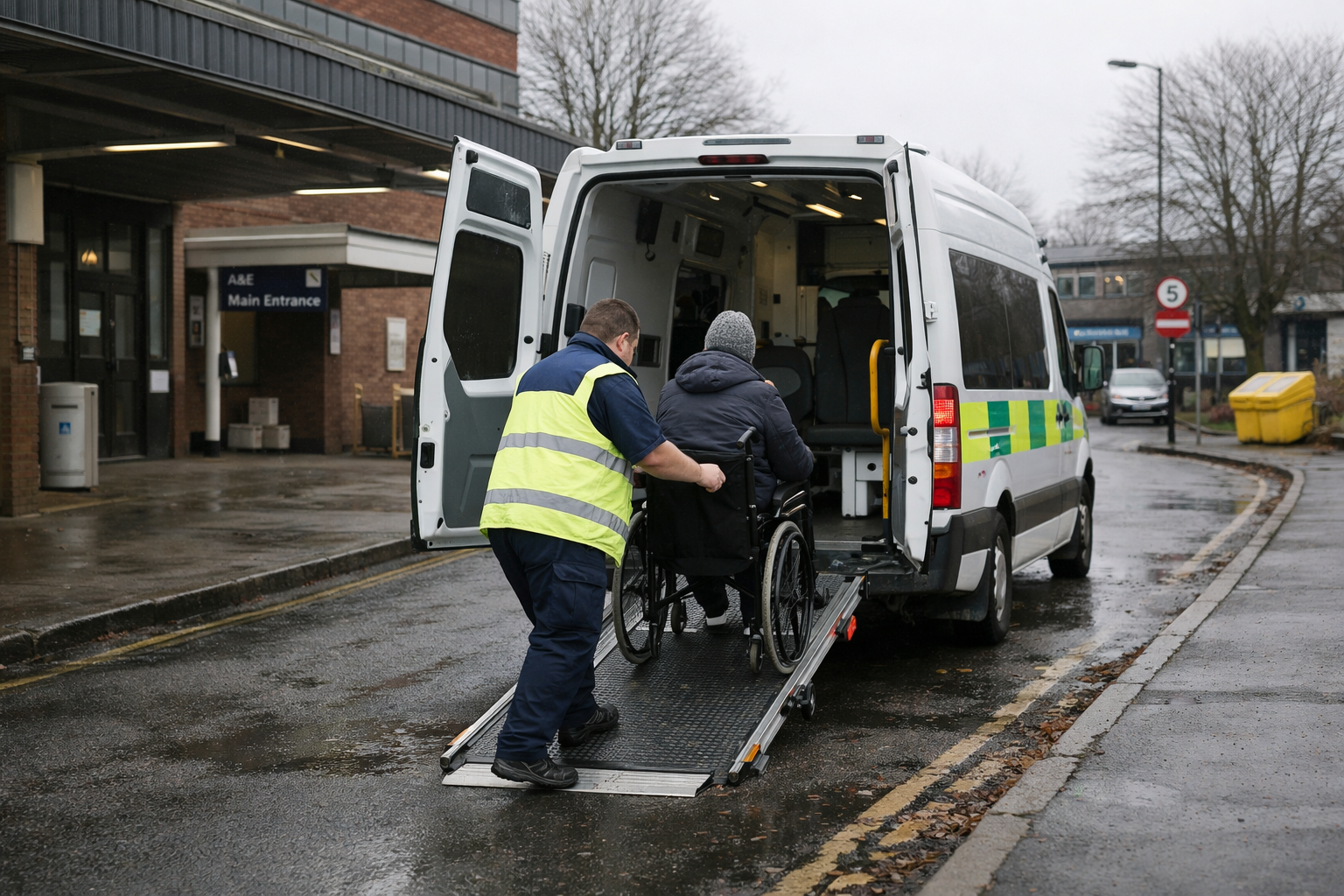
When fewer low‑acuity patients receive an emergency ambulance, some will still require transport. That shifts demand toward urgent and scheduled patient transport services. NEPTS providers may see changes in referral patterns, with more clinically triaged journeys rather than traditional booking routes.
Providers that can accept short‑notice work and integrate with clinical triage systems will be better placed.
Workforce and training
A clinically led dispatch model requires skilled call‑centre clinicians, clear protocols and robust governance. Fleet teams must work closely with clinical operations so that vehicle availability aligns with patient risk levels.
The bigger picture
This reform is about using limited resources more effectively. Expanding fleets indefinitely is not practical. Optimising how vehicles are deployed is the next stage of performance improvement.
If the Welsh model delivers better outcomes, similar approaches may appear elsewhere in the UK. Organisations that invest now in data integration, flexible fleet mixes and closer clinical alignment will be better prepared.
You might also like