Why electric mopeds are gaining traction in London delivery fleets
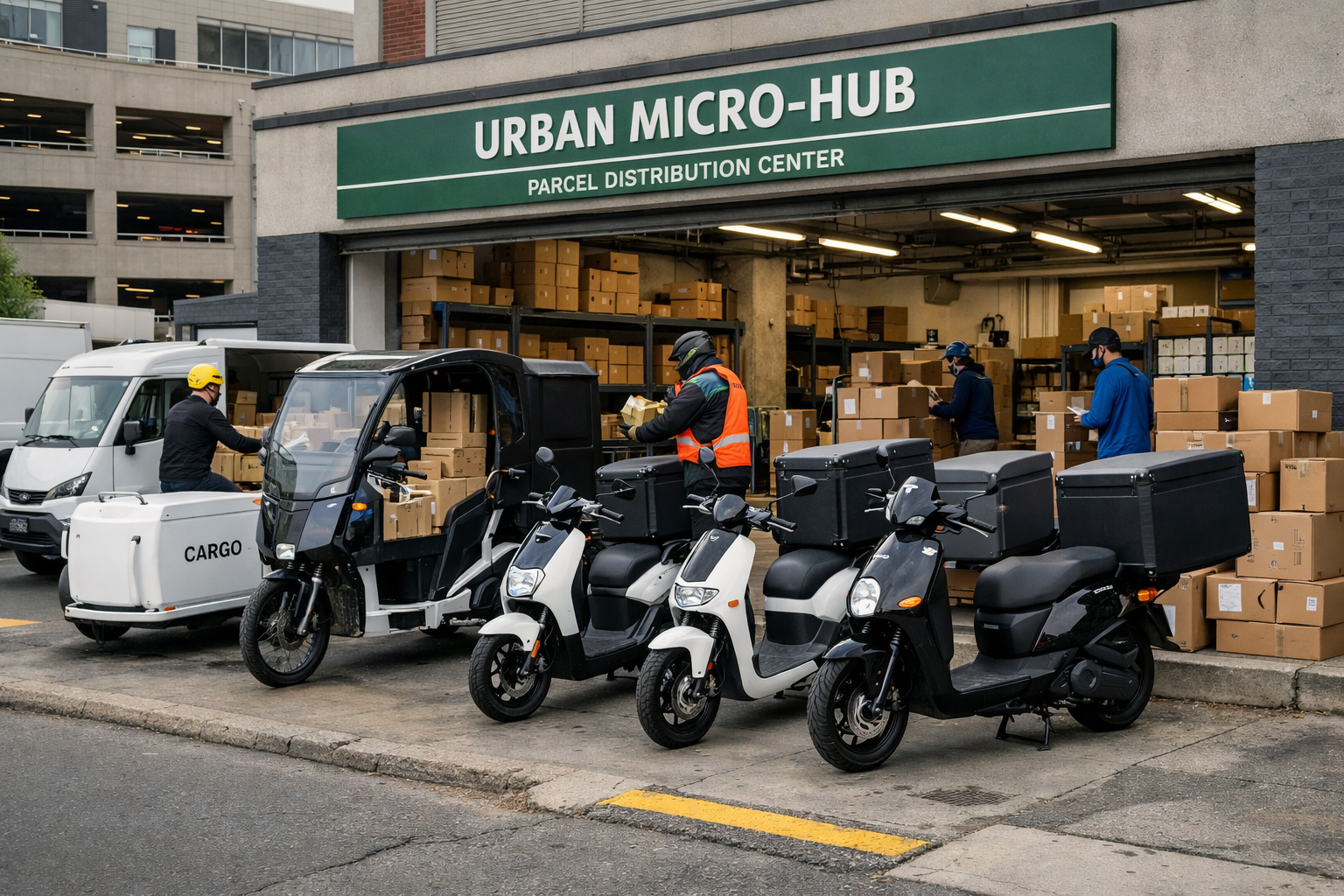
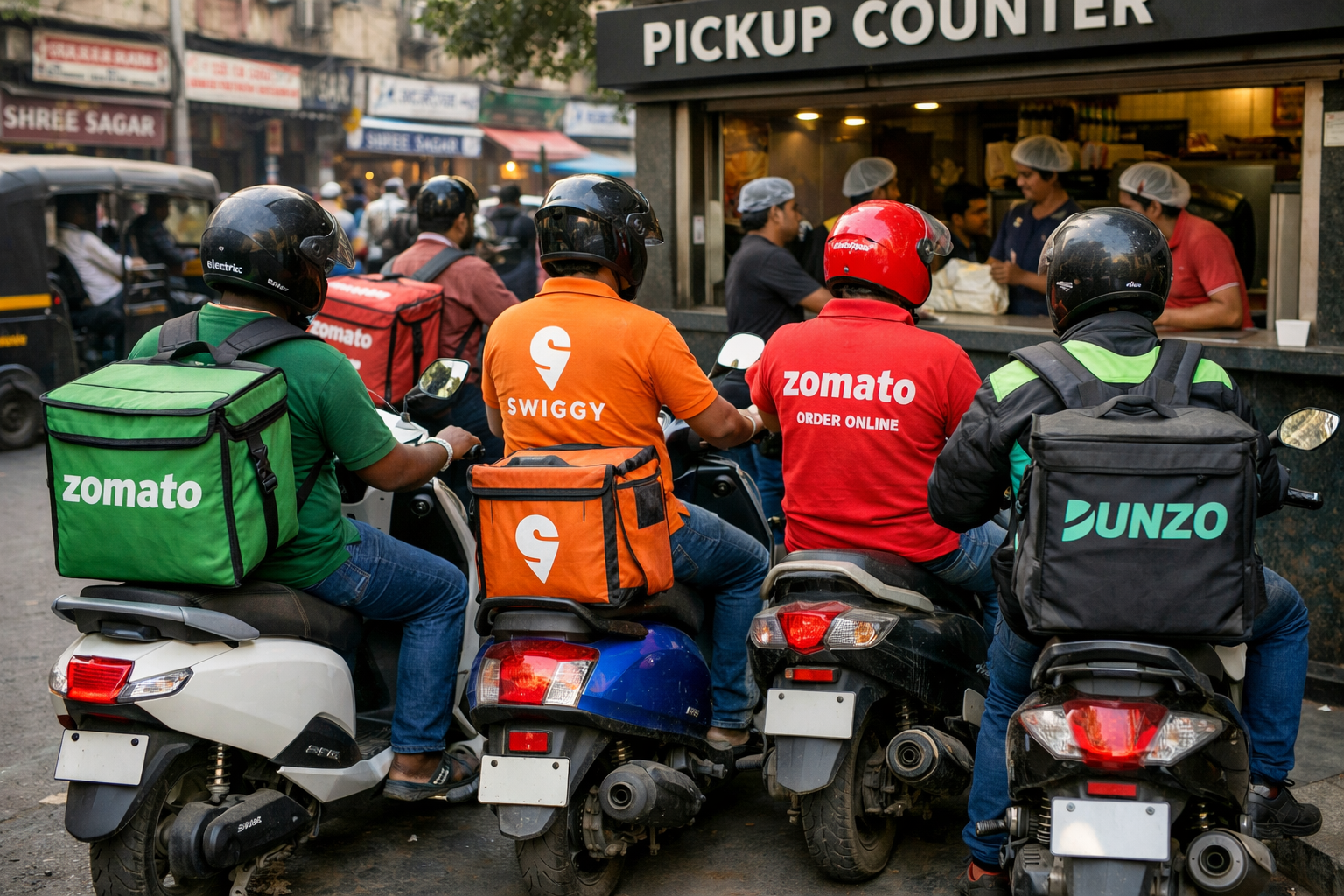
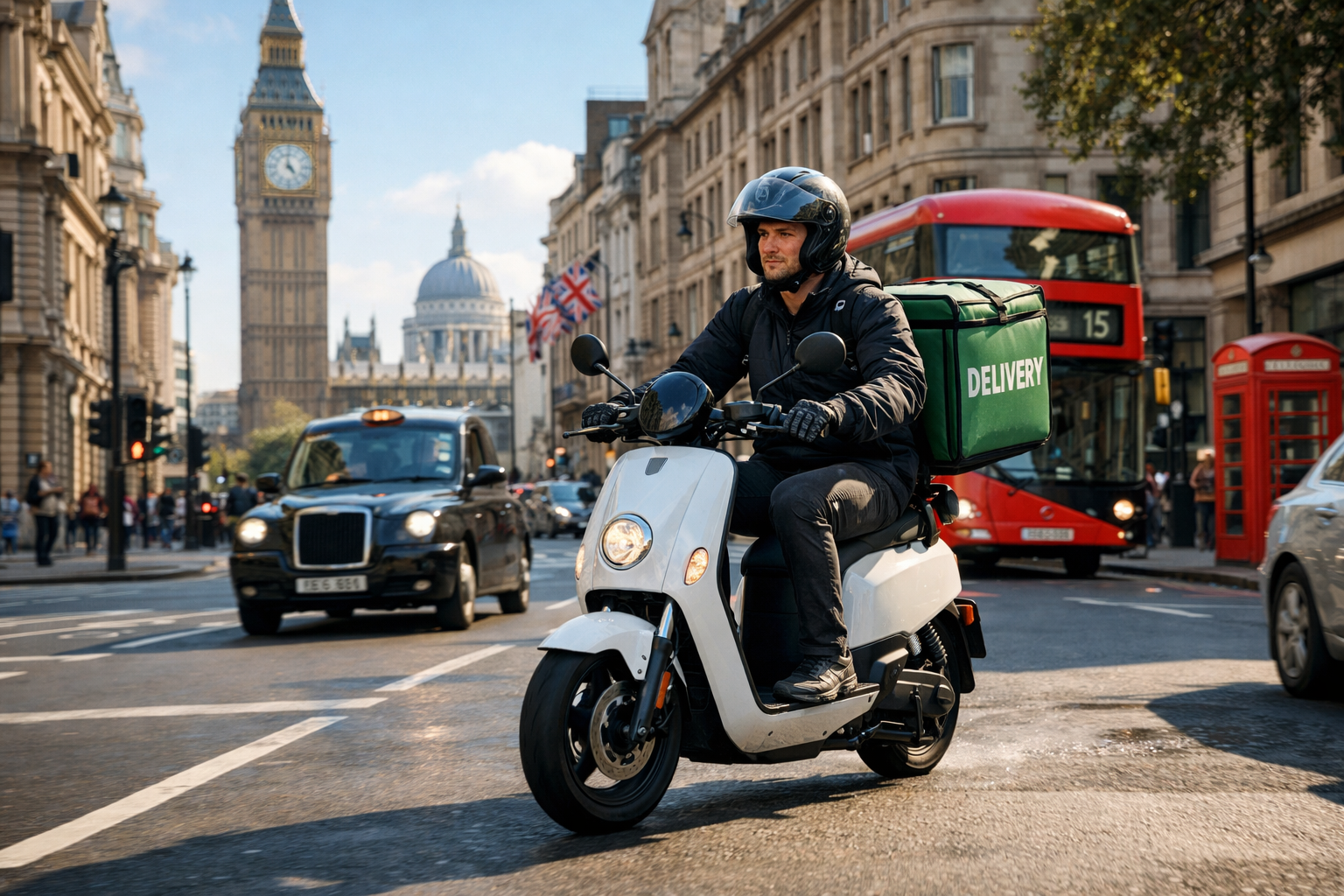
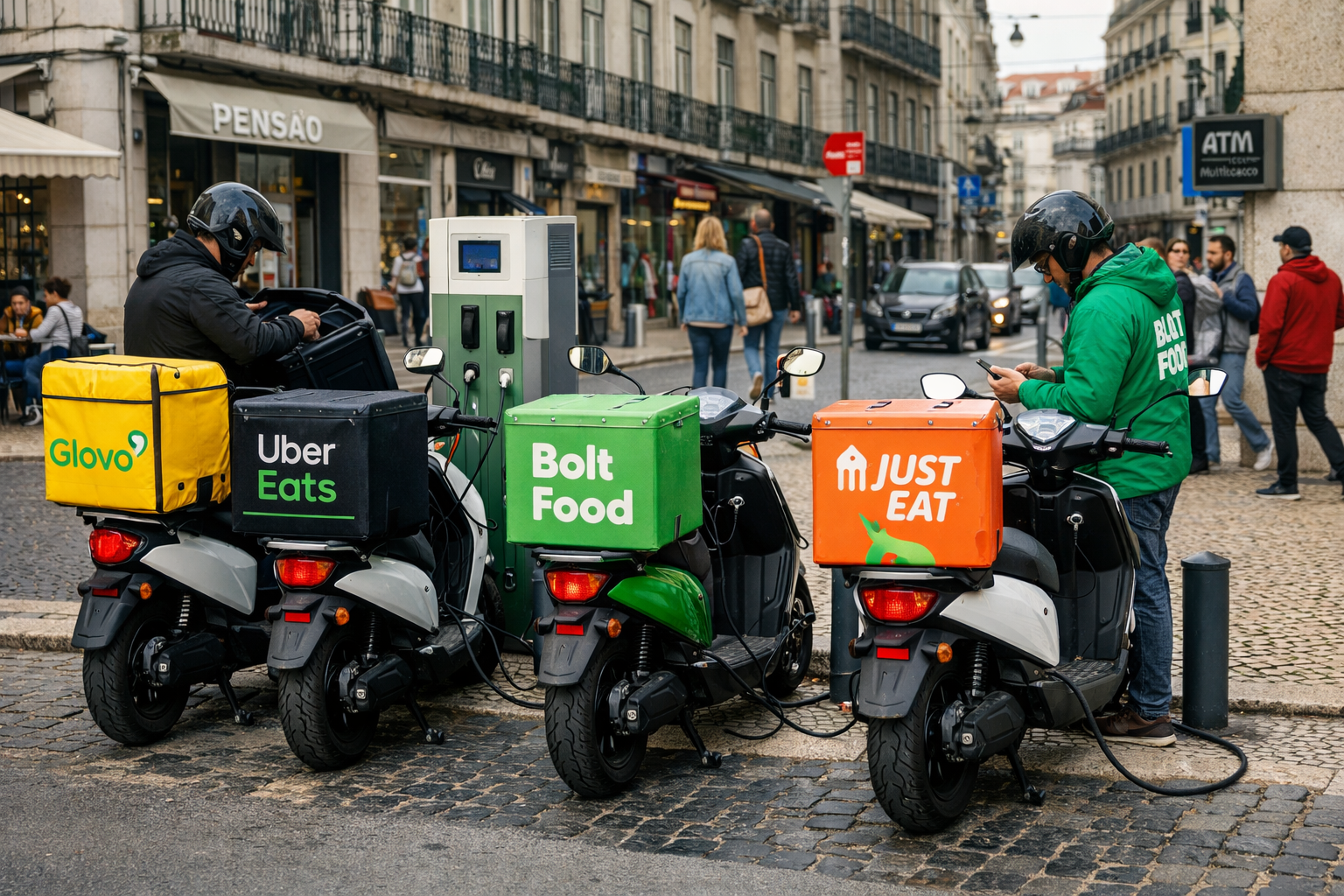
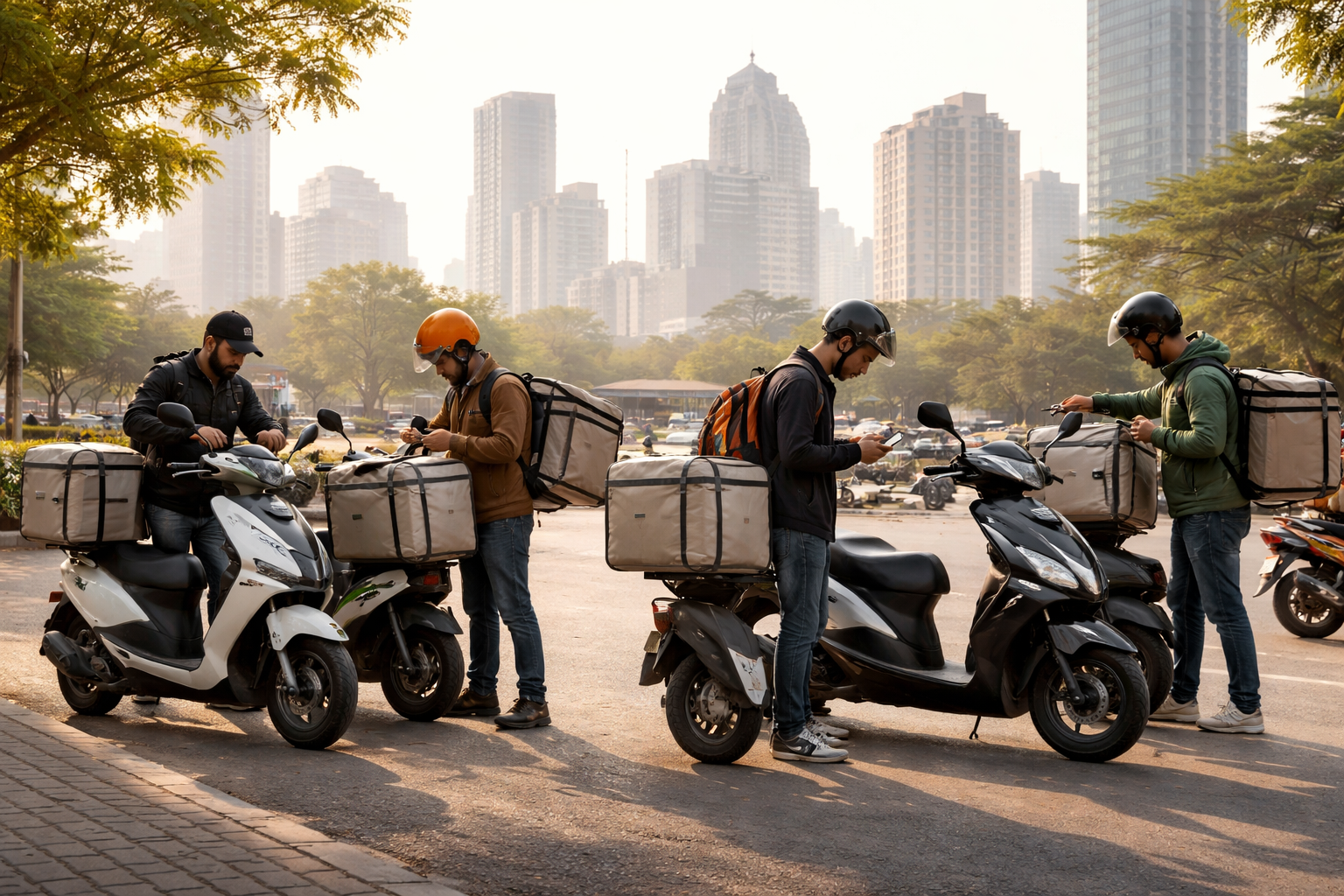
City deliveries are getting bigger and quieter as electric mopeds find roles beyond bikes and scooters. In London, Pizza Hut UK has teamed up with Otto Scooter to deploy branded electric mopeds for deliveries, both for its own operations and independent couriers working through platforms like Uber Eats and Deliveroo.
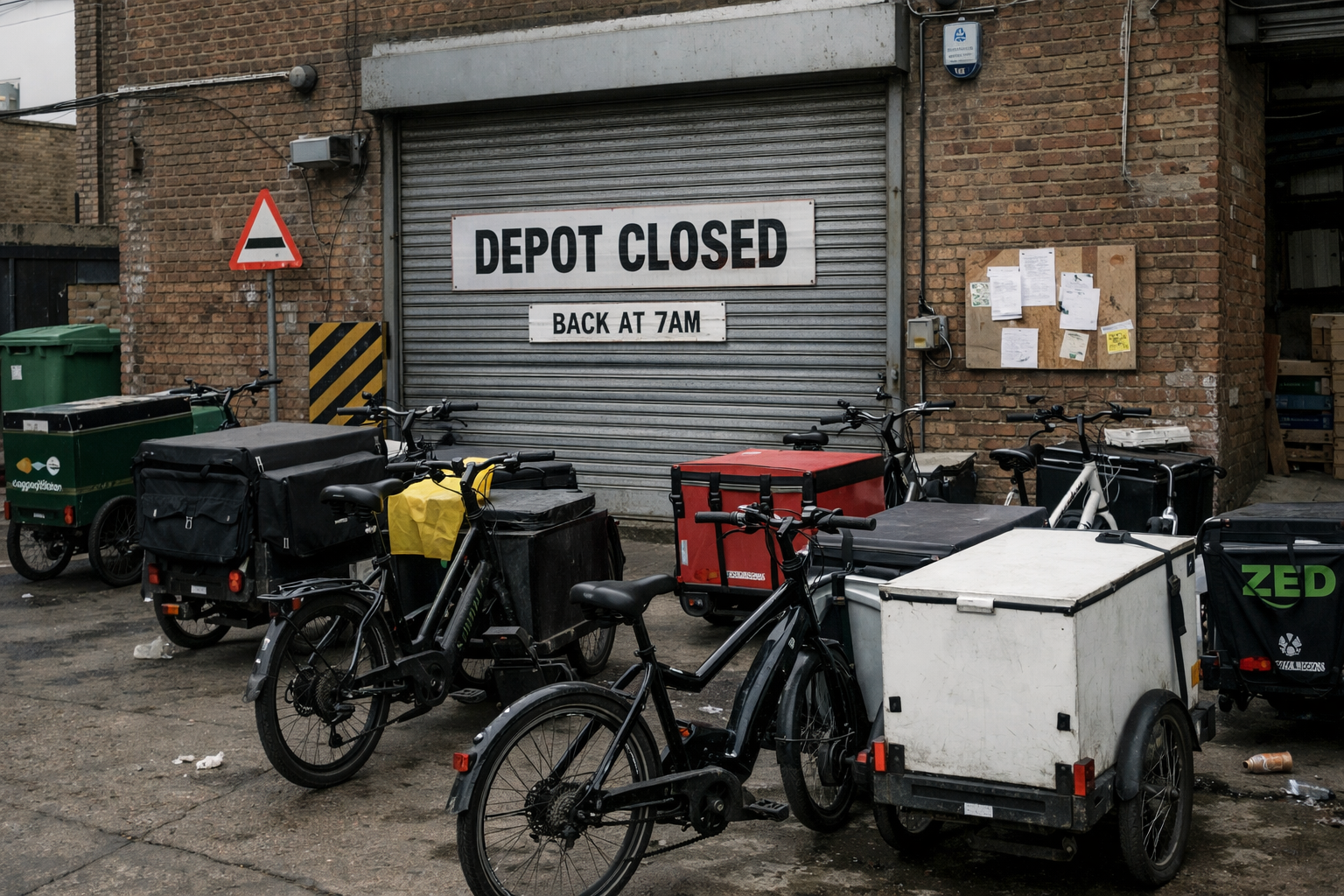
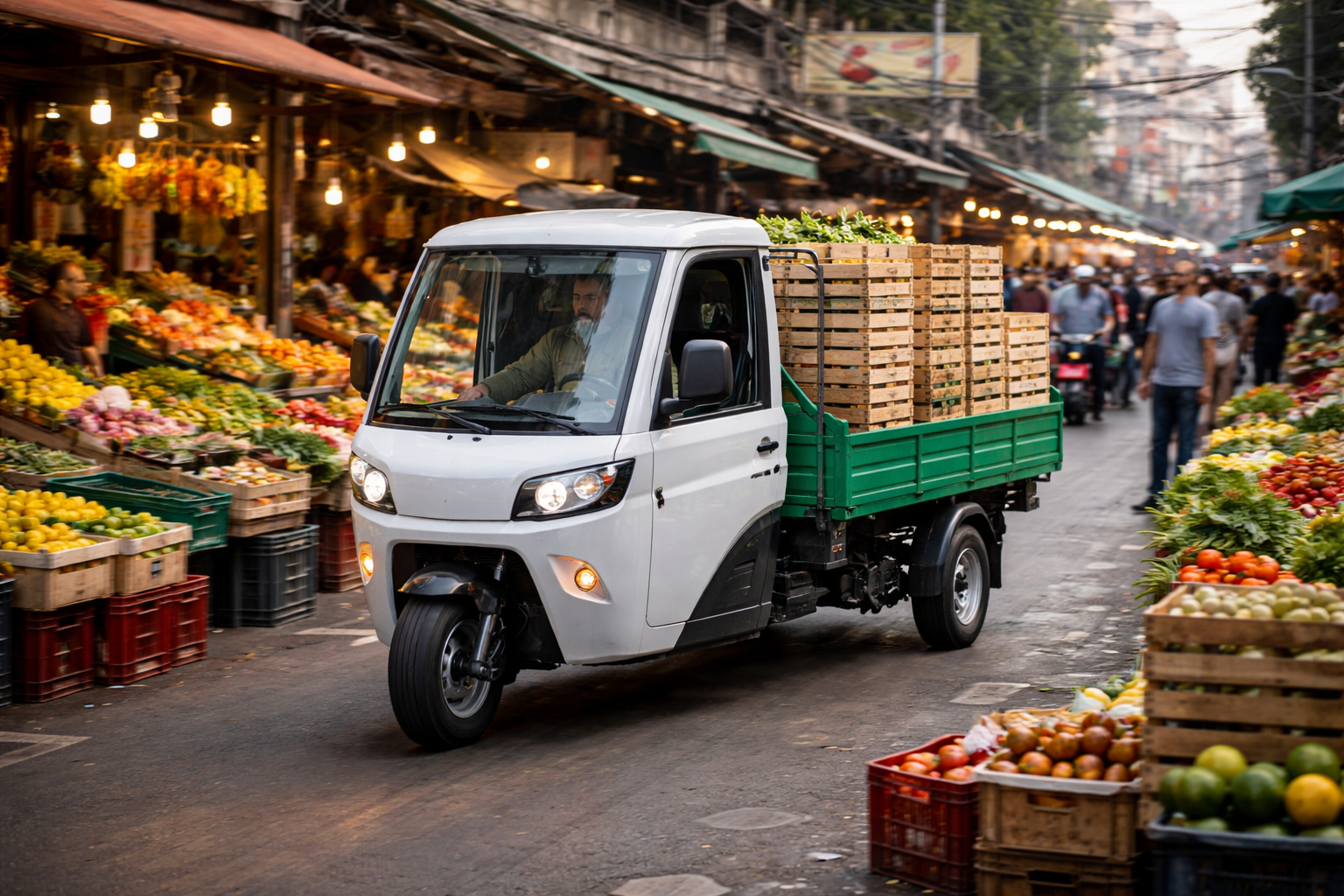
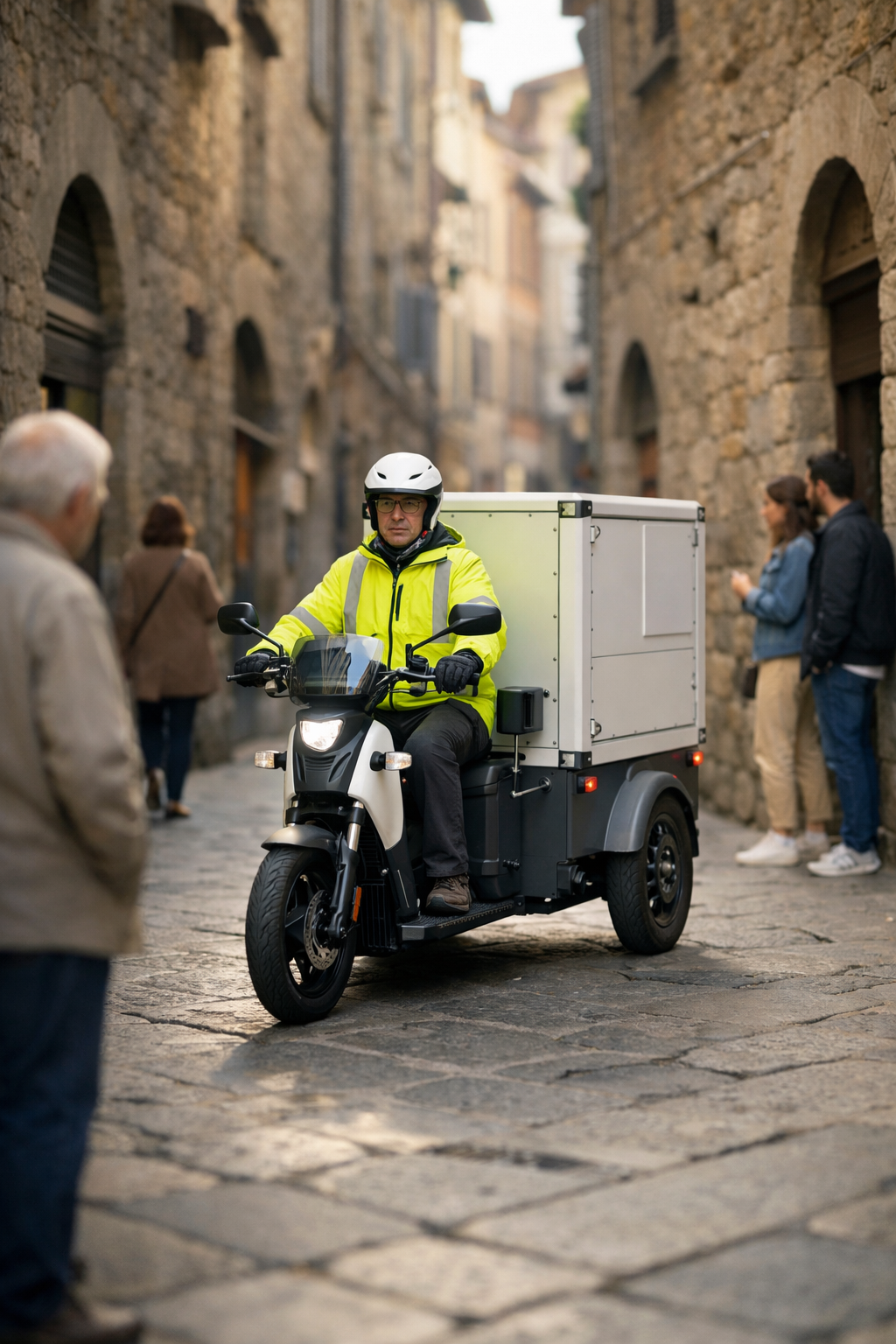
Electric mopeds bridge a gap between light cargo bikes and larger vans. They carry more payload than a bike, have longer range in real urban traffic, and don’t come with the fuel costs, noise and emissions of petrol scooters. For delivery partners covering multiple orders in a shift, that can mean fewer stops, lower running cost and a more predictable daily routine.
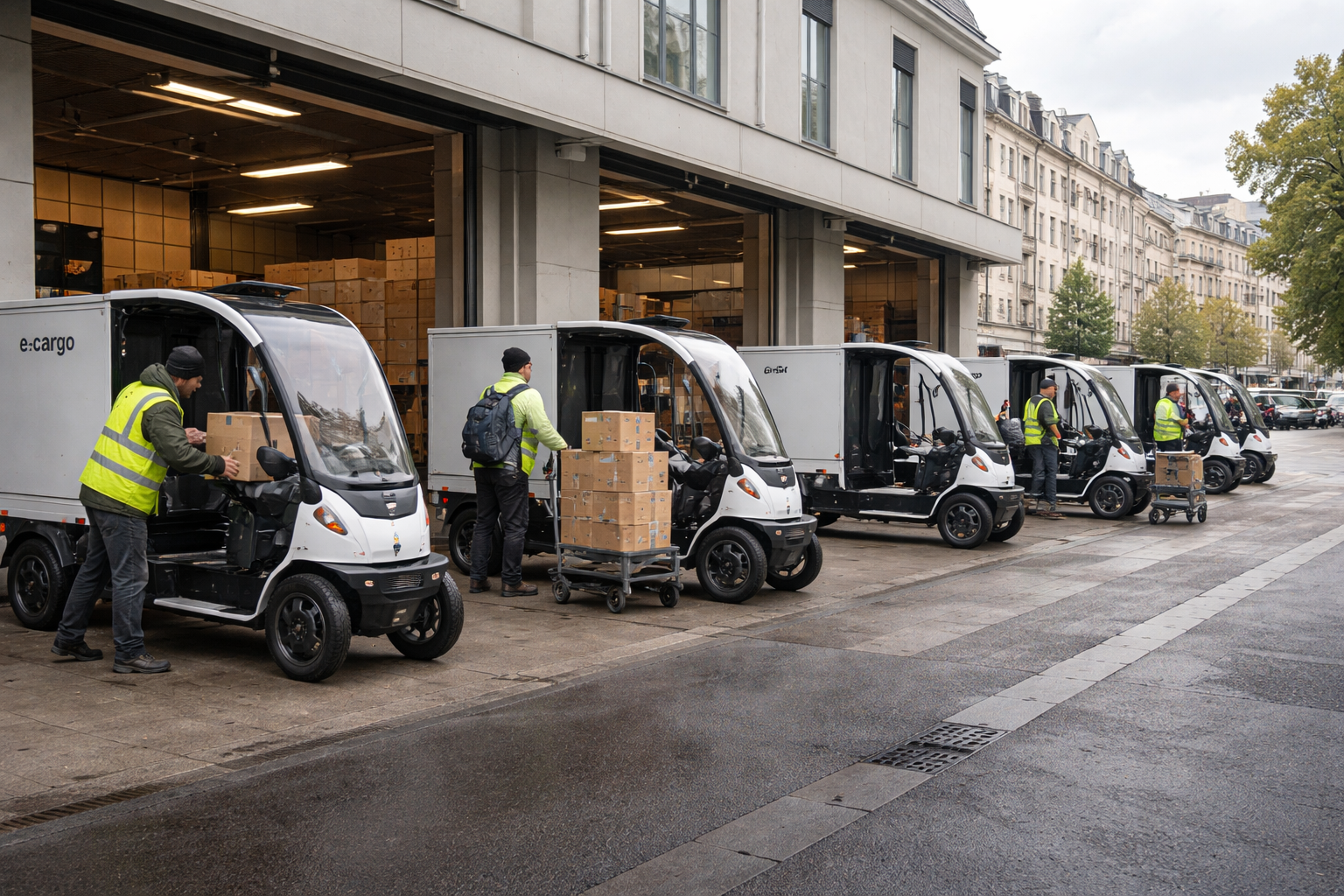
From an operational point of view, electric mopeds make sense where urban density and delivery volume exceed the capabilities of a cargo bike but don’t justify a van. They also help companies and cities meet environmental goals by cutting carbon and noise in dense neighbourhoods where residents are most affected.
The branded deployment in London highlights another trend: businesses using electric vehicles not only for function but also for visibility. A distinctive electric moped with company colours stands out on the street, signalling both service and environmental commitment. That can matter in urban markets where brand presence and perception are important.
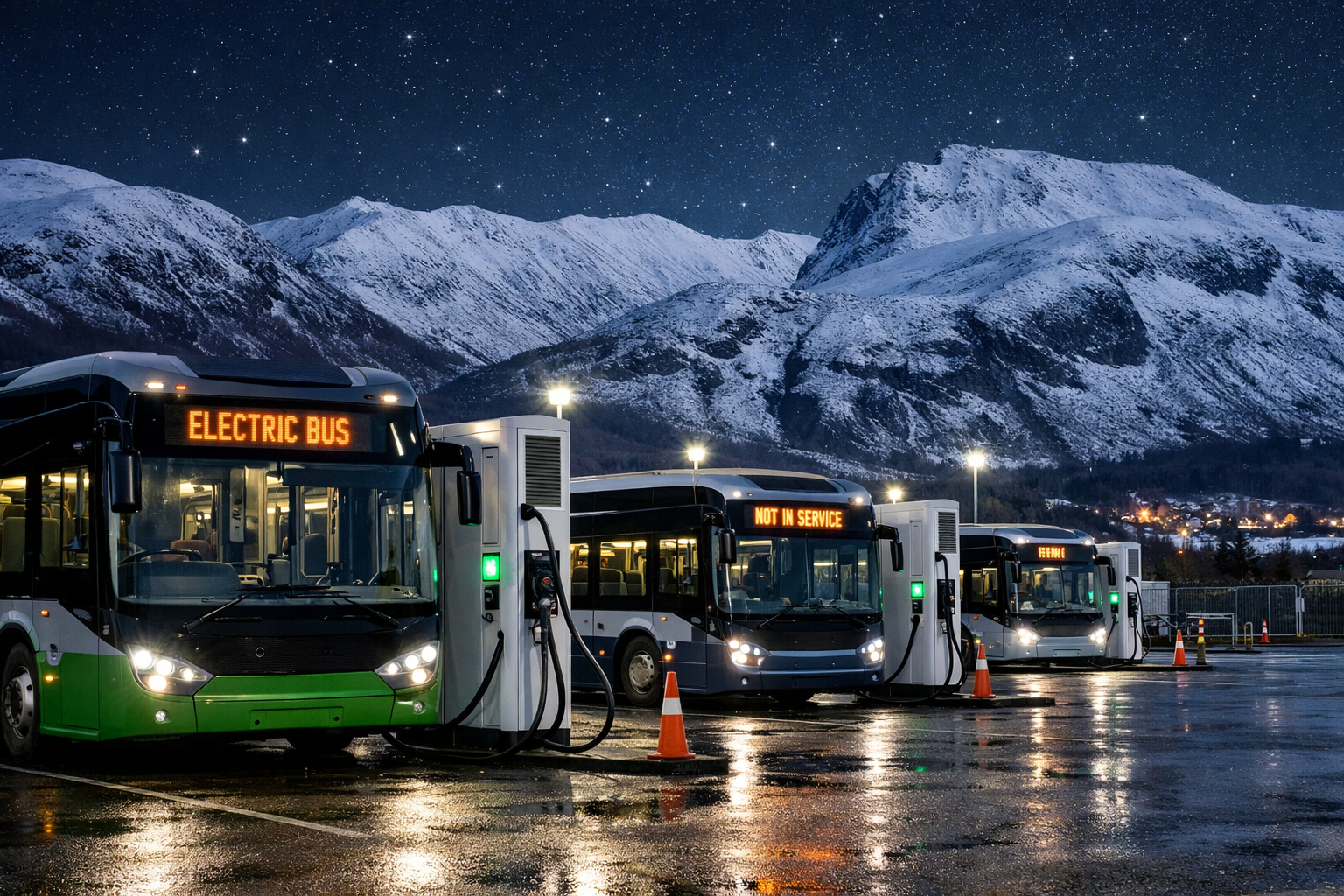
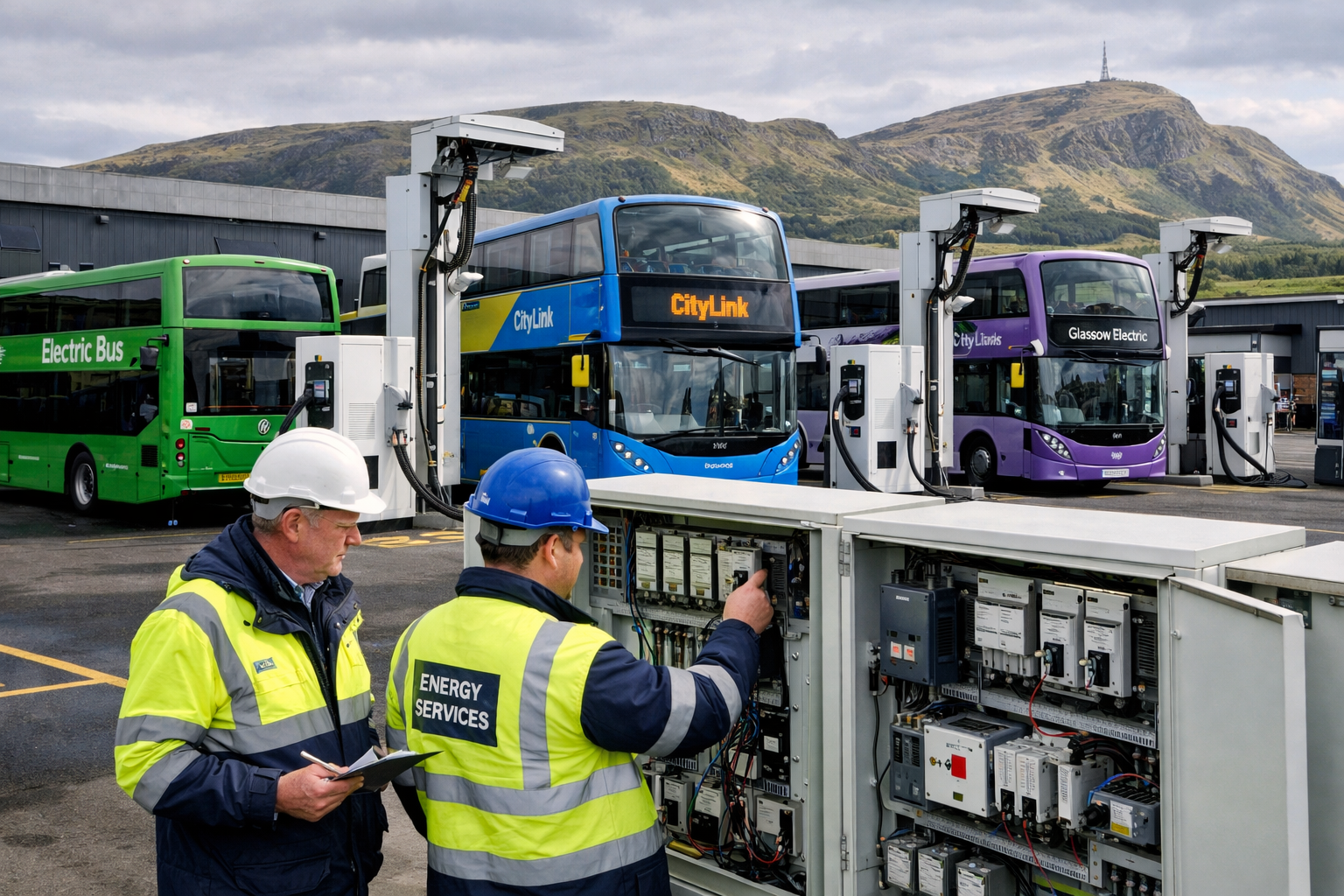
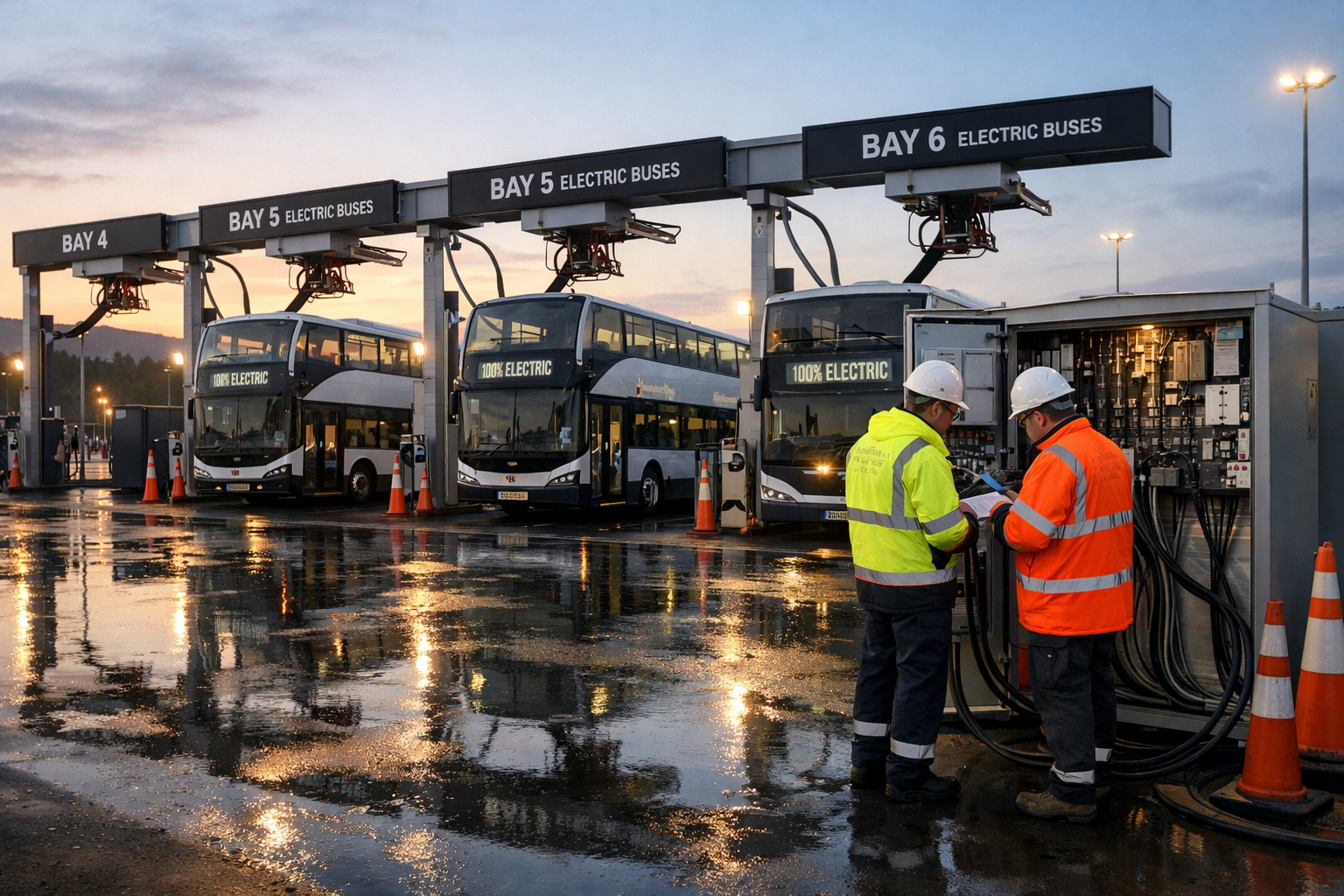
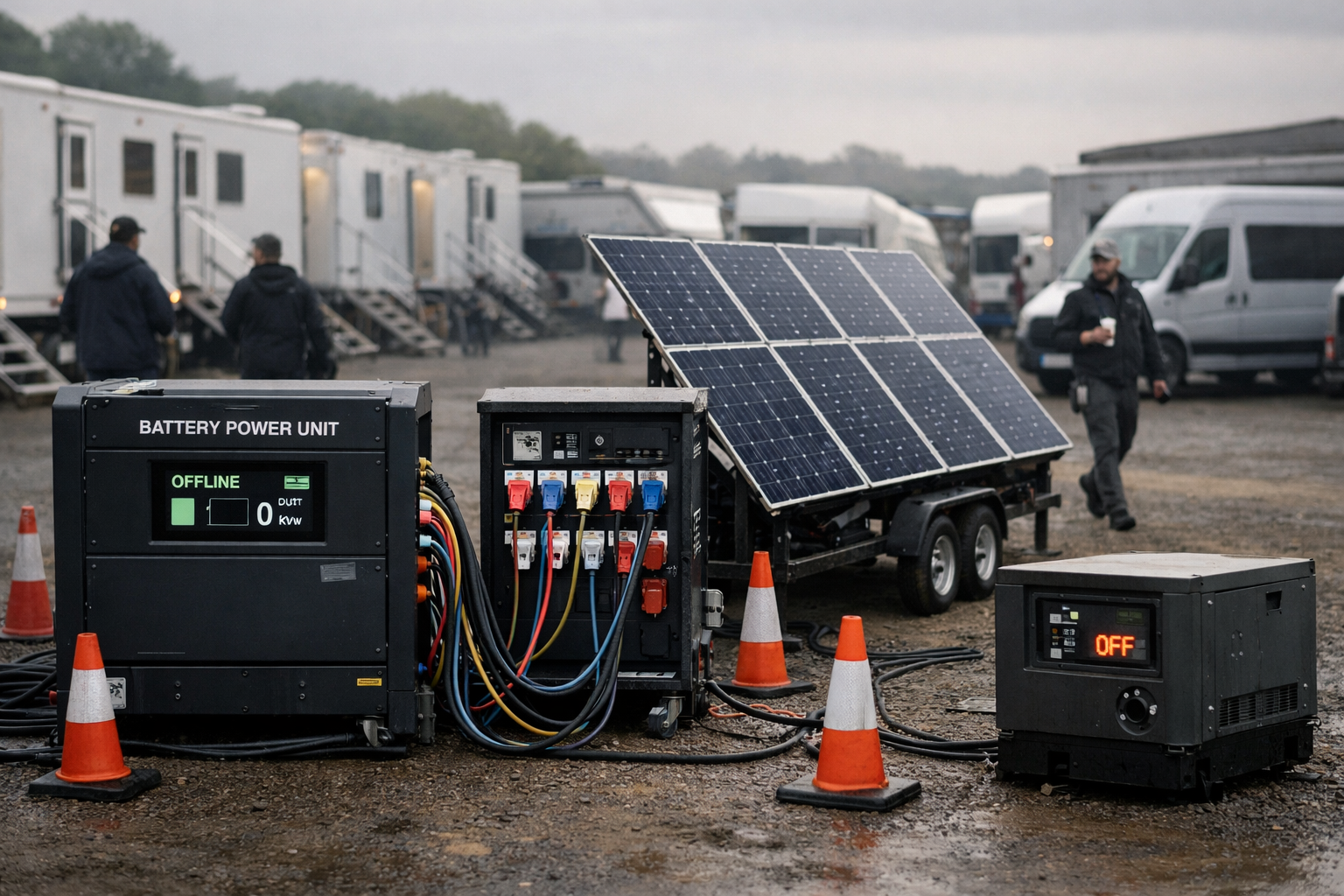
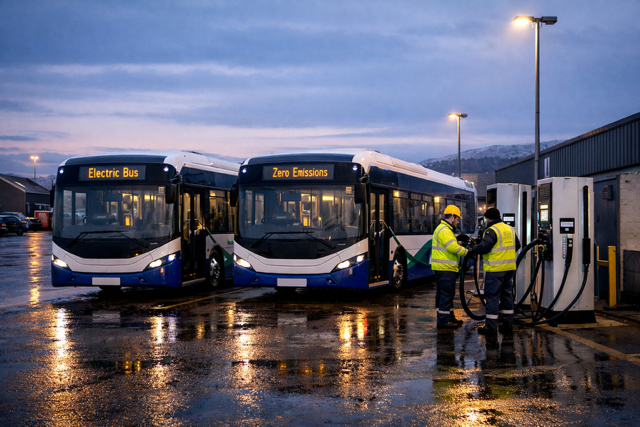
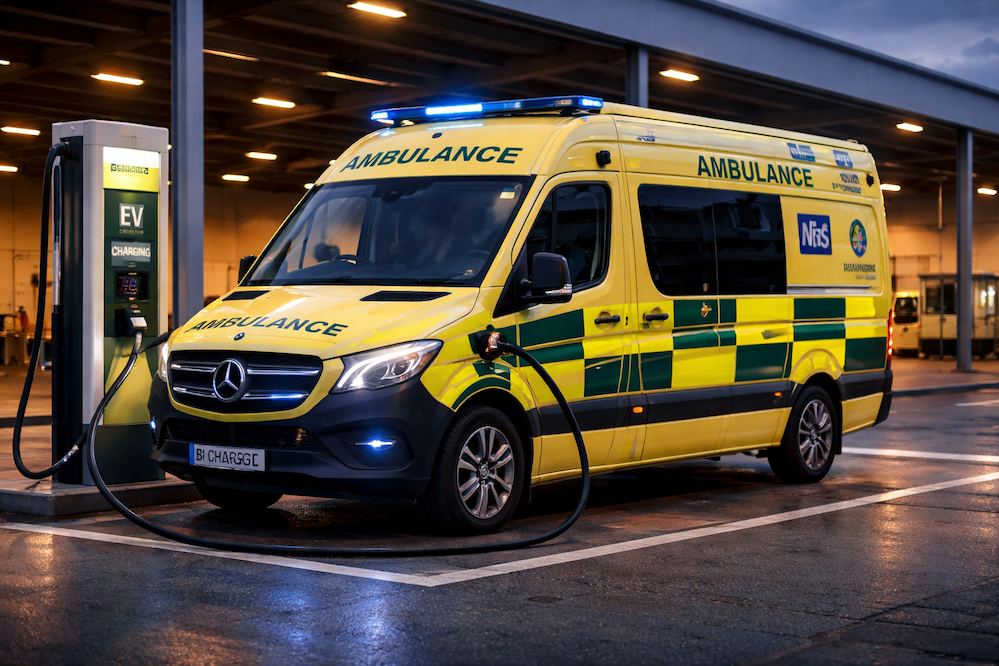
Challenges remain. Charging infrastructure and battery management are essential for mopeds to stay productive all day. Teams need convenient spots to swap or recharge batteries without slowing down deliveries. However, advances in battery tech and expanding charging networks are making this more viable.
As electrification of urban fleets continues, mopeds are proving they belong in the mix, not just as experimental units but as practical workhorses for day‑to‑day deliveries.
If you need to chat about finance for a growing fleet
contact us.
You might also like