
Grid reform, SAF delivery rules and zero‑emission buses: where UK green transport is gaining real traction
Infrastructure and delivery frameworks are now the focus
The UK’s green transport transition is moving beyond targets and technology trials. The current phase is about infrastructure access and operational policy. Grid connection reform for freight depots, detailed delivery rules for the SAF mandate and scaled procurement of zero‑emission buses all point to a market that is becoming more implementable and easier to finance.
Grid access reshapes electric freight economics
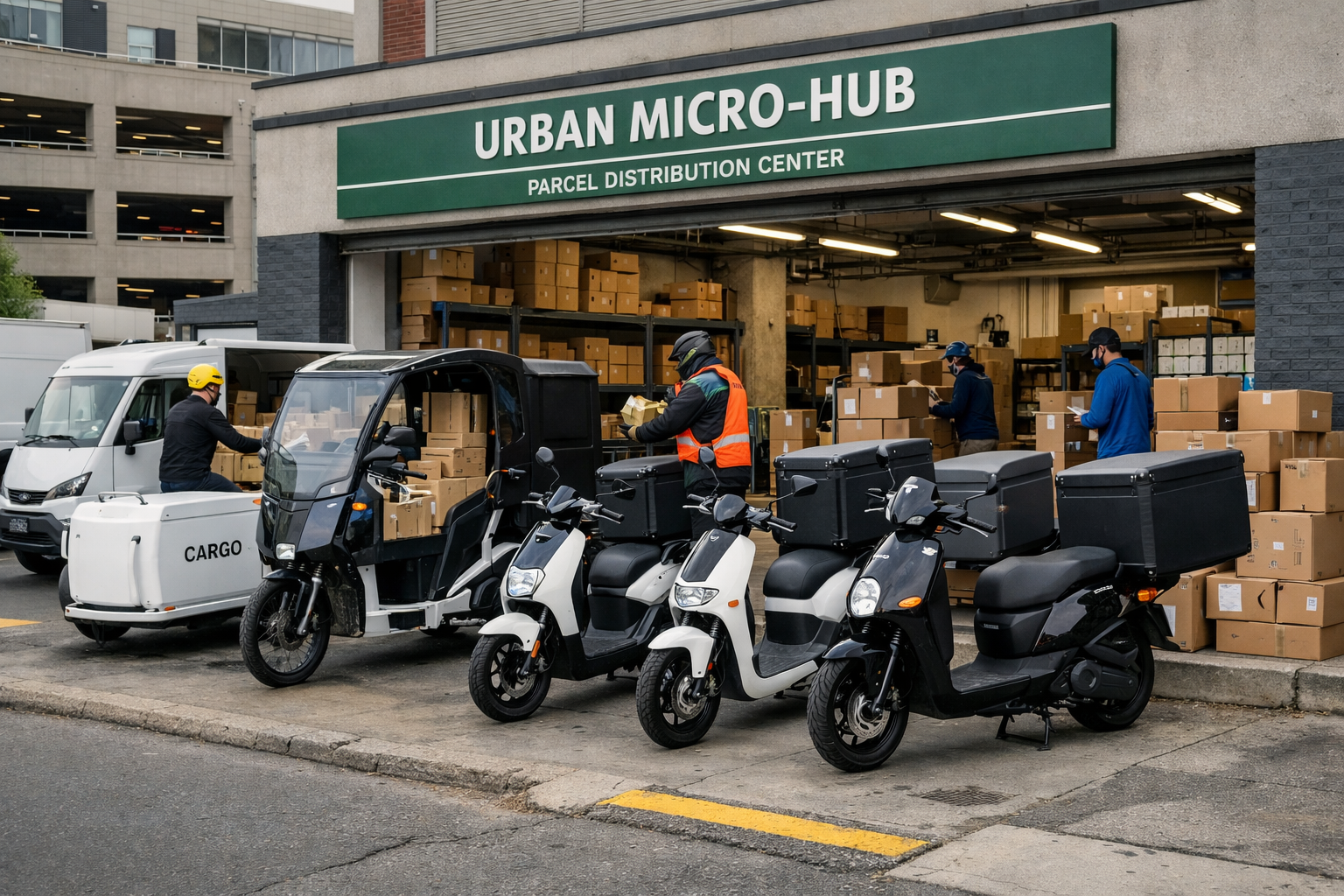
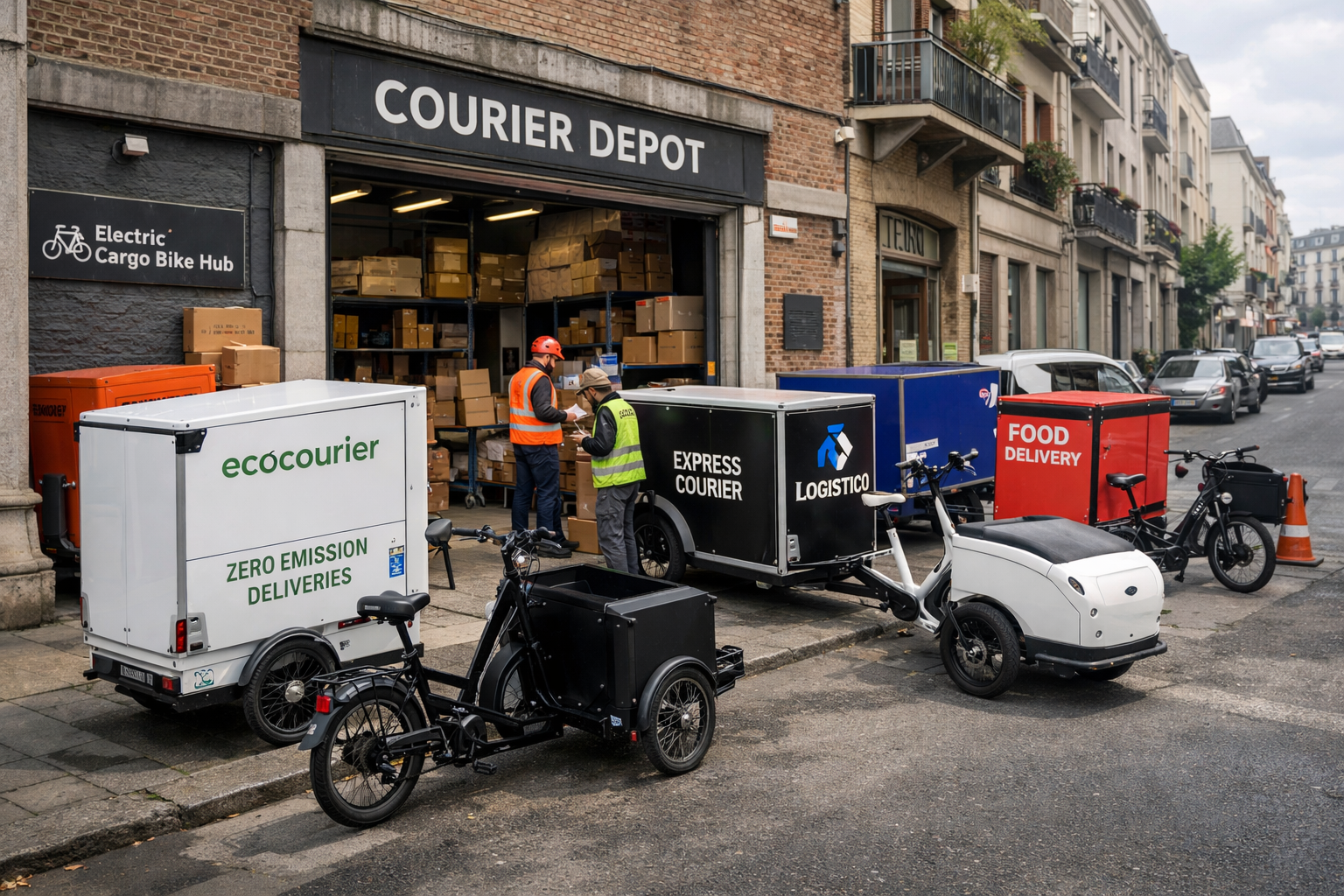
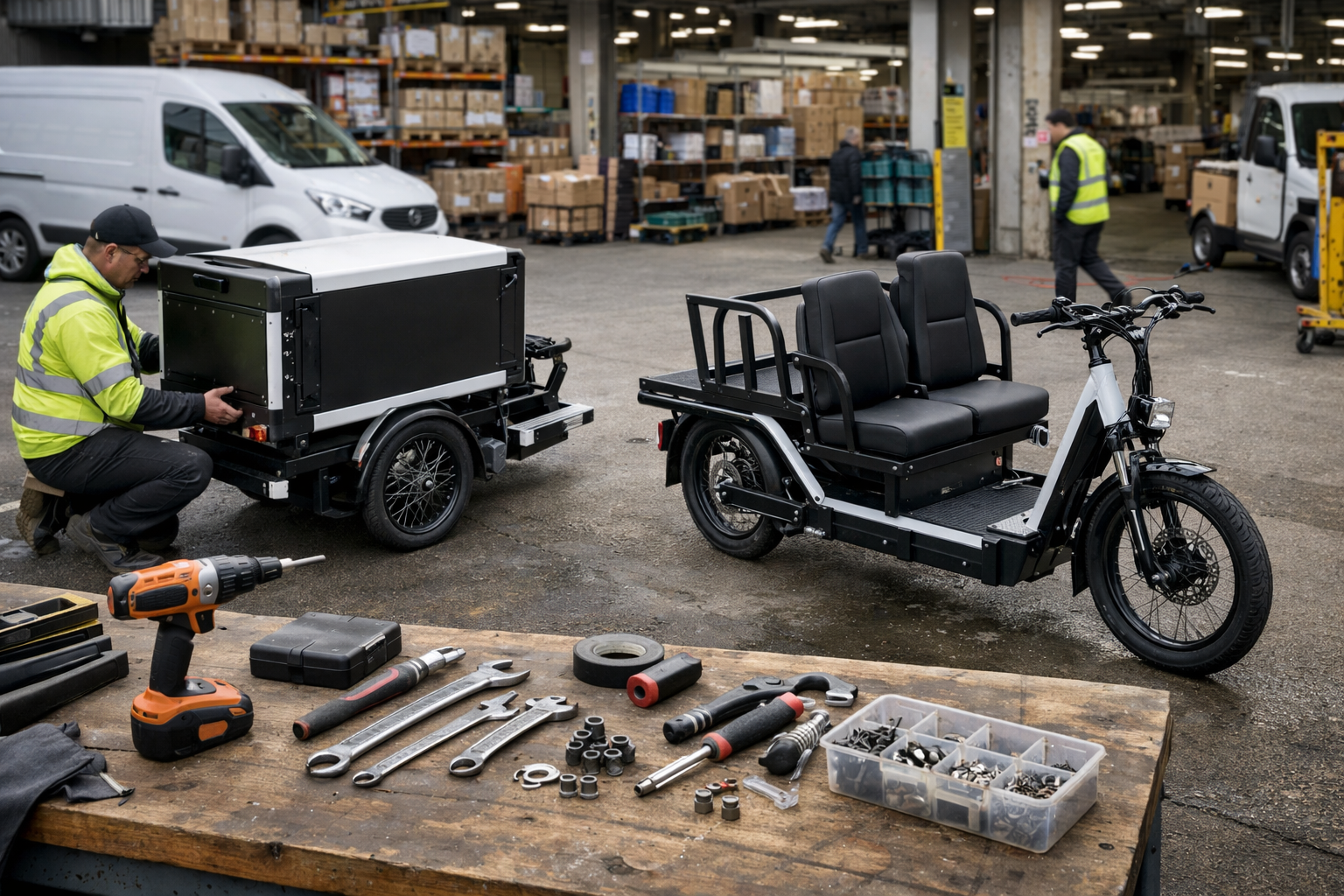
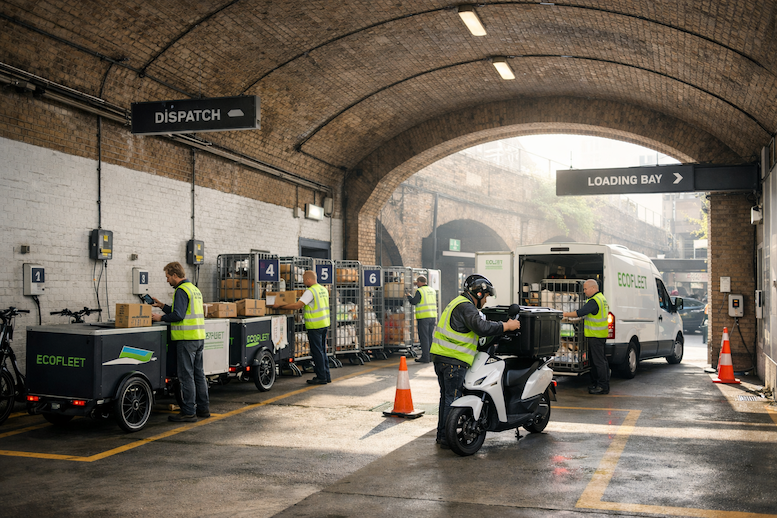
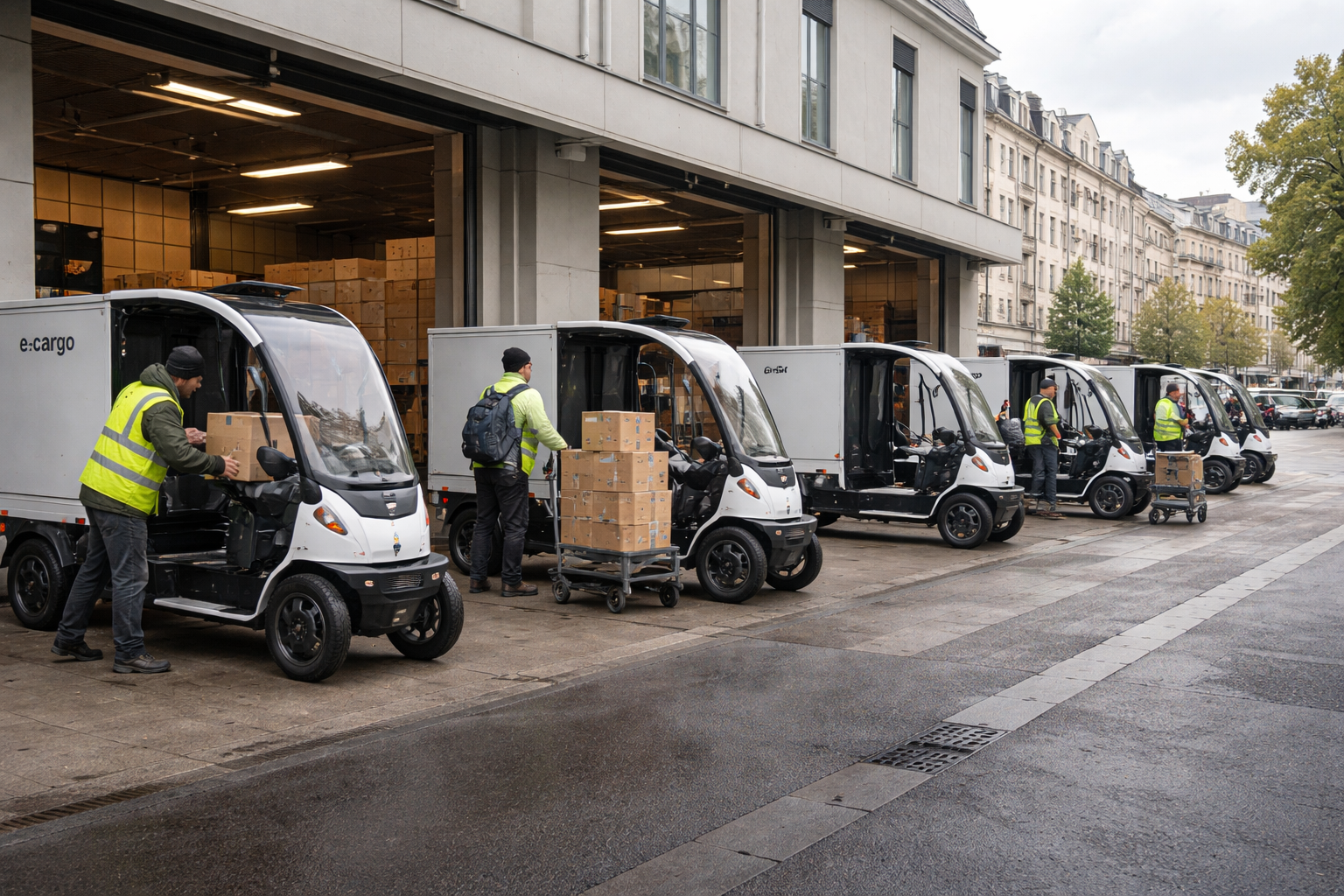
For heavy vehicle fleets the biggest uncertainty has been the time required to secure high‑capacity power connections. Updated guidance from Ofgem and network operators introduces clearer processes, defined milestones and the ability to connect in stages.
This matters for capital planning. Phased energisation allows operators to deploy a portion of electric vehicles while waiting for full capacity, improving asset utilisation and generating operational data earlier. It also reduces the risk of investing in charging infrastructure that cannot be used.
From a finance perspective, clearer timelines and staged delivery improve cash flow forecasting and reduce construction and commissioning risk.
SAF mandate moves into operational detail
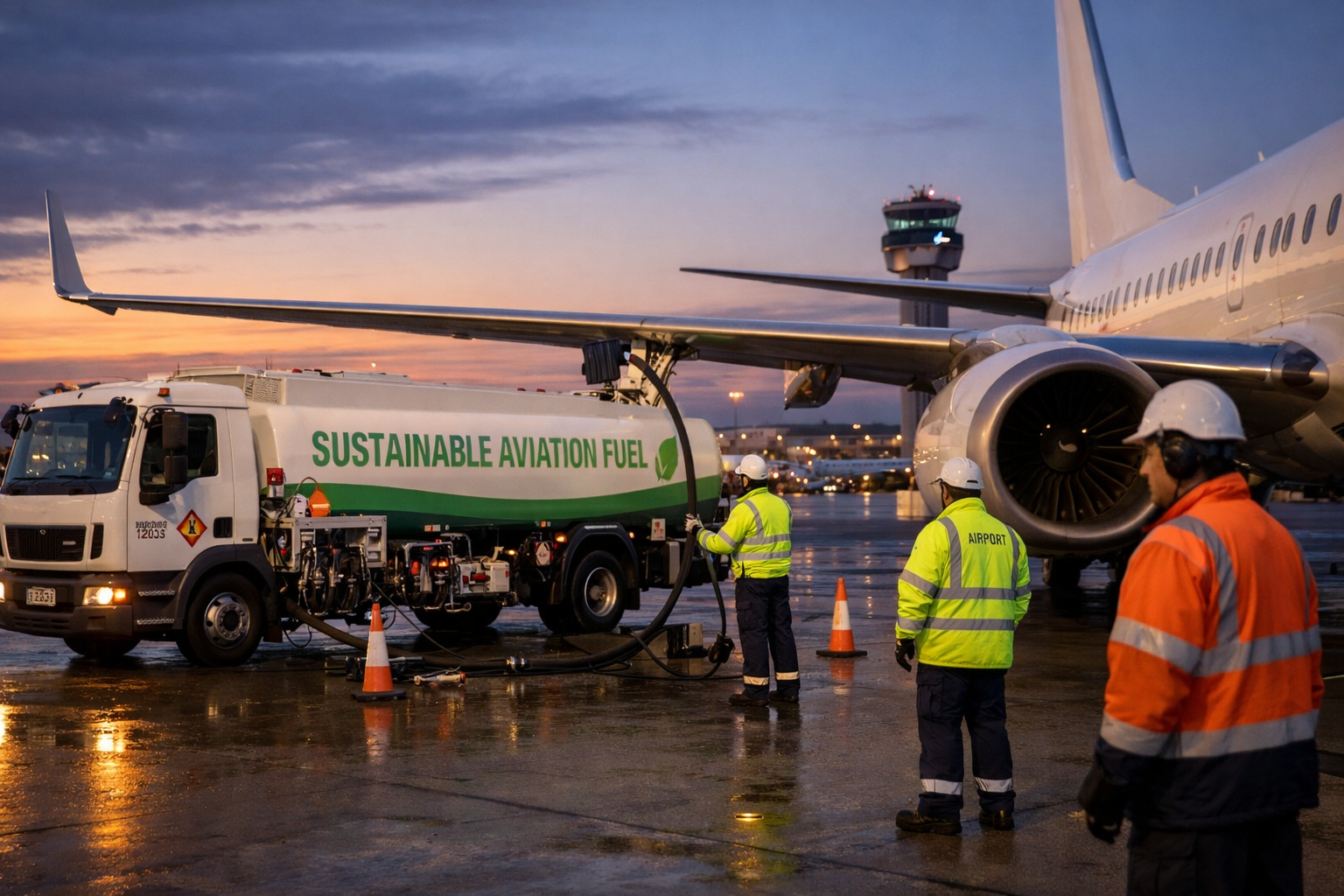
The UK SAF mandate is now entering its delivery phase. Sustainability criteria, reporting rules and compliance mechanisms are being set out, giving fuel suppliers and producers a clearer view of how obligations will be met.
This is important for project developers. Long‑term demand visibility supports offtake agreements, which are essential for securing debt finance. The more predictable the compliance market becomes, the easier it is to structure funding for domestic production facilities.
Zero‑emission buses shift to programme scale
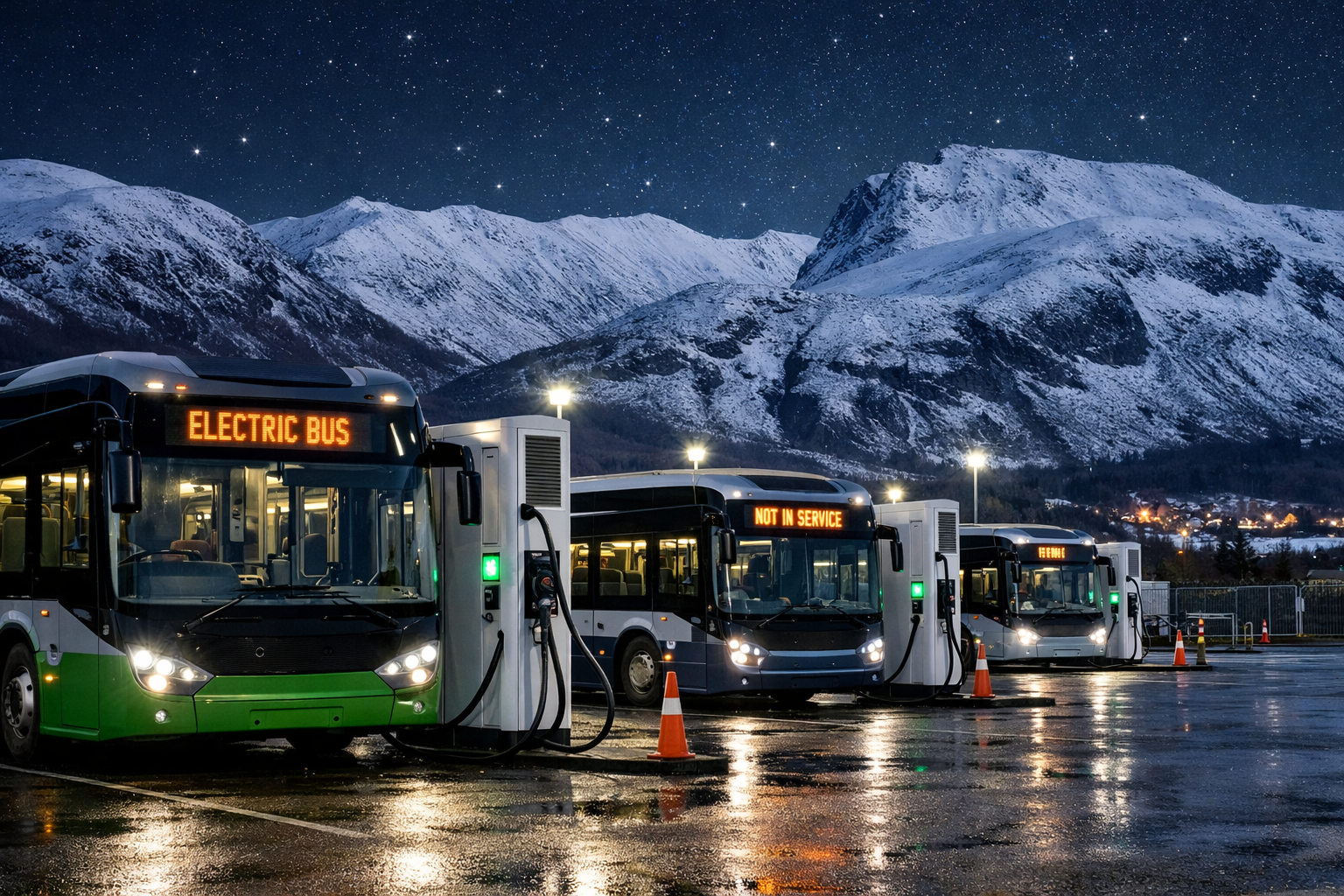
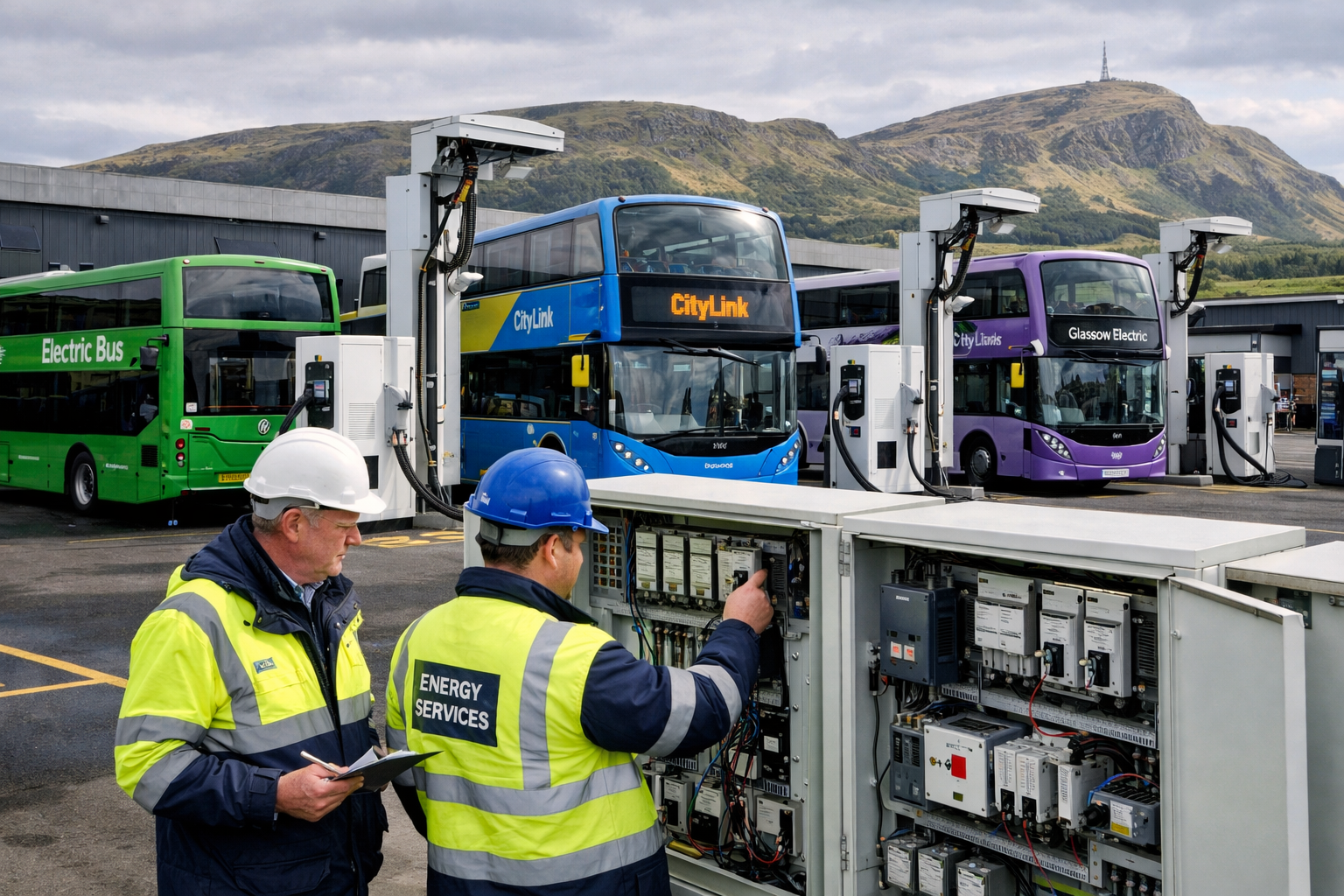
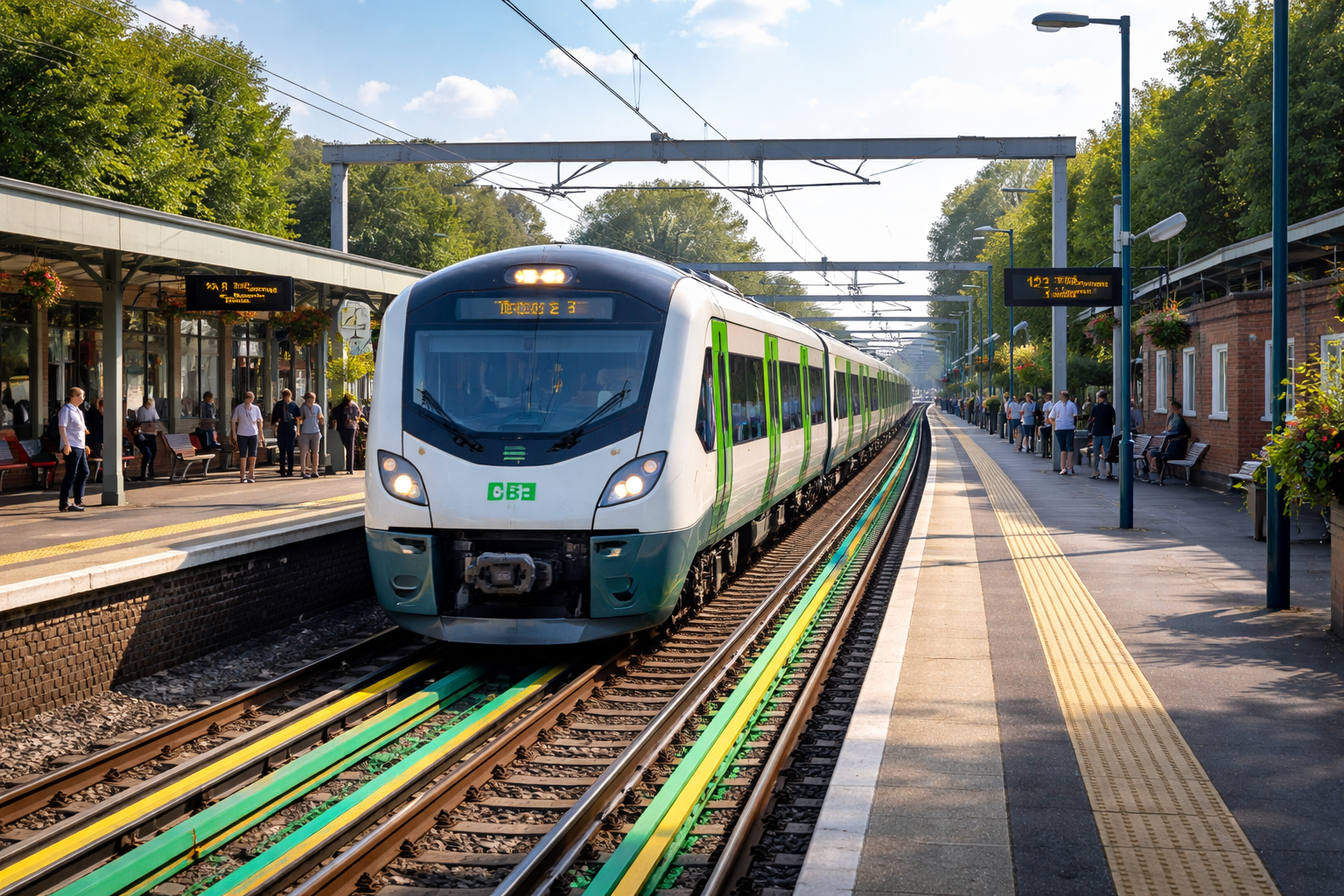
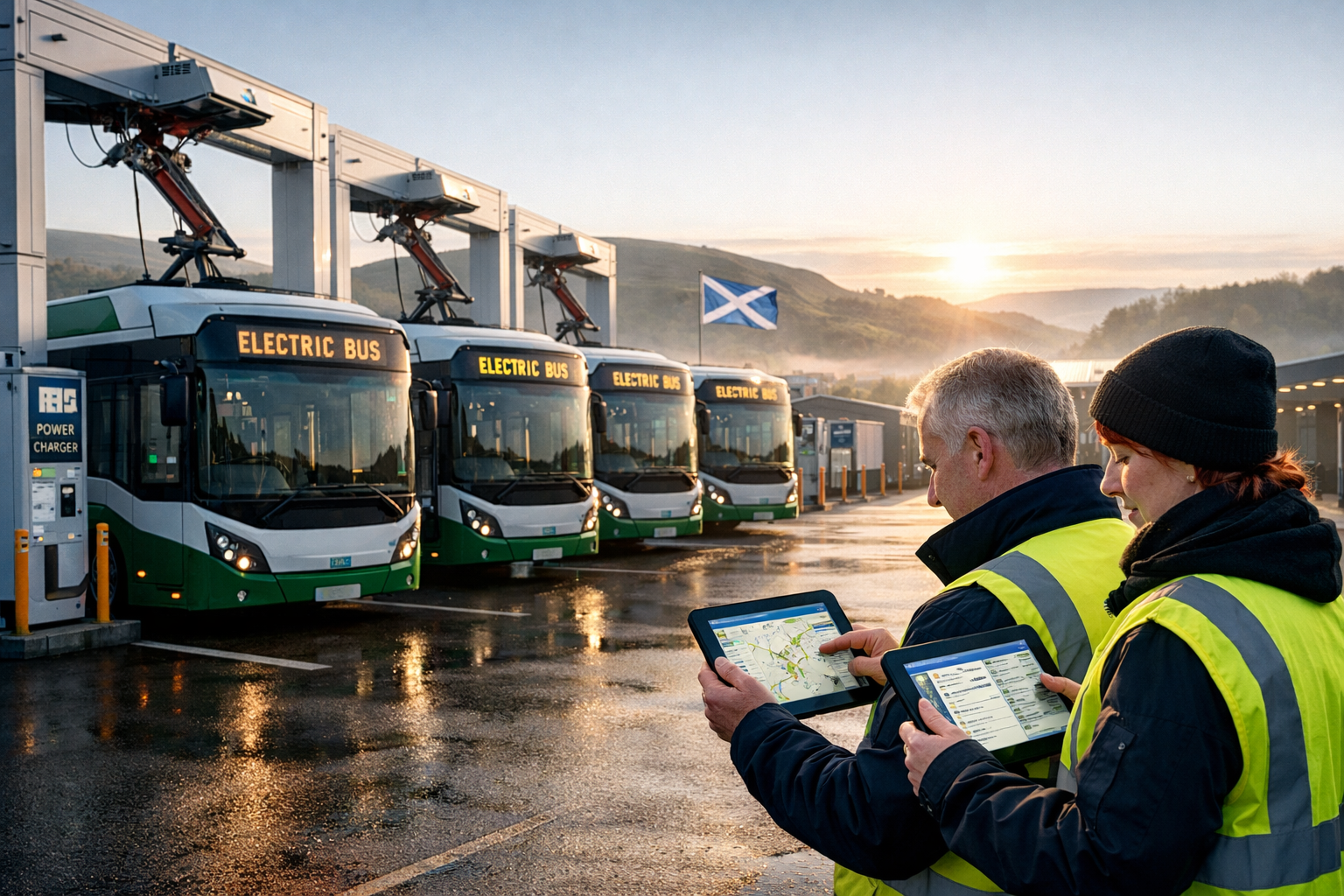
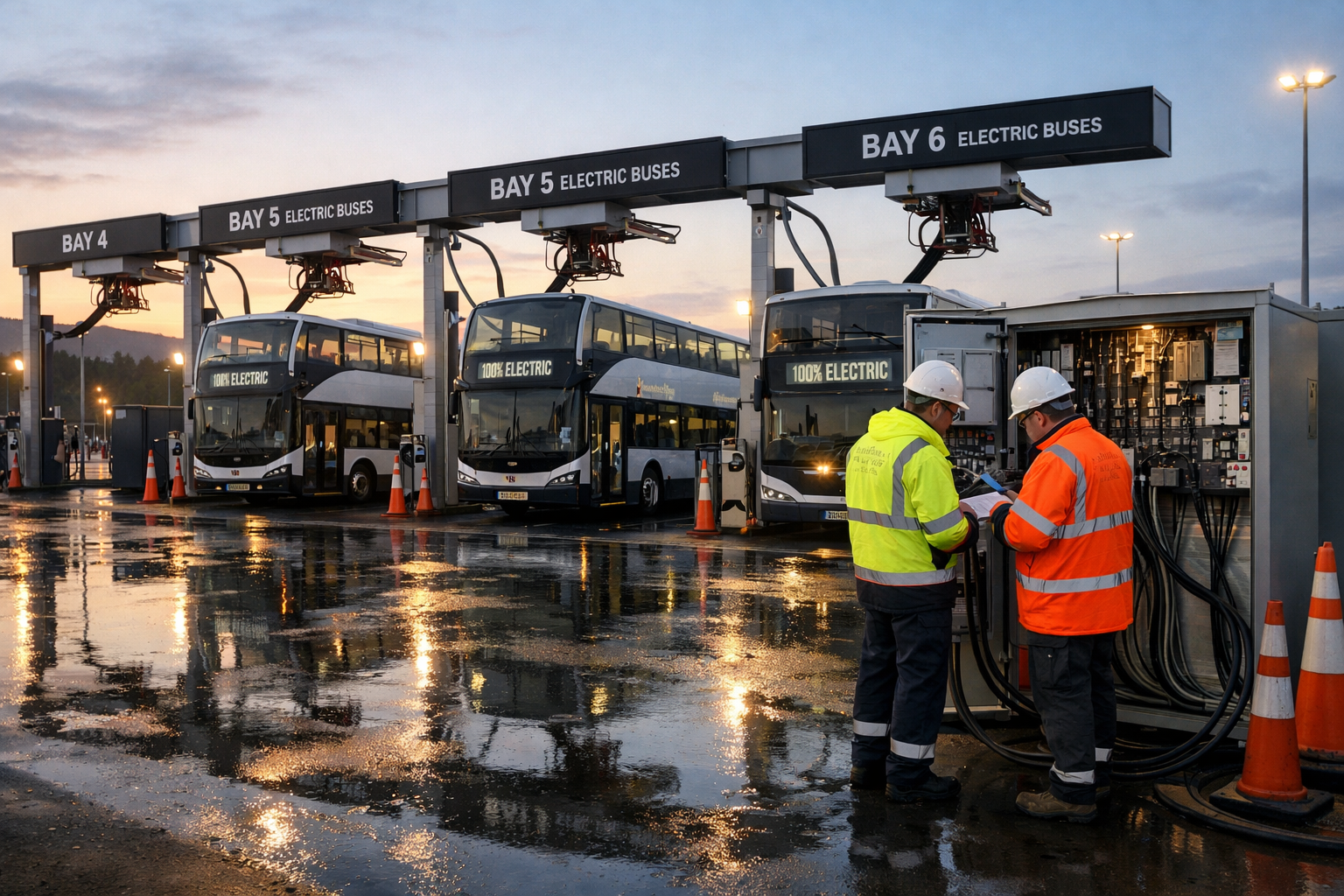
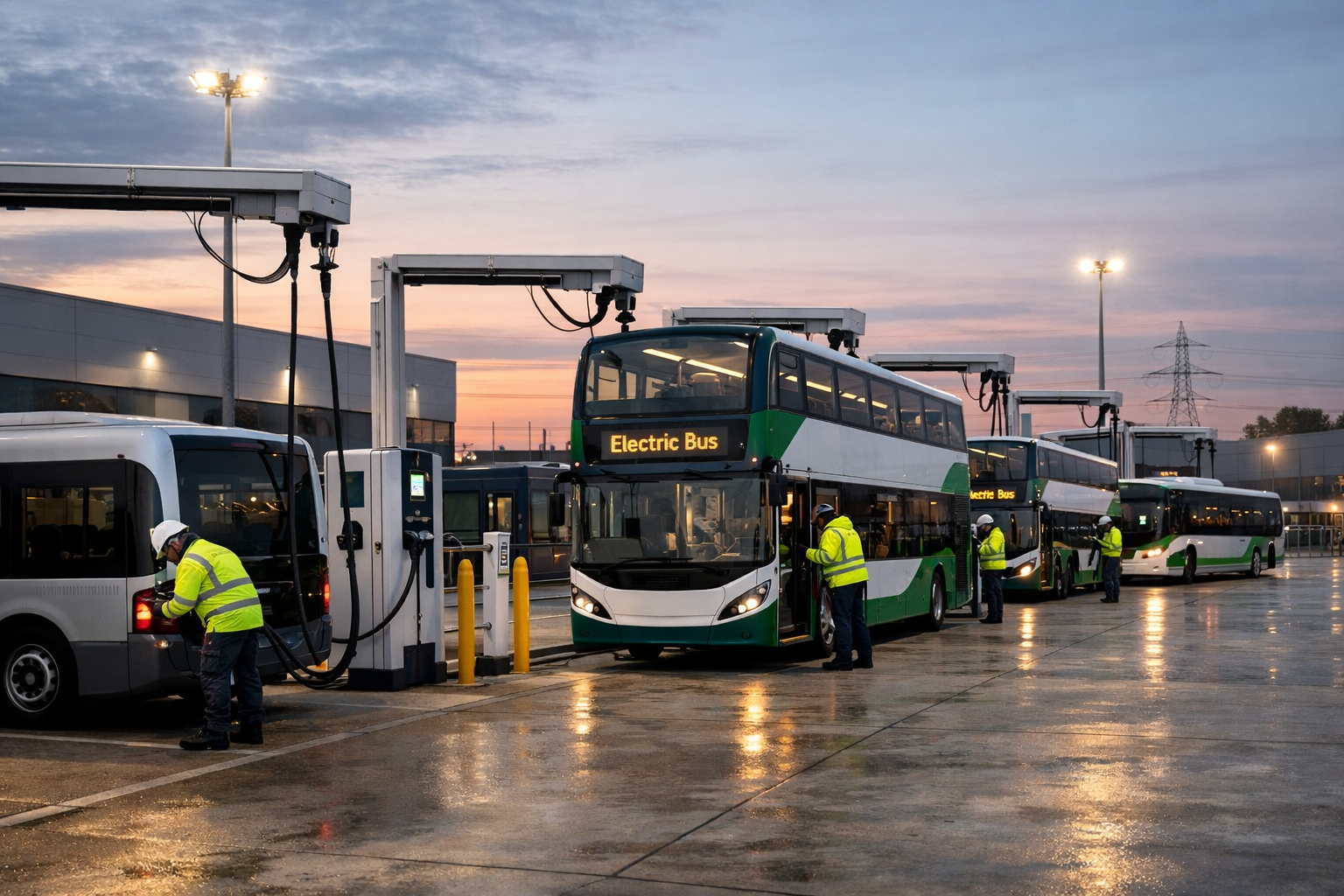
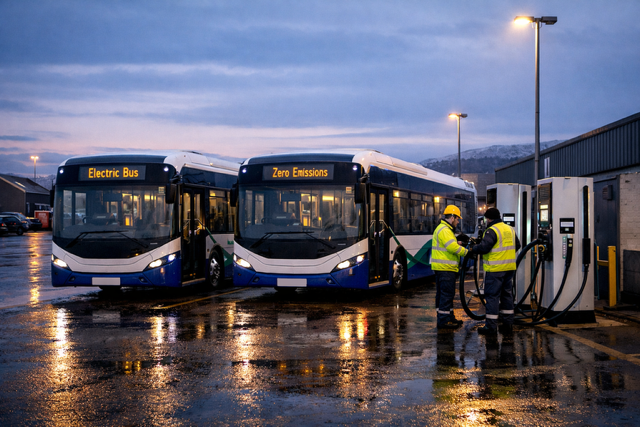
City regions are moving from pilot projects to larger procurement rounds for zero‑emission buses. Contracts increasingly combine vehicles, charging or refuelling infrastructure and maintenance into single packages.
Bundled procurement reduces interface risk between suppliers and provides clearer lifecycle cost visibility for transport authorities. It also creates a steadier order pipeline for manufacturers and infrastructure providers, supporting investment in supply chains.
What this means for investors and operators
Across these three areas a common theme is emerging. Policy is focusing on the practical constraints that determine whether projects proceed. Grid capacity, compliance frameworks and integrated procurement models all reduce delivery risk.
Lower risk translates into more predictable cash flow, which in turn supports longer‑tenor financing and lower cost of capital. Operators benefit from clearer deployment pathways and better alignment between infrastructure and vehicle investment.
Remaining challenges
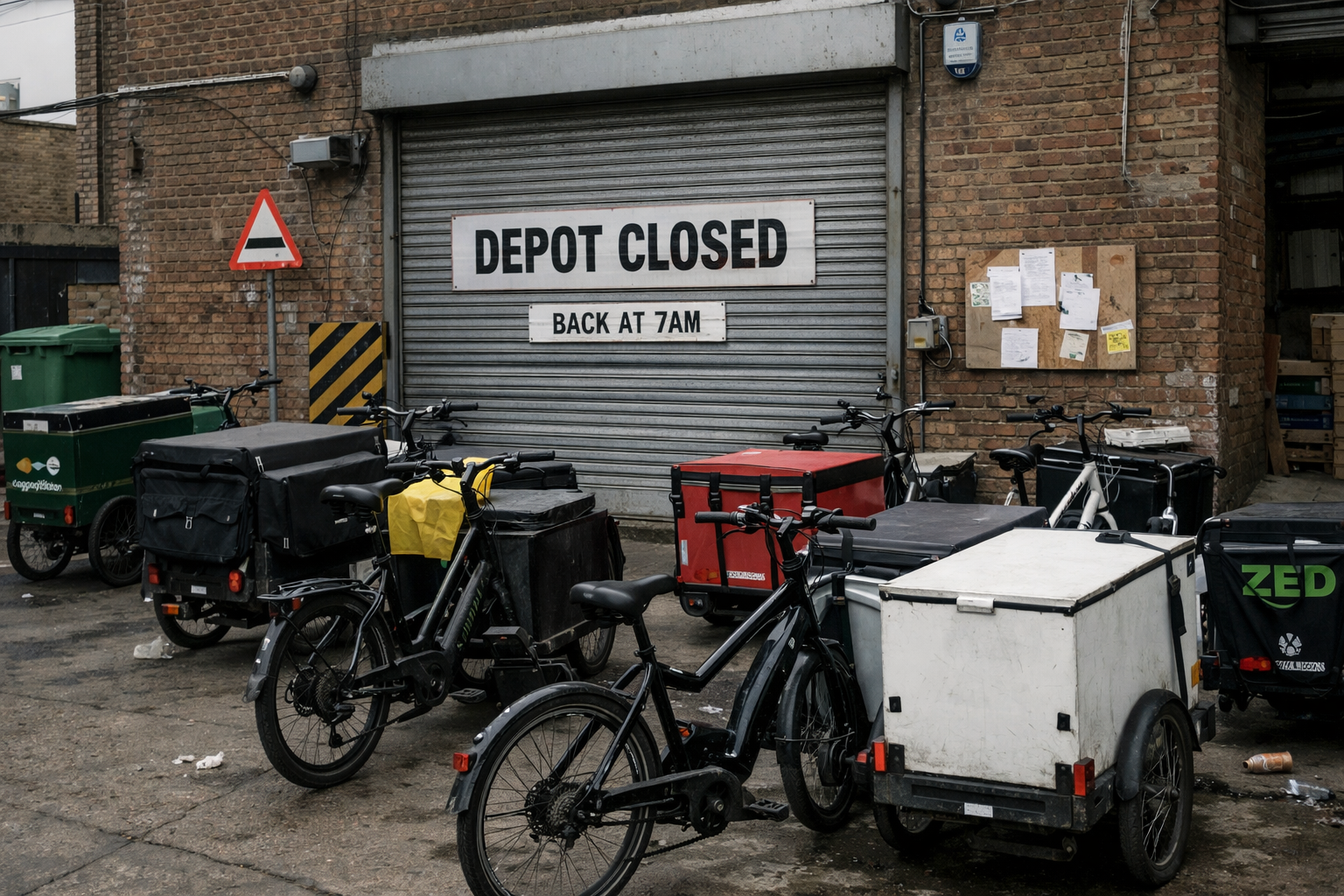
Connection costs, depot space constraints and workforce training remain significant issues for electric freight. SAF production still depends on feedstock availability and certification capacity. Bus programmes must maintain funding continuity to avoid stop‑start deployment.
However, the direction of travel is towards implementation rather than strategy.
Conclusion
UK green transport progress is now being driven by infrastructure access and detailed policy design. Faster grid connections enable staged fleet electrification. Clear SAF mandate rules support offtake and investment. Scaled zero‑emission bus procurement builds supply‑chain confidence.
Decarbonisation is becoming a delivery question. Projects that integrate energy, vehicles and finance will move first and shape the pace of transition.
You might also like