Personalised funeral routes are changing how hearses are used
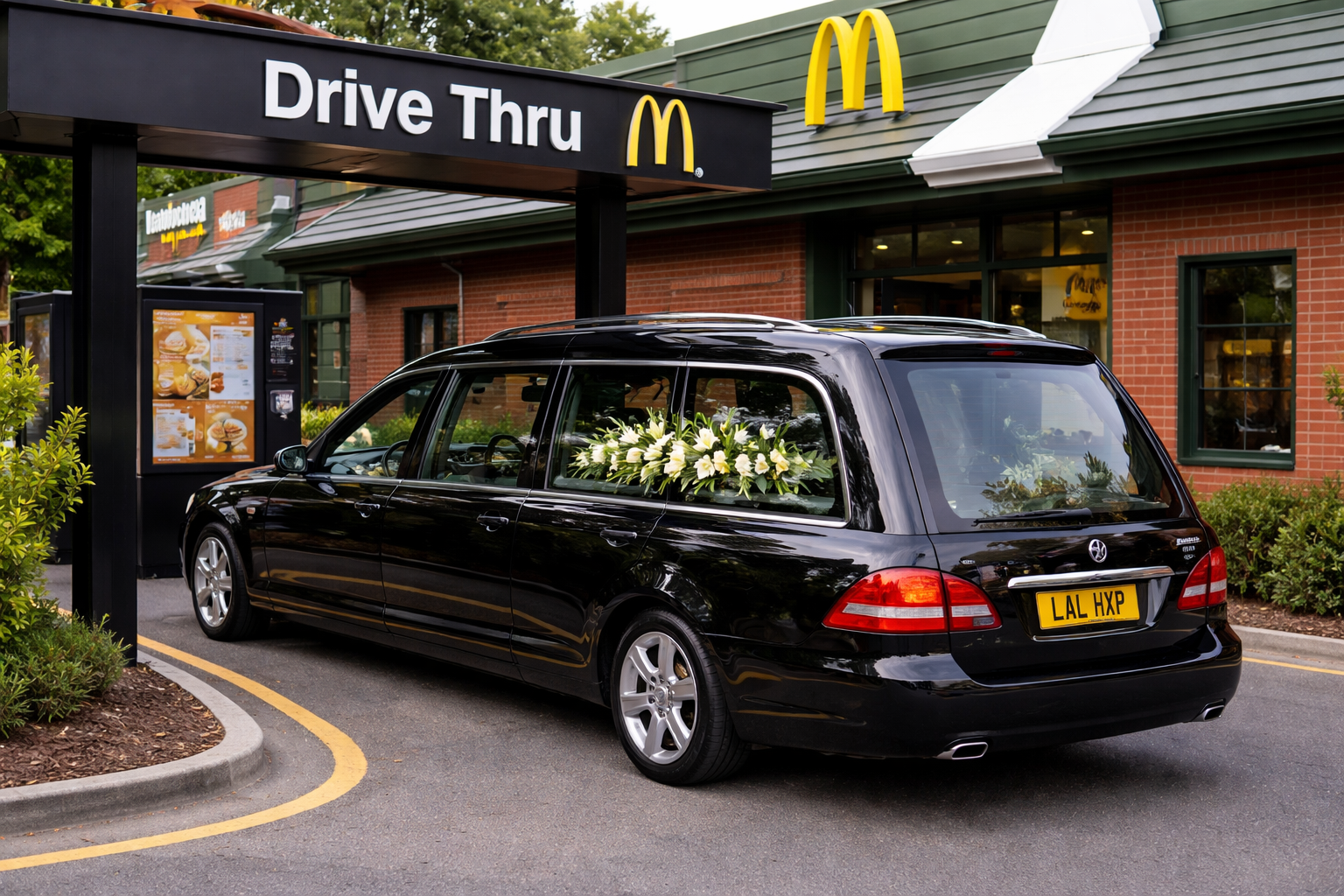
A viral clip of a hearse using a drive‑through might look unusual, but within the profession it points to something more important: families are asking for more personal final journeys.
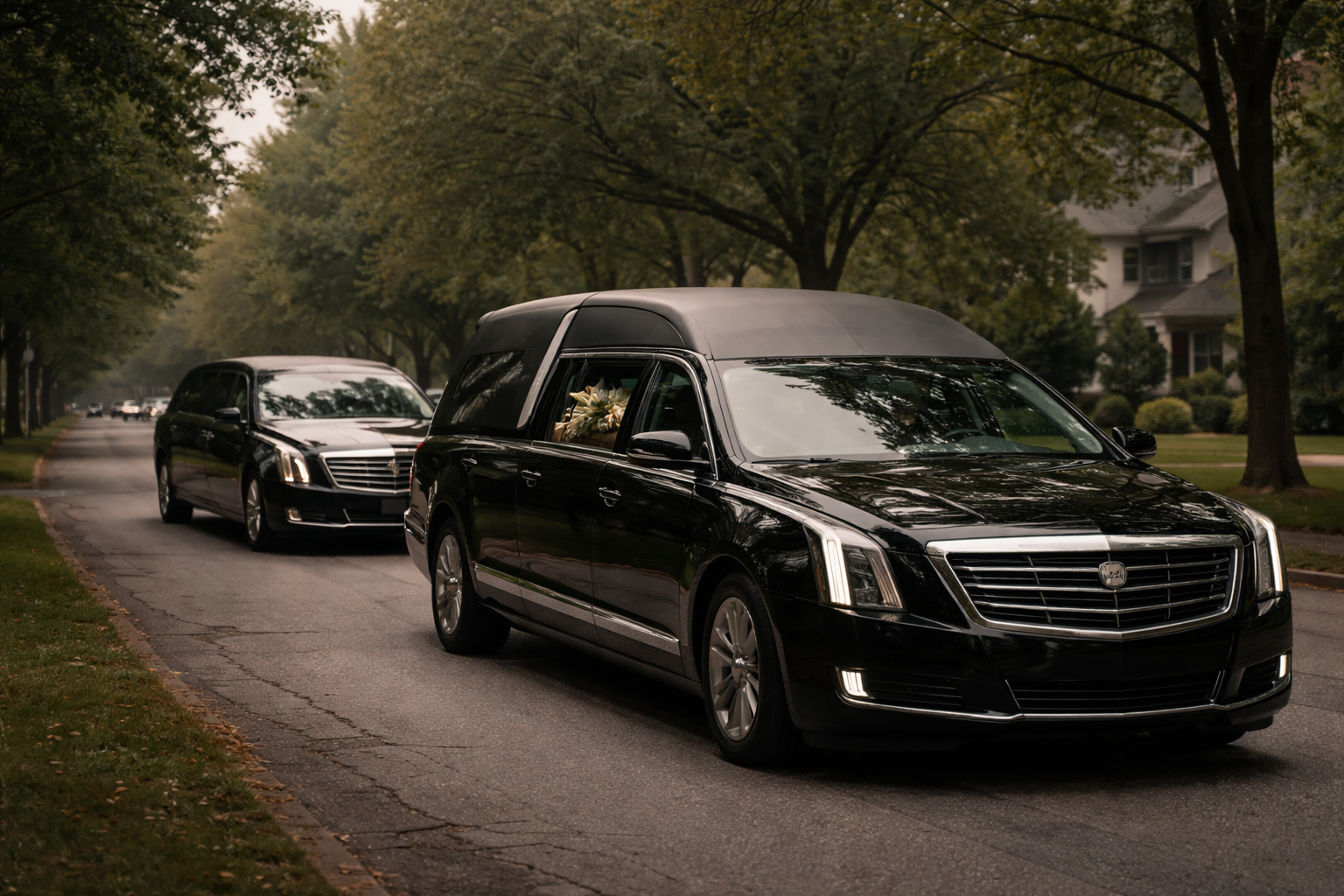
Instead of travelling directly from funeral home to place of service, cortèges are increasingly taking routes that reflect the life of the person who has died. That could be a pass by a workplace, a favourite pub, a sports ground, or a regular coffee stop.
Why this matters for funeral transport
For funeral directors and vehicle operators, this changes the operational picture.
Traditional routes were predictable.
Personalised routes are not.
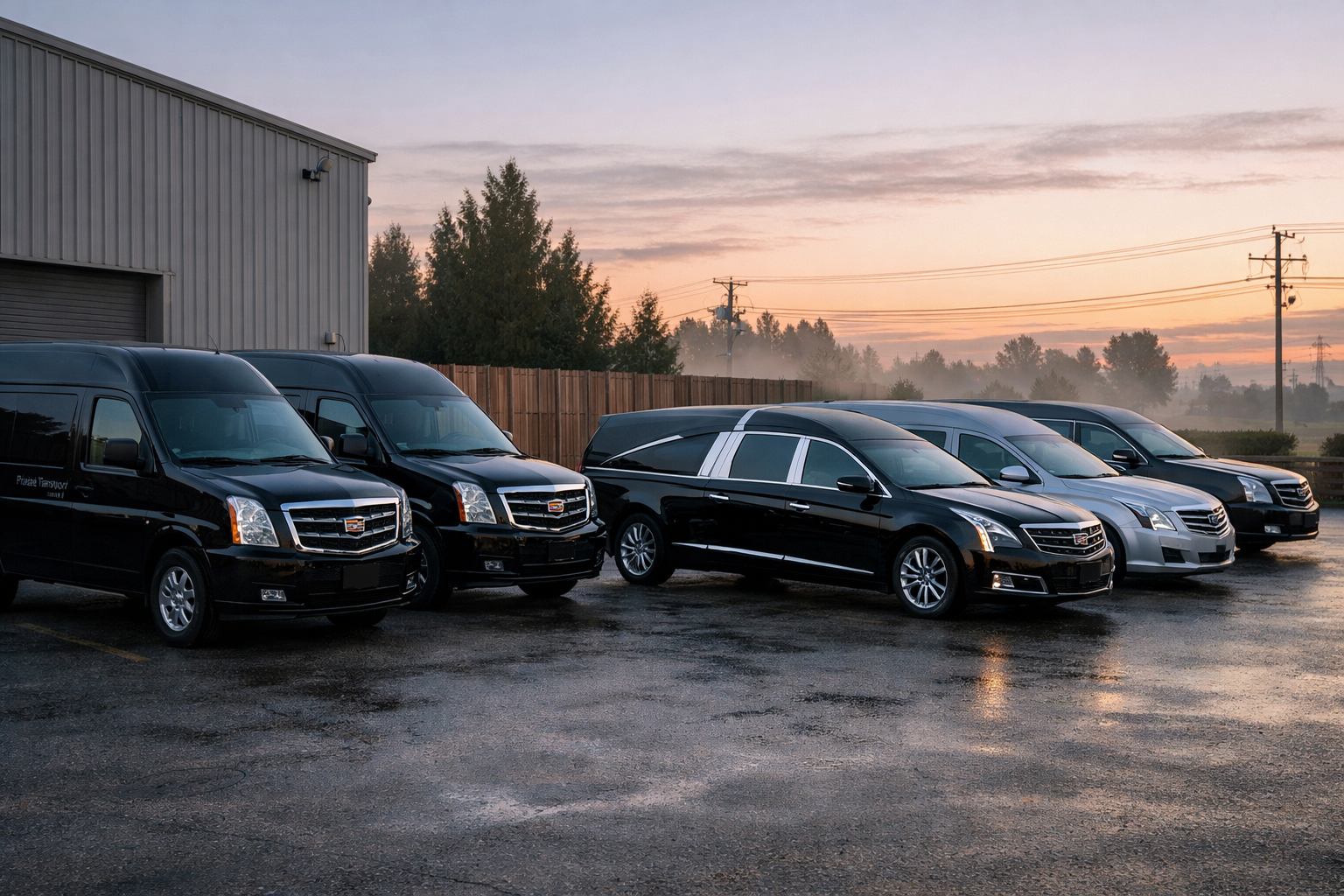
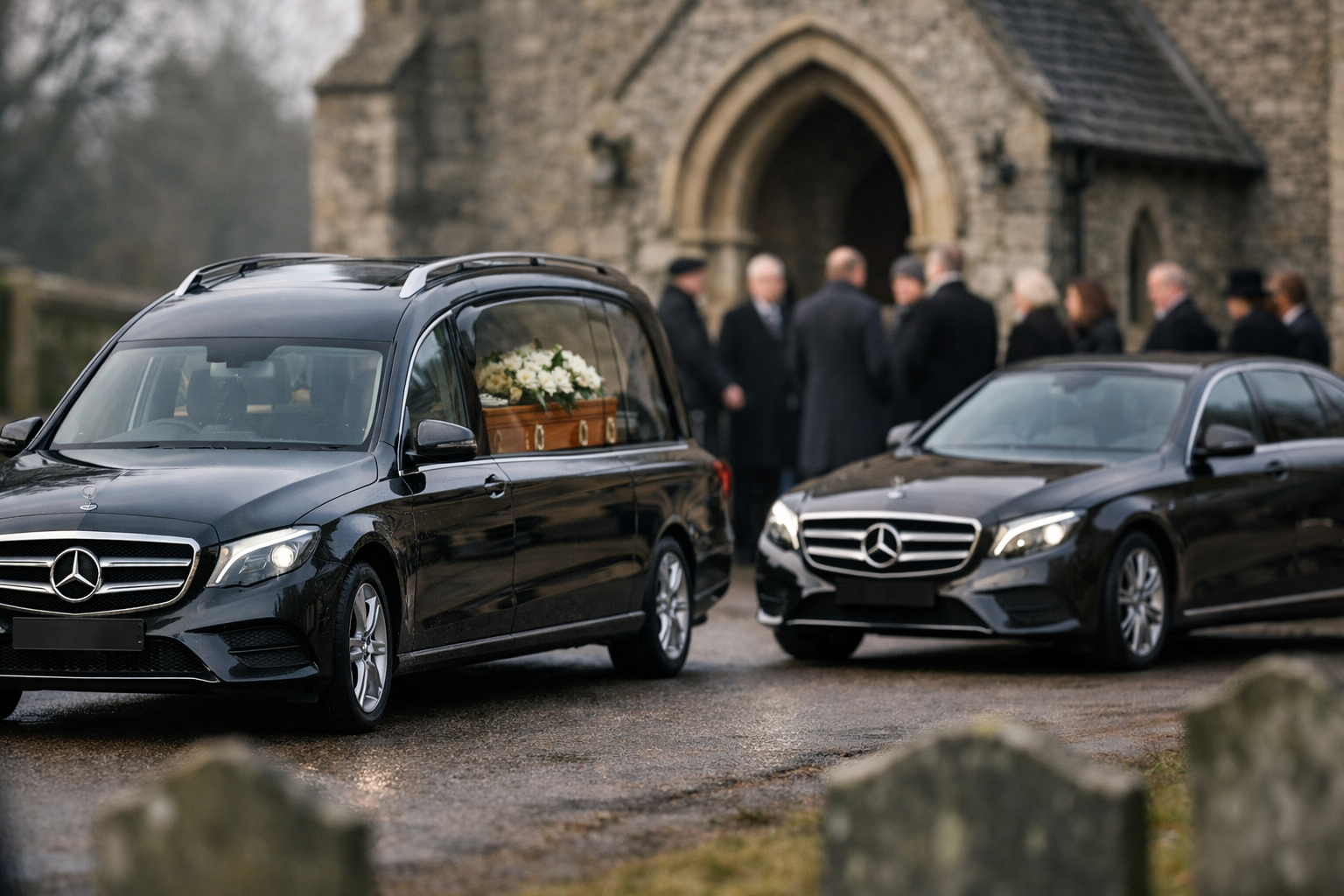
That means more route planning, more awareness of road restrictions, and more thought about vehicle size and manoeuvrability. A standard saloon‑based hearse handles differently from a van‑based first‑call vehicle, and both need space to stop safely if the family wants a pause.
Timing becomes tighter too. A five‑minute stop on paper can become ten once you account for traffic and public attention. That has to be balanced with service times and crematorium slots.
The role of the driver becomes more visible
Drivers are no longer just following a fixed route.
They are part of the experience.
They may need to position the vehicle for a short stop, manage onlookers, or adjust the route if something unexpected happens. That requires experience and clear briefing beforehand.
From a fleet perspective, reliability and ease of handling become even more important when routes vary. Vehicles that are simple to position, with good visibility and smooth low‑speed control, make these moments easier to manage.
Public spaces bring new considerations
Stopping in everyday locations introduces practical issues.
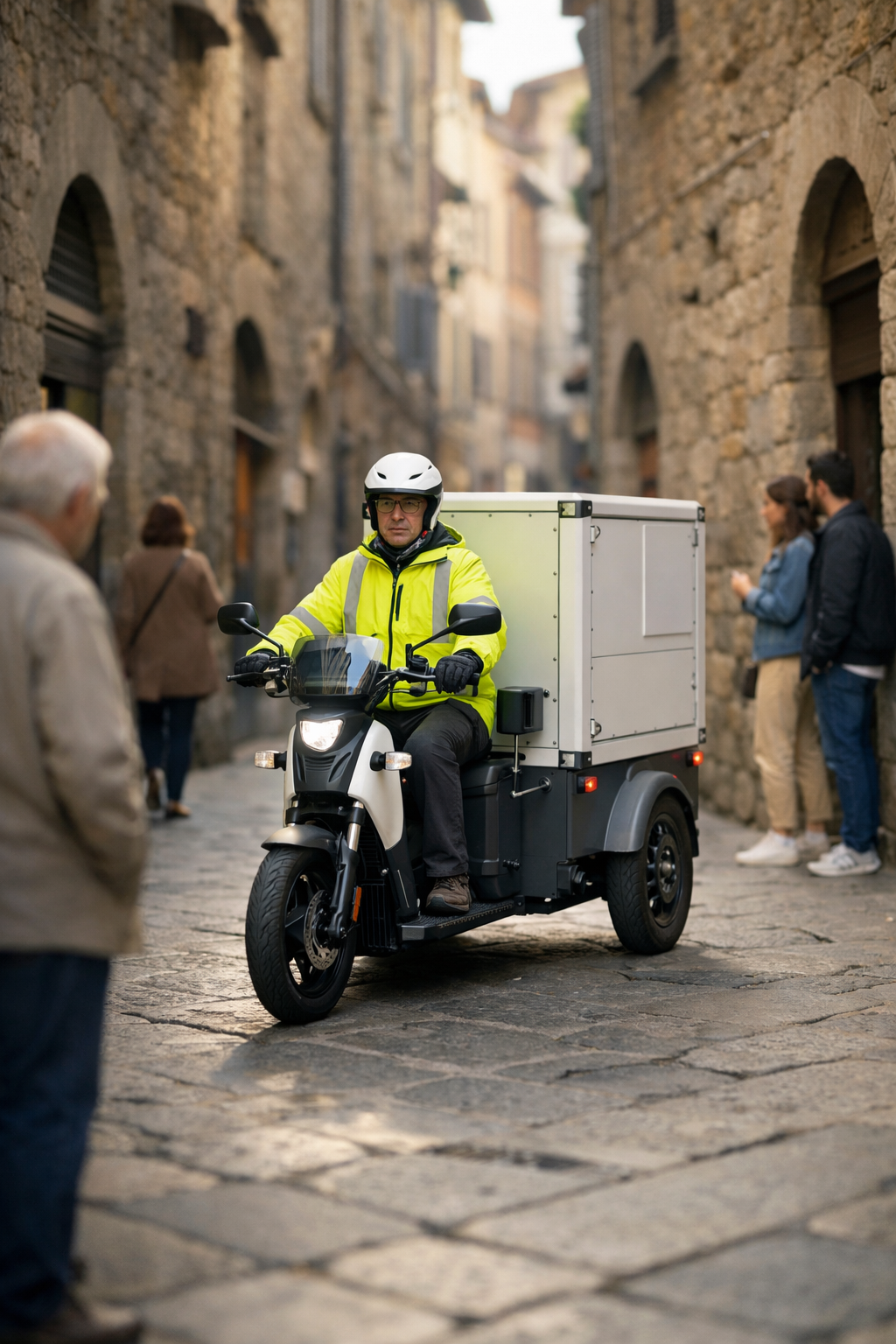
There may be limited space, uneven surfaces, or pedestrian traffic.
There is also the likelihood of being filmed or photographed.
That does not mean these journeys should not happen.
It means they need planning so the focus stays on the family rather than the logistics.
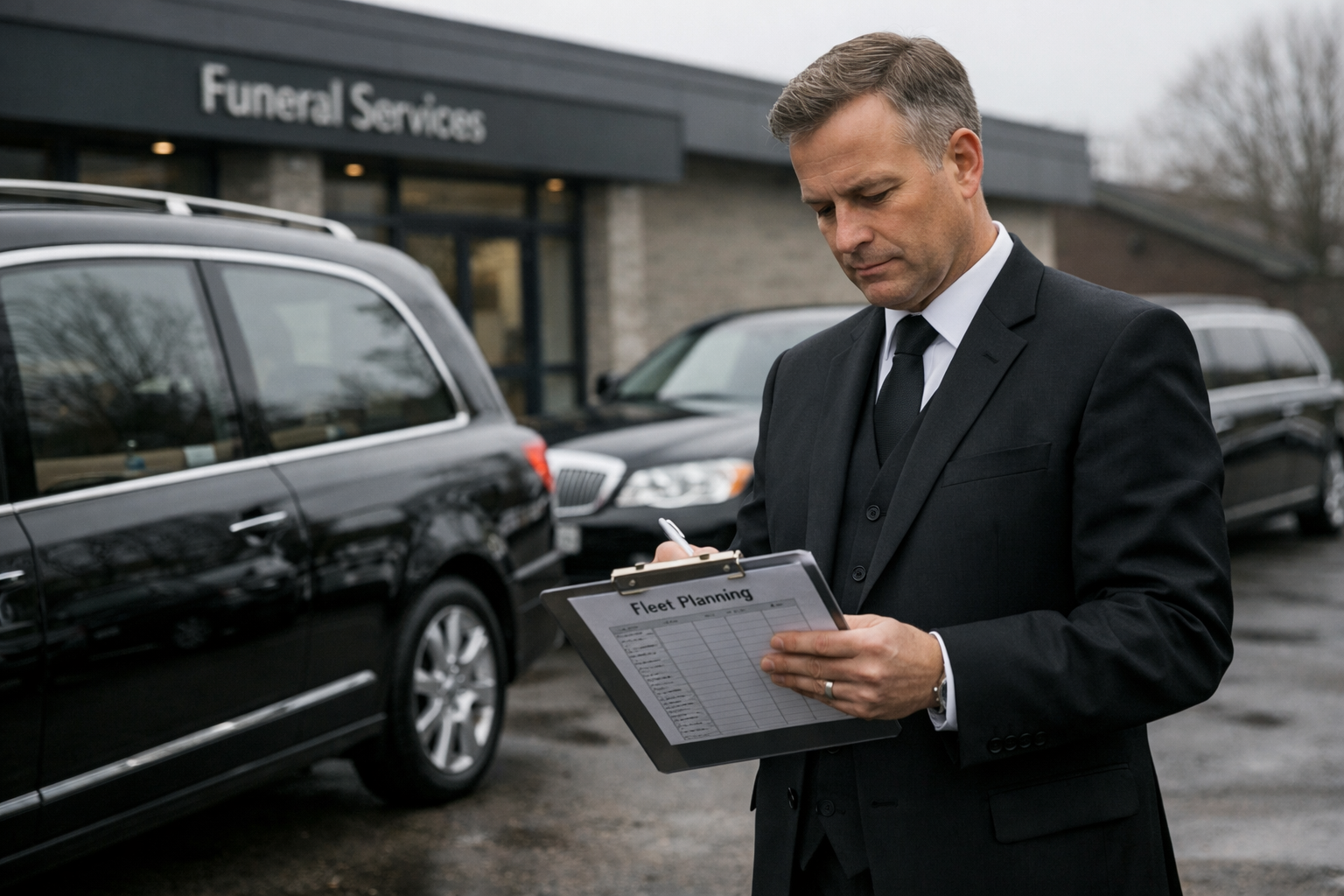
What this means for fleet planning
As personalised journeys become more common, funeral firms may look more closely at:
Turning radius and vehicle length
Ride comfort at low speeds
Ease of access for short stops
Discreet appearance in public settings
Clear communication equipment for drivers
These are small details, but they shape how smoothly a non‑standard route can be delivered.
A quiet shift rather than a dramatic change
The purpose of the hearse has not changed.
It remains a ceremonial vehicle.
What is changing is how it is used.
The final journey is becoming more reflective of the person’s daily life, and that puts more responsibility on planning and on the vehicles themselves.
You might also like