How the Deliver‑E Coalition could change last‑mile transport
City‑centre delivery is under two pressures at once: more orders and tighter rules on emissions and noise. To address this, a group of major delivery platforms including Wolt has teamed up with the United Nations Environment Programme to form the Deliver‑E Coalition, a global effort to scale up electric vehicles in last‑mile logistics.
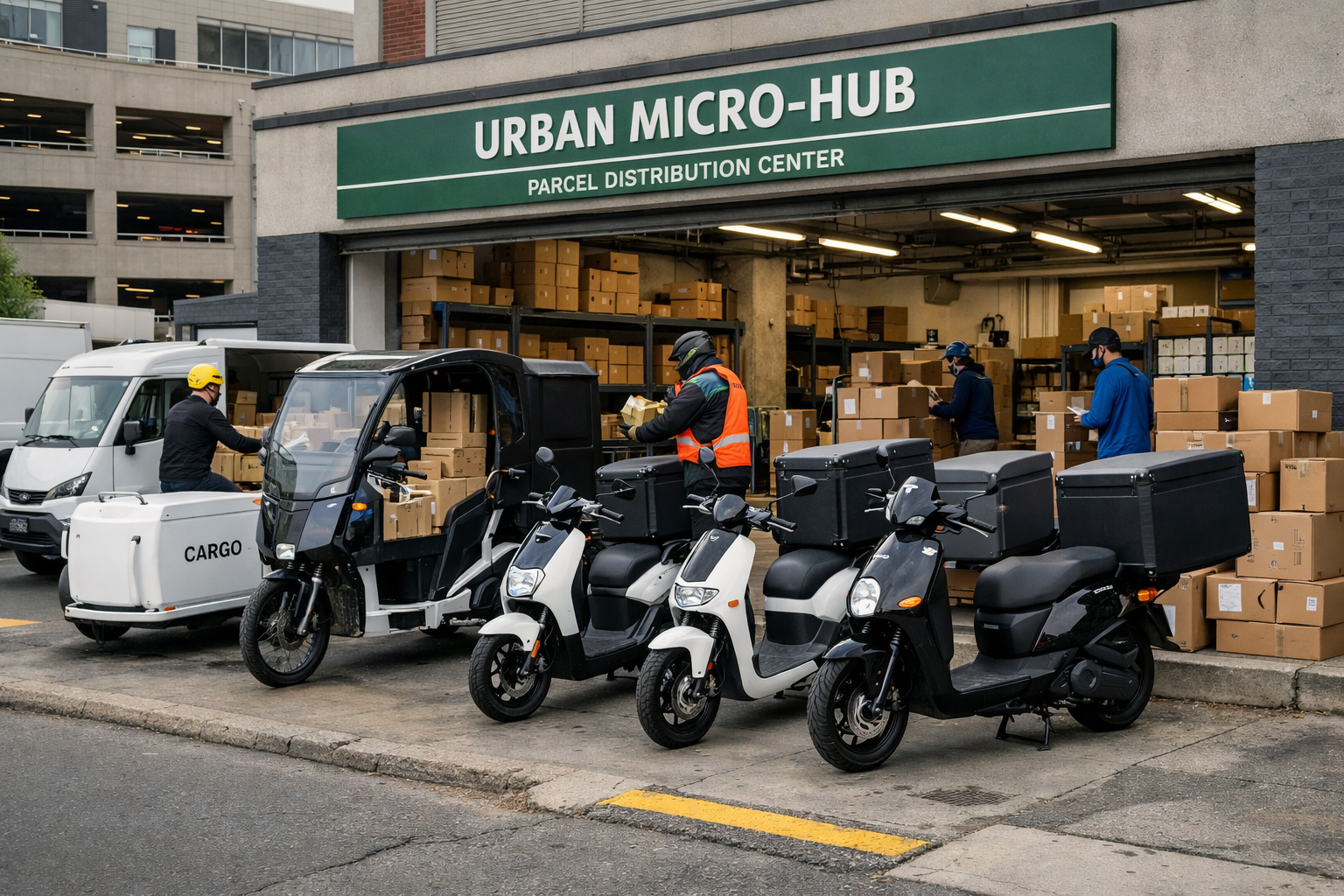
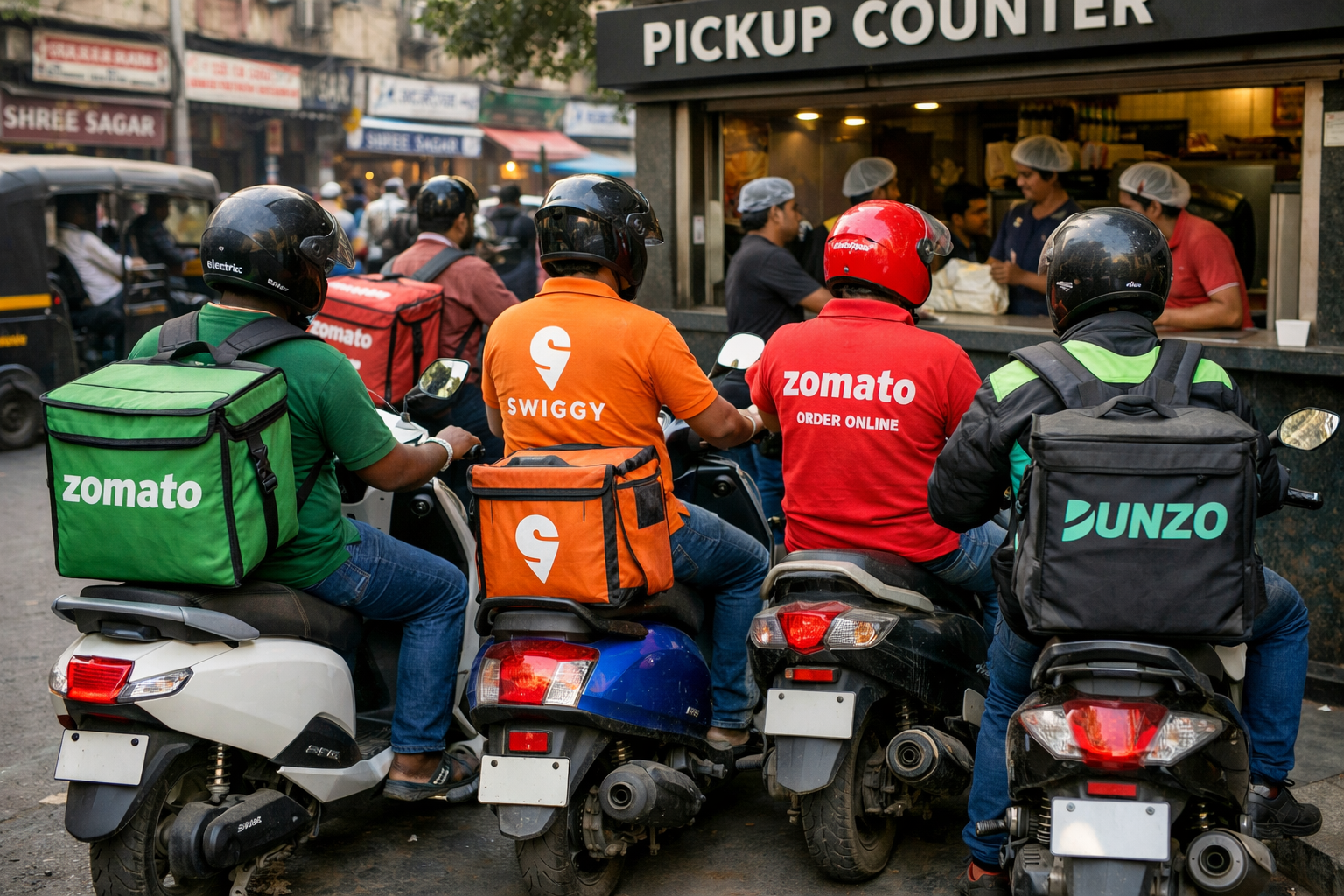
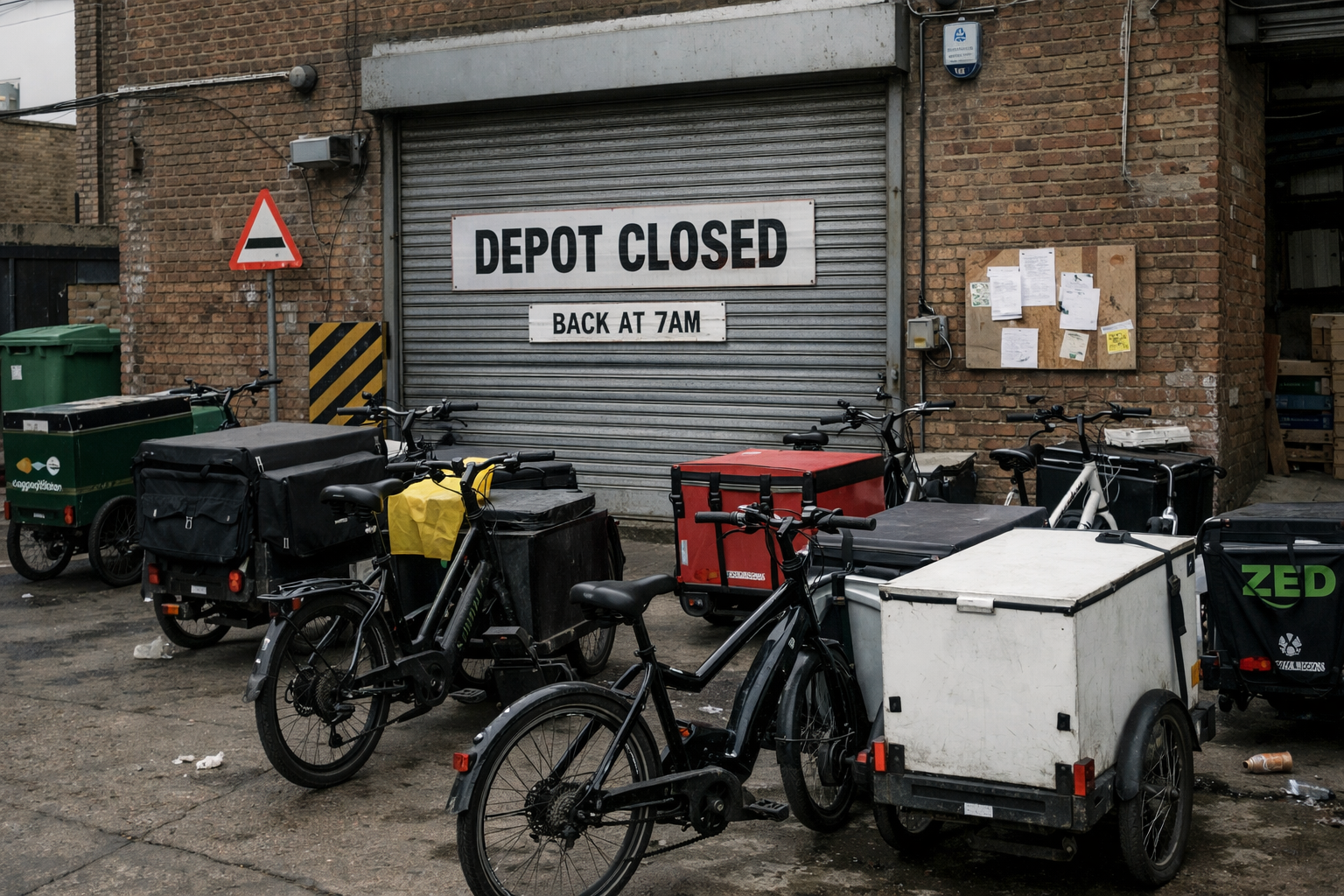
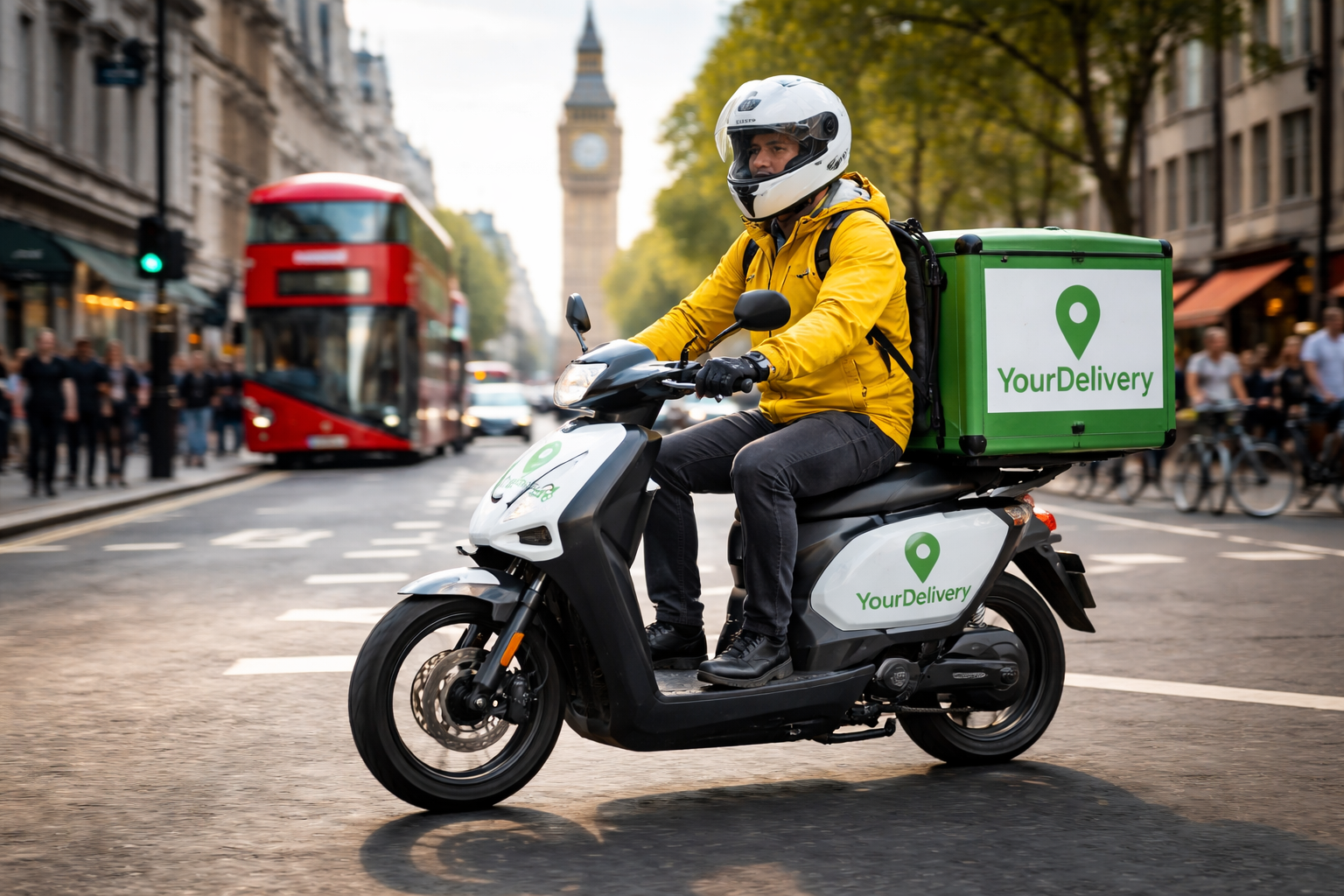
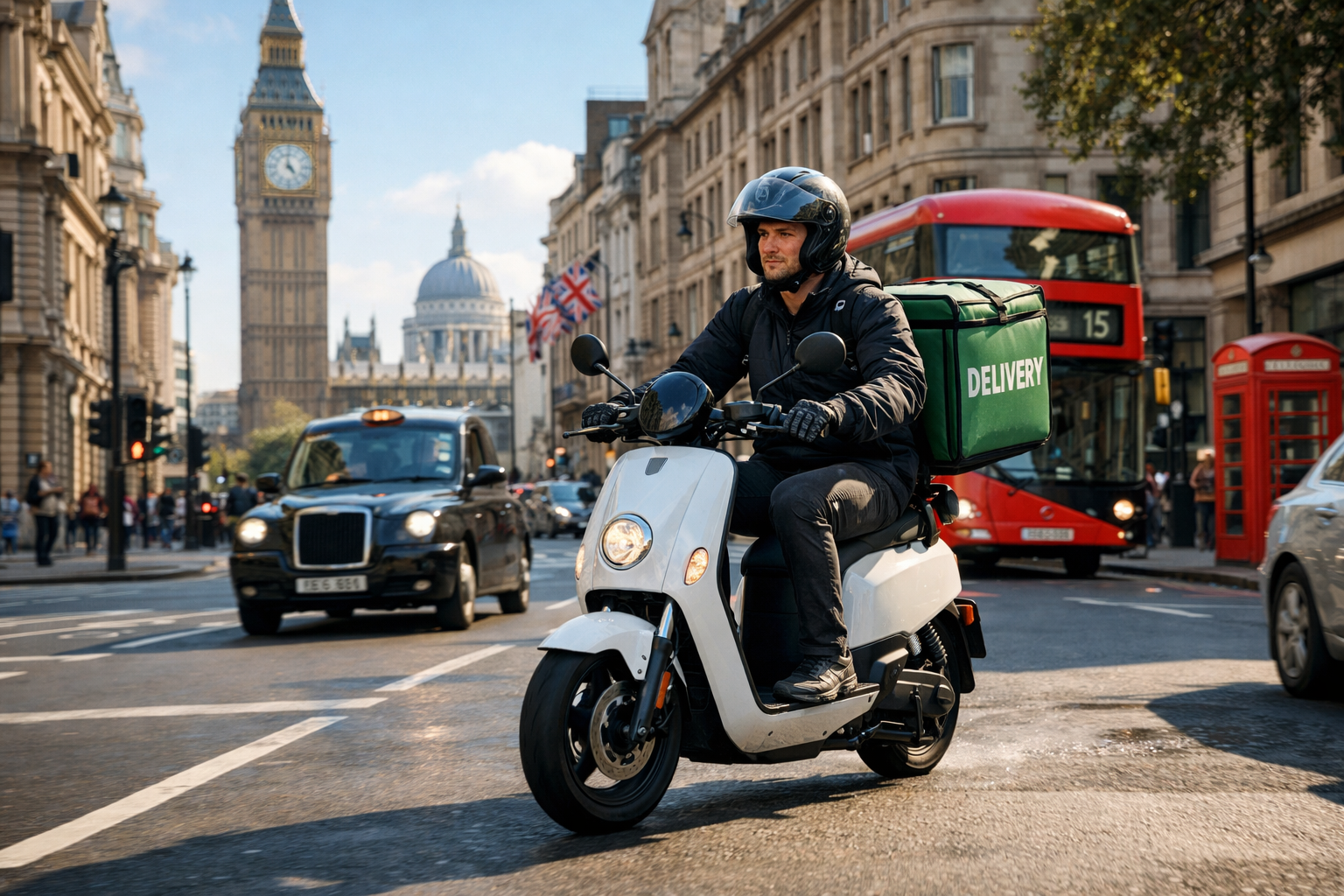
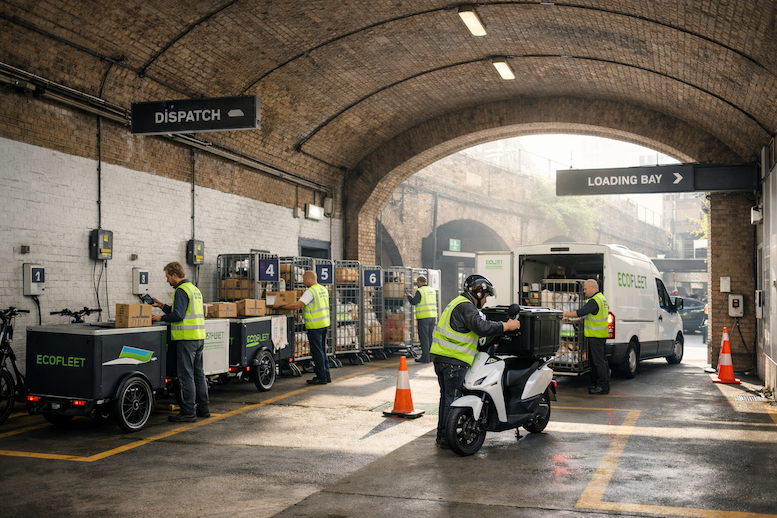
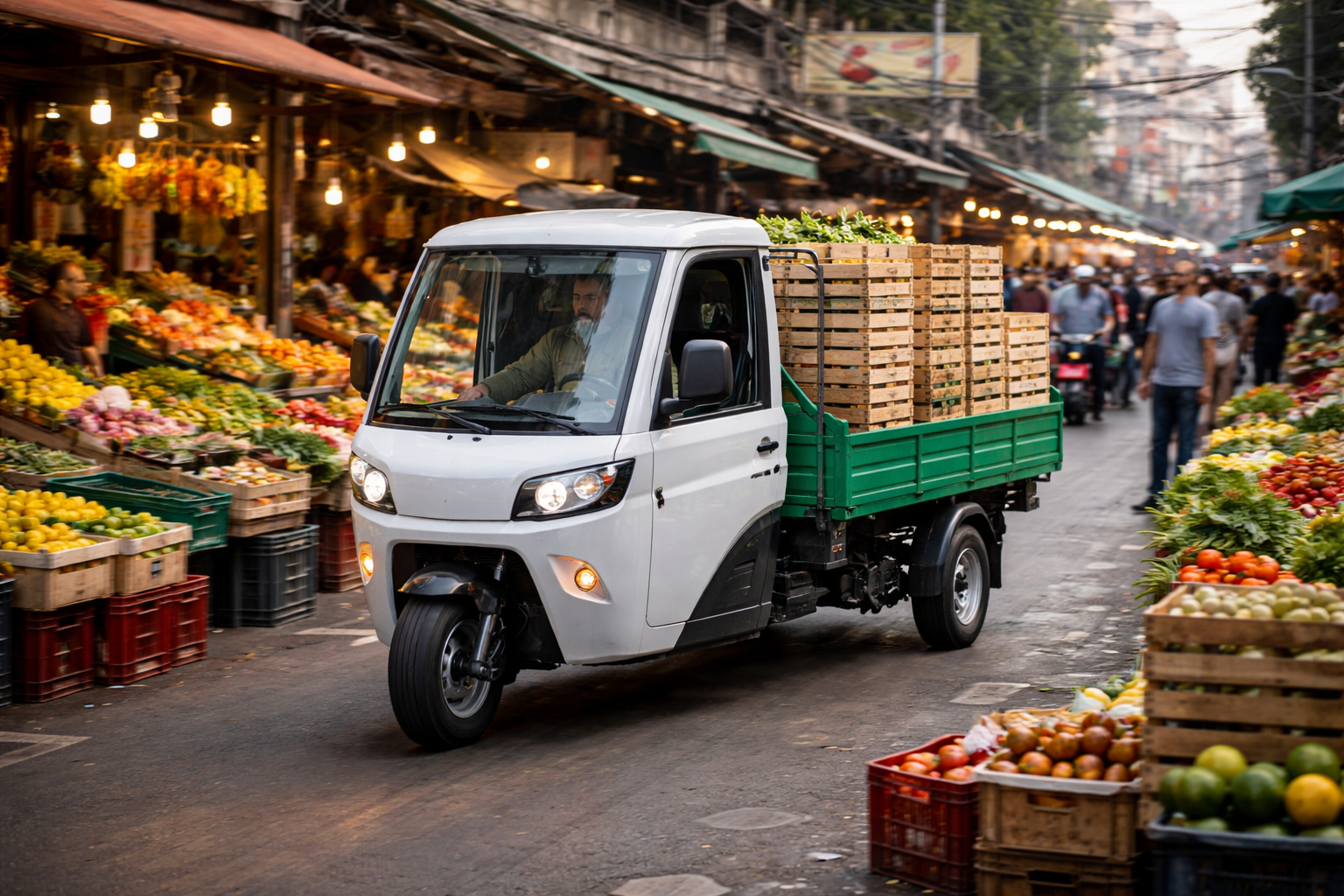
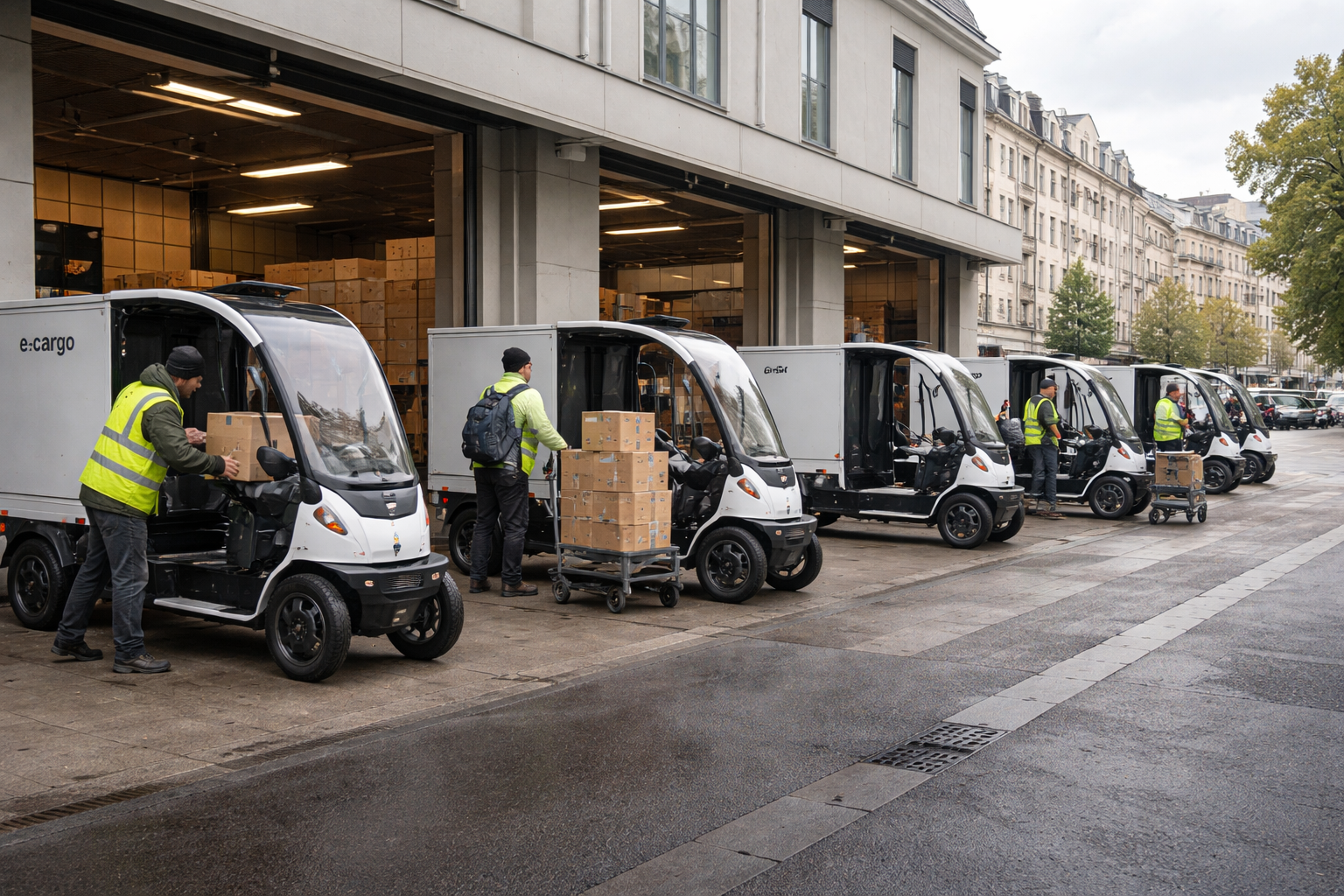
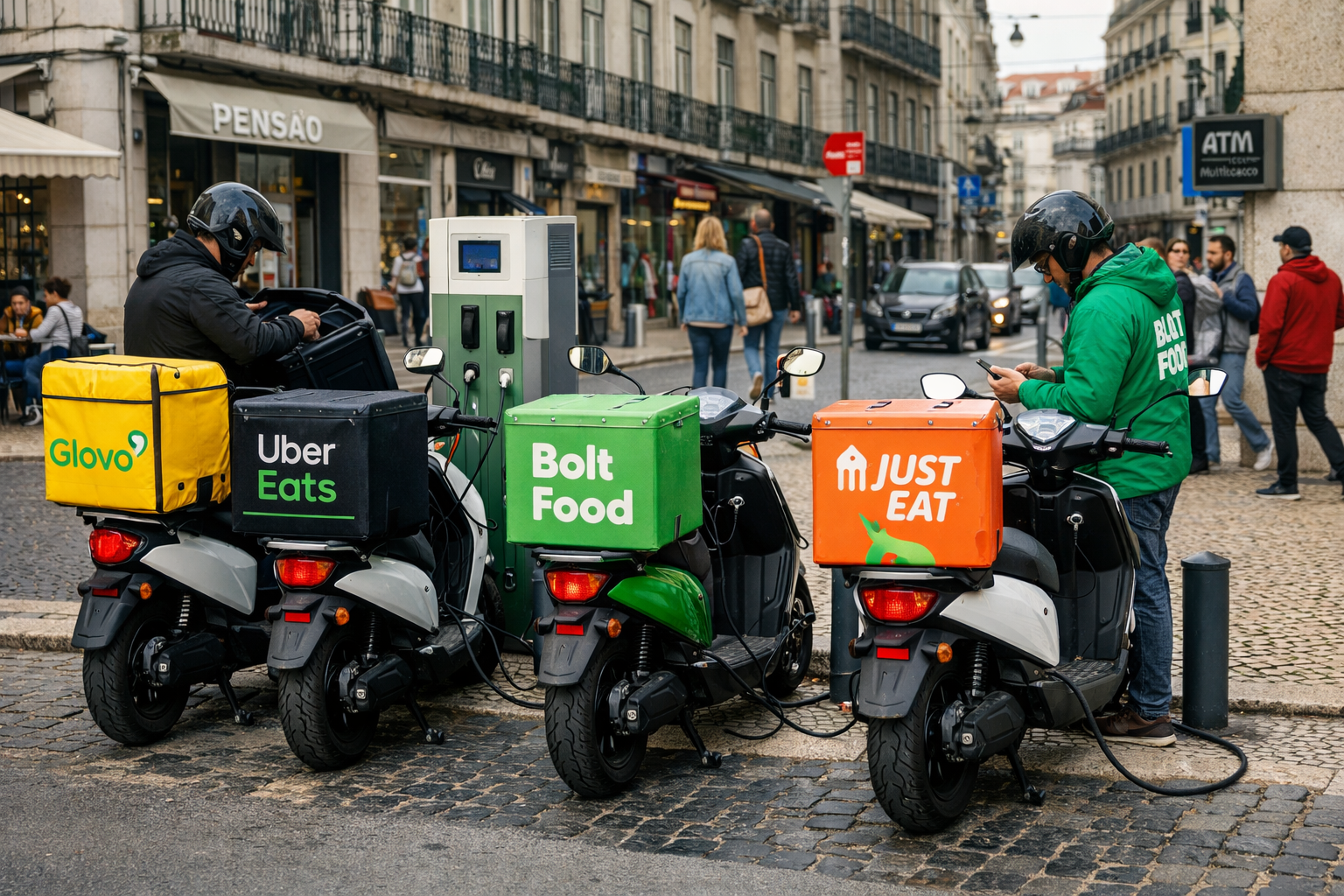
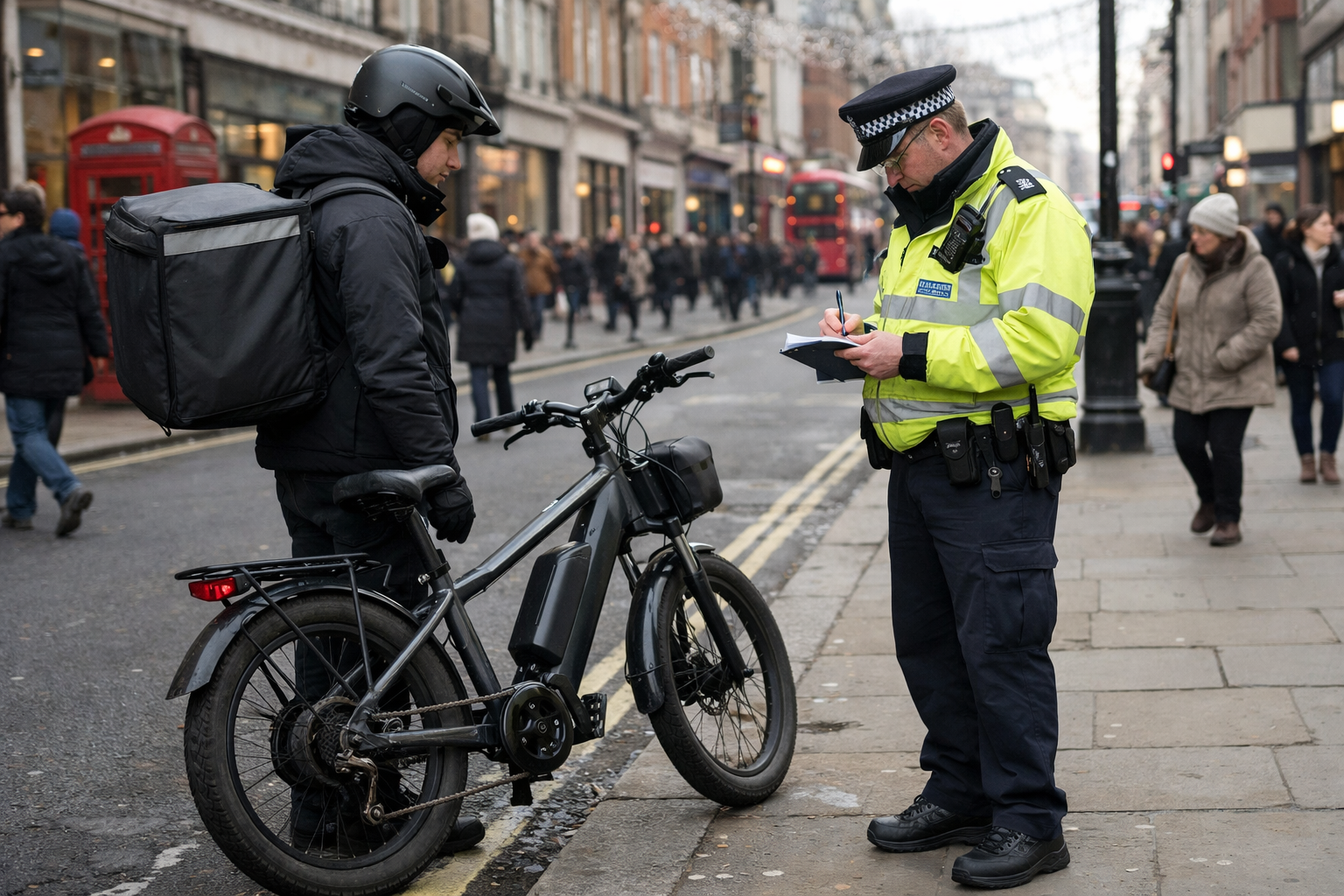
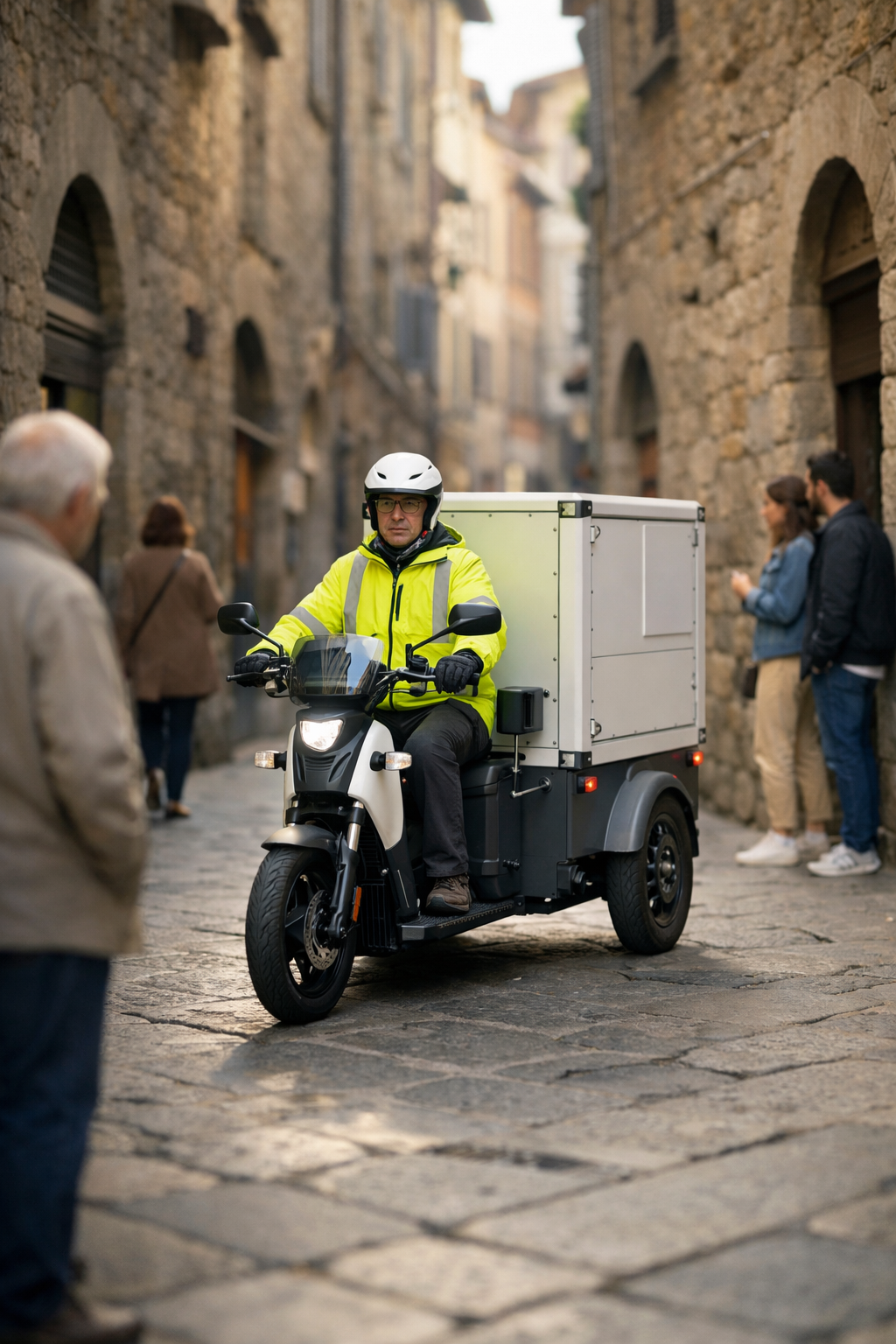
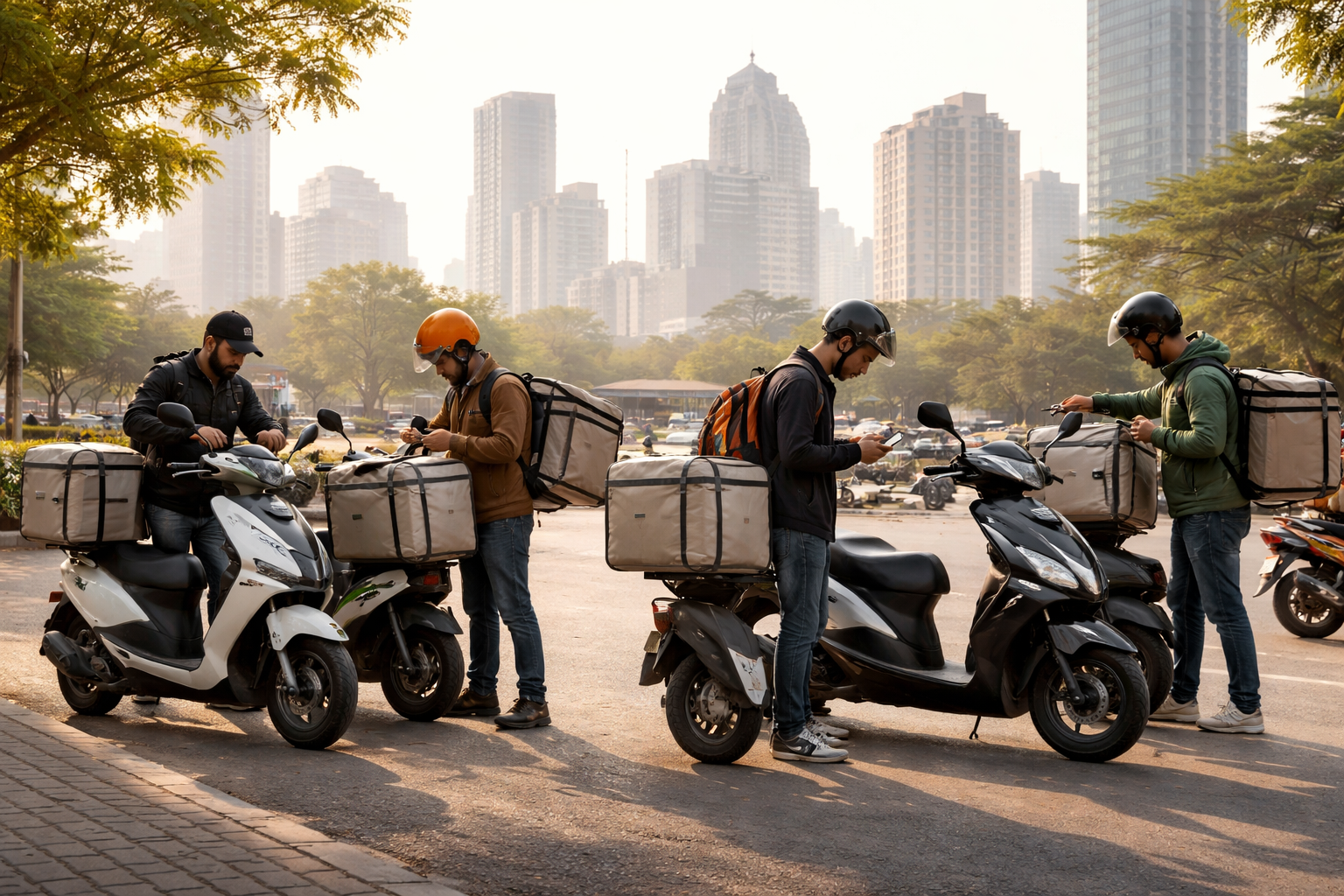
The coalition focuses on zero‑emission two‑ and three‑wheelers, vehicles that are already common in many urban food and package delivery operations. Unlike traditional petrol scooters or vans, electric bikes and mopeds cut both air pollutants and noise — key factors for cities aiming to improve quality of life in dense areas.
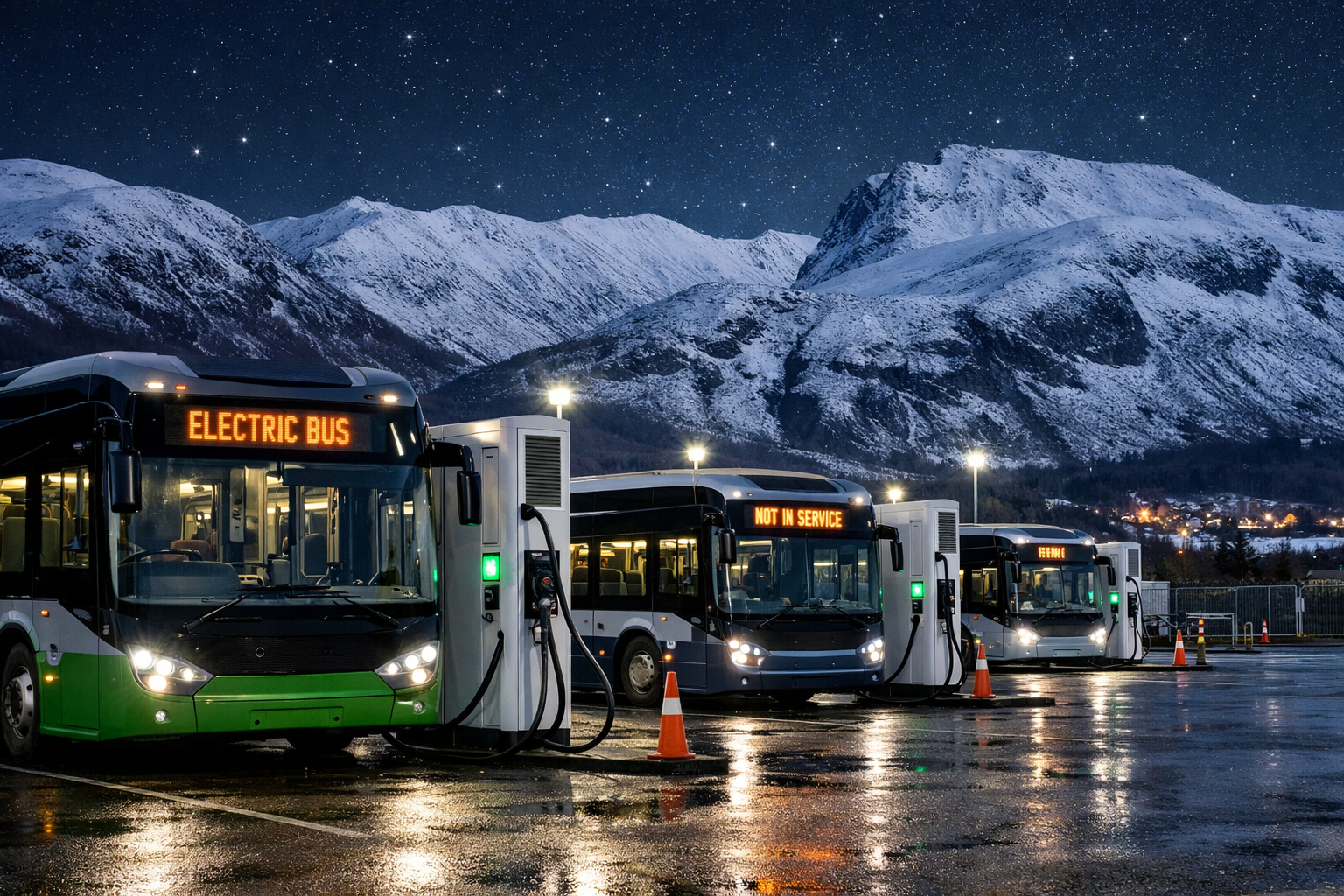
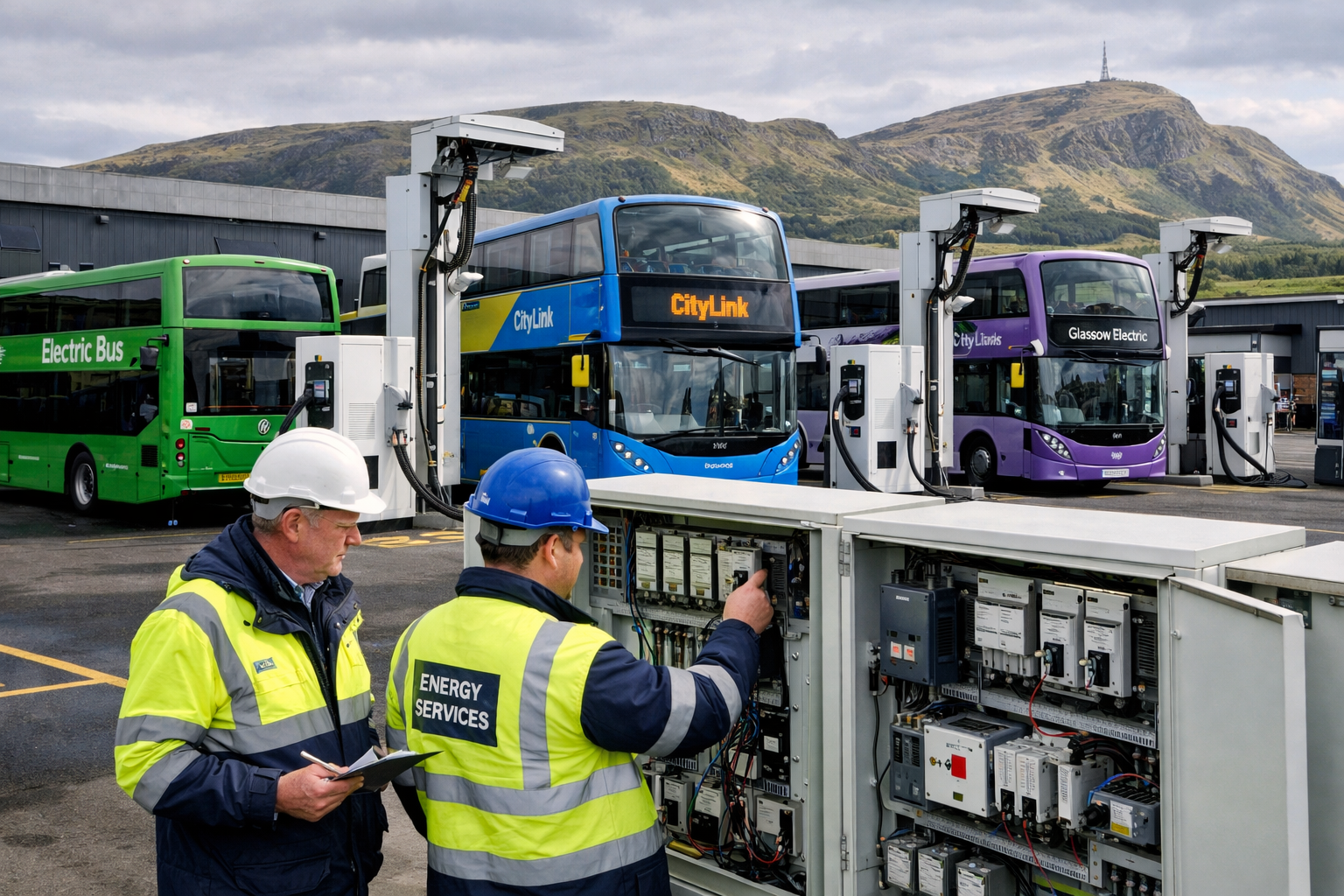
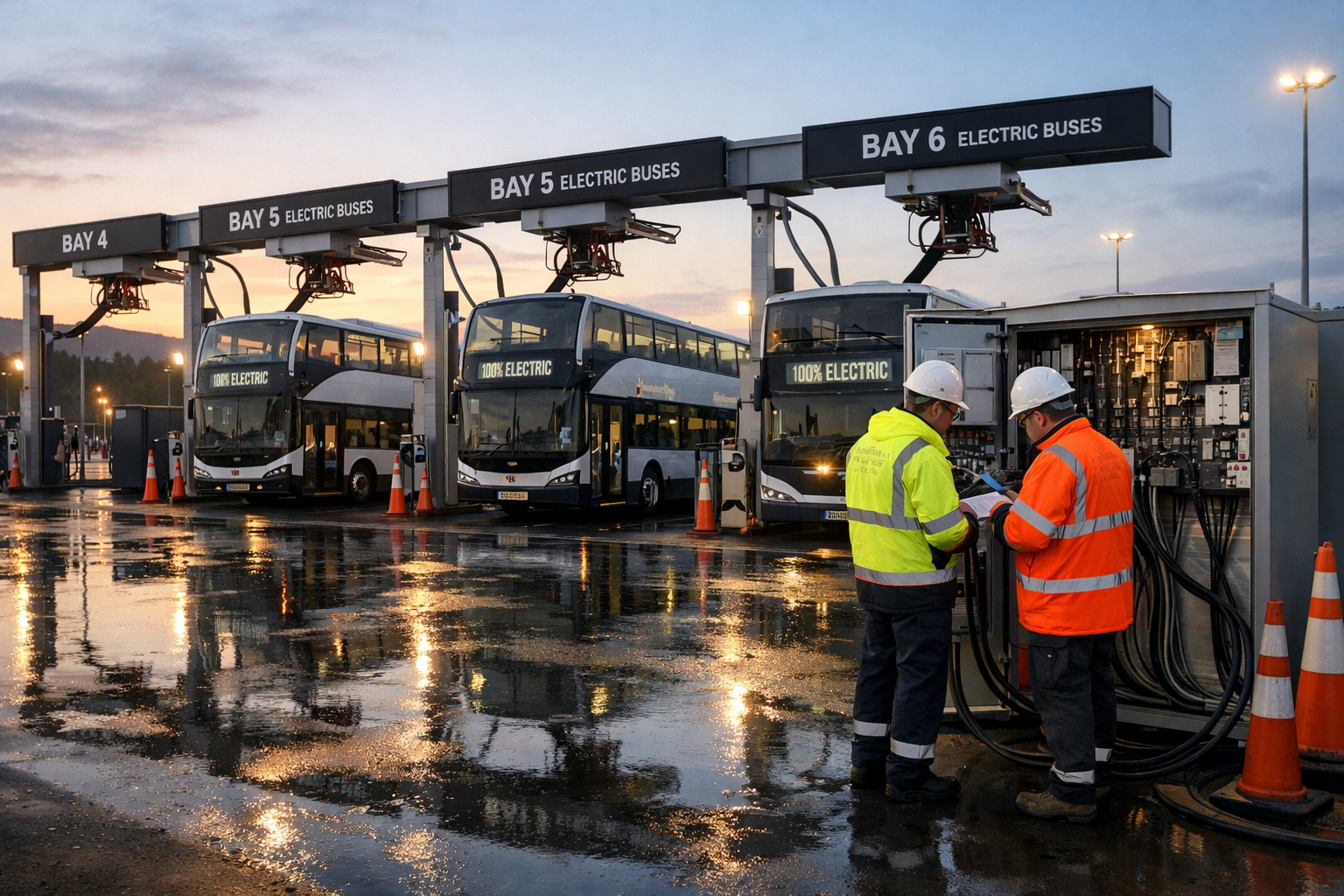
One of the biggest barriers to adoption has simply been access. Couriers and small fleet operators may struggle to source electric vehicles, find charging infrastructure, or get affordable financing. By pooling knowledge among platforms and working with researchers and city leaders, Deliver‑E hopes to tackle these pain points more effectively than any single company can on its own.
The Deliver‑E Coalition also plans to establish shared metrics and track progress. That matters because it gives cities and fleet managers data they can use when planning infrastructure upgrades or incentives. For example, knowing how many electric vehicles are operating on a route, or where charging bottlenecks occur, could guide public investment priorities.
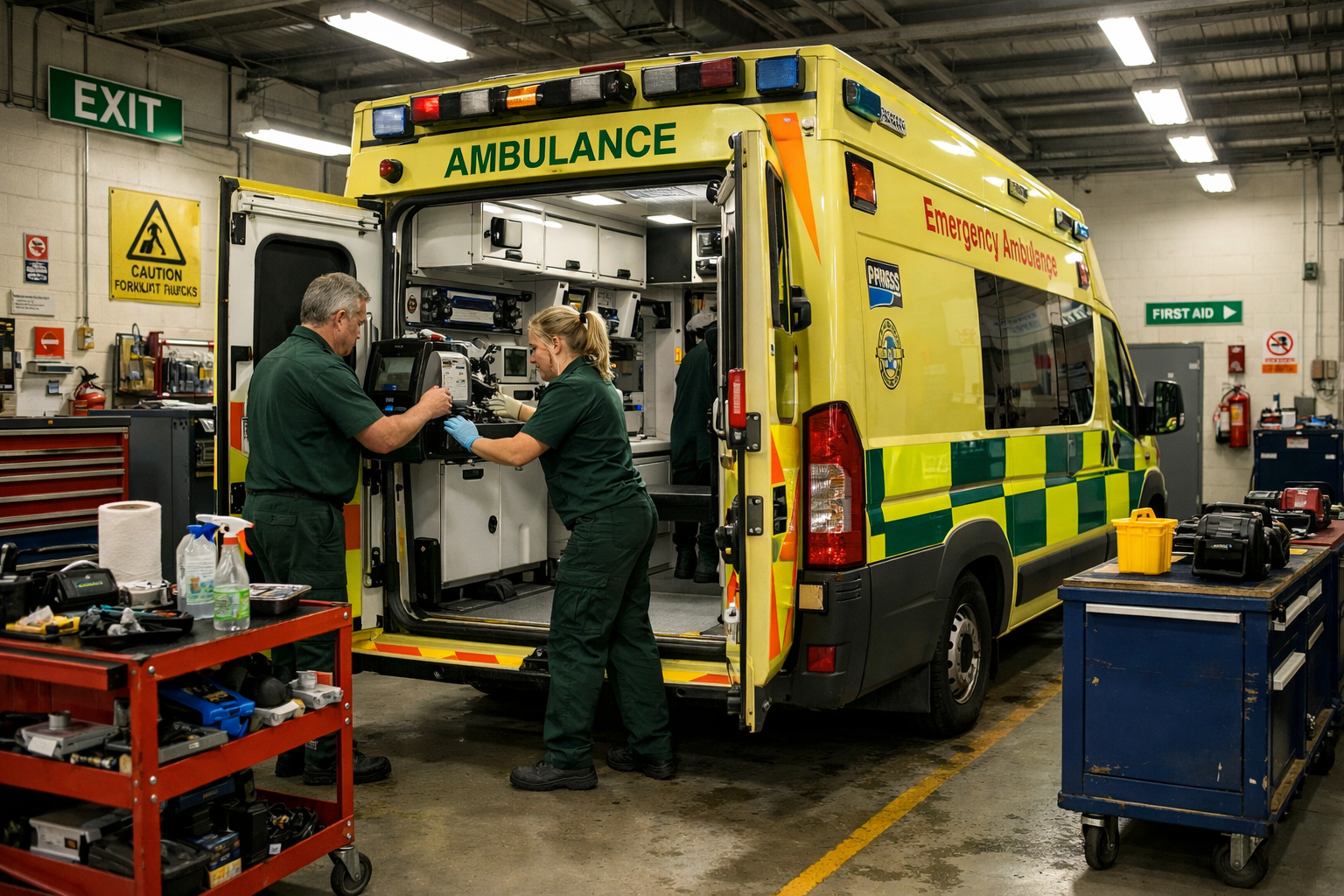
Another priority is safety and rider support. Electric two‑ and three‑wheelers behave differently than petrol‑powered bikes. Rider training, vehicle standards, and maintenance systems all play into long‑term success. The coalition’s workstreams include sharing best practices in these areas to help platforms avoid costly mistakes and improve courier experience.
If this alliance can reduce real‑world barriers, the result could be a faster transition away from fossil fuel transport in cities. That doesn’t just cut emissions. It makes streets quieter and reduces reliance on larger vehicles that take up space and add congestion.
For logistics providers, the Deliver‑E Coalition represents an opportunity. Instead of navigating electrification alone, they can draw on shared tools, data and frameworks that accelerate progress. Cities that embrace this coordinated approach stand to benefit from cleaner air and smoother delivery operations in neighbourhoods where daily life and commerce intersect.
Need to fund your growth?
Contact Us.
You might also like