Smart cargo bikes are becoming the new “street infrastructure"
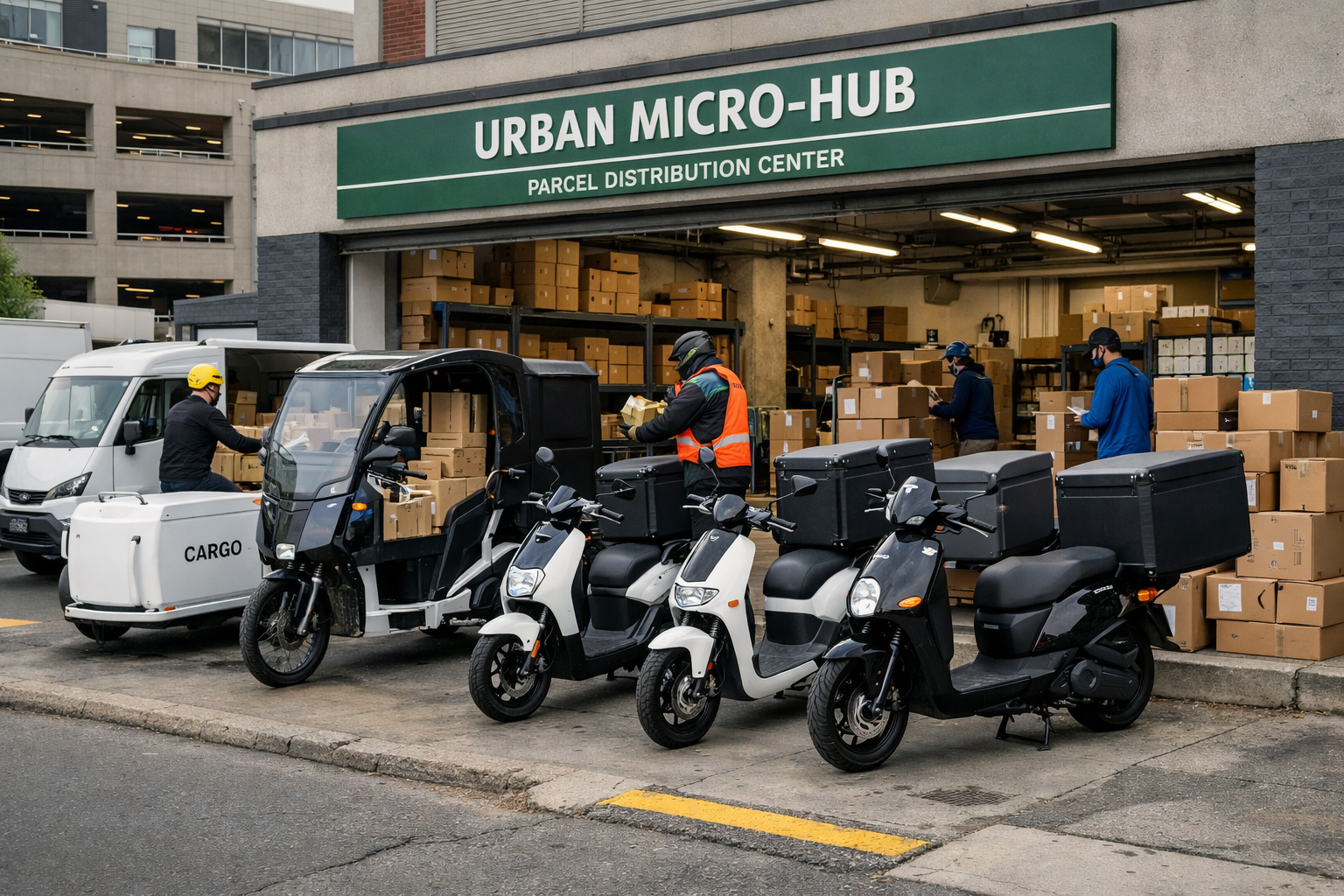
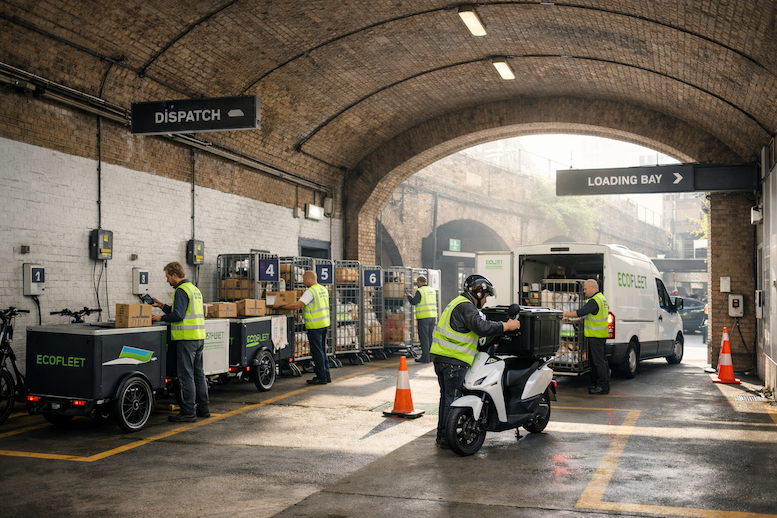
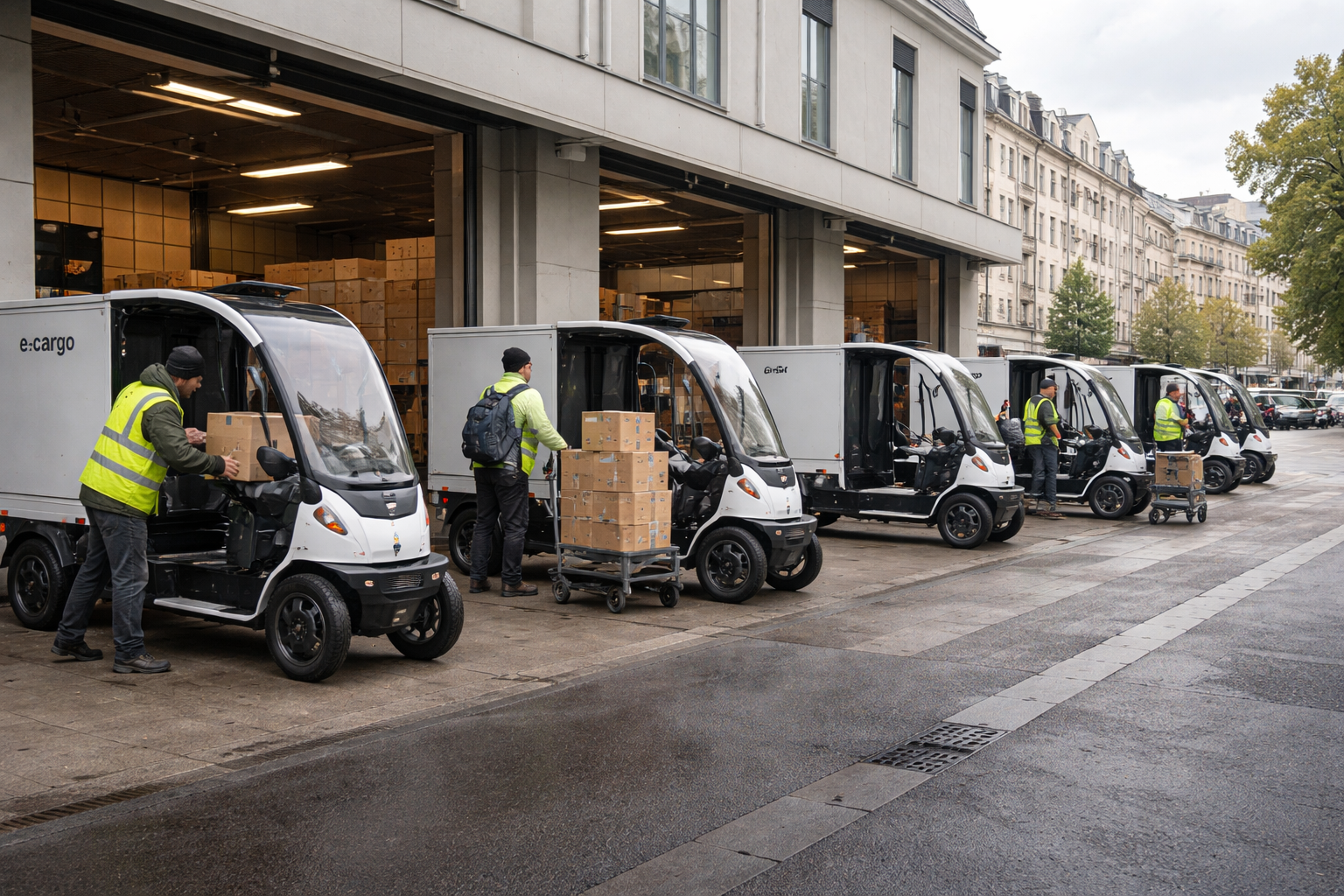
Electric cargo bikes are no longer just a greener way to deliver parcels. They are starting to look like a new type of street infrastructure: small, quiet, and increasingly packed with sensors.
Poste Italiane’s latest trial is a good example. The organisation is testing three‑wheeled electric cargo e-bikes designed for historic city centres, where traffic rules often limit vans and reduce road space. The basics are practical: more stability than a standard bike, a larger cargo compartment, and a load rating aimed at real delivery work. The speed cap of 25 km/h also matters, because it keeps the vehicle inside familiar e‑bike rules and reduces conflict in dense areas.
But the more interesting part is what sits on top of the vehicle. These bikes add obstacle detection, tyre condition monitoring, and rider support features that can improve driving style and reduce accidents. They also include environmental sensing — measuring things like air quality, temperature, and humidity.
That combination changes the conversation for last‑mile delivery.
Most urban freight debates still get stuck on a simple trade: “vans vs bikes.” In reality, the bigger question is whether cities can trust delivery activity at street level. Trust is built through predictable behaviour: fewer near misses, fewer blocked crossings, fewer complaints from residents, and clear proof that operators are staying within the rules.
A cargo bike that can help prevent incidents is valuable. A cargo bike that can also provide usable data is even more valuable.
For delivery operators, this is where competitive advantage may shift. Fleet choices used to be about cost per drop and range. Now, in busy city centres, the winning fleet is often the one that can show it is safe, compliant, and considerate. That can mean better relationships with councils, smoother access to restricted zones, and fewer operational surprises.
For cities, smart cargo bikes can help answer practical questions:
- Where do riders regularly face obstacles?
- Which streets generate the most conflict?
- Which routes are safe at different times of day?
Even if the data is imperfect, it can support better street design and smarter loading policies.
The risk, of course, is that data becomes another burden. If the cost of “smart and compliant” sits entirely on riders or small operators, adoption will stall. The better path is shared value: operators get safer work and fewer incidents, while cities get quieter streets and better evidence for policy.
What are we learning here?: cargo bikes are evolving. They’re not only replacing vans. They’re becoming part of how city centres manage delivery itself.
We have experience in arranging finance for cargo bike fleets. Contact us for a chat.
You might also like