ScotZEB3 subsidy caps are lower. Here’s what that really means for operators and funders.
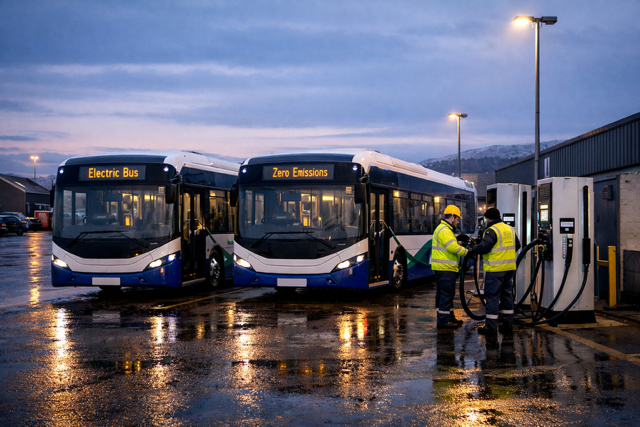
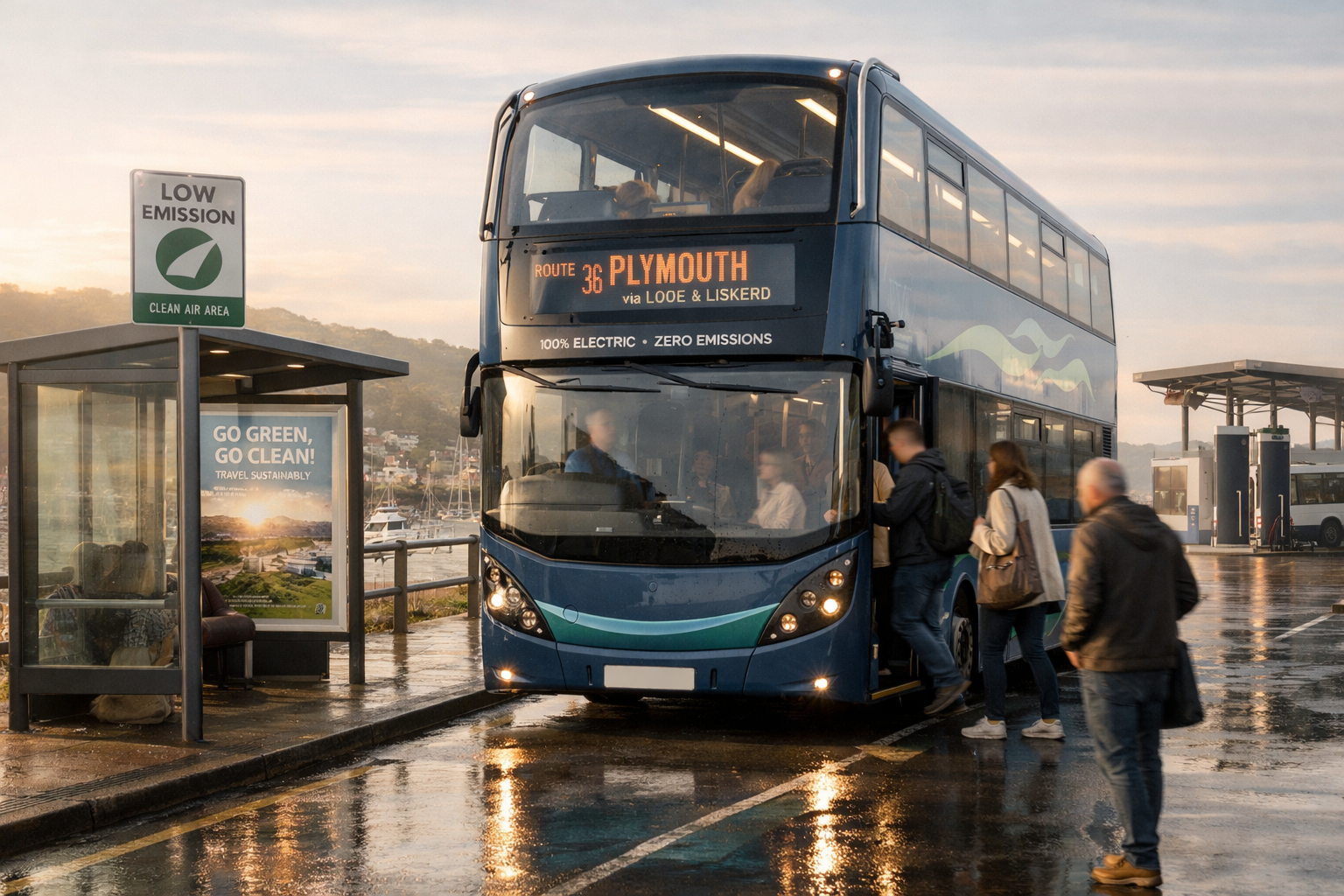
ScotZEB3 (Scottish Zero Emission Bus Challenge Fund Phase 3) is open, but the tone of this round is changing. A recent industry report highlights that per-vehicle subsidy thresholds have broadly been reduced compared with the prior phase, with Transport Scotland describing this as a reflection of a more mature zero-emission bus market.
Why the subsidy cap matters
A lower maximum grant per bus changes the shape of a project. It pushes more cost and risk into the operator and their delivery partners. That is not necessarily bad. It can bring sharper planning and better value. But it does mean that “good intentions” will not survive contact with grid connections, depot civil's, and delivery timelines.
Transport Scotland’s argument is straightforward: if the sector can deliver zero-emission buses at scale and attract private investment, then public subsidy should go further across more vehicles and more operators.
What it signals for ScotZEB3 bids
If you are preparing a ScotZEB3 application, treat the funding cap as a forcing function. It rewards bids that are deliverable, not just desirable. In practical terms, that usually means:
- Depot-first planning: confirm power availability, connection timelines, and the physical layout before you lock vehicle numbers.
- Phasing: a staged rollout (vehicles and chargers) is often more credible than a single “big bang”.
- Cashflow realism: supplier payment terms, build milestones, and drawdown timings need to match how the project will actually be paid for.
- Operating proof: the bid should show how duty cycles, range, and charging windows work on real routes, not on idealised assumptions.
Single-operator bids: a quiet but important change
One point worth noting from the coverage is that ScotZEB3 allows bids from single operators, not only consortiums. That could lower friction for smaller or more agile operators who want to move quickly. It also increases the need for strong delivery partners, because you may be carrying more of the project management and integration risk yourself.
The wider context: infrastructure is now the constraint
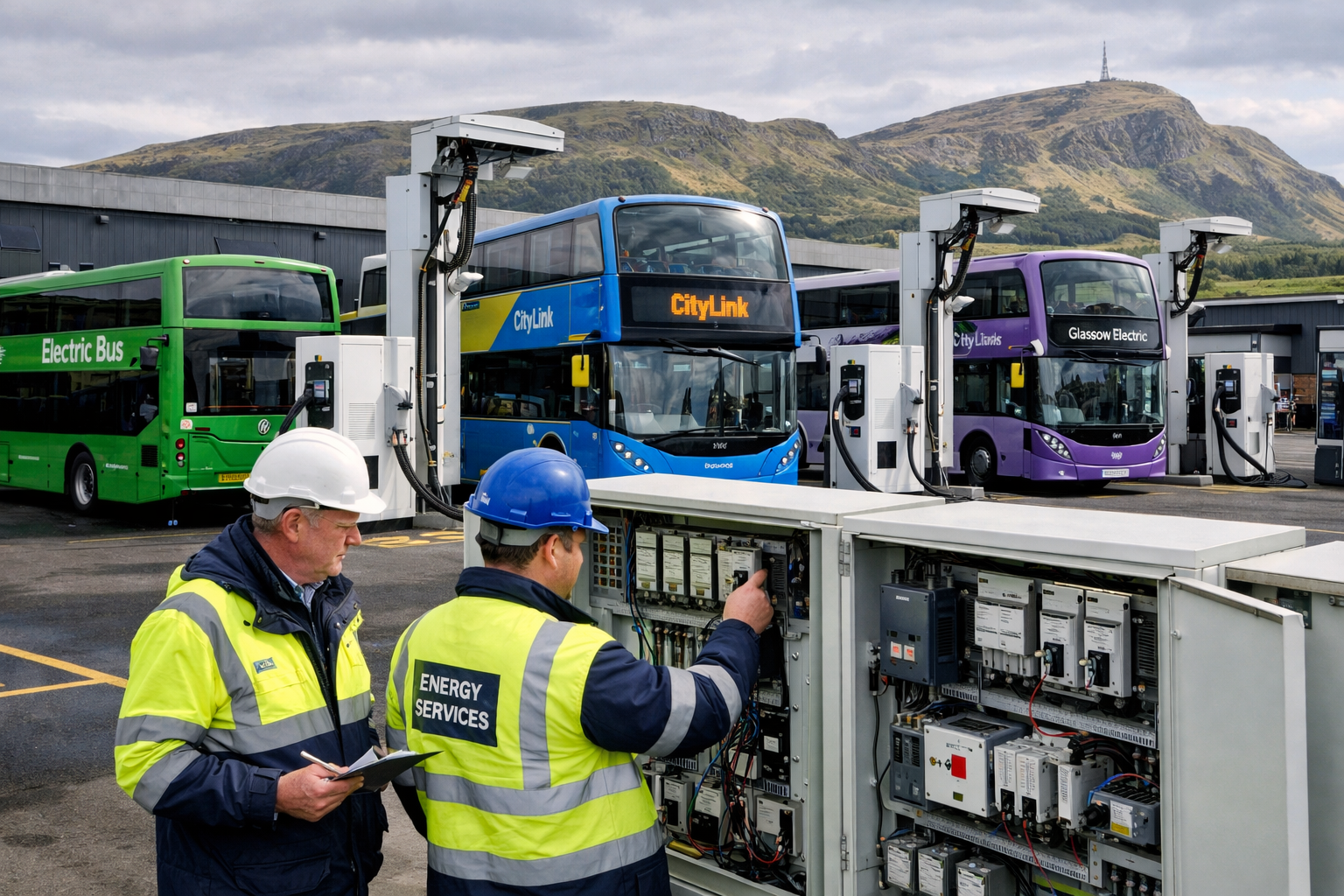
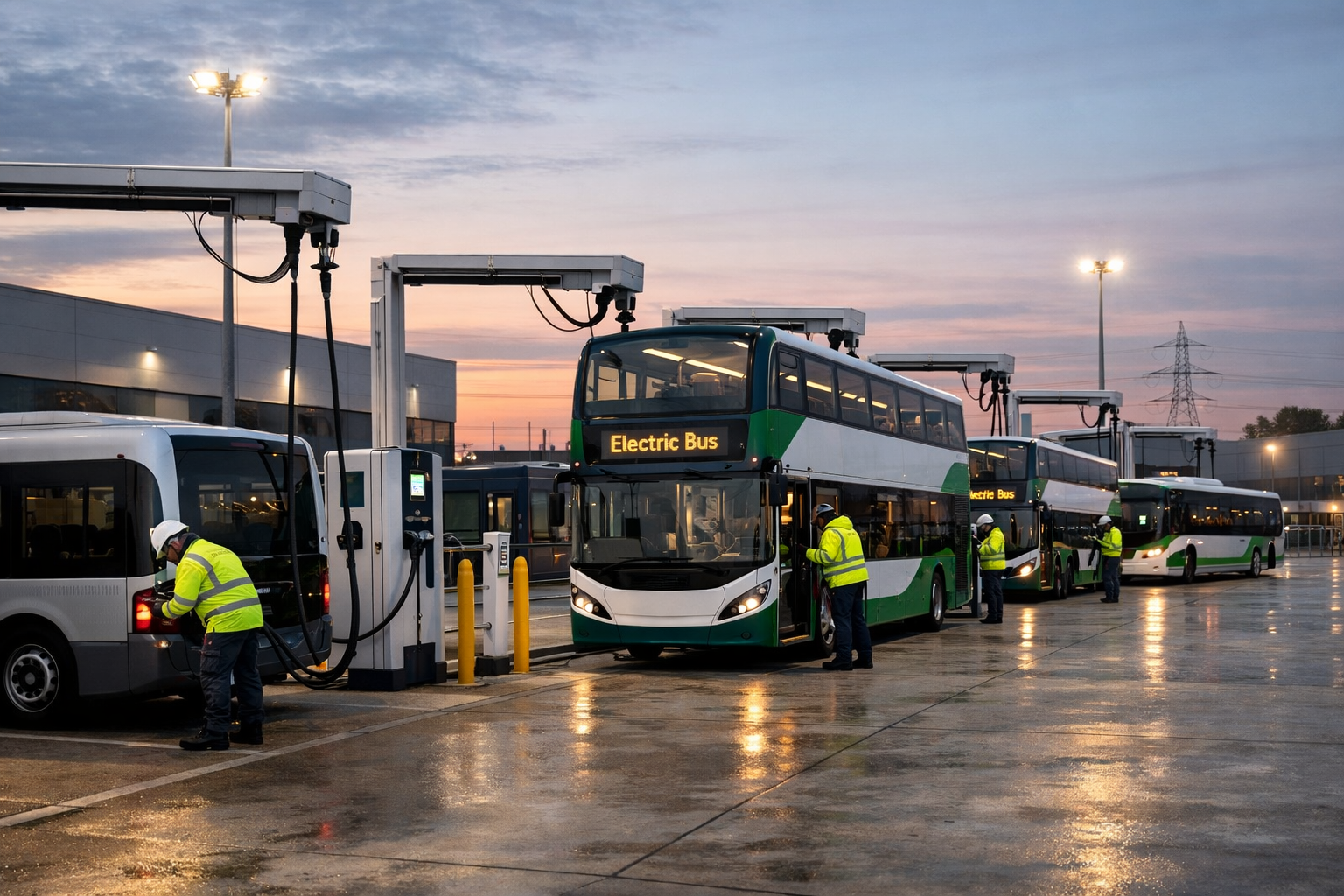
The hardest part of decarbonising bus fleets is often not the bus. It’s the depot and the grid.
That’s why Transport Scotland confirming £85m for EV charging infrastructure is relevant even when it is not labelled as bus funding. It points to political and budget backing for the infrastructure side of electrification, which can strengthen the delivery case for depot projects that are ready to proceed.
What to do next
If you want to be competitive in ScotZEB3, focus on deliverability and value for money. A strong bid is usually the one that has already done the boring work: site surveys, power discussions, a practical timeline, and a finance structure that can cope with delays.
The message in the lower subsidy caps is not “stop applying”. It’s “plan better”.
Want a chat?
Contact Us
You might also like