UK begins HGV CO₂ framework consultation and what it means for freight decarbonisation
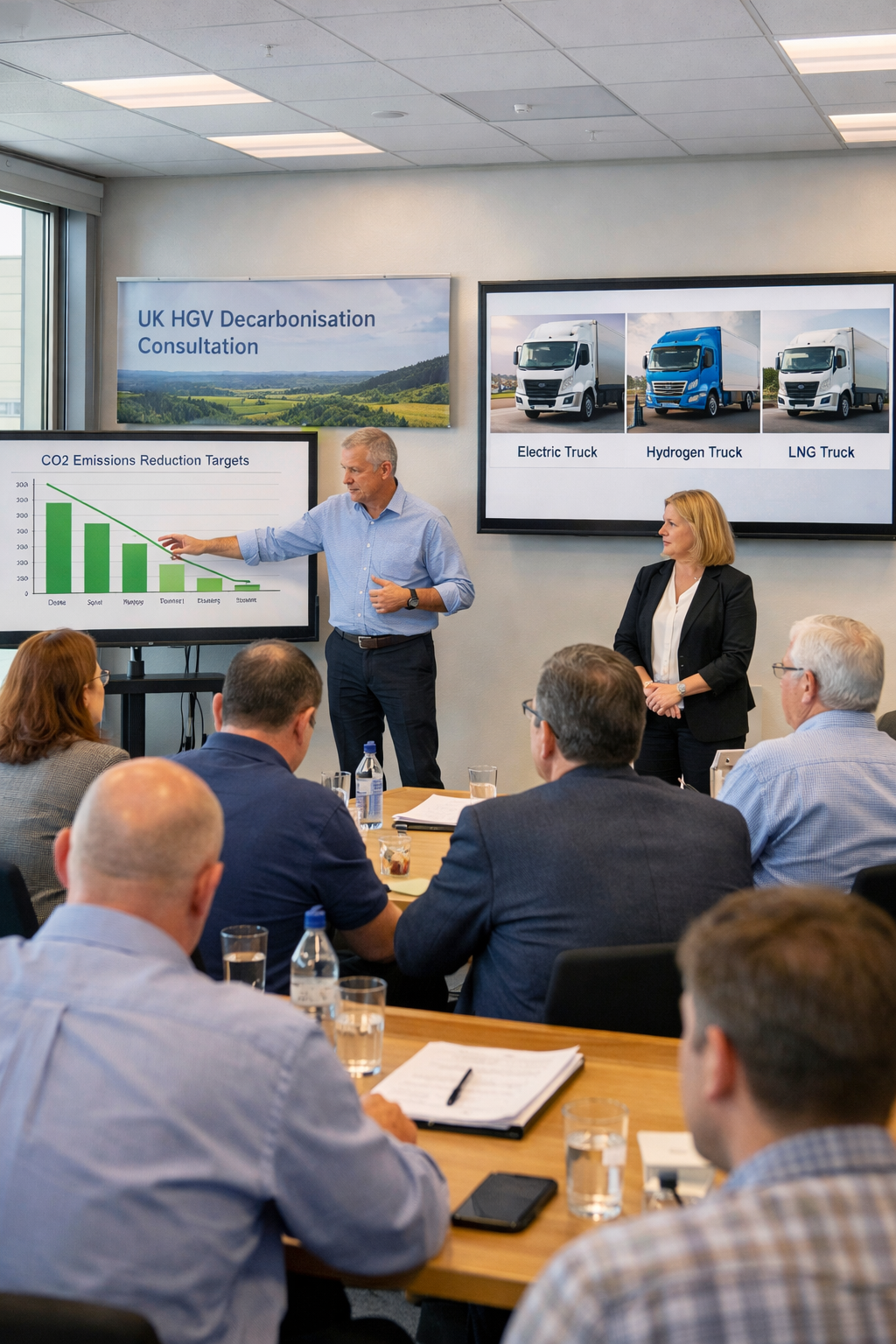
At the start of 2026 the UK Department for Transport opened a consultation to shape a future regulatory framework for heavy goods vehicle (HGV) CO₂ emissions. The timing could hardly be more relevant. Fleets are already considering zero‑emission vehicle purchases, alternative fuels are gaining traction, and commercial operators are wrestling with how best to plan investments into vehicles and infrastructure.
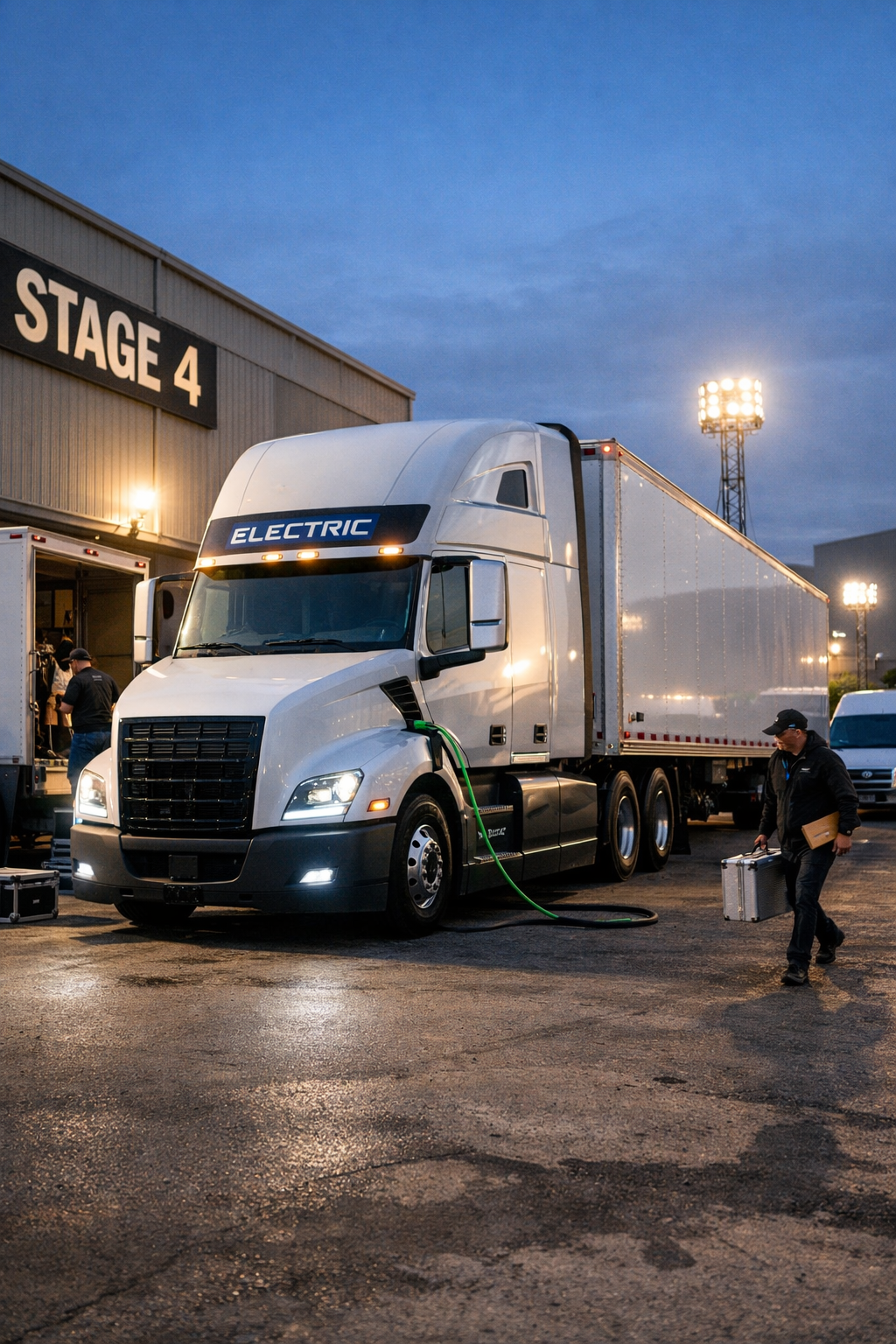
The consultation is part of a broader push to phase out the sale of new non‑zero emission HGVs. The intention is to have zero‑emission vehicles dominate new purchases up to 26 tonnes by 2035, and all new HGVs by 2040. The technical detail is open to industry input, with questions on trajectories, eligibility criteria and the design of compliance mechanisms.
For fleet managers, finance partners and brokers this matters because regulatory clarity affects the economics of buying and owning trucks. Without a clear direction of travel, it’s hard to tell when diesel trucks turn into stranded assets or when new technology trucks become residual value anchors.
What’s in the consultation
The consultation is structured around several core areas:
A review of the current HGV market and emissions performance.
Options for regulatory frameworks that would reduce CO₂ over time.
Definitions and criteria for what constitutes a zero‑emission HGV.
Consideration of how to group vehicles and set compliance obligations or penalties.
Because the UK’s zero‑emission heavy goods vehicle market is nascent, many manufacturers and operators see this as a chance to shape the rules rather than react. Early data shows that zero‑emission HGV penetration is growing from a low base, and that infrastructure readiness remains mixed. The consultation’s timing, closing on March 17th, gives fleet stakeholders a window to influence how the next decade unfolds.
Bio‑CNG infrastructure keeps pace
Parallel to regulatory discussions, infrastructure providers are building practical alternatives to electrification. ReFuels, via the CNG Fuels network, has begun construction of a Bio‑CNG refuelling station on the M4 corridor, capable of serving hundreds of trucks per day with 100 % renewable biomethane. Bio‑CNG can deliver emissions reductions of up to around 90 % relative to diesel and can be priced more predictably, reducing operating cost volatility for fleets.
The expansion of public access refuelling points strengthens the case for fleets that are weighing electrification against other low‑carbon pathways. For some operators, especially those running long distances where charging infrastructure remains patchy, renewable gas can be a bridge technology.
Moreover, ReFuels has signed a multi‑year fixed price supply deal with a major UK logistics operator. That kind of commercial arrangement gives fleets predictable fuel costs over time, which simplifies budgeting and helps underwriters assess fuel price risk when structuring finance.
Why this matters in practice
For fleet decision‑makers this is about owning and funding assets in a transition. Understanding when to replace diesel trucks with zero‑emission units is partly a question of technology readiness and total cost of ownership. But it’s also about regulatory certainty and infrastructure availability.
Regulation that clearly defines timelines lets operators fine‑tune their replacement cycles, reducing the risk of buying a truck with poor resale prospects. For brokers and lenders, that kind of clarity allows better pricing of credit and residual value expectations.
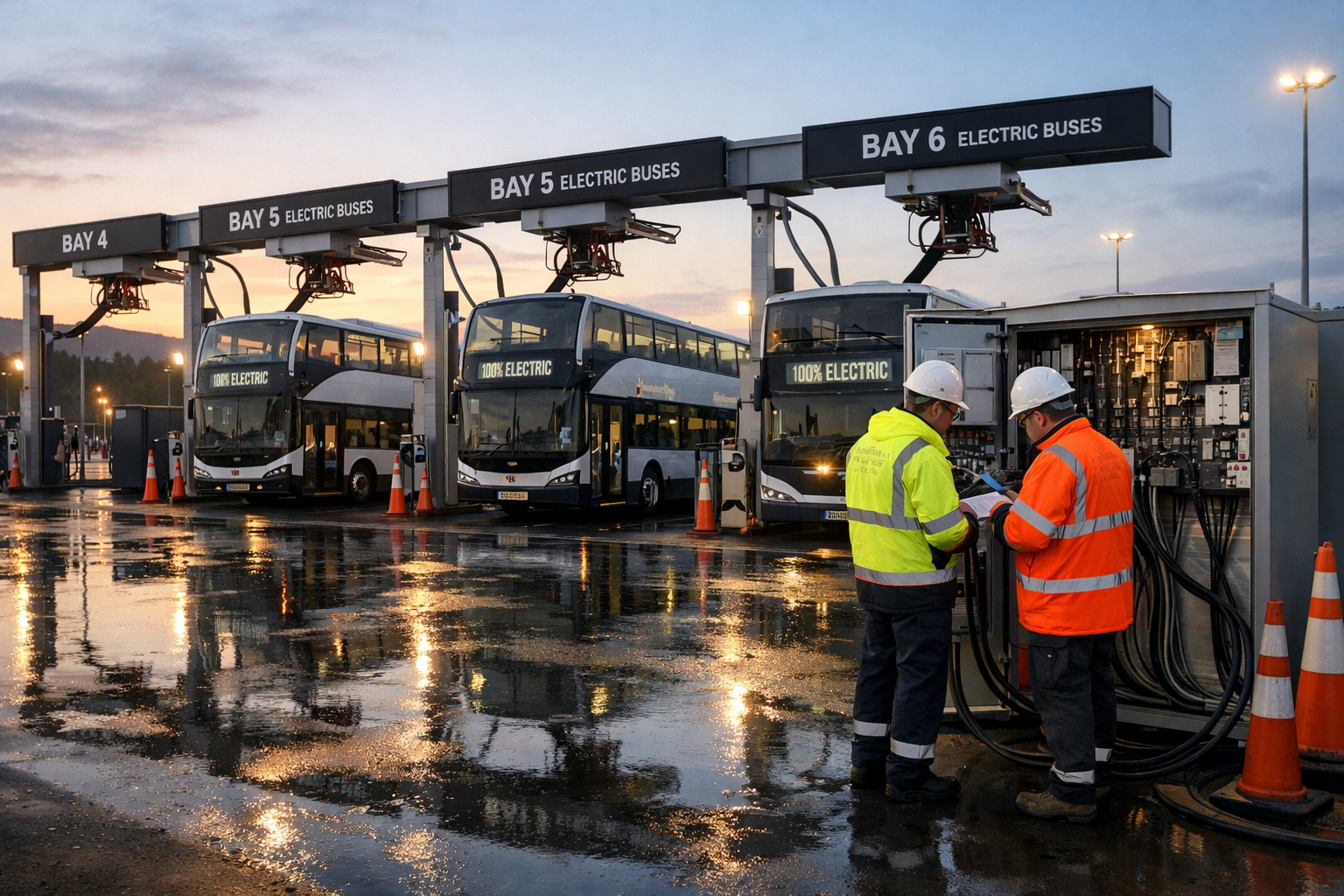
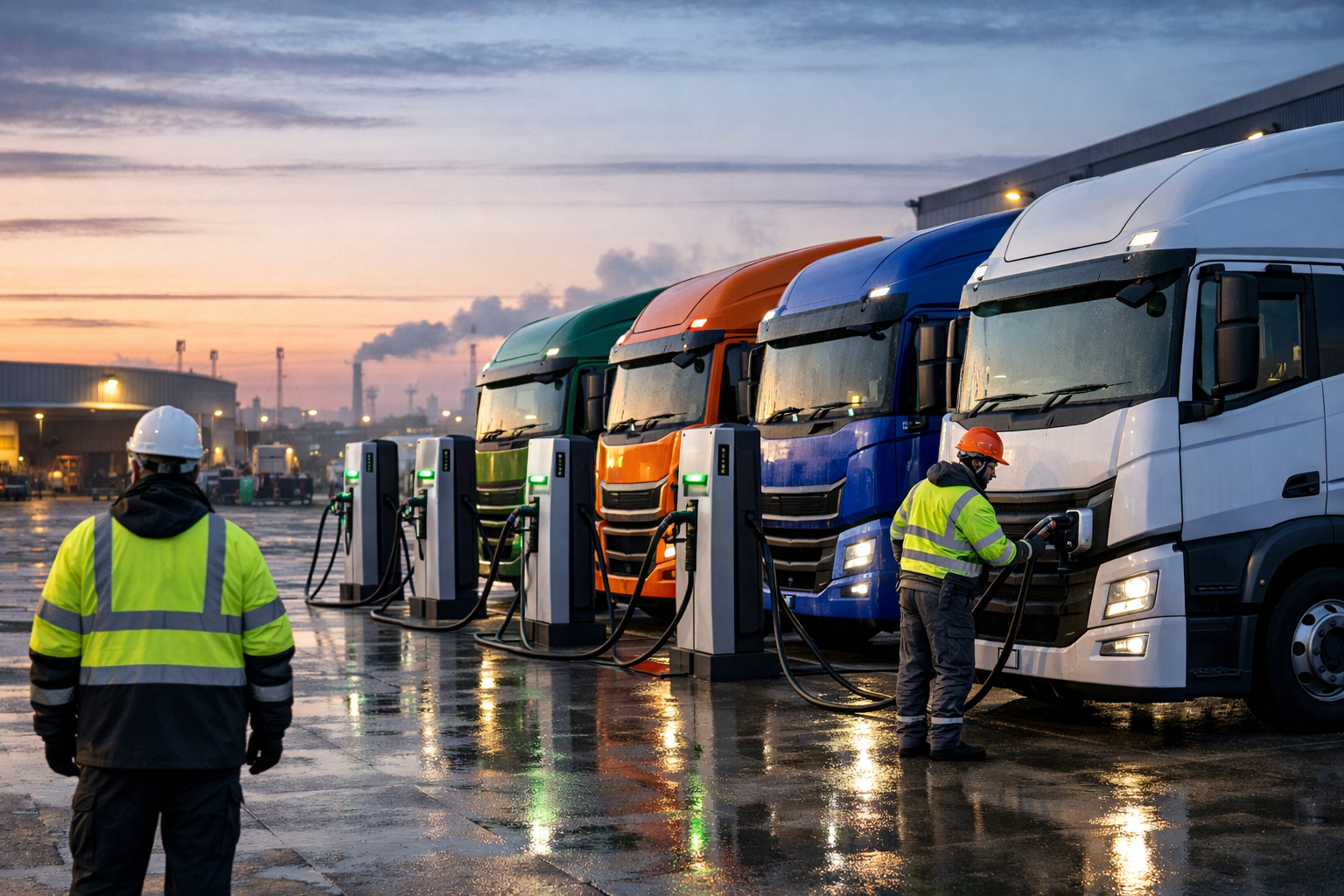
It also affects how you plan infrastructure investments. Electric charging deployment and Bio‑CNG or hydrogen refuelling points are capital intensive. Knowing where regulatory pressure will fall means you can advise clients on where and when to invest versus lease versus defer.
Takeaways for practitioners
If you’re involved in truck fleet finance or advising operators:
Read the consultation: It’s not academic. It will influence when and how zero‑emission vehicles become the norm.
Model multiple scenarios: With diesel phase‑out dates and infrastructure growth paths, businesses need to understand risk and return across asset lives.
Look at fuel alternatives: Bio‑CNG and other renewable fuels are gaining commercial traction alongside electrification.
Factor regulatory risk into deals: Timeline uncertainty directly impacts residual values and financing terms. Clearer policy helps reduce that risk.
Decarbonising road freight is not a single move from diesel to electric. It’s a sequence of policy, infrastructure and commercial shifts. The UK’s new HGV CO₂ emissions consultation is a key piece of that sequence and worth engaging with sooner rather than later.
You might also like