Hybrid hearses are on the rise: what the “100th order” milestone tells us about UK funeral fleets
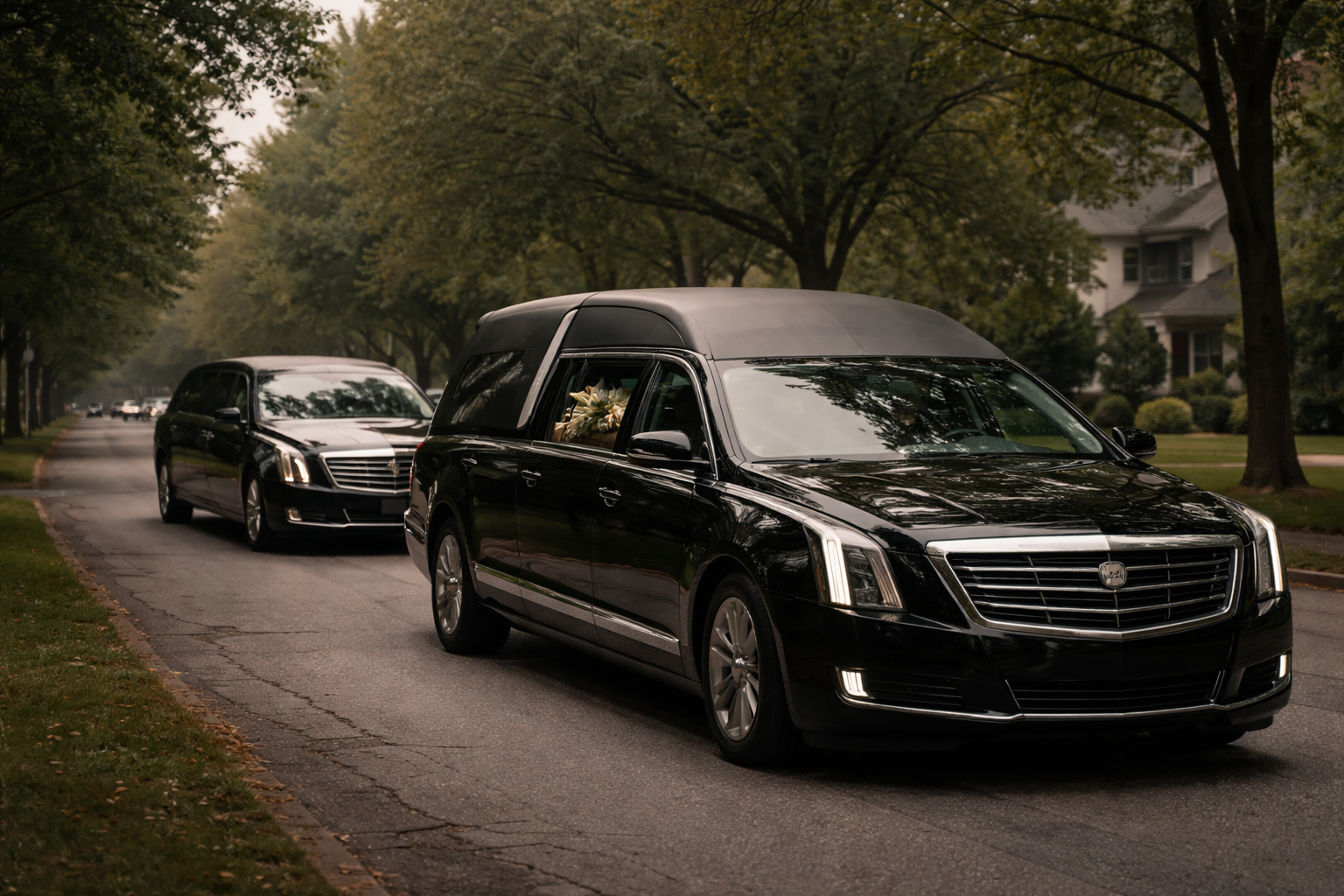
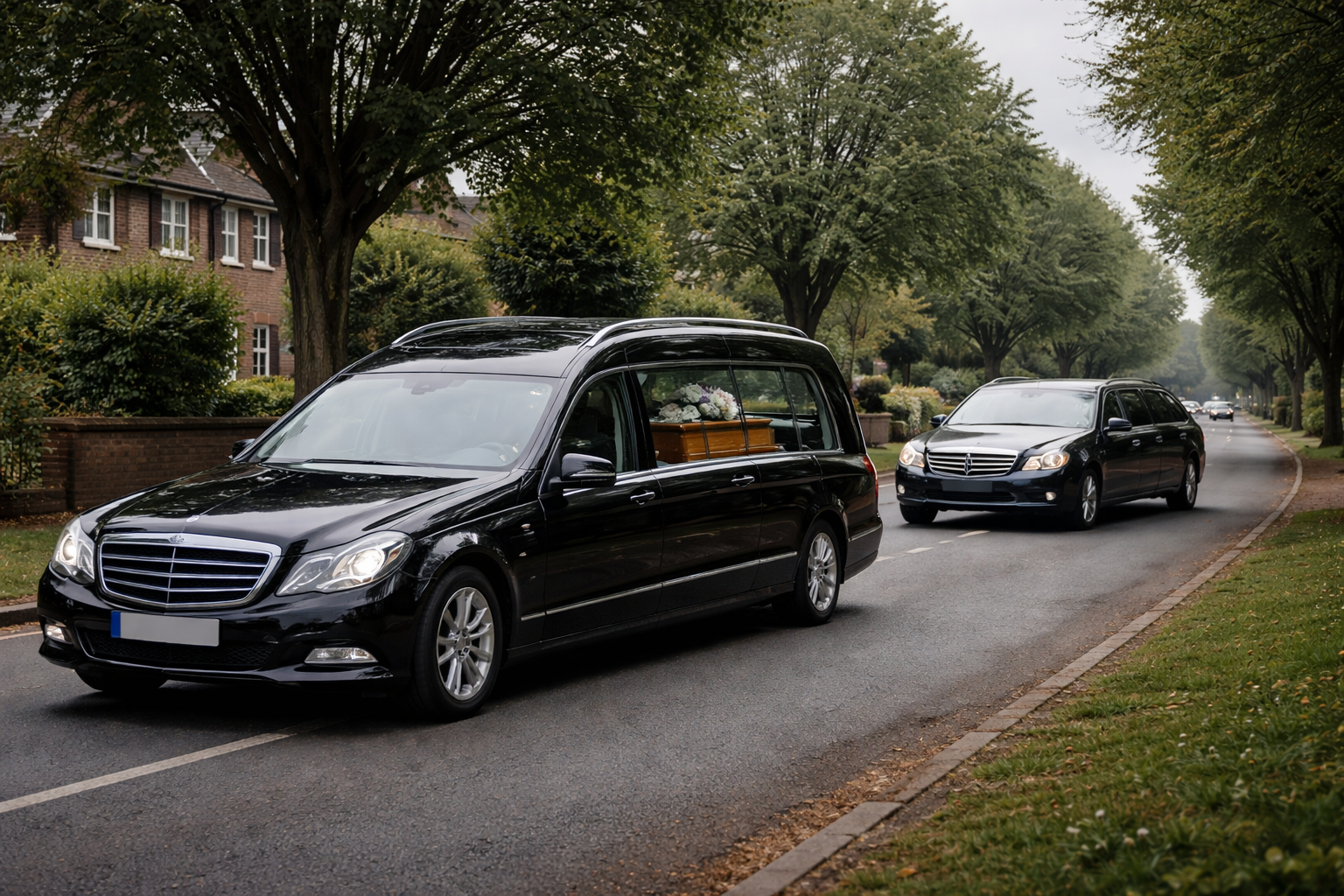
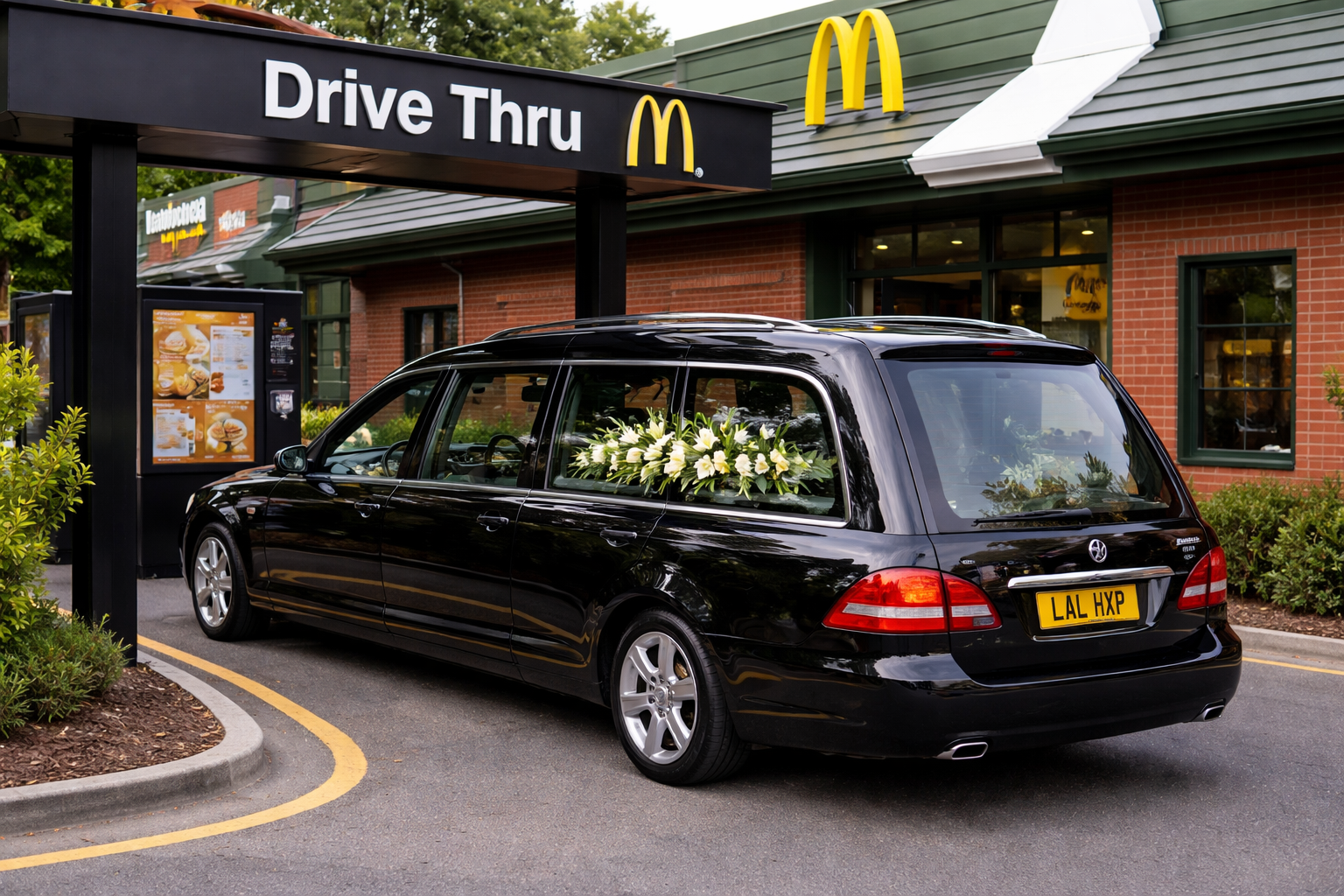
A recent milestone from Coleman Milne says a lot about where funeral transport is heading. The coachbuilder reports reaching its 100th order for vehicles built on the Mercedes “214” AMG Line platform, with delivery scheduled for January 2026.
On the surface, that’s just an order number. In practice, it’s a signal that more funeral businesses are treating fleet decisions like long-term operations planning, not occasional replacement purchases.
Why hybrid fits funeral transport so well
Funeral vehicles work differently to most fleets. Mileage can be modest, but the standards are unforgiving. The vehicle has to feel calm, be dependable, and present perfectly, every time.
Hybrid and plug-in hybrid drivetrains can suit that reality:
- Quiet, composed driving that matches the tone of a cortege
- Strong low-speed control for processional work
- Better “future-proofing” for clean air rules in urban areas, without forcing every operator to jump straight to full electric
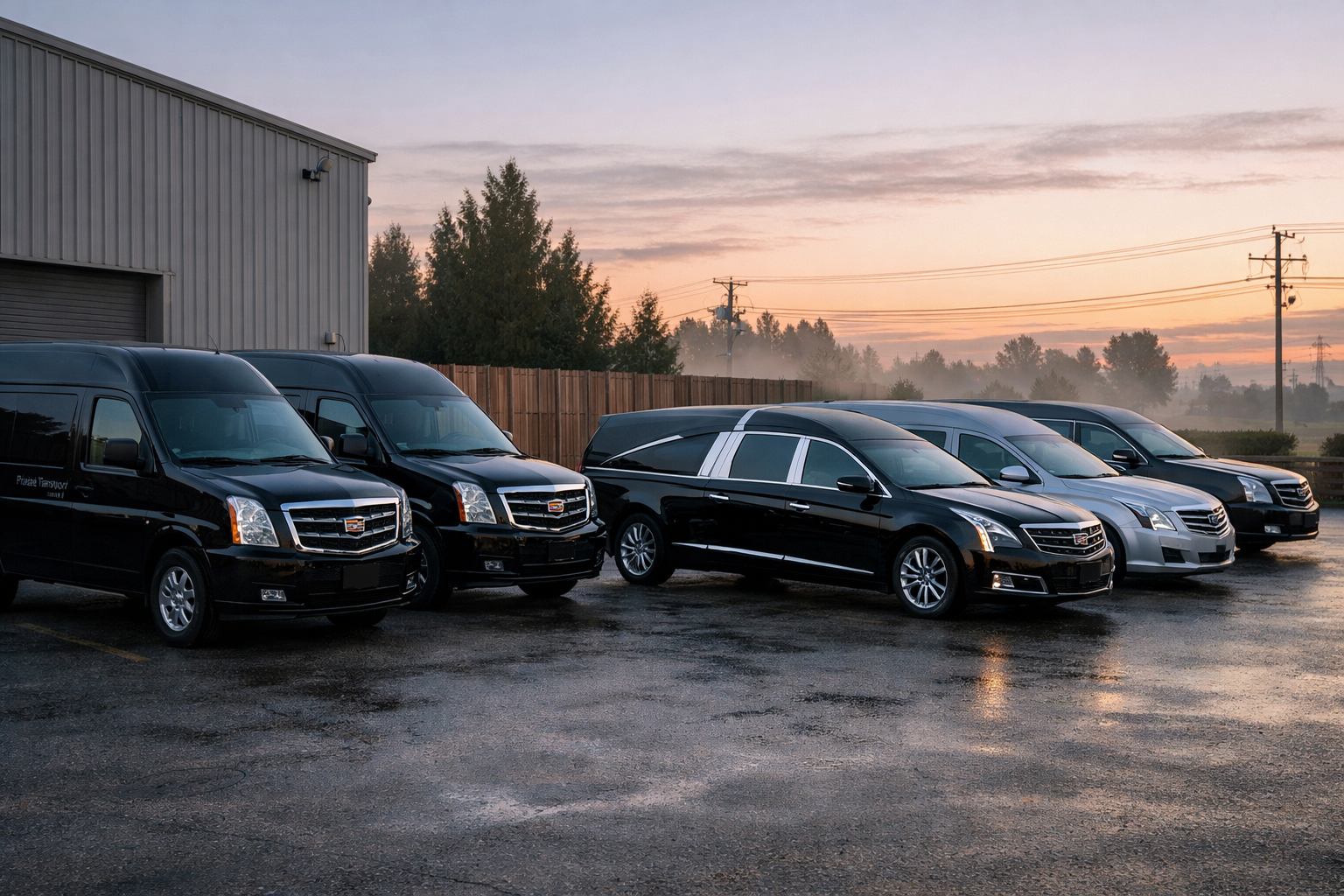
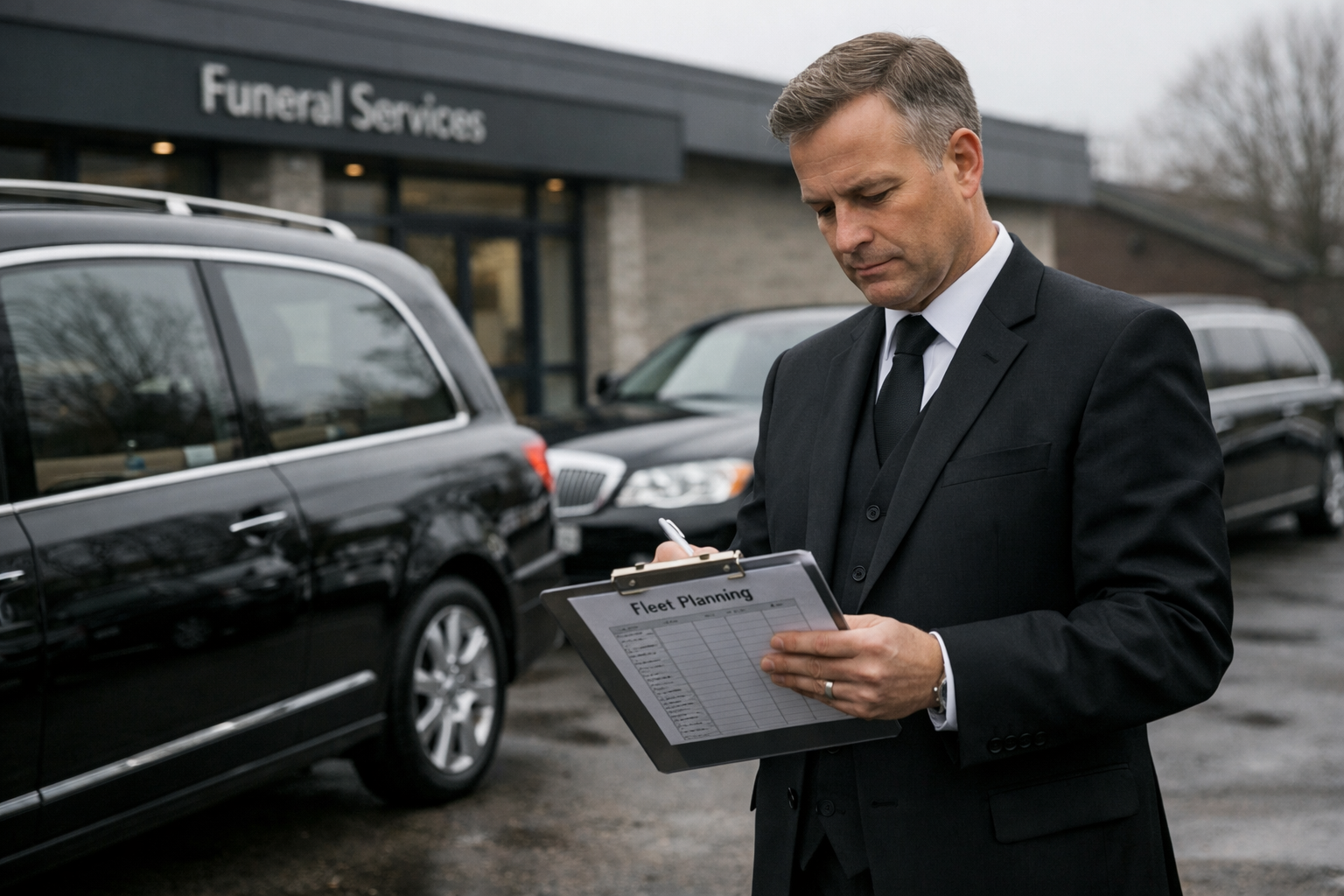
This is one reason we’re seeing more investment in matched sets (hearse plus limousines) and consistent vehicle presentation across a fleet. Coleman Milne has also highlighted funeral firms investing in multiple-unit 214 vehicle fleets, which reinforces the point that this is becoming planned, repeatable fleet strategy.
What this means for finance and replacement cycles
If you finance funeral fleets, hybrid growth changes the conversation in a few practical ways:
1) Replacement timing becomes more deliberate
Operators want to avoid getting caught with vehicles that are harder to use in city centres, or that feel dated to families comparing service levels.
2) Spec consistency matters more than ever
When vehicles are part of a matched ceremonial set, downtime is costly. That tends to push buyers toward newer platforms with known support and predictable maintenance paths.
3) Residual value thinking shifts
As demand moves away from traditional diesel, the market will price that change in. Hybrid may sit in a “sweet spot” for a while: familiar enough operationally, but more acceptable in increasingly low-emission city environments.
Where full electric sits in the picture
Full electric ceremonial vehicles are already a real part of the market. For example, Coleman Milne’s Etive range uses an all-electric Ford Mustang Mach-E base, showing that battery-electric can work in this niche.
But the 214 milestone suggests many operators still prefer a staged approach: hybrid now, then electrification as charging, routes, and duty cycles become more predictable for their business.
Whats going on?
The “100th order” headline isn’t about one manufacturer. It’s a marker that the funeral vehicle market is evolving fast, and hybrid is currently the bridge many fleets trust. If you’re planning your next hearse and limousine cycle, it’s worth mapping your routes, city exposure, and replacement windows now, because the best time to make these decisions is before the old fleet becomes the constraint.
You might also like