When the authority owns the buses: financing the shift to zero-emission public transport
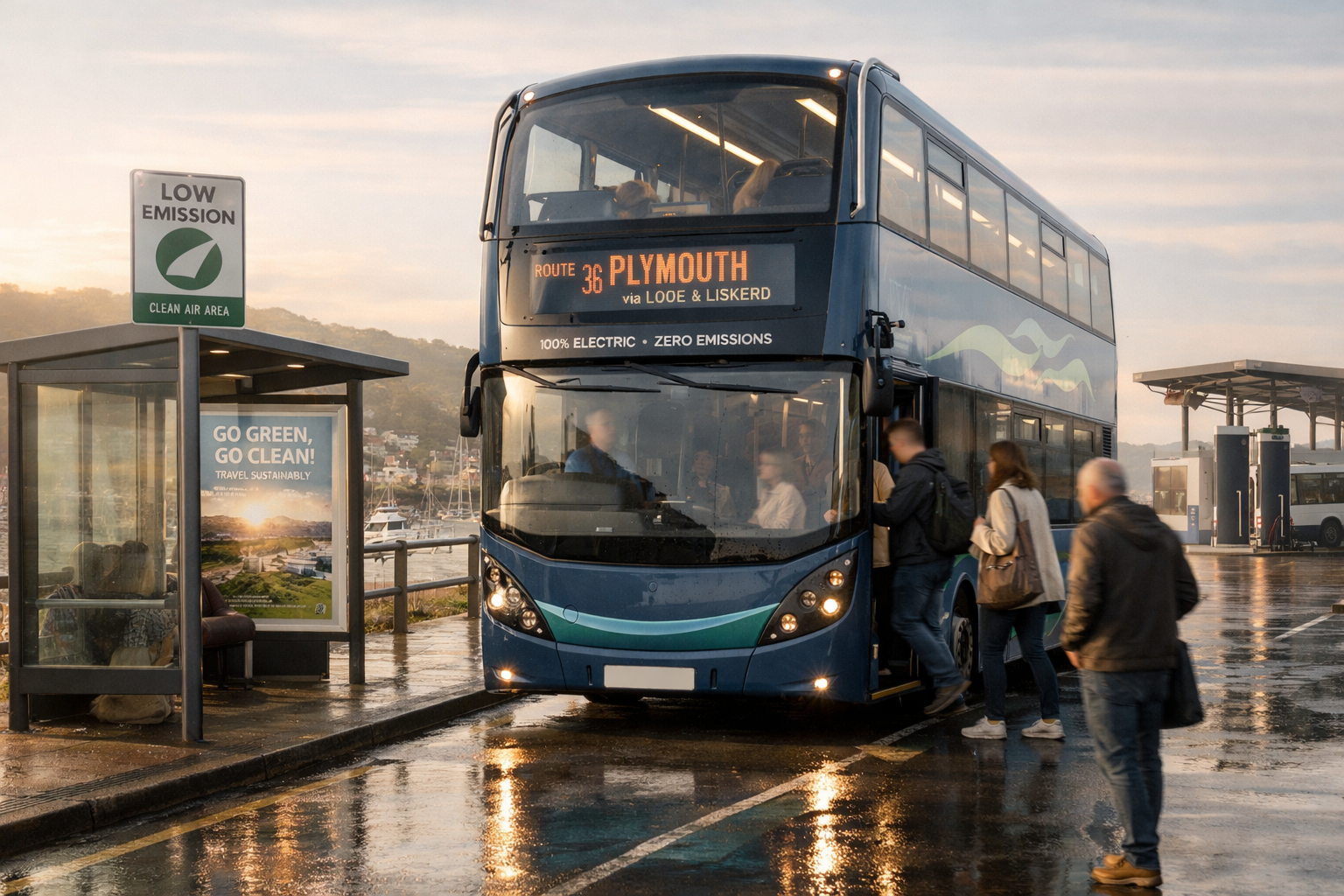
A transport authority deciding to own or directly lease buses is a structural change with immediate financial implications. The West Midlands Combined Authority’s recent plan for a franchised network — including purchases from incumbent operators and a rolling five-year replacement plan — alters who takes capital risk and how zero-emission upgrades get funded.
Why ownership matters
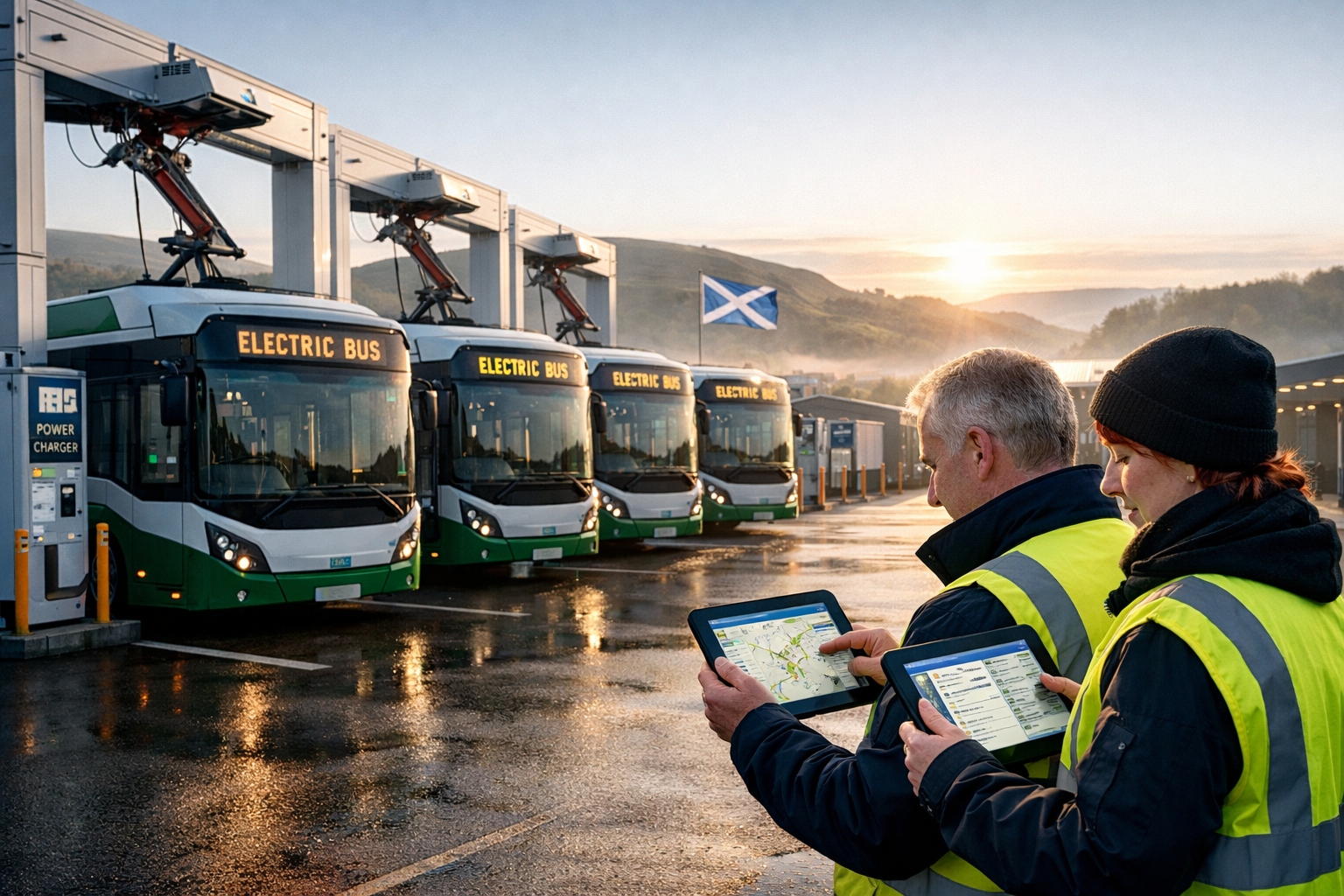
Under the current commercial model, private operators typically buy vehicles and bear residual value risk. If the authority owns the fleet, public bodies will increasingly carry long-term asset exposure. That can accelerate the move toward electric buses because authorities can plan procurement to meet net-zero targets without waiting for operators’ balance-sheet cycles. But it also means authorities must manage depreciation, replacement cycles, and large capital calls for new vehicles and depot infrastructure.
Financing consequences for brokers and lenders
This model creates demand for different financing structures. Instead of financing a private operator’s purchase, lenders may be asked to fund transactions where an authority is the lessee or direct buyer. Expect appetite for:
Long-dated debt and municipal-style borrowing against stable, contracted revenue streams
Lease and hire-purchase products where ownership transfers to the authority but repayment is matched to network revenues
Third-party asset managers or institutional investors providing long-term capital while the authority or a specialist lessor handles asset management
Shifting residual value risk
Electric buses command higher upfront prices than diesel equivalents. When an authority owns the asset, residual value risk shifts from private operator to public balance sheet or to any investor that buys the asset. For lenders and lessors, that changes margin expectations. Robust modelling of residual values for battery buses is now mission-critical. Factors to model include battery degradation, secondary market depth, and regulatory drivers that accelerate retirement of diesel fleets.
Infrastructure is part of the deal
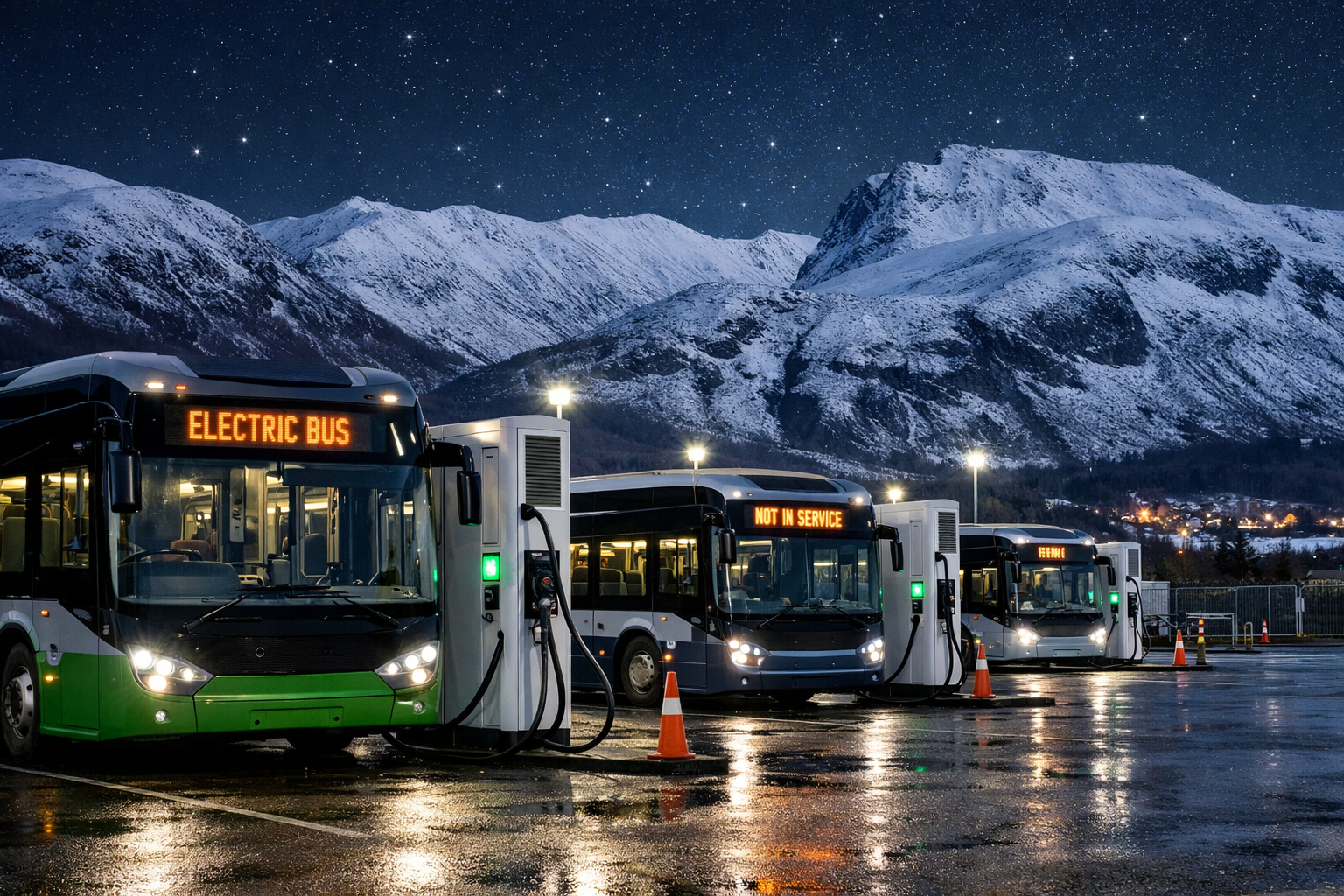
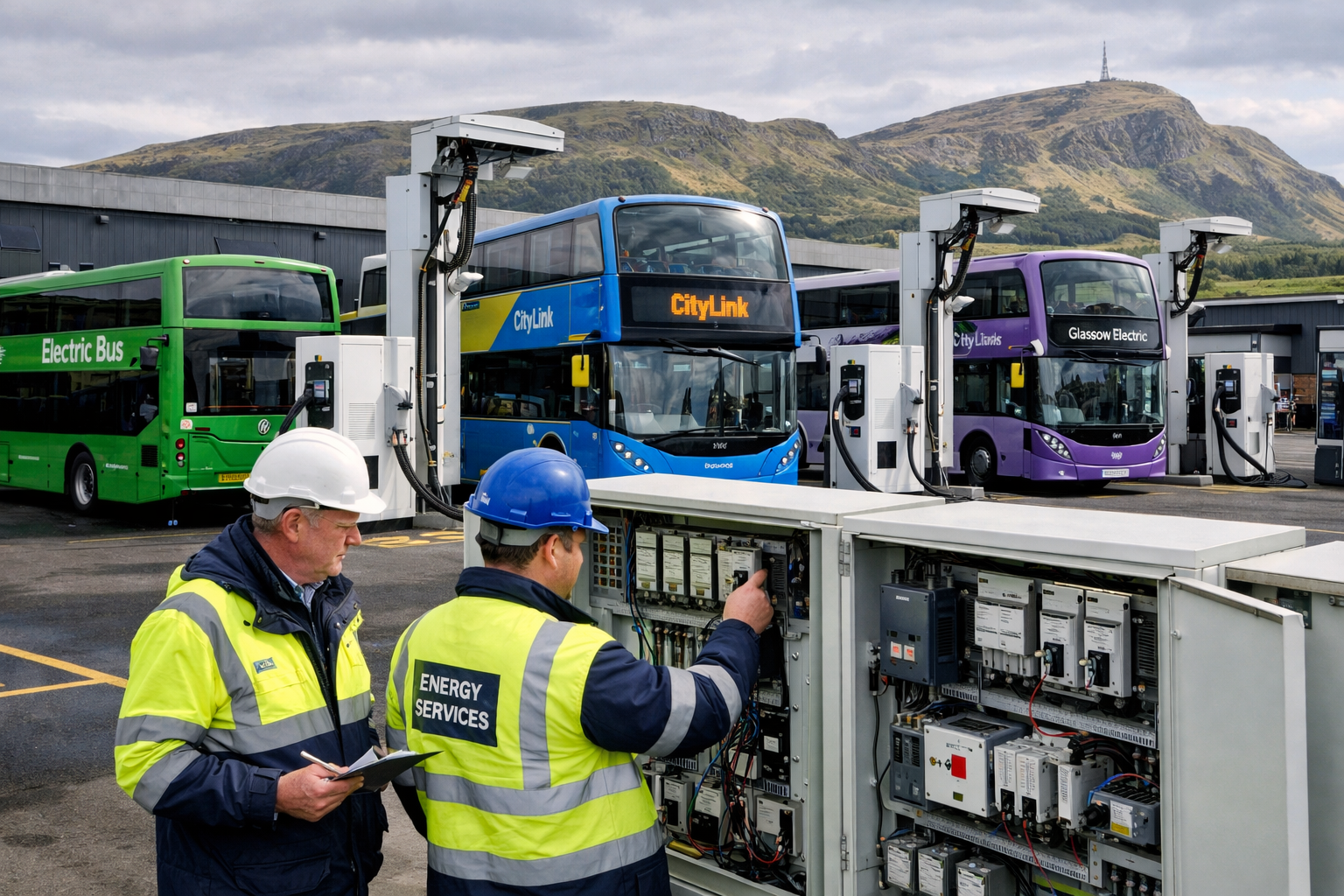
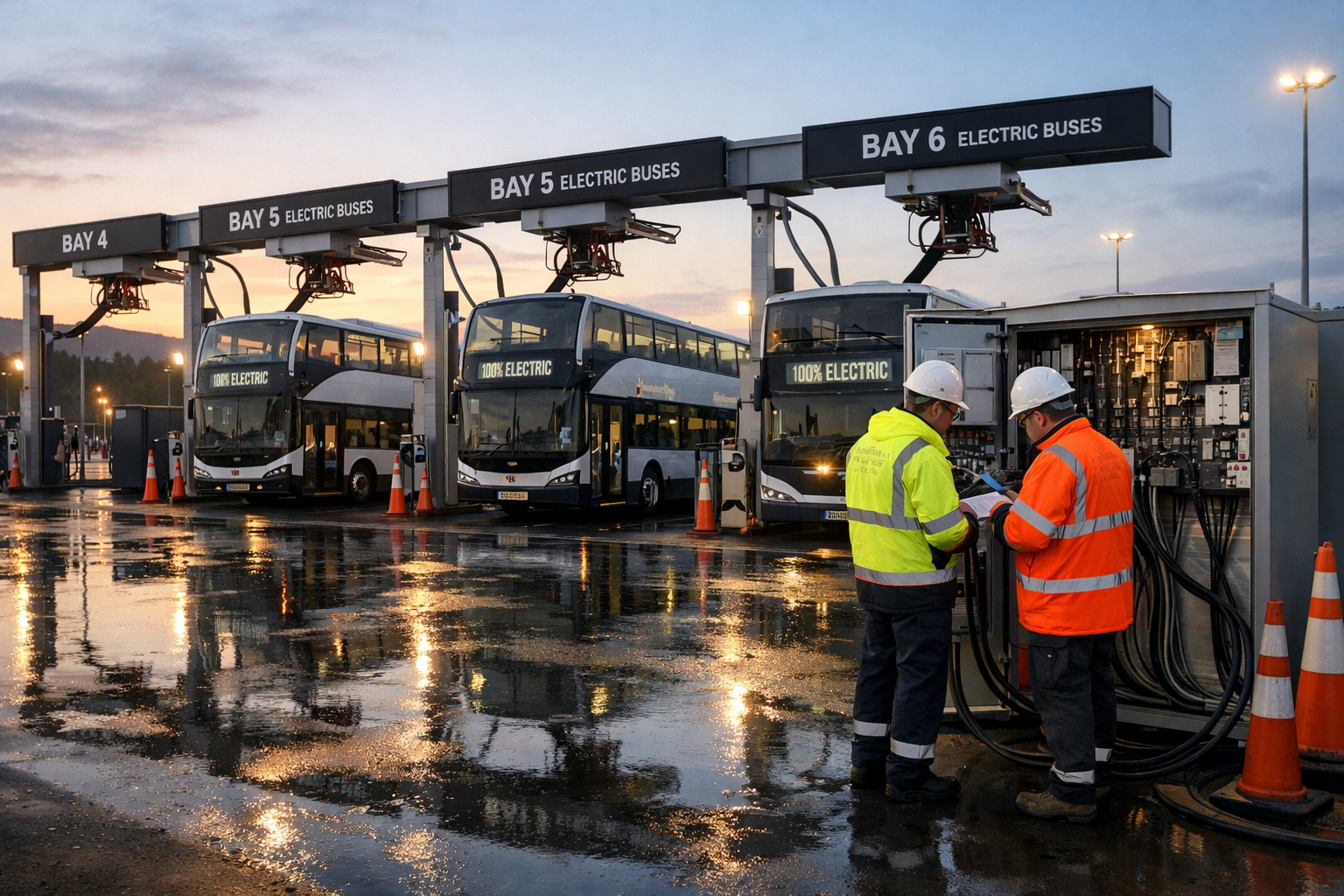
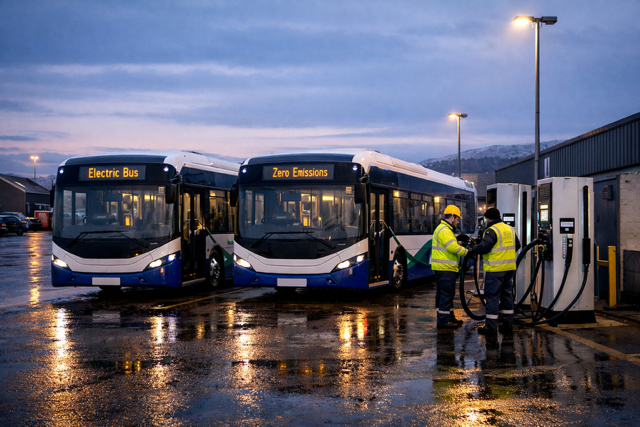
Vehicle purchase is only half the equation. Depot charging, grid upgrades and managed charging strategies create large, often lumpy, capital requirements. Financing packages must bundle vehicle capital with infrastructure or create parallel financing lines for each. Where public grants plug part of the vehicle cost, financing needs to be flexible enough to account for grant timing and any tapering.
Practical advice for asset finance professionals
If you are advising clients in the West Midlands or similar markets, work on:
Scenario modelling for mixed fleets across a five-year renewal window
Structuring credit facilities that separate asset and operating risk
Creating tender frameworks that make asset life and charging costs transparent
Packaging investment products that attract institutional capital for long-dated bus assets
What to watch next
Final decisions will hinge on business case detail and funding mix. Grants, borrowing and network revenue will all be part of the model. For brokers, this is an opportunity to design financing approaches that reduce upfront cost pressures while keeping operators focused on delivering reliable services. Authorities owning the fleet does not remove commercial challenge. It simply moves it to a different balance sheet. That creates fresh room for creative, credit-aware financing that helps make zero-emission bus fleets affordable and investable.
You might also like