Electric scooters hit the streets with food delivery platforms
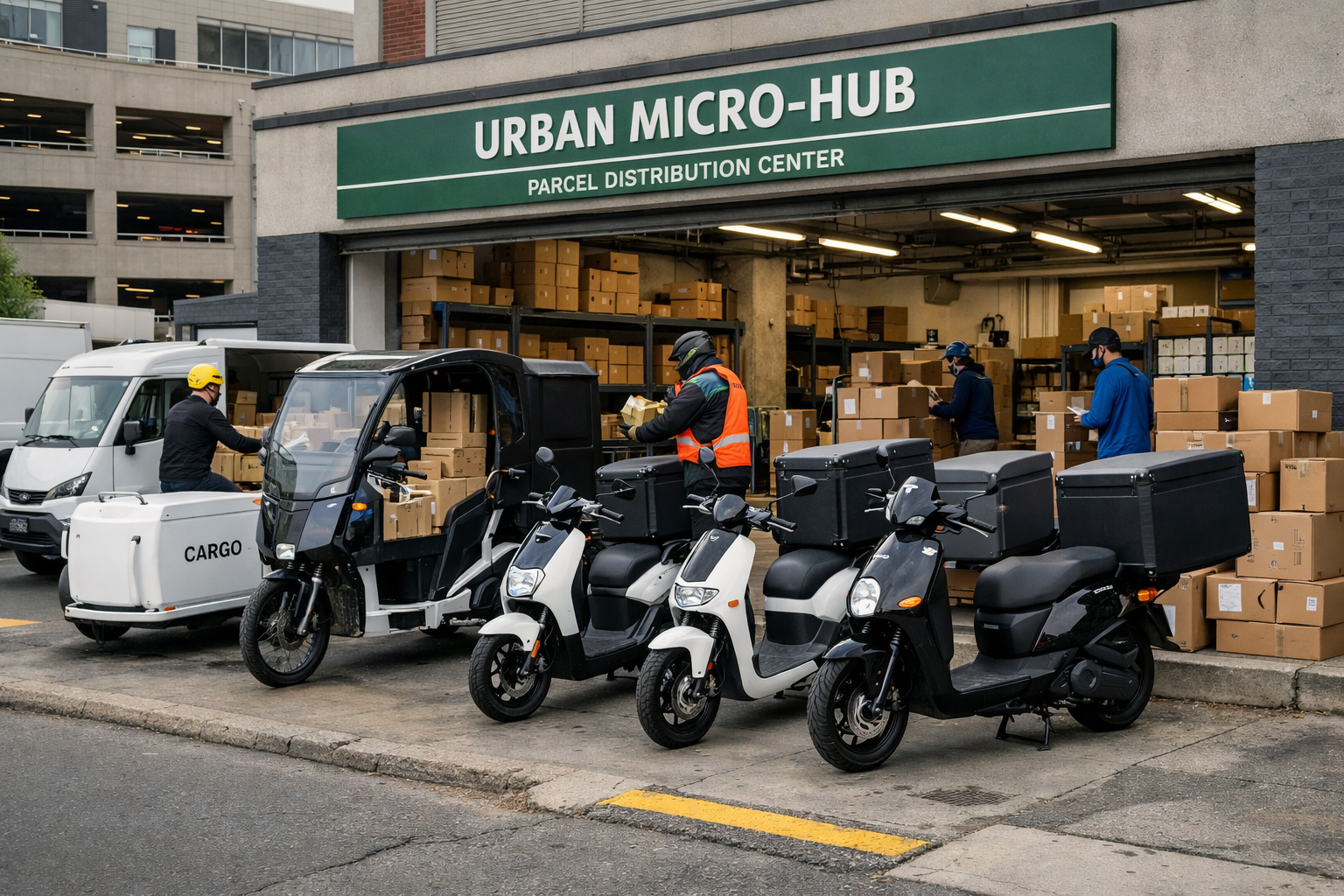
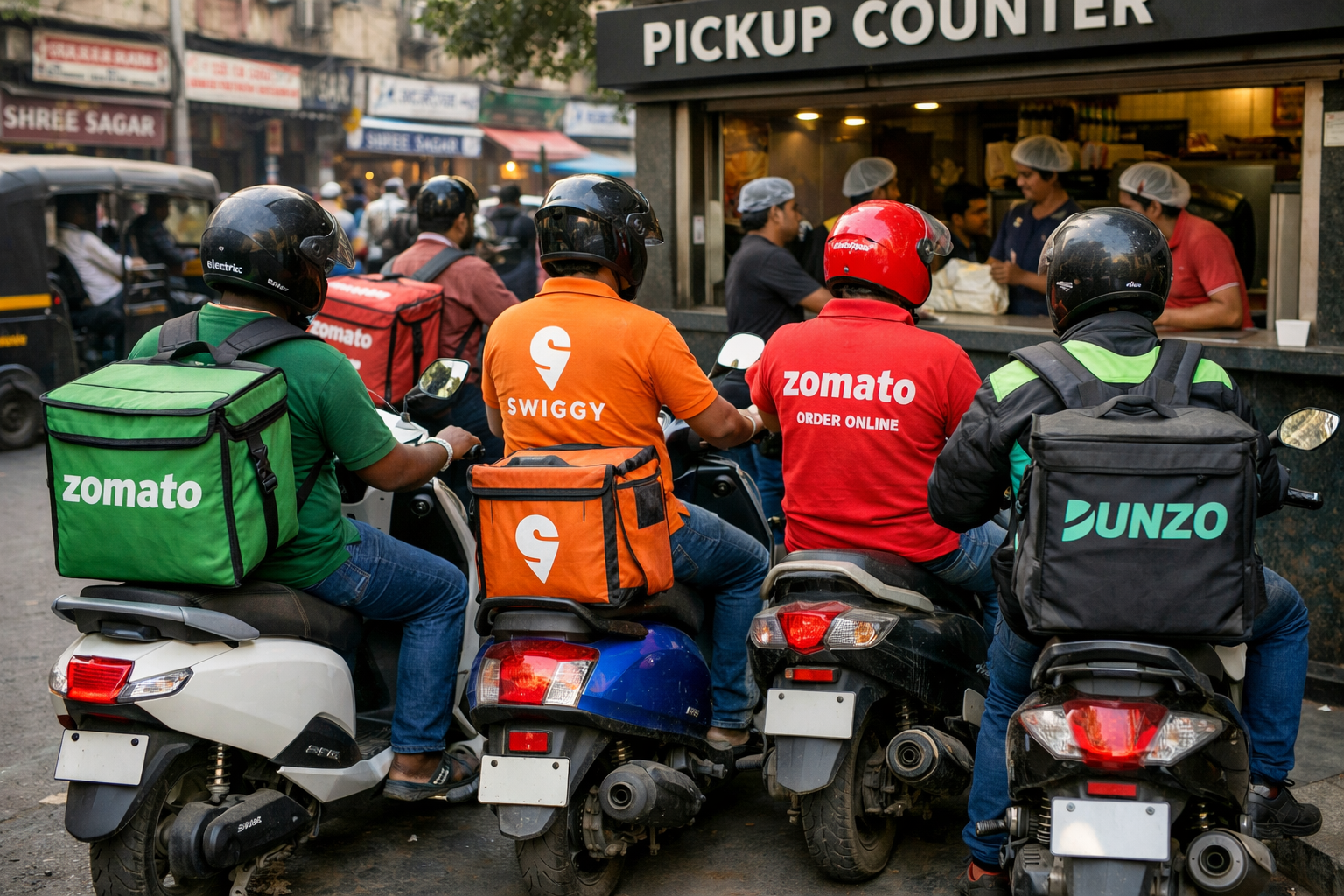
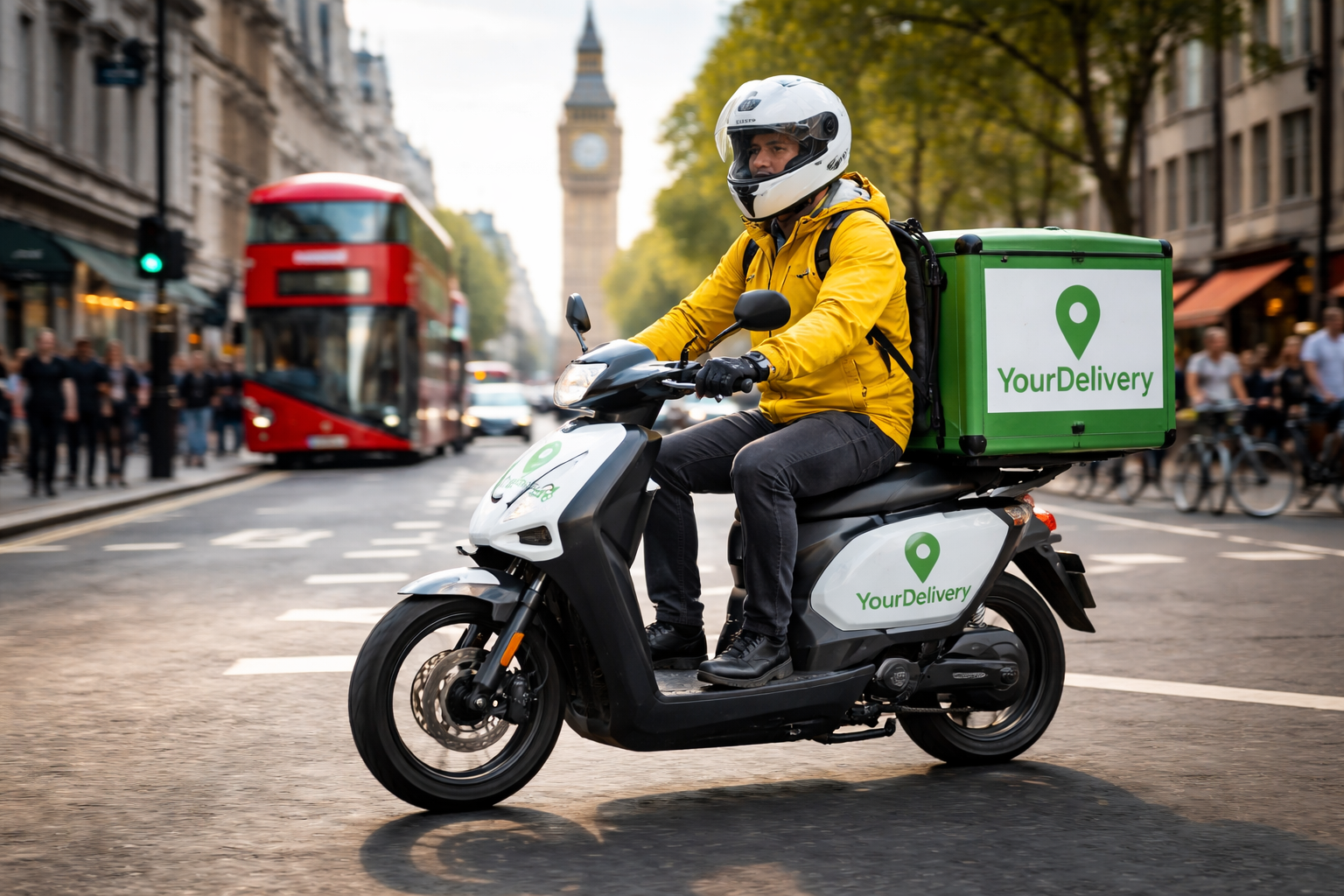
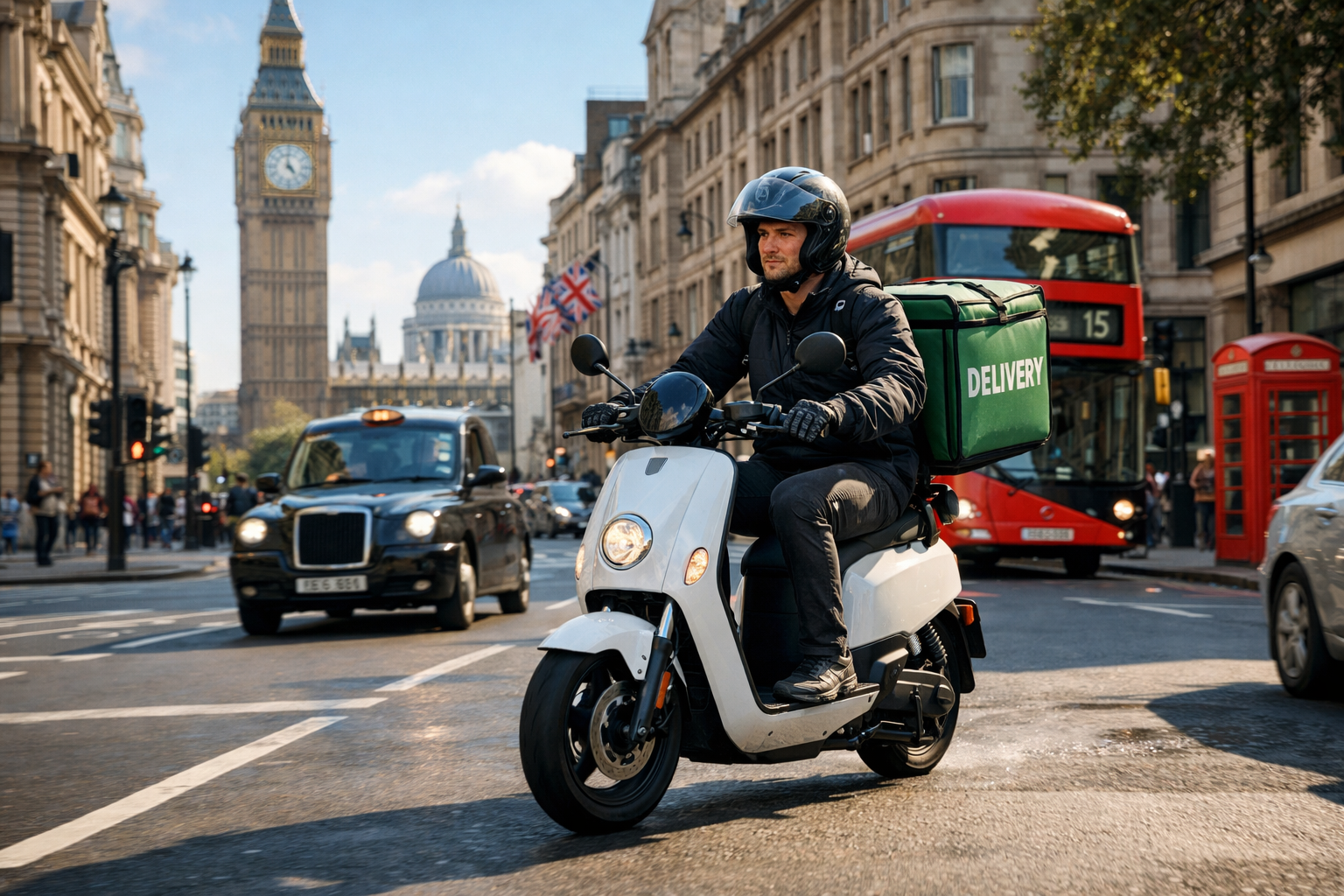
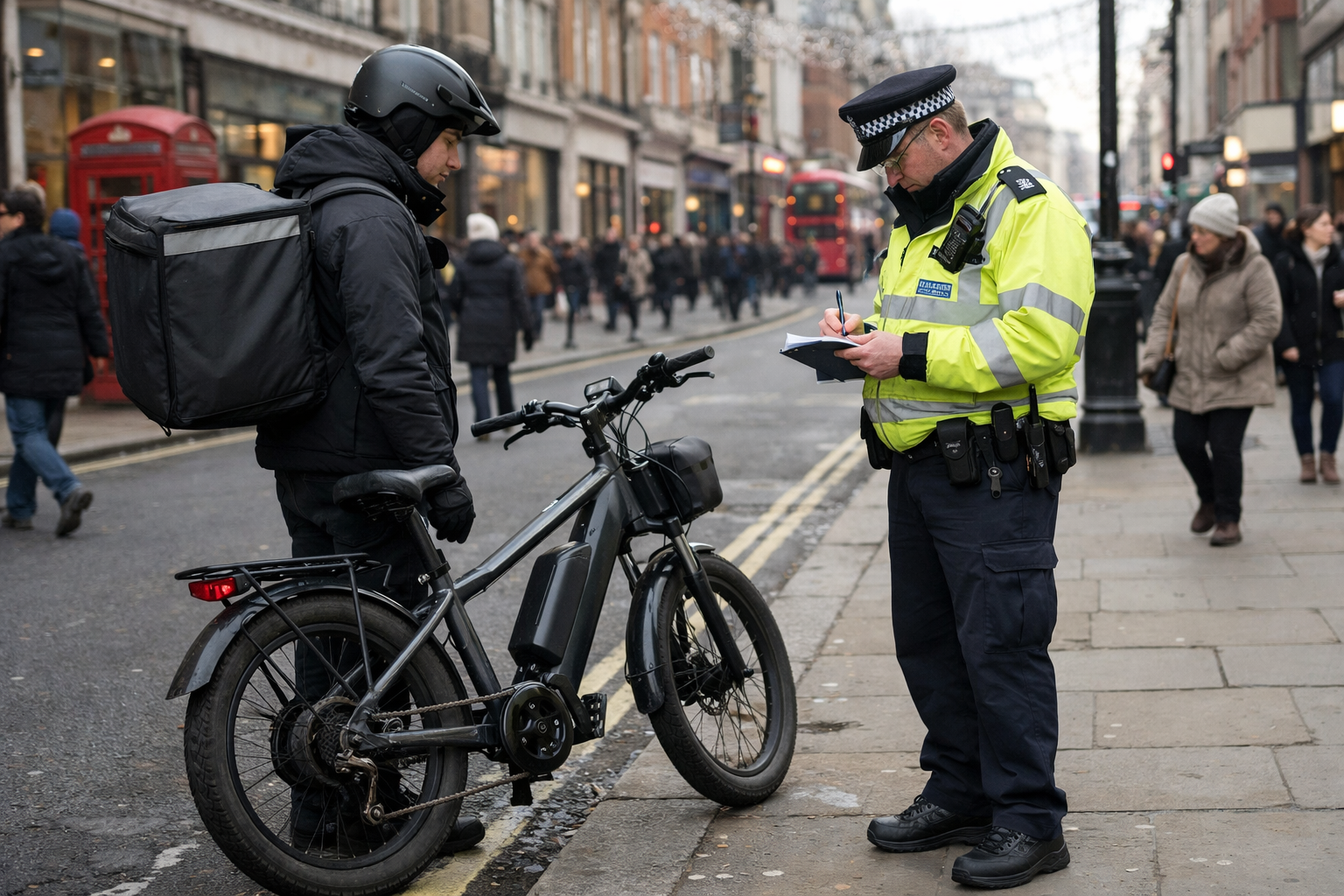
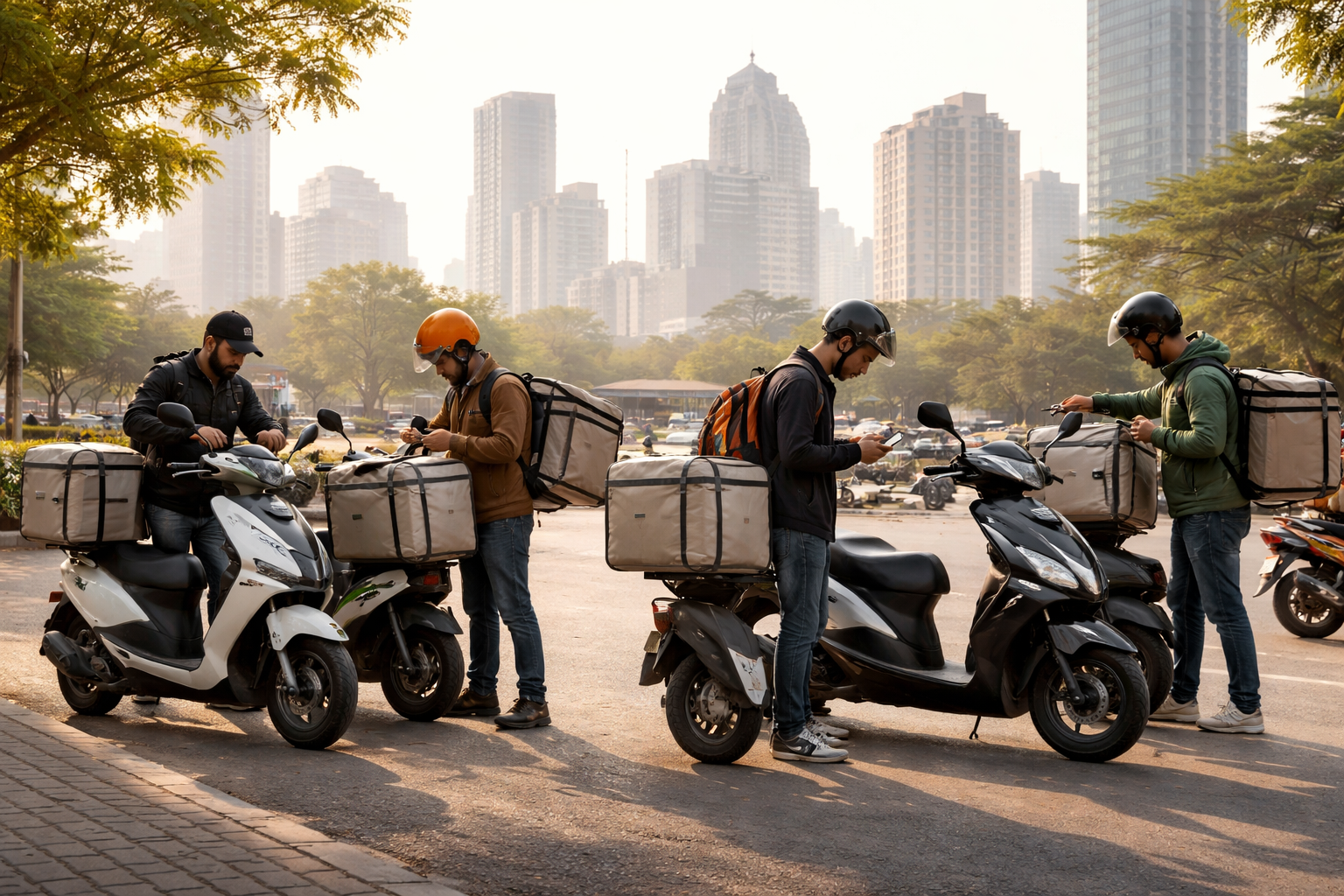
Electric scooters are emerging as a major vector for last‑mile food delivery in parts of Europe. In Spain and Portugal this year, major delivery platforms including Uber Eats, Glovo and Just Eat added thousands of electric scooters to their fleets.
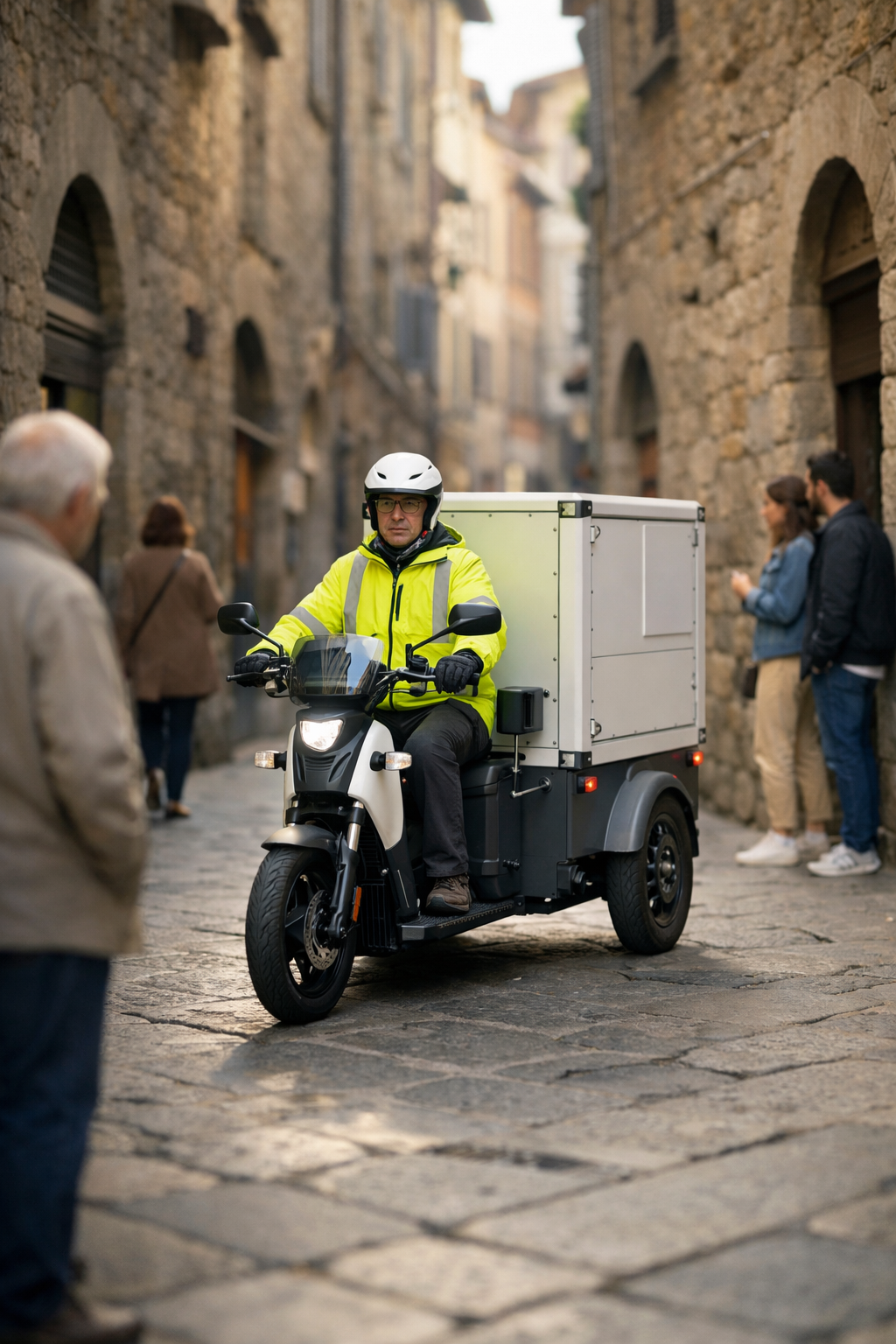
This deployment is more than a headline. It reflects a growing recognition that electrification isn’t just about pedal‑assisted bikes or large vans. Scooters bridge the gap when trips require more distance or speed than a bike is practical for, but still need low operating cost and emissions.
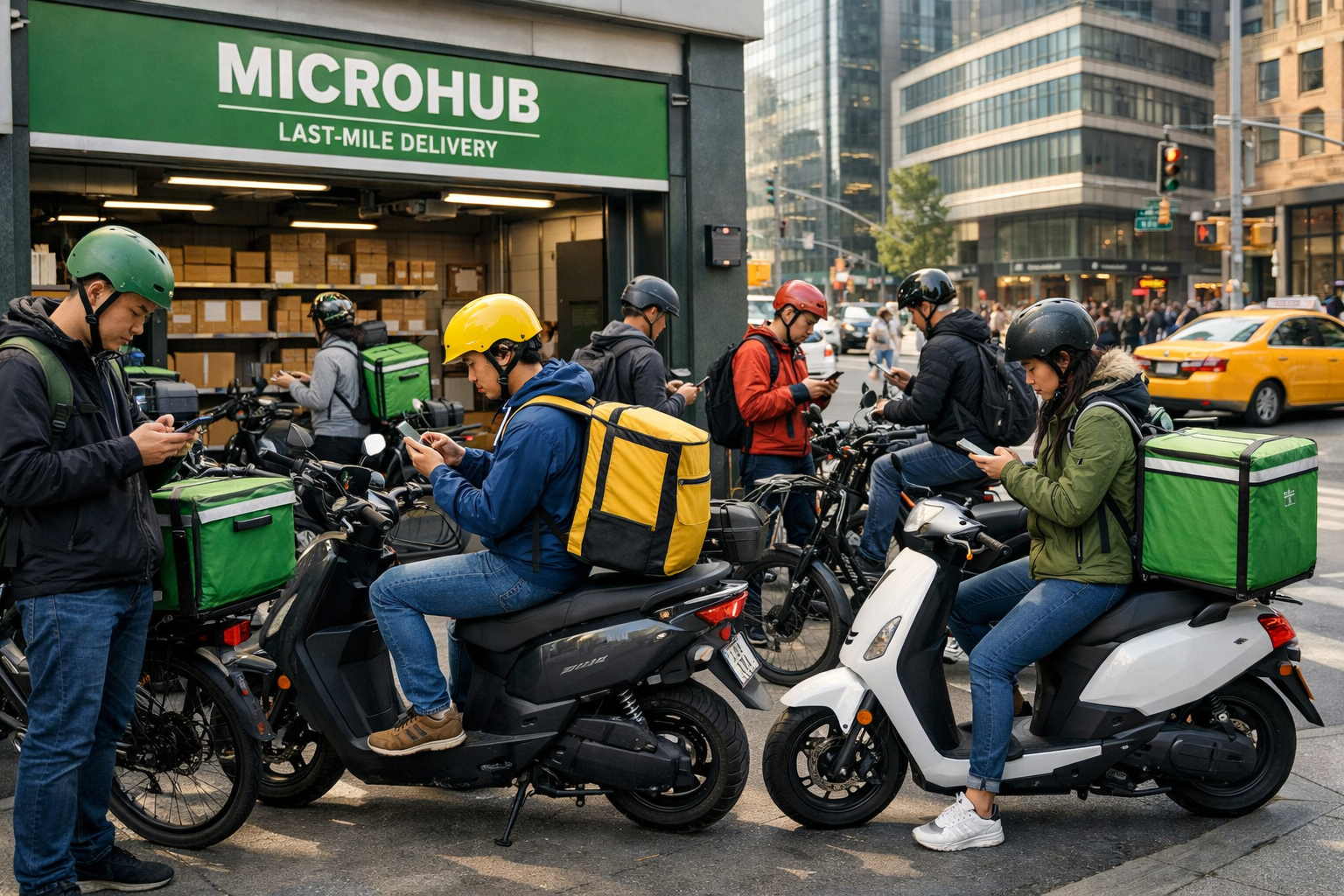
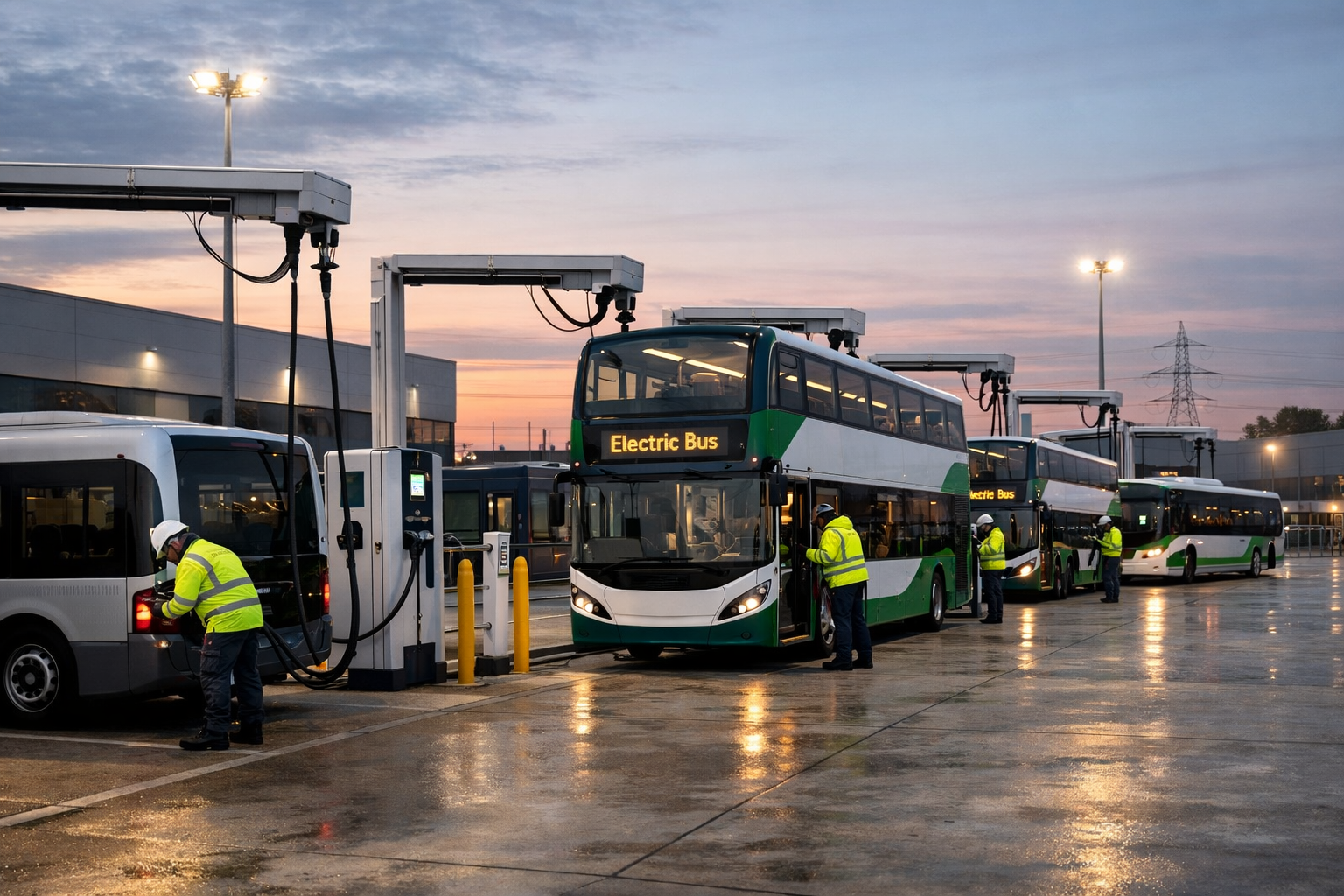
The arrangement in Iberia centres on electric motorcycles supplied through a fleet management partner, with integrated battery swap possibilities via a wider charging station network. The model lets riders quickly replace a spent battery instead of waiting for long recharge cycles. That’s critical in food delivery, where downtime directly affects earnings and service quality.
Electric scooters also typically have better weather protection and storage capacity than bikes. That makes them attractive for couriers handling multiple orders per shift. Free access to low‑emission zones in many cities also improves route flexibility compared with internal combustion counterparts.
From the platform perspective, integrating scooters into the mix diversifies mobility. It reduces dependence on private vehicle ownership among riders and aligns with environmental targets. If demand grows and charging infrastructure improves, these scooters could become a core part of urban delivery networks.
For cities, electric scooters bring their own set of considerations: parking, curb space, road safety and shared charging access. These require coordination between municipal authorities and platforms to ensure that increased scooter use doesn’t aggravate congestion or pedestrian conflicts.
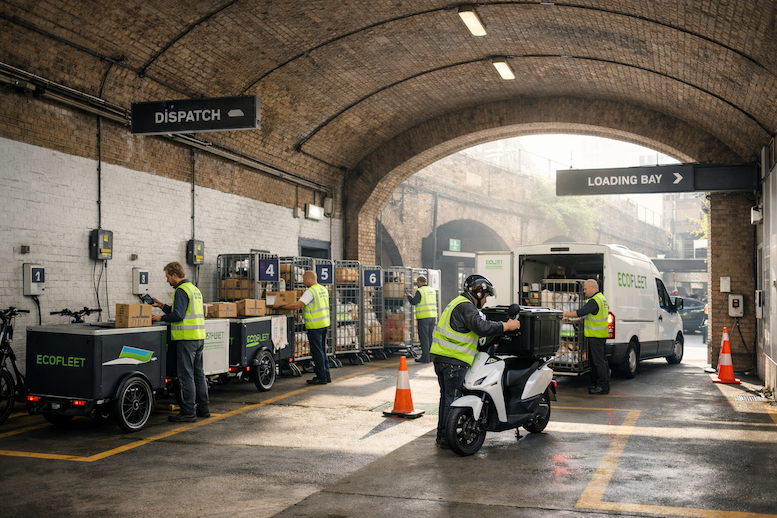
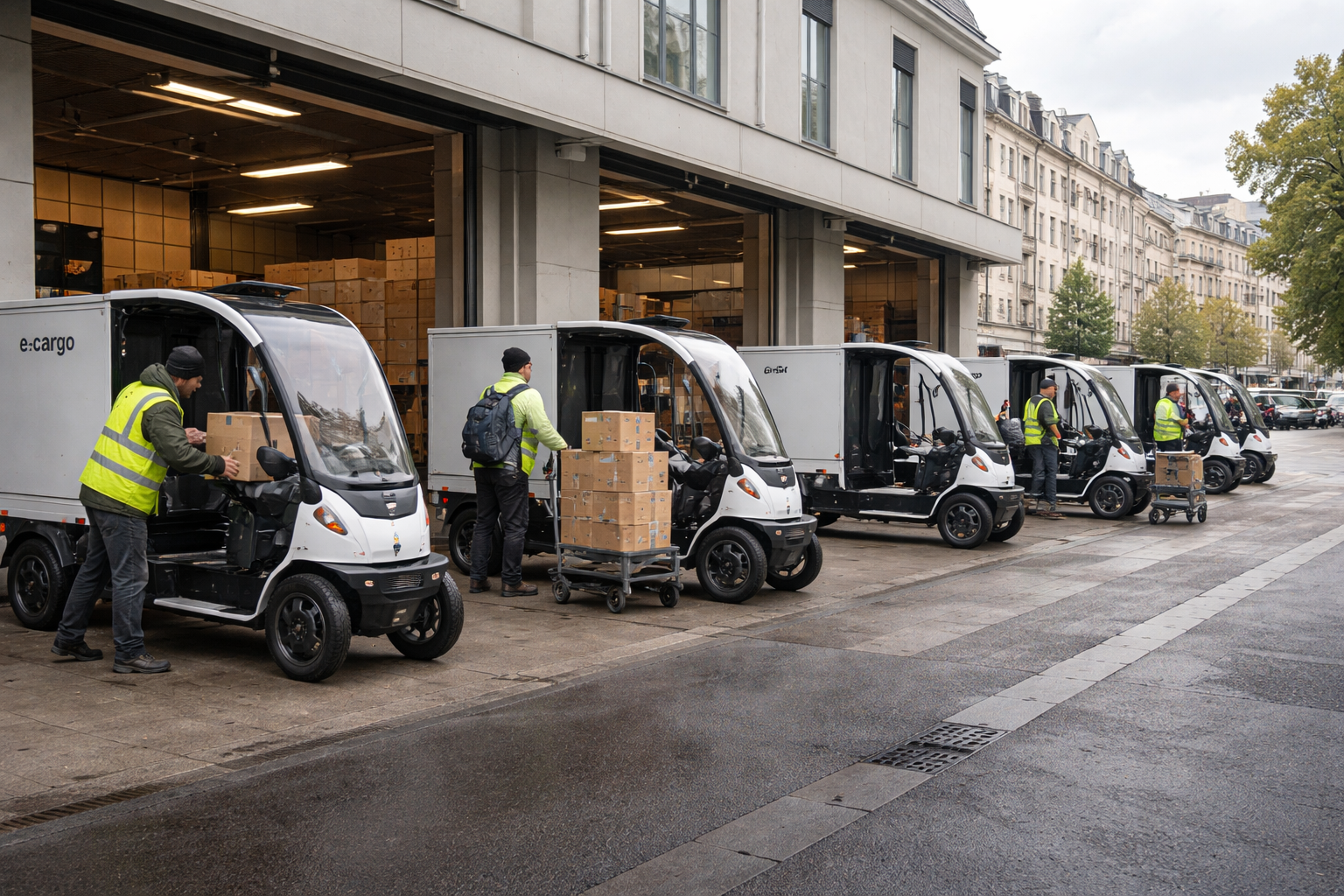
The trend also hints at how future fleets might evolve. Rather than one type of vehicle, a balanced mix — bikes for short dense areas, scooters for mid‑range urban runs, and small vans for large cargo — could become standard.
In that mix, scooters offer a strong case for quicker electrification with real utility for riders and platforms
You might also like