
Battery trains, SAF demand and rail supply chains: the practical phase of UK green transport
The narrative around UK green transport is shifting from policy to deployment. Recent developments across rail and aviation show technologies entering service, buyers signalling demand and supply chains responding. Together they offer a clearer view of how projects will be financed and delivered over the next decade.
Start with battery rail. A rapid‑charging train is now operating passenger services in west London, proving that short‑turnaround charging can support regular timetables without overhead wiring. This is significant because electrification costs remain the main barrier on lightly used routes. Battery units allow operators to decarbonise lines that would otherwise remain diesel for years.
From a funding perspective, the model changes infrastructure requirements. Instead of continuous wiring, investment is concentrated at charging points. That reduces upfront capital and allows phased deployment. Early services generate operational data that supports later fleet expansion, improving confidence for lenders and lessors.
Electrification still has a central role on high‑traffic corridors, where energy demand and utilisation justify the capital spend. Battery trains do not replace that logic. They extend decarbonisation to routes that previously lacked a viable pathway. The result is a more flexible investment pipeline with a mix of large and medium‑scale projects.
Aviation provides a parallel example of demand shaping supply. Heathrow’s decision to push sustainable aviation fuel use beyond the mandated level is effectively an offtake signal. Airlines operating at the airport have both an incentive and a mechanism to increase SAF blending, backed by significant financial support.
For producers, predictable demand is what enables project finance. Early SAF plants require long‑term purchase commitments to secure debt. When a major hub increases voluntary uptake, it reduces revenue uncertainty and improves the investment case for domestic production. It also influences procurement strategies across airline networks.
The third development sits on the supply chain side. A large export order for electric rail infrastructure has allowed UK manufacturing to increase output and maintain skilled employment. This highlights an often overlooked aspect of transport decarbonisation: industrial capacity. Low‑carbon transport systems depend on steel, components and engineering expertise. When those supply chains are active, project delivery risk falls and costs stabilise.
Taken together, these stories point to three structural changes.
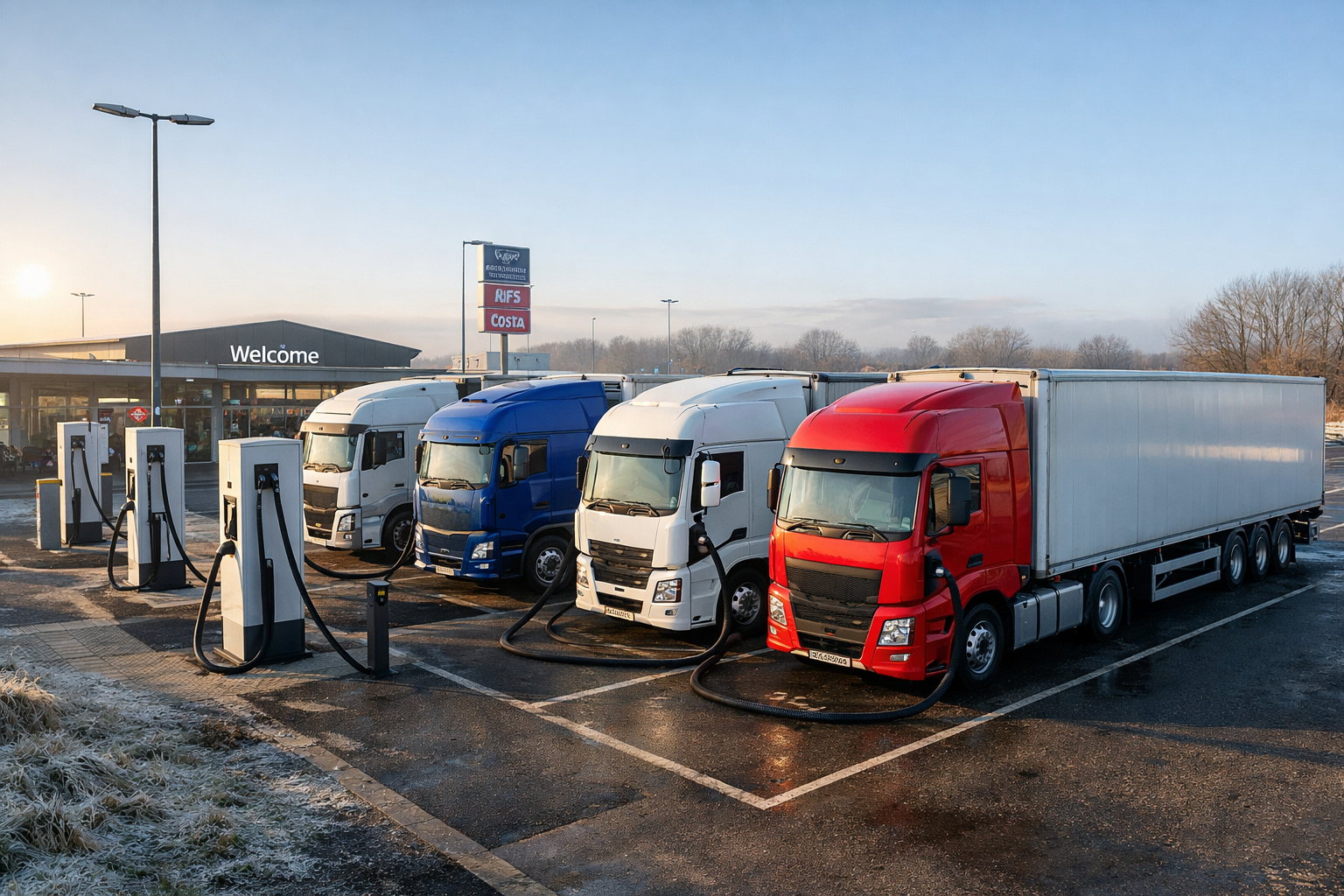
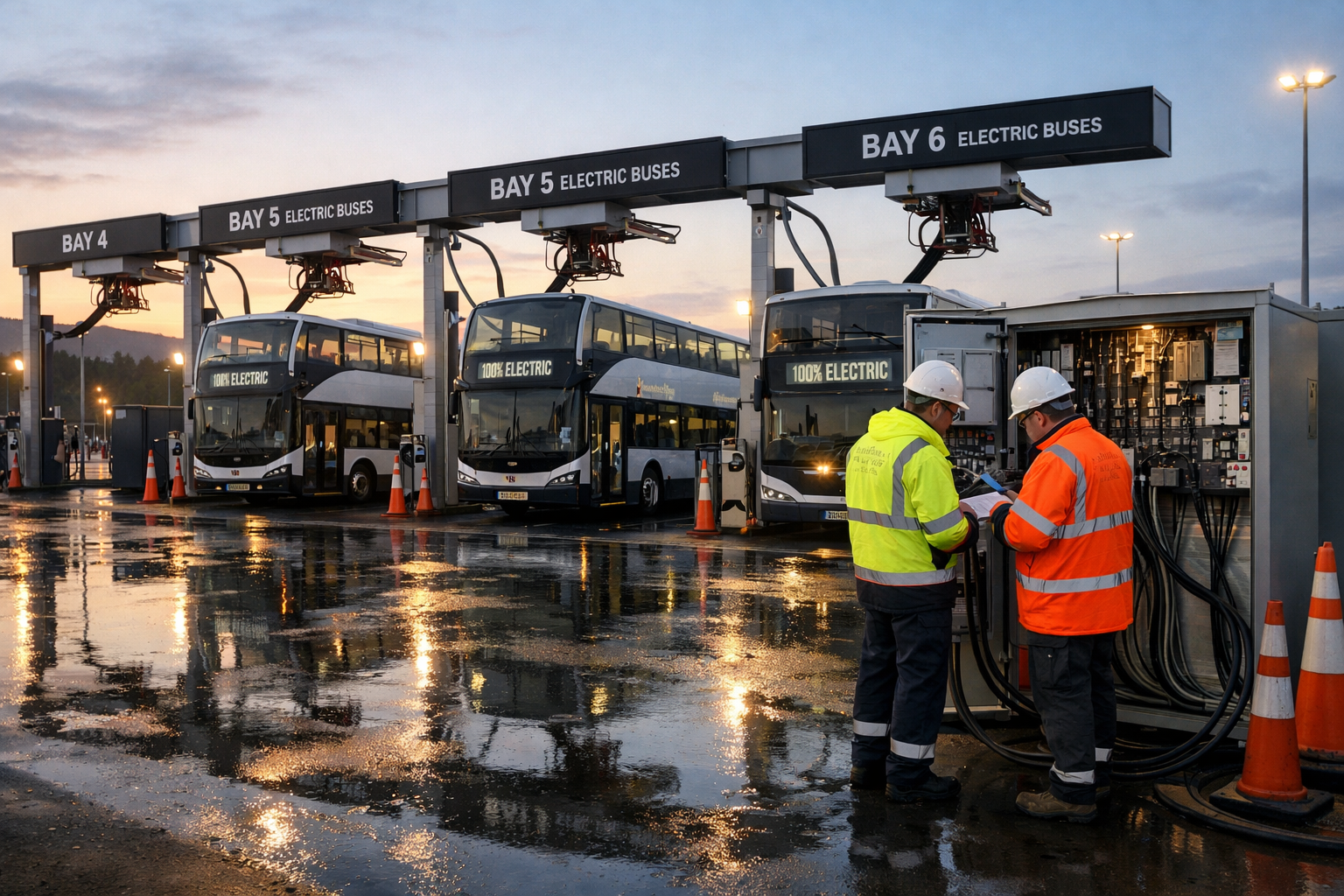
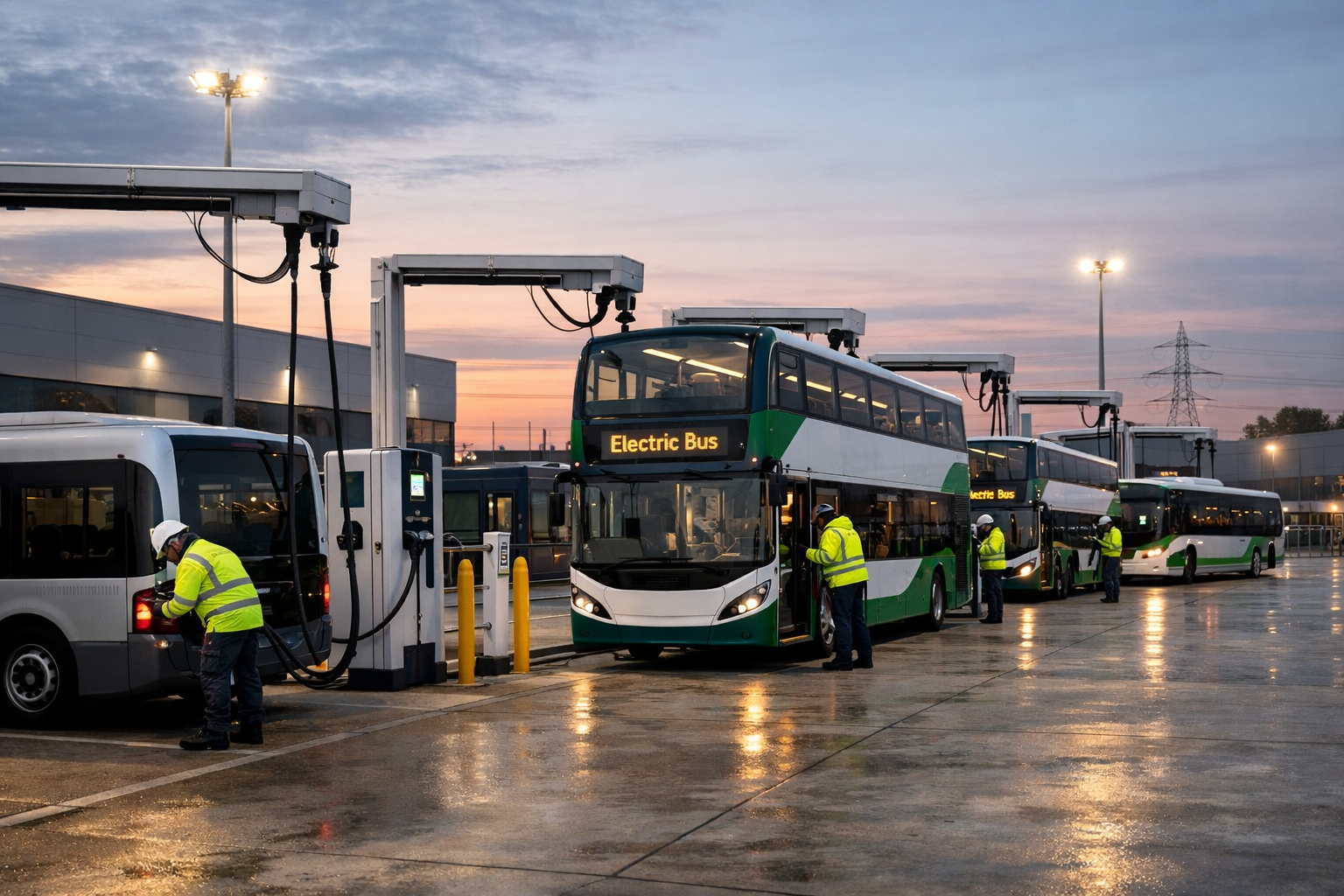
First, decarbonisation is becoming modular. Battery trains, depot charging and SAF blending all allow staged implementation. That aligns with asset finance models that prefer incremental deployment over single‑point delivery risk.
Second, buyers are shaping markets. Airports, rail operators and infrastructure projects that commit to low‑carbon inputs create the revenue certainty needed for producers and manufacturers to invest.
Third, supply chains matter as much as technology. Domestic manufacturing capacity supports delivery timelines and reduces exposure to global bottlenecks.
There are still constraints. Grid access for charging assets, feedstock availability for SAF and planning timelines for rail works will influence how quickly projects scale. Workforce skills and maintenance capability will also determine operating costs over time.
However, the direction of travel is clear. The focus is no longer on proving that low‑carbon transport works. It is on structuring projects so that they can be financed, built and operated within existing asset cycles.
For operators, the practical question is how to align fleet replacement with emerging infrastructure models. For lenders, it is how to assess utilisation and residual value in systems where energy supply and vehicles are increasingly integrated.
The shift to delivery creates opportunities for those prepared to engage early with project sponsors and supply chains. The assets are becoming tangible, the demand signals clearer and the financing structures more familiar.
Decarbonisation is moving from strategy to balance sheet.
You might also like