Why personalised funeral routes are changing how hearses are used
Funeral vehicles are traditionally associated with formal processions and fixed routes between a funeral home, church, and cemetery. But recent stories circulating online show that the final journey is starting to look a little different.
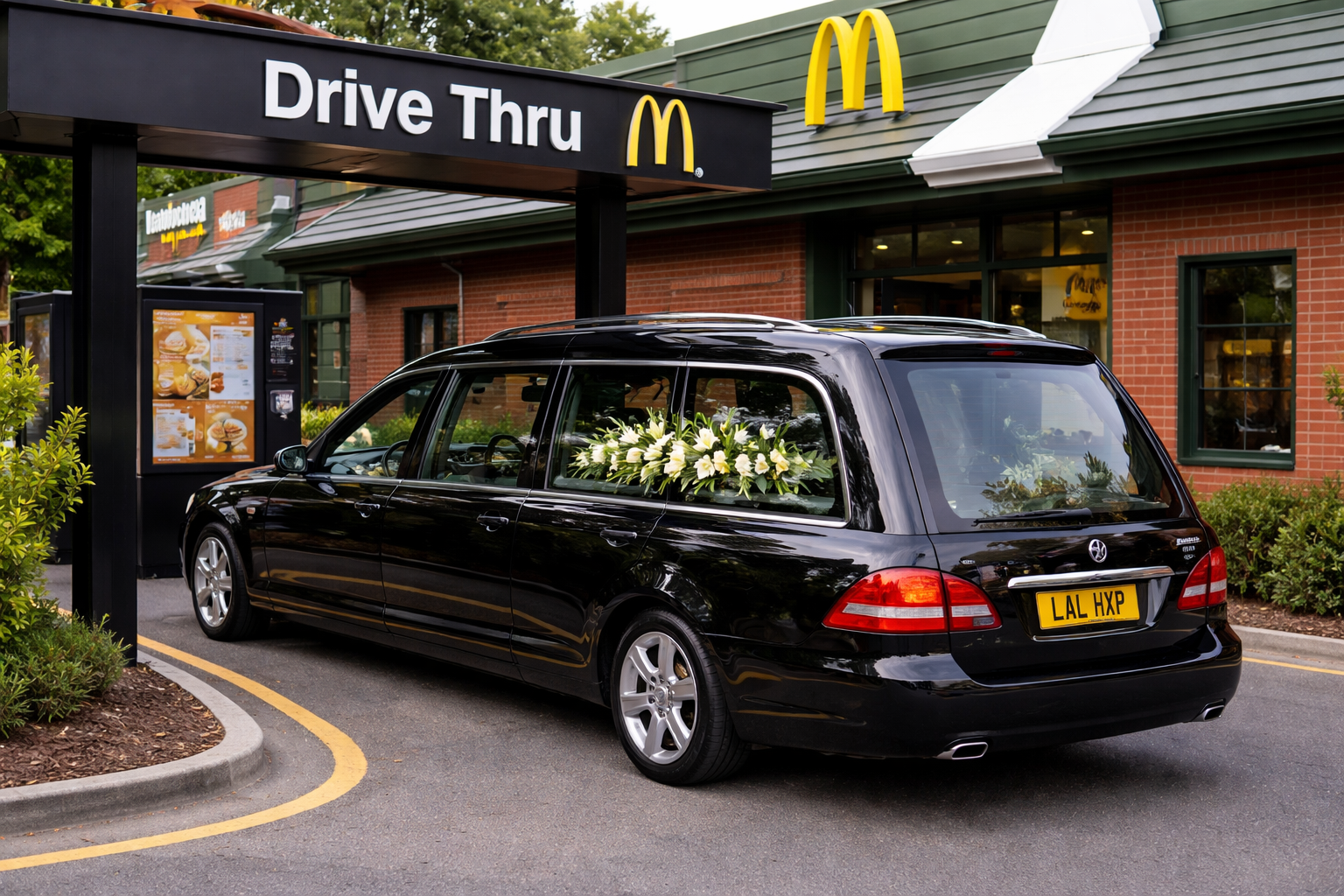
A widely shared video showed a hearse with a coffin visible in the rear stopping at a McDonald’s drive‑through. For many viewers the moment seemed strange or even disrespectful. In reality, funeral professionals explained that these stops are often arranged at the family’s request as a final tribute to the person who has died.
This small example highlights a wider shift in how funeral services are planned.
The rise of personalised final journeys
Funeral directors have always tailored services around family wishes. But in recent years there has been a noticeable increase in requests that reflect the everyday life of the deceased.
Instead of travelling directly to a crematorium or cemetery, the cortege may pass by meaningful locations such as:
a favourite café or restaurant
a workplace or family home
a sports stadium
a familiar local street or landmark
These moments give families a chance to acknowledge the life being remembered in a very personal way.
What this means for funeral vehicles
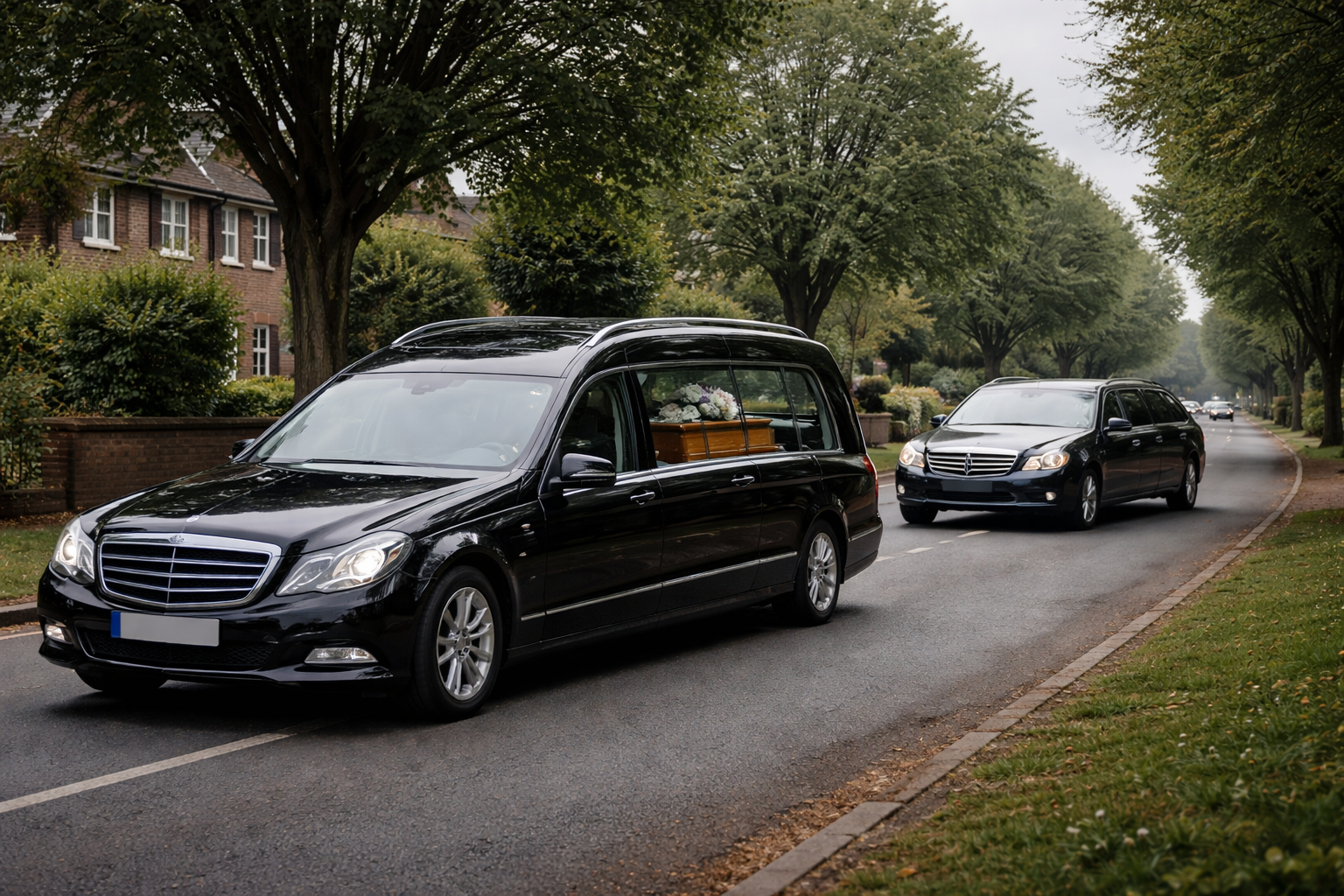
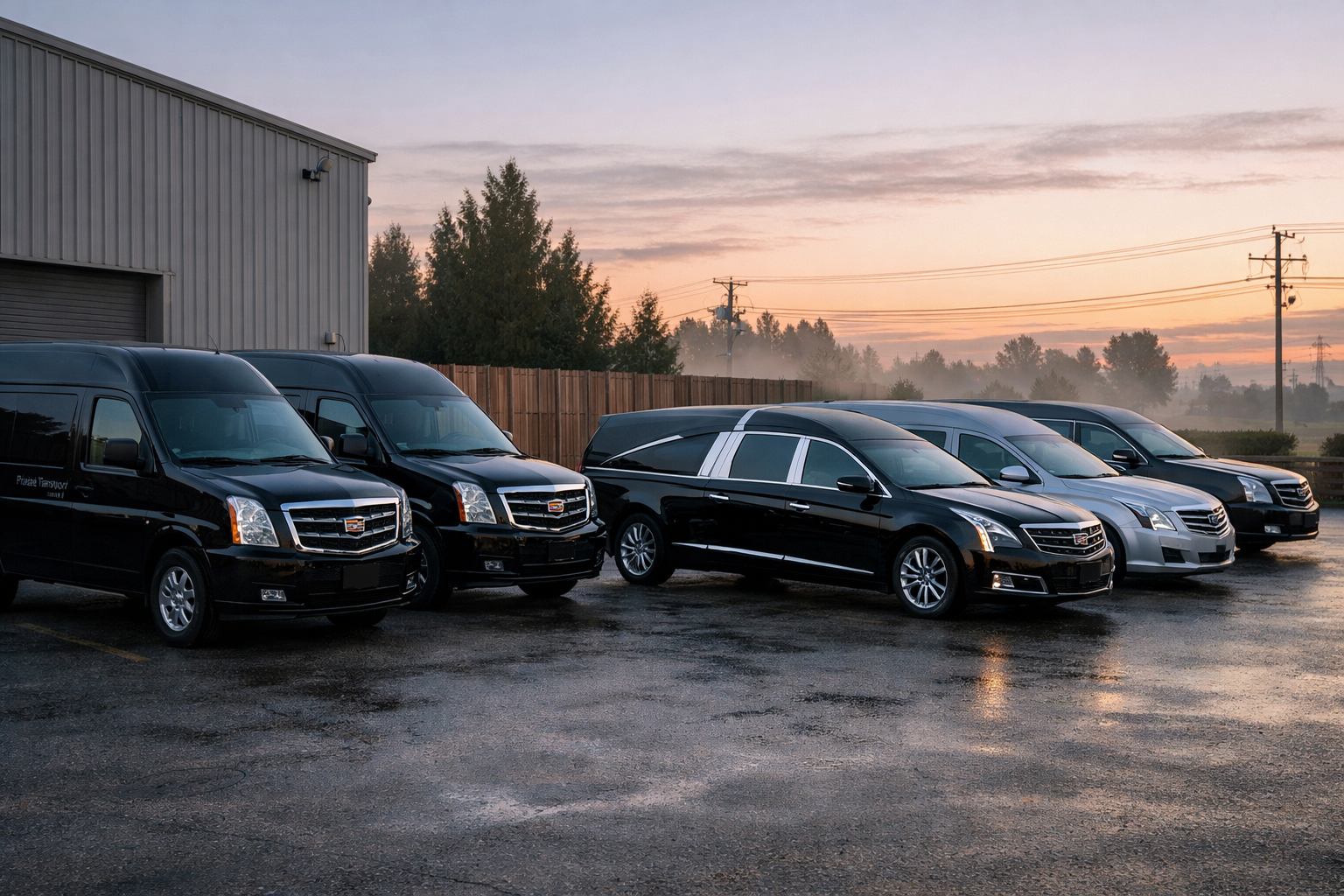
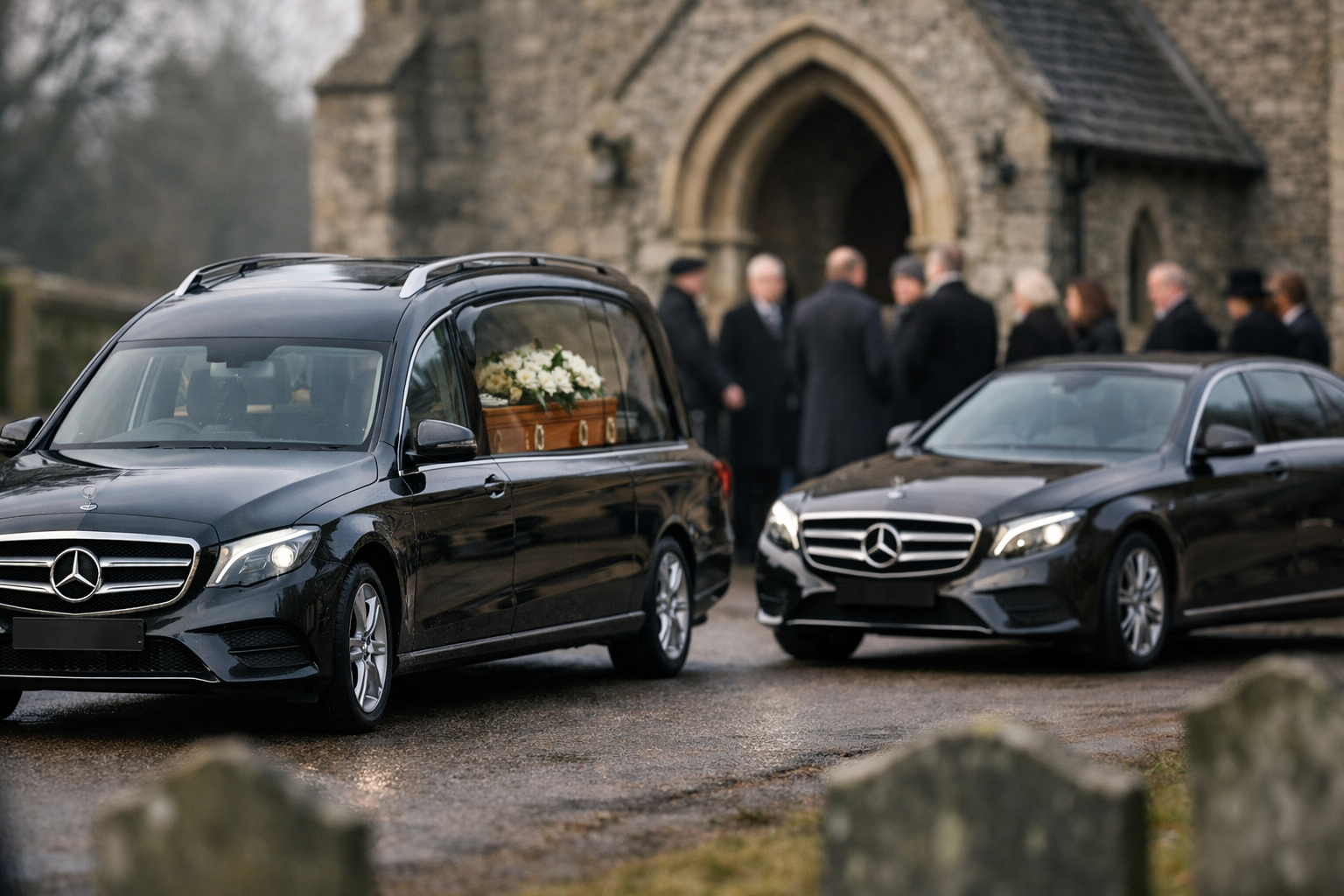
The vehicles themselves have not changed much in purpose. A hearse is still designed to transport the deceased with dignity and stability, and limousines continue to carry close family members during the procession.
What has changed is how those vehicles are used.
A traditional route is predictable. A personalised route often isn’t.
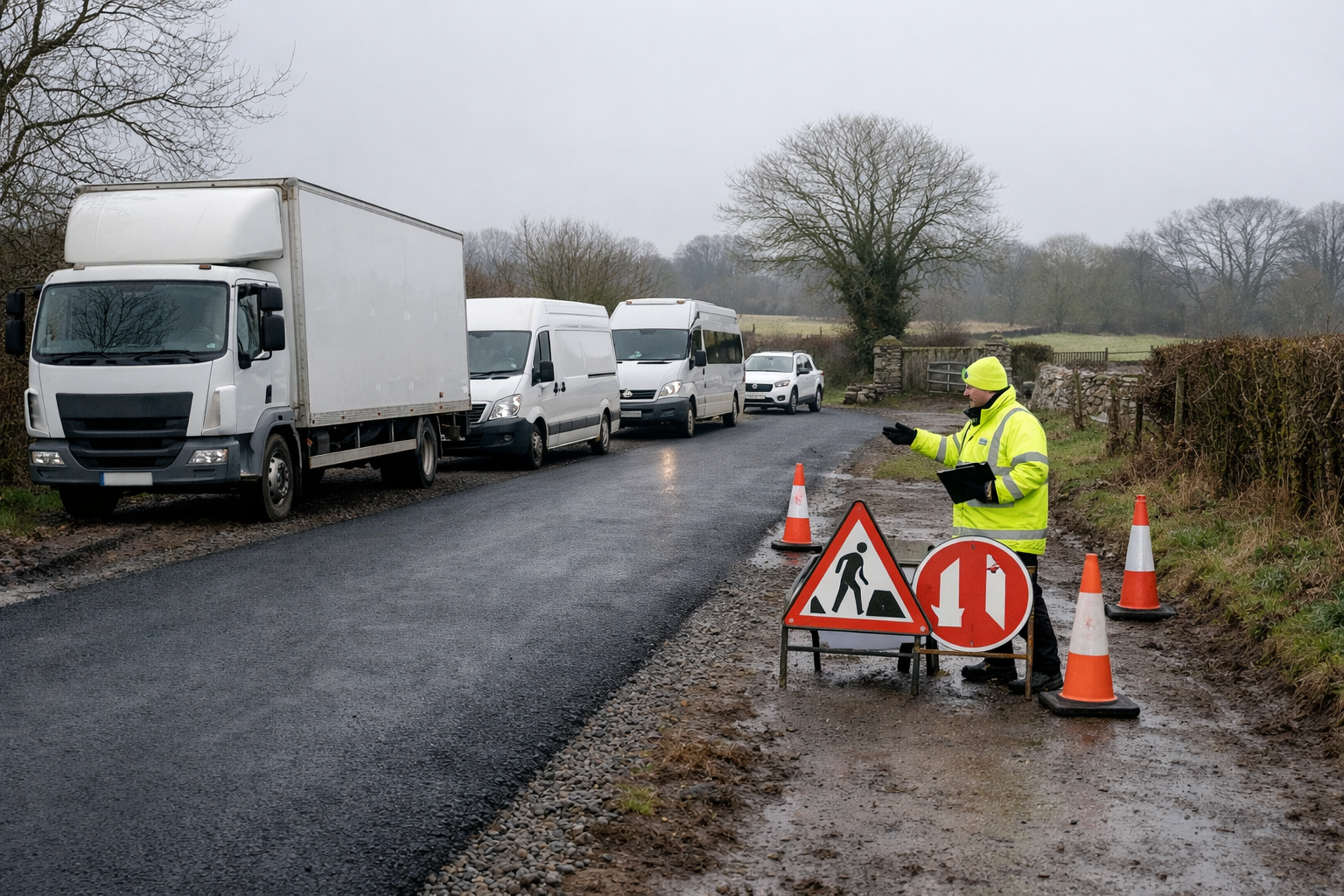
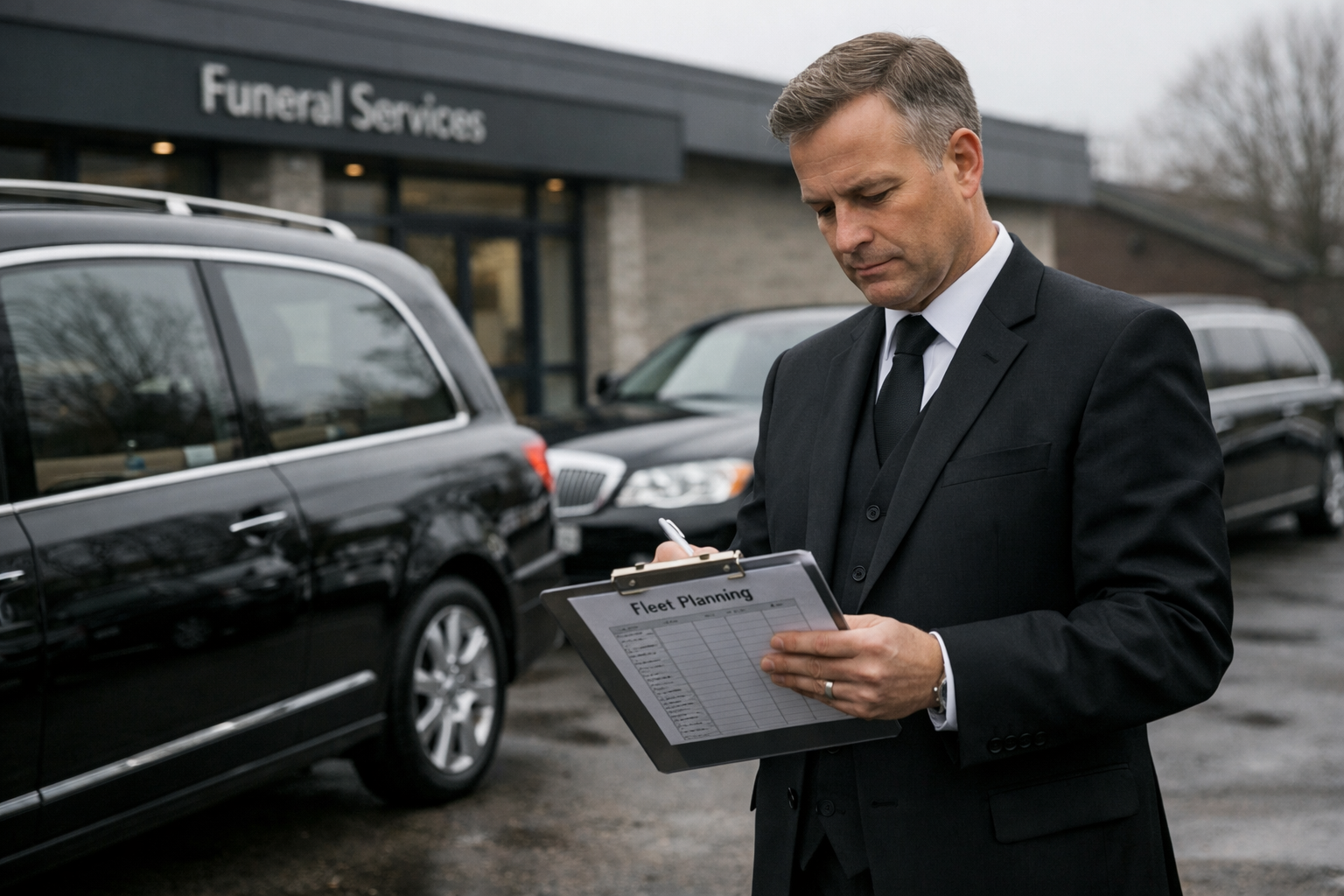
Drivers may need to plan for stops in places that were never designed for ceremonial vehicles, including car parks, drive‑through lanes, or narrow residential roads. That requires careful preparation, good local knowledge, and clear communication with the funeral director leading the service.
The operational side of funeral transport
From an operational perspective, small details start to matter more when routes vary.
Vehicle size and turning radius can affect whether a hearse can safely access certain locations. Timing also becomes more important when additional stops are included before the service begins.
Drivers play a key role in maintaining the tone of the procession. Even when a route includes unusual locations, the atmosphere must remain calm and respectful.
A quiet shift in expectations
Personalised journeys do not replace traditional funeral processions. Many families still prefer the established format.
But the increasing number of requests for meaningful stops suggests expectations are evolving. Funeral transport is no longer just about moving from one location to another. It is also about marking the journey in a way that reflects the person being remembered.
For funeral directors and transport providers, the lesson is straightforward. Flexibility and planning are becoming just as important as the vehicles themselves.
You might also like