Why the New Clean Mobile Power Roadmap Matters for Film and TV Transport
Transport and logistics aren’t usually the first things people think about in film and TV production. But anyone who’s organised a shoot knows how much hinges on moving people, equipment and power reliably and on time. The latest clean mobile power roadmap is a practical look at how the industry can improve the way these essentials are planned and delivered, and what that means for production transport teams.
What the roadmap is about
The roadmap was developed for key stakeholders in film and television production, including studios, rental companies, equipment suppliers and on‑production crews. At its core, it recognises a simple problem: cleaner mobile power alternatives exist, but they aren’t being used as widely as they could be because investment and adoption lag behind.
Producers, line producers and unit managers still lean on diesel generators and traditional vehicles because they know those systems will show up when needed and keep running. Suppliers and manufacturers hesitate to scale cleaner tech because demand has been uncertain. The roadmap aims to fix that by offering clear steps for planning, procurement and crew involvement.
Why this matters to transport on set
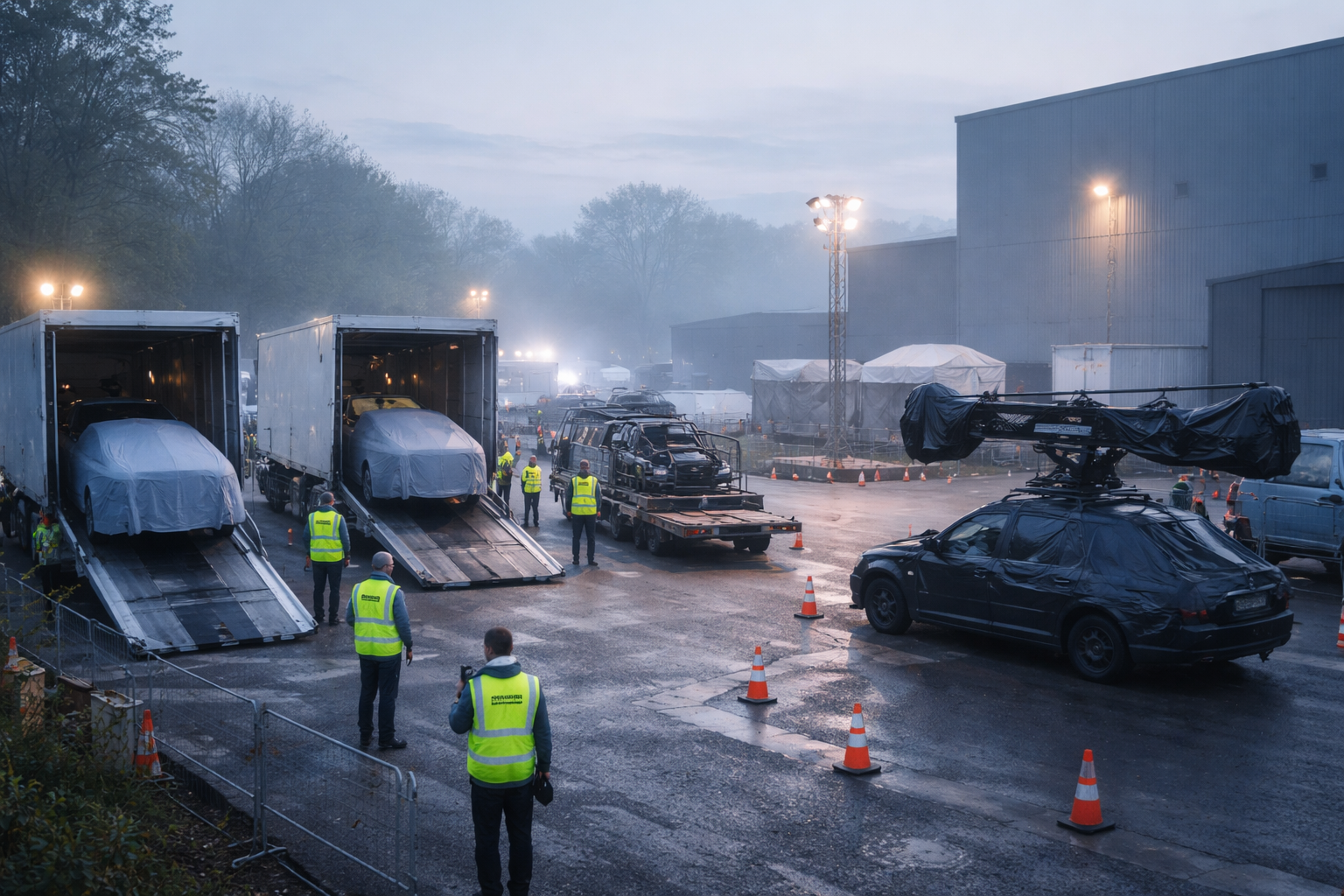
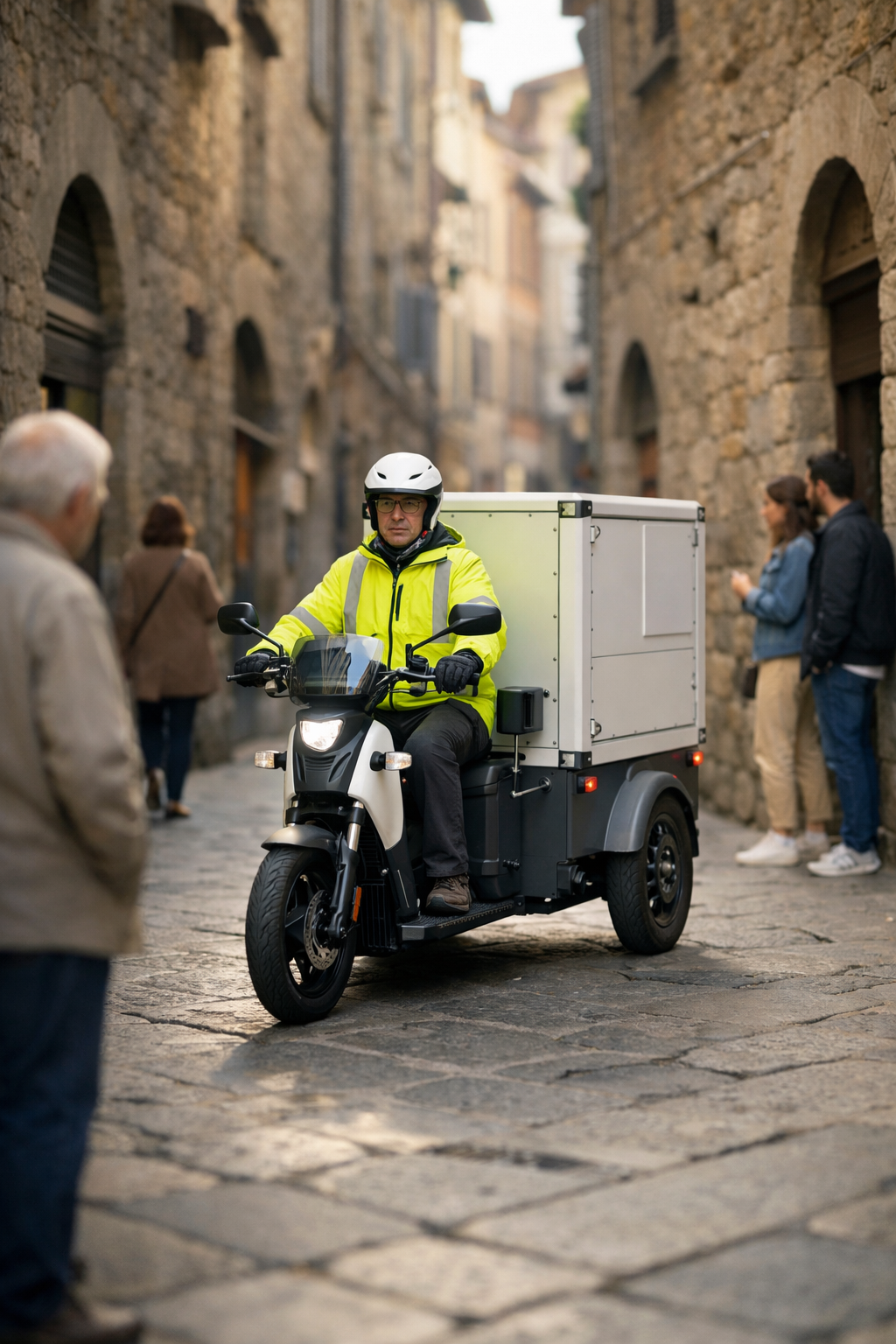
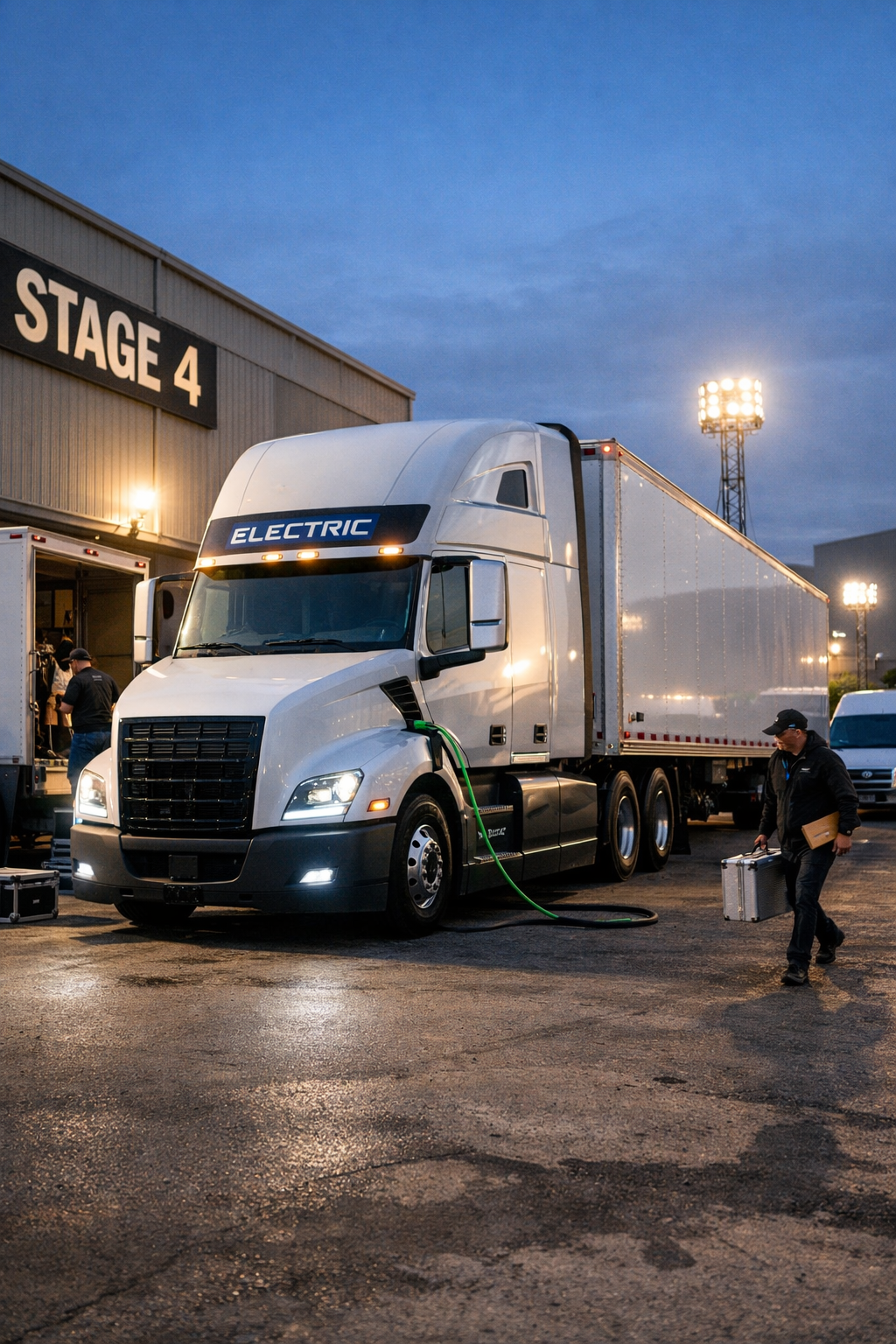
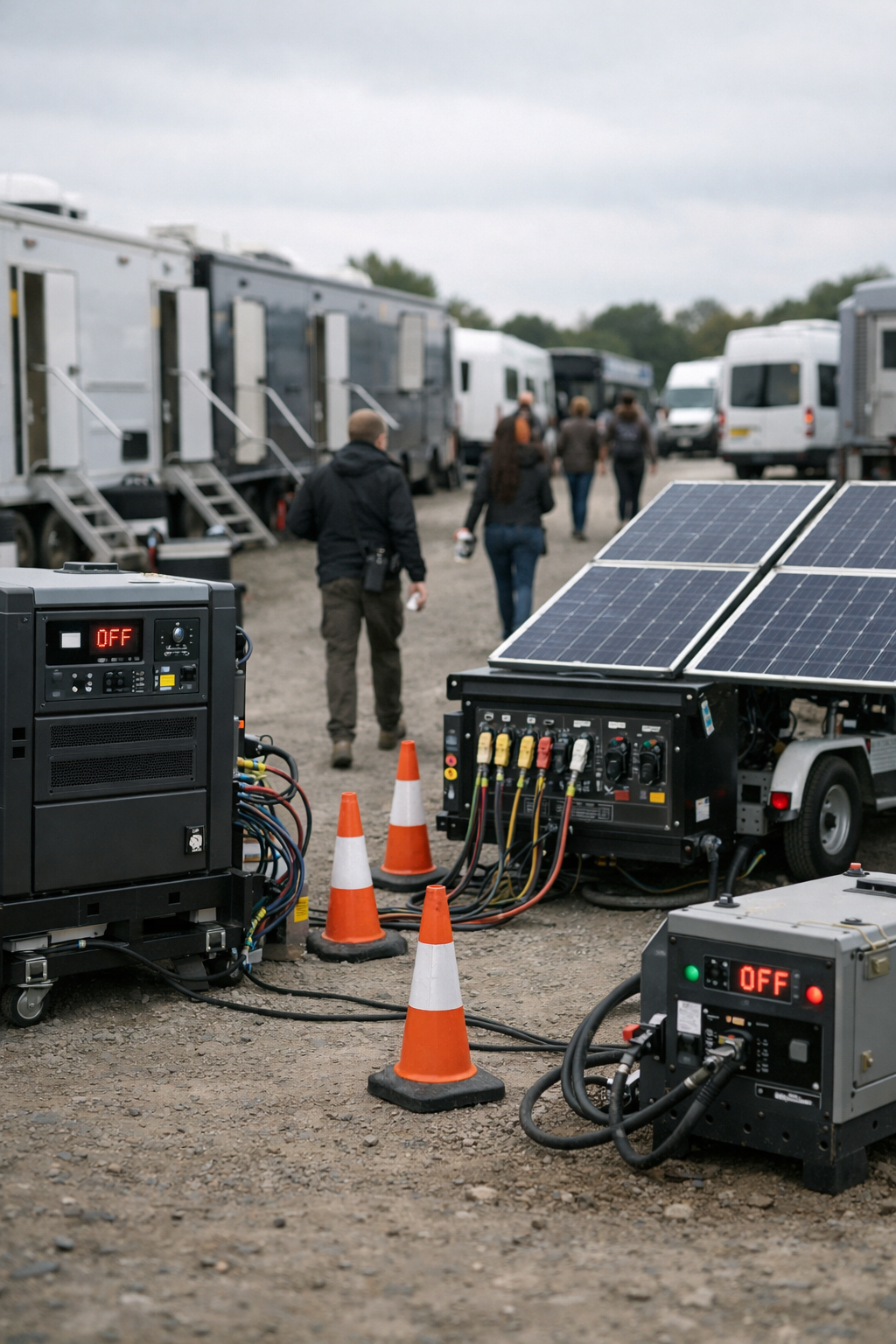
On a typical shoot, transport isn’t just about moving cast and crew from point A to point B. It’s also handling freight for cameras, lighting, props and wardrobe. Transport and power systems are intertwined: transport vehicles often carry generators, batteries and power gear, and trucks sit idling on set for long periods. Cleaner mobile power changes that picture. It means quieter operations, fewer emissions and fewer logistical headaches when shooting in urban or sound‑sensitive locations.
Practical steps the roadmap highlights
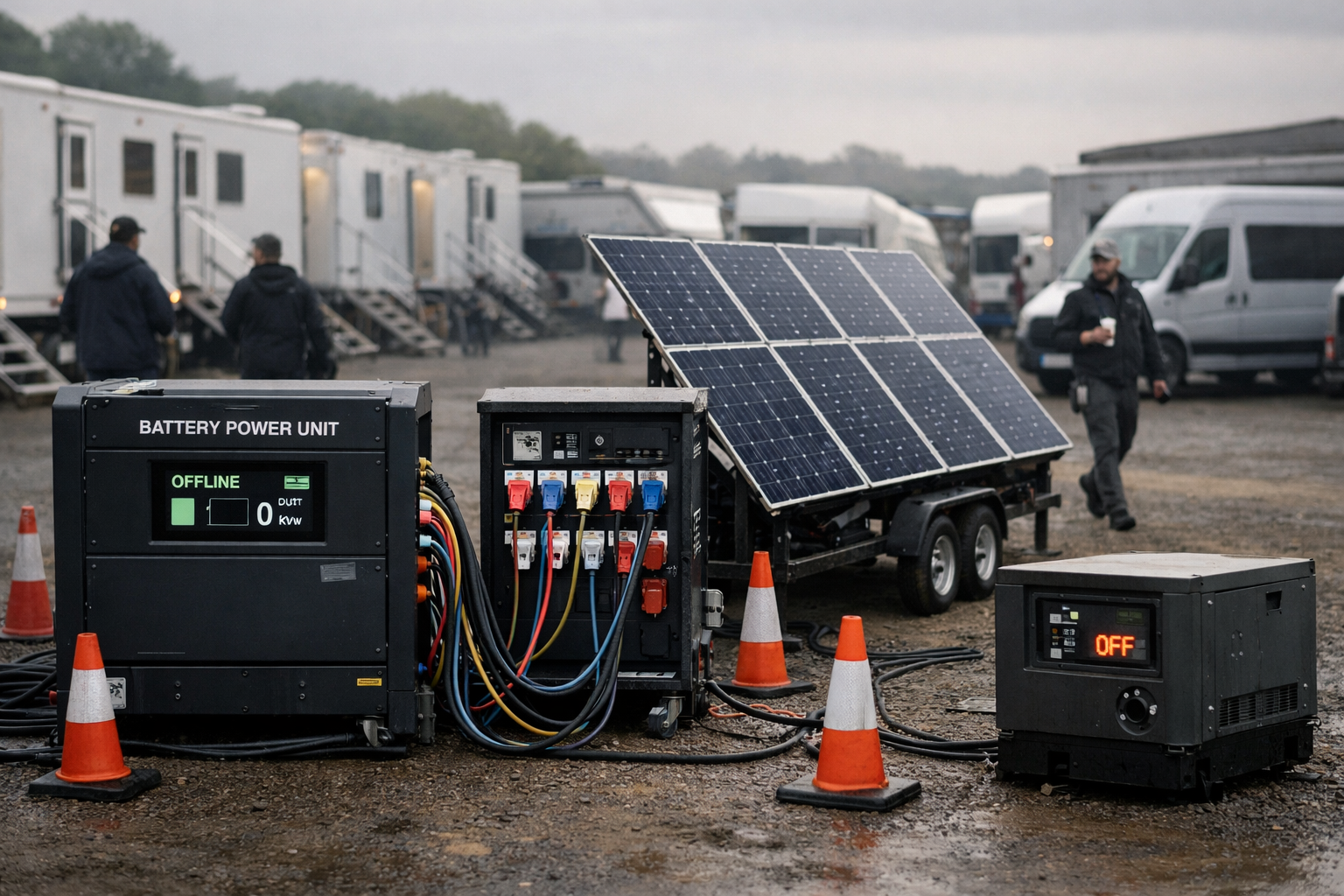
One of the most useful parts of the roadmap is its focus on demand signals. It encourages production planners to articulate their needs clearly and early in budgeting and scheduling. That gives equipment suppliers and rental houses the confidence to invest in cleaner alternatives, from battery‑based power units to electric support vehicles.
The roadmap also suggests training crews on how to integrate these alternatives into set operations. Adoption isn’t just about having the tech available; it’s about knowing how to use it in a fast‑paced environment without slowing production down.
How transport teams can act now
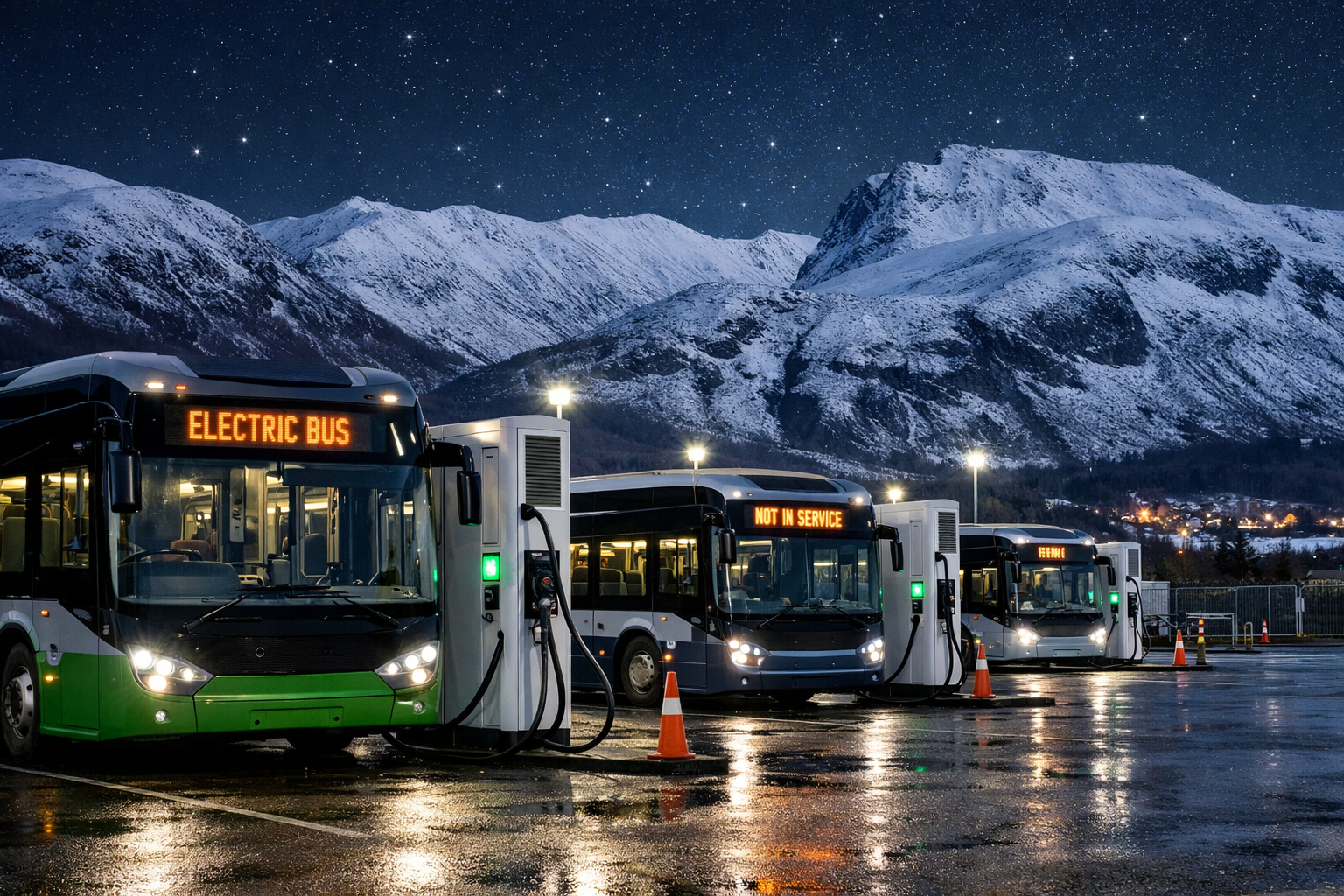
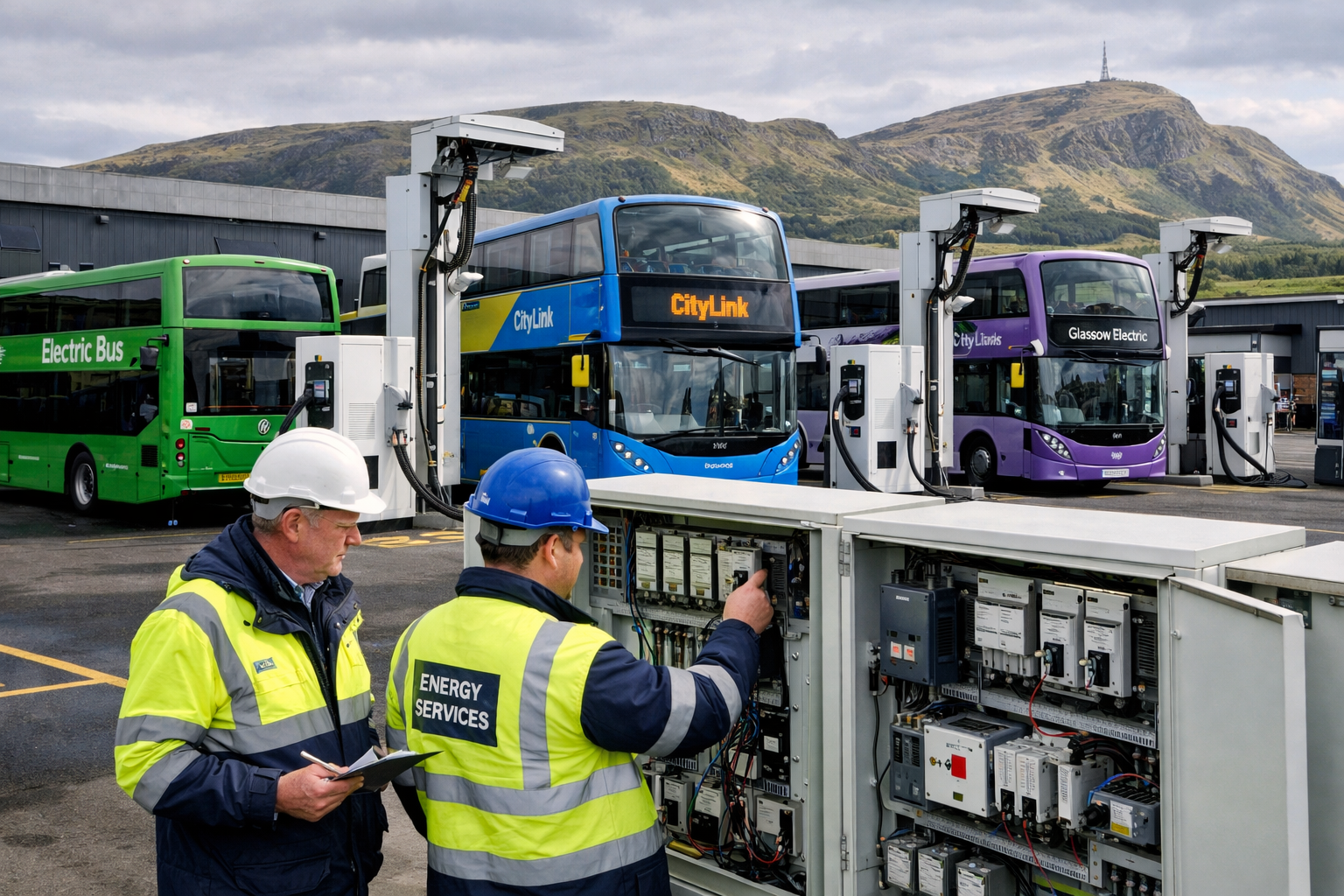
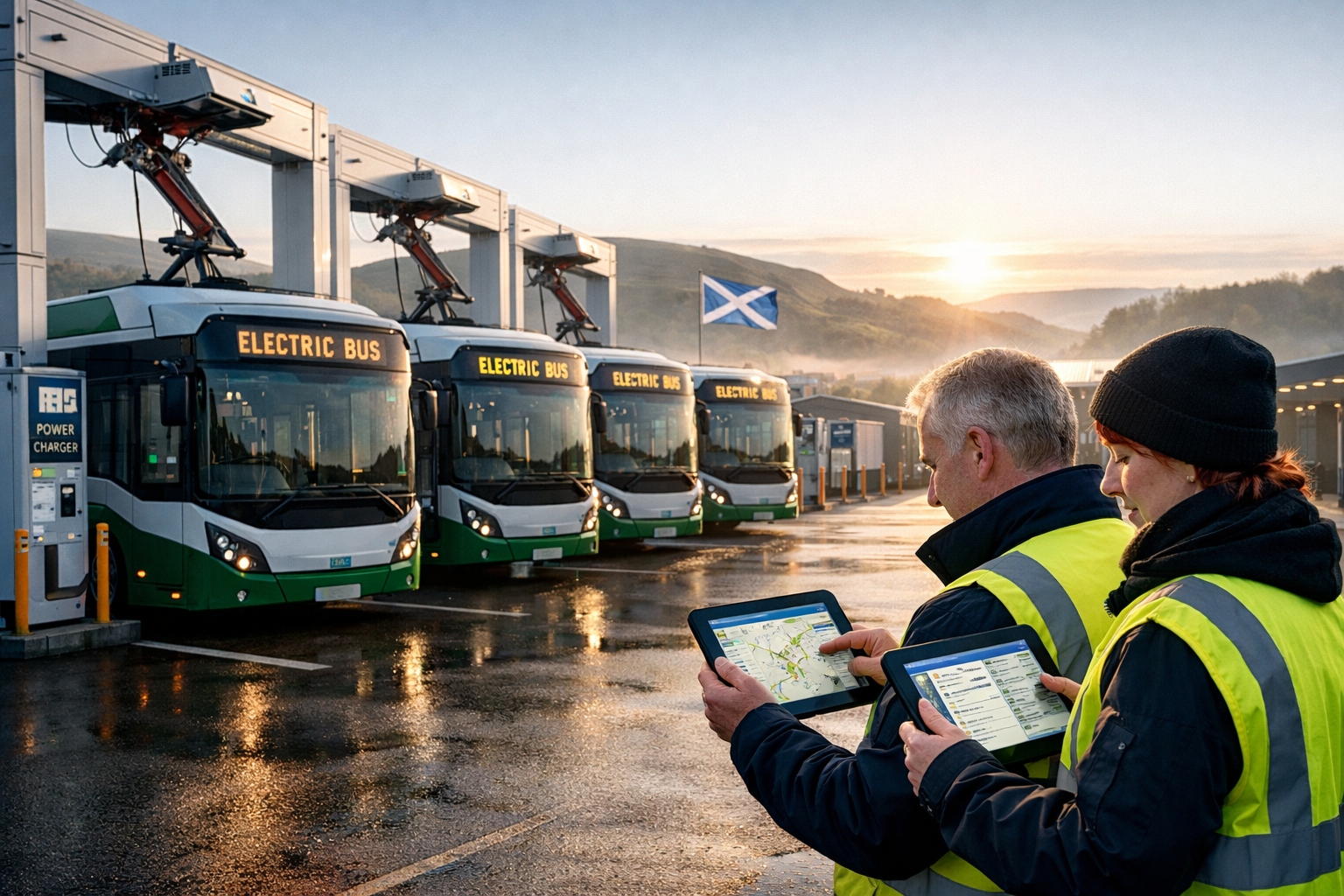
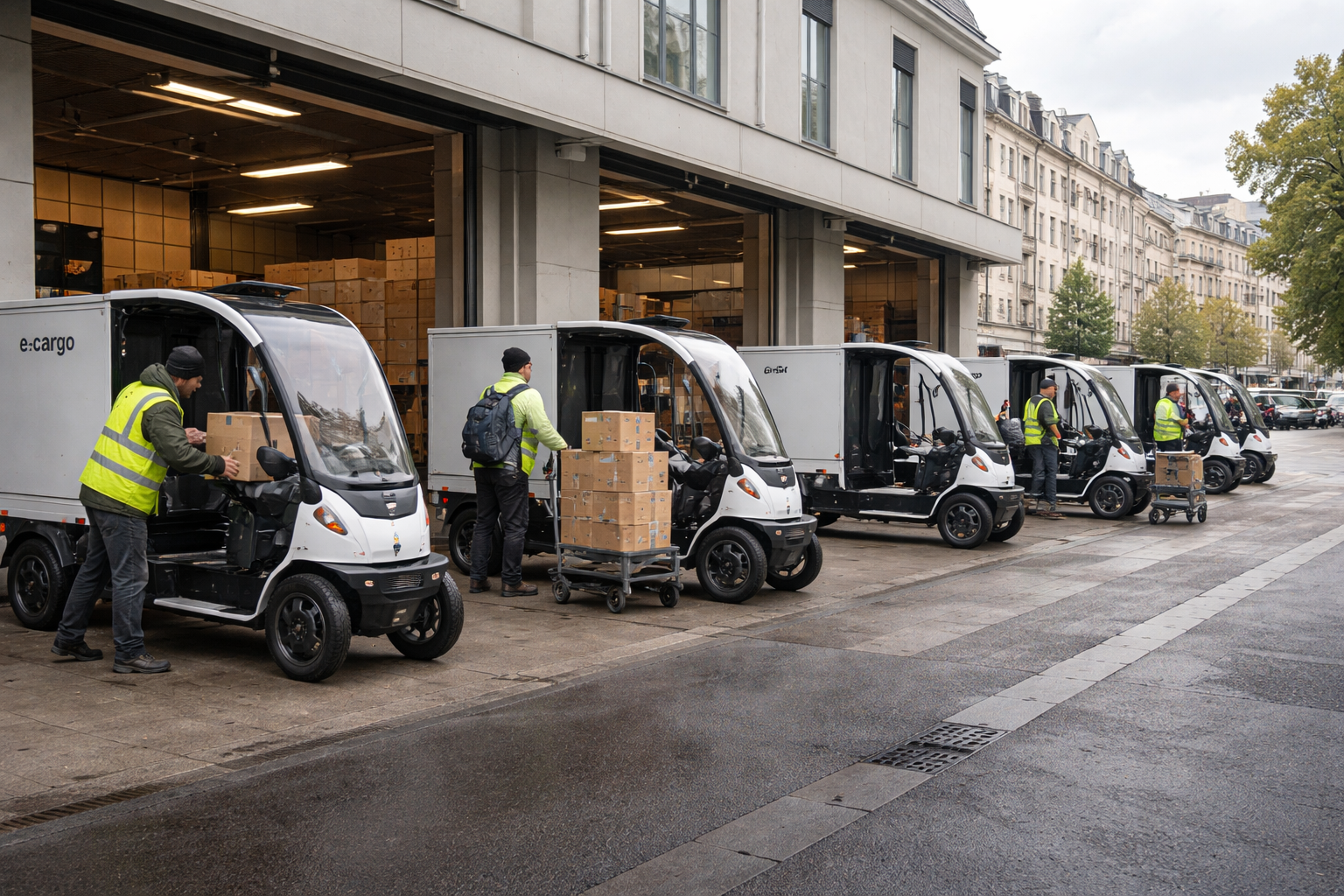
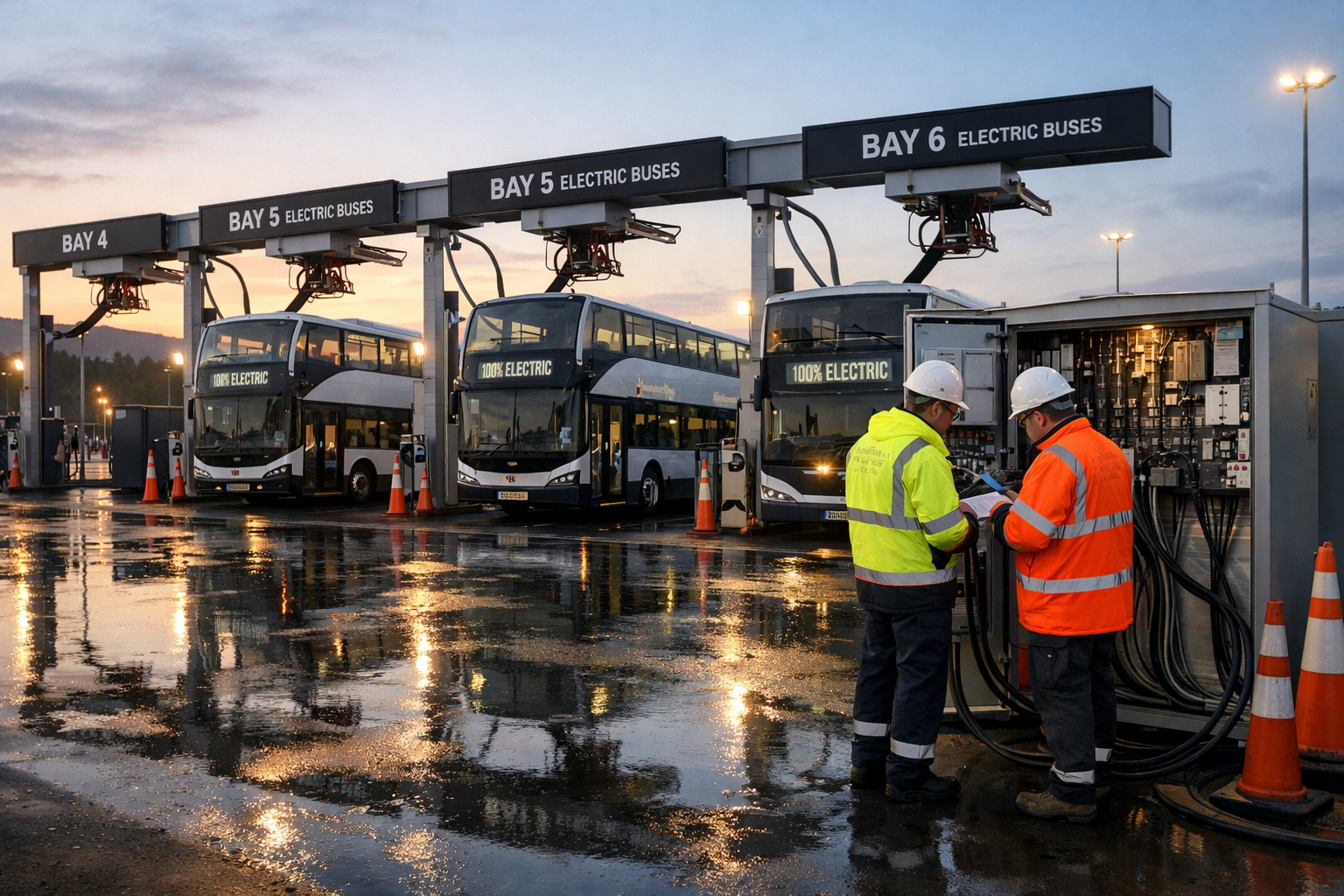
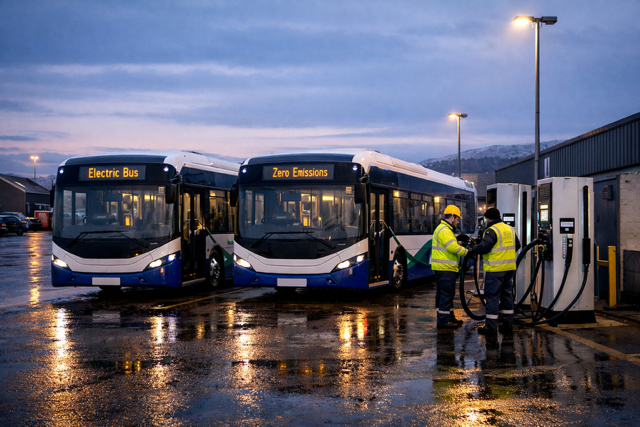
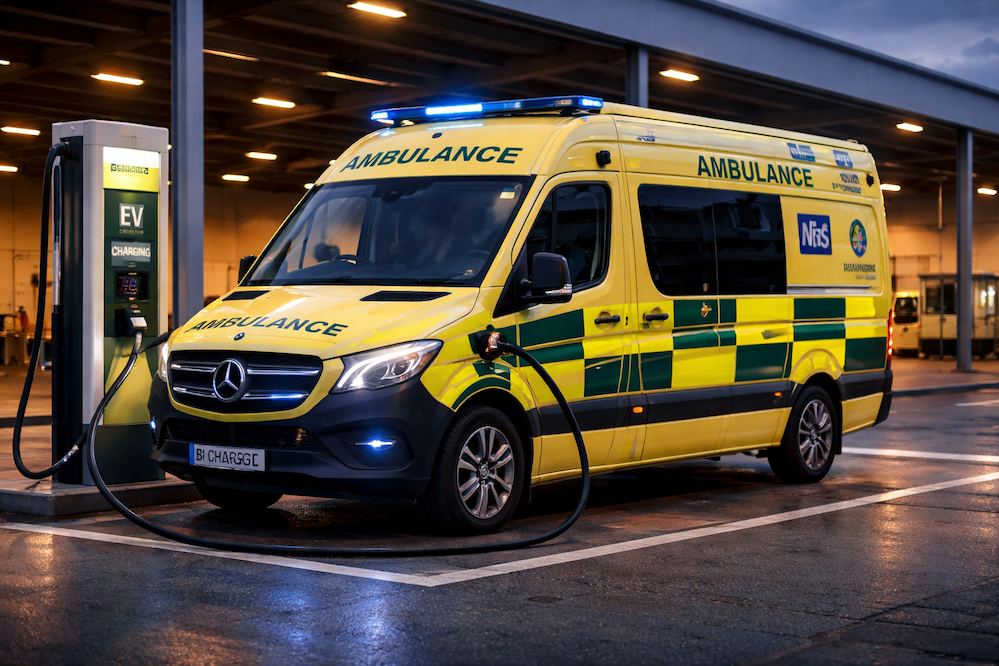
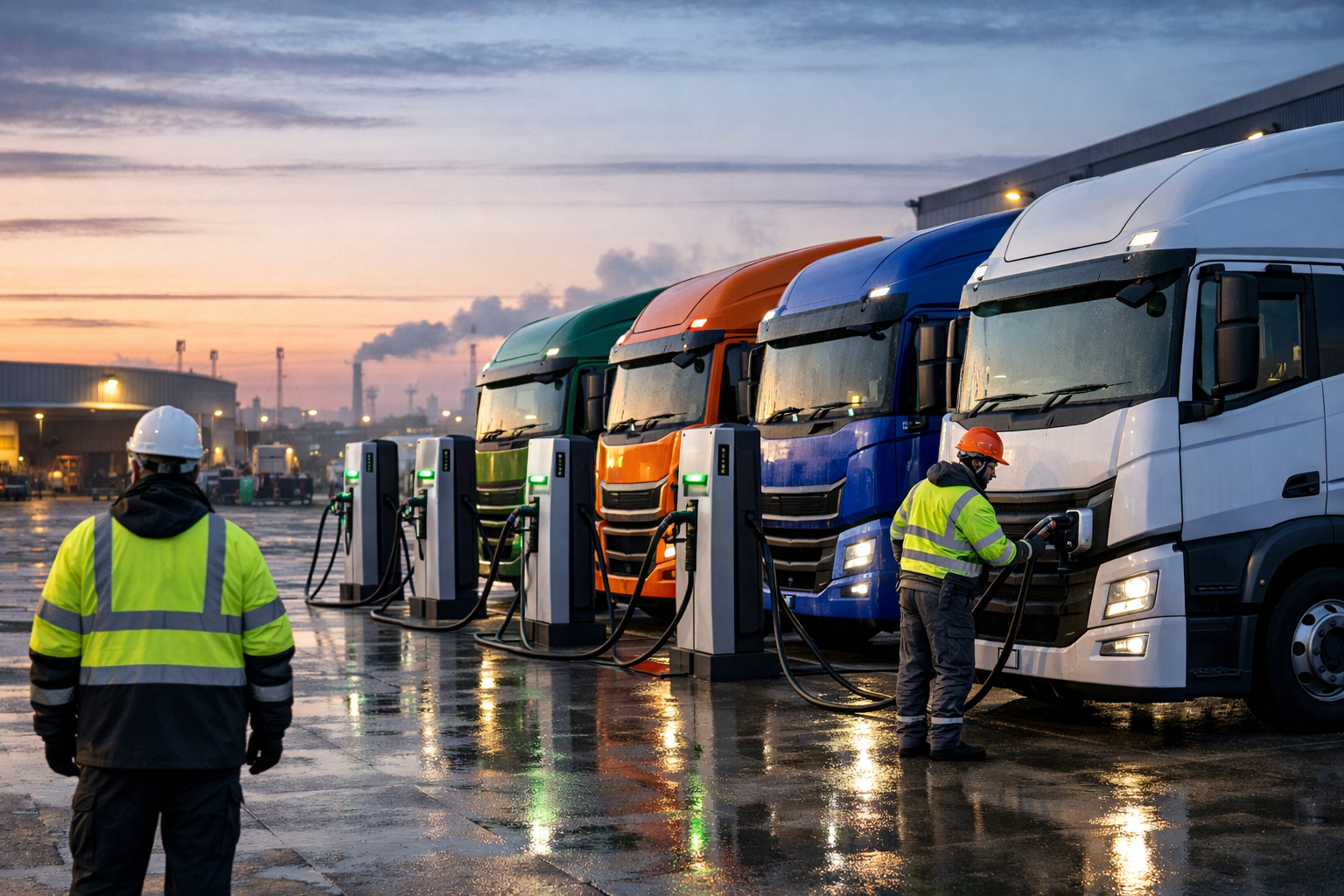
Transport and logistics managers can start by reviewing their upcoming schedules and identifying where clean alternatives could fit. This might mean planning charging access for electric support vehicles, or coordinating with rental houses on battery power units instead of diesel generators.
Good planning also includes talking to crews and suppliers. If you signal that cleaner power and transport are priorities for a series of shoots, suppliers are more likely to adjust their offerings. That reduces risk and creates a more predictable cycle for everyone involved.
At the end of the day, this roadmap isn’t about tech trends. It’s about making smart choices in how transport and power are procured and used. For production logistics teams, that’s a practical way to reduce emissions, cut noise on set and build smoother transport operations without compromising reliability.
You might also like