
UK’s Battery‑Only Train and Active Travel Upgrades Show Practical Steps in Transport Decarbonisatio
The UK’s green transport landscape took a decisive step forward this month as the nation’s first battery‑only passenger train began scheduled service in west London. Alongside this, city planners in Glasgow are designing major active travel upgrades to shift more journeys from cars to walking and cycling. These developments highlight how practical deployments — not just targets — are shaping how cleaner transport actually works.
Battery‑only trains: an operating proof point
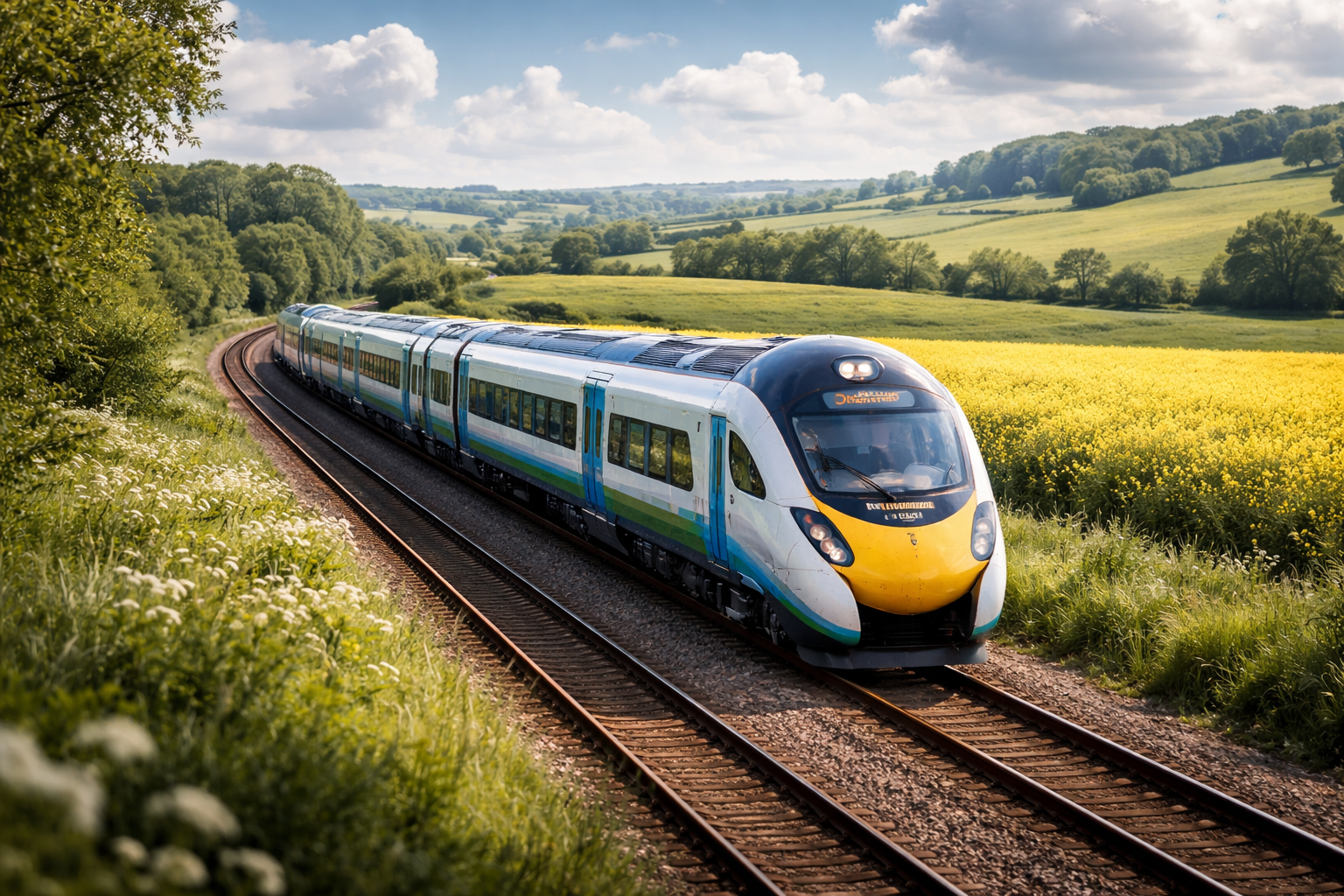
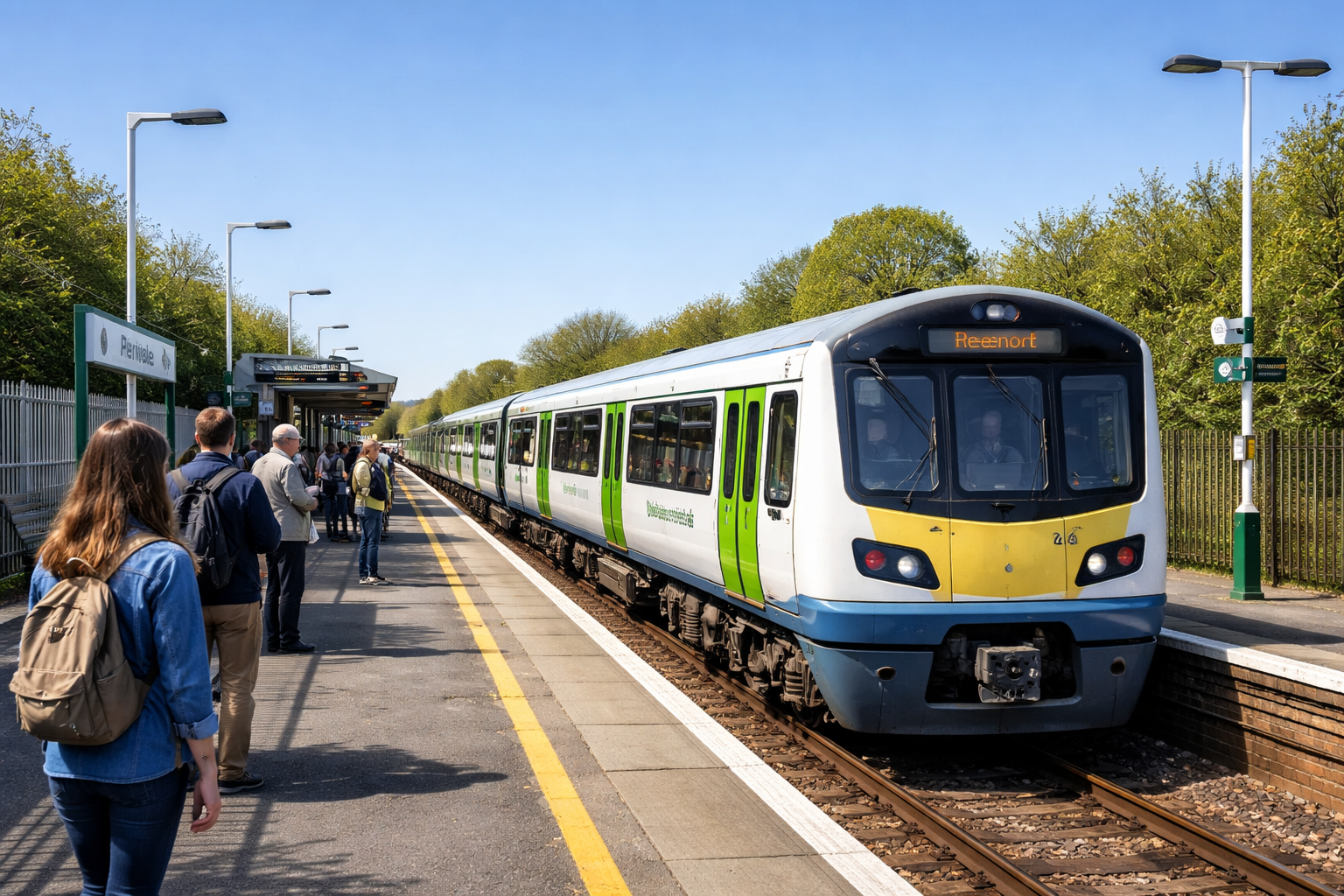
Great Western Railway’s battery train, operating on the West Ealing to Greenford route, demonstrates a viable alternative to diesel on short lines. It replaces a diesel unit with a fully battery‑powered train that uses rapid recharge points at stations, topping up between trips. This shift offers a realistic pathway for branch lines and unelectrified routes where overhead wiring is costly or slow to install.
The technology is backed by real operational data. During trials, the train covered over 200 miles on a single charge, a world record for a battery passenger train. This performance alleviates concerns about range limitations and supports planning for wider adoption. For operators, this proof of operation informs maintenance plans, depot infrastructure investment and fleet replacement strategies.
Changing how transport assets are valued
For a broker or planner, a battery train in service affects how transport assets are evaluated. Traditional assets like diesel trains involve predictable fuel, maintenance and replacement cycles. Battery units shift these variables. Charging infrastructure, power capacity and depot layout become part of the asset equation.
Financiers need to rethink depreciation assumptions too. If a train can go electric without full electrification infrastructure, its operational life and resale value change. Depots with power upgrades may fetch higher valuations. Operators can forecast lower running costs and reduced carbon levies. That data makes business cases tighter and less speculative than earlier electrification models.
Active travel links urban growth and sustainability
While trains tackle longer journeys, local active travel plans contribute to decarbonising short‑distance movement. Glasgow City Council’s proposed 2.7 km active travel route linking key areas prioritises walking and cycling over car travel. Enhanced crossings, cycle lanes and seating are designed to make active travel a practical choice for everyday trips.
Active travel investments reduce congestion, improve public health and lower transport emissions. They also integrate with public transport, offering seamless multimodal links. For residents, the appeal is clear: safer, more pleasant routes that connect homes, workplaces and leisure spaces.
Broader context: sustainable aviation and energy
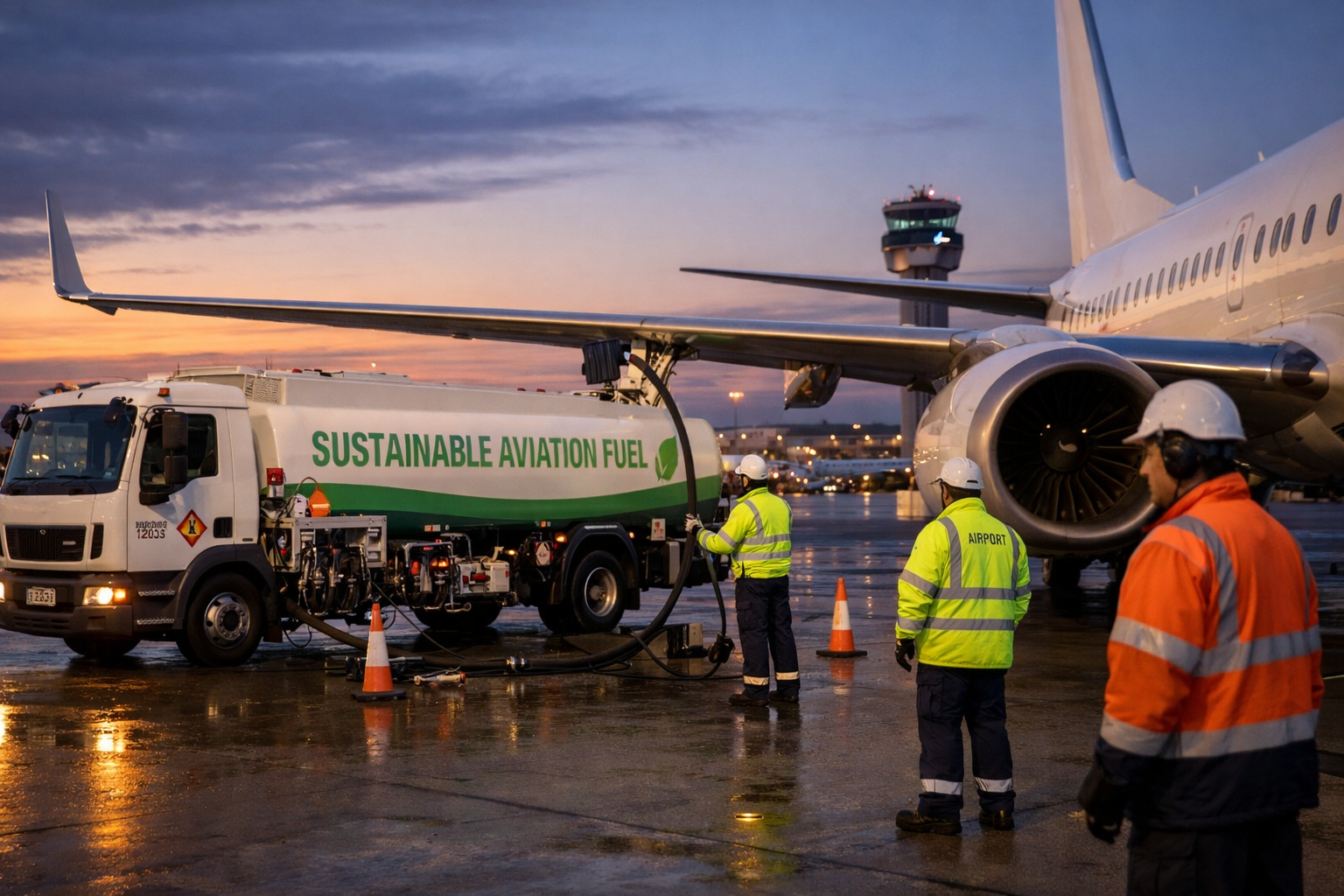
Beyond land transport, the UK is also pushing sustainable aviation fuel (SAF) development with targeted funding for SAF producers. These efforts aim to boost production and certification of low‑carbon jet fuels, part of an overall strategy to cut emissions across transport modes.
Barriers and opportunities
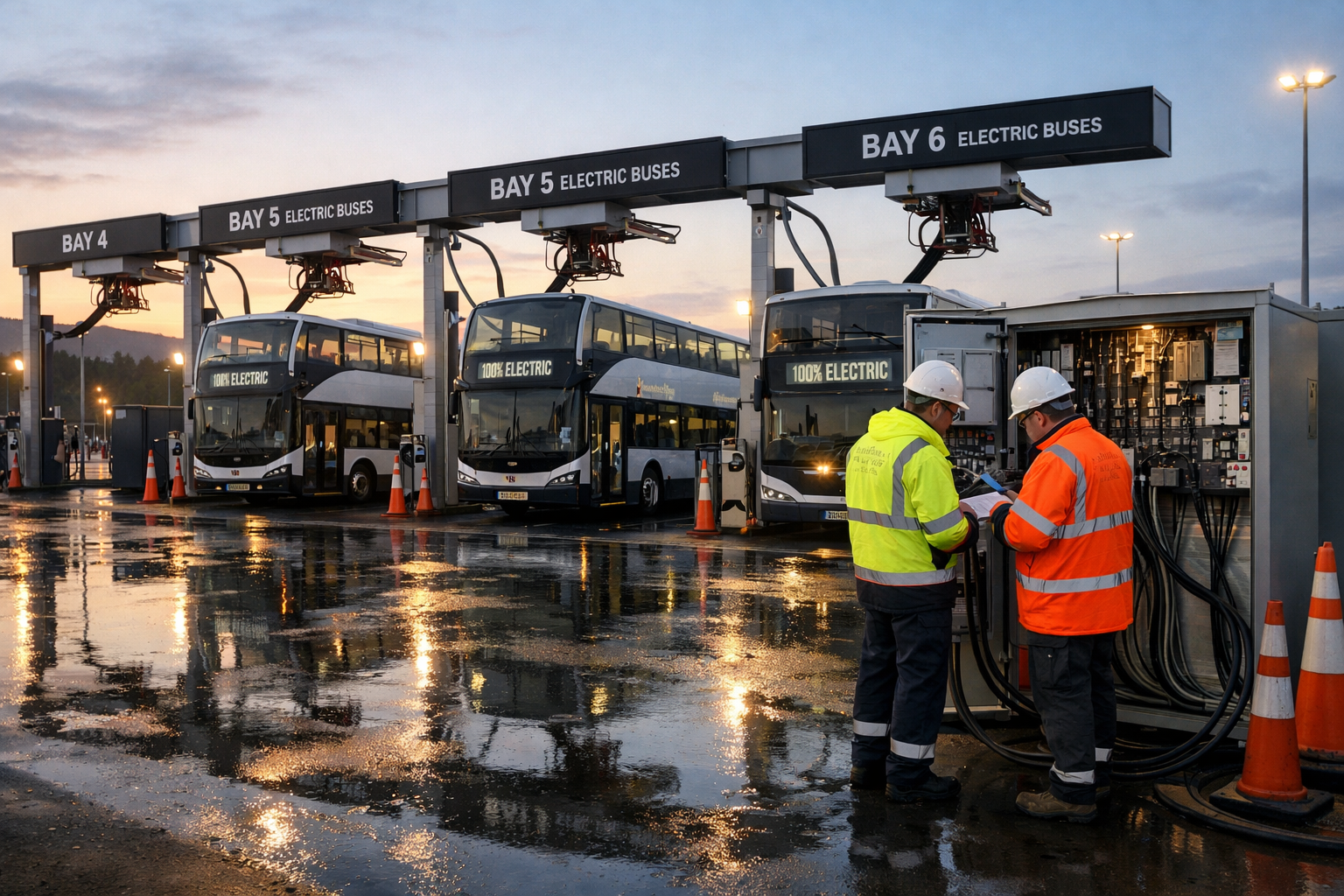
Adoption of these technologies and designs still faces barriers. Battery trains require upfront investment in charging equipment and power capacity. Planners must ensure grid connections and depot power feeds are ready. Active travel infrastructure needs careful integration with existing street networks.
Policy clarity helps. When government targets align with deployable technology, industry confidence grows. That attracts financing and speeds deployment at scale.
What this means for the next phase
The UK’s battery‑only train shows that technology can move from trial to operation. Urban active travel planning shows that decarbonisation isn’t just about vehicles but about how we design spaces for people. Together, these developments provide valuable data for planners, operators and financiers. They show that cleaner transport is moving from ambition to everyday reality.
For anyone involved in transport assets or infrastructure investment, the lesson is clear. Look at real performance data, factor infrastructure needs into asset value, and plan around integrated mobility systems that reduce dependence on fossil fuels. That’s how cleaner, more efficient transport networks take shape.
You might also like