E‑mopeds for delivery: what London’s rental push means for urban fleets
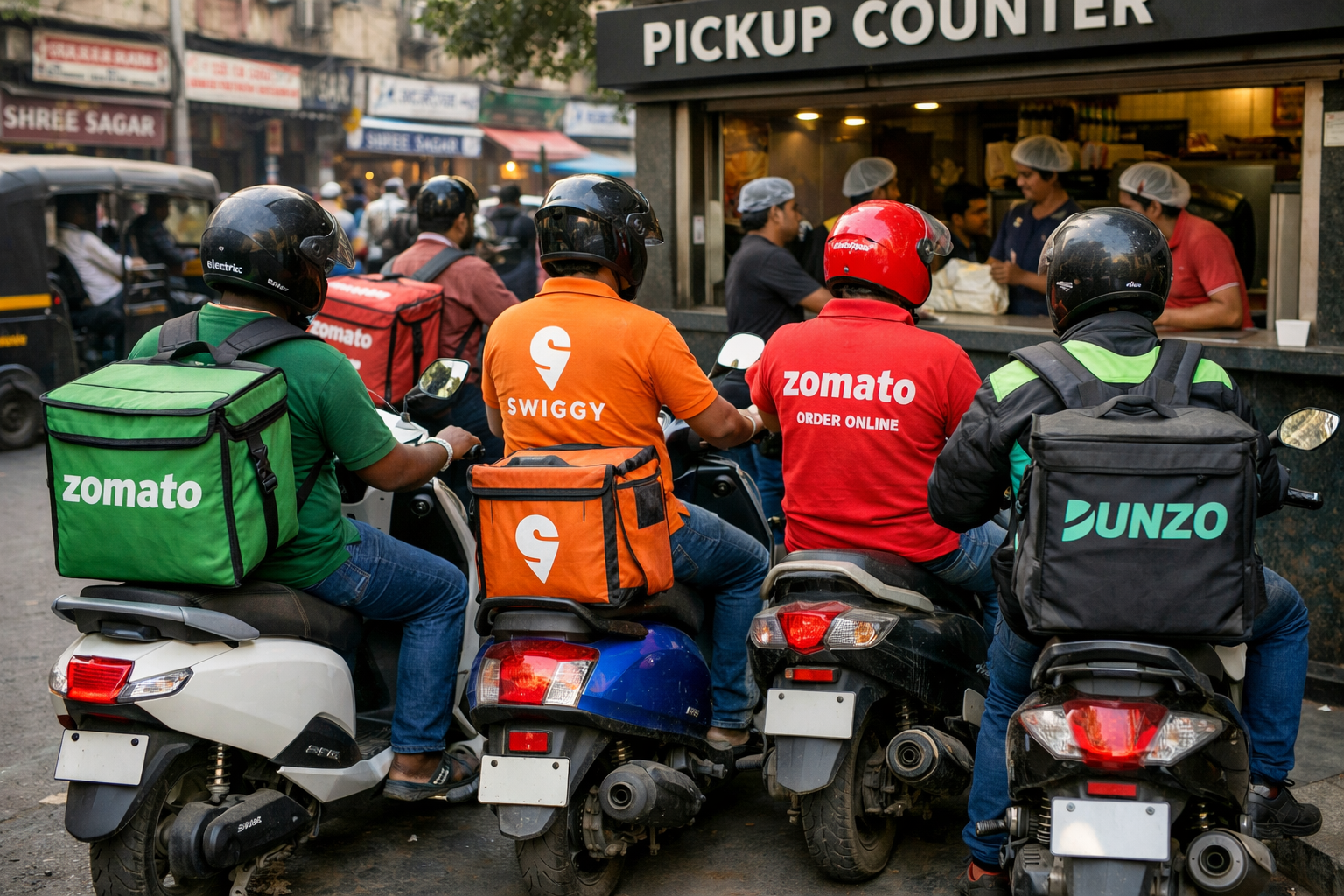
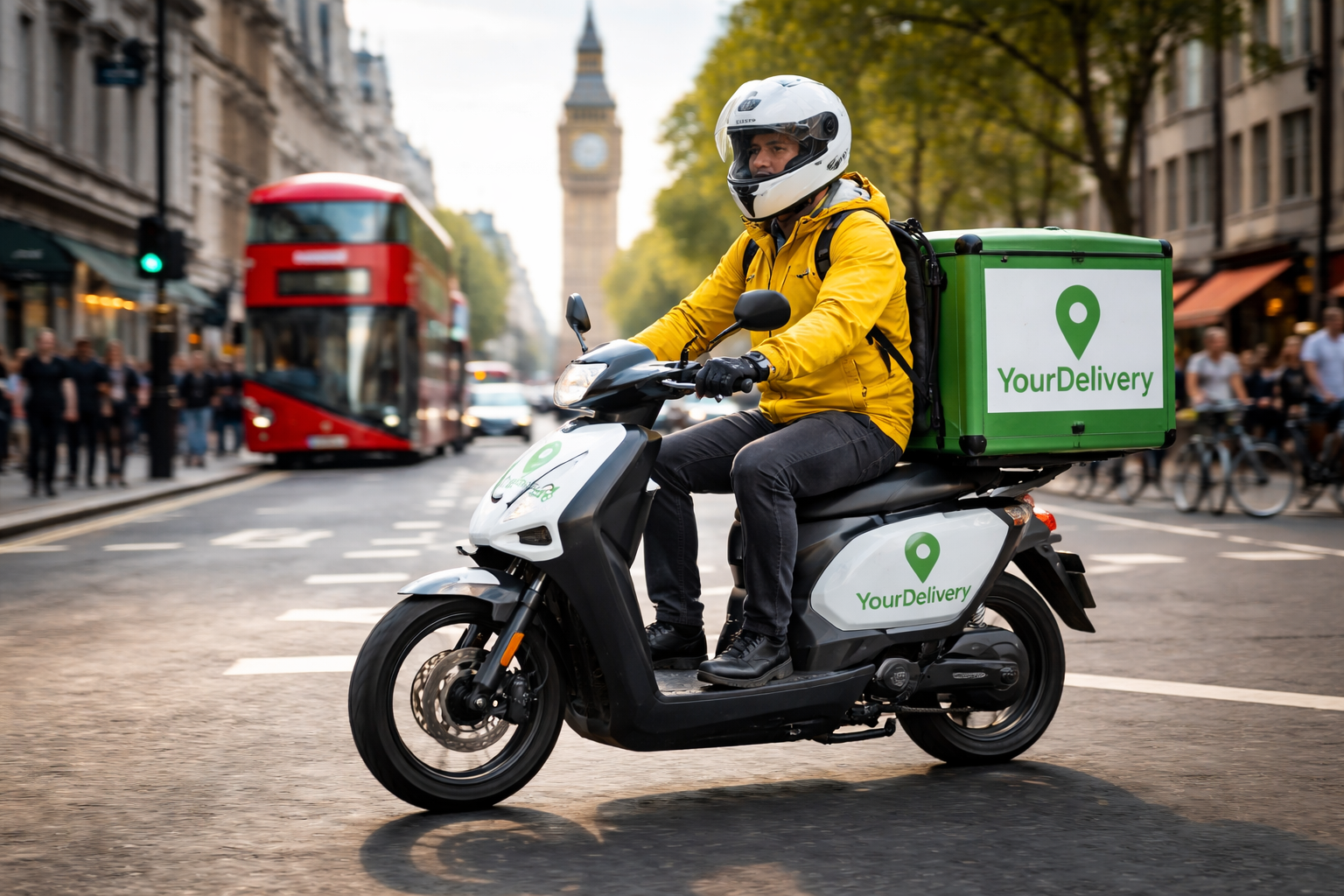
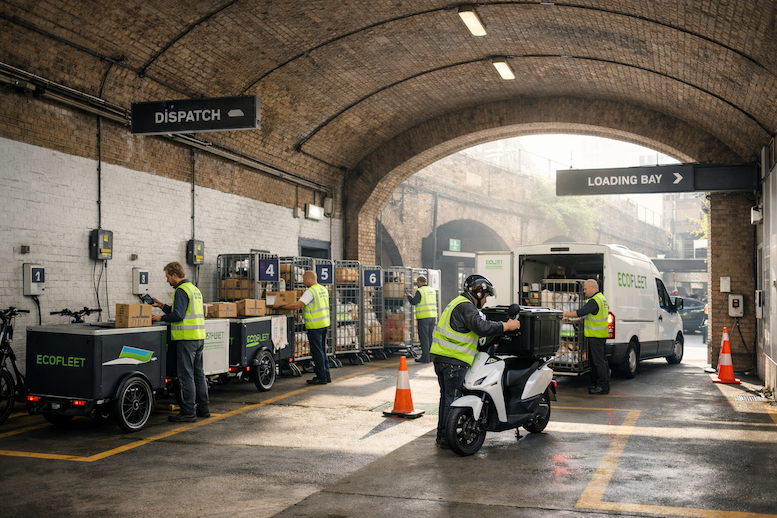
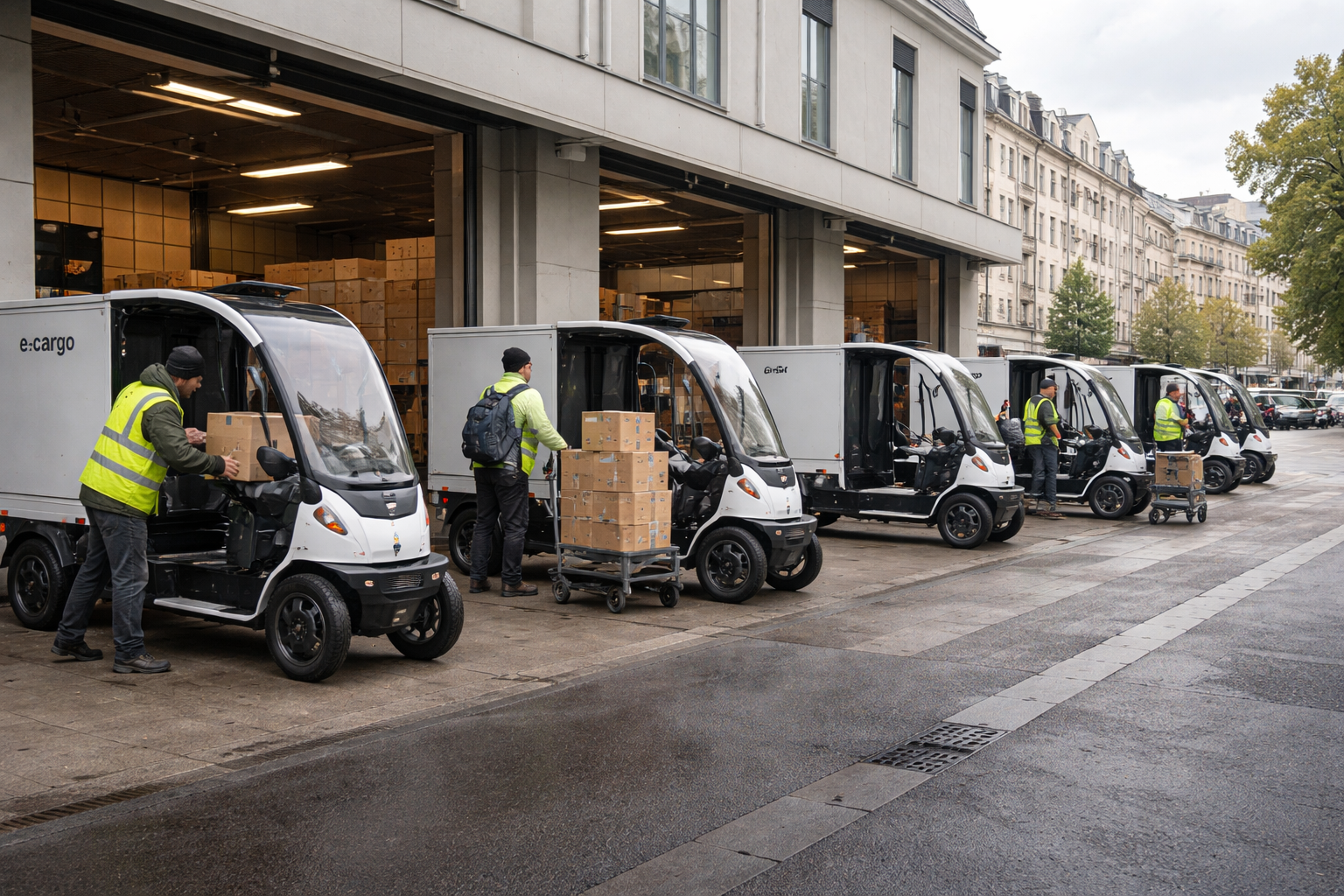
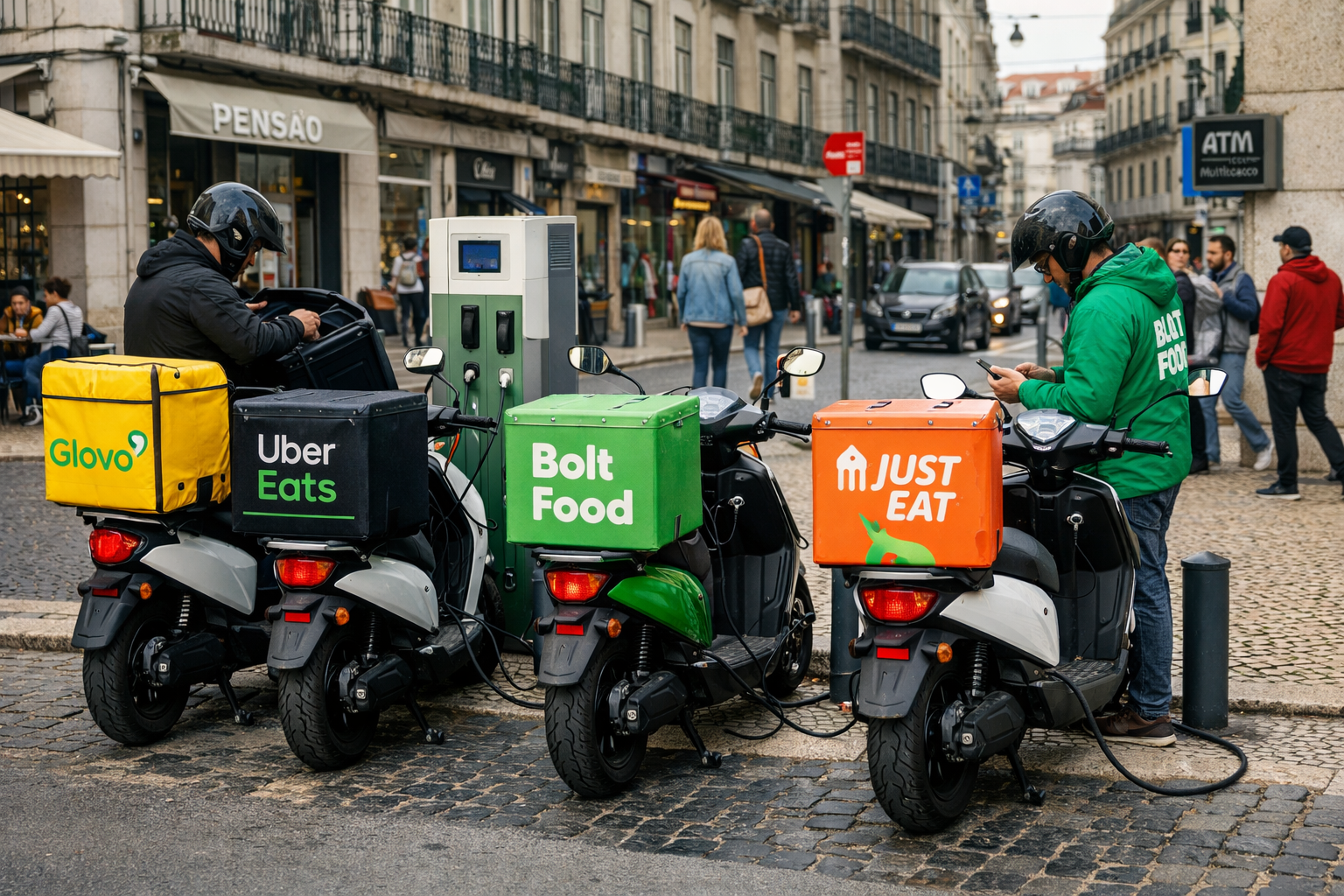
In congested city centres, delivery partners need vehicles that are compact, emission‑free, but still capable of handling multiple trips throughout a shift. That’s why Uber Eats’ recent move to introduce discounted e‑moped rentals for its couriers in London is worth watching.
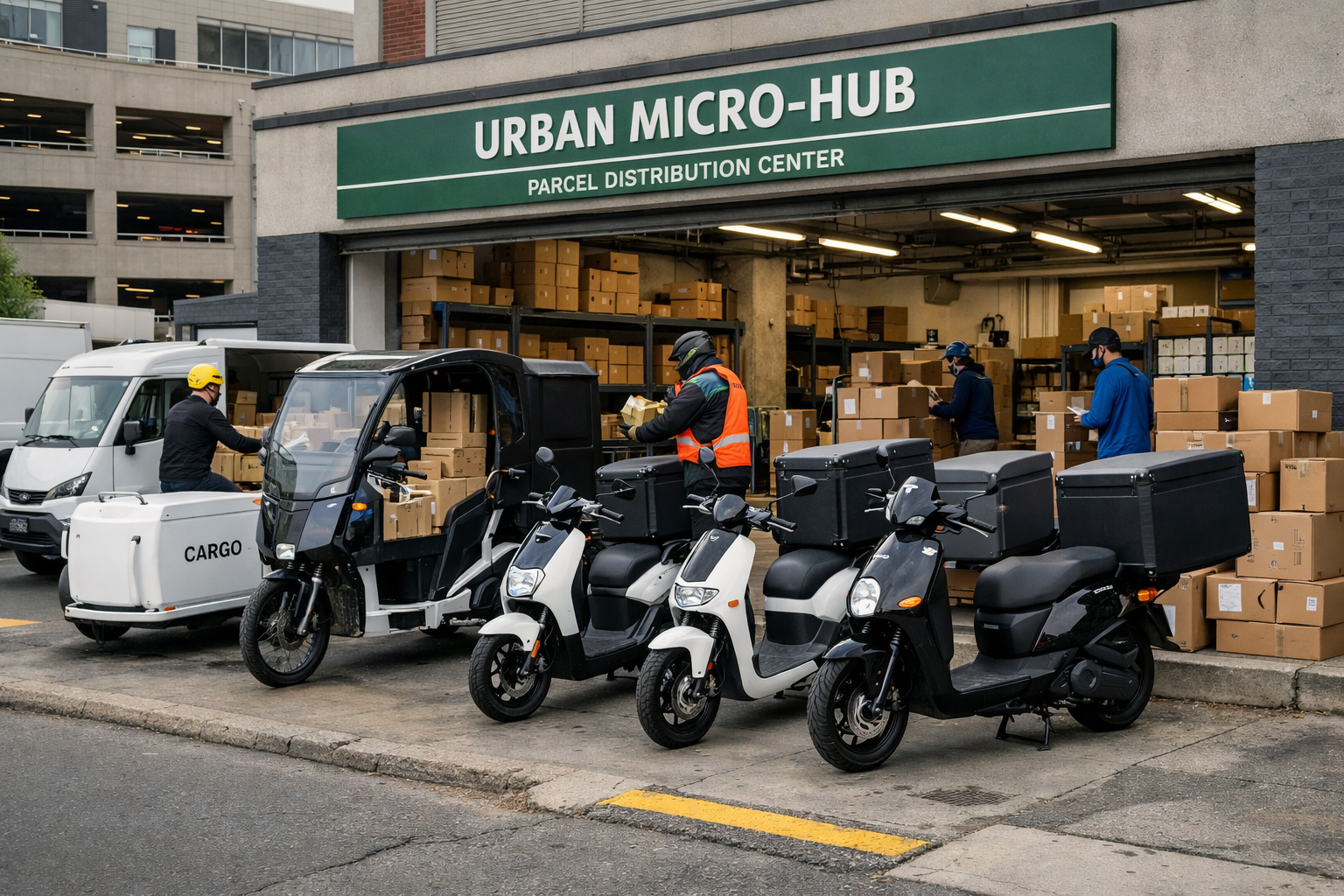
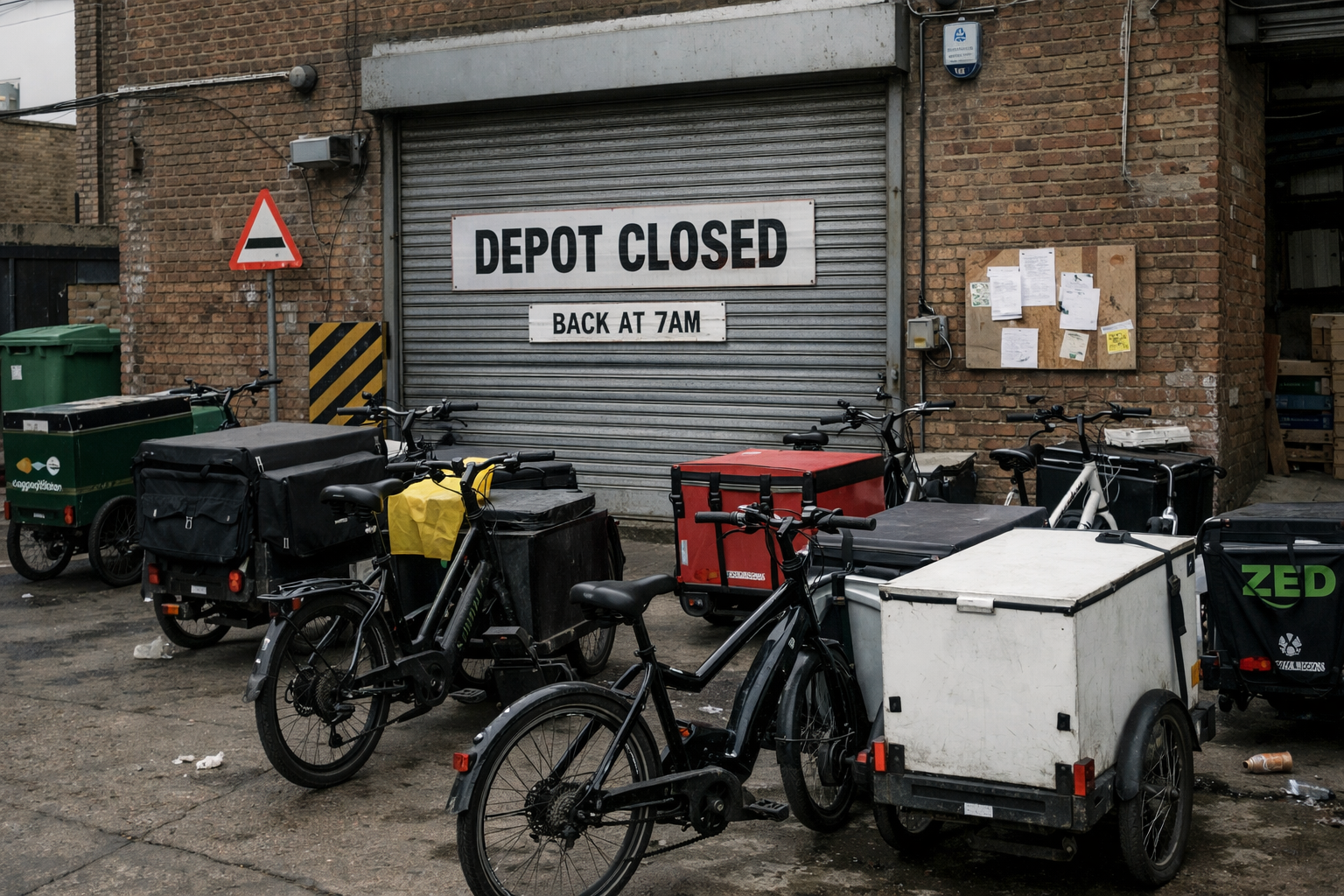
Unlike pedal‑assisted bicycles that are ideal for very short runs, electric mopeds offer a bit more range and larger storage capacity while remaining significantly cleaner and quieter than petrol scooters. They can handle a wider mix of jobs without jumping straight to a van. This makes them a practical intermediary for riders who want efficiency without sacrificing operational reach.
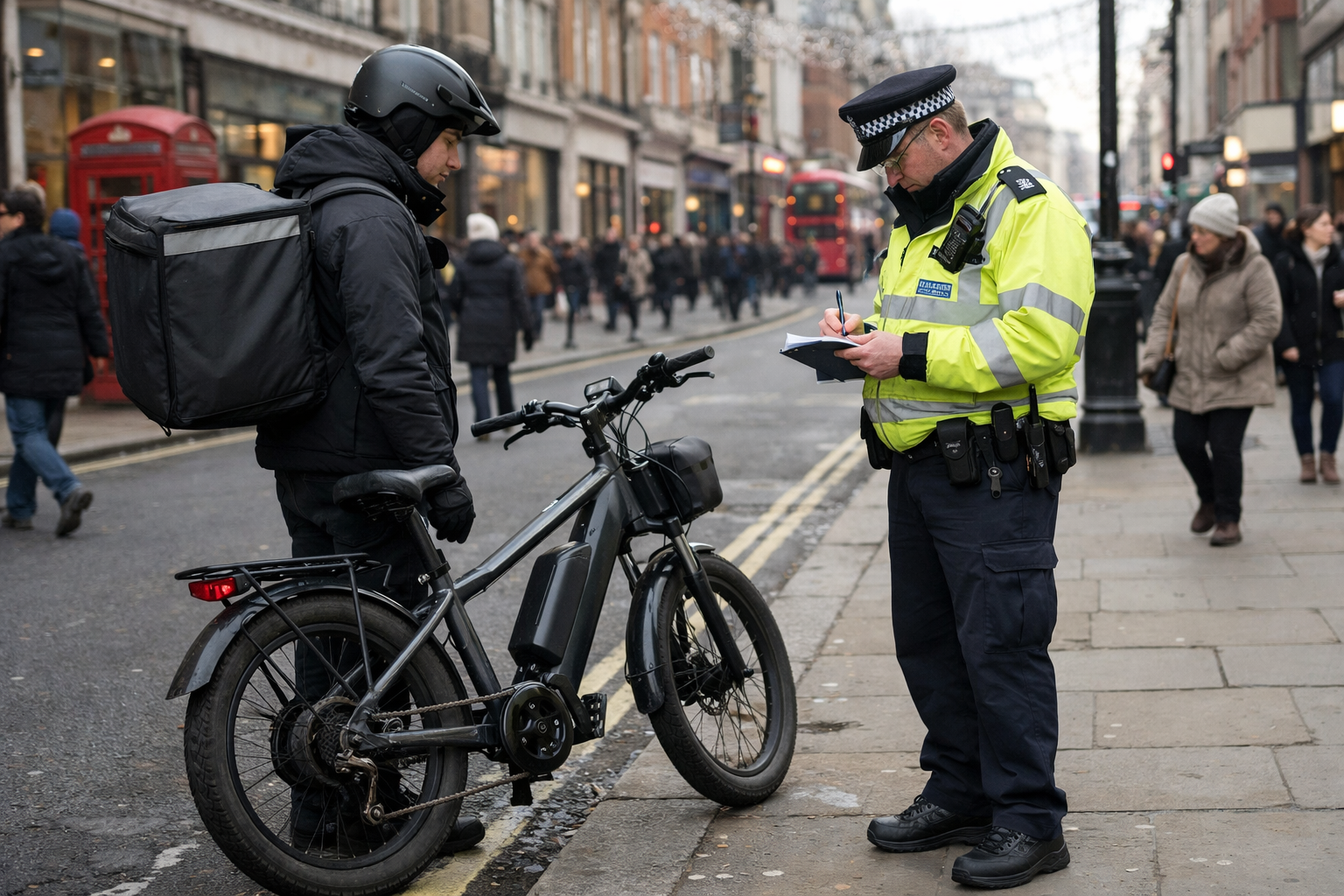
The partnership with a rental provider means couriers can try the e‑mopeds with a lower upfront cost. In a gig economy where earnings can be tight, reducing barriers to experimenting with new transport is important. Riders aren’t asked to own the vehicle outright; instead they can rent, with insurance included in the pricing. If an e‑moped fits a rider’s daily pattern better than a bike or scooter, they may stick with it longer.
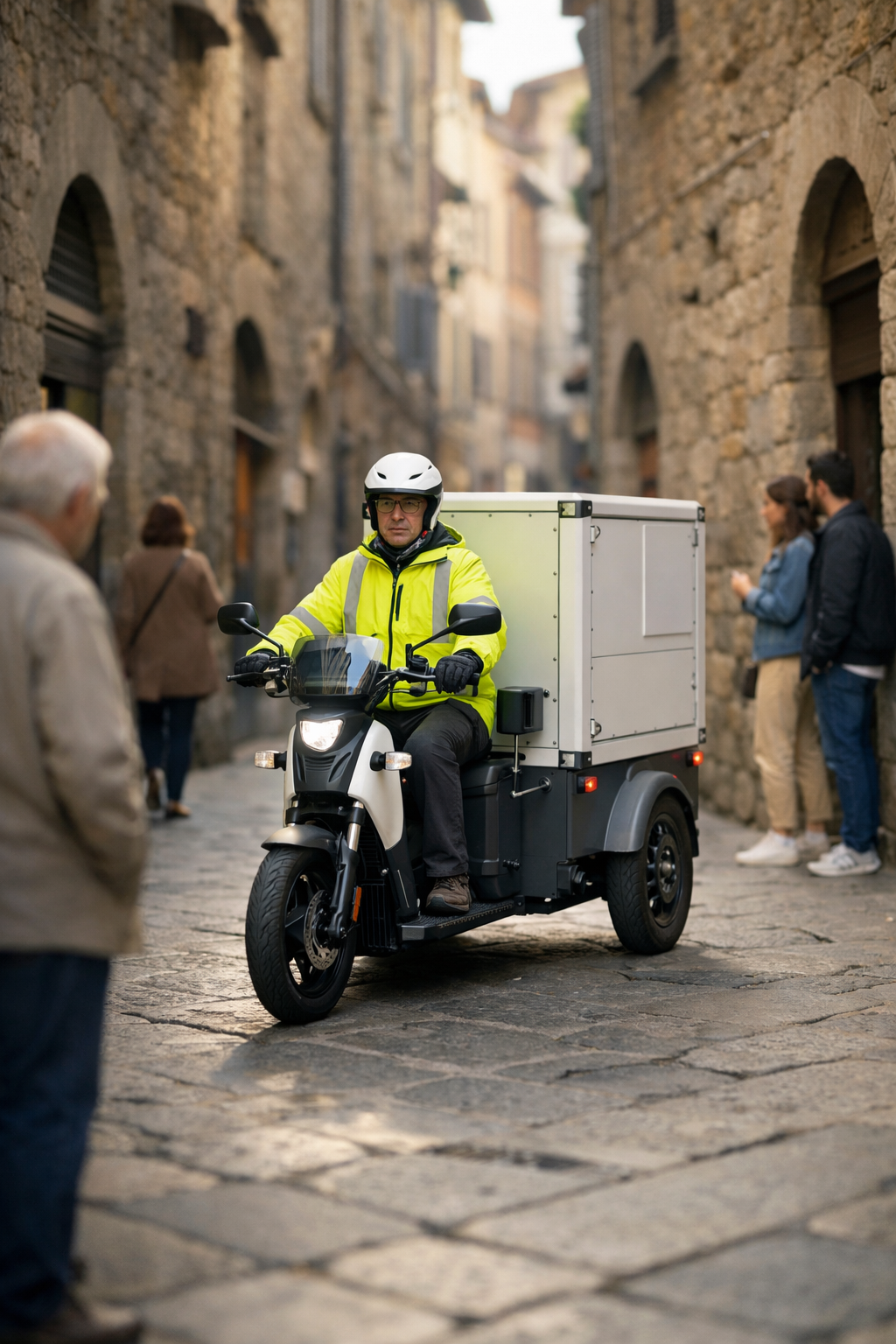
From an organisational point of view, more electric mopeds on the street can help delivery networks reach emission targets ahead of current deadlines. Cities like London are tightening rules on low‑emission zones and restricting older petrol vehicles in central districts. Electric mopeds not only comply with these regulations, but also make it easier to navigate narrow streets and crowded areas without adding noise or fumes.
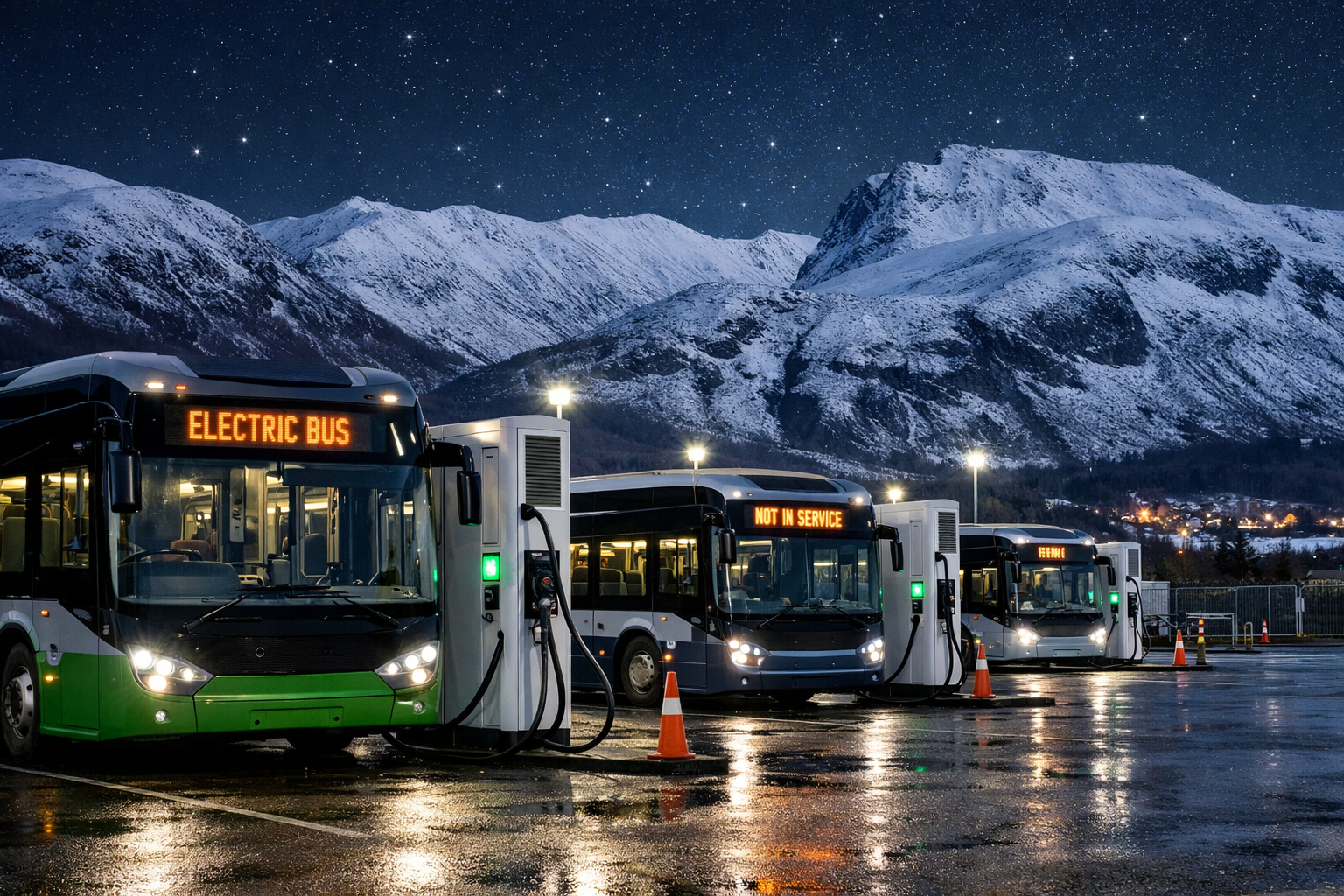
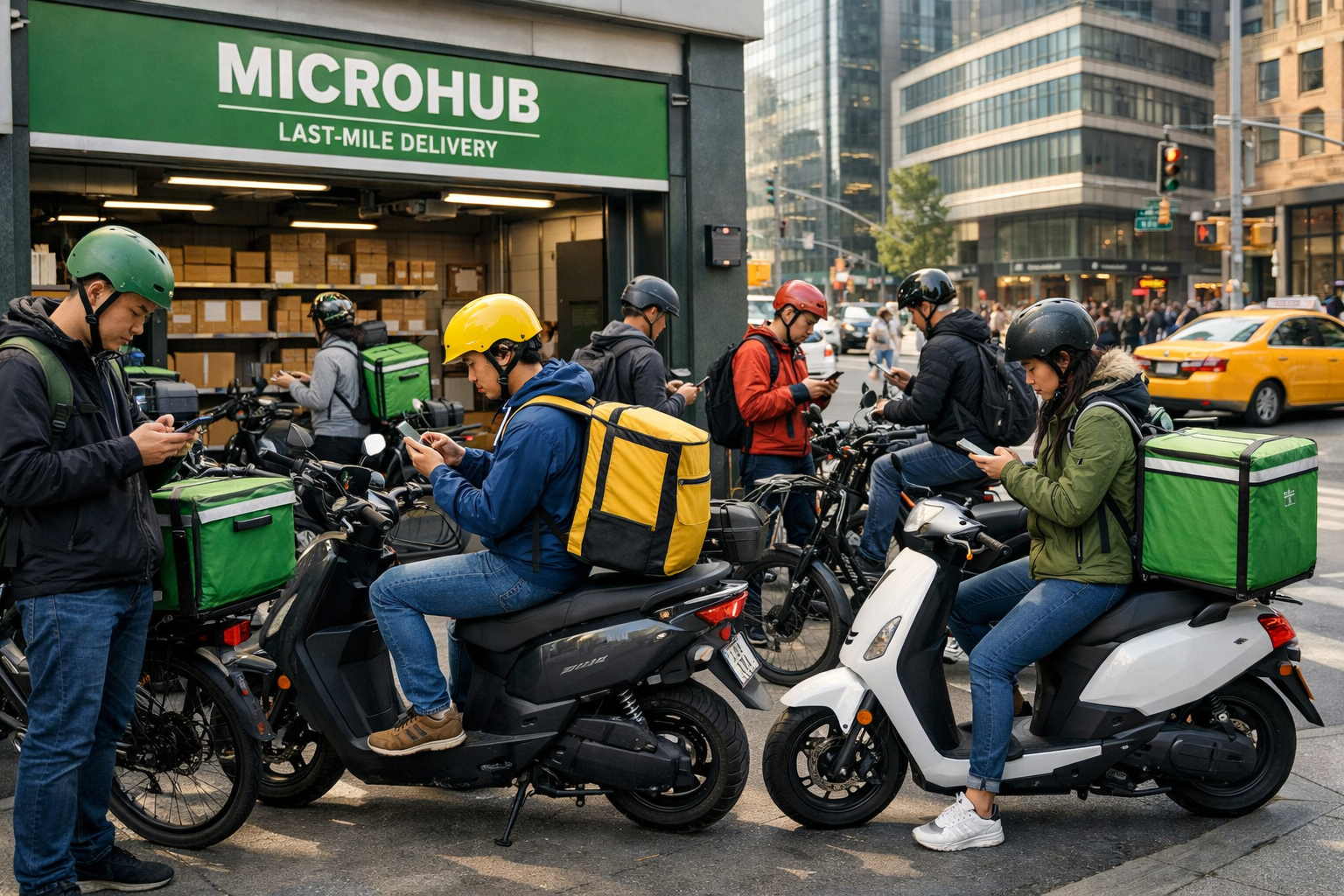
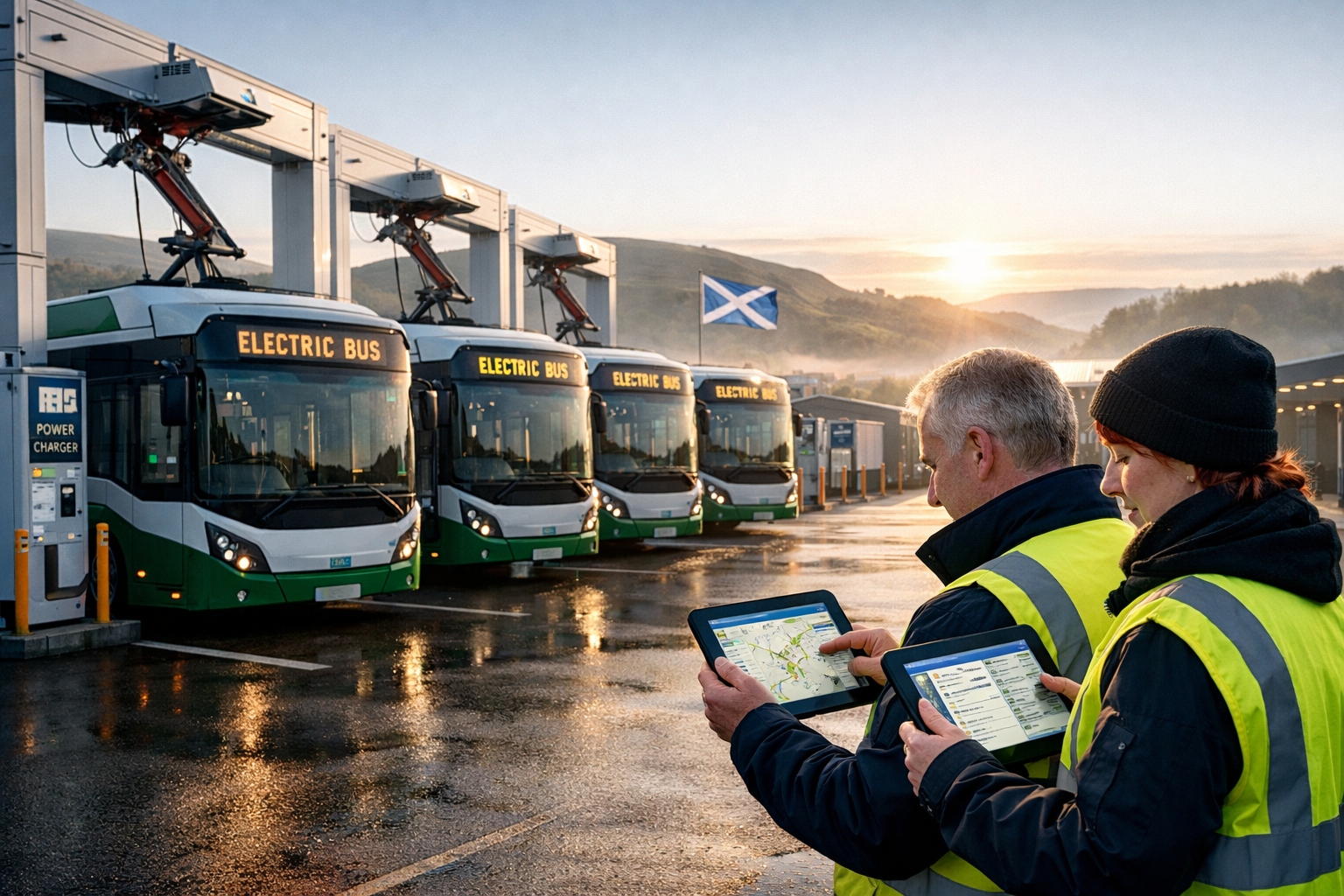
Practical challenges remain. Charging infrastructure and reliable battery support are critical when vehicles are rented and used all day. Rental providers and platforms will need to ensure chargers are easy to access and downtime is minimal. Couriers also need to feel confident that the rental rate and running costs make financial sense over time.
But early uptake in London suggests there is demand. Riders who can move more orders with fewer stops to refuel or charge are better positioned to maintain steady earnings. And as cities push toward cleaner transport, offering rides that fit existing workflows without ballooning cost is a smart way to accelerate EV adoption in the
last mile.
You might also like