Ambulance productivity targets are reshaping fleet strategy
Ambulance services across the UK are facing a shift in how performance is measured. Recent urgent and emergency care policy places a strong focus on productivity, particularly reducing hospital handover delays and improving vehicle turnaround times.
This change has direct implications for fleet management.
From response times to utilisation
Historically, ambulance performance was judged largely on response time targets. While these remain important, the new focus is on how effectively vehicles are used throughout a shift. A vehicle waiting outside a hospital for an hour is not available for new calls, regardless of how quickly it reached its last patient.
Improving productivity therefore requires coordination between ambulance services, hospitals and transport providers.
The role of hospital flow
Handover delays are often linked to hospital capacity and patient flow. Investments in same‑day emergency care, discharge pathways and bed management can reduce waiting times for ambulance crews. For fleet operators, this means performance depends on external system factors as much as on maintenance and staffing.
Private providers supporting NHS services should expect contracts and key performance indicators to reflect these whole‑system measures.
Digital fleet visibility
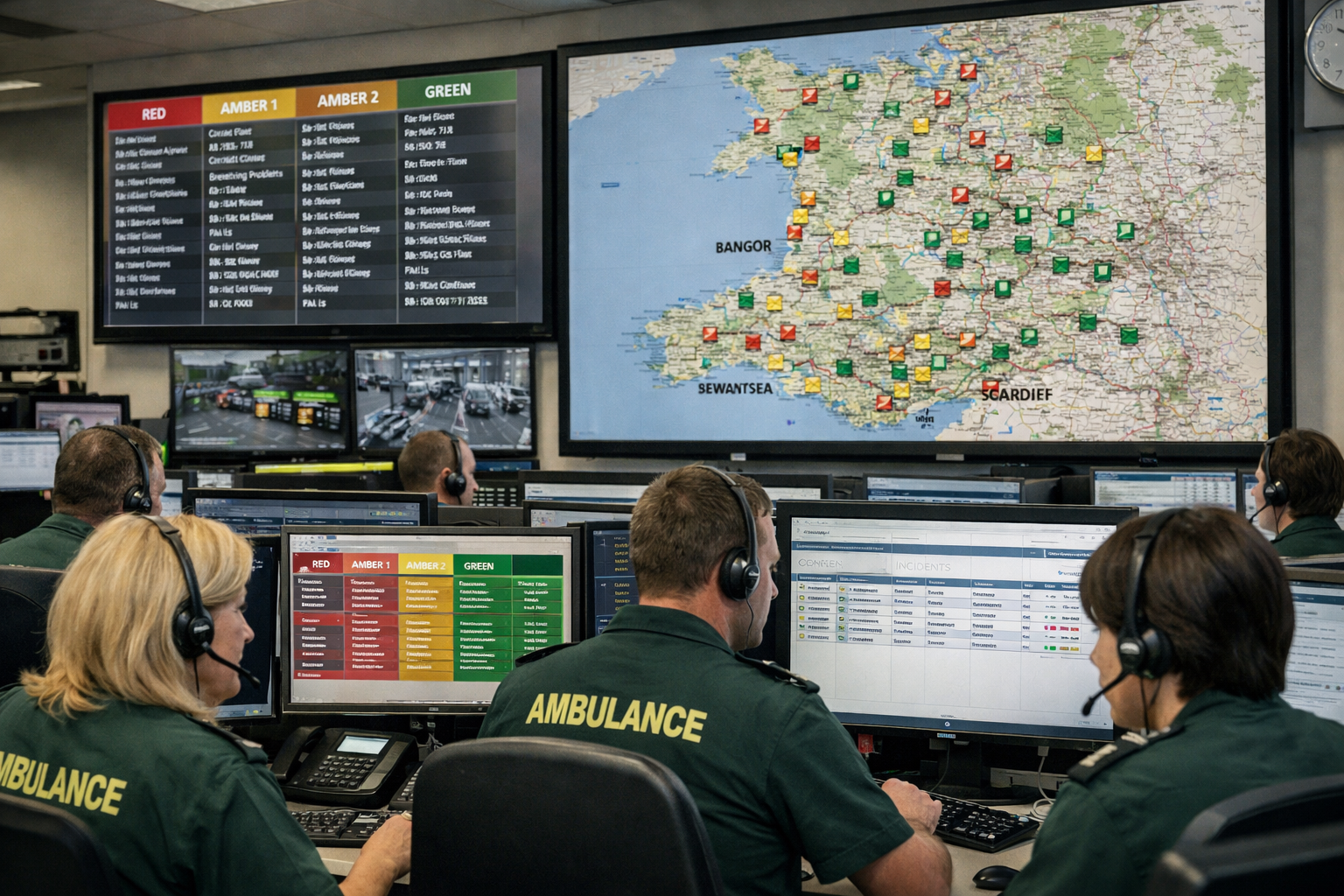
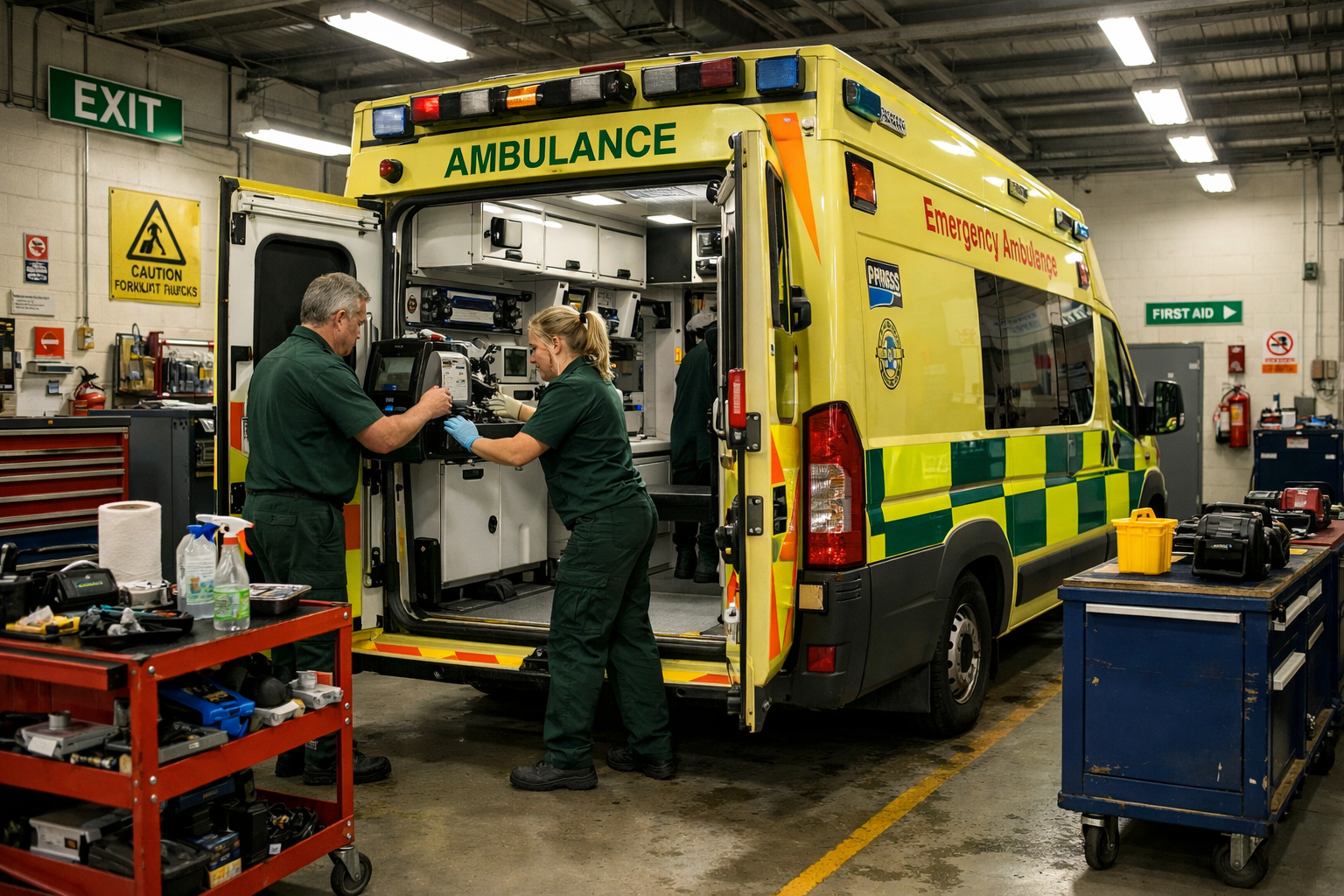
Telematics and real‑time tracking systems are becoming essential tools. They allow control rooms to monitor vehicle status, predict availability and identify bottlenecks. Preventative maintenance scheduling also improves uptime and reduces unexpected breakdowns.
Digital data will increasingly support commissioning decisions and performance reporting.
Operational implications
Fleet strategies may shift toward:
Faster vehicle turnaround processes
Better coordination with hospital handover teams
Greater use of rapid response units and alternative pathways
Data integration between dispatch and hospital systems
These changes are aimed at keeping more vehicles available for longer periods without simply increasing fleet size.
Conclusion
Ambulance productivity is becoming a central performance measure. Organisations that focus on utilisation, data integration and system coordination will be better placed to meet future commissioning requirements and deliver consistent service.
You might also like