Electric Transport Is Gaining Ground in Film and TV Production Logistics
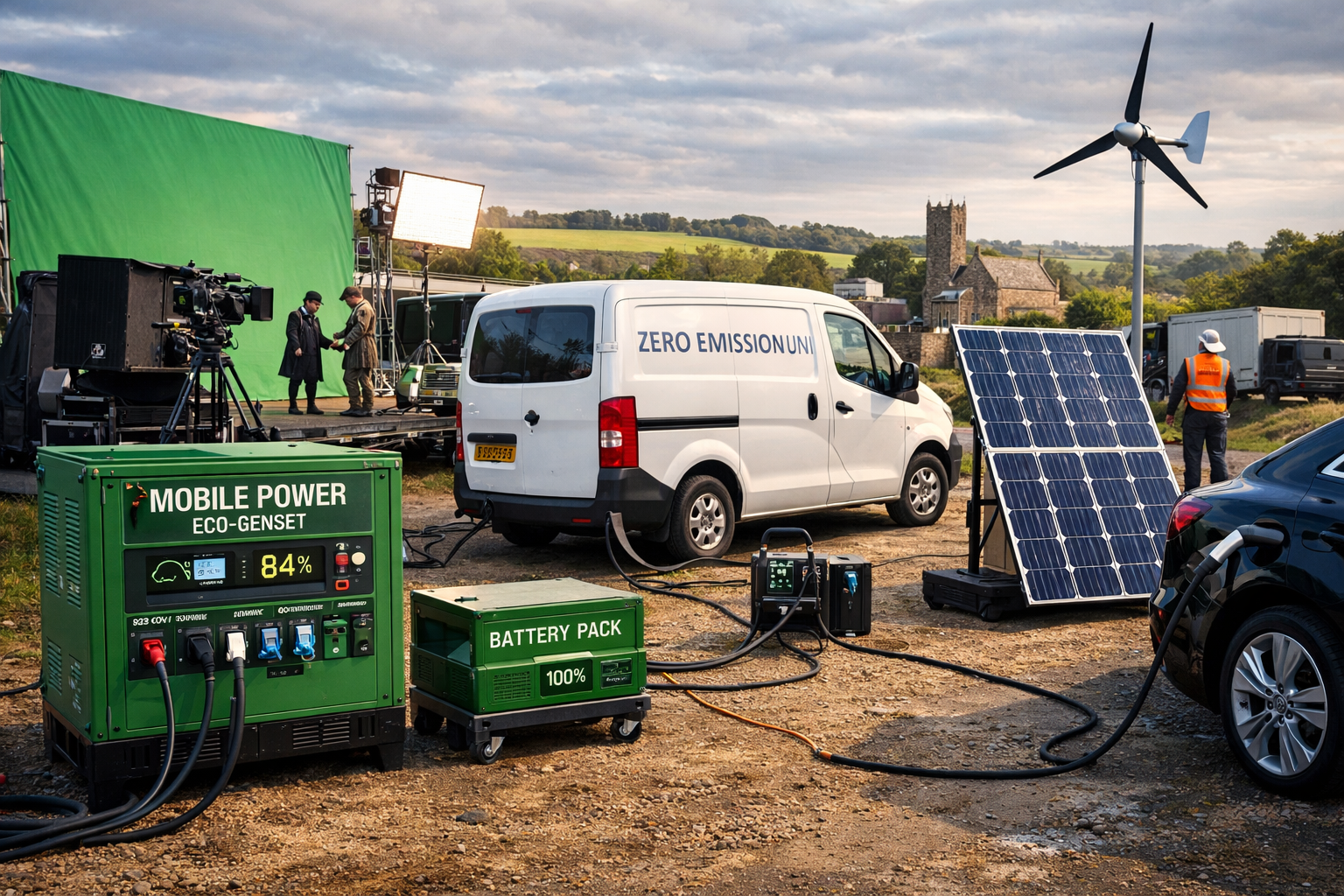
Transport may not be the first thing that comes to mind when you think about film and TV production, but it’s a major part of how shoots actually happen. From crew vans and executive cars to box trucks for equipment and props, reliable vehicles are part of every schedule. Now, one niche transport provider is taking a clear step toward electric vehicles, and that matters for production teams thinking about cleaner, quieter logistics on set.
A Practical Shift, Not a Promise
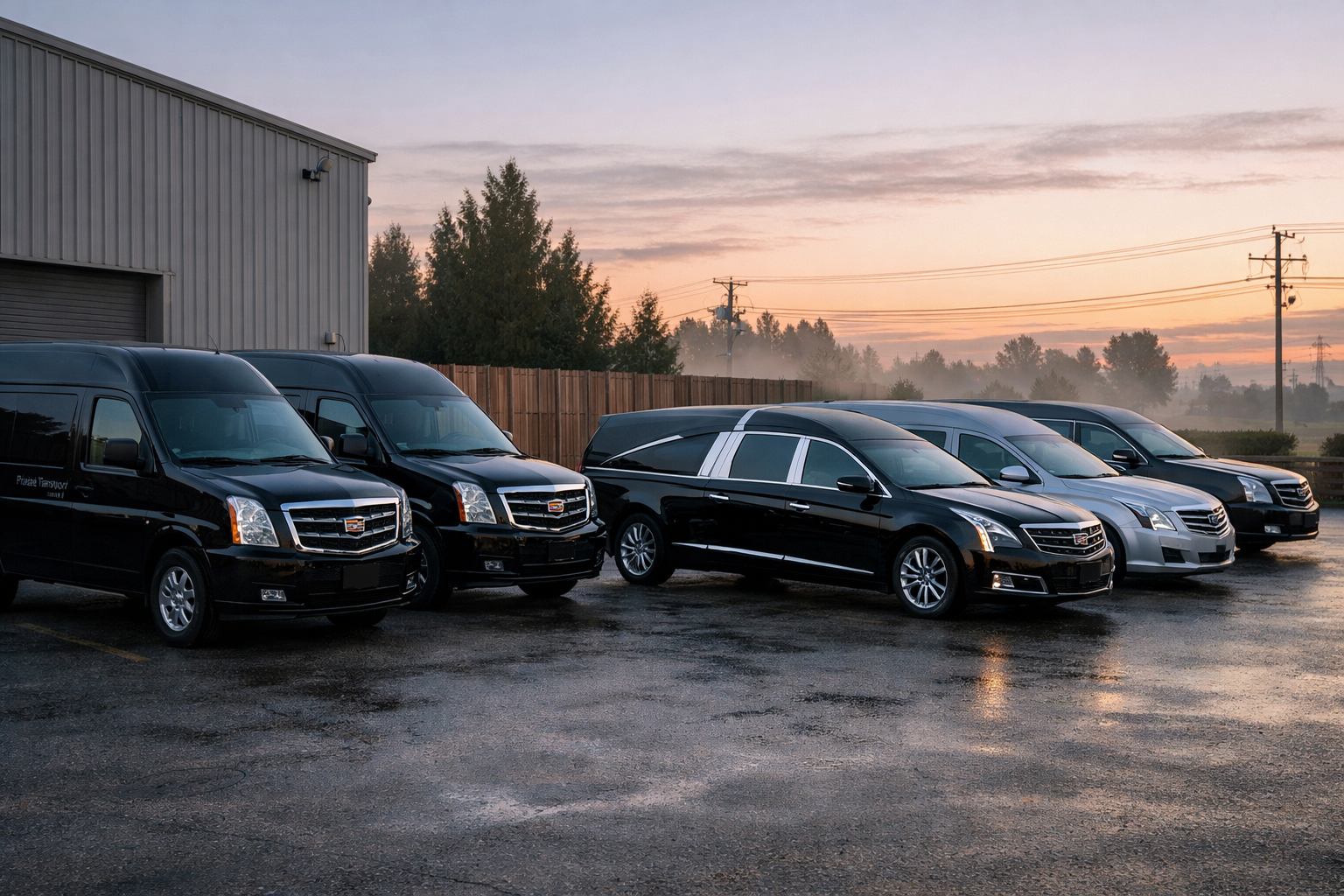
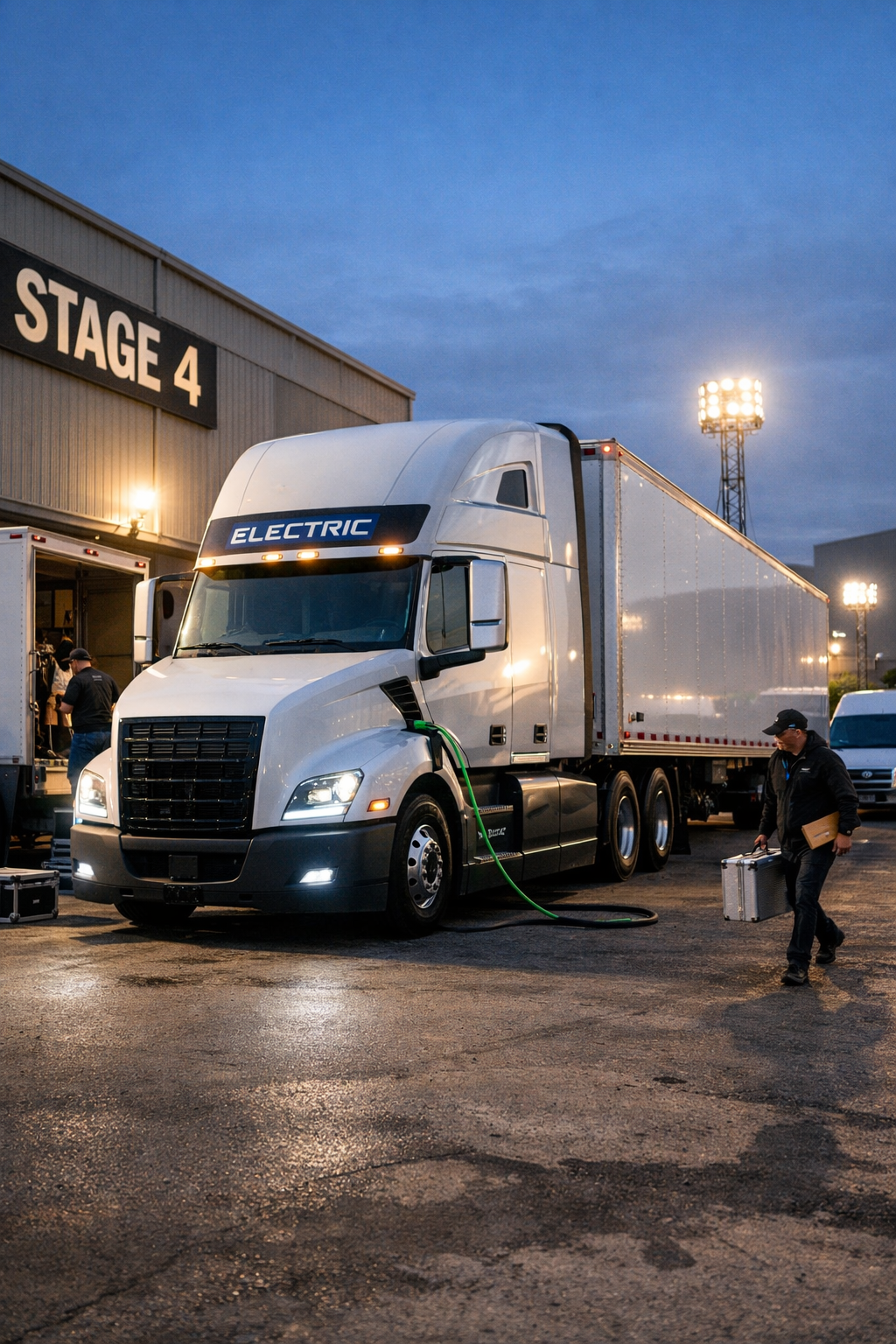
Film Logistics, a specialist in providing transport support for productions, has begun electrifying its fleet with the help of a rental partner. The focus is on vehicles that routinely move people and gear between studios, locations, and equipment yards. This isn’t a future vision. It’s happening now with vehicles that are already meeting the needs of busy production schedules.
What makes this noteworthy is that transport companies serving the film industry face the same constraints any fleet operator does: reliability, cost, scheduling and range. When a vehicle needs to be somewhere at 6 a.m., there isn’t room for guesswork on charge status or breakdowns. Moving to electric vehicles shows that cleaner transport can fit those everyday demands.
Why It Matters to Production Teams
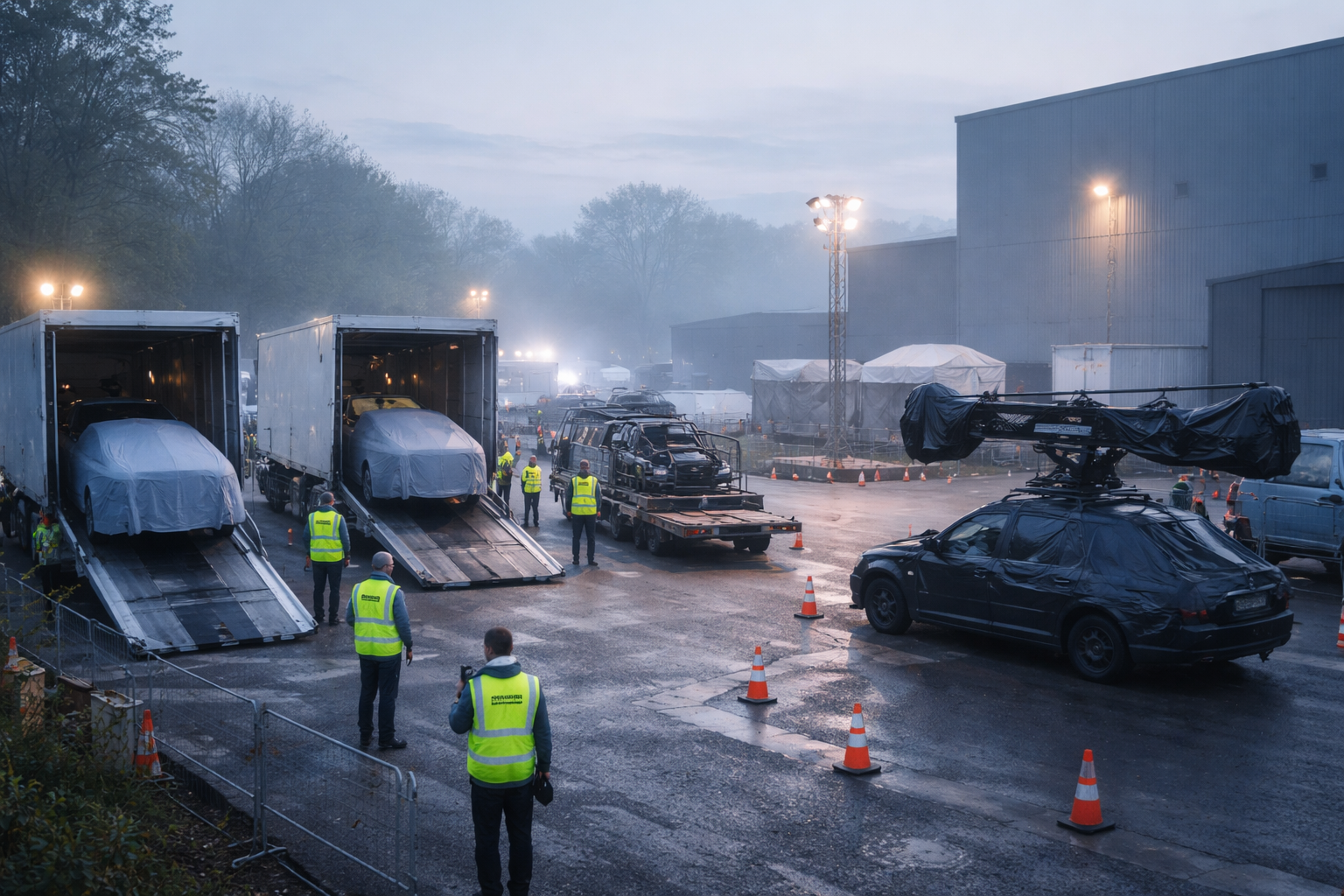
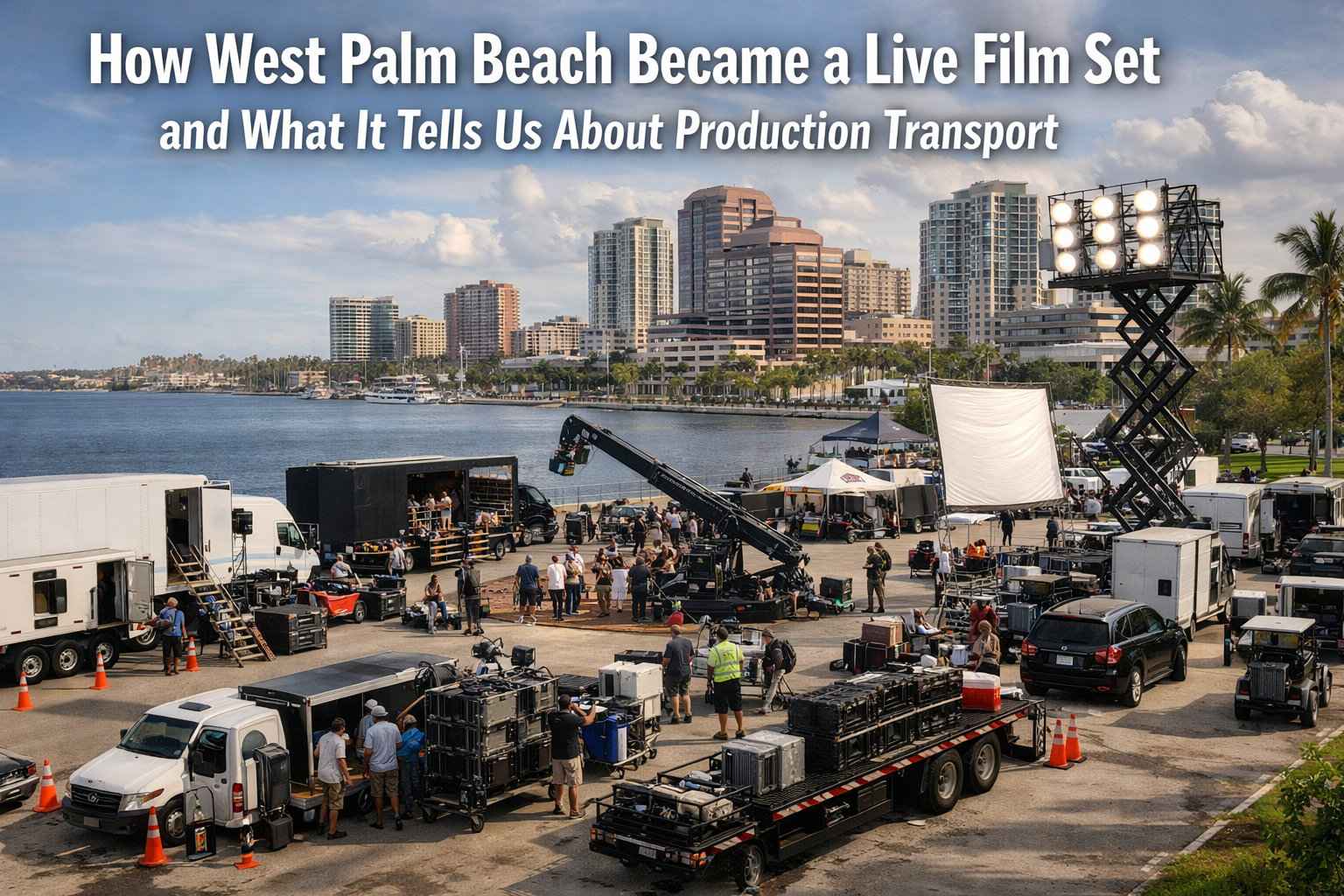
Production transport is often behind the scenes, but it’s essential. Think of crew shuttles at dawn, equipment trucks arriving just before call time, or executive vehicles ferrying producers between stages. These movements may seem routine, but they ripple through a schedule if they don’t run smoothly.
Electric vans and crew vehicles offer a few clear benefits in that context:
Reduced noise: Shooting on location often means early starts. Quieter EVs make a practical difference around neighbours and local sites.
Lower emissions: Productions tracking sustainability metrics can count cleaner transport toward their goals.
Predictable costs: Electricity pricing can be more stable than fuel, which matters when budgets are tight.
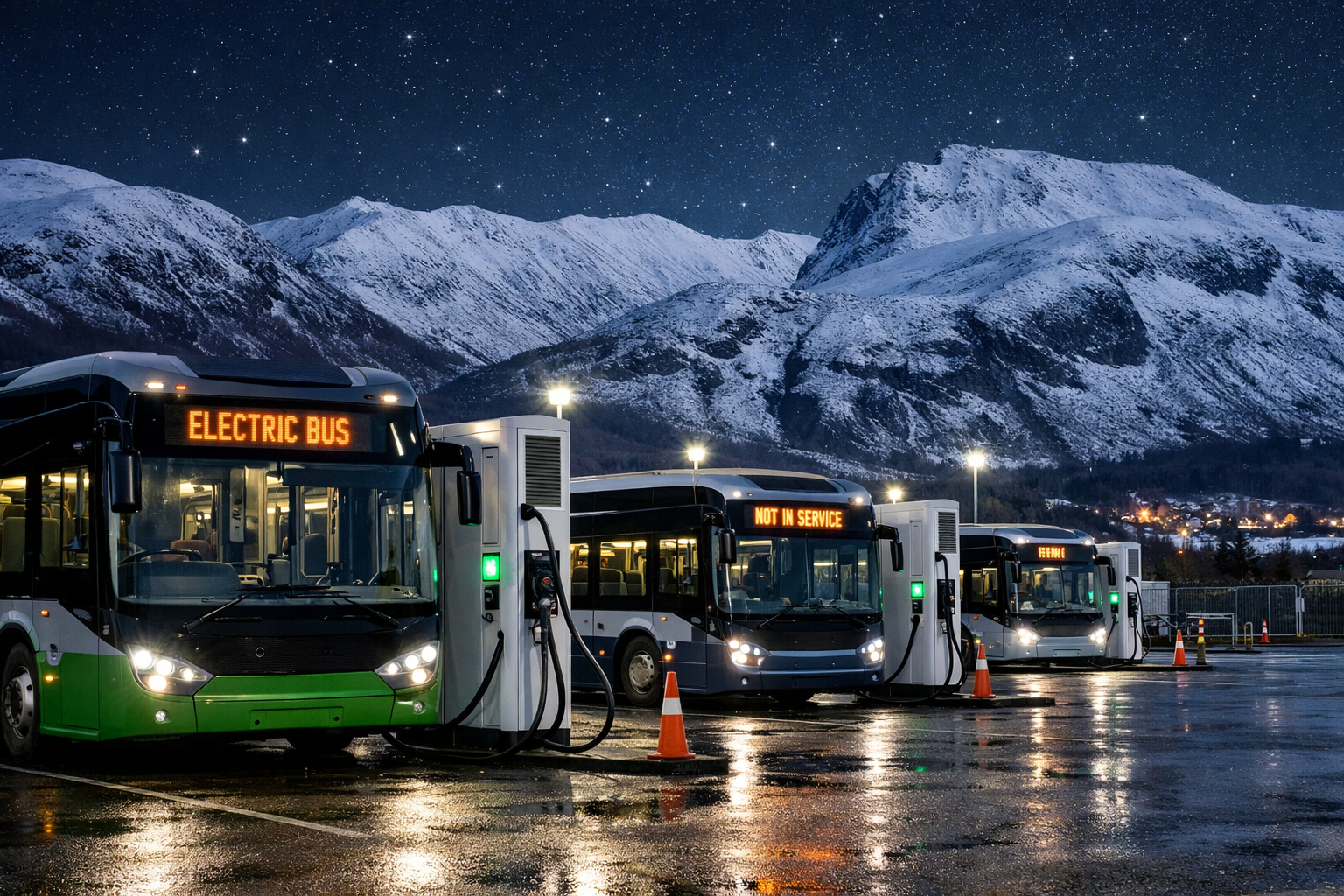
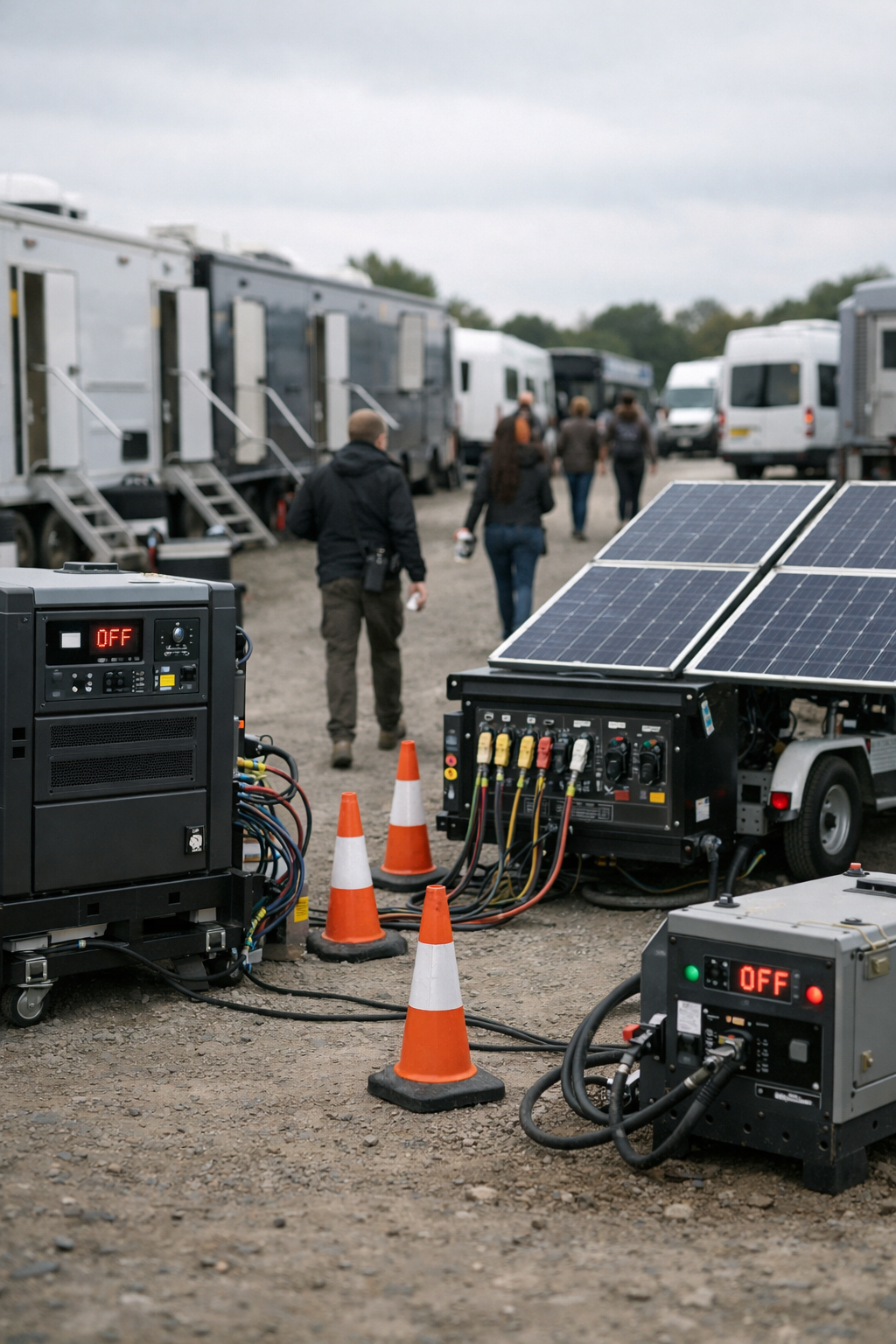
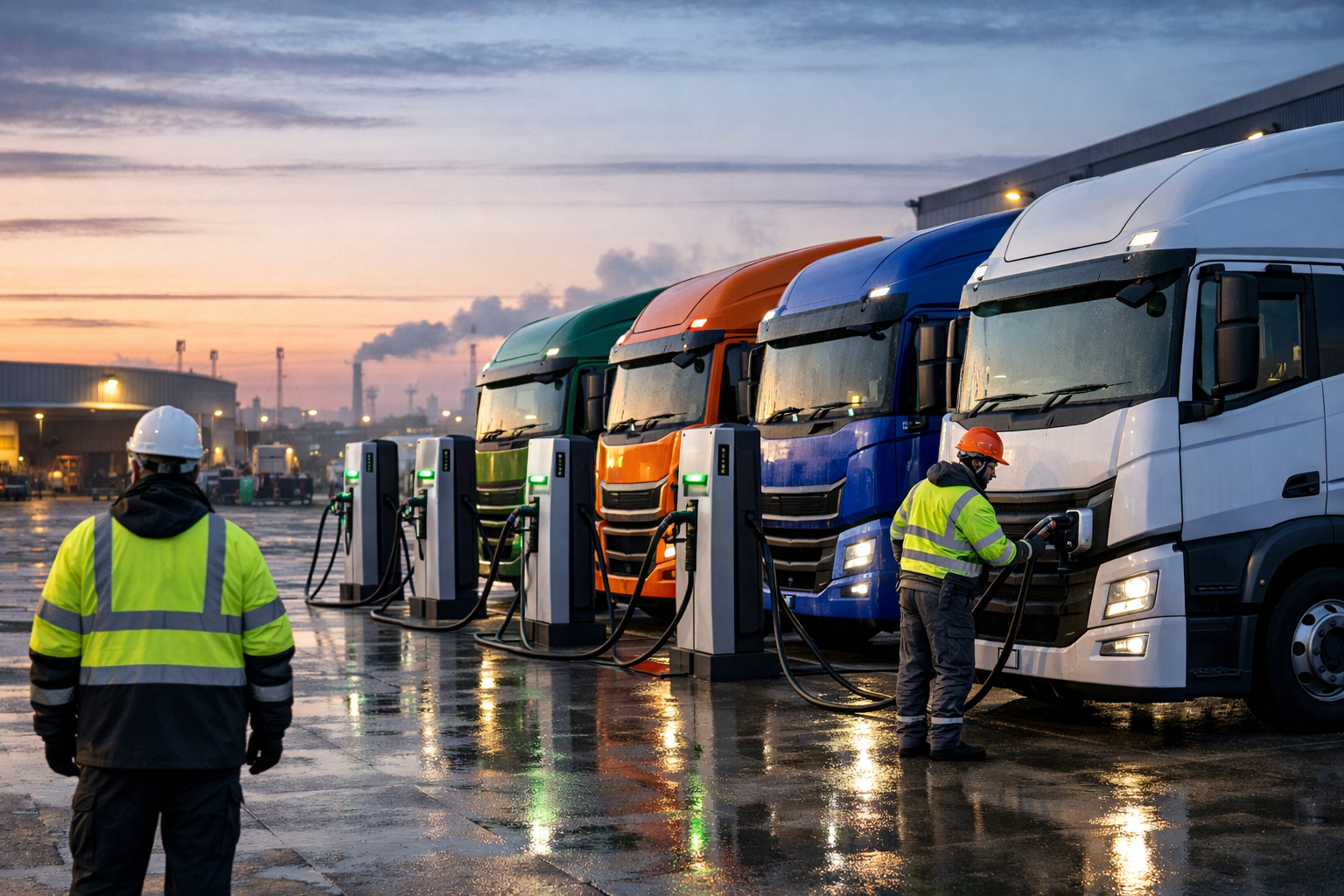
These gains don’t erase all challenges. Charging infrastructure still has to be accounted for in planning, and there’s an upfront cost premium for some EVs. But adopting cleaner vehicles incrementally, as Film Logistics is doing, shows a workable approach that doesn’t disrupt operations.
Part of a Broader Trend
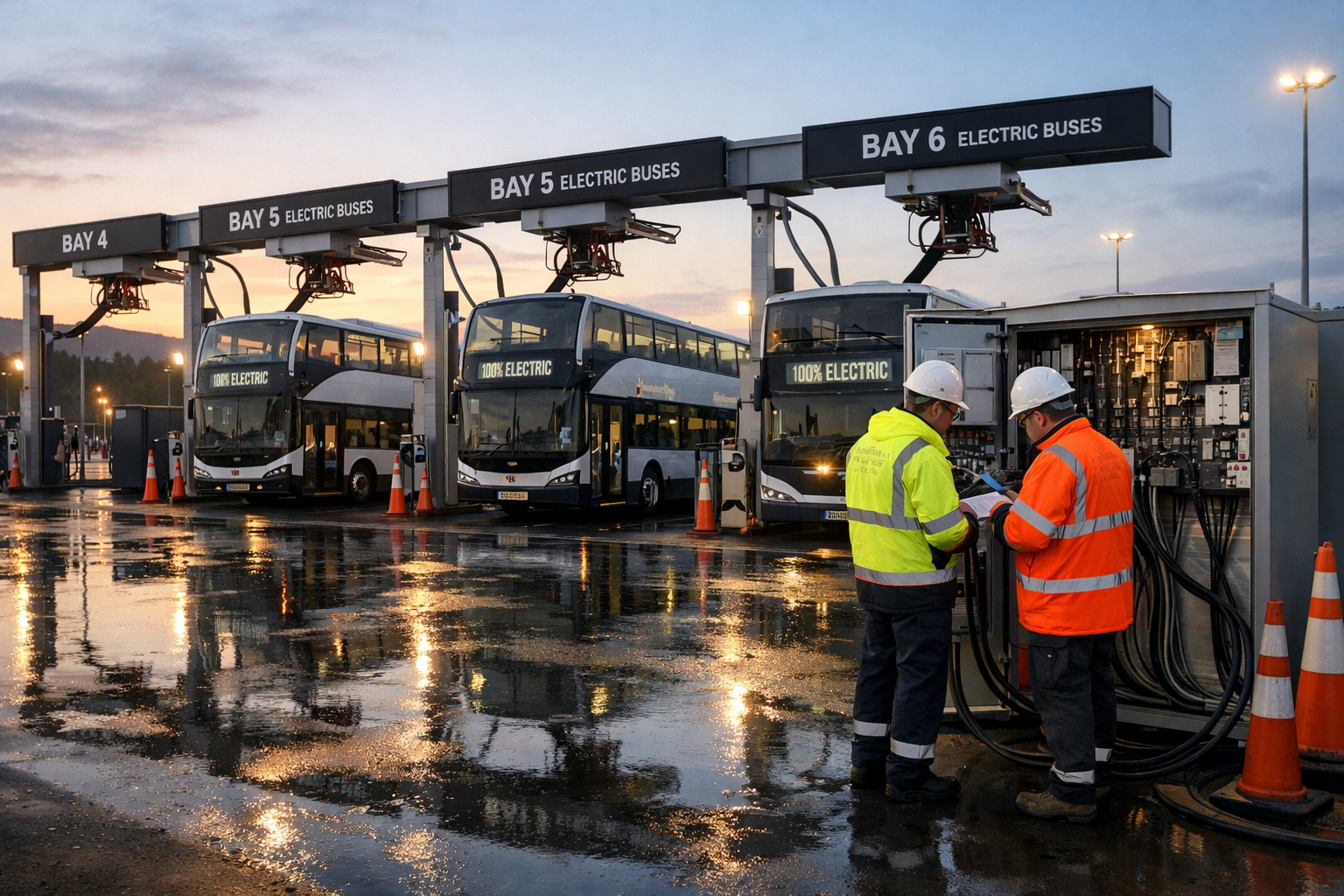
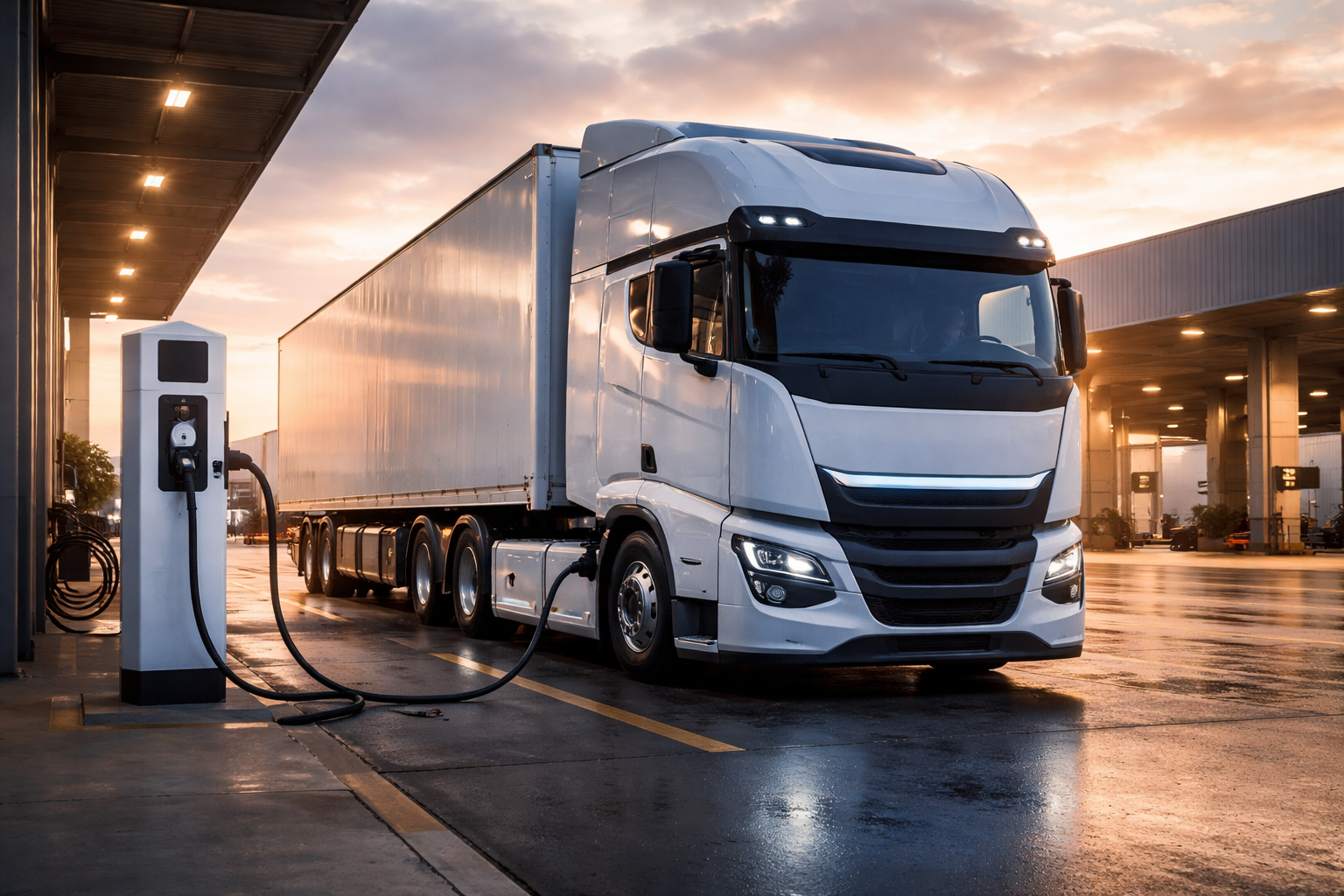
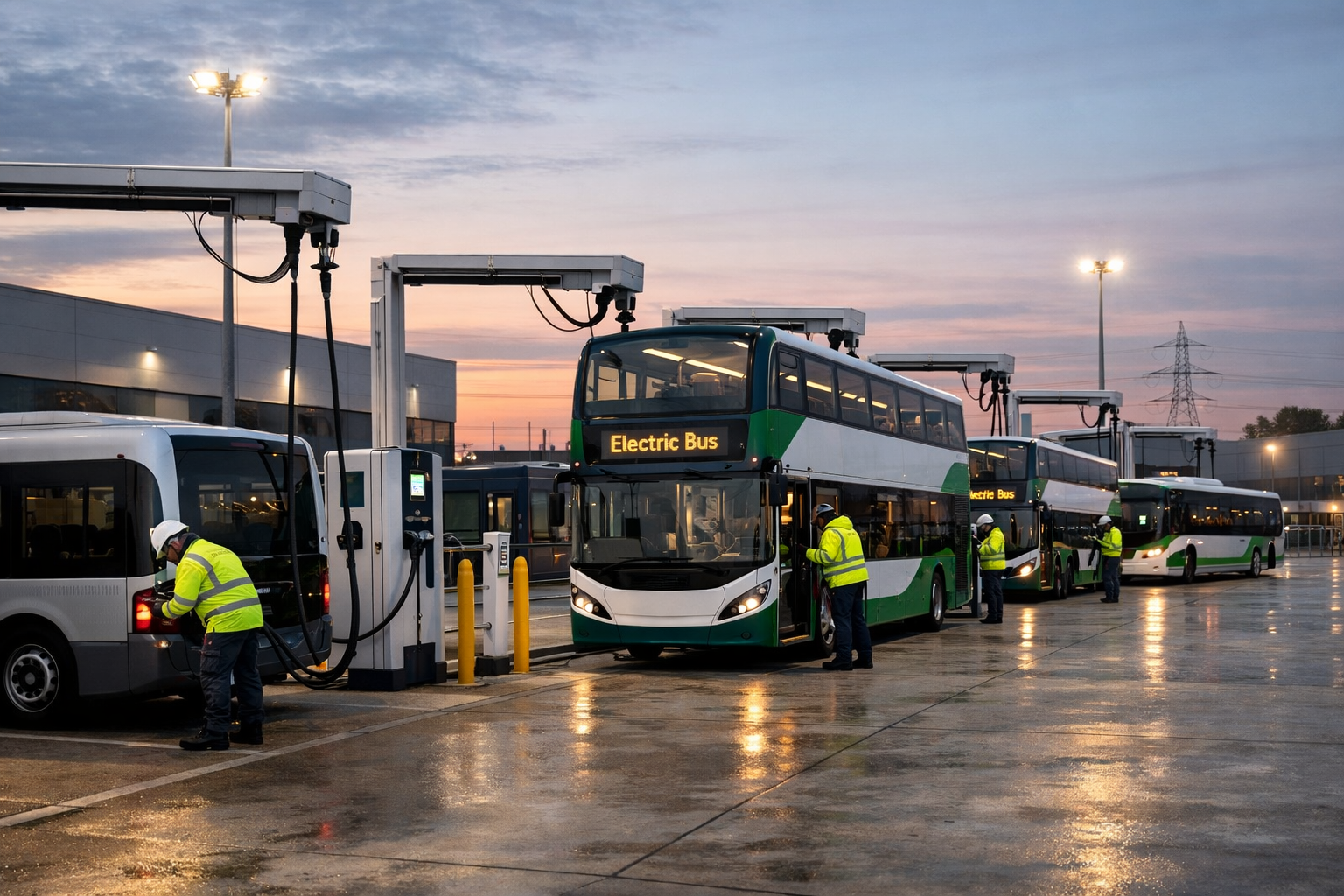
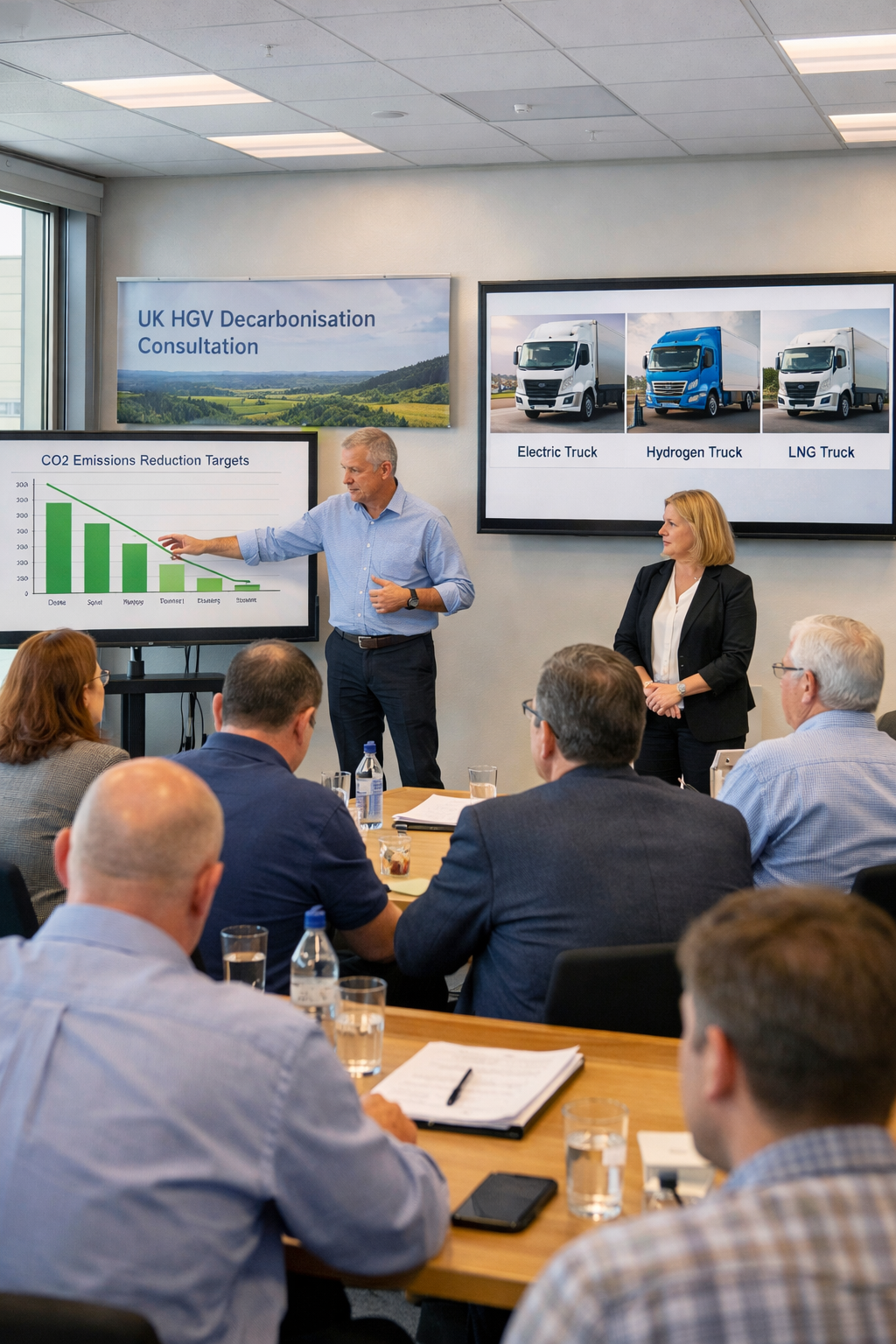
This move also fits into wider transport and logistics trends in 2026, where fleet electrification and sustainability are becoming baseline expectations rather than outliers. Many commercial fleets are working through electrification strategies, balancing electric vehicles with conventional models as they assess cost and performance.
In the film and TV context, cleaner transport isn’t about making a production look good on paper. It’s about adjusting logistics to reflect how clients, crews and communities see responsible operations today. A cleaner van on the call sheet isn’t glamorous. But it can make life on set quieter, simpler and more in line with growing expectations for environmental impact.
For production managers and logistics planners, the takeaway is clear: electric transport is now practical. It’s no longer a distant goal for when infrastructure catches up. That shift matters for how shoots are run, how budgets are set and how productions show they’re thinking about the future.
You might also like