The illegal e-bike problem isn’t just policing — it’s last‑mile economics

avro fleet team • January 26, 2026

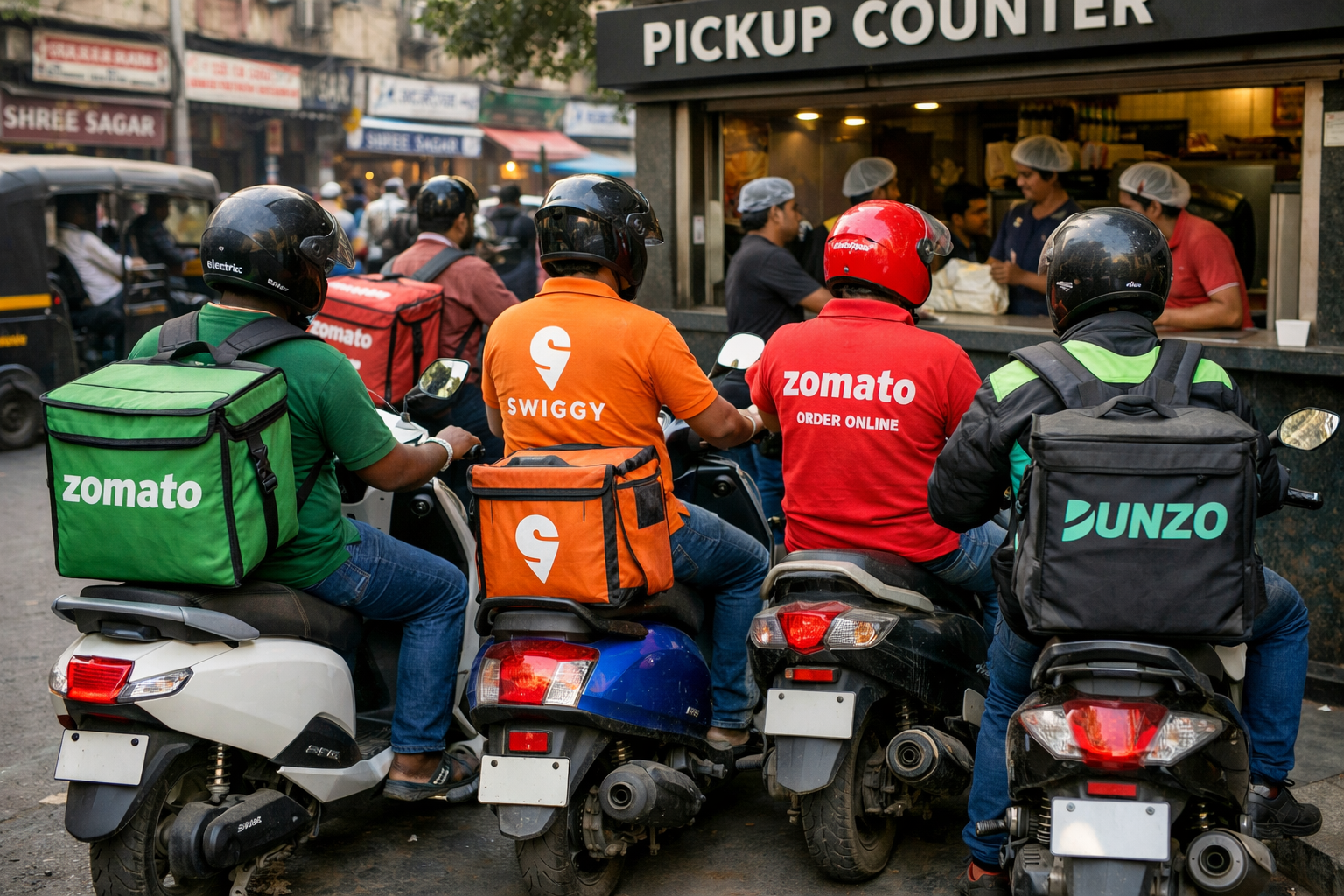
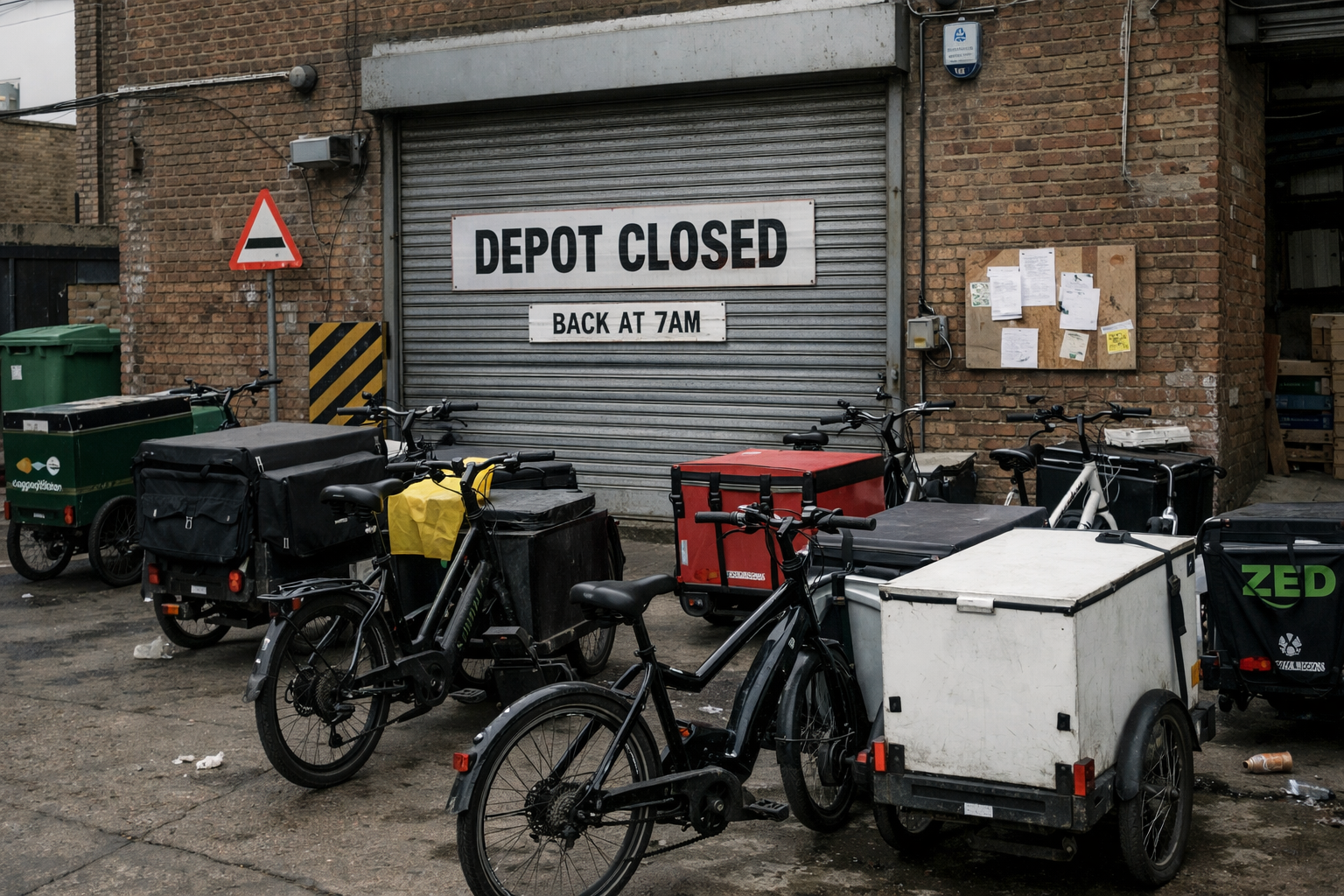
Across big cities, e-bikes have quietly become part of the delivery backbone. For many riders, they’re the cheapest way to work: low fuel cost, simple parking, and the ability to move through traffic. But there’s a growing collision between what the job demands and what the law allows.


In the UK, a recent Parliamentary exchange restated a key point: the Electrically Assisted Pedal Cycle (EAPC) rules apply to all cyclists, including delivery riders, and the Department has previously written to delivery platforms about the issue.


At street level, enforcement activity is also becoming more visible. The Metropolitan Police has described operations where illegal or dangerous e-bikes and scooters were seized as part of wider work tackling crime and anti‑social behaviour.


It’s easy to frame this as a simple safety story: “illegal bikes are dangerous, so seize them.” And yes, high‑powered conversions can be risky. Speed, weight, braking performance, and battery safety all matter when you’re riding near pedestrians. But focusing only on enforcement misses what’s driving the behaviour.


Here’s the uncomfortable part: the delivery model rewards output. More drops per hour often means more money. That naturally pushes some riders toward faster, more powerful, cheaper conversions — especially if a legal, compliant bike costs more upfront, performs worse under heavy use, or requires longer downtime to charge.


So what happens when enforcement tightens?

Some riders lose their only way to earn. Some shift to other vehicles that may be more expensive to run or harder to park. Some keep taking risks and hope they’re not stopped. None of those outcomes are great for road safety, rider welfare, or service quality.

If we want safer streets, we need a practical route to compliance. That means:


Clear rules that are easy to explain and check.

Affordable access to compliant vehicles and safe batteries.

Better charging and battery support for high‑mileage workers.

Platform-level incentives that don’t quietly reward unsafe speed.


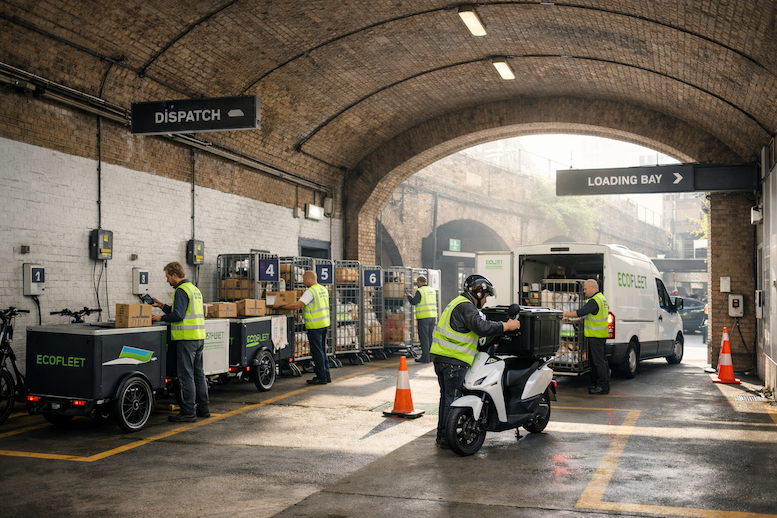
This is where rental fleets, leasing providers, and employers can play a real role. If a rider can rent a compliant e-bike or e-moped at a fair weekly cost, with safe charging and support, the temptation to buy a risky conversion drops. If platforms actively promote compliant rentals and stop turning a blind eye, street conflict reduces.


The core point is simple: illegal e-bikes are partly a safety issue, but they’re also a system design issue. Policing can remove the worst vehicles. It can’t fix the economics that created them.


If city-centre delivery is going to keep growing, the industry needs to make “legal and safe” the easiest choice — not the most expensive one.

You might also like

By avro fleet team February 3, 2026
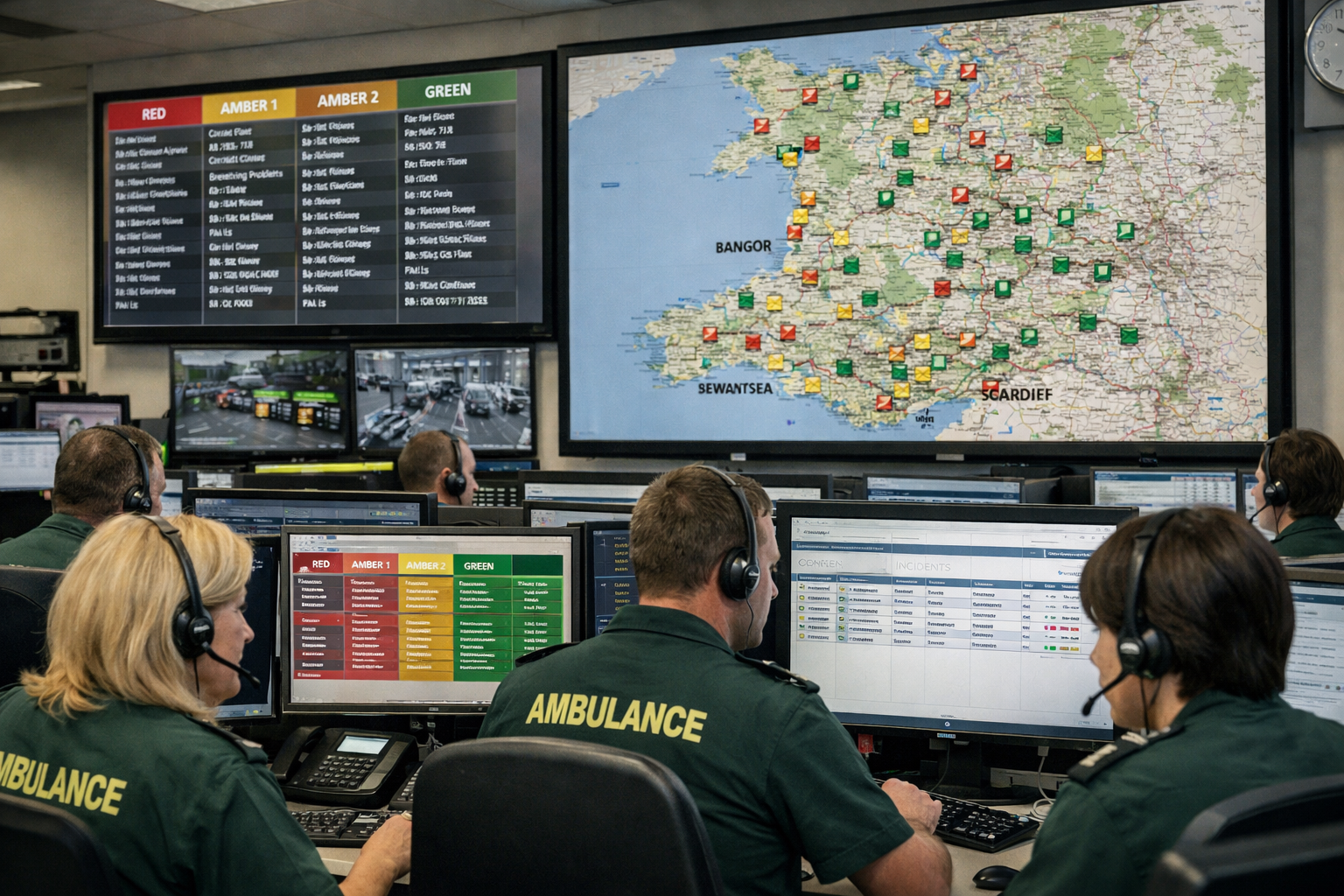
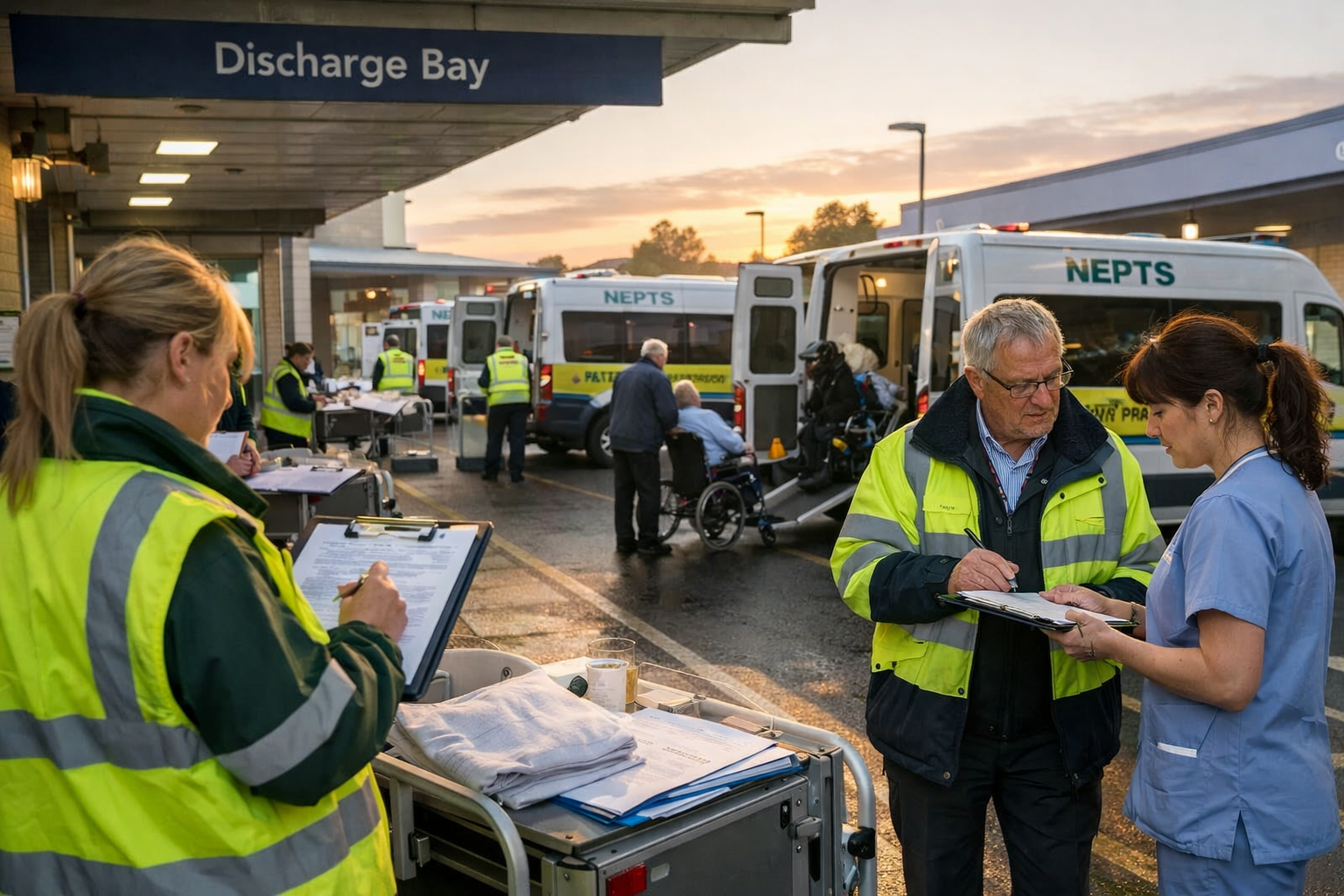
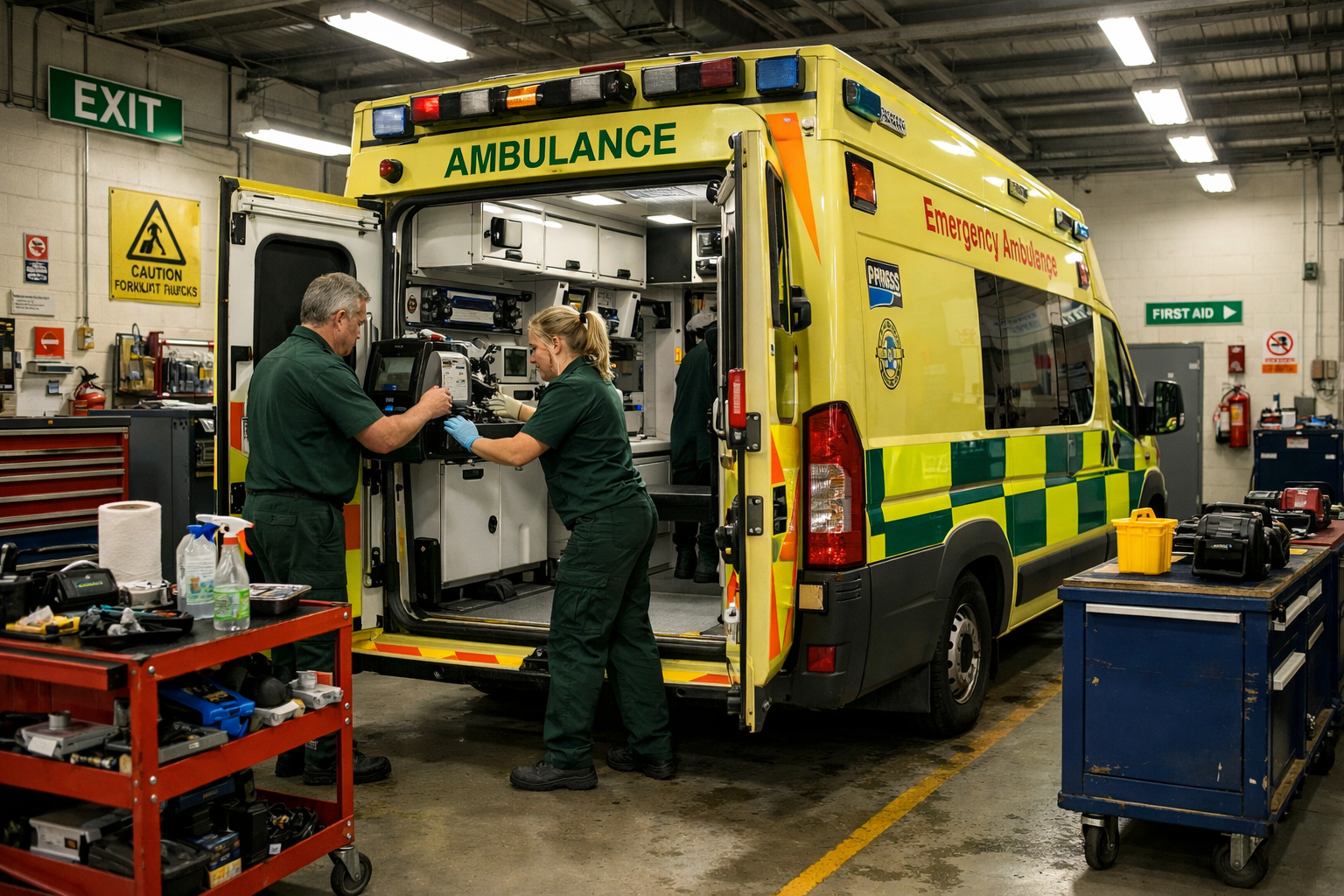
When people talk about ambulance performance, the focus is usually on response times, staffing, and the vehicles themselves. But one of the biggest levers for fleet availability is much less visible: the facilities and workflow that keep vehicles prepared, maintained, and ready to deploy. That is why a recent South Western Ambulance Service NHS Foundation Trust (SWAST) award for “Ambulance Vehicle Preparation” (AVP) is worth paying attention to. The published notice shows a total contract value of £658,792.61 (excluding VAT), a conclusion date of 20 January 2026, and the contractor listed as T Clarke Contracting Limited. What AVP means in practice AVP is the unglamorous part of running a modern emergency fleet. It can include the space and infrastructure needed for: vehicle prep and turnaround refurbishment or fit-out work basic readiness checks managing downtime so assets return to service quickly If AVP capacity is tight, you often see it in the numbers: more vehicles unavailable, slower turnaround after maintenance or repairs, and higher operational pressure because the fleet has less slack. Why this matters to private providers supporting NHS transport Many private providers touch the ambulance ecosystem: patient transport operators, conversion and fit-out firms, fleet support services, telematics suppliers, and estates contractors. AVP investment is a signal that trusts are still putting money into the system around the vehicle, not only the vehicle. For suppliers, it also highlights how procurement can land. The SWAST notice references a framework route. That matters because framework delivery is often faster, but it places even more weight on clear scopes, practical timelines, and minimal disruption to live operations. The commercial takeaway: uptime is a system, not a line item When fleet contracts are priced, uptime is sometimes treated as “maintenance plus good intentions”. In reality, uptime is a chain: estates capacity workflow and scheduling parts and equipment availability access to bays and specialist facilities handover quality between teams If one link is weak, you lose availability. If you invest in the weakest link, the whole chain improves. AVP projects are often exactly that: targeted work that prevents small delays turning into big operational problems. What to watch next If more AVP-related awards appear, it will likely reflect a wider push to protect utilisation as fleets become more complex (more onboard kit, more diagnostics, more integration with digital systems). The “vehicle” is only getting more sophisticated, so the supporting infrastructure has to keep up. Bottom line Ambulance performance is won in the basics: readiness, turnaround, and keeping vehicles in service. AVP contracts are not flashy, but they are often where real improvements start.
By avro fleet team February 3, 2026
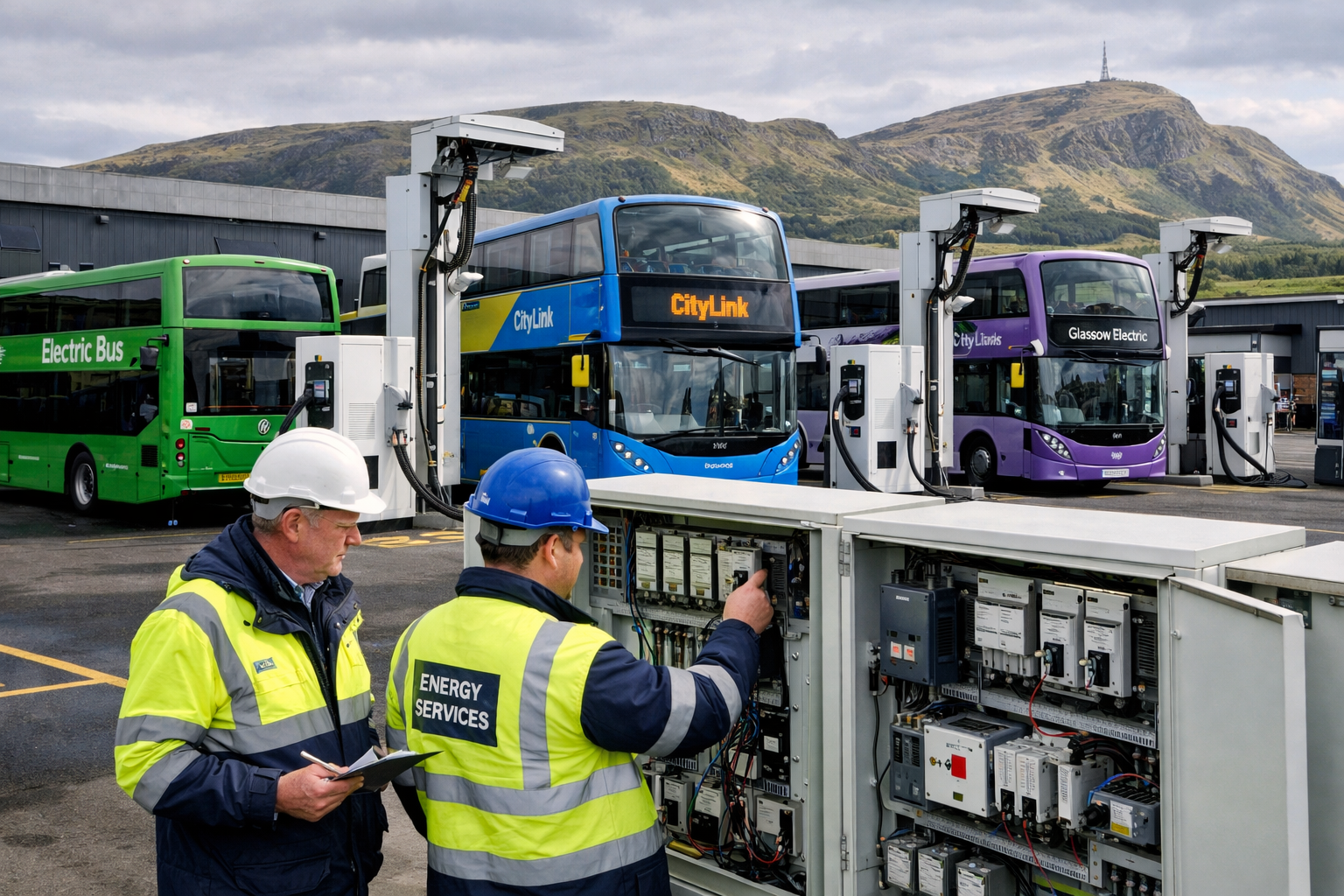
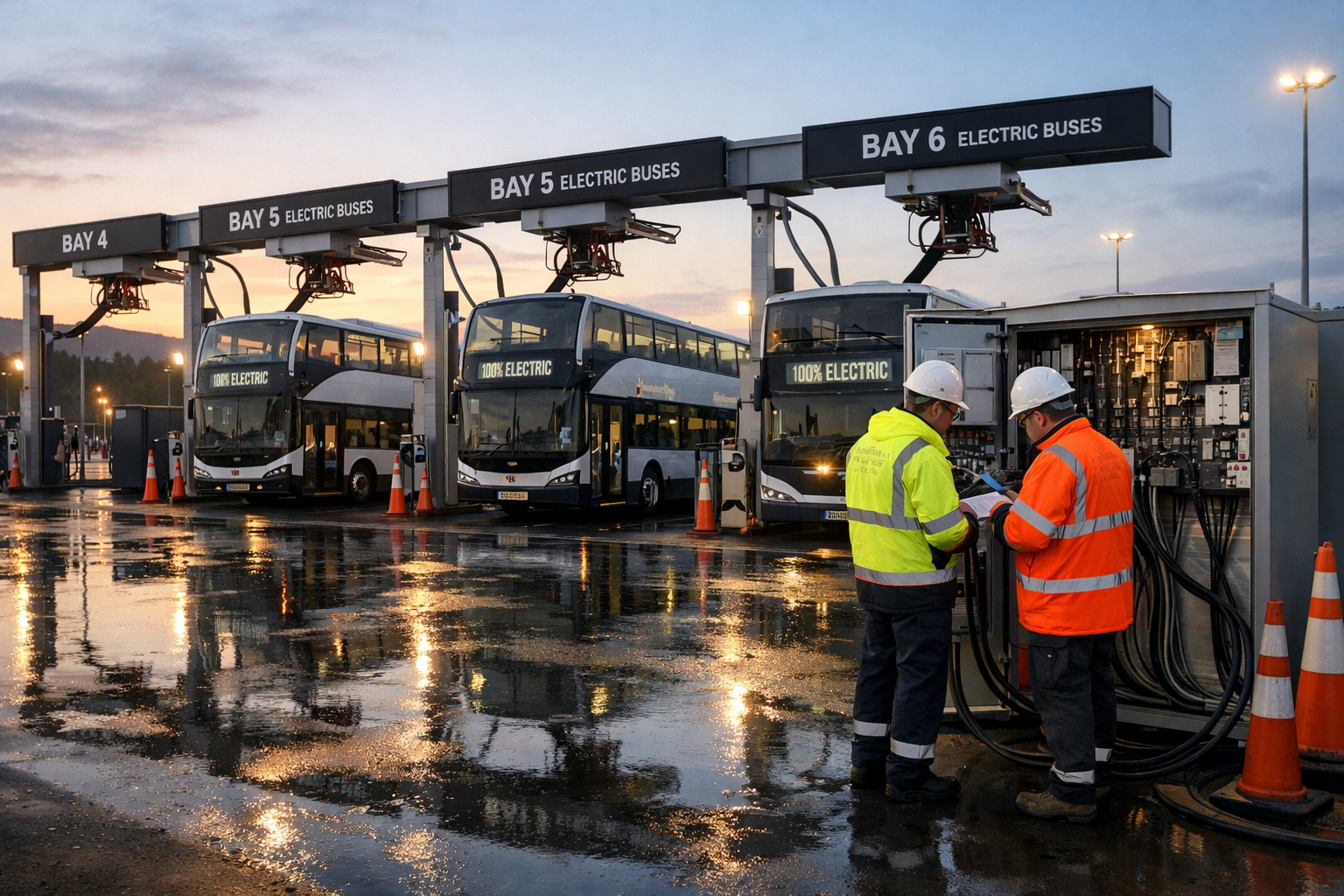
ScotZEB3 (Scottish Zero Emission Bus Challenge Fund Phase 3) is open, but the tone of this round is changing. A recent industry report highlights that per-vehicle subsidy thresholds have broadly been reduced compared with the prior phase, with Transport Scotland describing this as a reflection of a more mature zero-emission bus market. Why the subsidy cap matters A lower maximum grant per bus changes the shape of a project. It pushes more cost and risk into the operator and their delivery partners. That is not necessarily bad. It can bring sharper planning and better value. But it does mean that “good intentions” will not survive contact with grid connections, depot civil's, and delivery timelines. Transport Scotland’s argument is straightforward: if the sector can deliver zero-emission buses at scale and attract private investment, then public subsidy should go further across more vehicles and more operators. What it signals for ScotZEB3 bids If you are preparing a ScotZEB3 application, treat the funding cap as a forcing function. It rewards bids that are deliverable, not just desirable. In practical terms, that usually means: Depot-first planning: confirm power availability, connection timelines, and the physical layout before you lock vehicle numbers. Phasing: a staged rollout (vehicles and chargers) is often more credible than a single “big bang”. Cashflow realism: supplier payment terms, build milestones, and drawdown timings need to match how the project will actually be paid for. Operating proof: the bid should show how duty cycles, range, and charging windows work on real routes, not on idealised assumptions. Single-operator bids: a quiet but important change One point worth noting from the coverage is that ScotZEB3 allows bids from single operators, not only consortiums. That could lower friction for smaller or more agile operators who want to move quickly. It also increases the need for strong delivery partners, because you may be carrying more of the project management and integration risk yourself. The wider context: infrastructure is now the constraint The hardest part of decarbonising bus fleets is often not the bus. It’s the depot and the grid. That’s why Transport Scotland confirming £85m for EV charging infrastructure is relevant even when it is not labelled as bus funding. It points to political and budget backing for the infrastructure side of electrification, which can strengthen the delivery case for depot projects that are ready to proceed. What to do next If you want to be competitive in ScotZEB3, focus on deliverability and value for money. A strong bid is usually the one that has already done the boring work: site surveys, power discussions, a practical timeline, and a finance structure that can cope with delays. The message in the lower subsidy caps is not “stop applying”. It’s “plan better”.
By avro fleet team February 2, 2026
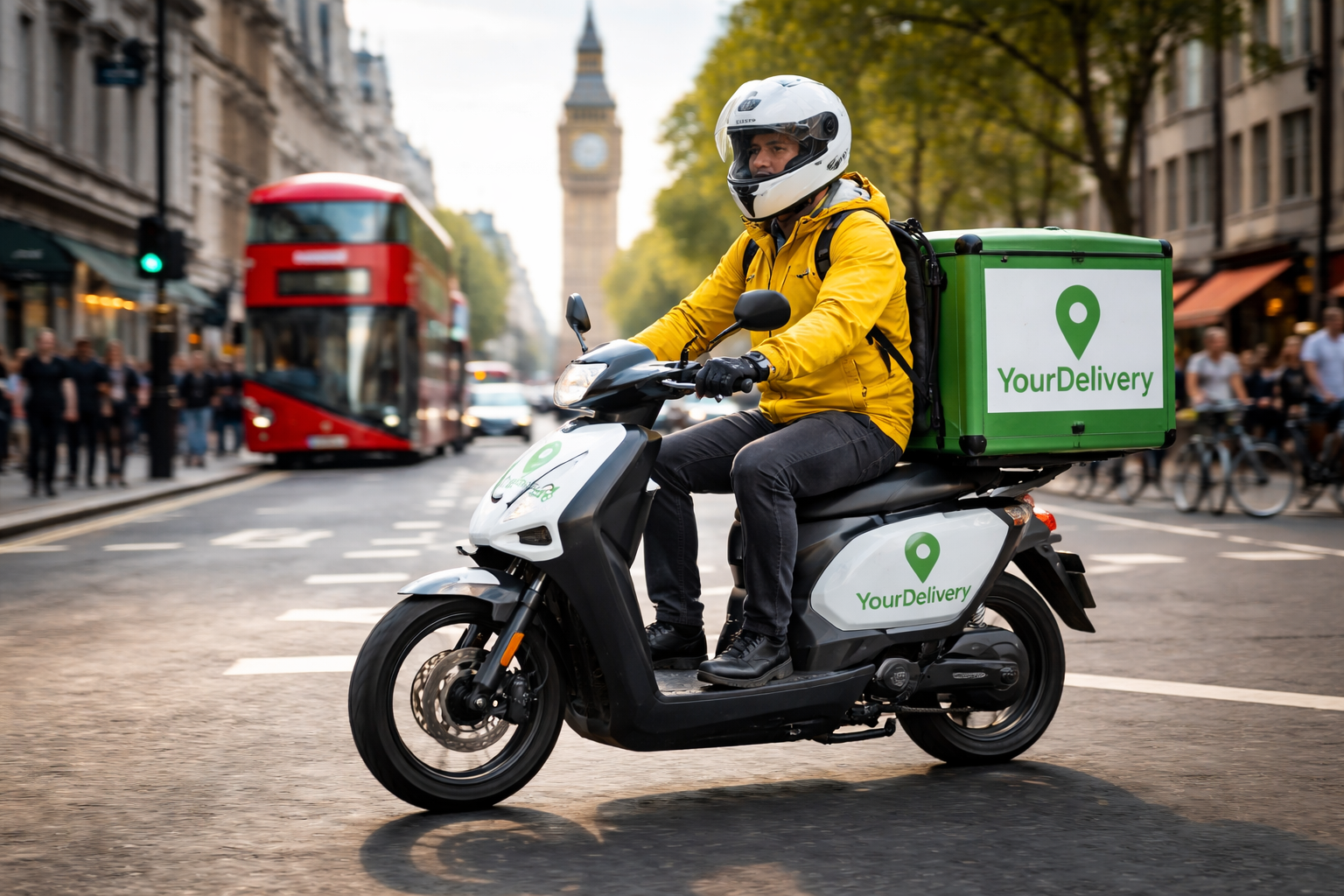
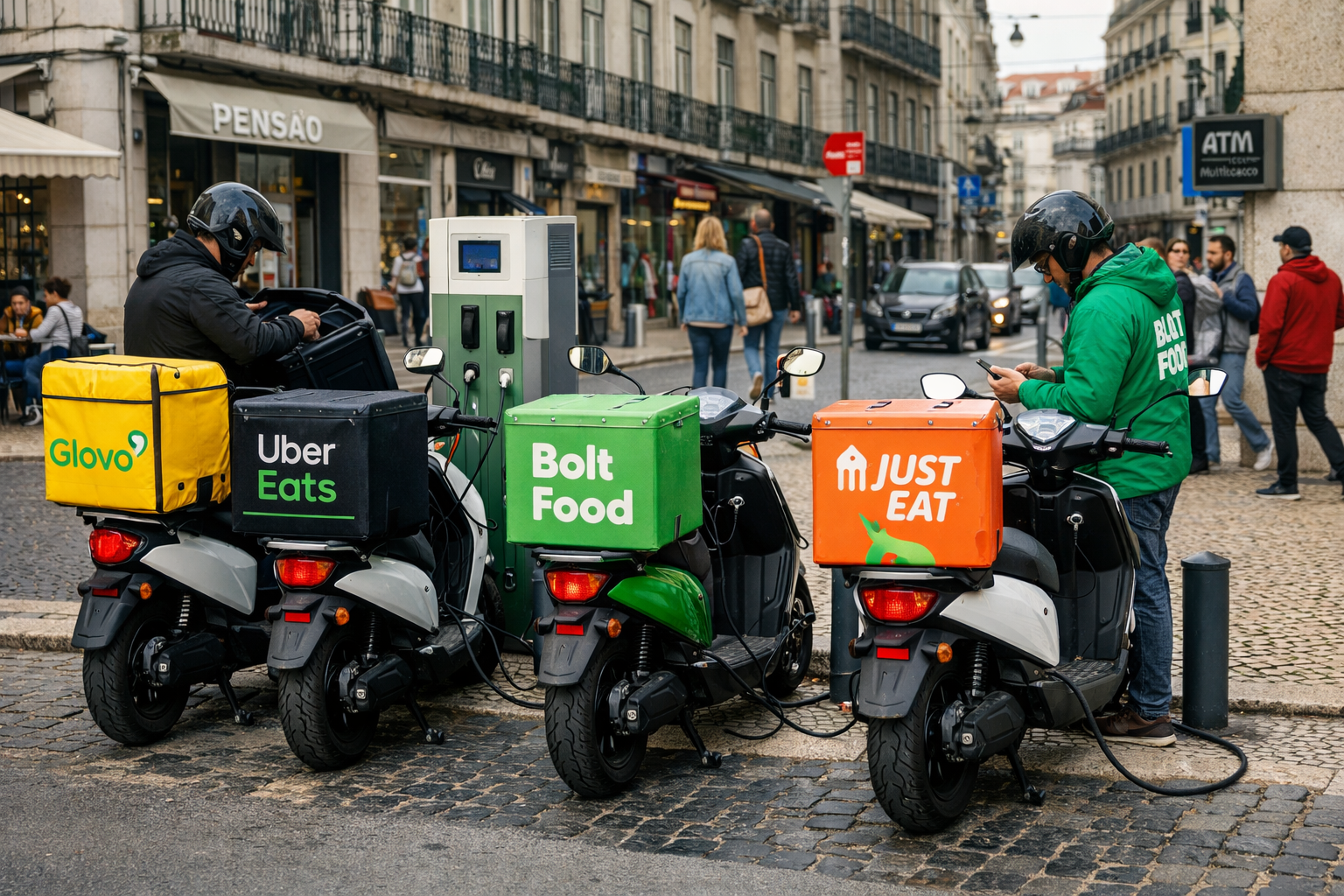
Electric scooters are emerging as a major vector for last‑mile food delivery in parts of Europe. In Spain and Portugal this year, major delivery platforms including Uber Eats, Glovo and Just Eat added thousands of electric scooters to their fleets. This deployment is more than a headline. It reflects a growing recognition that electrification isn’t just about pedal‑assisted bikes or large vans. Scooters bridge the gap when trips require more distance or speed than a bike is practical for, but still need low operating cost and emissions. The arrangement in Iberia centres on electric motorcycles supplied through a fleet management partner, with integrated battery swap possibilities via a wider charging station network. The model lets riders quickly replace a spent battery instead of waiting for long recharge cycles. That’s critical in food delivery, where downtime directly affects earnings and service quality. Electric scooters also typically have better weather protection and storage capacity than bikes. That makes them attractive for couriers handling multiple orders per shift. Free access to low‑emission zones in many cities also improves route flexibility compared with internal combustion counterparts. From the platform perspective, integrating scooters into the mix diversifies mobility. It reduces dependence on private vehicle ownership among riders and aligns with environmental targets. If demand grows and charging infrastructure improves, these scooters could become a core part of urban delivery networks. For cities, electric scooters bring their own set of considerations: parking, curb space, road safety and shared charging access. These require coordination between municipal authorities and platforms to ensure that increased scooter use doesn’t aggravate congestion or pedestrian conflicts. The trend also hints at how future fleets might evolve. Rather than one type of vehicle, a balanced mix — bikes for short dense areas, scooters for mid‑range urban runs, and small vans for large cargo — could become standard. In that mix, scooters offer a strong case for quicker electrification with real utility for riders and platforms