
Modular electric cargo bikes and quads change fleet utilisation
Micromobility is moving beyond simple e‑bikes. New modular electric platforms that can switch between cargo and passenger roles are reshaping how fleets think about asset use.
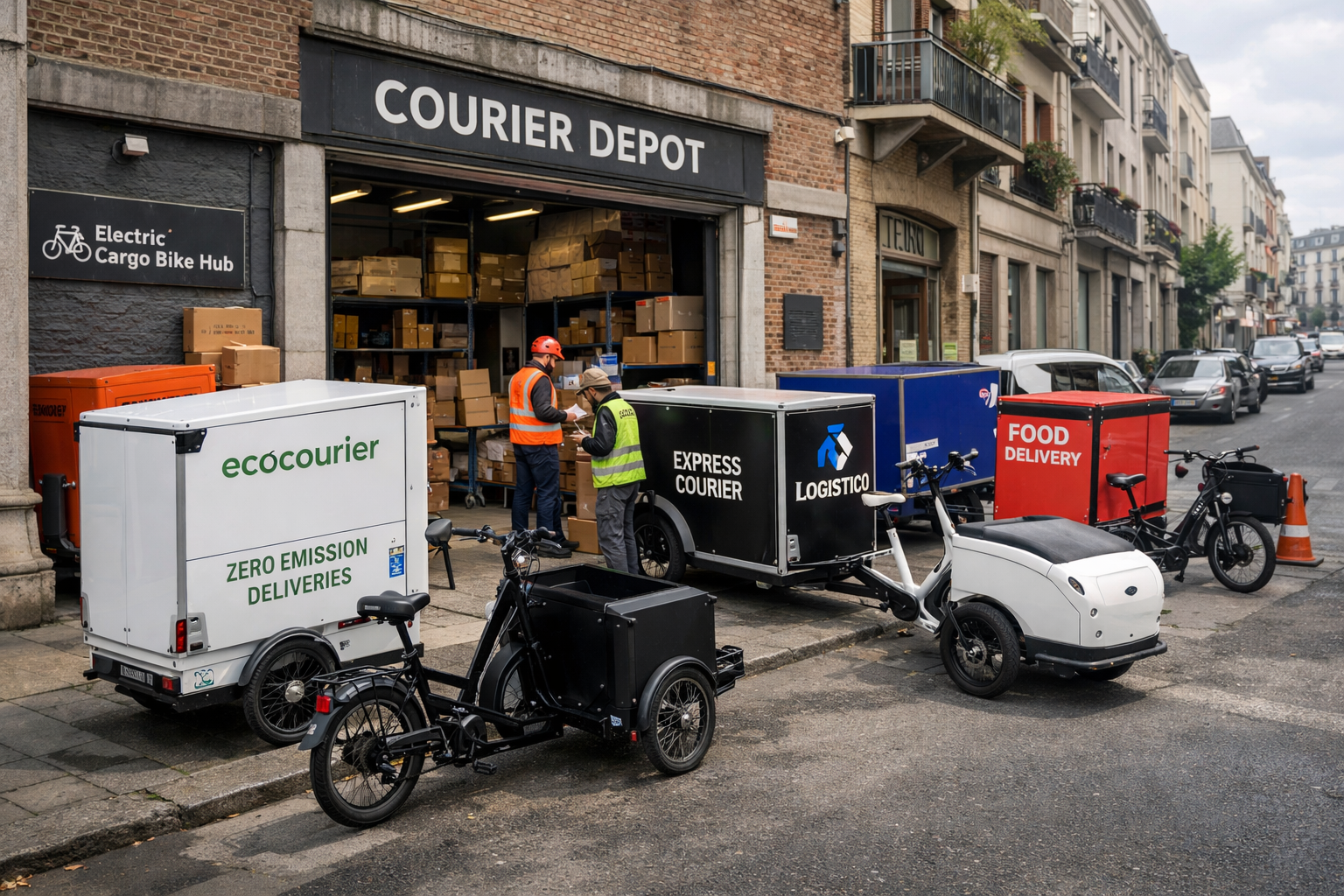
A modular electric bike with swappable batteries and tool‑free reconfiguration allows one vehicle to handle multiple tasks across a working day. In the morning it might carry parcels for last‑mile delivery. Later it could move staff or light goods between sites. This increases utilisation and improves return on investment.
For fleet managers, utilisation is critical. Vehicles that sit idle for long periods reduce overall productivity. A platform that can adapt to different jobs reduces the need for separate dedicated assets.
Modularity also affects maintenance and lifecycle planning. Instead of replacing a full vehicle when requirements change, operators can swap cargo modules, update batteries or reconfigure frames. This extends service life and changes depreciation profiles.
From a financing perspective, adaptable assets can support longer contracts and broader use cases, which improves residual value assumptions. That is important in sectors where margins are tight and capital efficiency matters.
Urban logistics is becoming more complex. Parcel volumes fluctuate by time of day and by location. A flexible micromobility fleet can respond to these patterns without relying on larger vehicles.
As cities restrict emissions and curb space, smaller adaptable vehicles will play a bigger role. The shift toward modular design suggests the next phase of last‑mile transport will be defined not just by electrification, but by multi‑purpose platforms that keep assets working throughout the day.
You might also like