
Hydrogen in ports, steady rail electrification and EV charging reform: UK green transport enters a delivery cycle
The UK’s transport decarbonisation effort is shifting from isolated projects to repeatable programmes. Recent developments in hydrogen freight, rail electrification and public EV charging all point to the same structural change: delivery models are becoming standardised, which makes projects easier to fund.
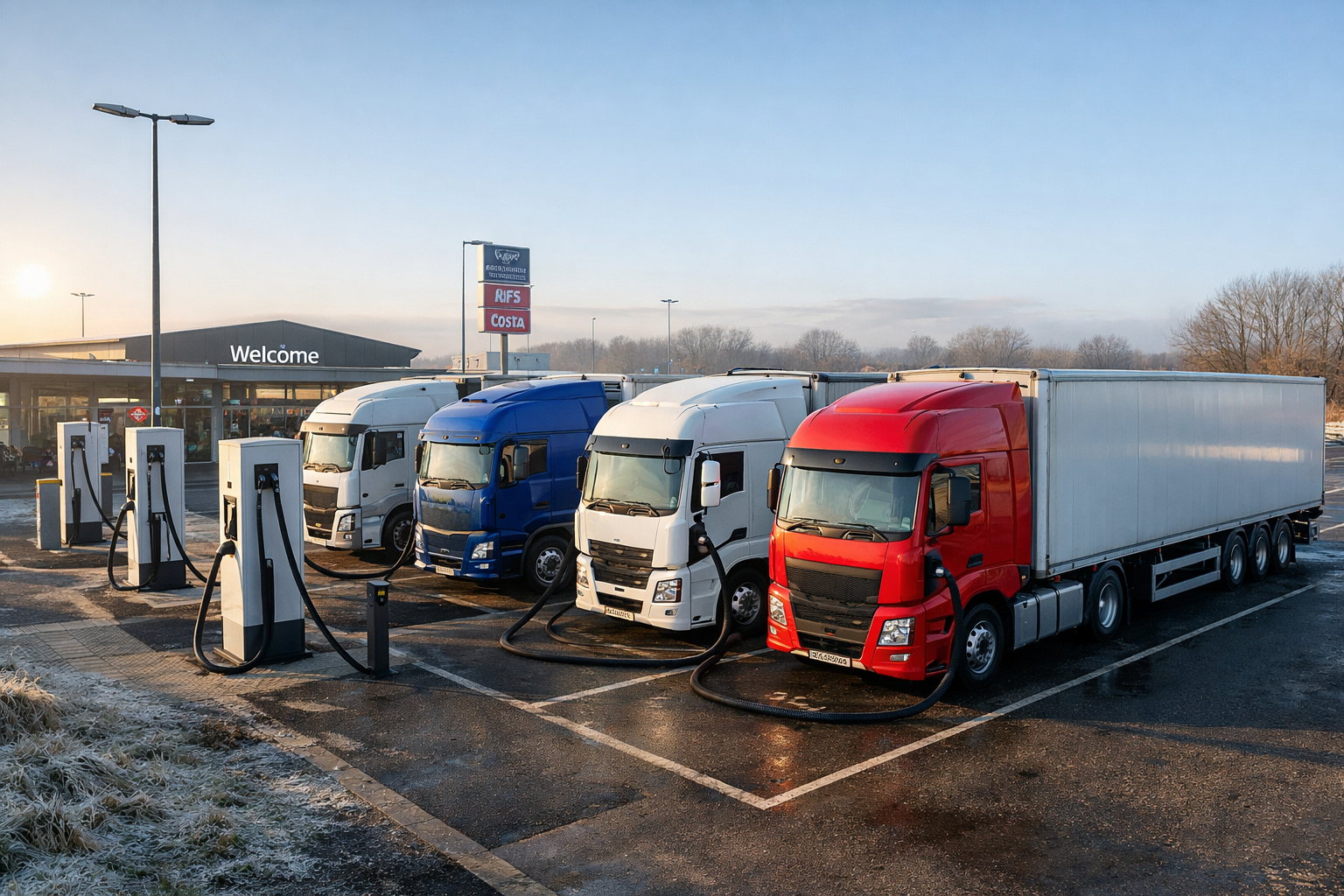
Hydrogen trials at major ports are a good example. Container terminals run equipment on near‑continuous cycles, which makes battery charging difficult without adding spare vehicles or accepting downtime. Fuel cell yard tractors can be refuelled quickly and return to work immediately, keeping utilisation high. That operating profile is critical. Assets with predictable hours, central fuelling and defined routes are easier to underwrite because performance risk is lower and maintenance regimes are easier to plan.
Ports also solve another problem. They concentrate demand in one location. Instead of building a dispersed refuelling network, developers can supply hydrogen to a single site with known consumption. That improves the economics of early supply chains and allows safety and training procedures to be standardised. If these trials move to long‑term supply agreements, they create a template for financing hydrogen plant and vehicles together.
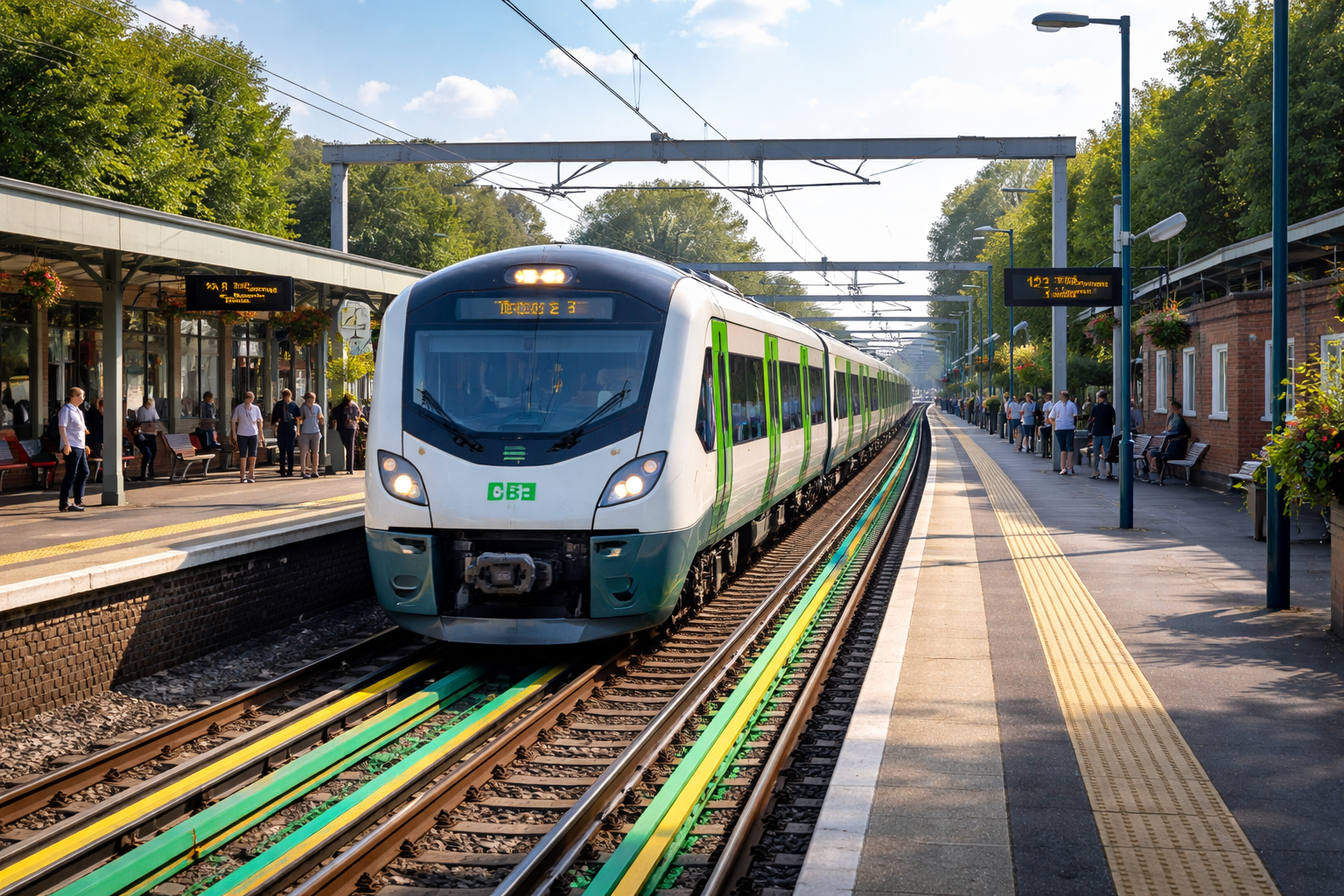
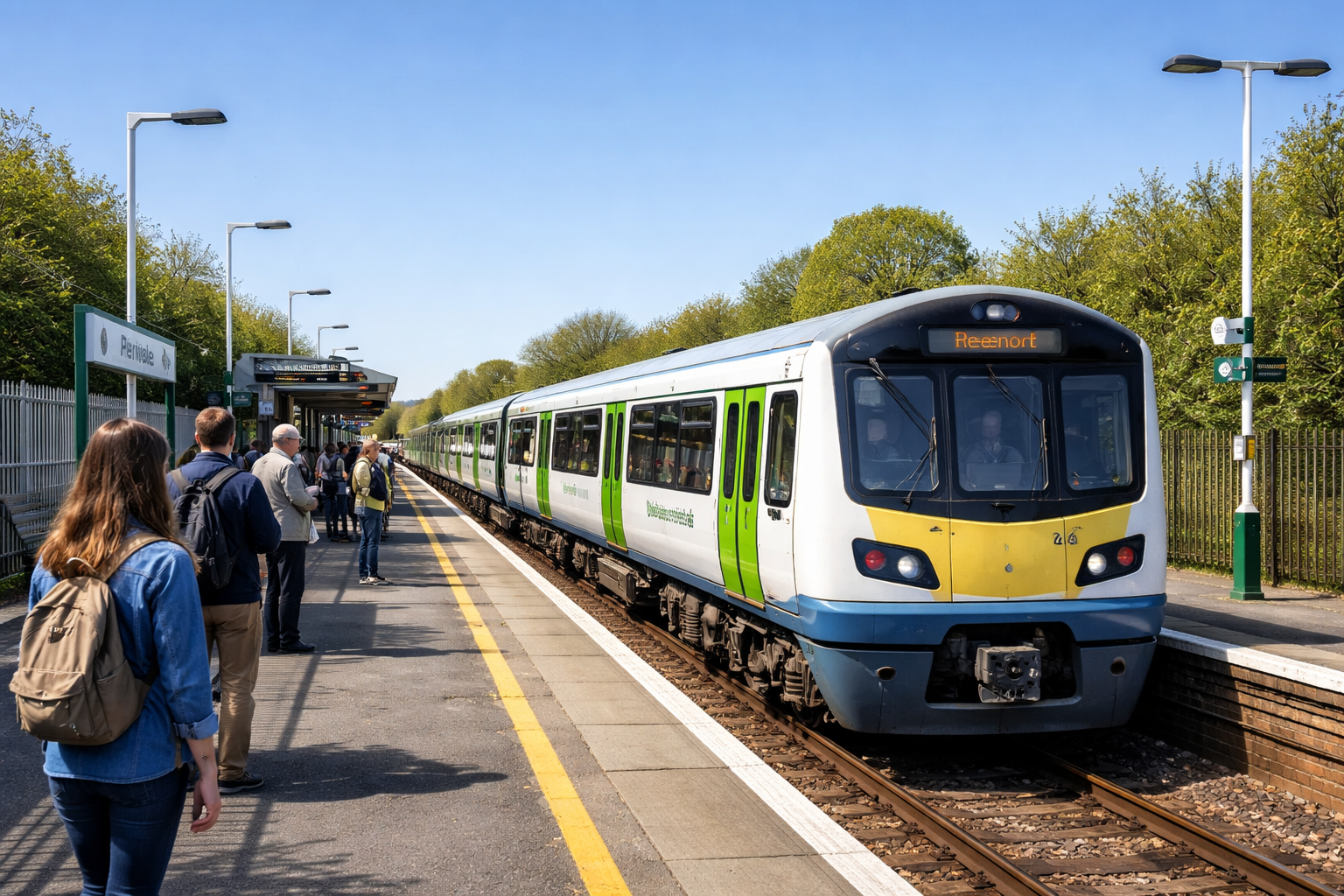
Rail electrification is moving in a similar direction. Rather than announcing large, sporadic projects, the government is progressing a sequence of smaller schemes. This allows engineering teams and suppliers to move from one route to the next without long gaps. Continuous delivery reduces costs and keeps skilled labour in place. For operators, it provides visibility on when diesel fleets will be replaced. For lenders, a steady pipeline reduces construction risk and supports portfolio financing across multiple routes.
A rolling programme also changes how rolling stock is financed. Electric trains can be introduced in stages as infrastructure becomes available, improving utilisation and avoiding the need to hold surplus diesel units. Residual value assumptions become more robust because electrified routes have longer economic lives and lower energy cost volatility.
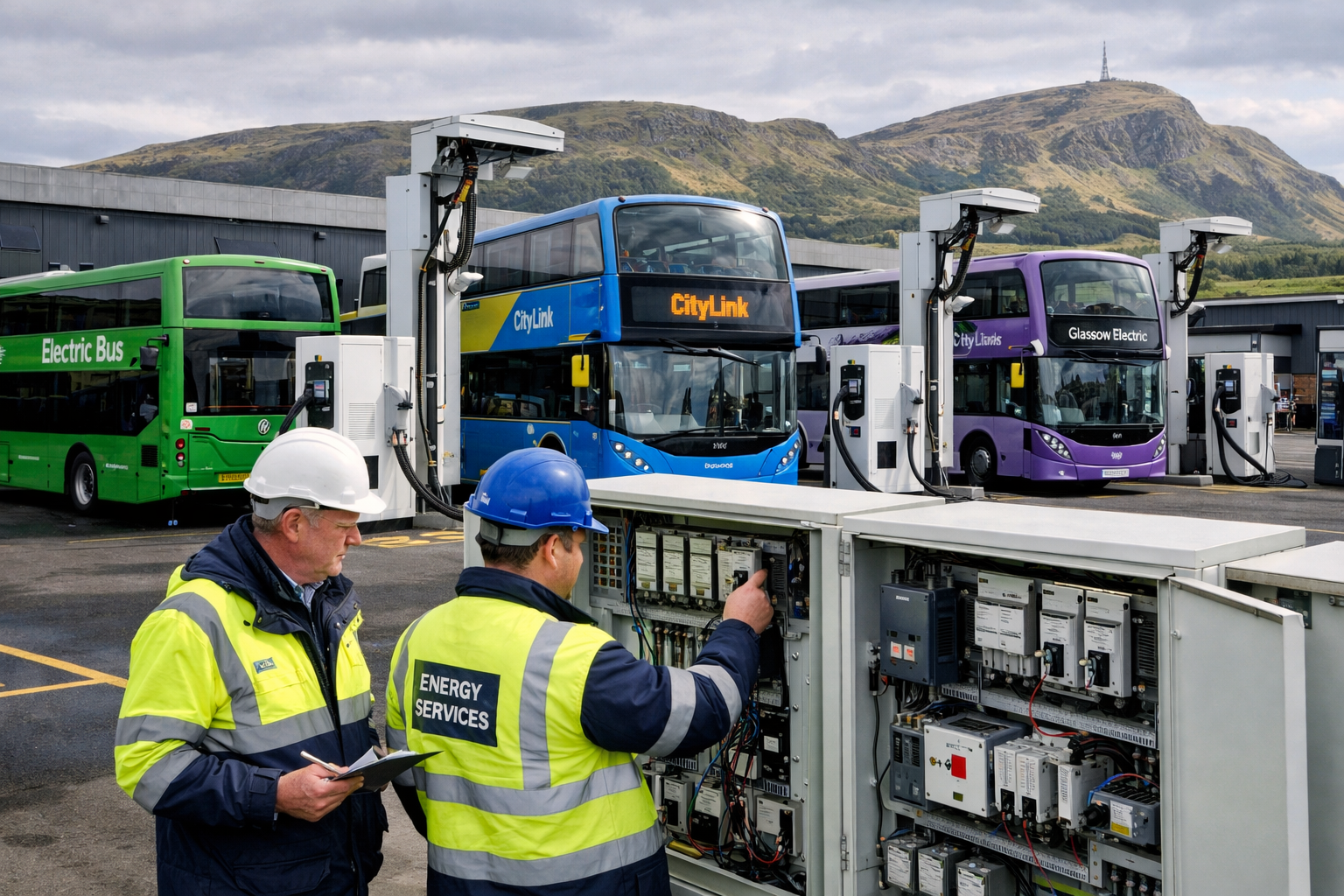
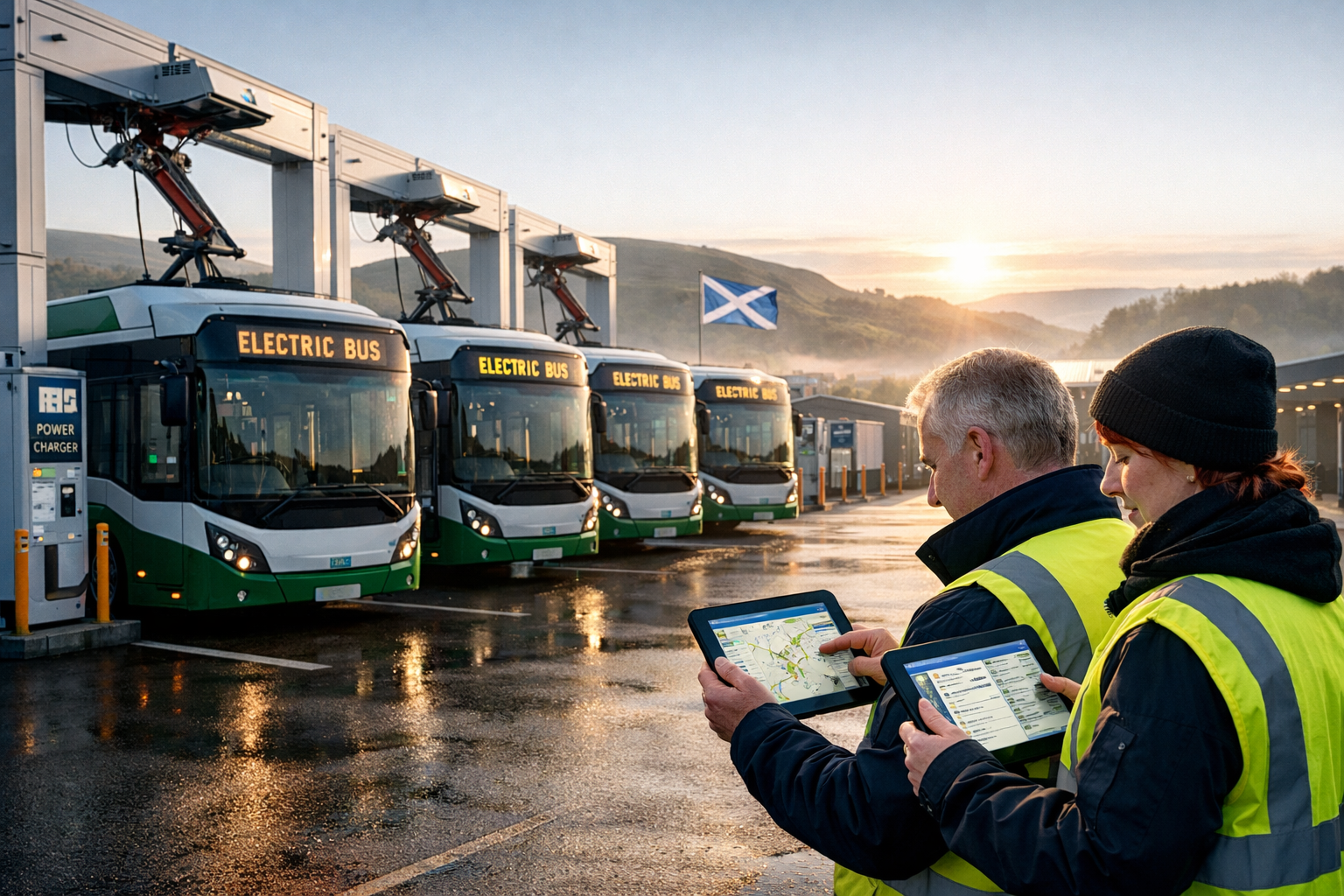
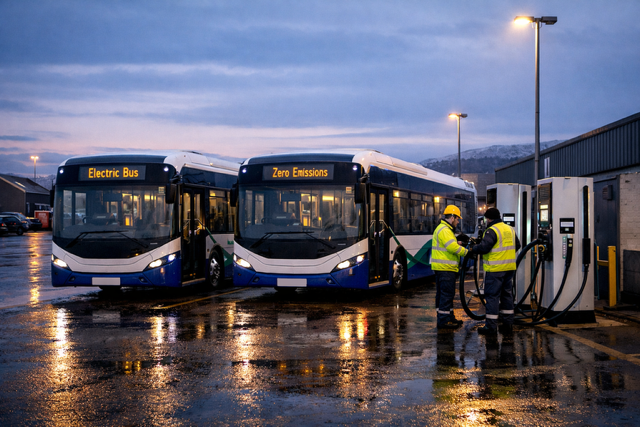
Public EV charging reform addresses a different bottleneck: commercial structure. Local authorities have struggled with inconsistent contracts, uncertain revenue projections and unclear maintenance responsibilities. Standardised procurement frameworks reduce negotiation time and allocate risk more clearly between public bodies and private investors. When revenue mechanisms and service obligations are defined, projects become easier to finance even in areas where utilisation is still growing.
Across these three areas, the common factor is risk reduction. Hydrogen in ports benefits from controlled environments and known duty cycles. Rail electrification gains from a predictable delivery pipeline. EV charging improves through consistent contractual models. Lower risk translates into more competitive financing and faster deployment.
There are still challenges. Hydrogen supply costs remain high and depend on scale. Rail projects must manage access constraints and community impacts. Charging networks need reliable grid connections and long‑term maintenance capability. But the direction of travel is towards repeatable structures rather than one‑off schemes.
For asset financiers and operators, the practical implication is to engage early in programme design. Projects that align infrastructure, vehicles and energy supply from the outset will attract capital more easily than those that treat them separately. The market is moving from demonstration to deployment, and the winning strategies will be those that treat decarbonisation as an integrated asset class.
The next phase will not be defined by new technology announcements. It will be defined by contracts, utilisation data and delivery schedules. That is when transport decarbonisation becomes part of normal capital planning rather than a special category.
You might also like