How cargo bikes and e‑mopeds are reshaping urban delivery fleets
Urban logistics is changing fast. The traditional delivery van is no longer the only vehicle handling the last kilometre of e‑commerce shipments. Cargo bikes, electric mopeds and small electric carts are now becoming a core part of delivery fleets in major cities.
One clear example is Amazon’s recent milestone: more than 100 million deliveries across Europe using cargo bikes, electric mopeds and push carts.
This scale shows that micromobility logistics is no longer experimental. Instead, it is becoming a practical strategy for navigating the constraints of city centres.
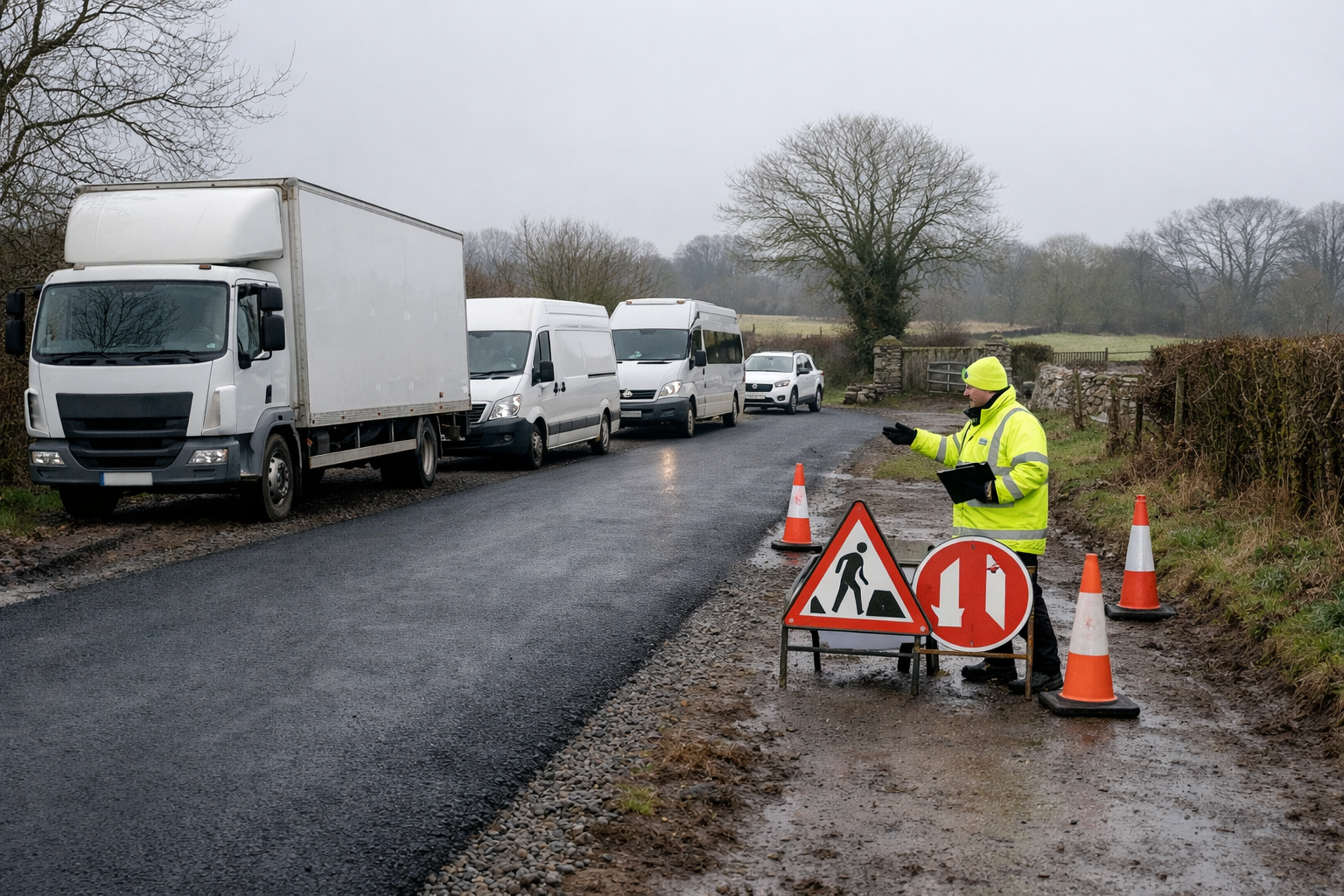
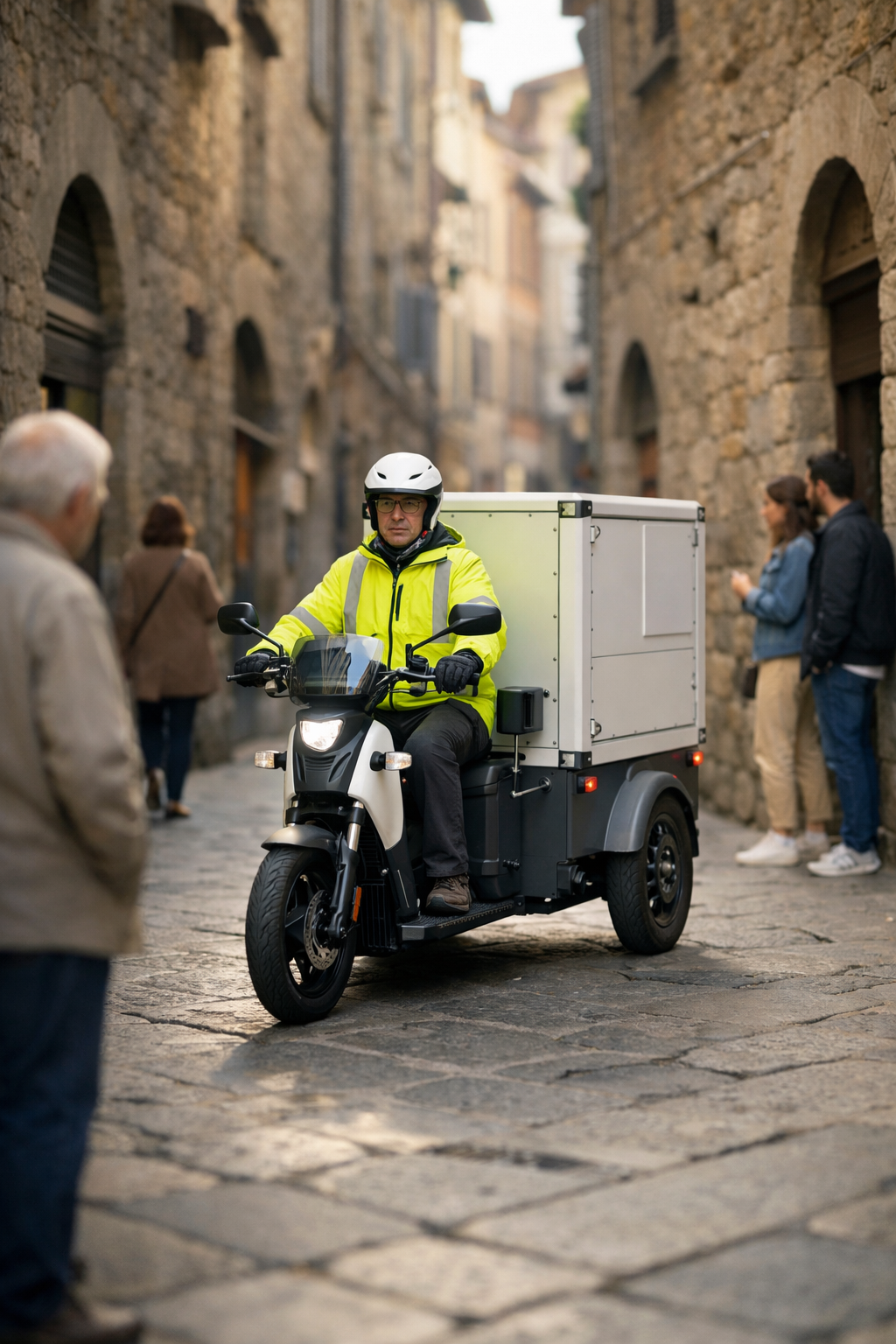
Urban areas present unique challenges for delivery vehicles. Narrow streets, restricted access zones and limited parking slow down traditional vans. Drivers often spend significant time searching for loading space or dealing with congestion.
Cargo bikes solve several of these problems.
Because they are smaller, riders can use bike lanes, reach pedestrian areas and park directly near delivery addresses. In dense neighbourhoods this often leads to faster deliveries and more stops per hour.
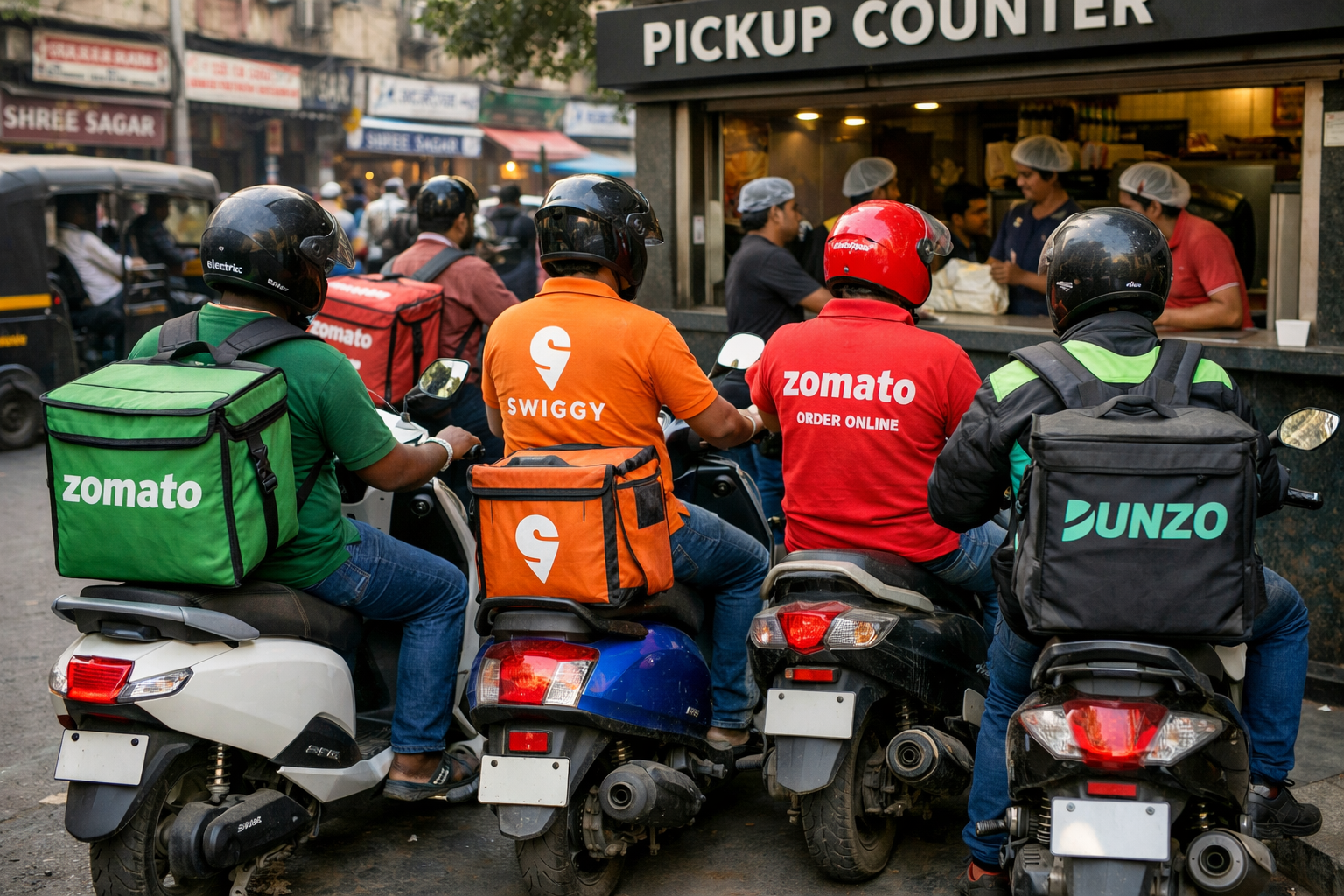
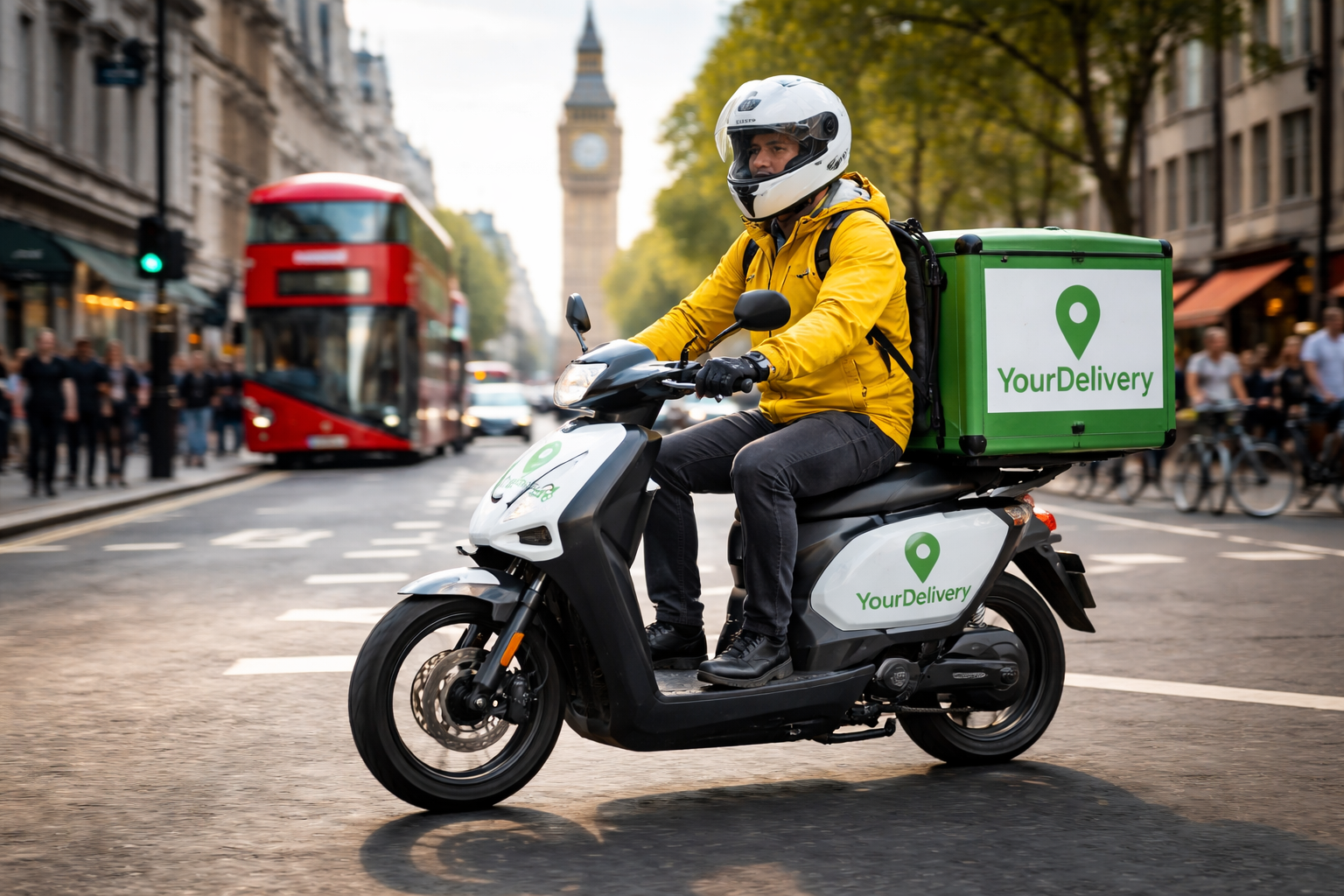
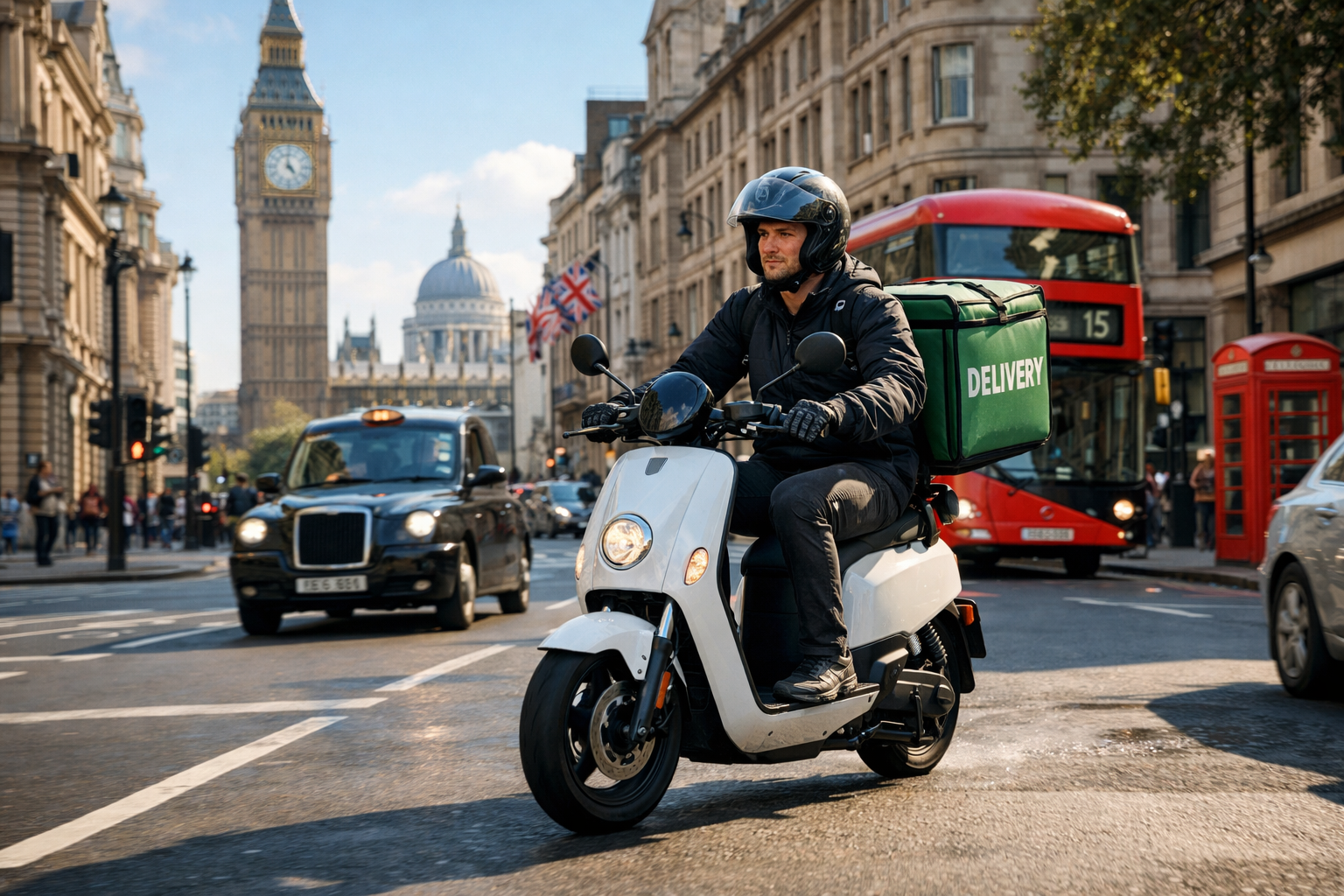
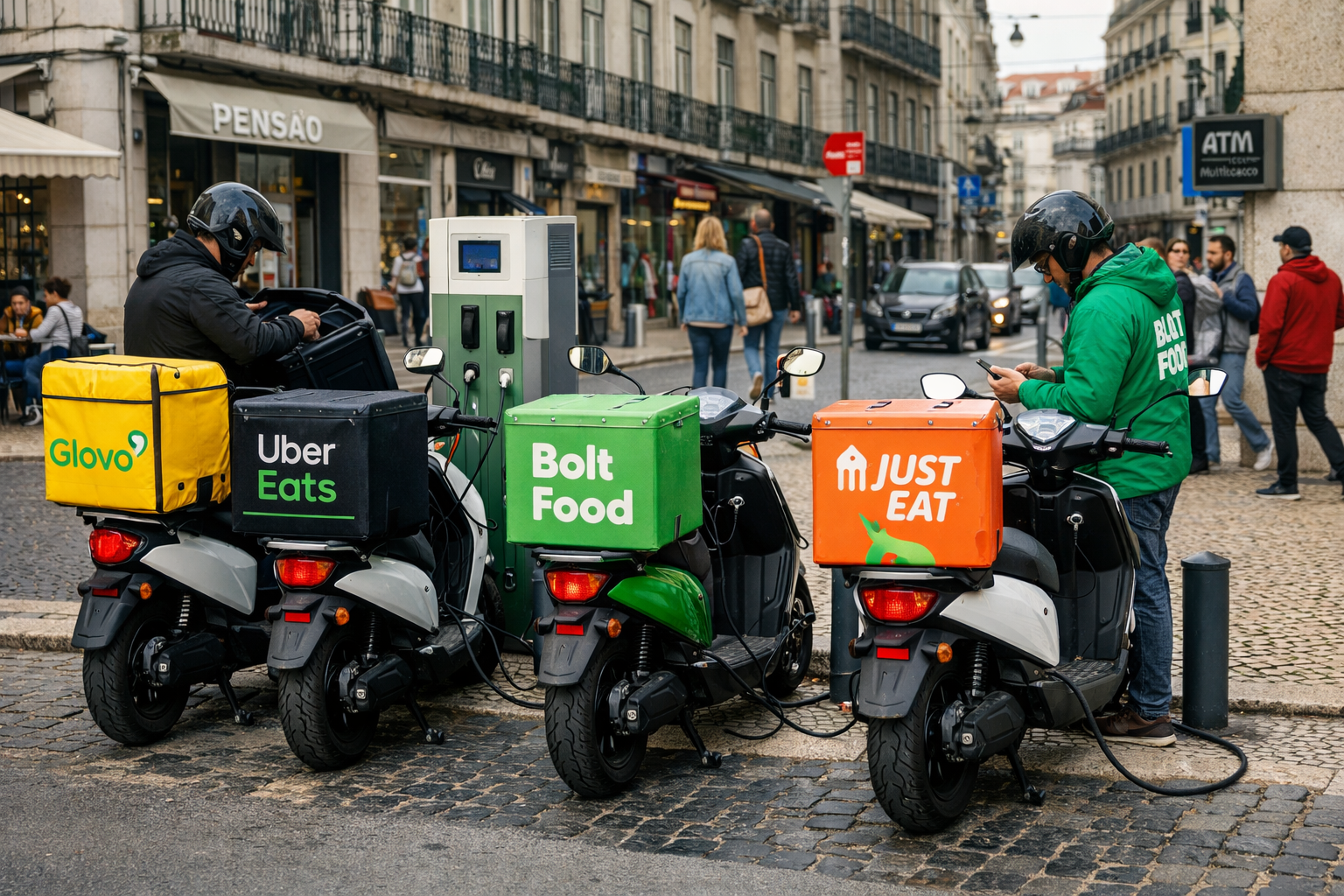
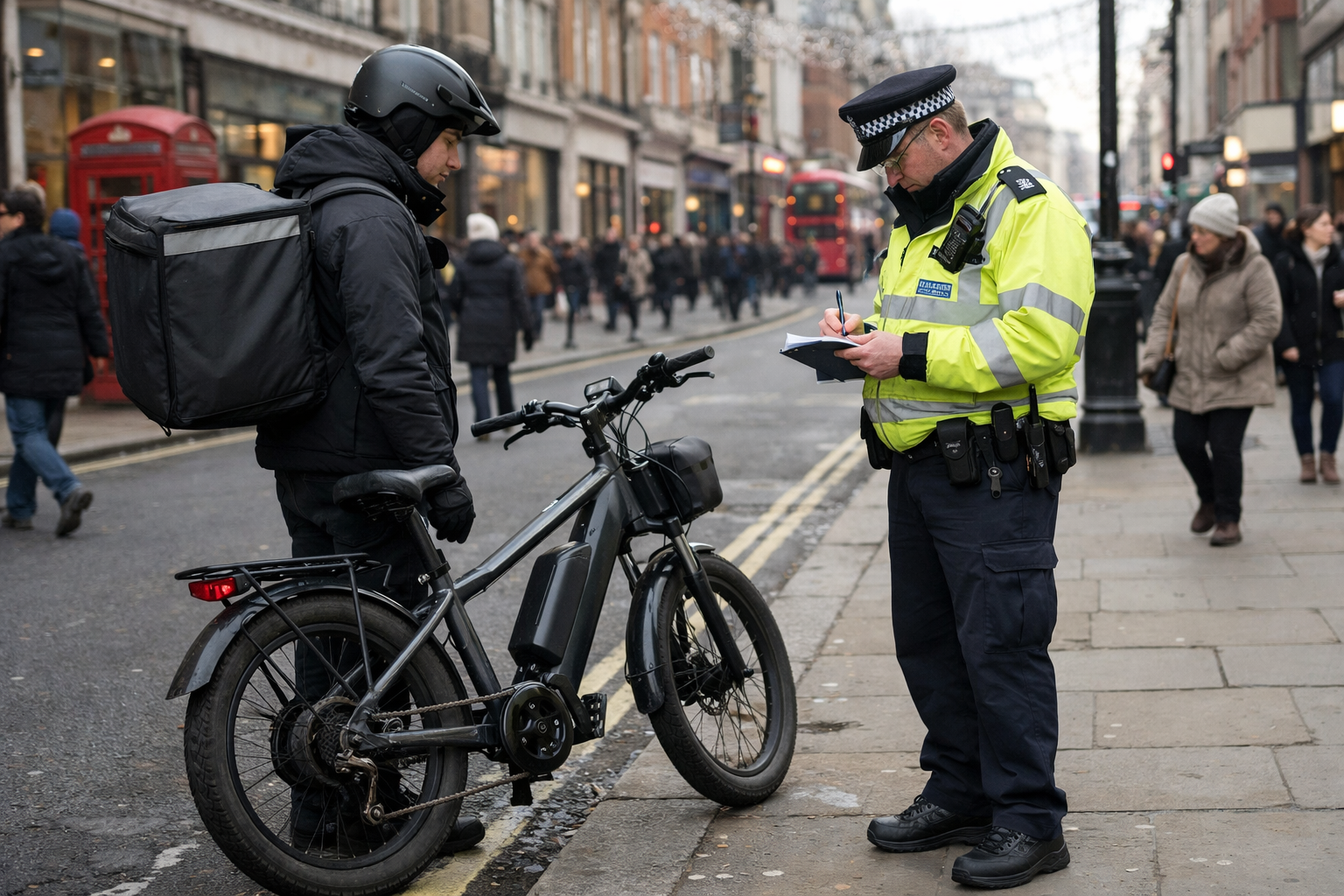
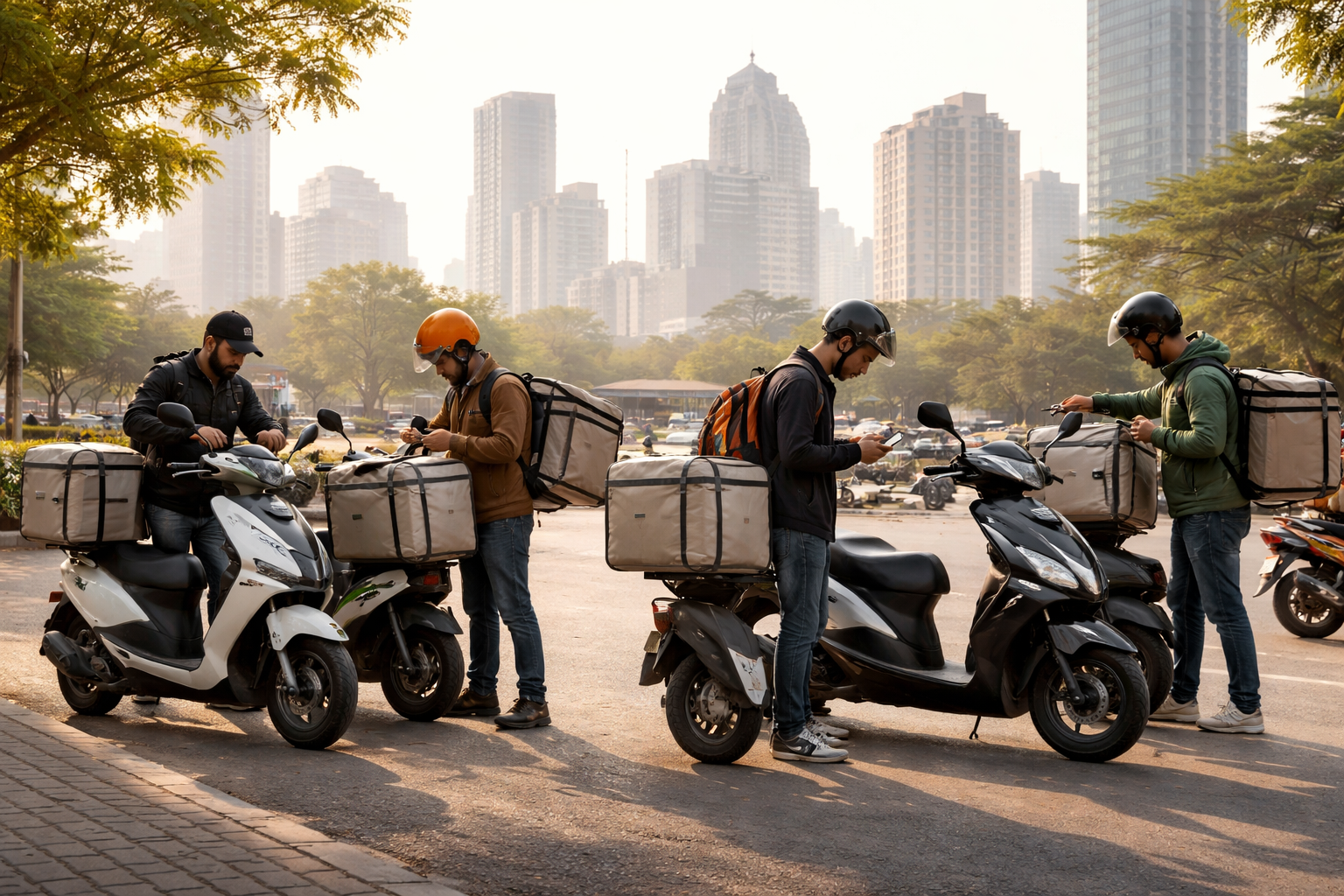
Electric mopeds fill another niche. They offer greater range and speed than bicycles while remaining compact enough for city traffic. For food delivery platforms and courier services, these vehicles balance efficiency and flexibility.
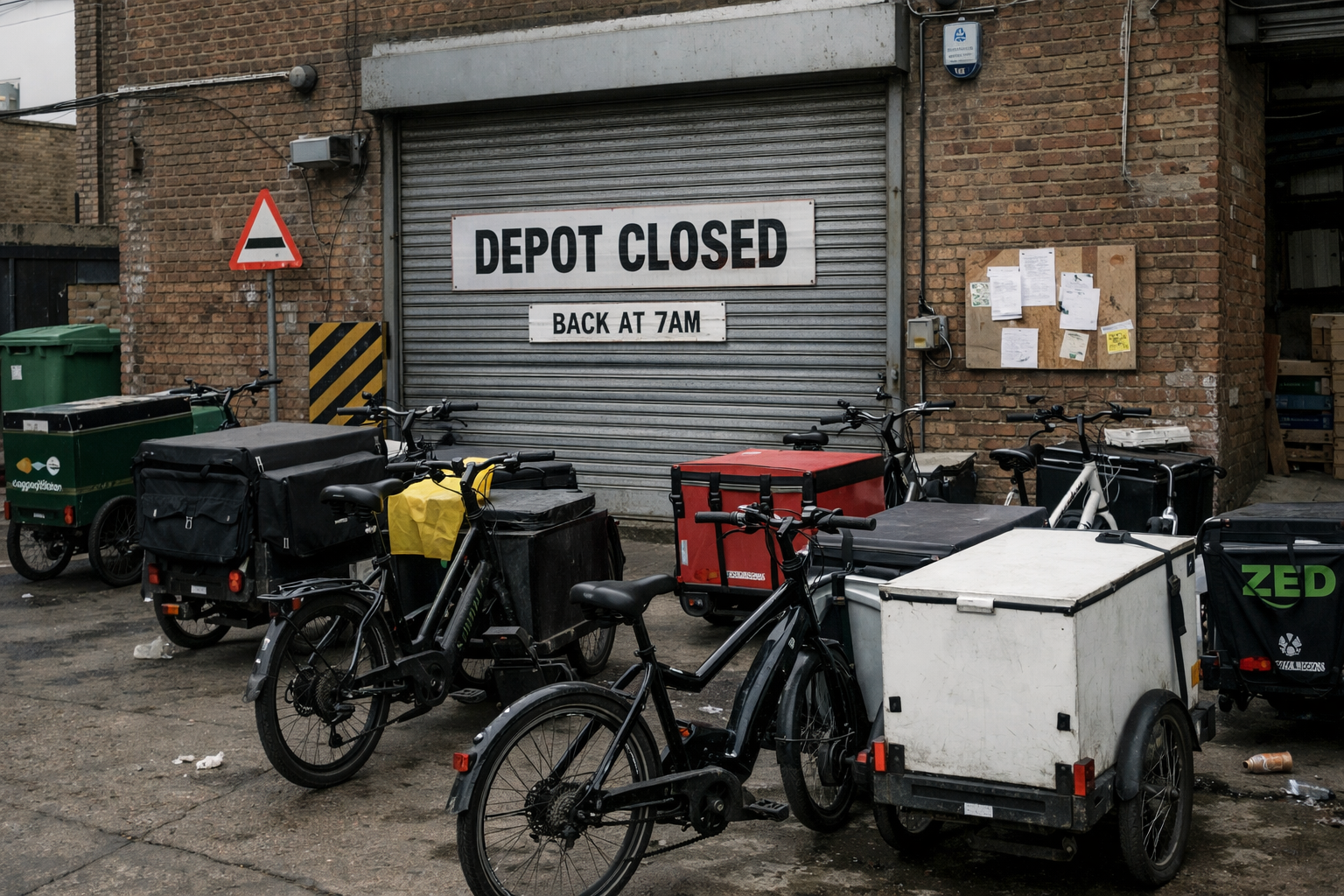
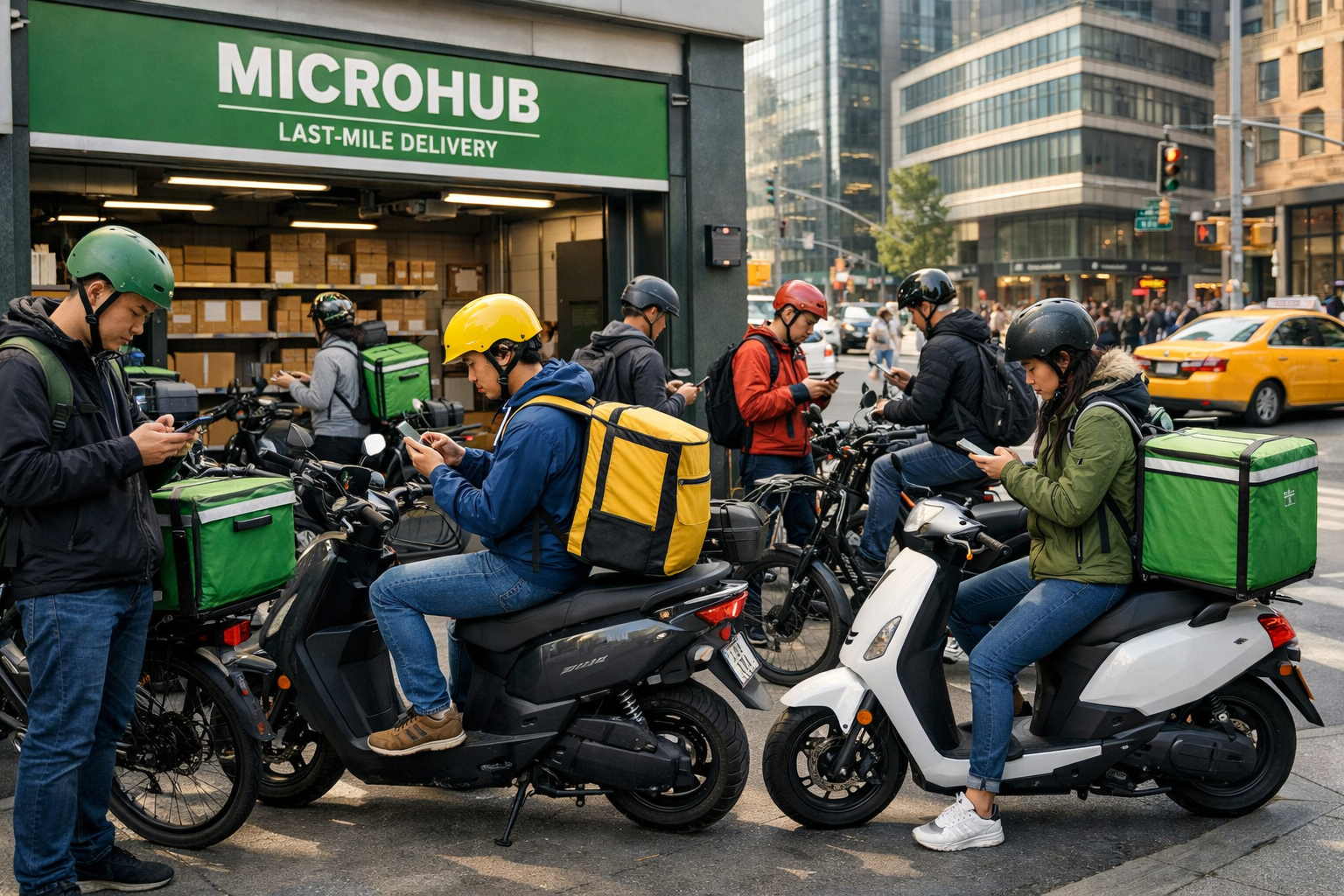
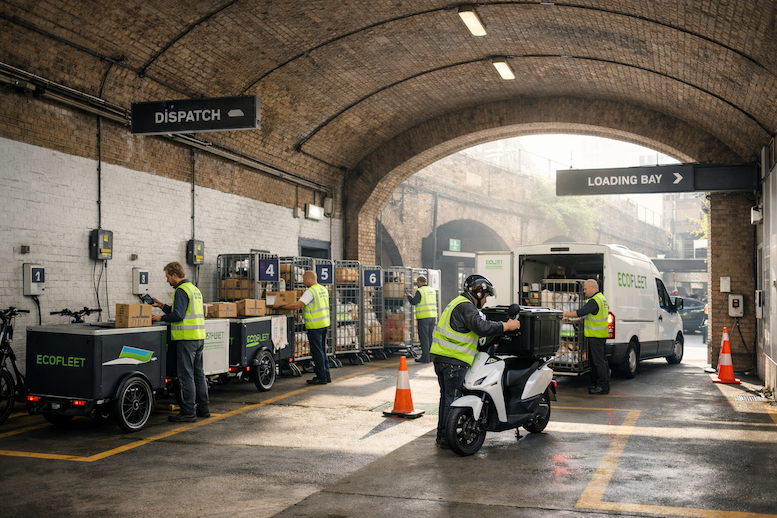
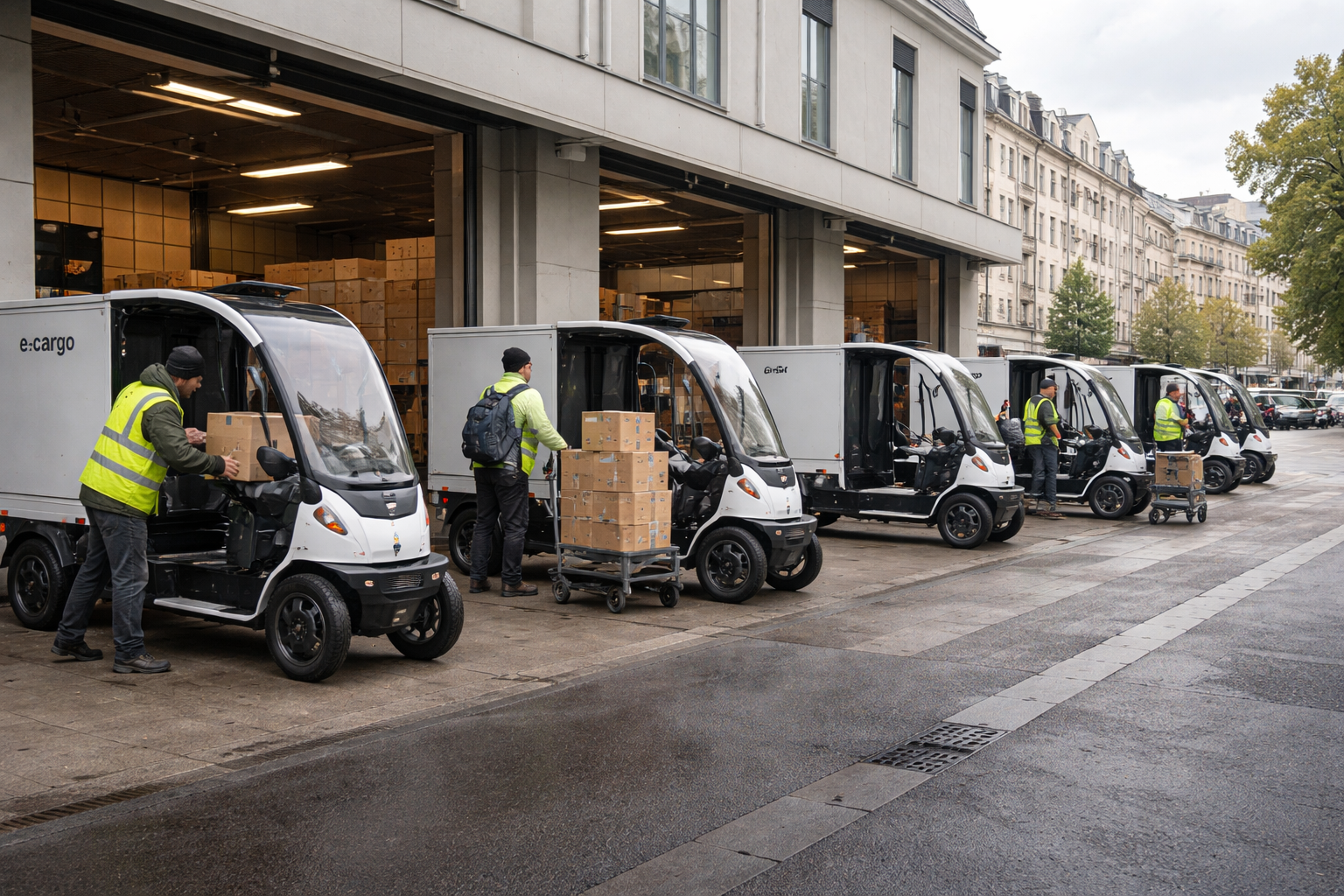
The key to making these systems work is infrastructure. Many operators now use micro‑hubs located close to high‑demand areas. Parcels arrive at the hub in larger vehicles and are then transferred to cargo bikes or mopeds for the final leg of the journey.
This approach reduces the number of vans entering city centres while keeping delivery times short.
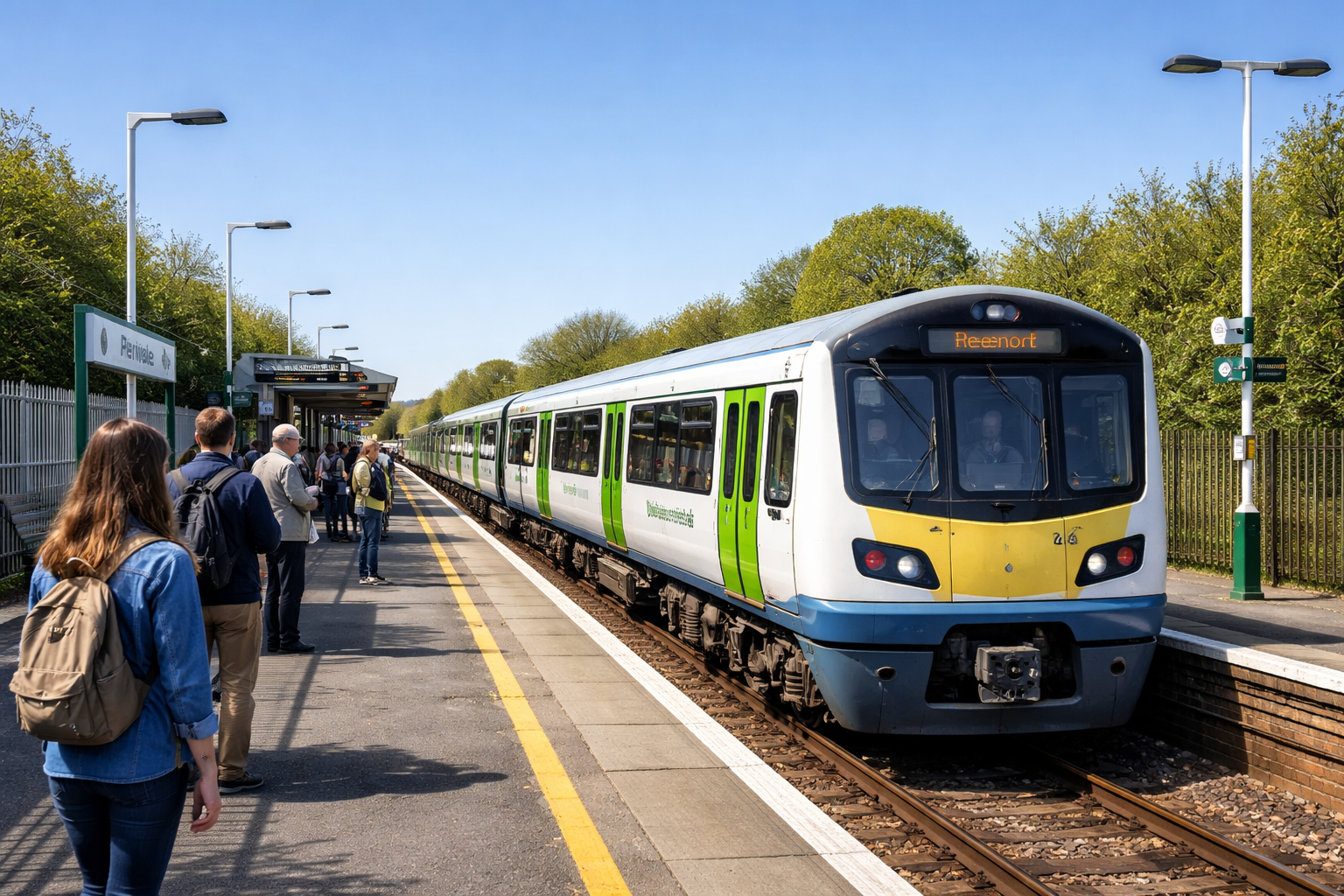
Cities are beginning to support these changes. Some municipalities are creating dedicated cargo‑bike parking zones, loading bays and consolidation hubs. These policies recognise that urban freight is evolving and needs infrastructure designed for smaller vehicles.
The shift toward micromobility fleets is likely to continue as e‑commerce grows and cities introduce stricter emissions rules.
Instead of replacing vans entirely, the future of delivery will probably involve mixed fleets where each vehicle type handles the routes it performs best.
Cargo bikes, mopeds and electric vans working together could become the standard model for urban logistics.
You might also like