Why cargo‑bike courier failures reveal the real economics of last mile
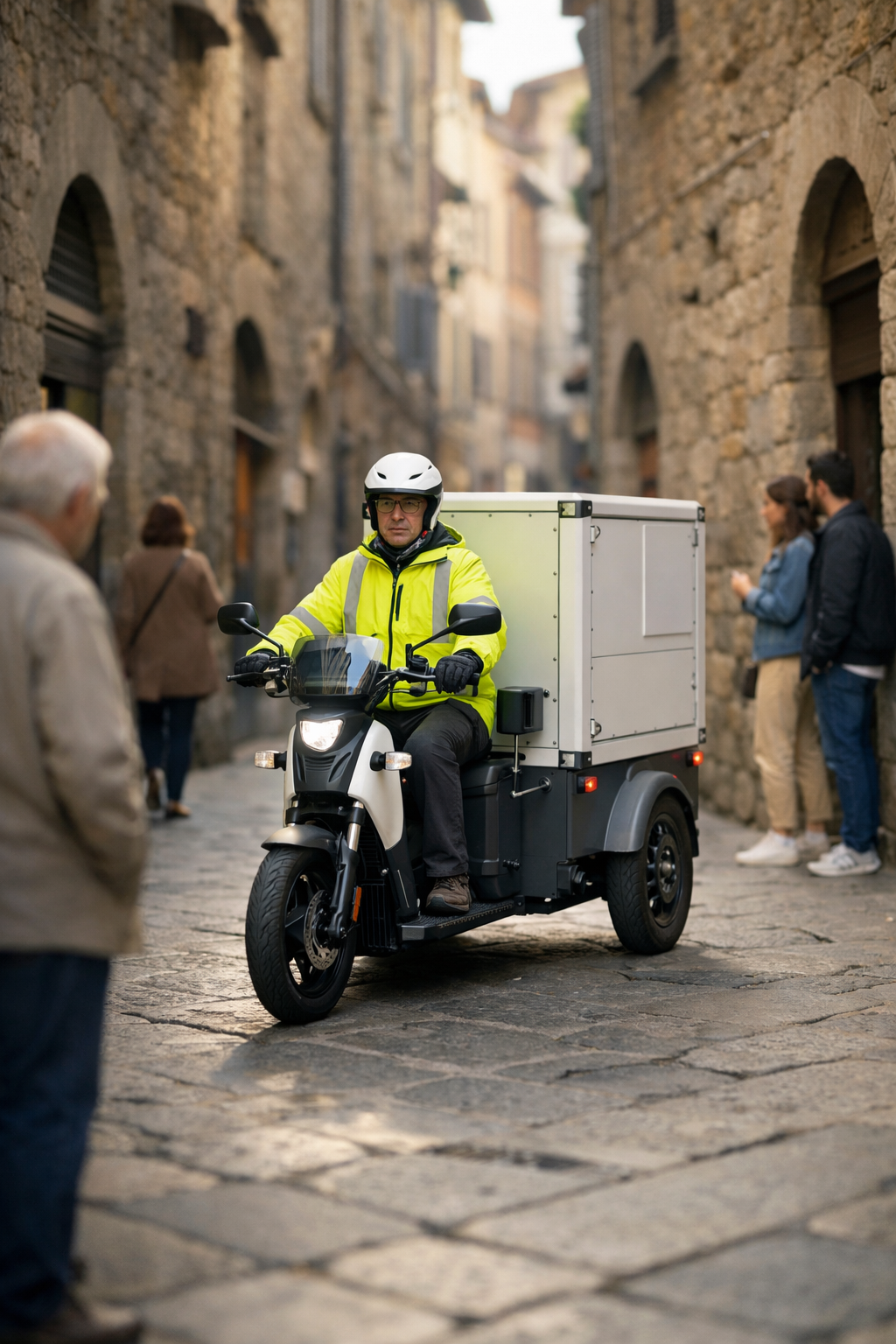
Cargo bikes are often presented as the future of urban delivery. They cut emissions, avoid congestion and complete dense routes faster than vans. Yet the closure of a well‑known cargo‑bike courier in Oxford shows that operational efficiency alone does not guarantee commercial success.
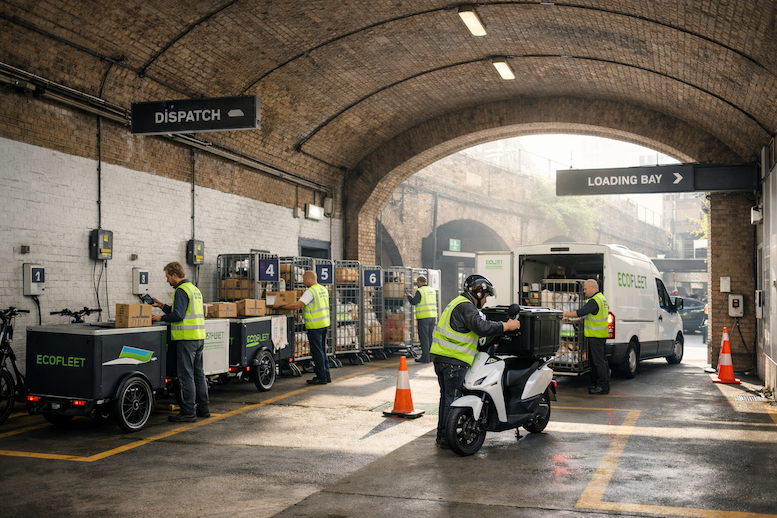
The company delivered more than 1,000 parcels per day using cycle logistics. From a performance standpoint, that is a strong proof point. The failure came after losing a single client that accounted for a large share of revenue. Without that volume, fixed costs such as depots, management and rider coordination became difficult to sustain.
This highlights a key feature of last‑mile economics. Vehicles are only one part of the model. Parcel density, contract stability and hub utilisation drive profitability. Cargo bikes work best when routes are tightly clustered and volumes are predictable. Remove those conditions and the cost advantage over vans can narrow quickly.
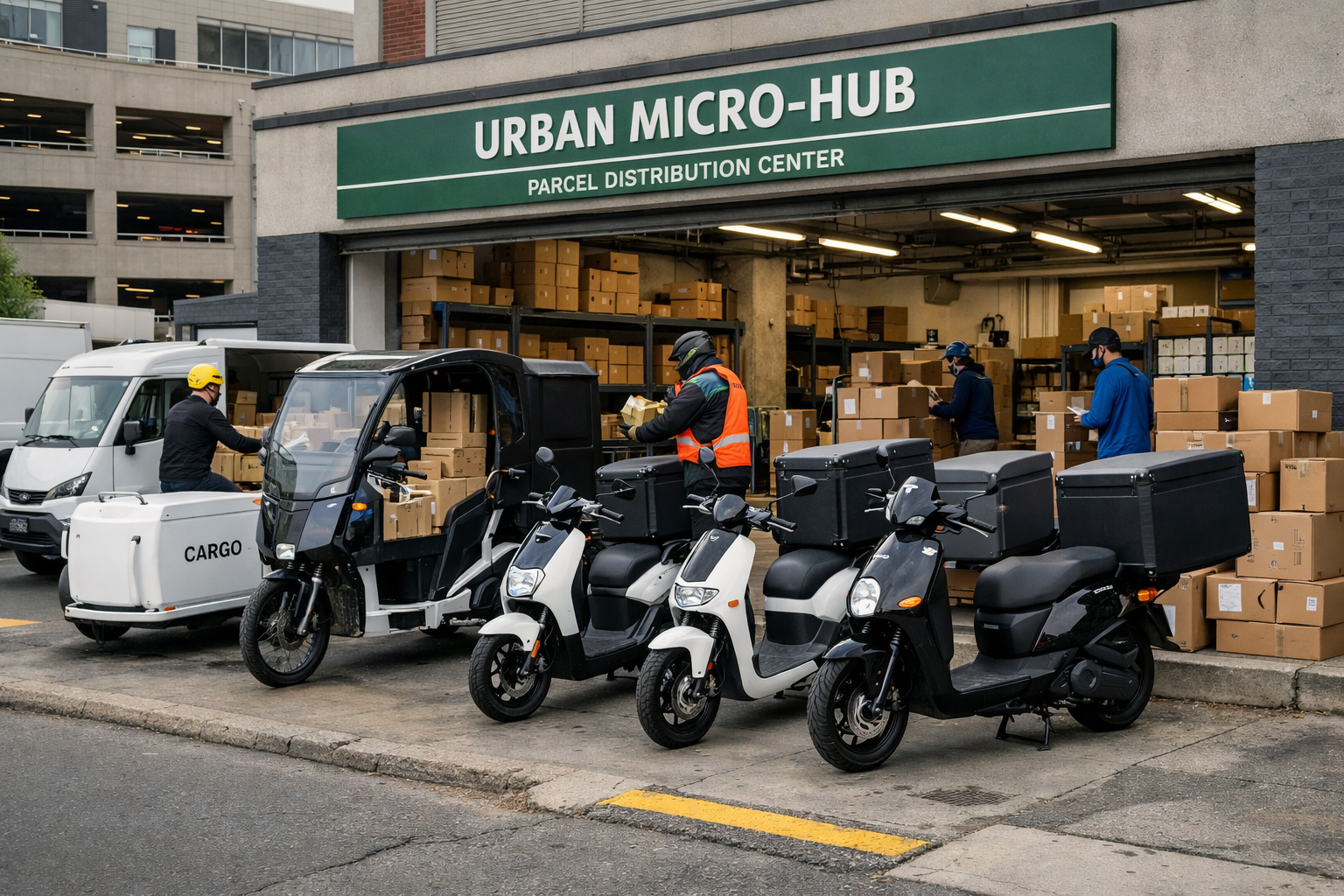
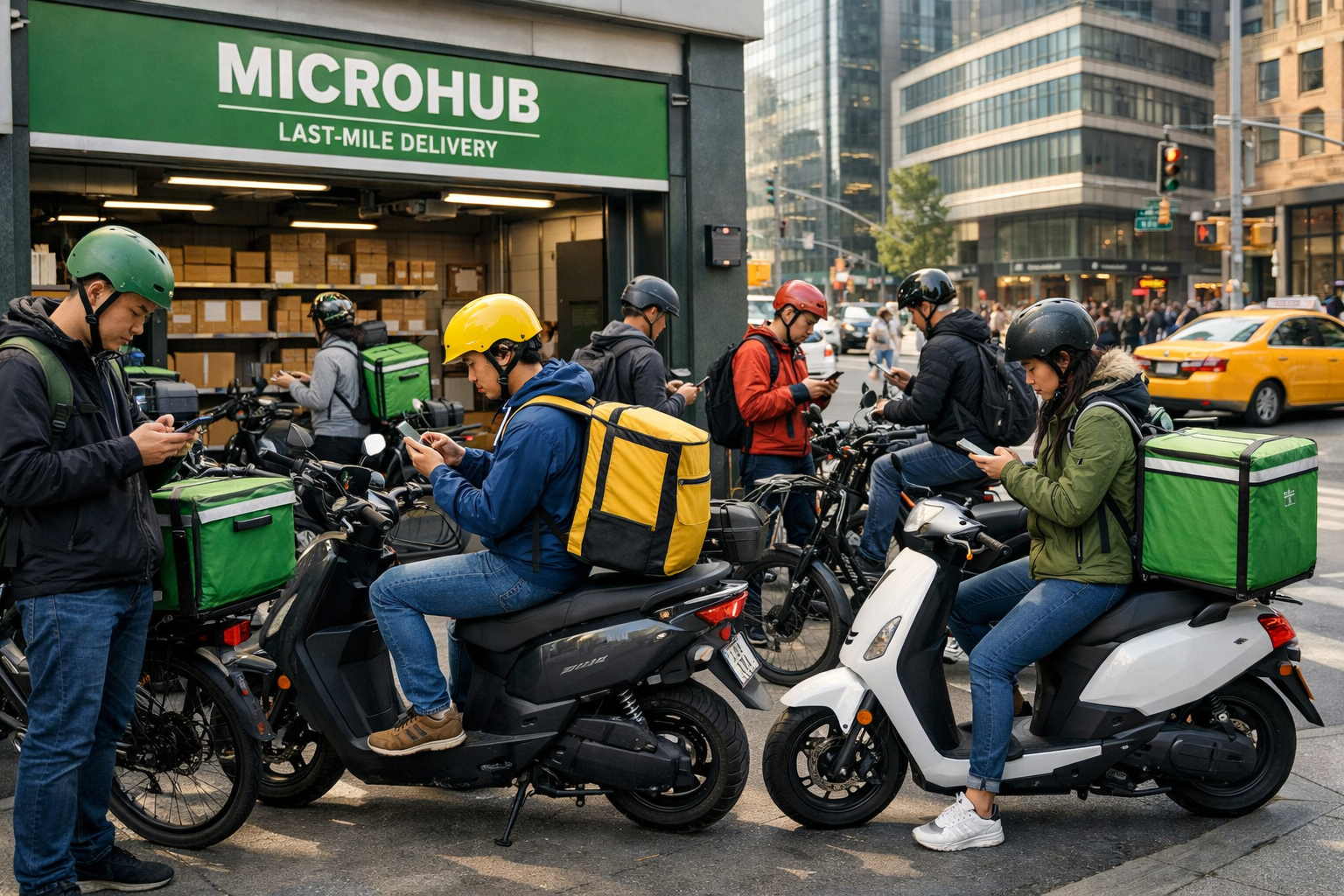
Another factor is network structure. Cycle logistics often relies on micro‑hubs close to delivery zones. These reduce travel time but introduce property costs. If parcel throughput drops, those hubs become under‑used assets.
For logistics planners, the lesson is not to question cargo bikes themselves. The lesson is to design diversified customer portfolios and shared infrastructure. Multi‑client hubs, dynamic routing and mixed fleets can spread risk and keep utilisation high.
Investors should also look beyond vehicle performance metrics. Contract length, client concentration and route density are stronger indicators of resilience.
Cargo bikes remain one of the most effective tools for decarbonising dense urban delivery. But like any asset, they need the right commercial structure around them to succeed.
You might also like