
What the collapse of a cargo‑bike courier reveals about last‑mile economics
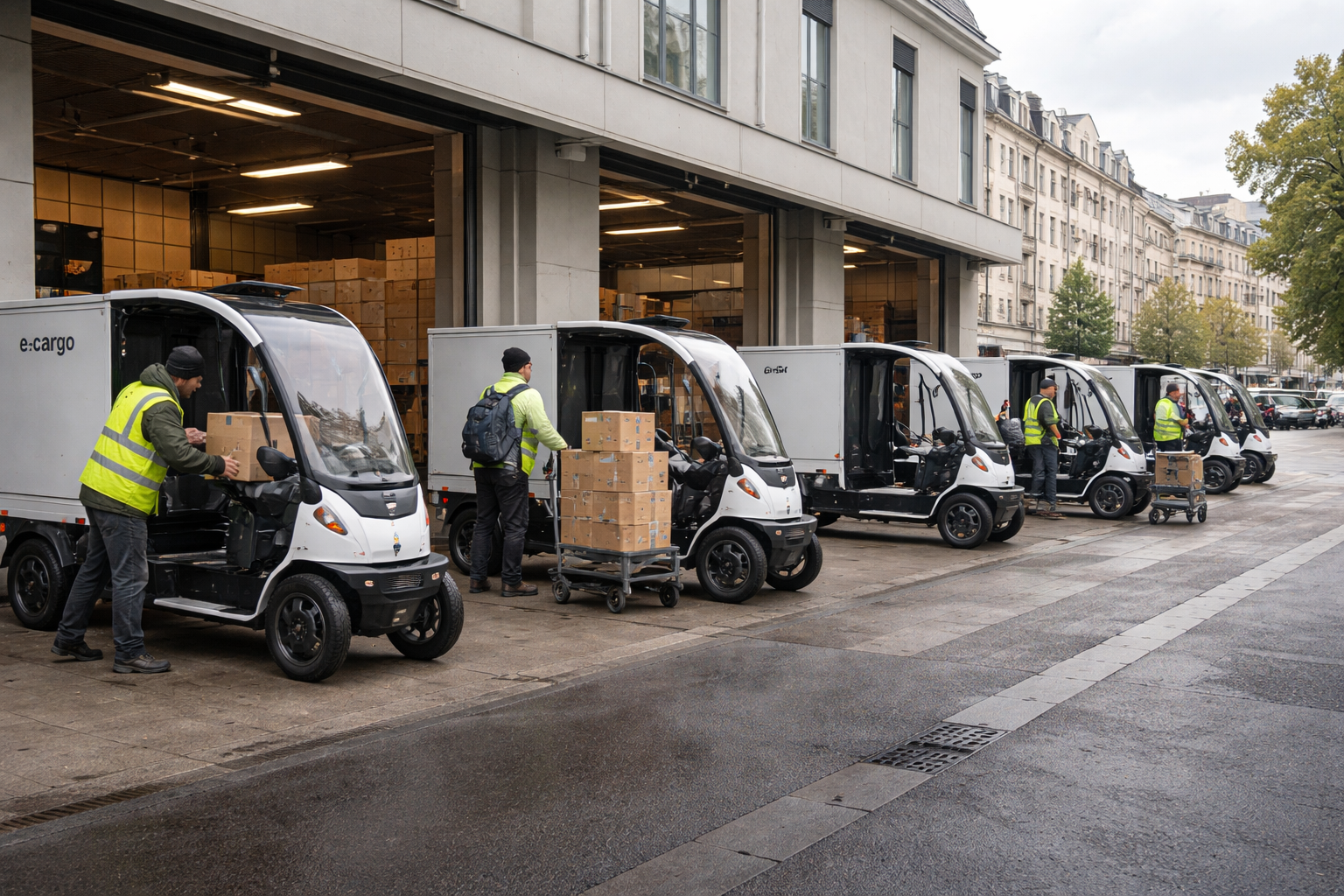
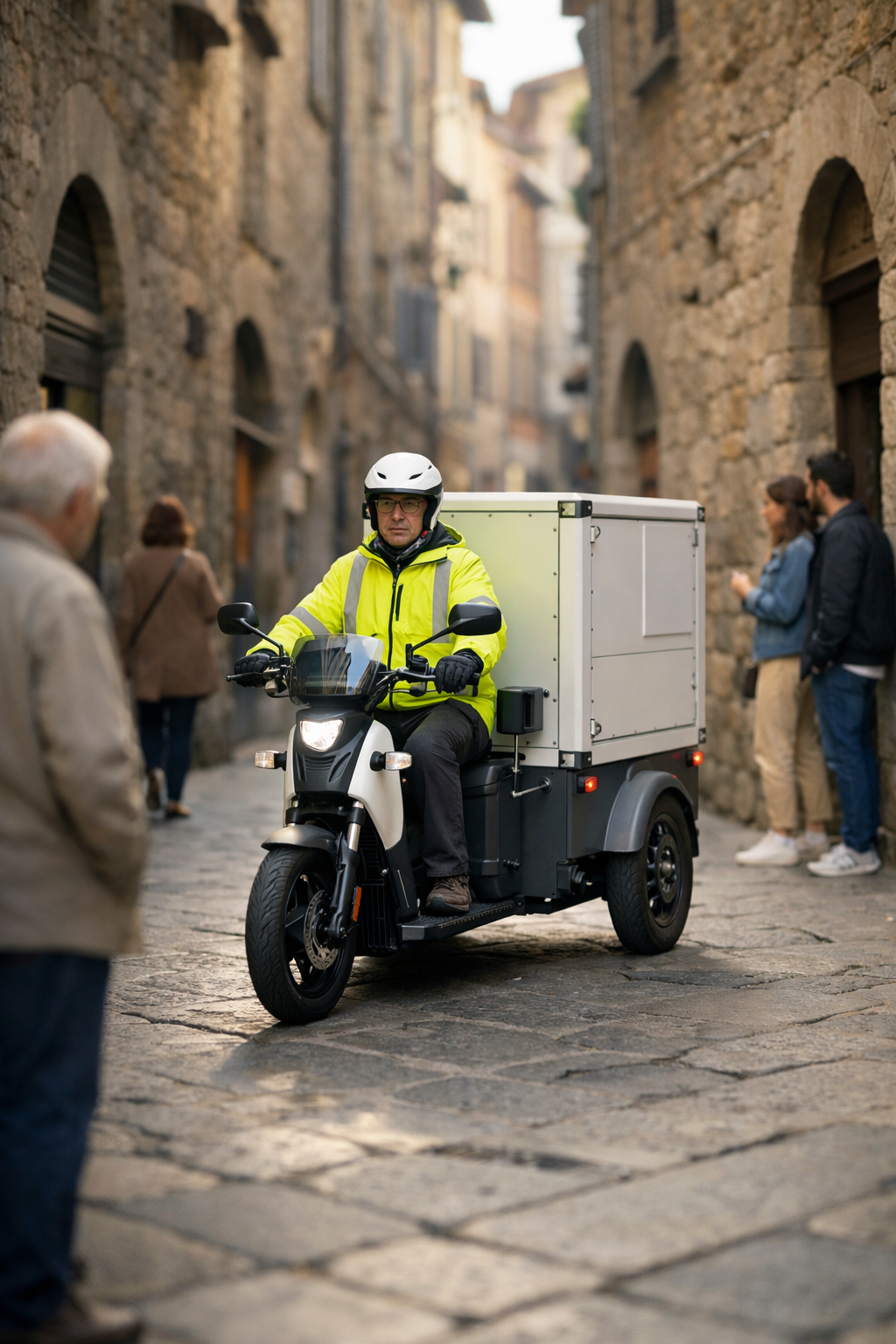
Cargo bikes are often described as the future of urban logistics. They are quiet, emission‑free and can move through congested streets more easily than vans. Yet the recent collapse of the British cycle‑logistics company Pedal & Post shows that operational advantages alone do not guarantee a viable business.
The Oxford‑based company had been operating for more than a decade and delivered over 1,000 parcels a day using cargo bikes. Despite this volume, the business entered liquidation after losing a major contract that accounted for a large share of its revenue.
This event highlights one of the central challenges in last‑mile logistics: route density.
Delivery networks only work when there are enough parcels moving through the system every day. Vans can absorb fluctuations more easily because they serve wider areas. Cargo bike operations, on the other hand, rely on concentrated delivery zones and predictable volumes.
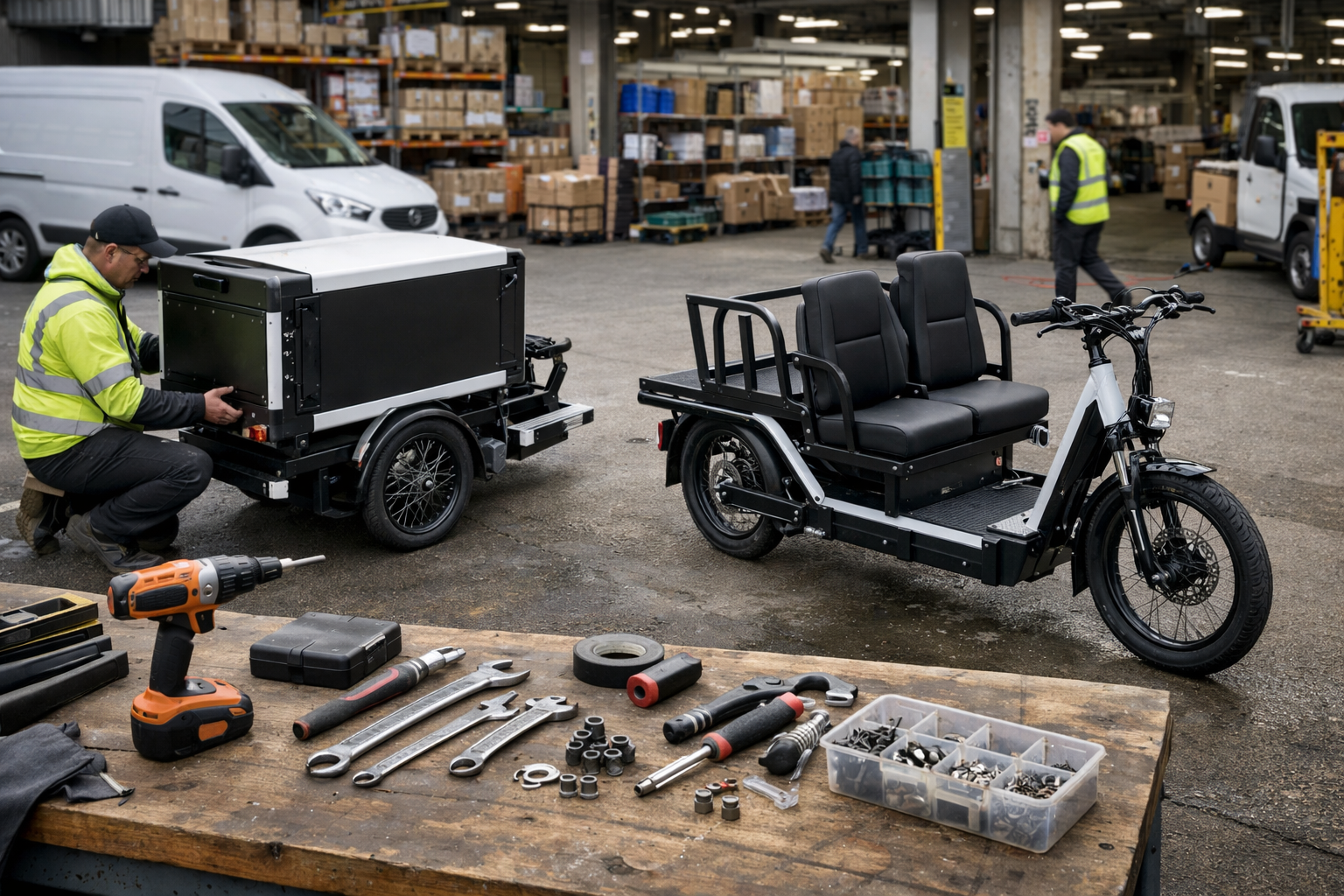
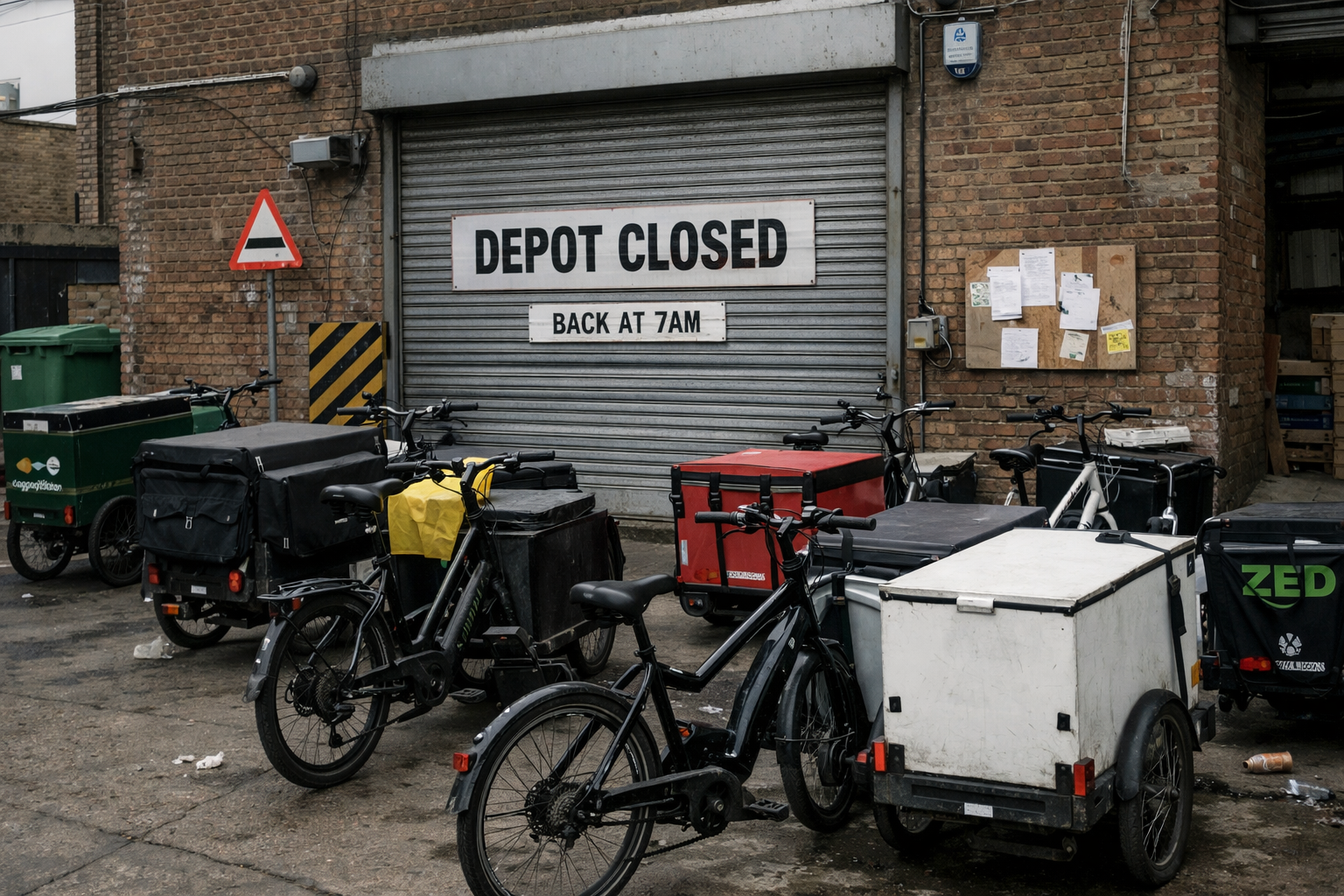
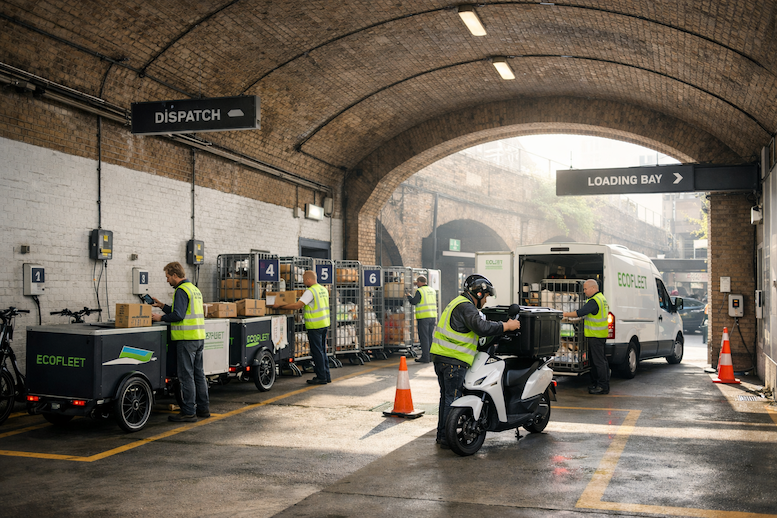
When parcel flow drops suddenly, the fixed costs remain. Depots still need rent. Dispatch teams still coordinate riders. Maintenance and fleet management continue regardless of how many packages are delivered.
Another issue is customer concentration. Many cycle‑logistics firms rely heavily on partnerships with large carriers or e‑commerce platforms. If one contract disappears, it can remove a significant share of the daily workload.
This doesn’t mean cargo bikes are flawed. In fact, many large logistics companies are expanding their cargo bike fleets. The difference is scale and diversification. Major operators run mixed fleets, multiple hubs and contracts with several clients.
Independent cycle‑logistics companies often lack that buffer.
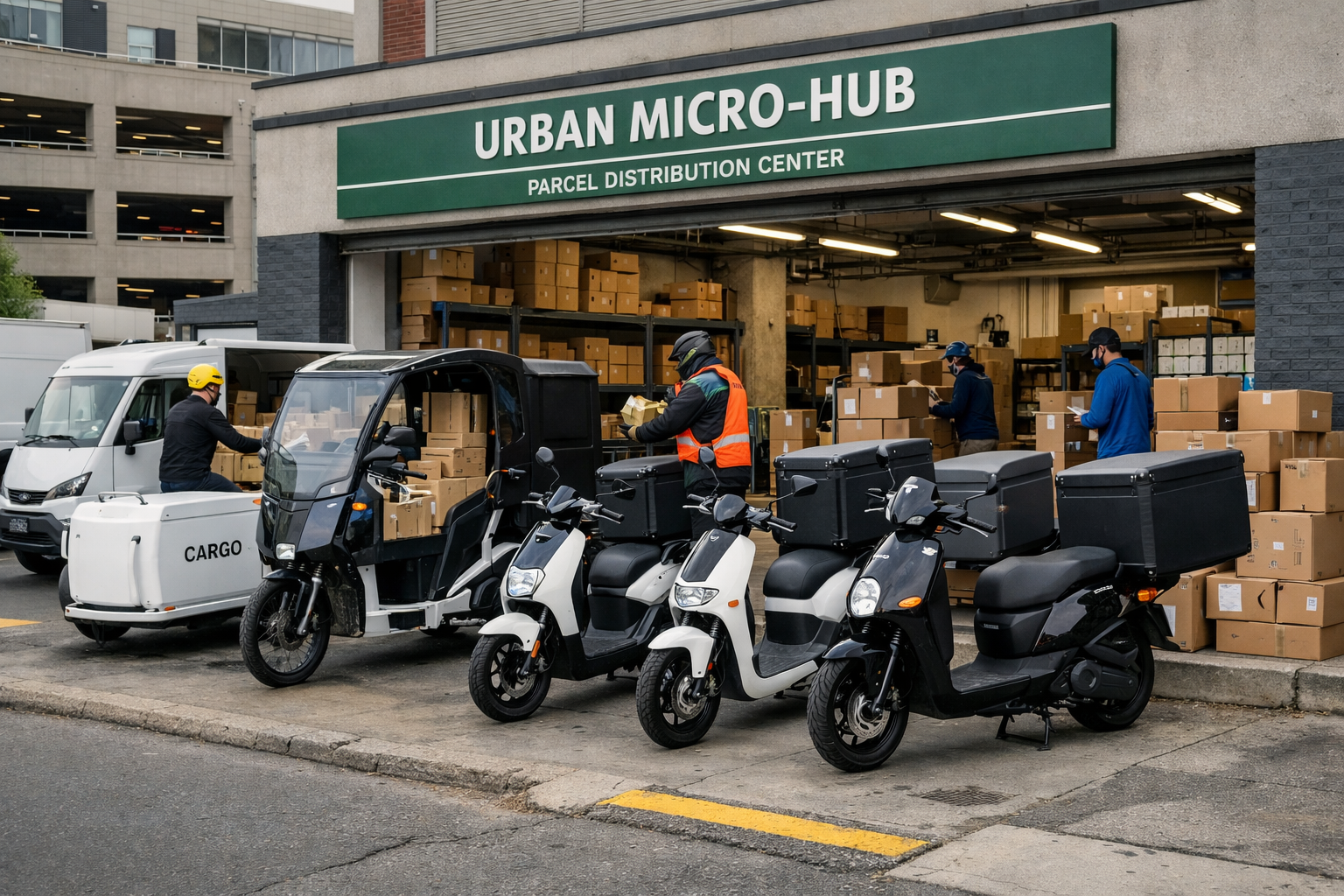
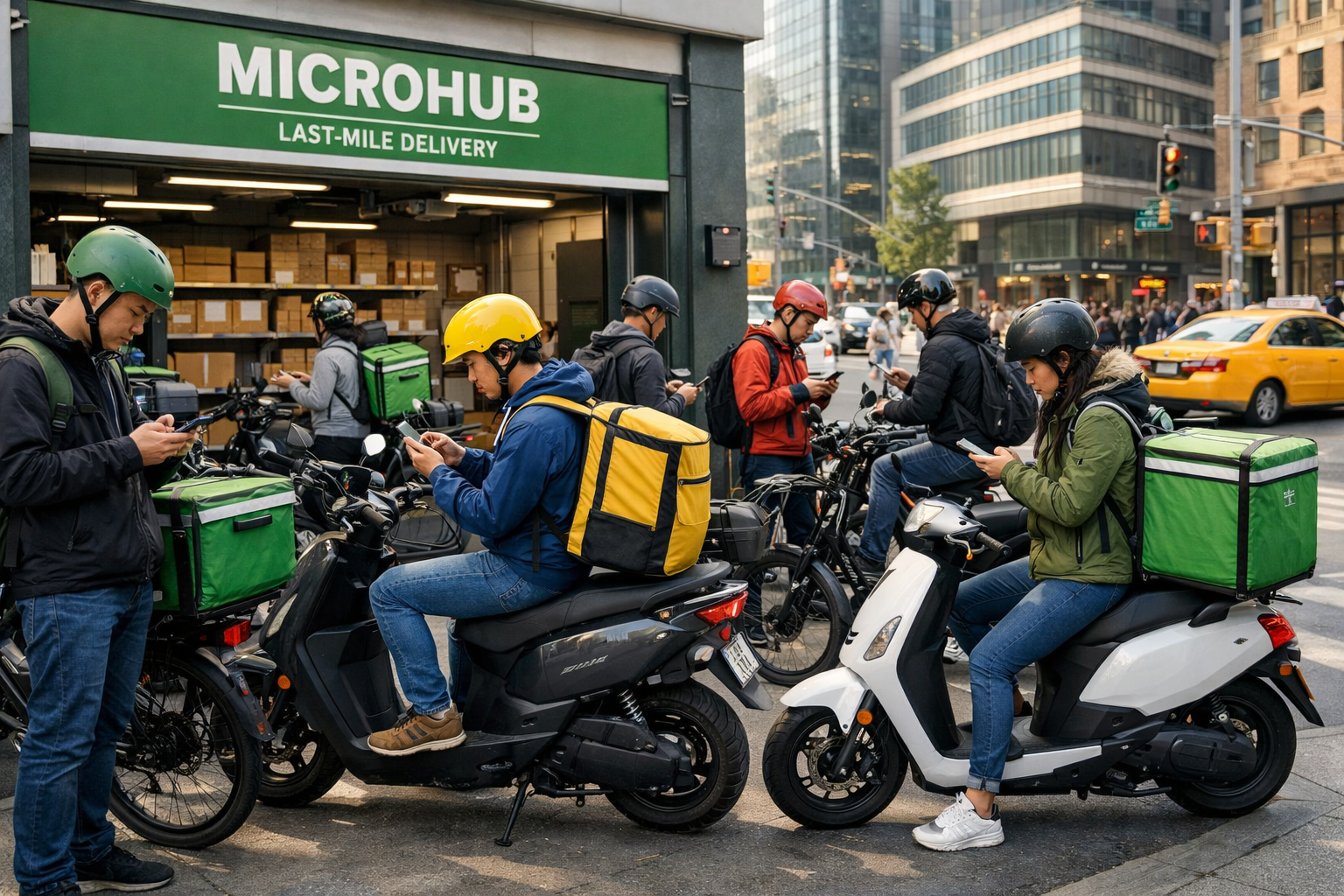
For the sector to mature, collaboration may become more common. Shared micro‑hubs, cooperative networks and municipal logistics zones could help smaller operators maintain consistent parcel volumes.
Cities are also playing a role by introducing cargo‑bike parking areas, loading zones and urban consolidation hubs. These measures reduce operational friction and make it easier for smaller delivery firms to compete.
Cargo bikes remain one of the most promising tools for reducing emissions in urban freight.
You might also like