ScotZEB3 fund remains live — opportunity and timing for zero‑emission bus plans
Phase 3 of the Scottish Zero Emission Bus Challenge Fund (ScotZEB3) is currently open, with applications due by 26 February 2026. This programme makes up to £45m available to support the transition to zero‑emission buses and supporting infrastructure for local regulated services in Scotland.
The scheme is designed to align public investment with broader policy changes, including the Bus Services Act 2025, which will eventually limit the registration of new diesel buses on local services.
What ScotZEB3 covers
ScotZEB3 offers partial funding toward:
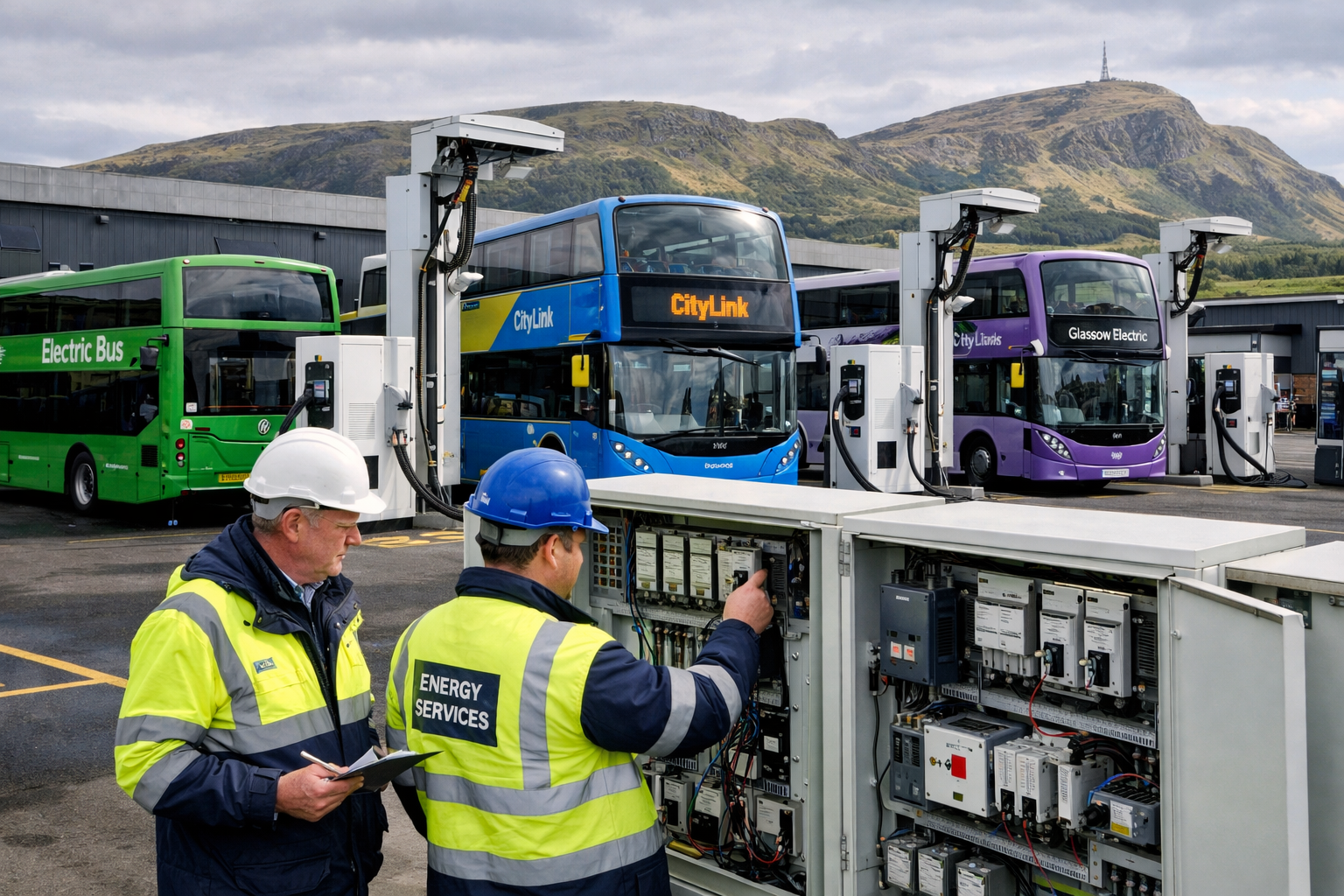
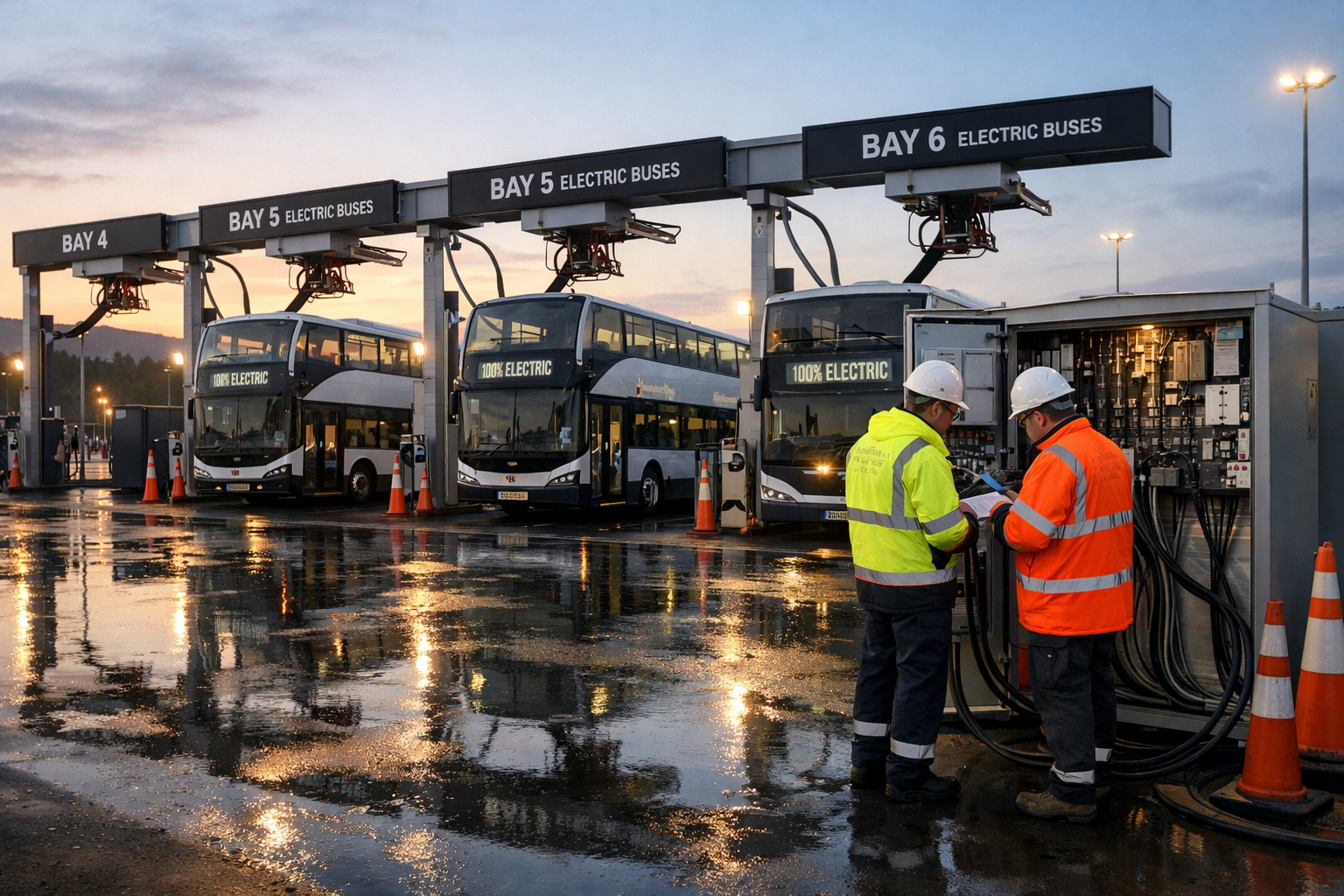
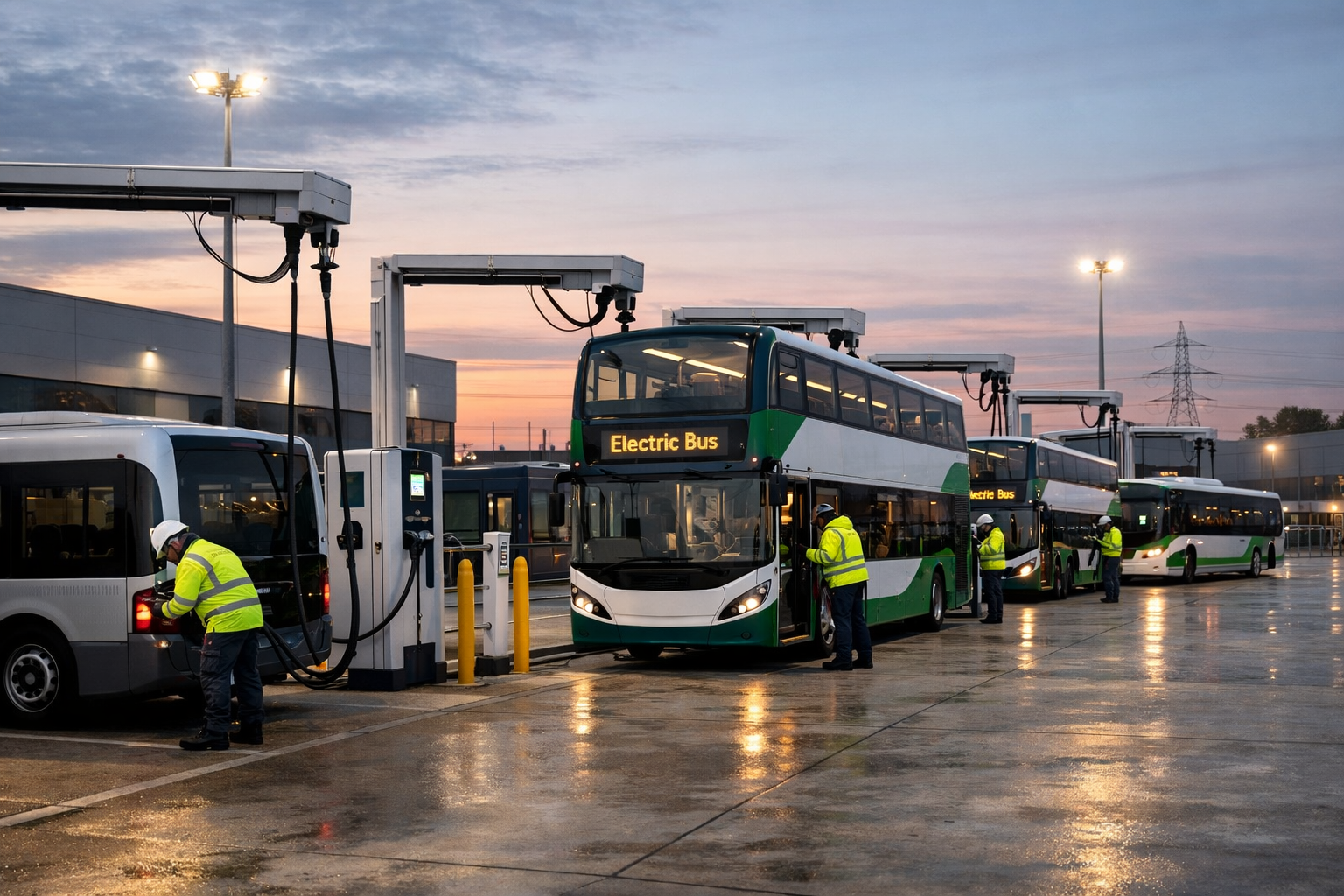
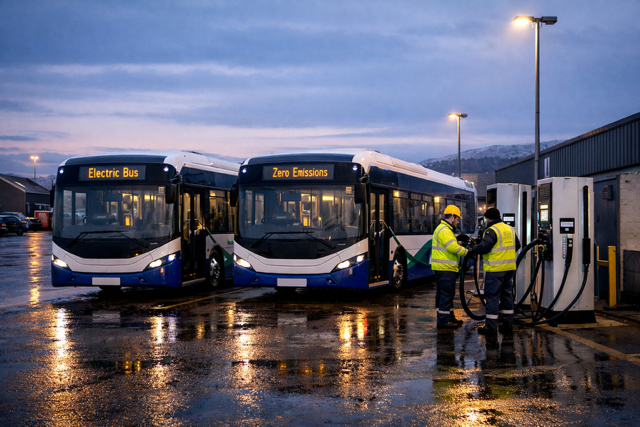
Battery‑electric and hydrogen buses and coaches operating on regulated local routes;
- Charging or refuelling infrastructure required at depots or other operational locations.
- Funding is open to individual operators as well as consortium bids involving authorities and partners such as infrastructure providers. Projects are assessed on criteria that include deliverability, value for money, and contribution to decarbonisation goals.
Deadline and process
Applications must be submitted by 26 February 2026, with assessments planned in March and awards expected in spring 2026. Operators should prepare evidence on fleet plans, infrastructure readiness, grid connections and cost forecasts.
Strategic context for applicants
The ScotZEB programme has been investing in bus decarbonisation since 2020, cumulatively directing over £150m into zero‑emission vehicles and charging infrastructure across Scotland. ScotZEB3 builds on this, focusing specifically on local service buses, which are the backbone of everyday public transport.
Two factors make this funding round particularly significant:
Policy alignment: With regulatory changes looming, decarbonised fleets are becoming a requirement, not just an aspiration. Early adaptation positions operators ahead of regulatory compliance deadlines.
Infrastructure readiness: Successful bids increasingly hinge on demonstrating that charging or hydrogen refuelling infrastructure is planned and deliverable, including grid capacity and installation timelines.
Operators should also note subsidy control rules embedded in the scheme, which may affect how grant awards interact with other financial support. Clear documentation of costs, deliverability and financial logic is important to avoid delays or clawbacks.
Tips for prospective applicants
- Start with site readiness assessments, including power availability and civil works;
- Provide realistic cost and timetable estimates, not just ideal scenarios;
- Show how fleet operations will integrate with existing routes and depot workflows.
What we do know.
With the deadline approaching, anyone considering ScotZEB3funding should be moving quickly from planning to submission. The fund offers a material contribution toward zero‑emission buses and infrastructure; the remaining challenge for applicants is execution.
Why not
talk to us about funding?
You might also like