The hidden logistics behind moving vehicles for film and TV productions
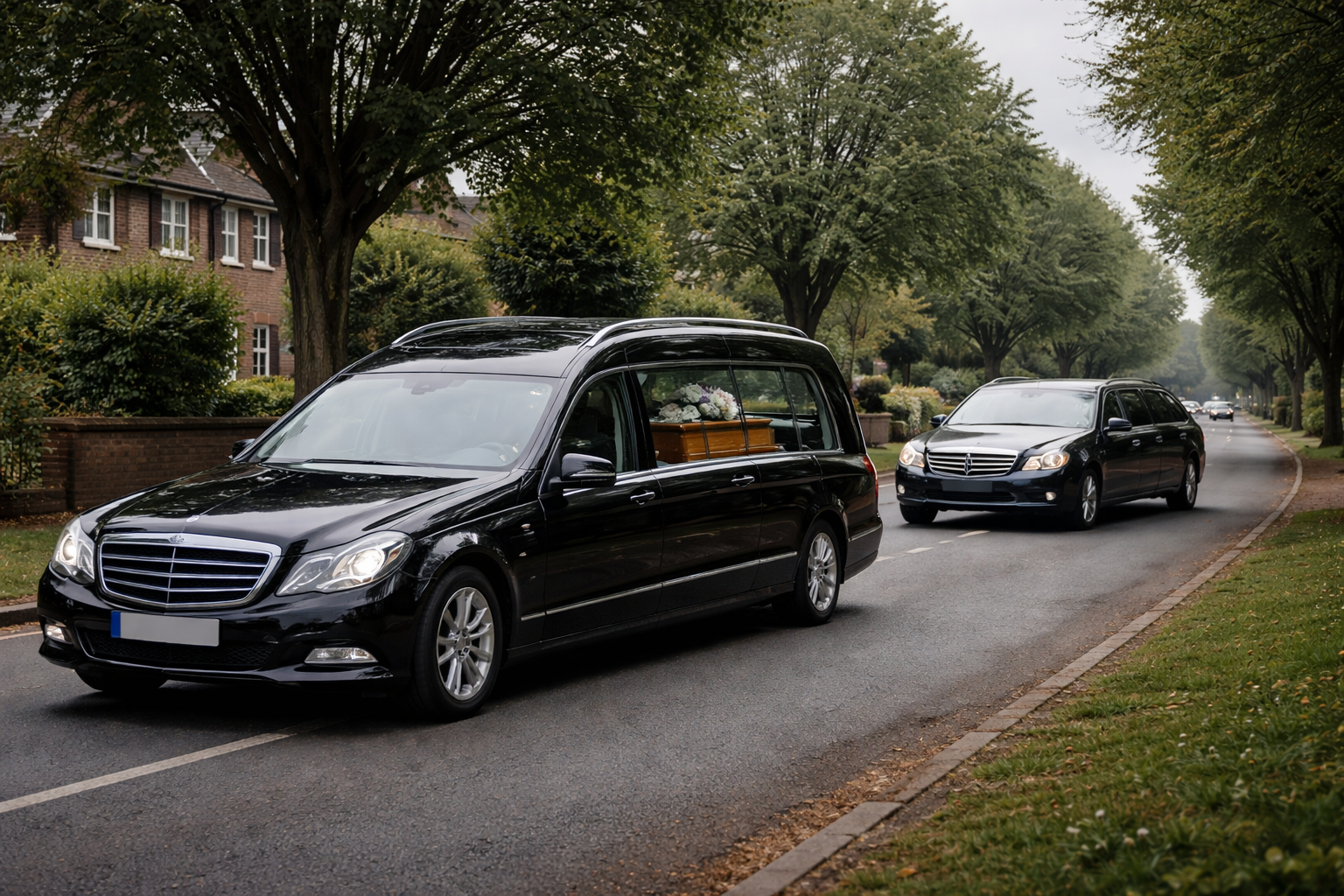
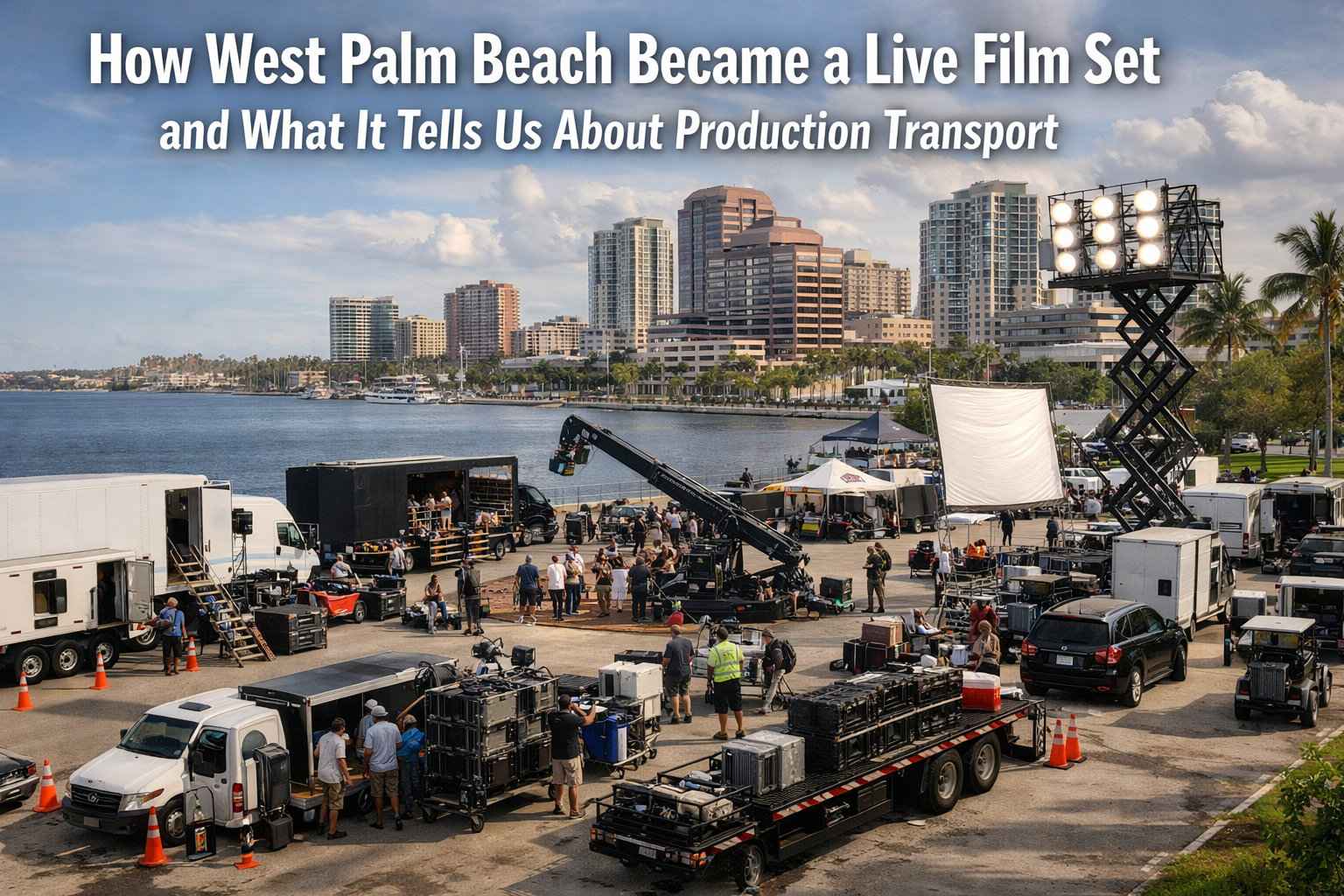
When audiences watch a film, they see the action on screen. What they rarely see is the logistics required to place those vehicles in front of the camera.
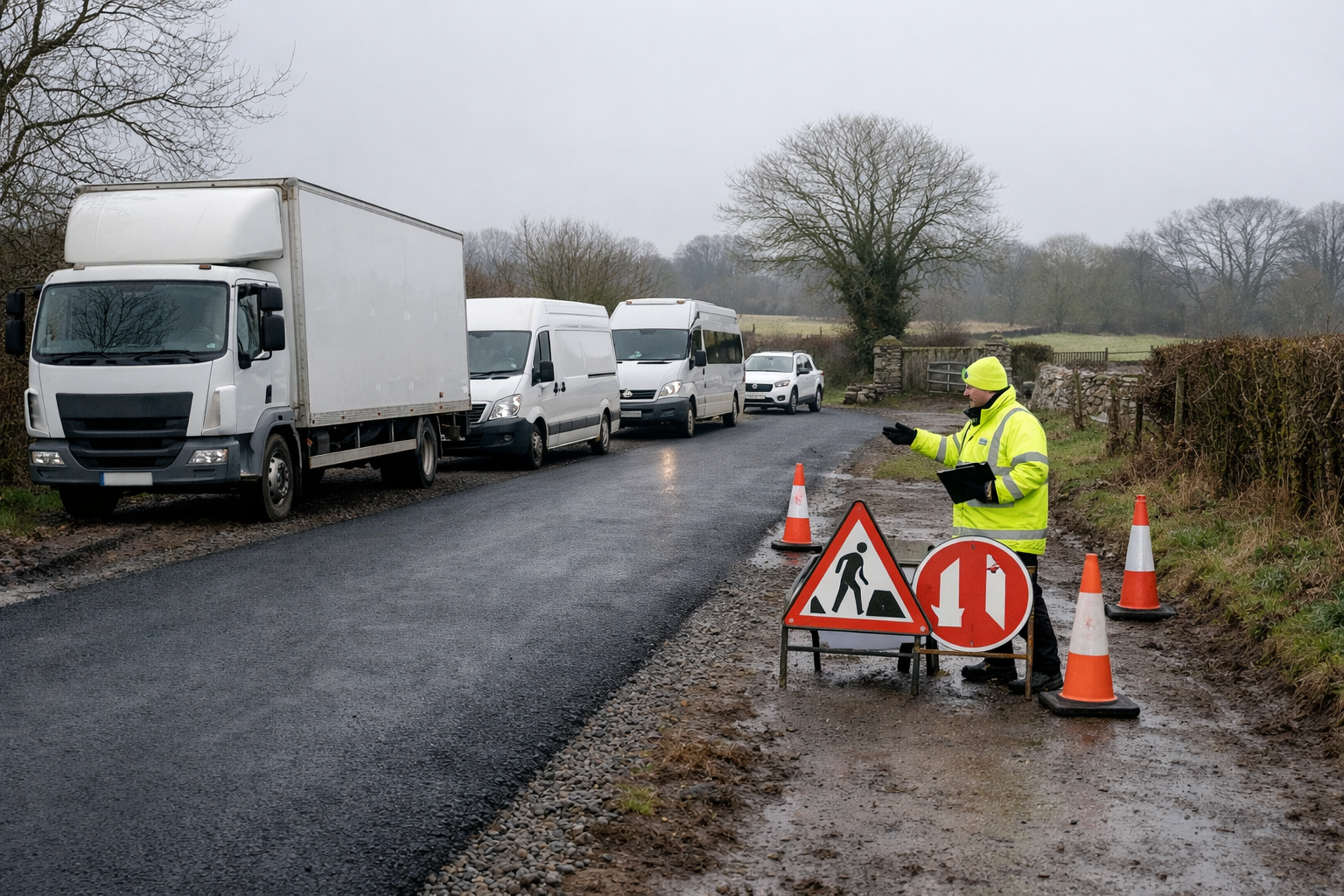
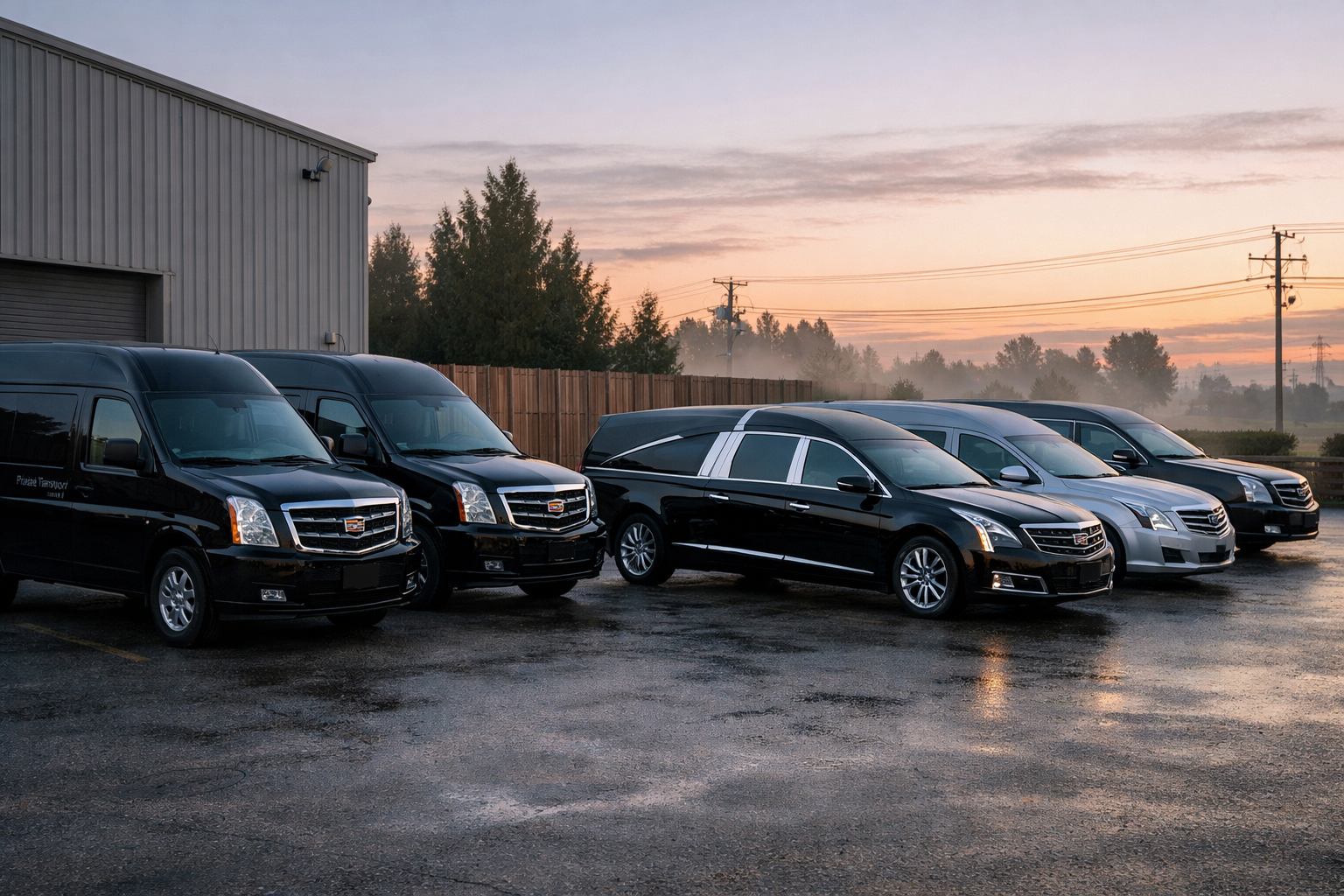
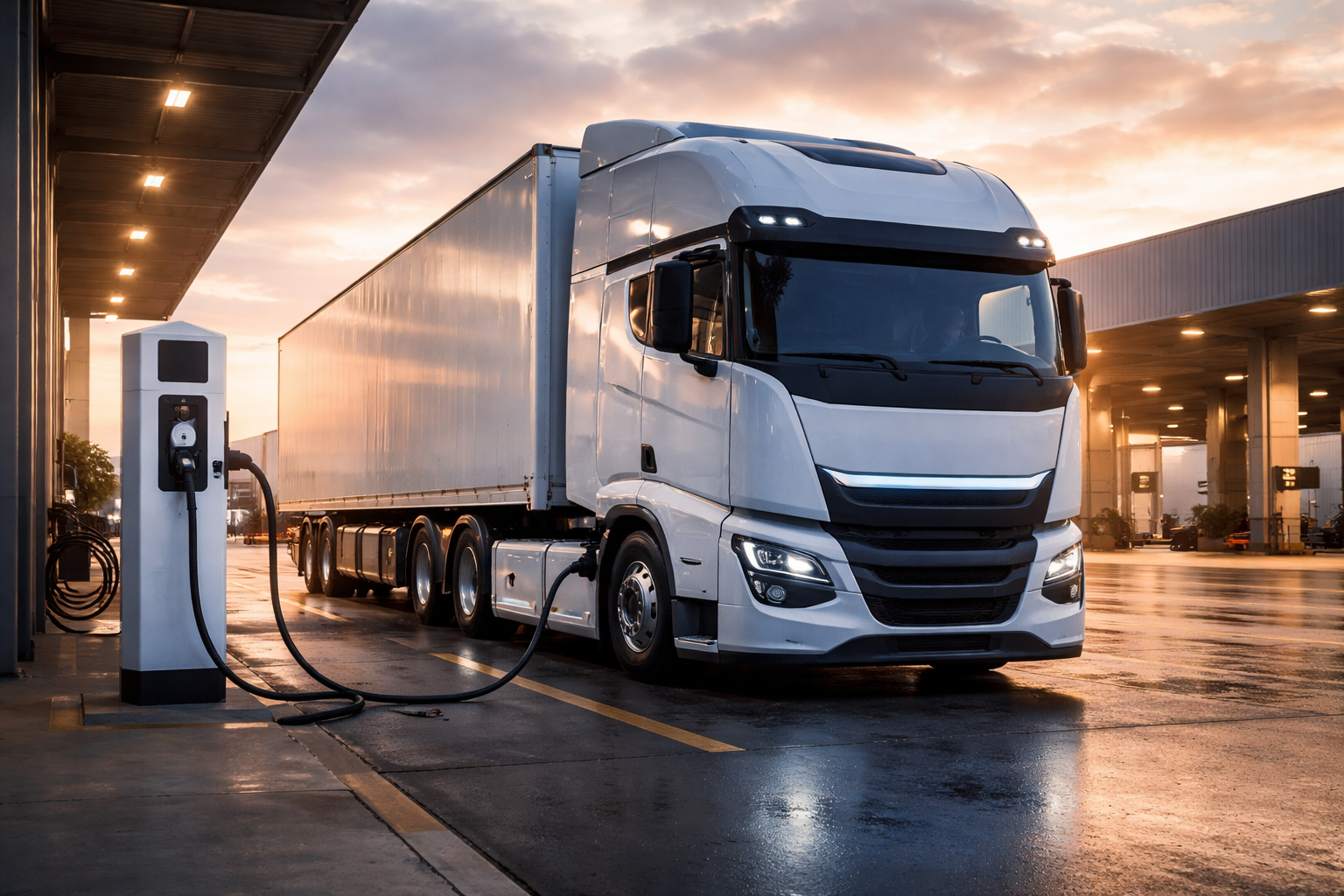
Cars, trucks and specialist camera vehicles rarely live near the locations where scenes are filmed. Modern productions move frequently between cities, states and sometimes countries. As a result, vehicle transport has become a critical part of film production logistics.
Why vehicles travel so much during production
Film projects often change locations several times during shooting.
One location might provide city streets, another might offer tax incentives, and a third might match the landscape described in the script. When the production moves, many of the vehicles move with it.
These can include:
Hero or “picture” cars used in close‑up scenes
Backup vehicles that match the same model and colour
Stunt cars prepared for crashes or high‑speed driving
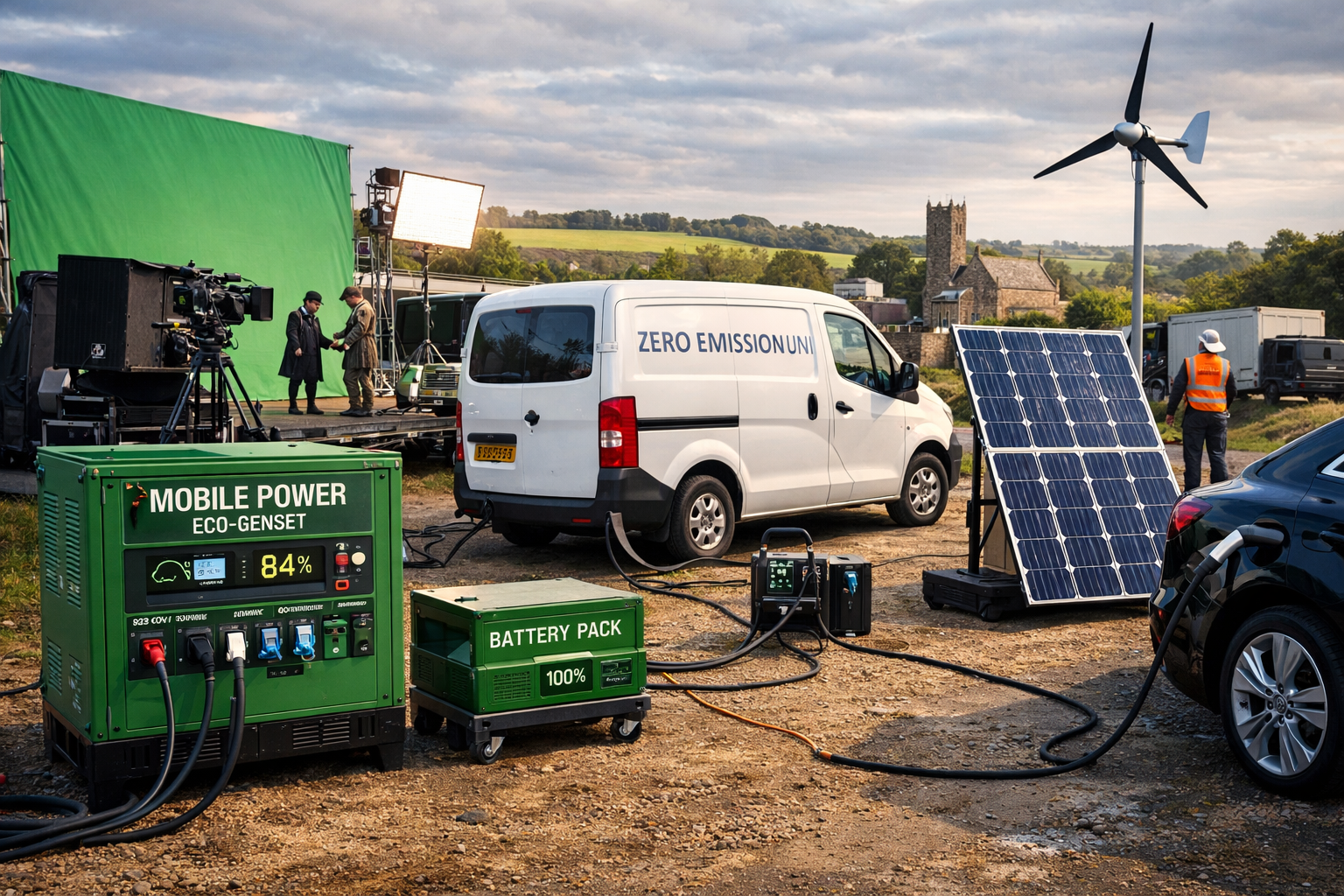
Camera vehicles used for moving shots
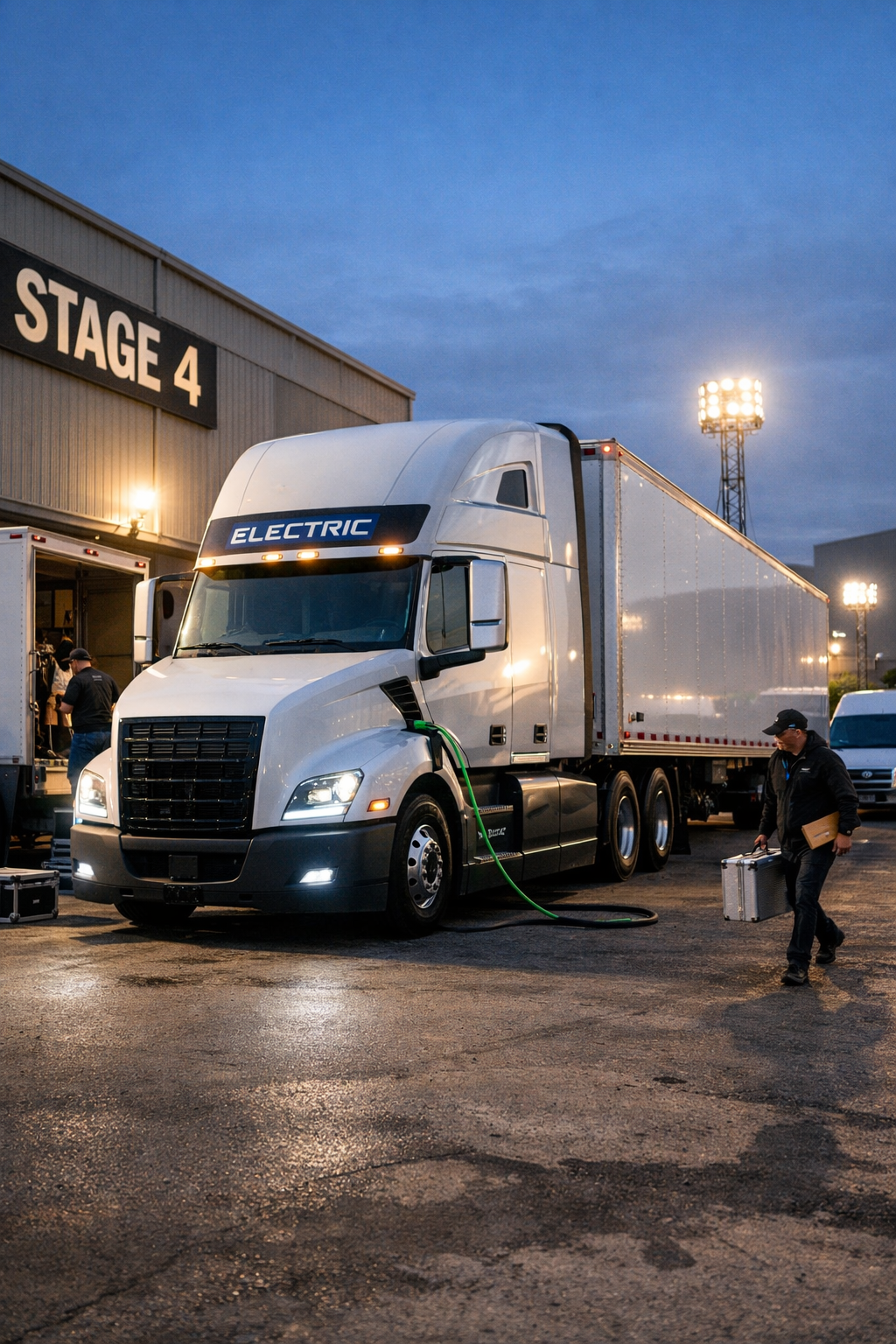
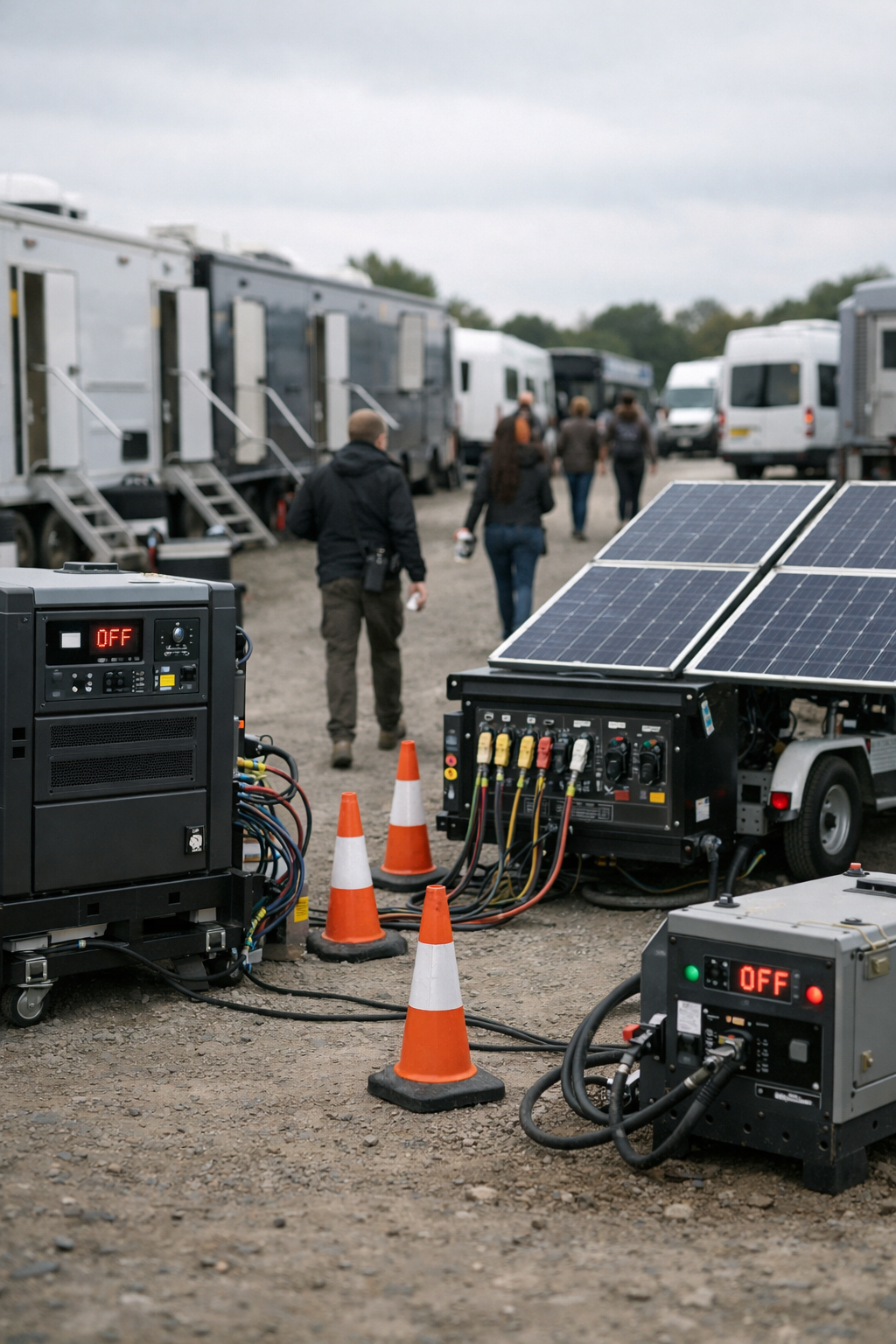
Support vehicles used by the transport department
Each vehicle plays a specific role in filming. Losing access to one at the wrong moment can delay an entire scene.
Transport timing matters more than distance
In traditional logistics, the main concern is getting cargo from point A to point B at a competitive price.
In film production, timing is often the bigger concern
A scene might require a specific vehicle at a precise time because hundreds of crew members are scheduled around that moment. Actors, road permits and location access are also tied to the schedule.
If the vehicle arrives late, the production may have to reschedule filming or cancel the scene for the day.
That can quickly turn into a very expensive problem.
Special handling requirements
Production vehicles are rarely treated like normal freight.
Many require additional precautions during transport.
For example, classic cars may need enclosed transport to avoid damage. Stunt vehicles may have structural modifications that require careful loading. Camera vehicles carrying specialised rigs may need custom securing methods.
Insurance, condition reports and secure storage are also common parts of the process.
Transport providers working with film productions must understand these risks and plan accordingly.
Why vehicle transport rarely gets attention
Transport teams usually do their best work when nobody notices them.
If the vehicles arrive on time, the department quietly supports the production and filming continues smoothly.
But if the transport chain breaks down, the consequences appear immediately on set.
Crew members wait. Locations sit unused. Shooting time disappears.
For productions working on tight schedules, that kind of delay can ripple through the entire shoot.
The role of logistics in modern filmmaking
Film and television production is often described as a creative industry, but it also relies heavily on logistics.
Behind every scene involving vehicles there is a transport network moving equipment, props and cars across long distances.
The audience only sees the finished scene.
The real work often happened days or weeks earlier, when someone made sure the right vehicle arrived in the right place at exactly the right time.
You might also like