Wales ambulance triage reform could reshape emergency fleet planning
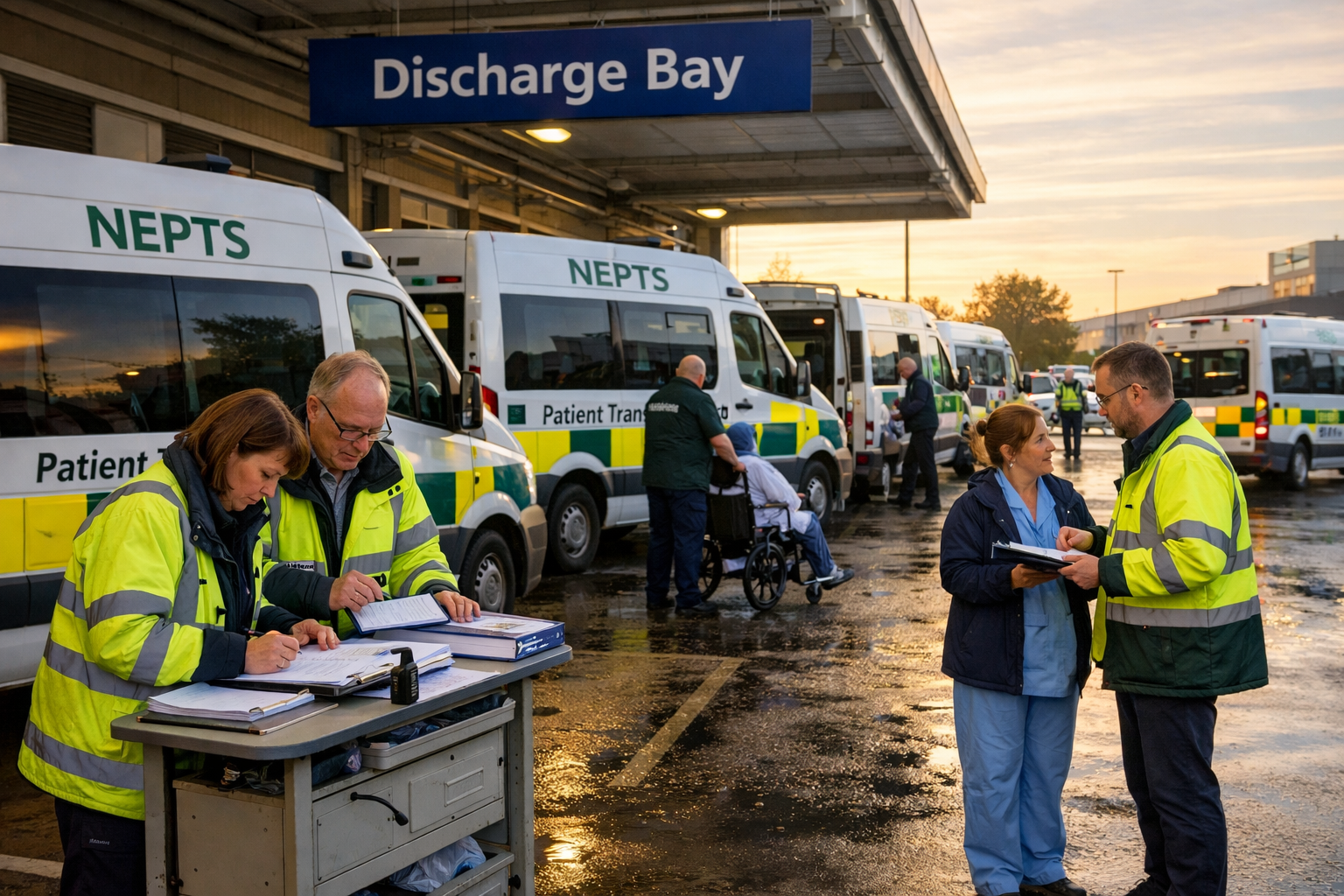
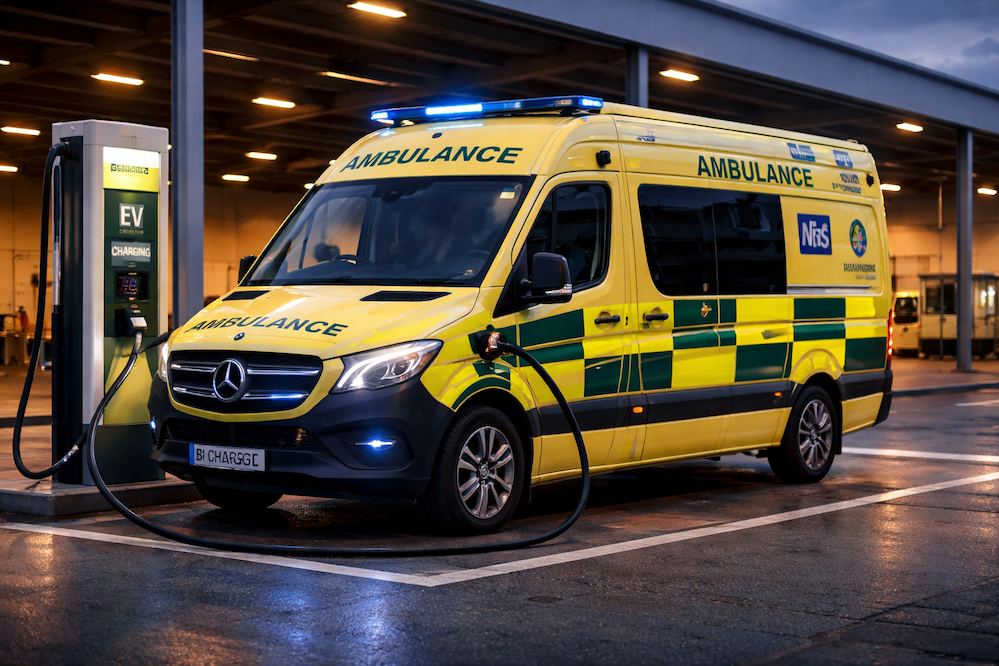
The Welsh Ambulance Services NHS Trust has introduced a new emergency response model that could influence ambulance services across the UK.
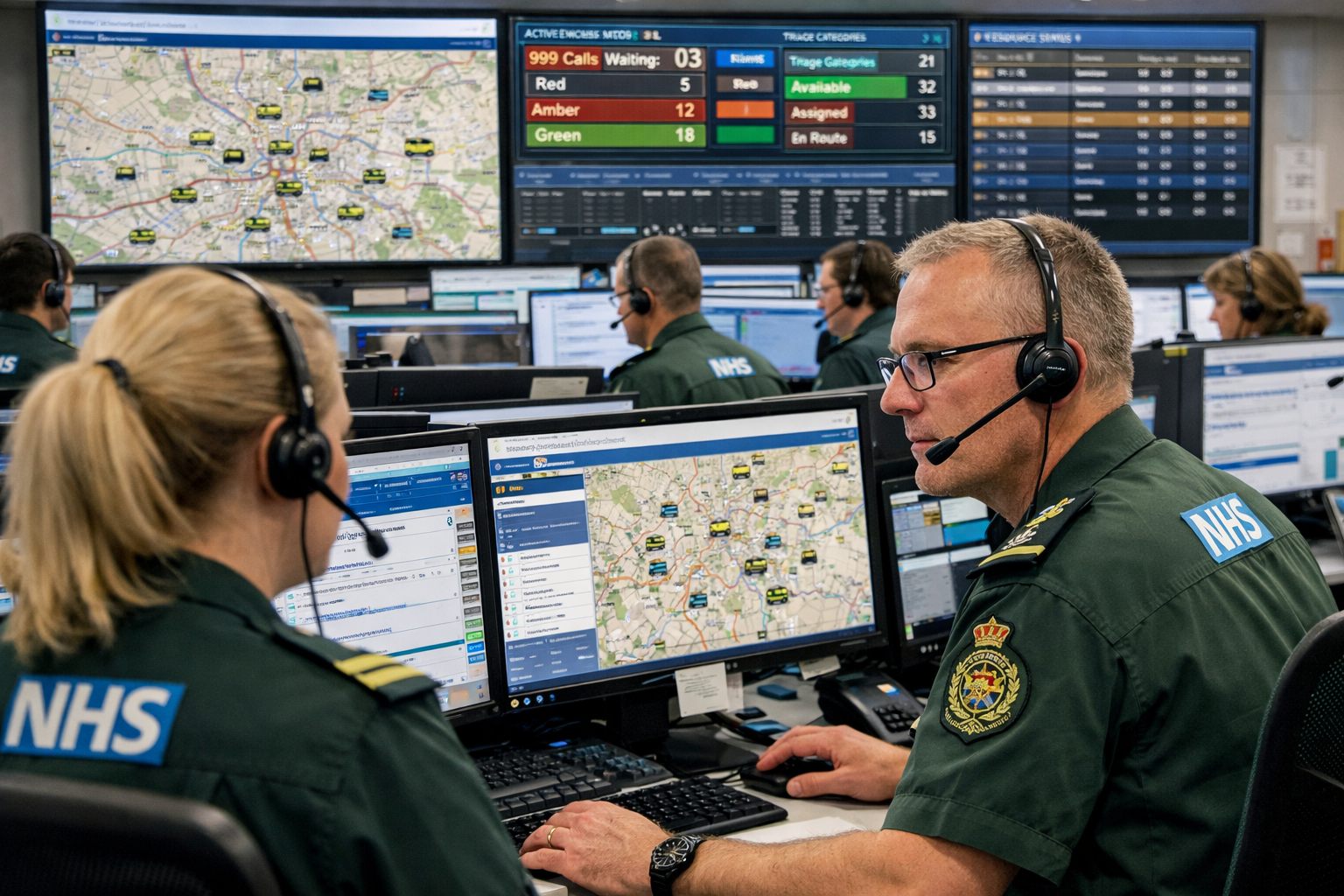
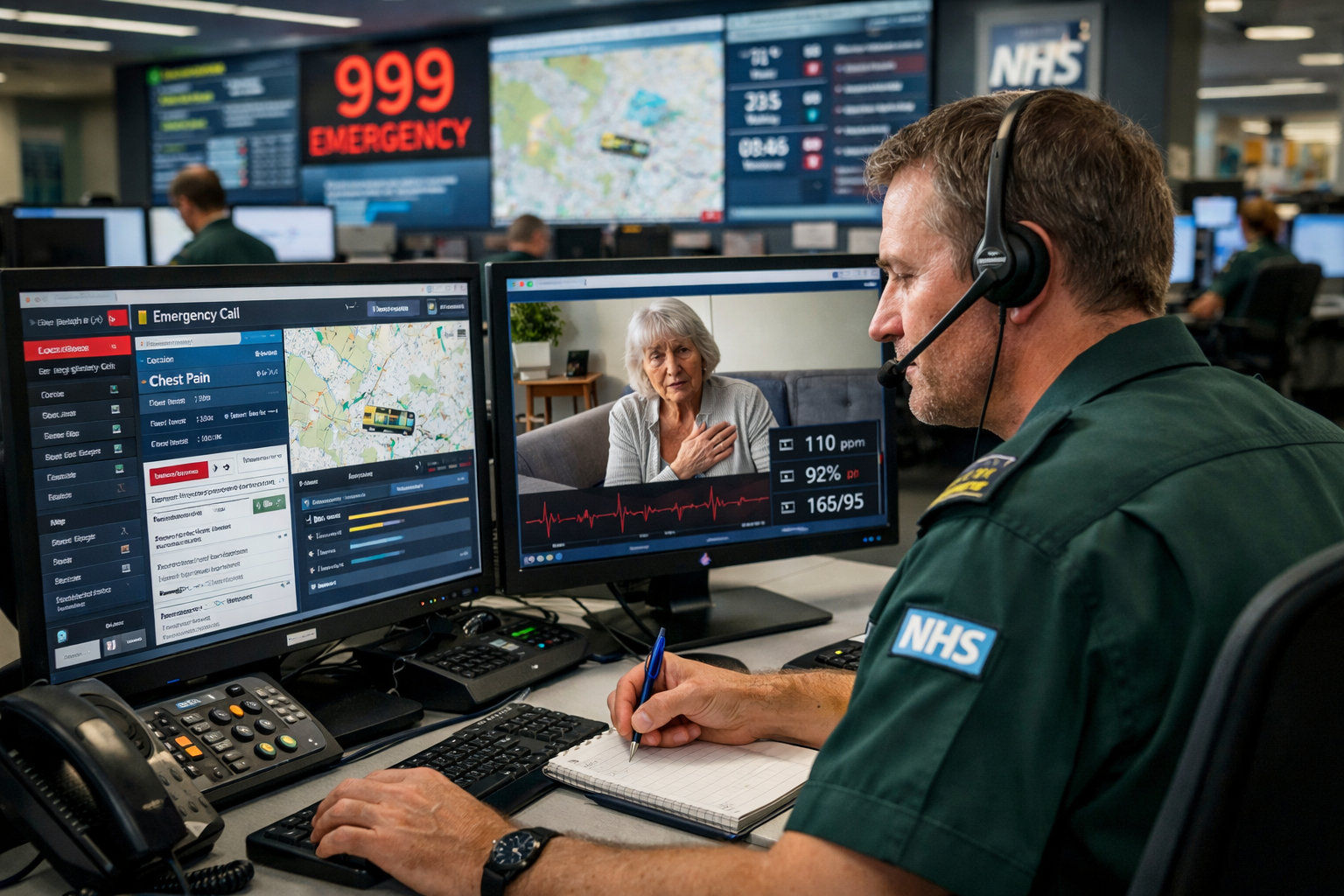
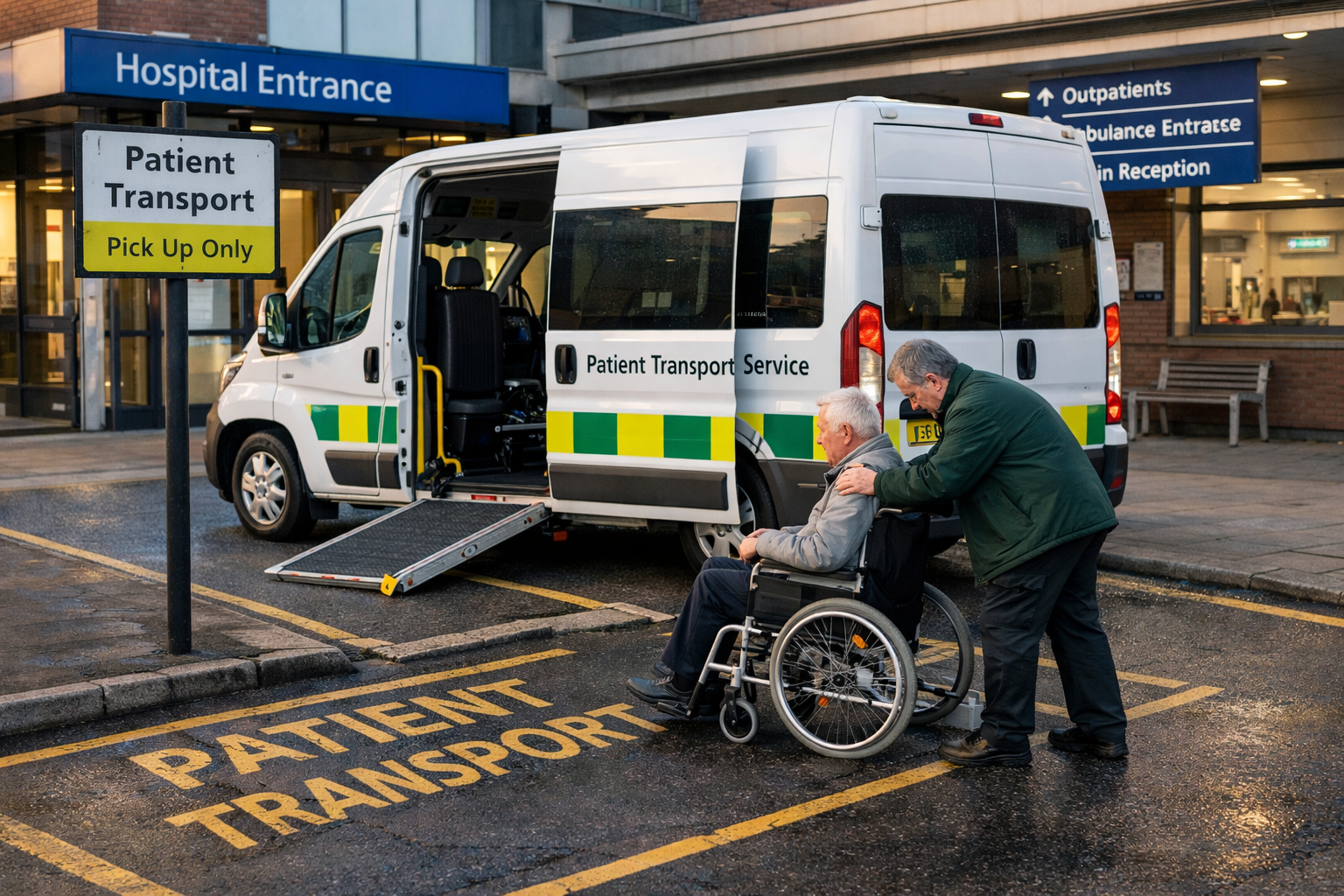
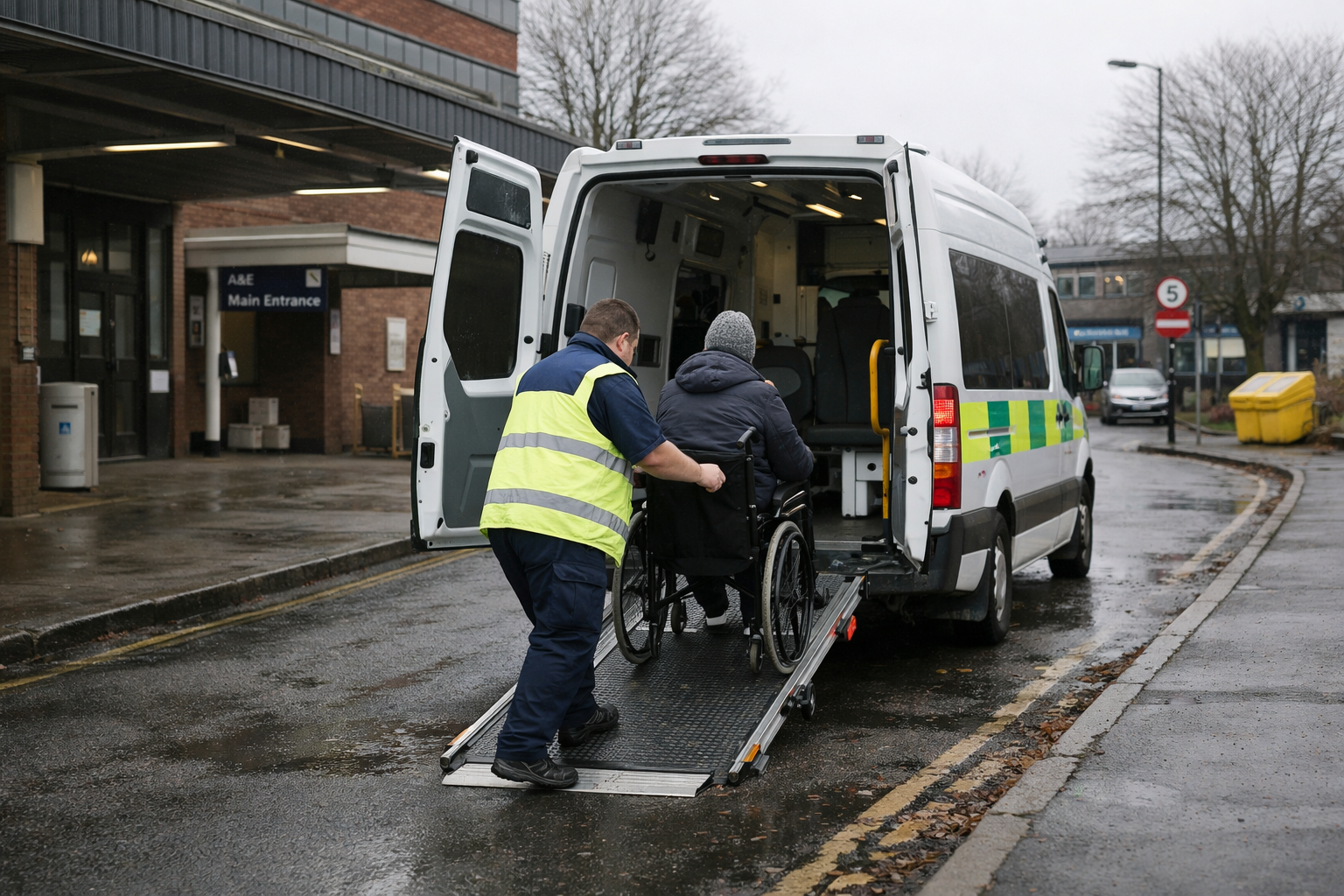
Instead of automatically dispatching an ambulance to most 999 calls, clinicians now assess many patients remotely using phone consultations, video calls and digital monitoring tools. Ambulances are primarily sent to the most serious emergencies, such as cardiac arrests or life‑threatening breathing problems.
The shift reflects growing pressure on ambulance services, where rising demand and hospital delays have stretched response systems to their limits.
Why the change was needed
Traditionally, emergency services measured success by response times. The faster an ambulance arrived, the better the performance score.
But this model created problems.
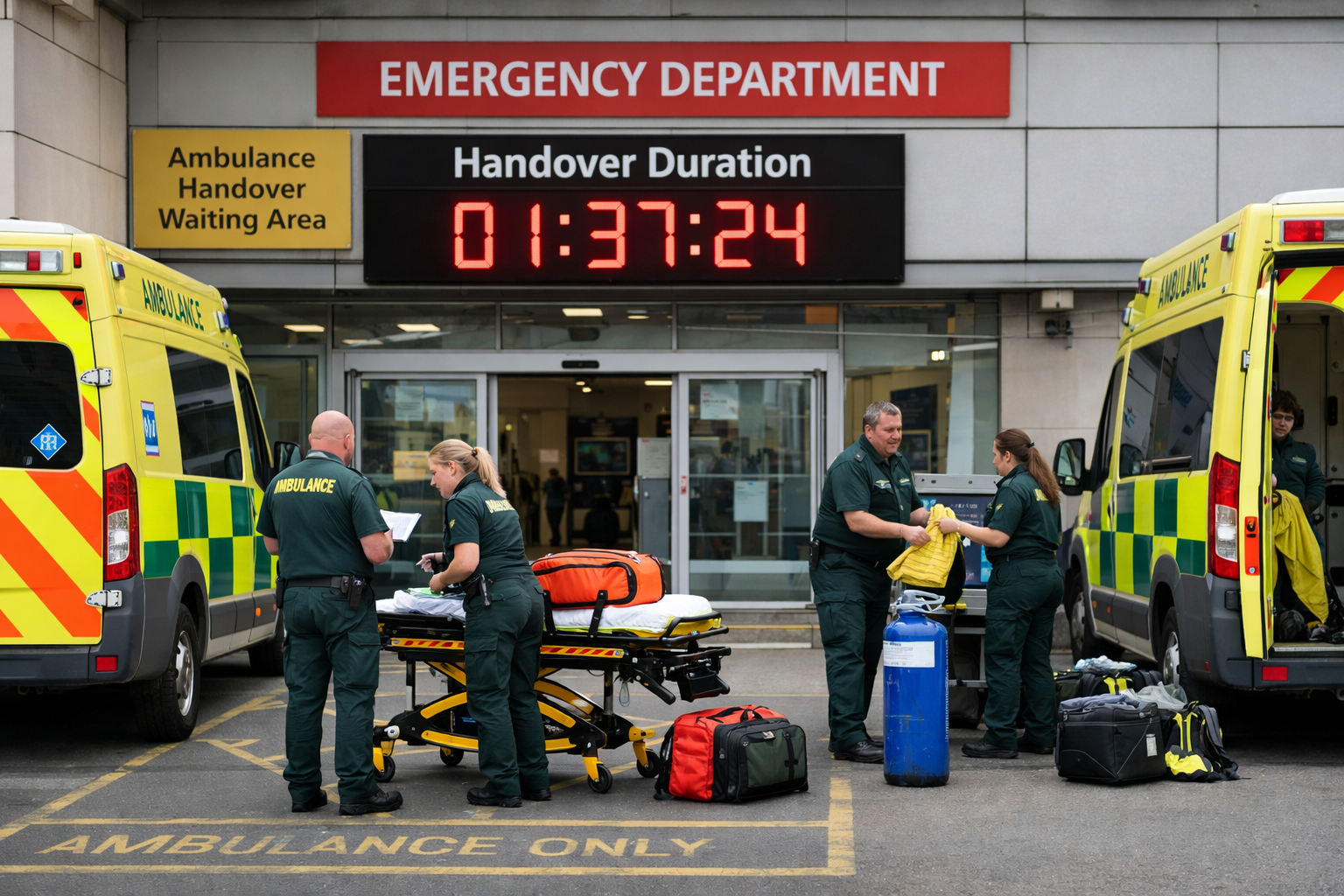
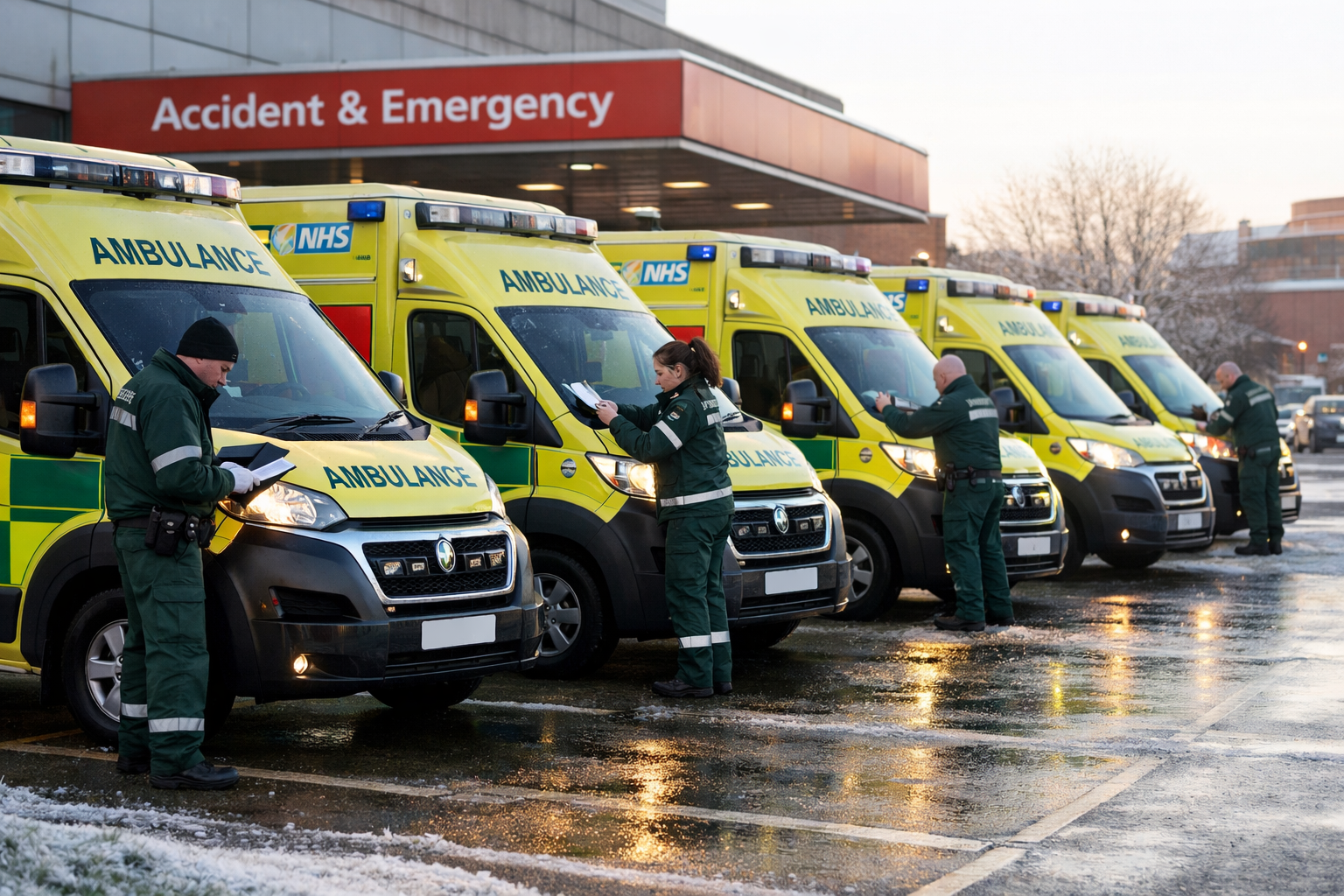
Ambulances were being dispatched to many cases that did not ultimately require emergency transport. At the same time, hospital handover delays meant vehicles could be stuck waiting outside emergency departments for extended periods.
The result was fewer vehicles available for genuinely critical incidents.
The Welsh model changes that.
Clinical teams now evaluate calls first and decide whether a patient needs an ambulance, community care or remote monitoring.
Technology supporting the model
The system uses several digital tools to support remote triage.
Patients may be asked to provide readings from home devices such as blood‑pressure monitors or oxygen sensors. Those readings can be tracked through monitoring apps and alert clinicians if the patient deteriorates.
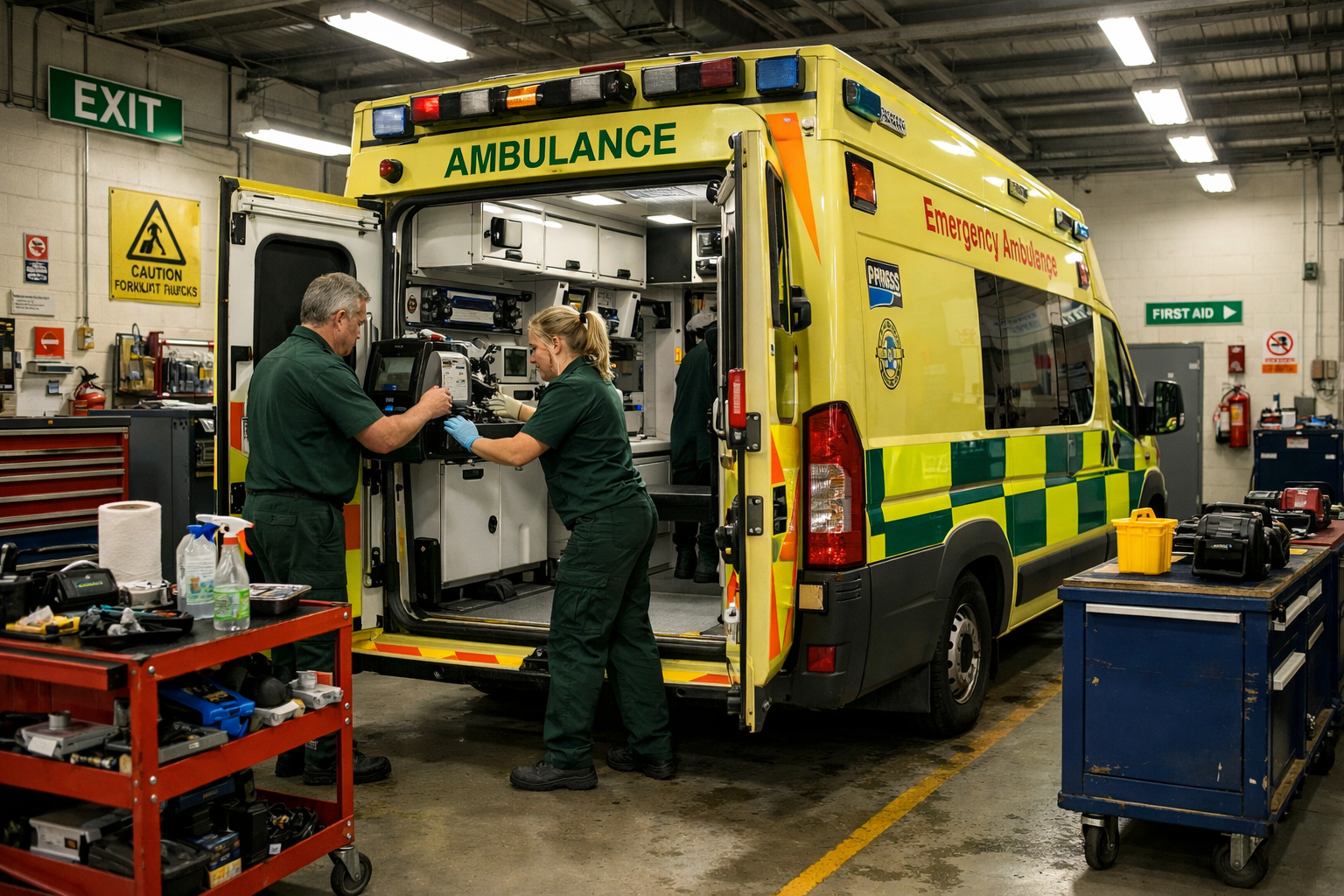
Ambulances are also being upgraded with better connectivity. Some vehicles are fitted with satellite antennas so crews can access hospital systems and transmit patient data even in rural areas.
In addition, trials are exploring drone‑delivered defibrillators to reach cardiac arrest incidents in remote locations.
Implications for fleet operators
For ambulance services and private providers, the implications are significant.
Fleet demand will become more targeted. Instead of dispatching a vehicle to most calls, services will rely on a mix of emergency ambulances, rapid response cars and remote clinical teams.
That means the future emergency fleet is likely to be more varied and more data‑driven. Vehicle numbers still matter, but how they are deployed will matter even more.
Wales is effectively testing a new operational model for emergency care.
If the approach continues to improve response times and patient outcomes, it may influence ambulance services across the UK.
For organisations involved in emergency vehicle fleets, the message is clear: the future of ambulance response may depend as much on clinical triage and digital tools as it does on the vehicles themselves.
You might also like