
Honda’s fleet‑as‑a‑service e‑quad and the future of cargo micromobility
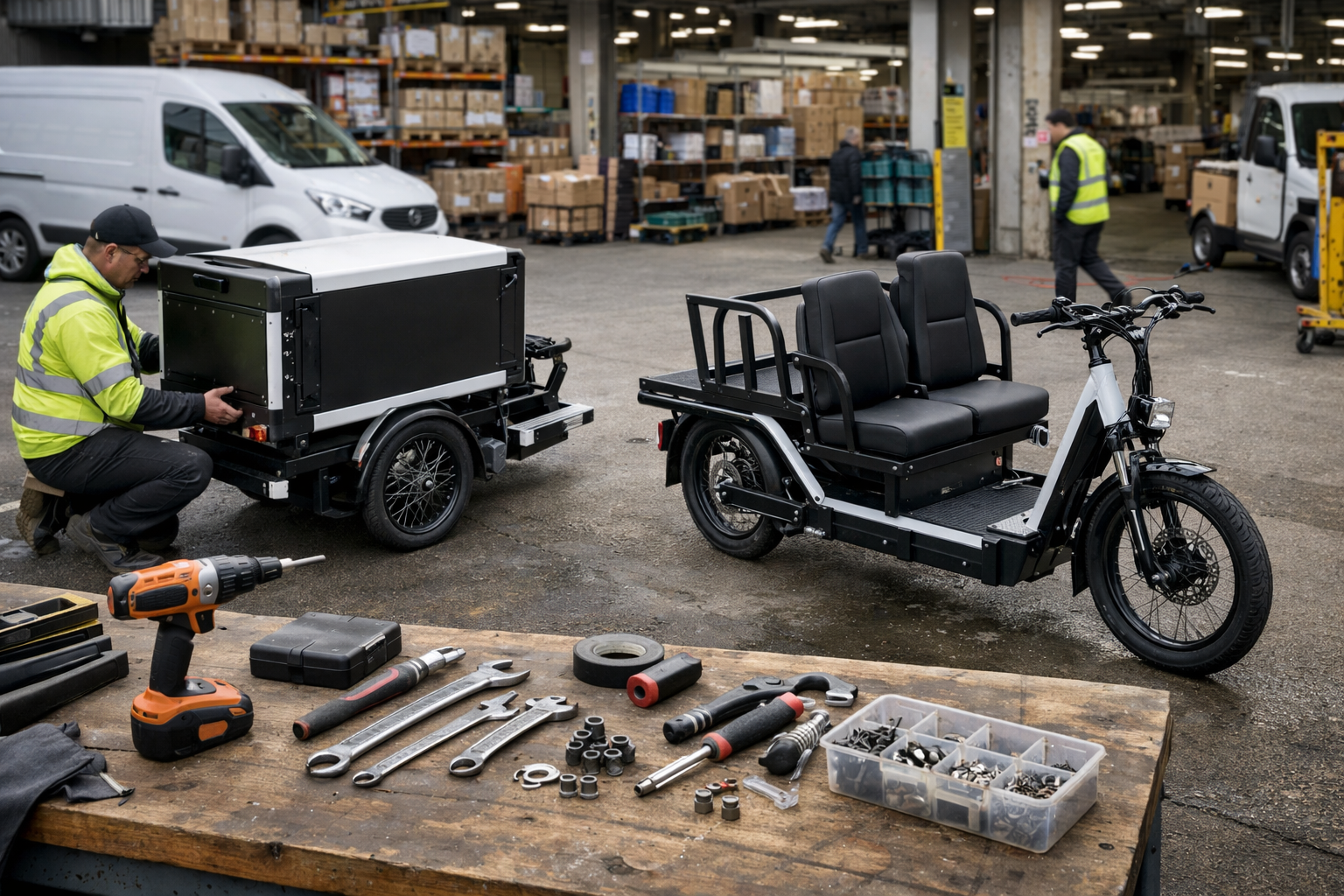
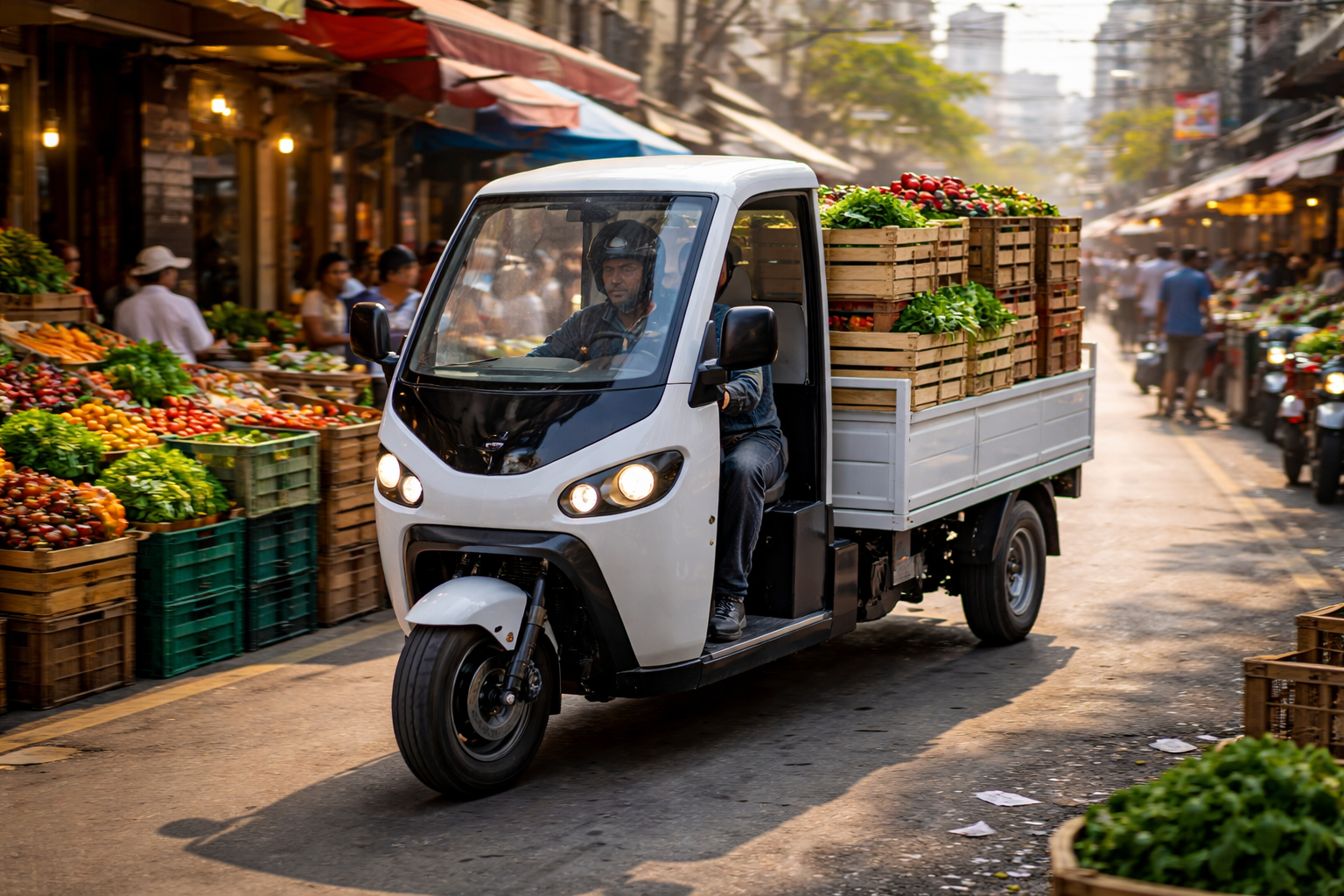
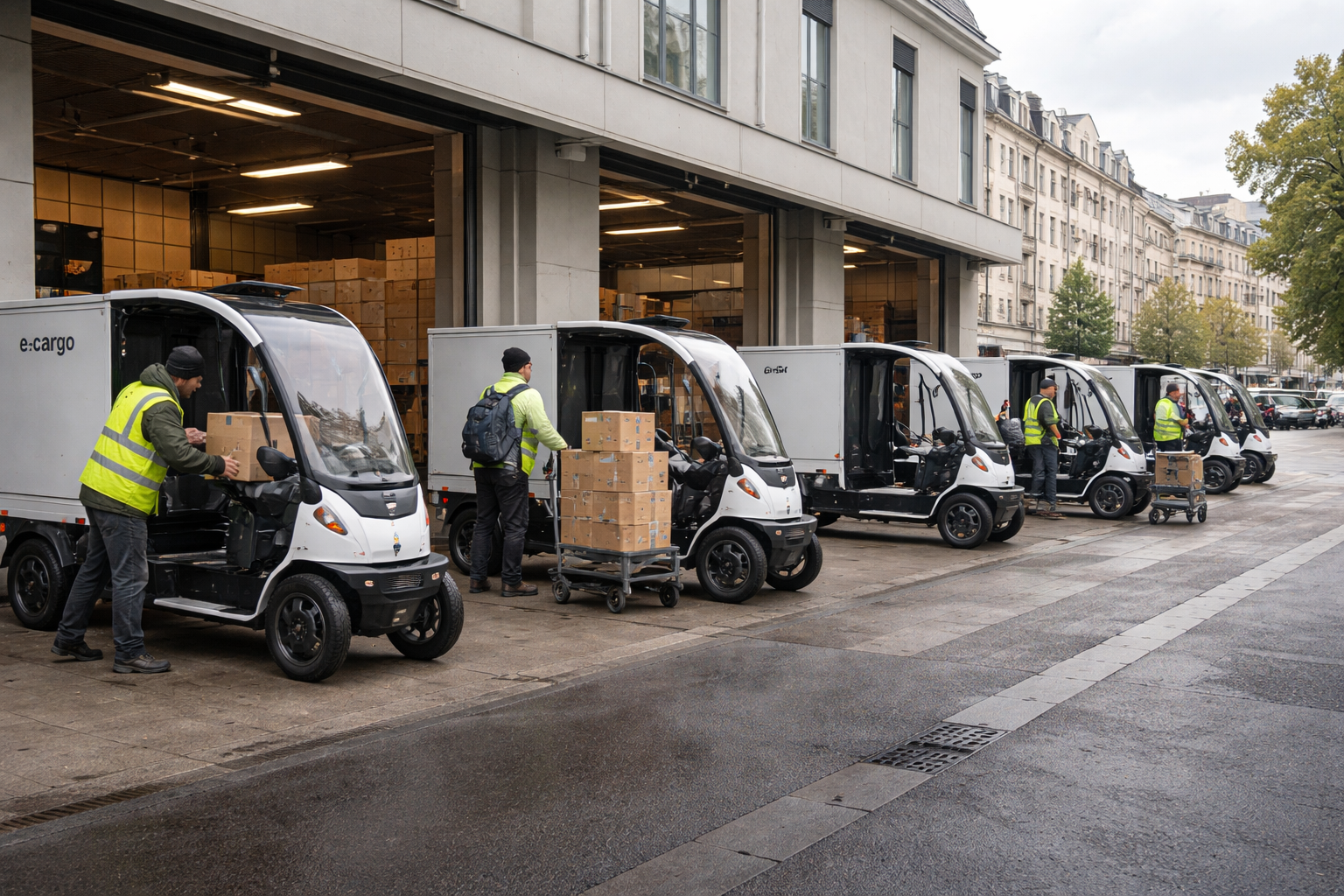
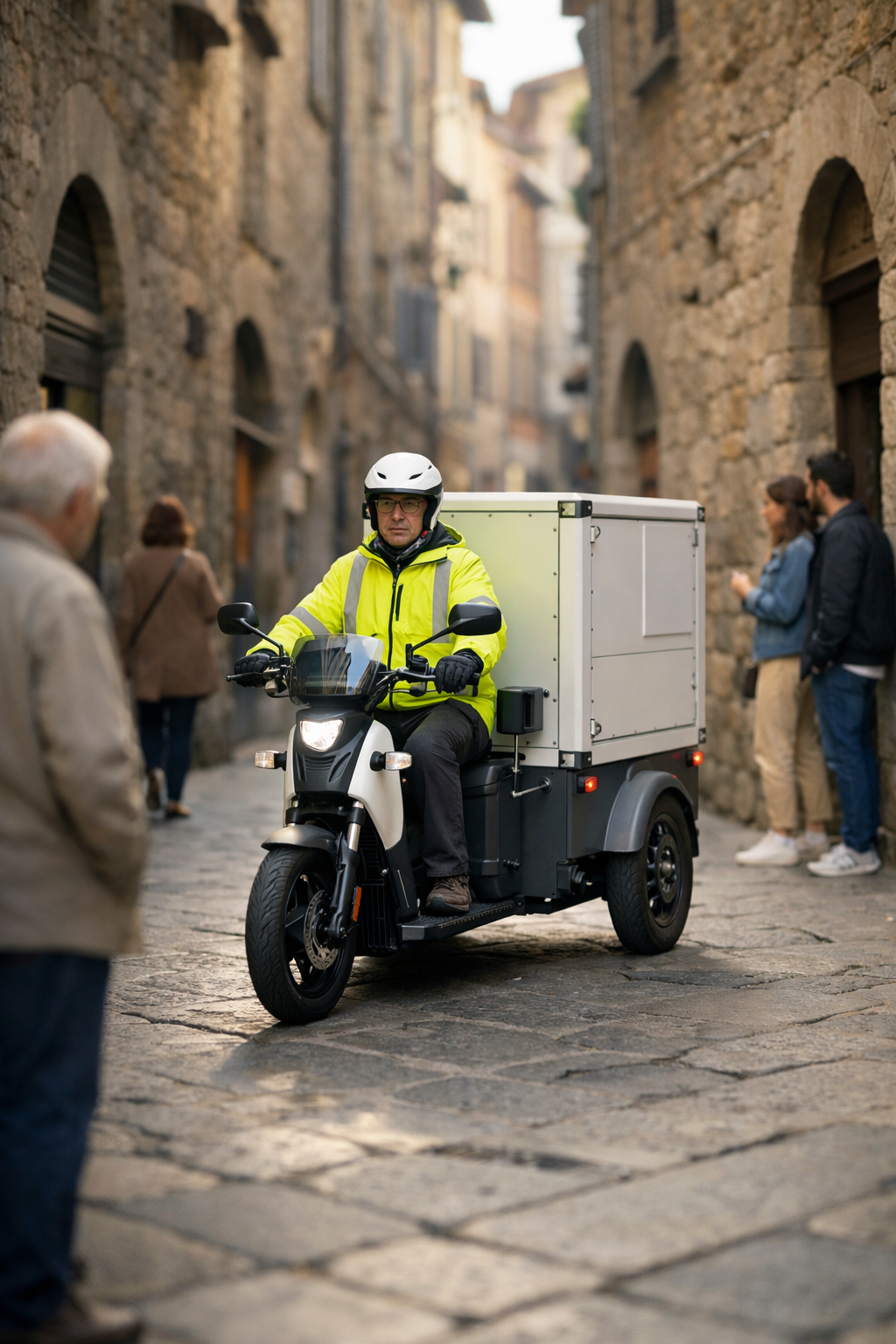
Honda’s new Fastport division marks a turning point in urban delivery vehicles. Instead of selling an electric cargo quadricycle outright, the company is offering it as a fleet service with batteries, security and management built in.
This approach reflects how logistics companies actually operate. Large fleets prefer predictable monthly costs, maintenance support and guaranteed uptime. A bundled service removes many of the operational risks that come with adopting new vehicle types.
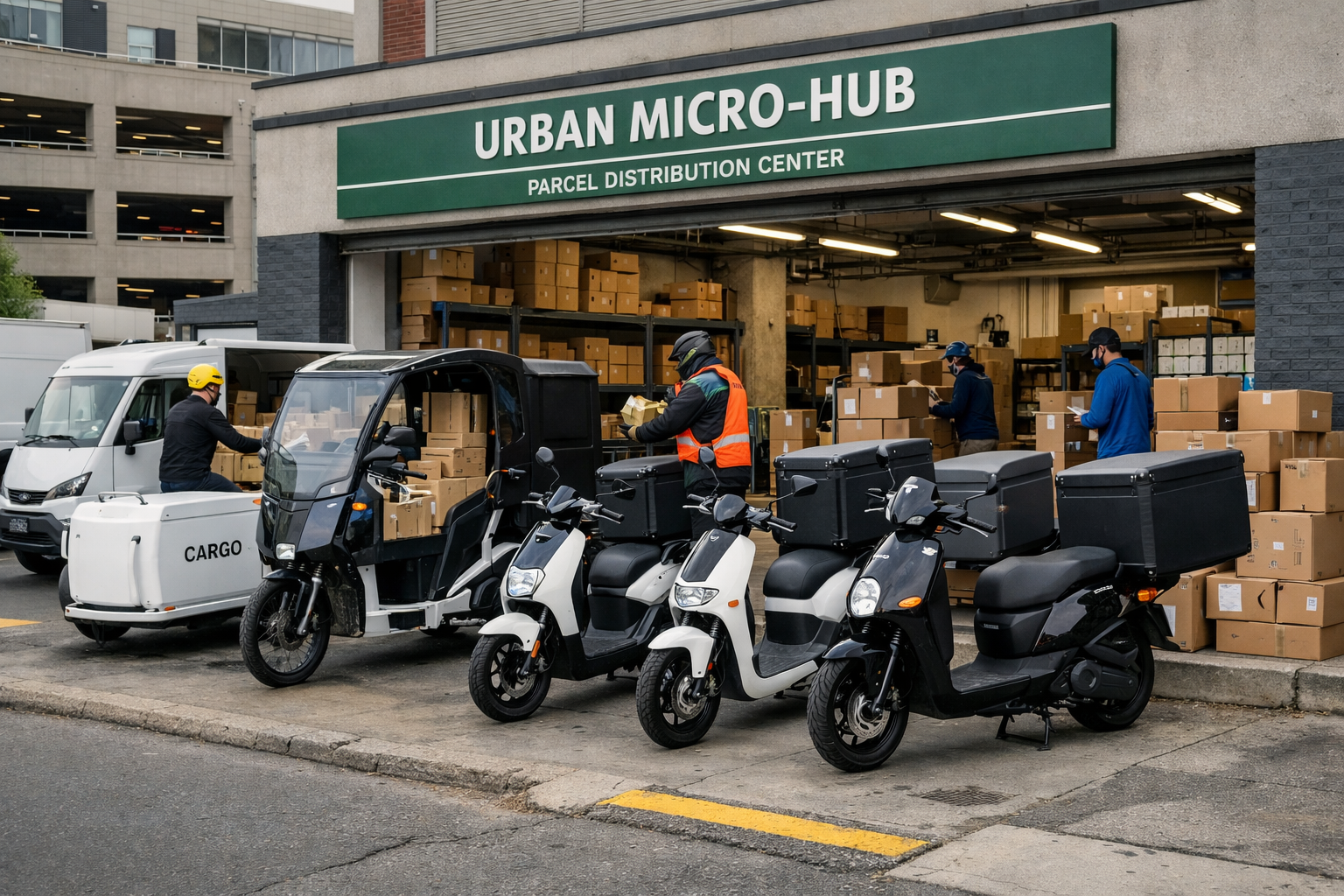
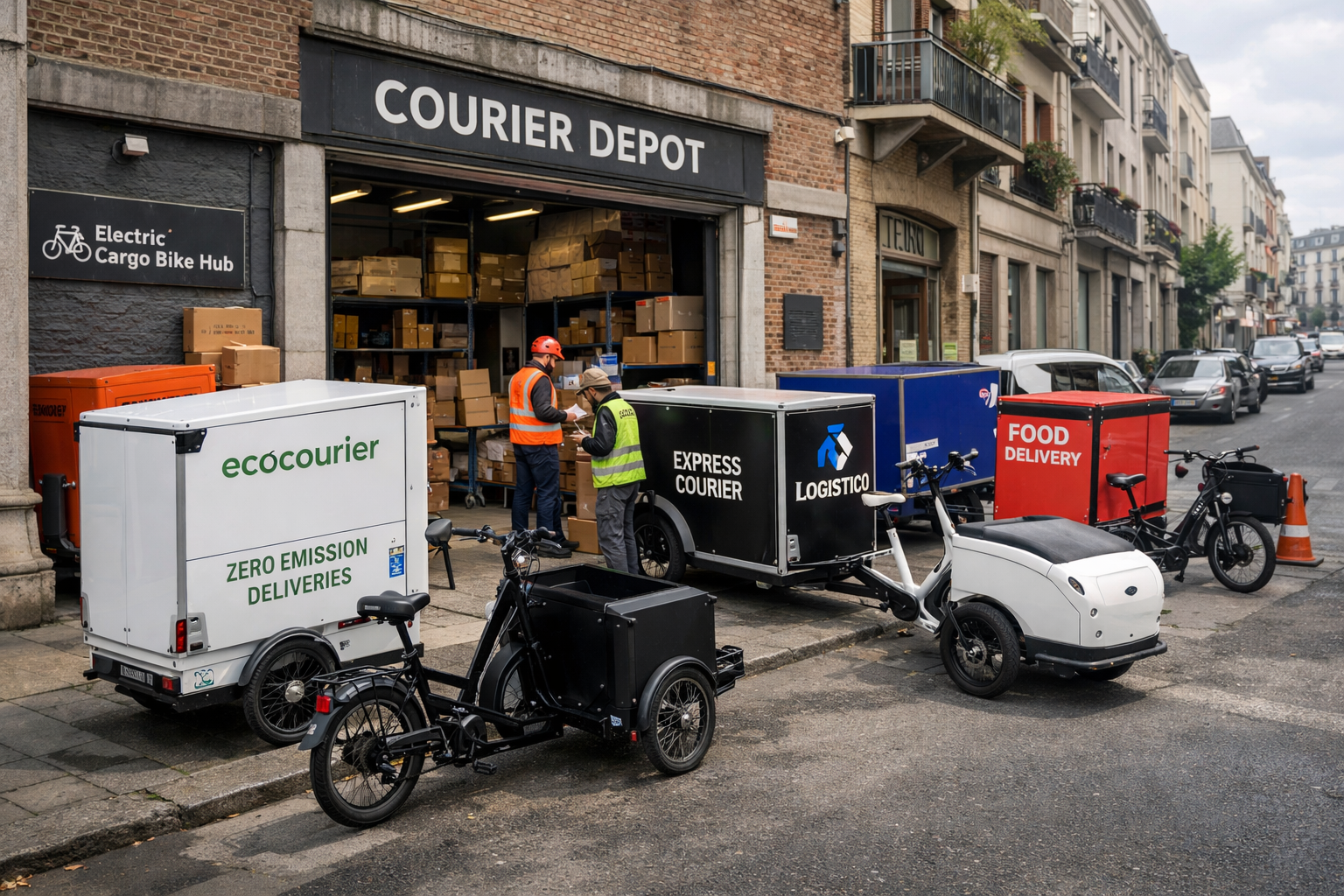
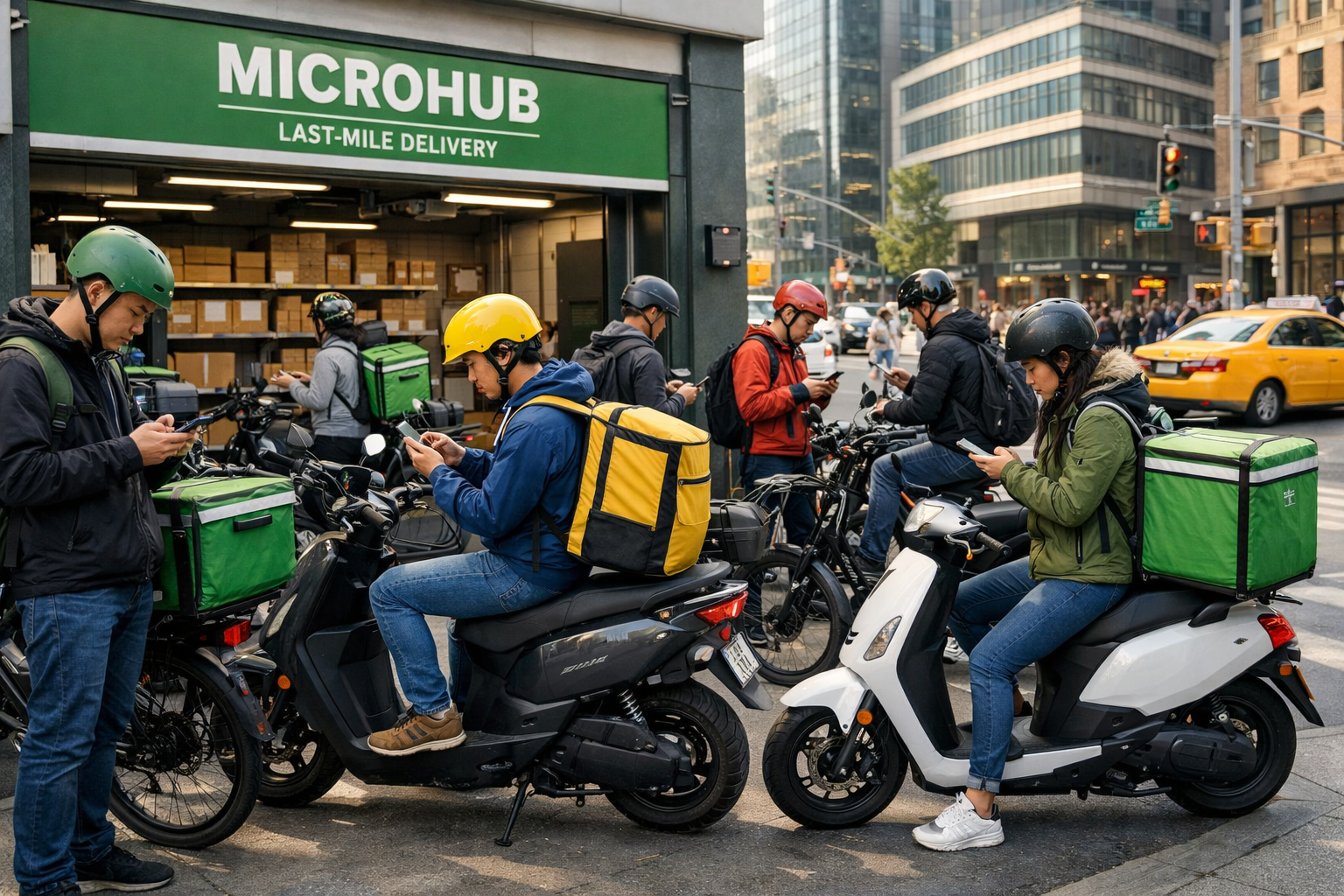
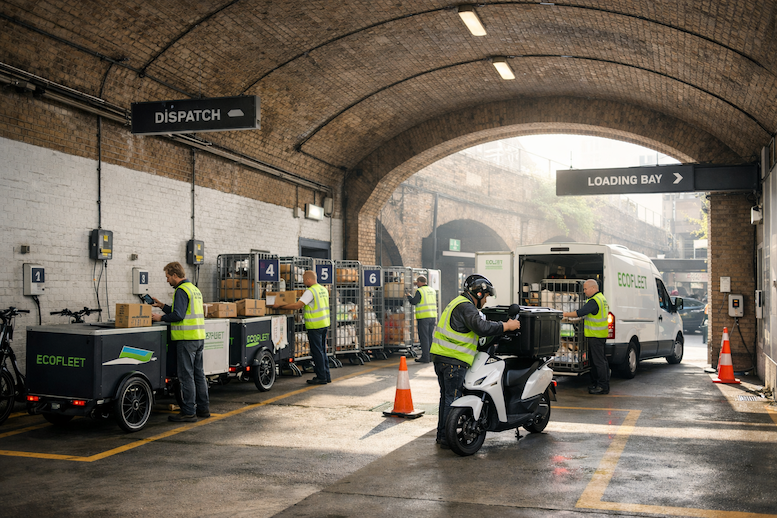
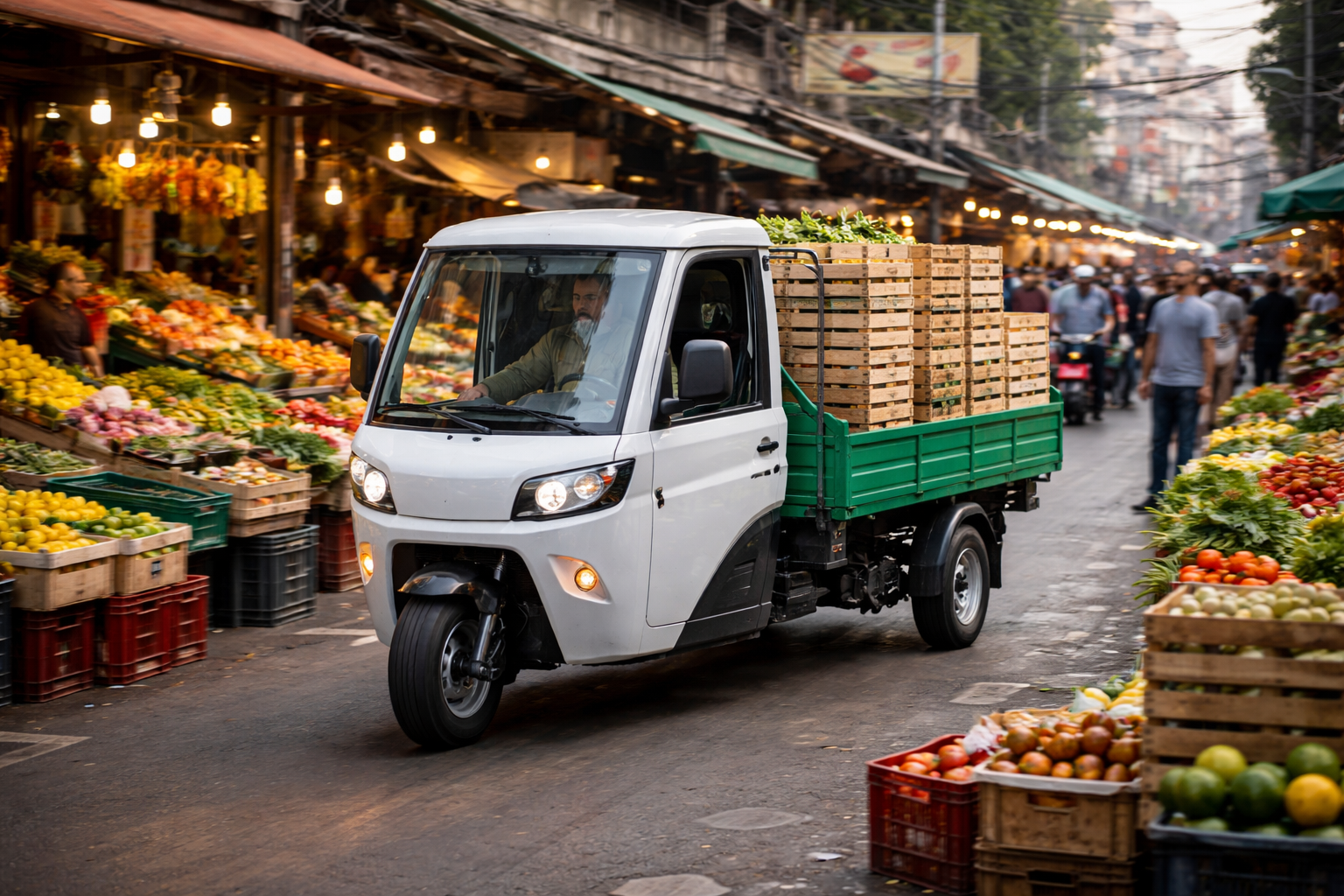
The vehicle itself fills a gap between cargo bikes and vans. With payload capacity reaching 650 lb, it can handle heavier urban deliveries without the space and access issues that come with larger vehicles. Designed to run in bike lanes, it allows operators to move freight through congested areas more efficiently.
Swappable battery packs are another key feature. They reduce downtime and make it easier to keep vehicles running across multiple shifts. For delivery networks where time on the road equals revenue, that matters more than top speed or range figures.
From a city perspective, vehicles like this can reduce congestion and emissions while still supporting growing delivery volumes. They occupy less space than vans and produce far less noise, which is important in dense neighbourhoods.
The fleet‑service model also changes financing dynamics. Instead of a capital purchase, operators treat the vehicle as an operating cost, which can make adoption easier for companies testing new delivery formats.
If this model scales, it could accelerate the shift toward smaller electric freight vehicles in city centres. Rather than replacing vans entirely, these quads will likely take over short, dense routes where they are most efficient.
You might also like