Why road access can make or break a film production
A recent TV production in Devon had to repair a damaged rural lane before trucks and support vehicles could reach the filming location.
It’s a straightforward example of something transport teams deal with all the time: the condition of the route to set.
Access routes are part of the transport plan
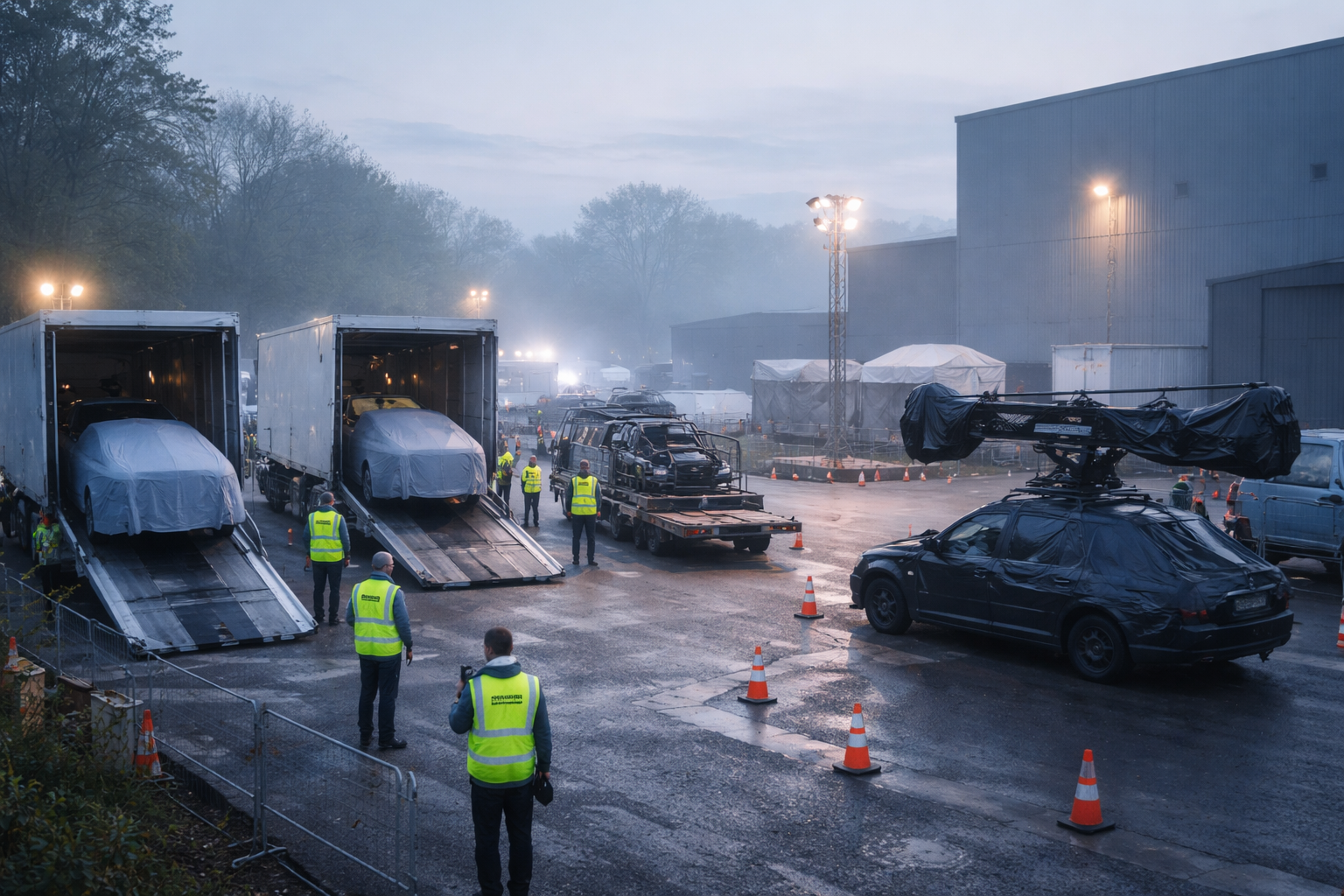
Transport planning usually focuses on vehicle numbers, parking layouts and call times. But none of that works if the road to the location cannot handle the vehicles.
Key checks include:
Surface condition and load‑bearing strength
Road width and passing points
Turning space for large trucks
Distance from holding areas
If any of these are unsuitable, the production faces delays and extra cost.
The impact of poor access
Without proper road access, crews often have to:
Transfer equipment into smaller vehicles
Run multiple shuttle trips
Extend load‑in times
Increase fuel and labour costs
All of that affects the shooting schedule.
By resurfacing the lane, the production ensured trucks could arrive in sequence, unload safely and leave without damaging the route.
Infrastructure checks during recce
Location recces should include a transport assessment, not just a visual check. That means walking the route, measuring widths and identifying potential passing points.
For rural shoots, it may also involve checking bridges, soft verges and drainage edges that could collapse under weight.
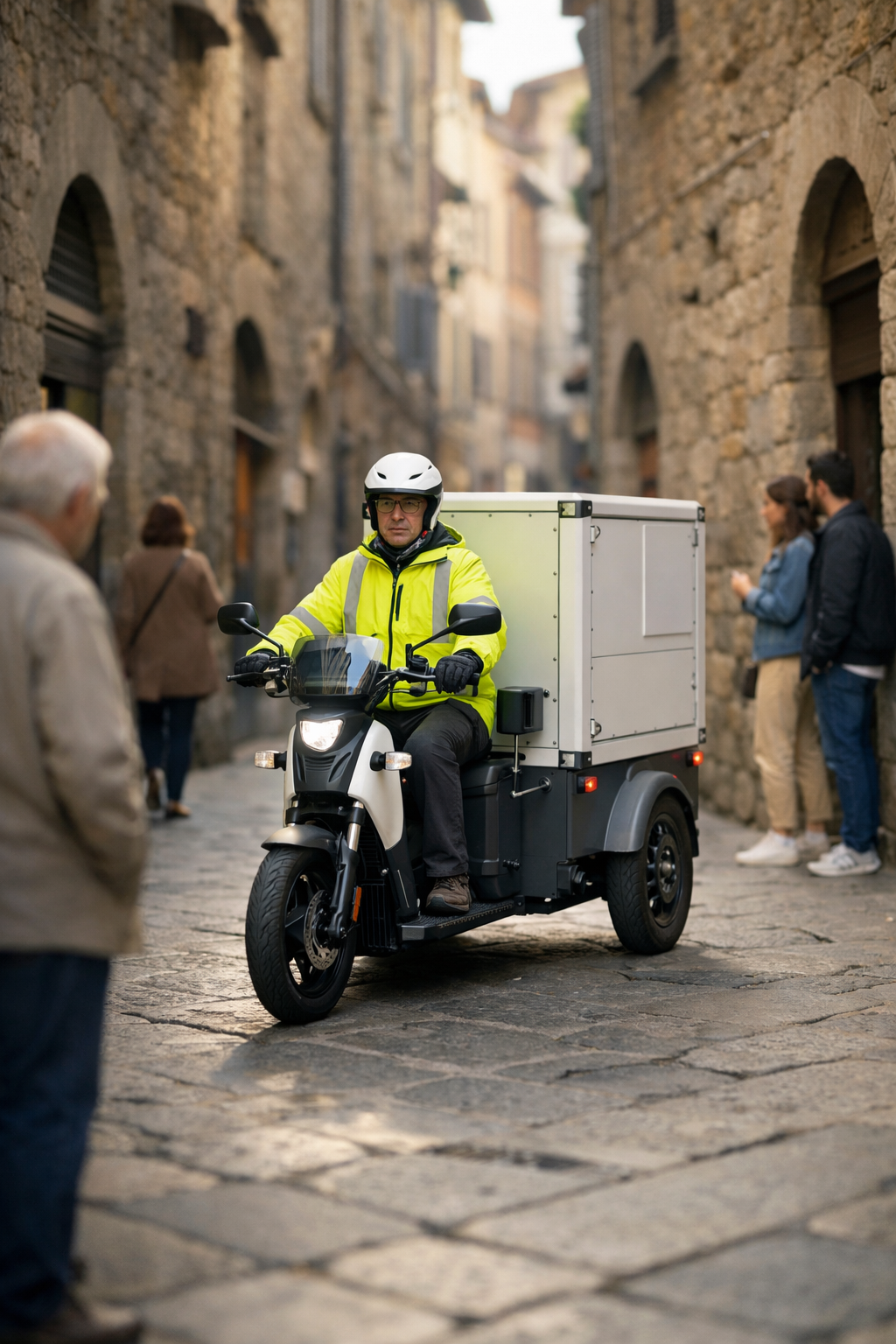
In urban areas, similar issues appear in different forms: tight corners, weight limits and restricted loading zones.
Benefits beyond the shoot
Road improvements can leave a positive legacy for local communities. In this case, residents benefited from a repaired surface that had been a long‑standing problem.
That helps build better relationships with locations and can make future filming easier to arrange.
Transport as early planning
This example shows that transport planning begins at the route level. If the access road works, the rest of the vehicle plan becomes manageable. If it doesn’t, every department feels the impact.
Checking infrastructure early, budgeting for upgrades when needed and coordinating with local authorities keeps productions moving and reduces risk.
Good transport logistics start before the first truck leaves the yard.
You might also like