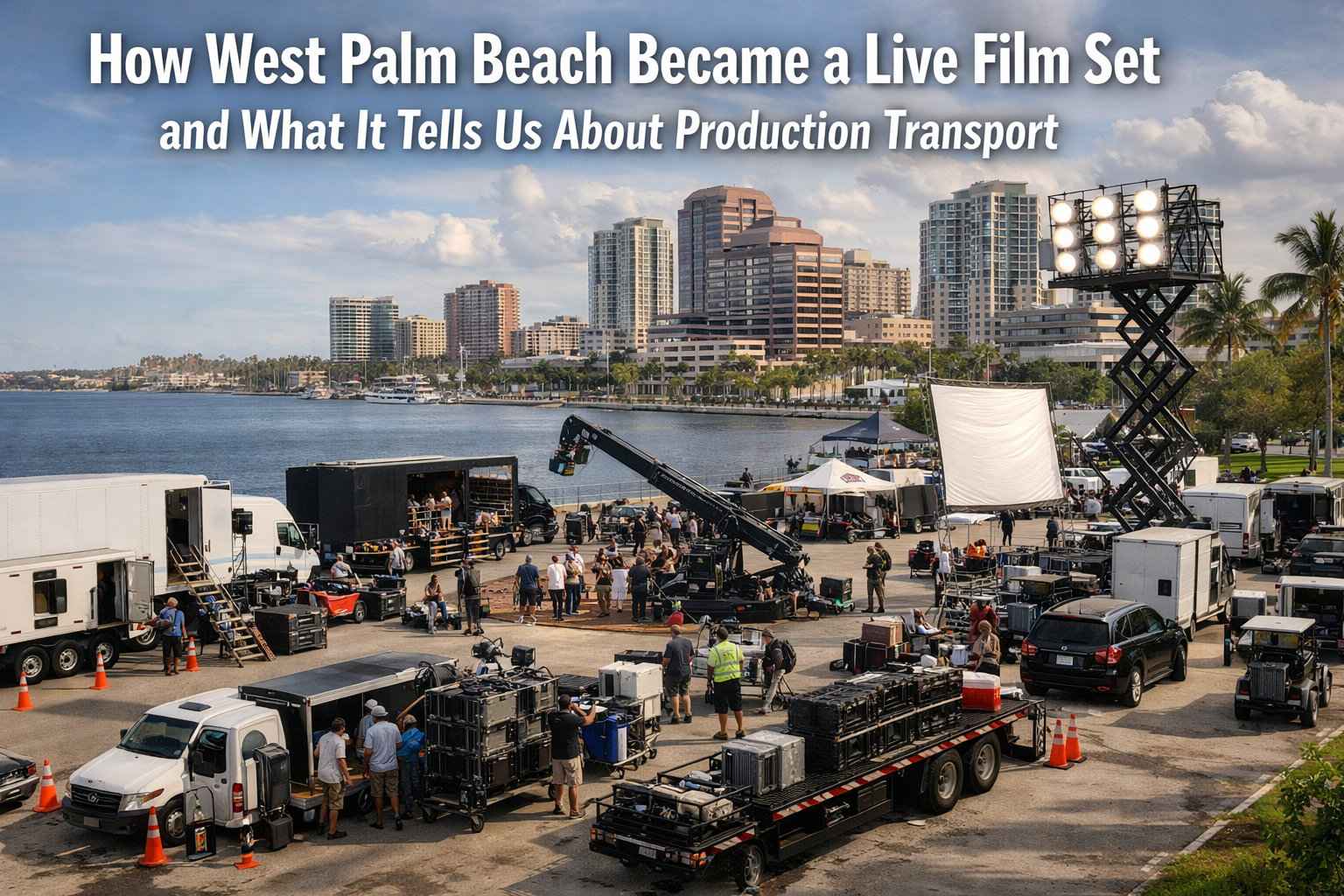
How West Palm Beach Became a Live Film Set and What It Tells Us About Production Transport
Film and TV production often has a visible public face — actors on set, cameras rolling, iconic locations transformed on screen. What’s less visible is the complex transport and logistics work that makes it all happen. A recent location shoot for an upcoming ABC drama in downtown West Palm Beach offers a useful example of how transportation planning intersects with production operations in the real world.
When a City Becomes the Set
On January 24, streets and sidewalks near the Palm Beach County Courthouse were temporarily closed as production crews filmed scenes for RJ Decker, a new drama series. From early morning through the afternoon, crews needed controlled streets for camera positions and vehicle movement, and police assisted with traffic control during active filming periods. Vehicles were stopped for short intervals while cameras rolled, and residents were still able to reach their homes with guidance from officers.
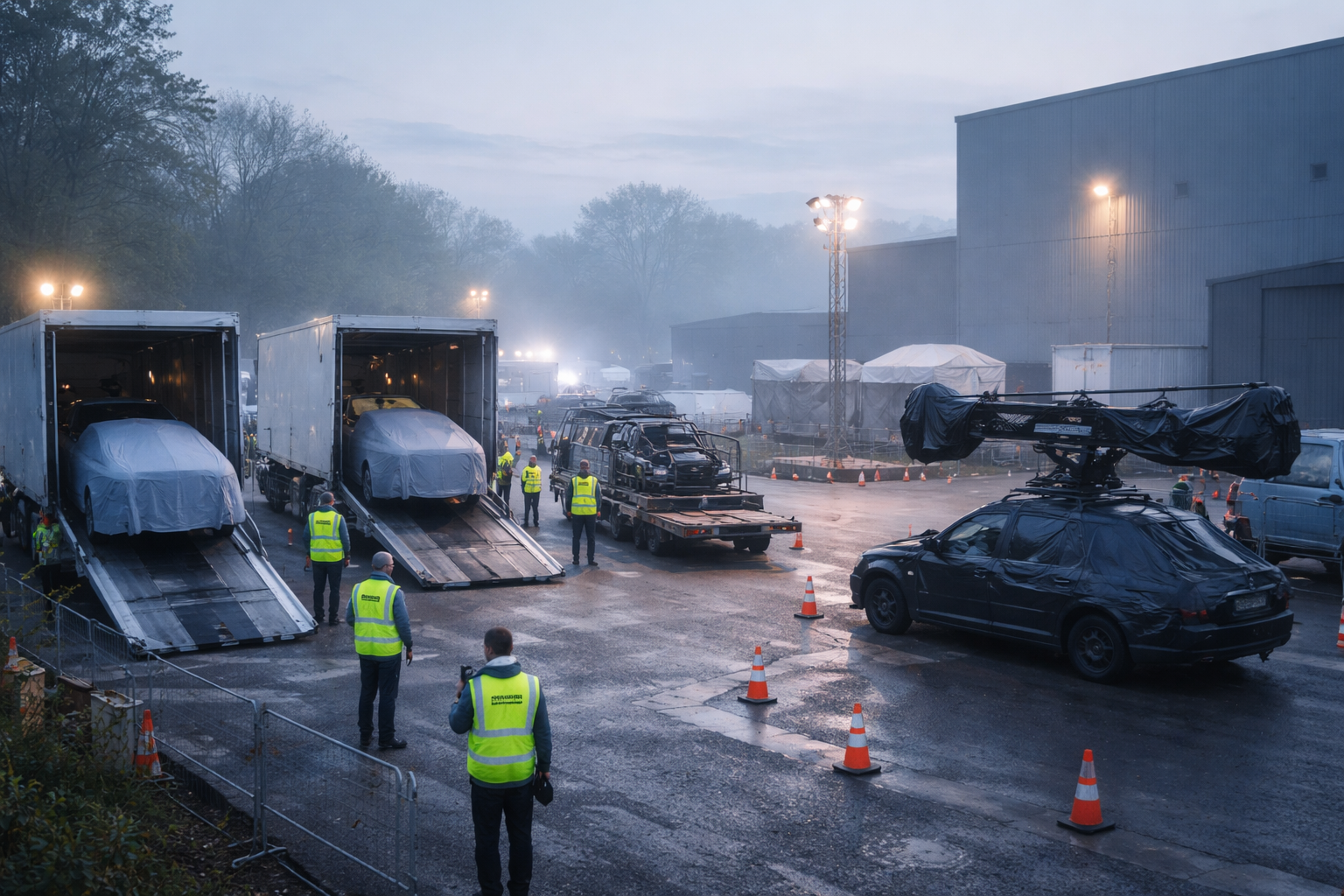
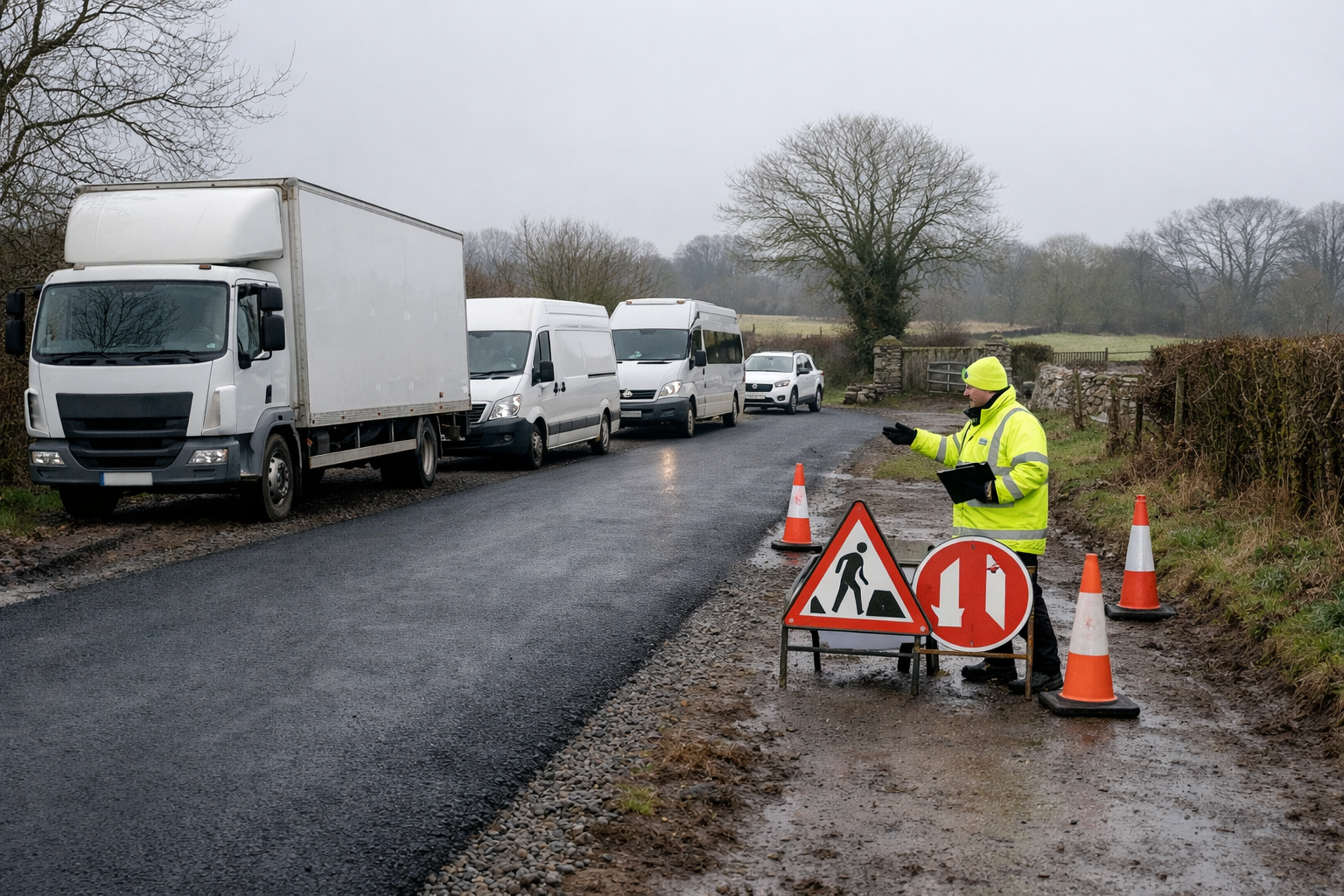
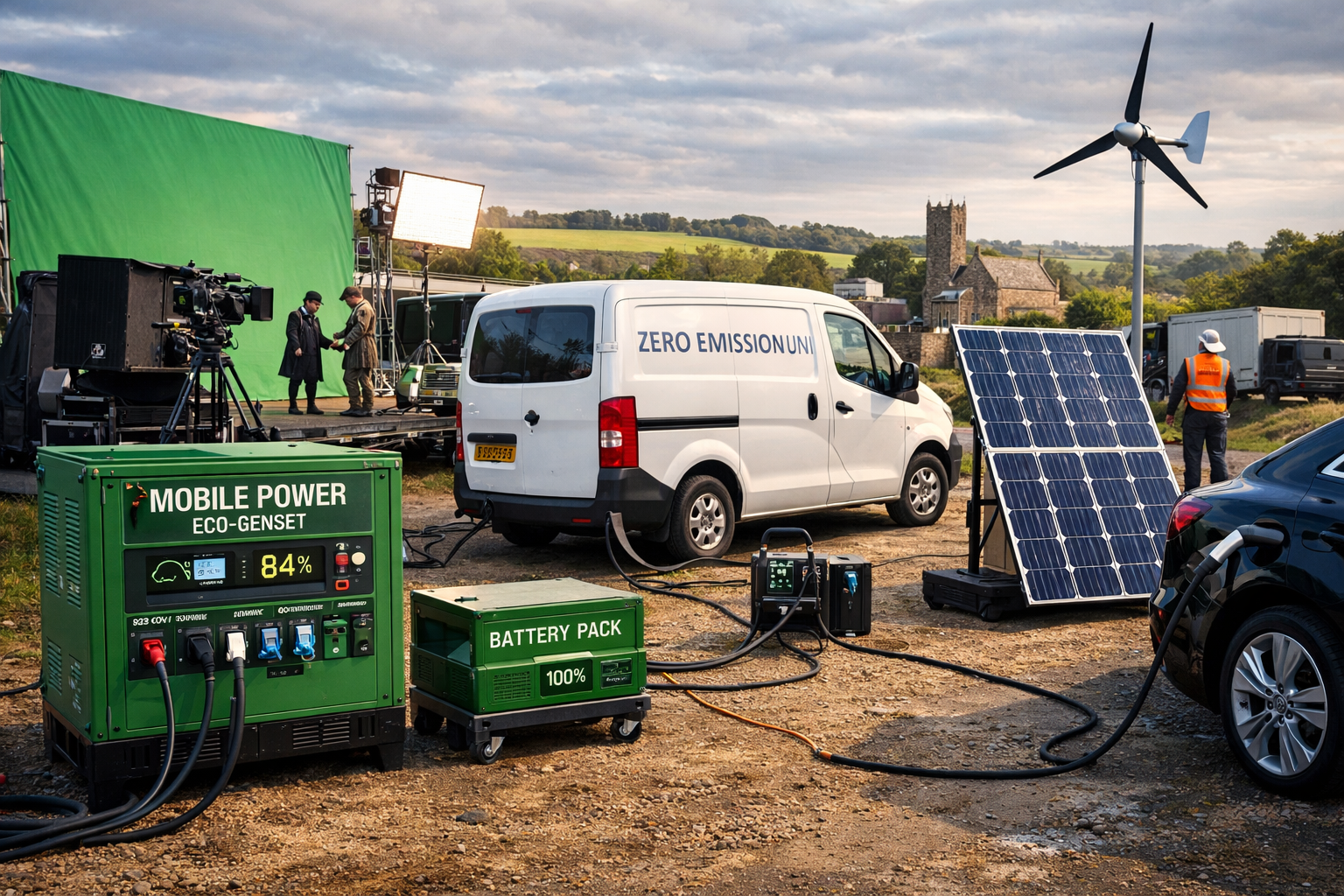
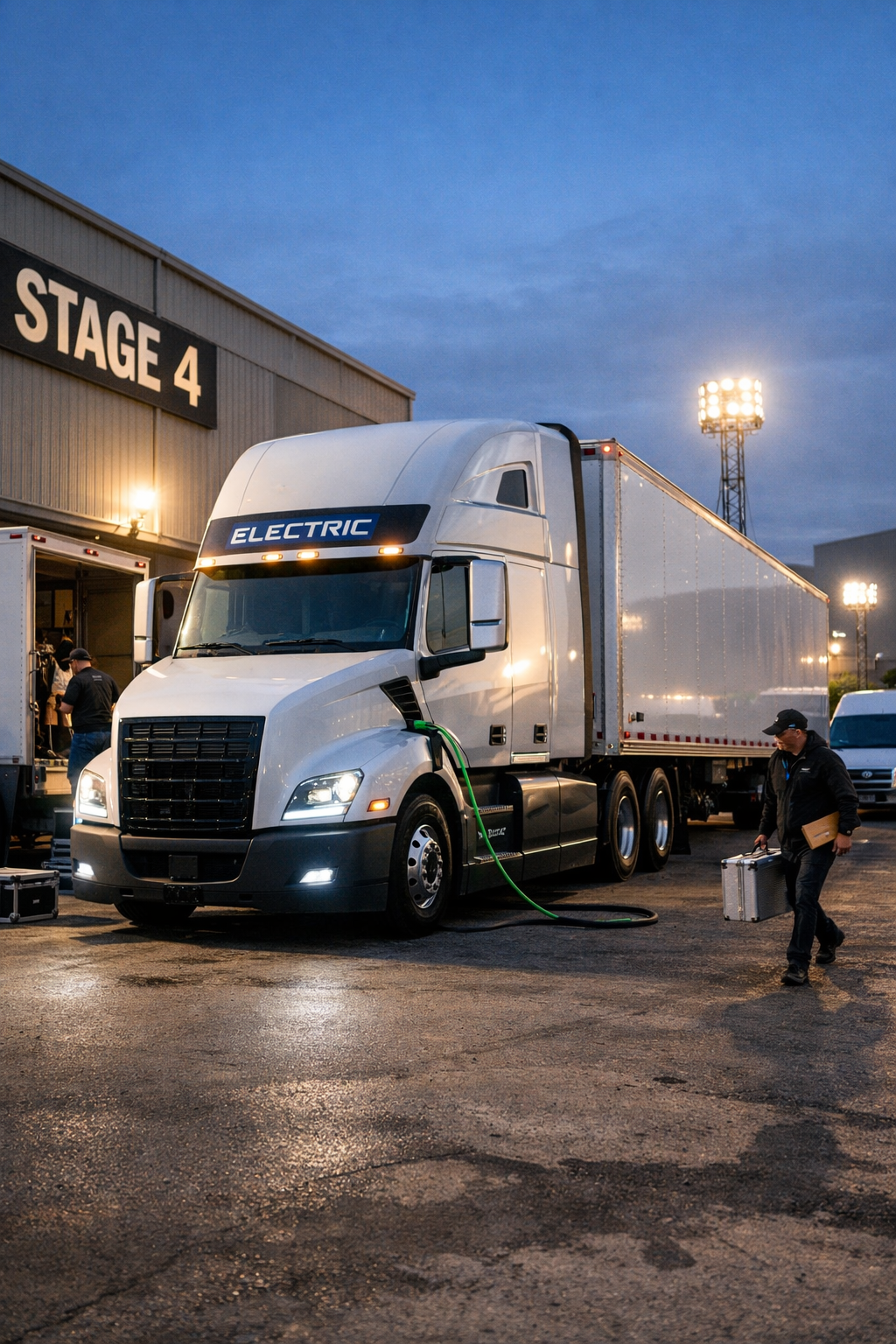
Location shoots like this highlight an important reality: a production’s transport plans extend far beyond simply moving cast and crew from point A to point B. They involve negotiating space in live traffic environments, coordinating with city traffic management, and making sure equipment vehicles, production trucks and support vans are staged and positioned to support shots without compromising public safety.
What Goes Into Transport Planning
A lot of logistics needs to be organised before the first camera call. Production teams typically map out:
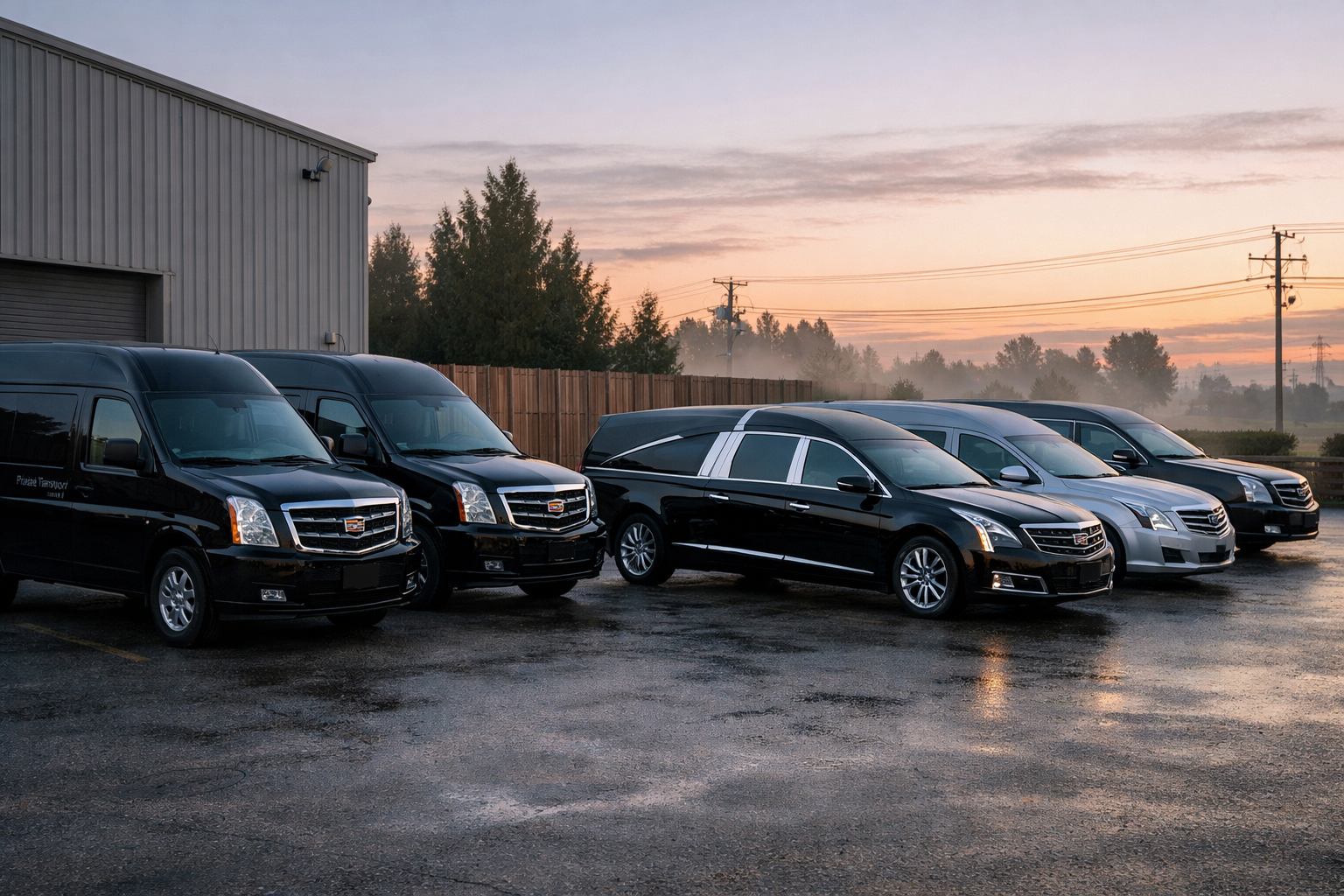
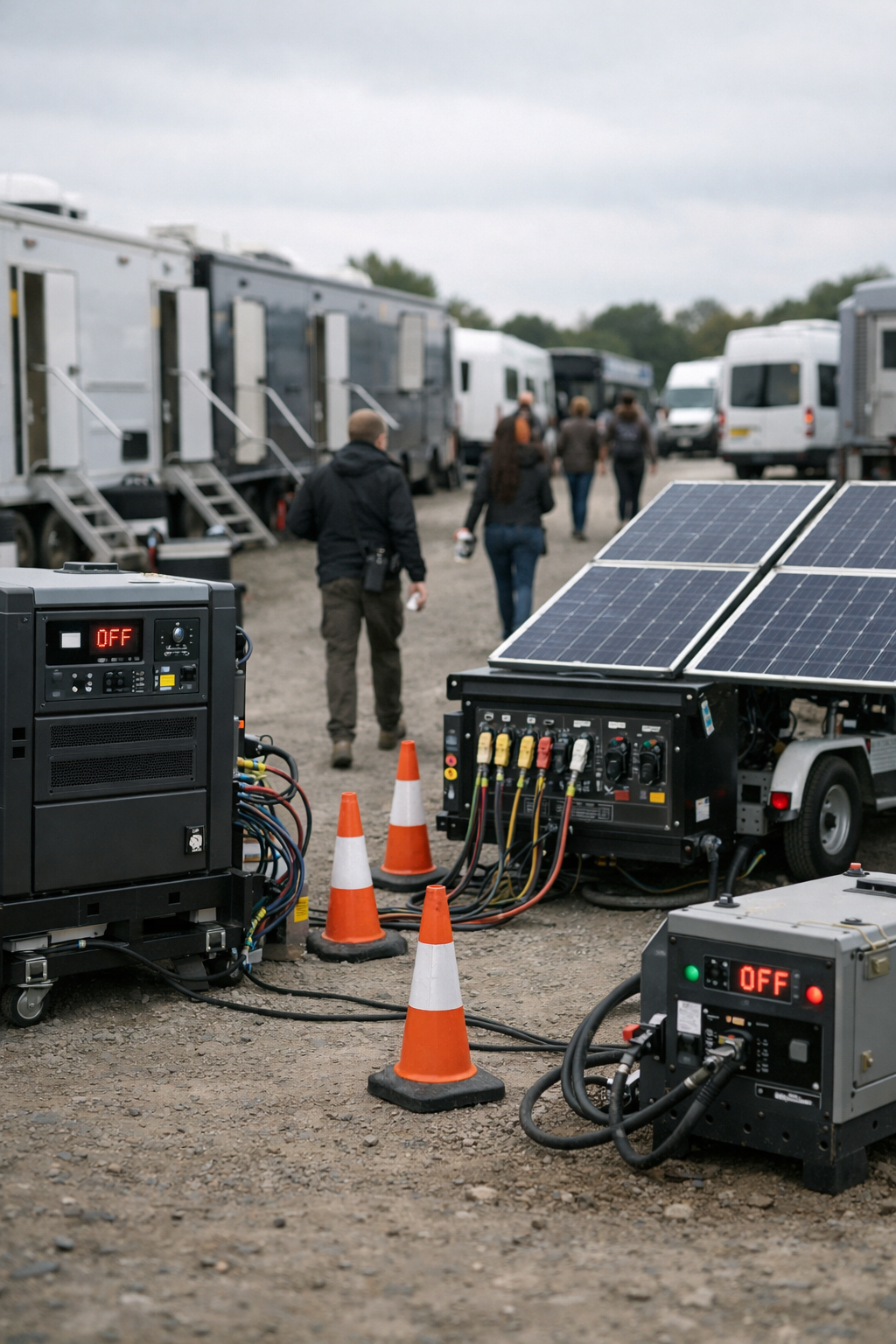
Vehicle staging areas where crew vans, equipment trucks and support vehicles park while not in use.
Traffic control plans with local authorities so that road closures are legal, safe and communicated to residents.
Scheduling so that vehicle movements don’t conflict with peak traffic times or community events.
Load‑in/load‑out logistics for equipment trucks arriving at set without blocking public access.
Crew transport routes for actors and crew heading to remote or congested locations.
In a downtown setting like West Palm Beach, the stakes are higher because moving vehicles must happen around pedestrians, everyday traffic and planned public transport operations. Production logistics teams have to incorporate all of that into their plans.
Why It Matters
Well‑executed transport planning doesn’t just keep a shoot on schedule; it minimises community impact and maintains good relations between production companies and local stakeholders. Cities with smooth logistics processes and production transport arrangements often become attractive repeat locations for future screen work — and that can mean steady business for local vendors, hospitality partners and transport providers.
In the case of RJ Decker, residents were alerted ahead of time about closures and traffic delays, and officers managed flow while filming was active. That kind of communication and planning is part of the blueprint for successful location shoots, especially in urban environments that rely on public infrastructure.
Takeaway for Production Teams
If you’re responsible for transport and logistics on a production, this example underscores the importance of early planning and clear communication with local authorities. Map your vehicle needs early, coordinate with traffic teams, and build transport contingencies into your daily shoot schedule.
That way, when the production rolls in and out of a city street, it feels like a professional operation — which it is — not just an unexpected interruption to the daily commute.
You might also like