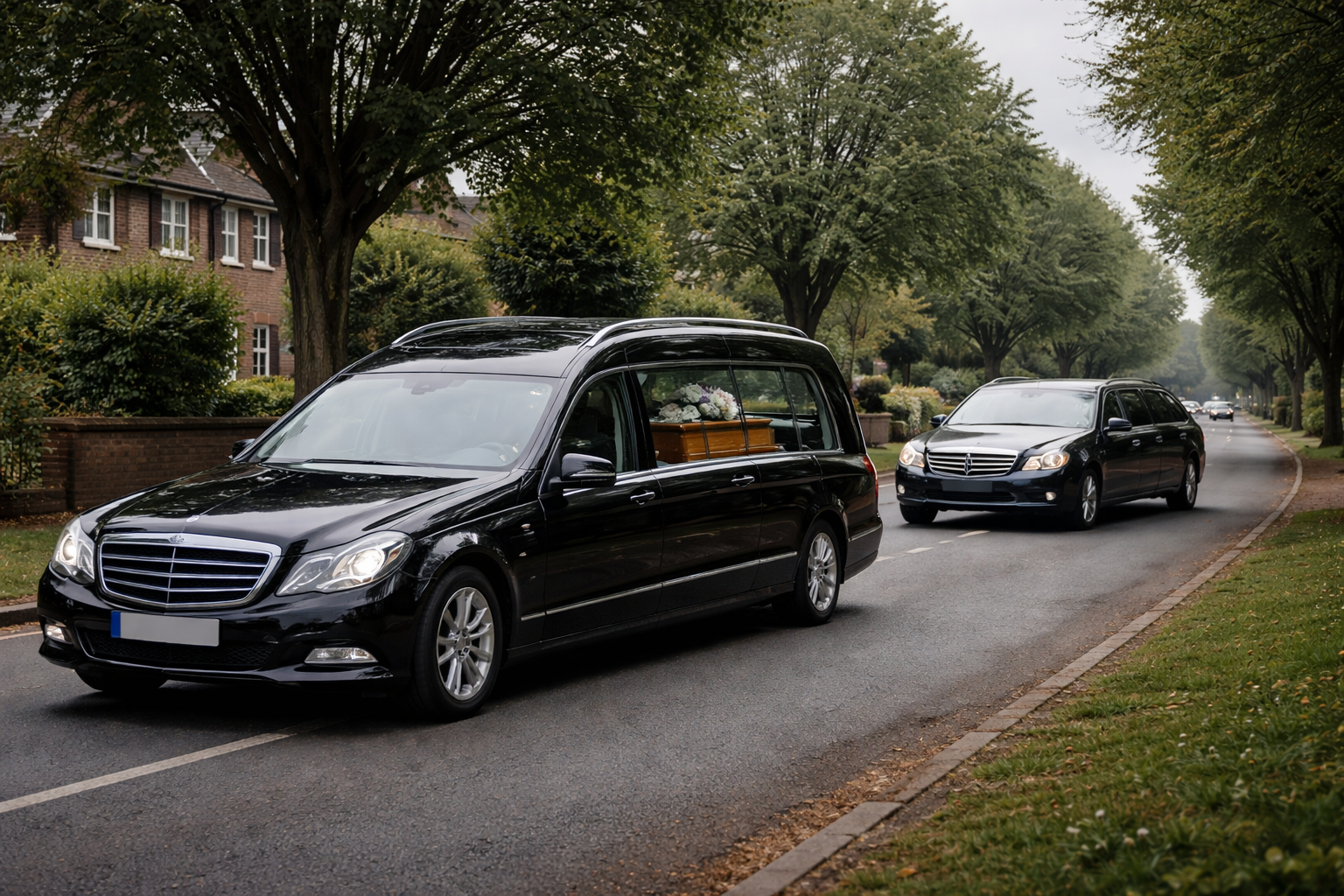
NFE 2026 is a good prompt to review your funeral vehicle fleet plan
With National Funeral Exhibition running from 11–13 June 2026, many UK funeral firms will use the show to explore new vehicles, conversion suppliers, and operational kit. But even if you don’t attend, the dates are a handy trigger: if any part of your fleet is due a refresh in the next 12–18 months, planning now reduces the risk of rushed decisions later.
The real cost is usually disruption, not the monthly payment
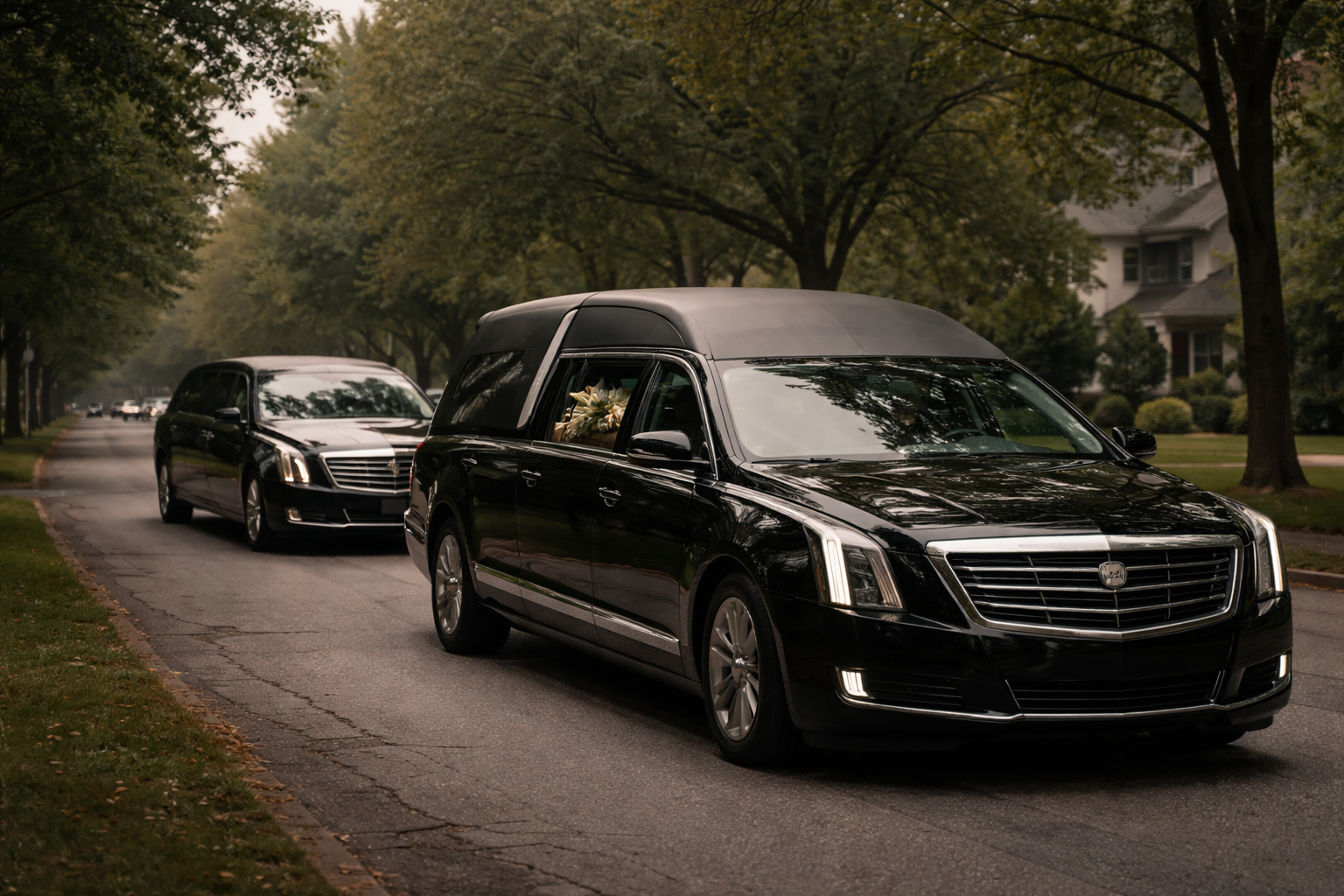
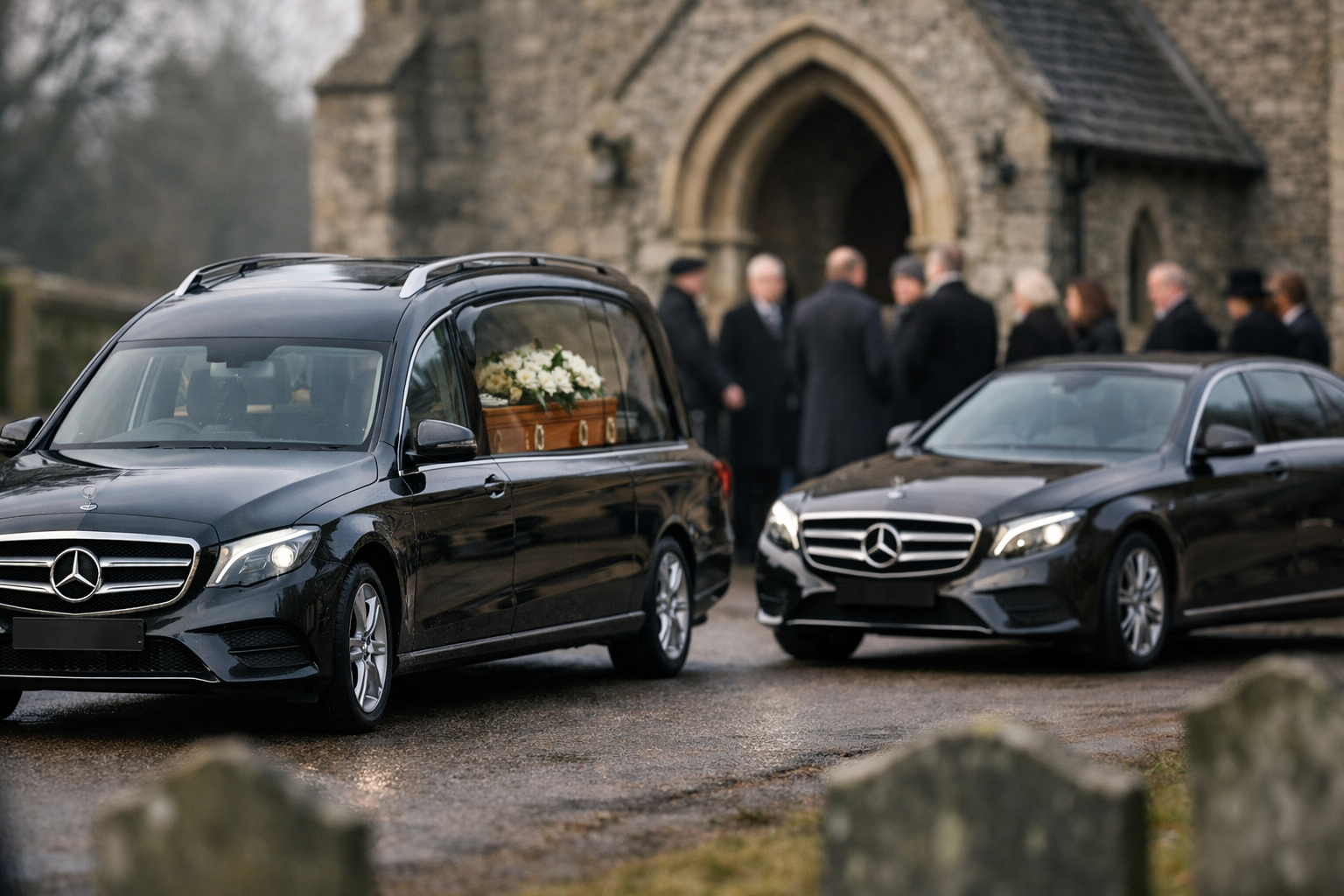
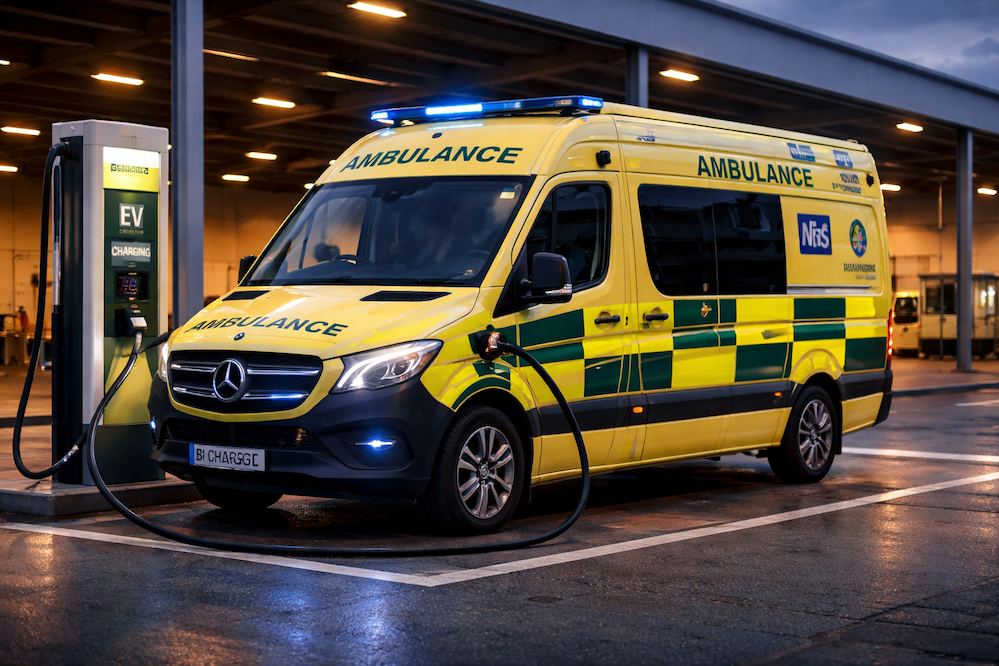
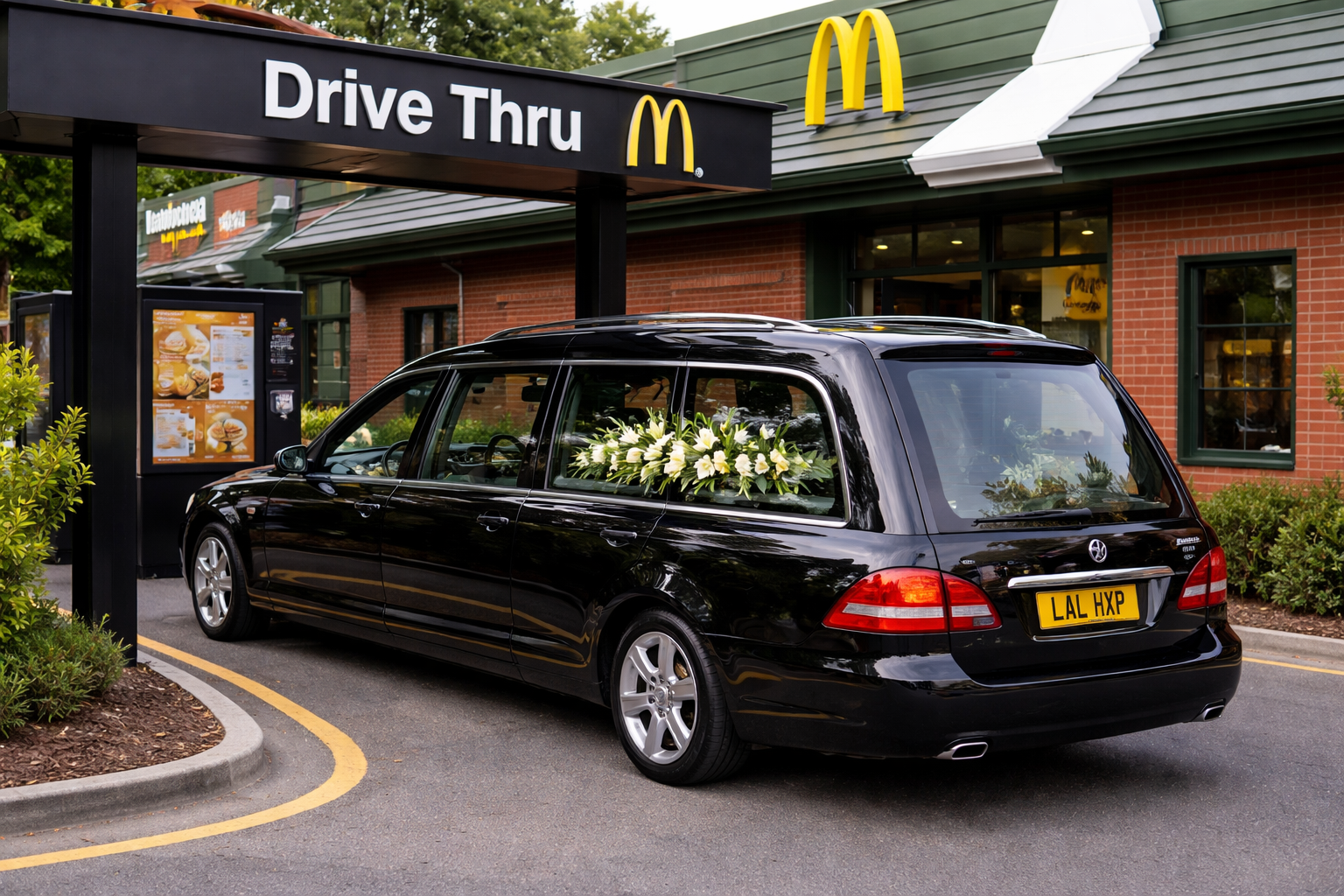
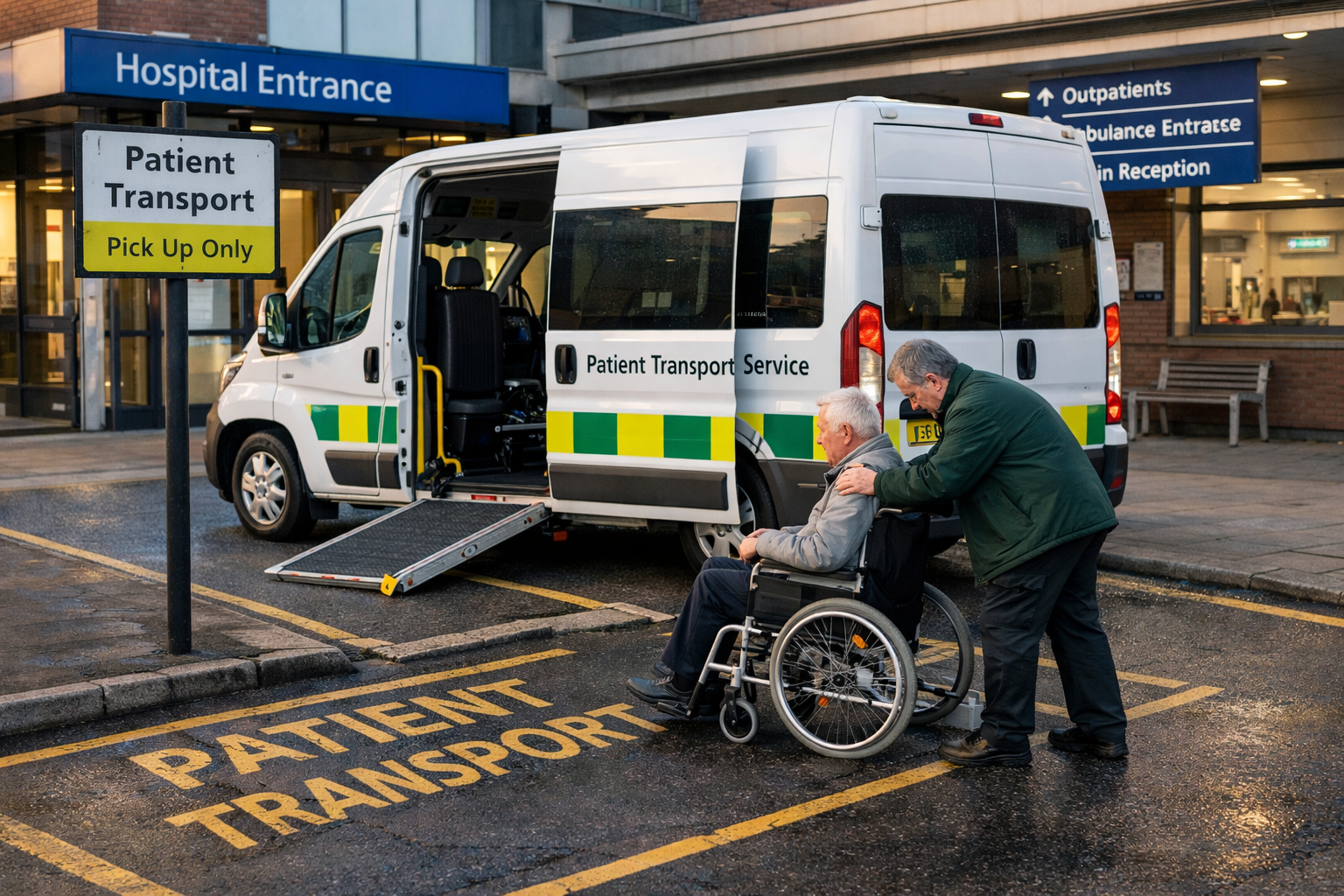
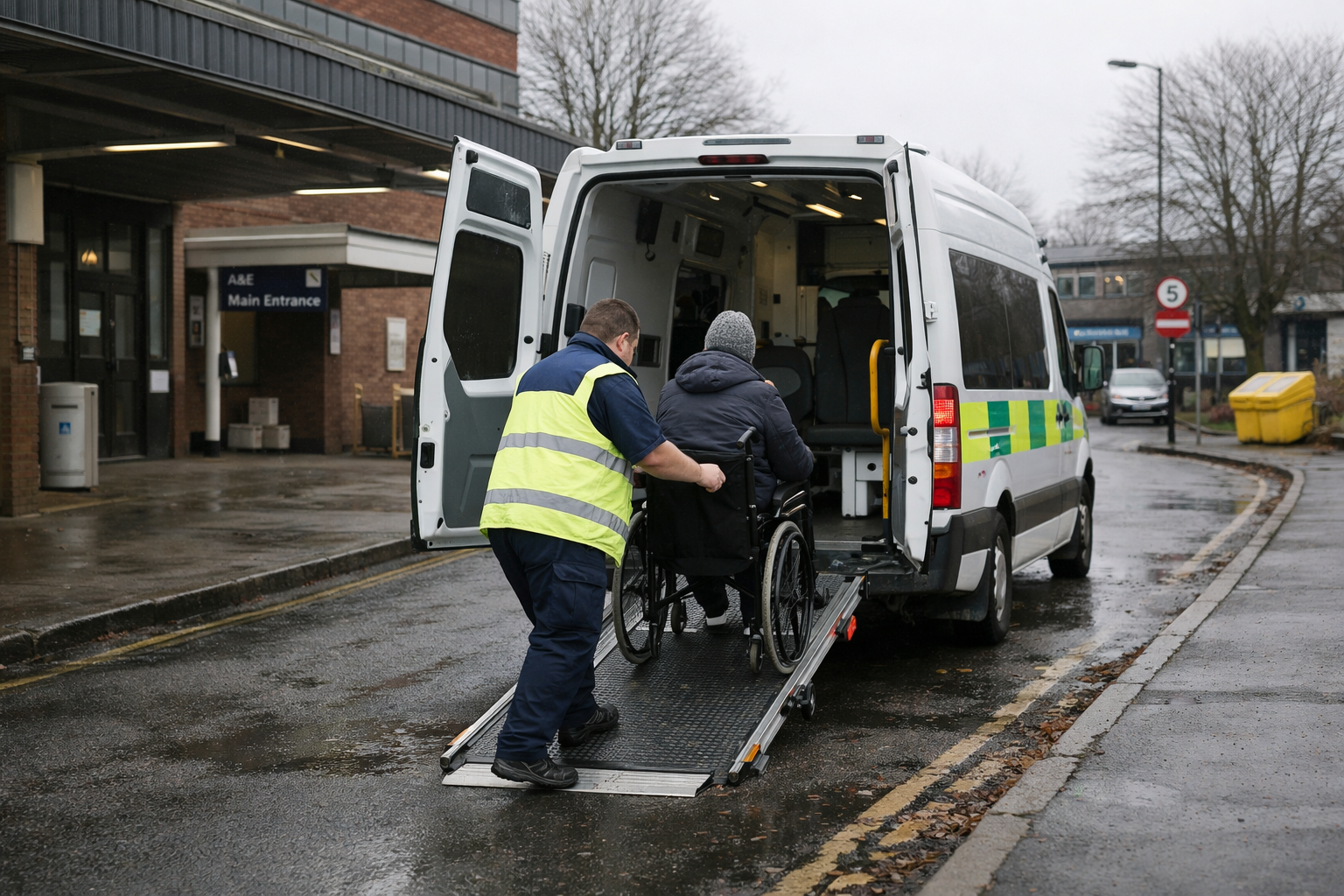
Funeral transport is one of those areas where “good enough” vehicles can still create expensive problems. A hearse or limousine going off road at the wrong time has consequences that don’t show up neatly on a spreadsheet: lost time, re-booked services, reputational pressure, and staff stress. The same goes for private ambulance/removal vehicles, where reliability and access to repairs matter more than headline spec.
A sensible fleet plan starts with a simple question: which vehicle failure would hurt your service delivery the most? For some firms it’s the primary hearse. For others it’s the removal vehicle, because it quietly underpins everything.
What’s changing in 2026: choice, lead times, and conversions
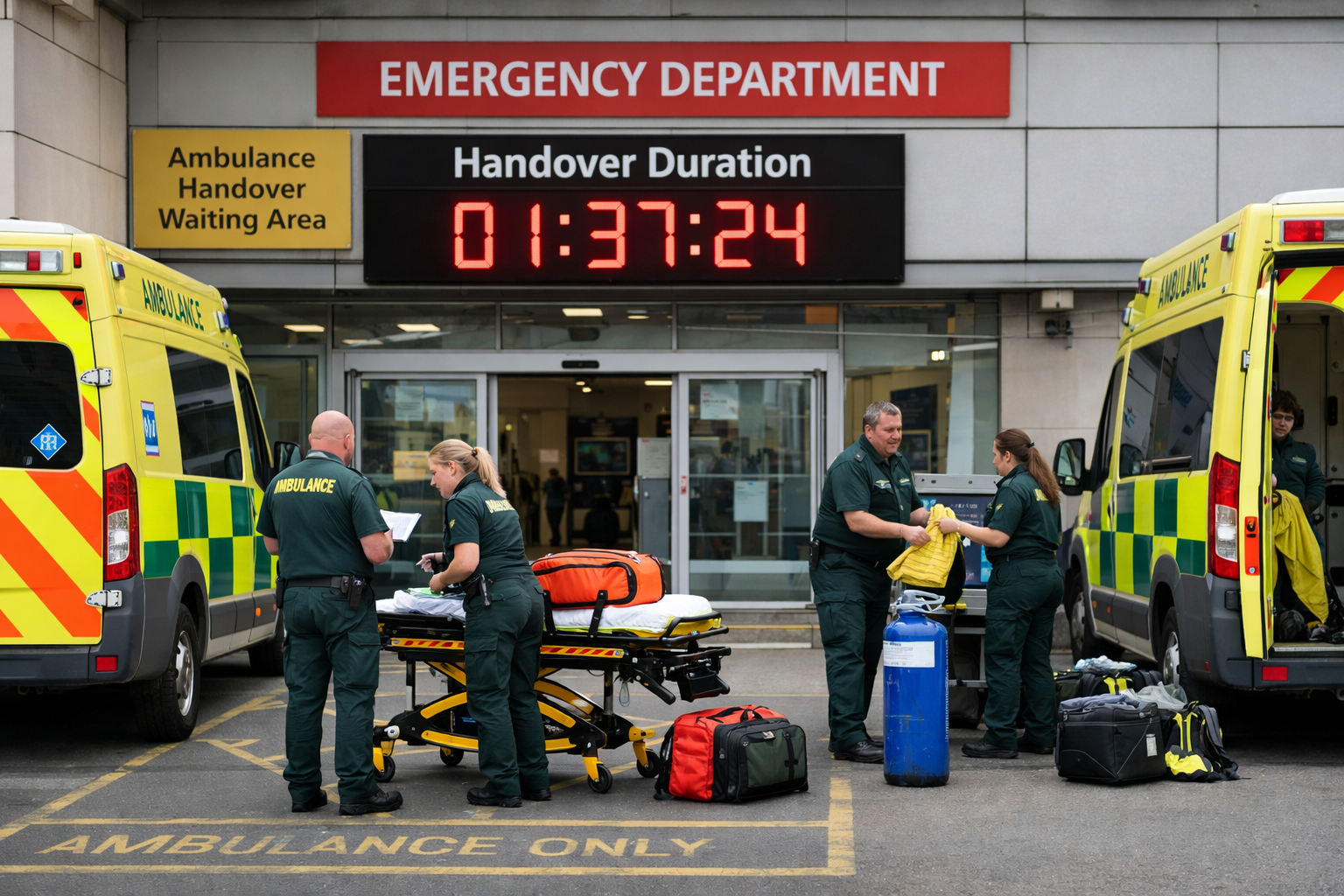
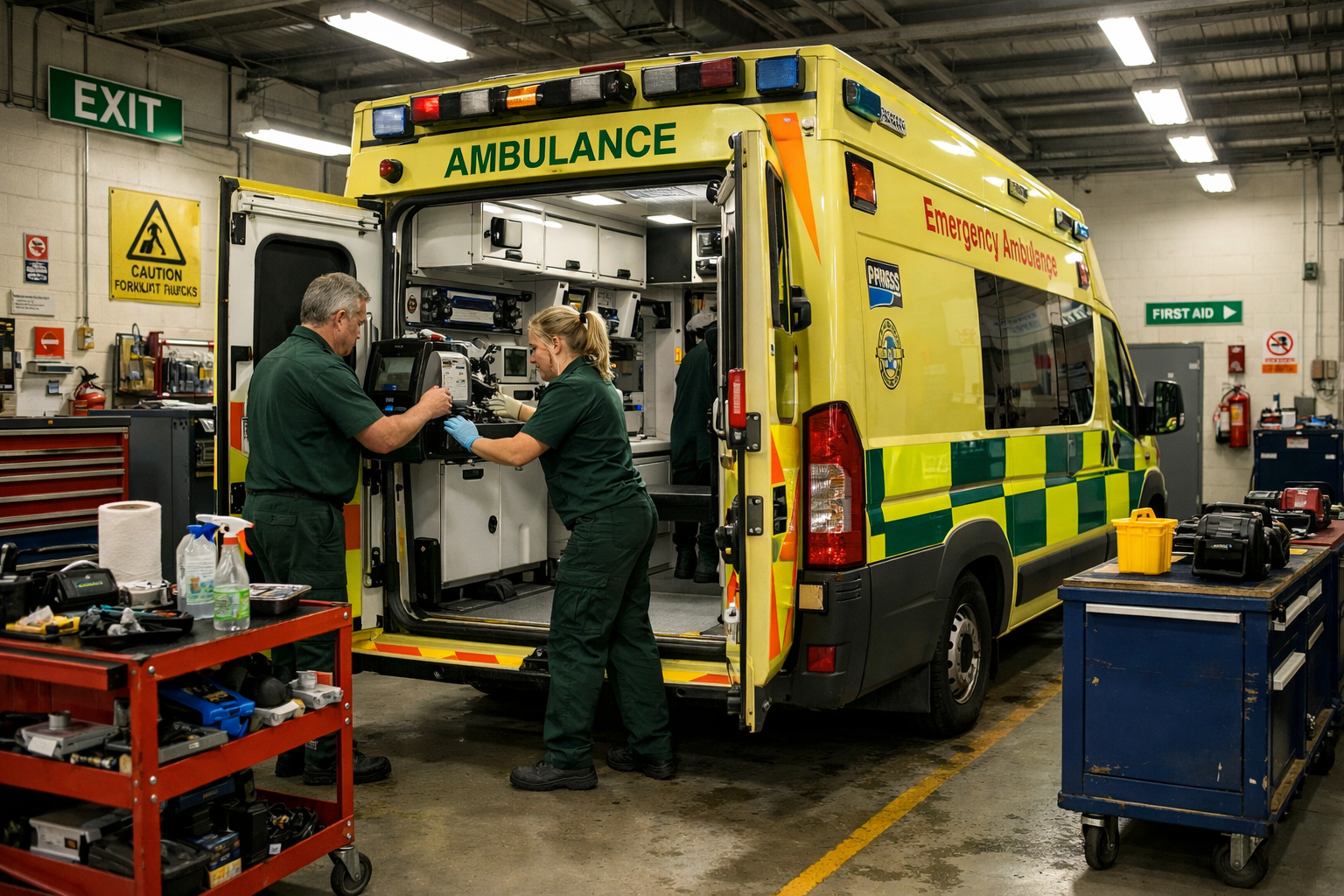
There’s more variety now across powertrains and builds: hybrid, EV, and traditional ICE are all still in play depending on geography, duty cycle, and local constraints. But one practical pressure point is specialist conversion capacity. Recent reporting about O&H Vehicle Conversions (in the emergency-services conversion space) is a reminder that the wider conversion market can be sensitive. Even when day-to-day operations continue, uncertainty can affect order pipelines and lead times.
For funeral operators, the takeaway is simple: if you need a specialist vehicle, don’t assume build slots will be instantly available. If a vehicle must be on the road by a specific month, work backwards and give yourself slack.
A practical checklist before you replace anything
Before you commit to a hearse, limousine, or private ambulance/removal vehicle, it helps to document:
- Annual mileage and duty cycle (short urban runs vs mixed routes)
- Where the vehicle is stored and serviced (and realistic repair turnaround)
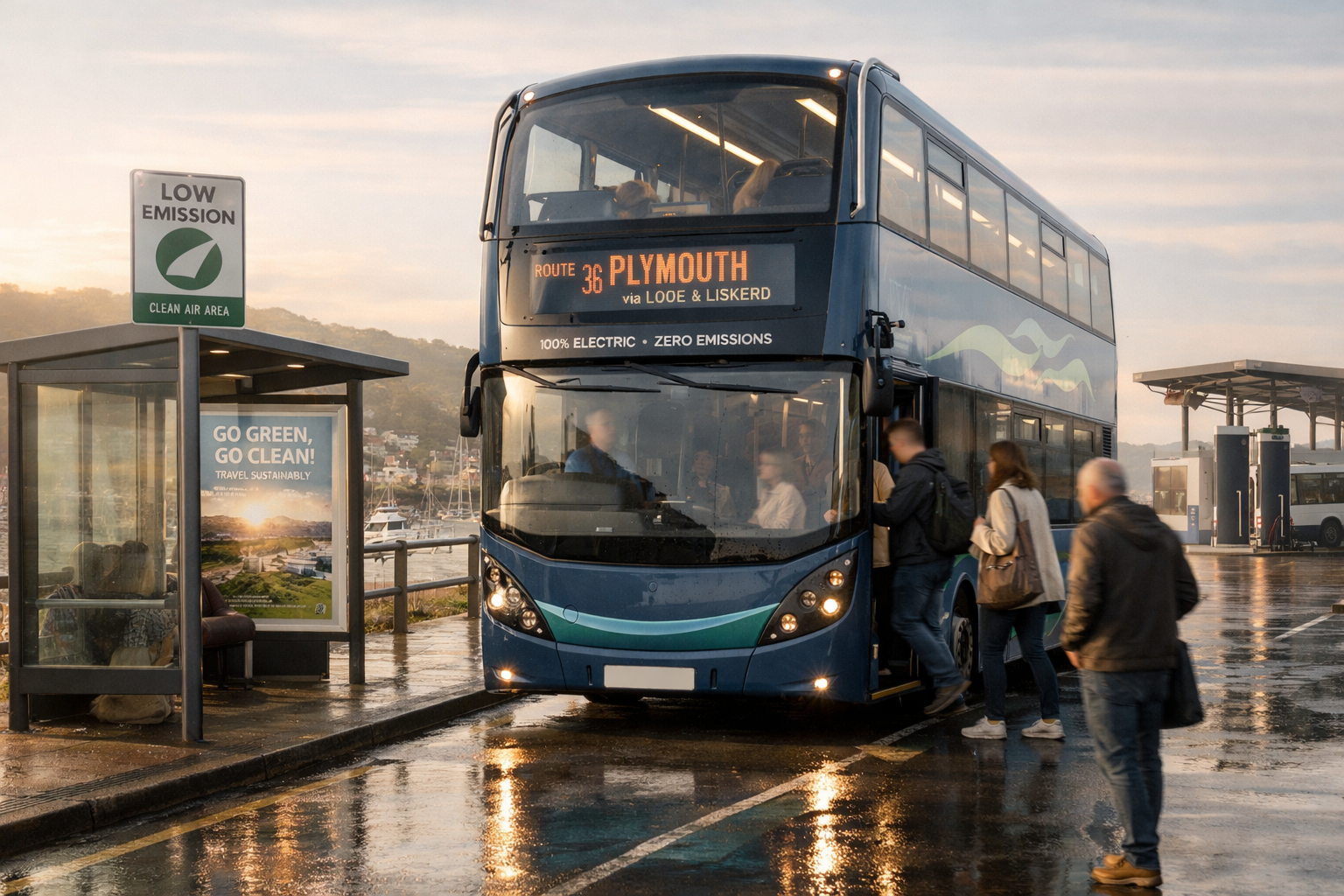
- Whether low-emission zones affect you (now or likely soon)
- Your preferred replacement route: new, nearly new, or used
- What matters most: quietness, access, payload, reliability, or standardisation across the fleet
Once those are clear, finance becomes a tool to match the asset to the job: term length aligned to expected use, cashflow that doesn’t squeeze the business, and a structure that keeps your upgrade path open.
If you’re heading to NFE 2026, take the checklist with you. You’ll leave with cleaner comparisons, fewer “nice but not right” vehicles, and a much easier buying decision.
We won't be exhibiting, but will be visiting the exhibition. Reach out if you want a coffee.
You might also like