Acquisition signals change in patient transport landscape

avro fleet team • February 12, 2026

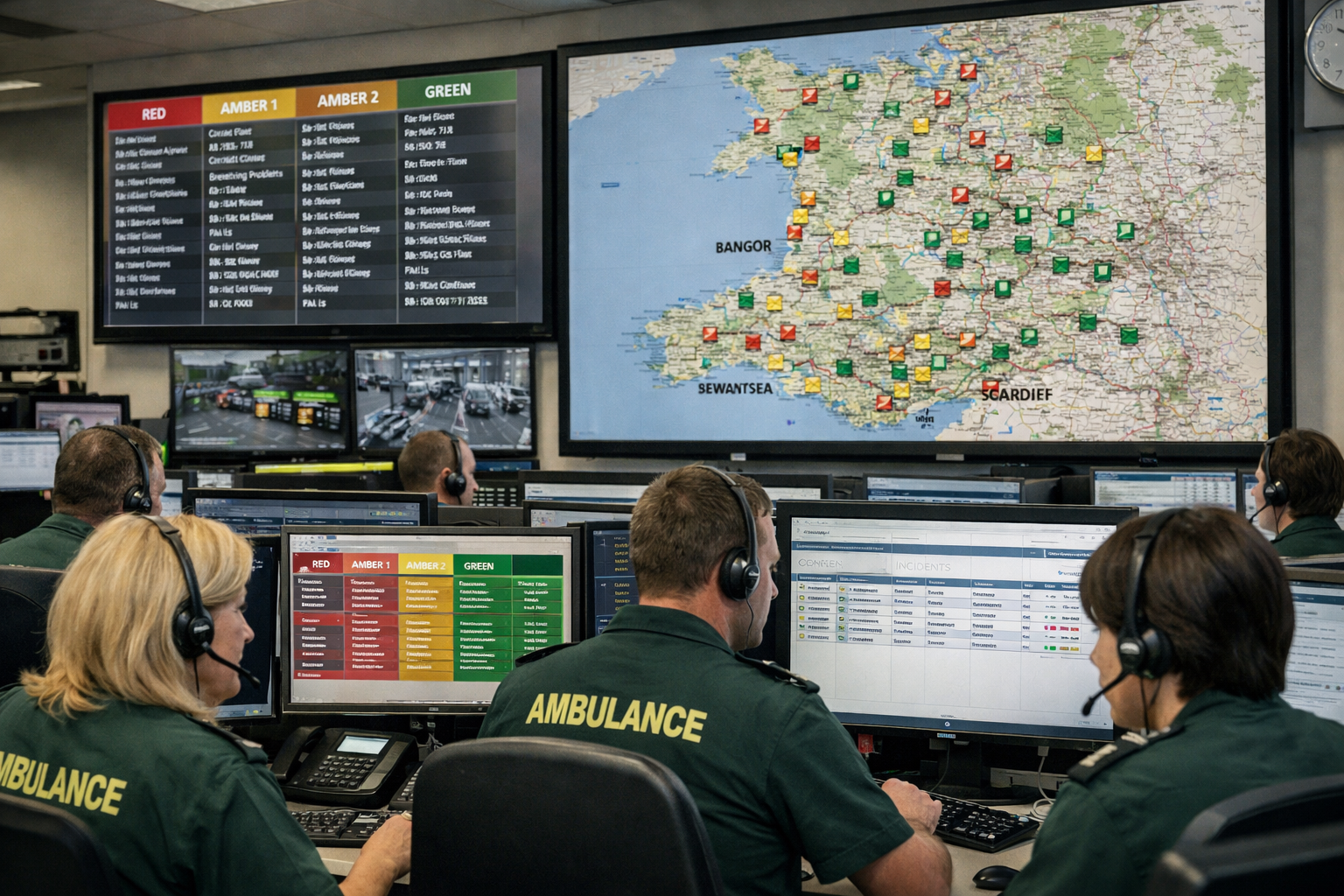
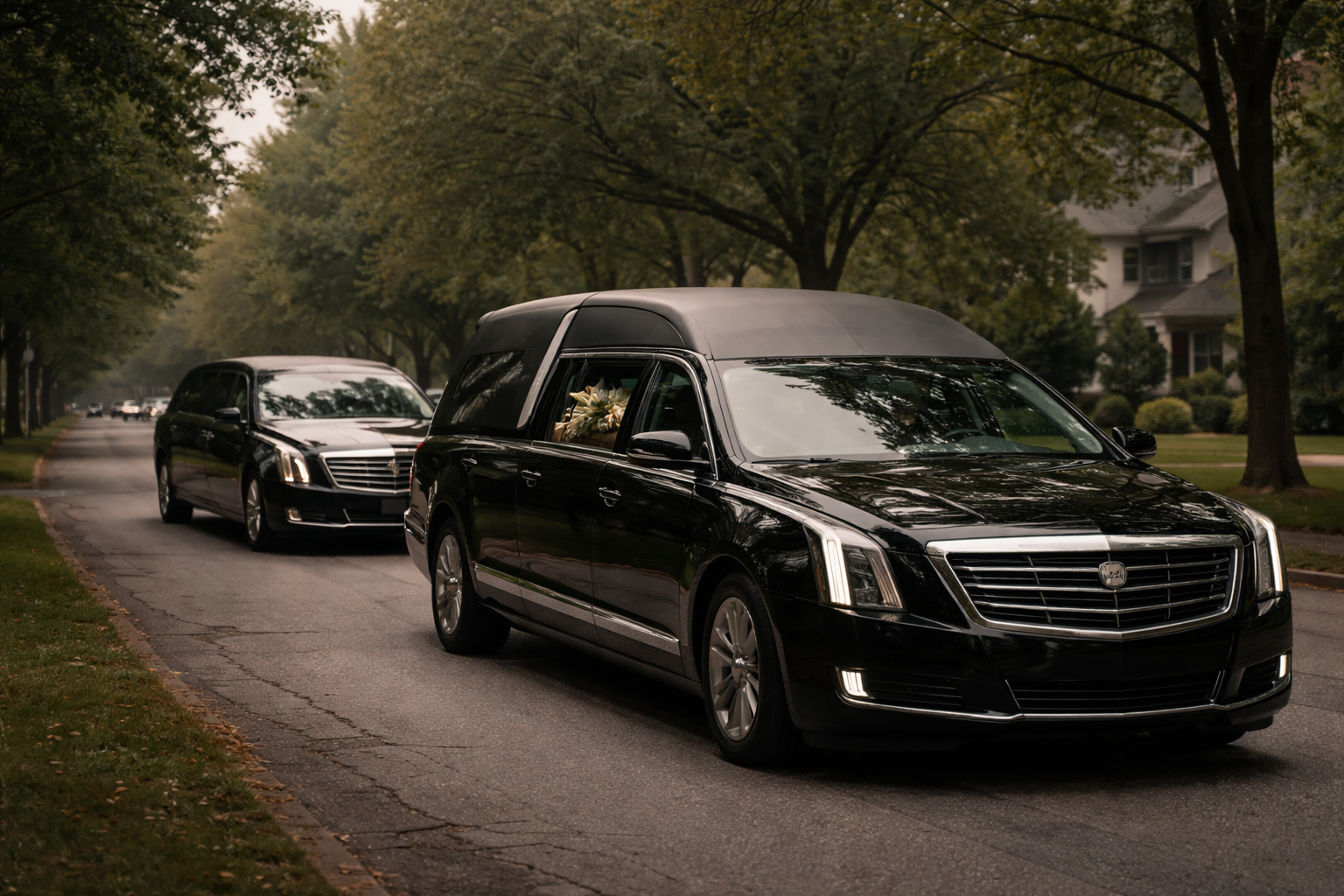
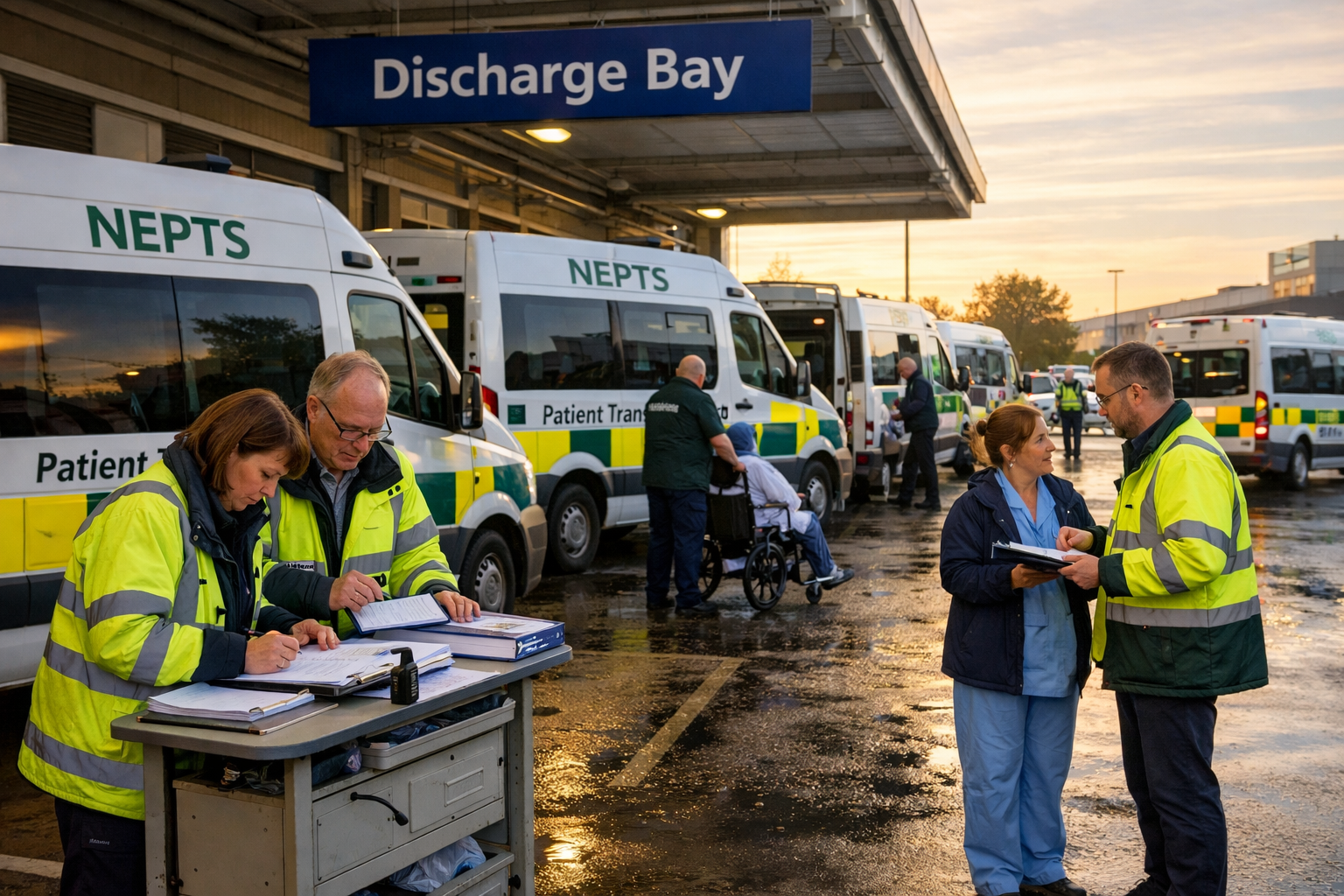
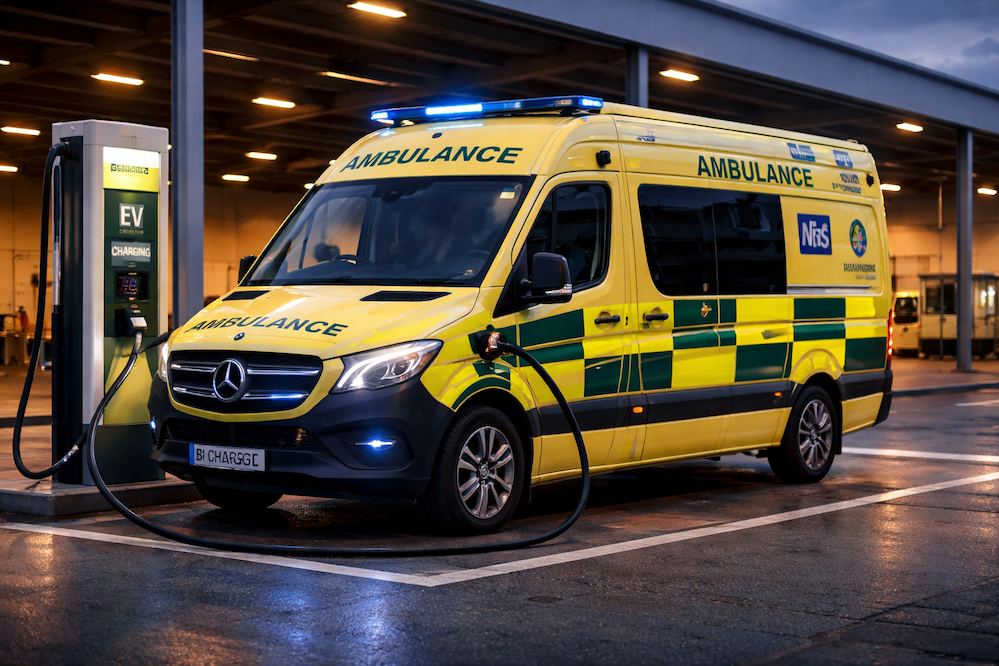
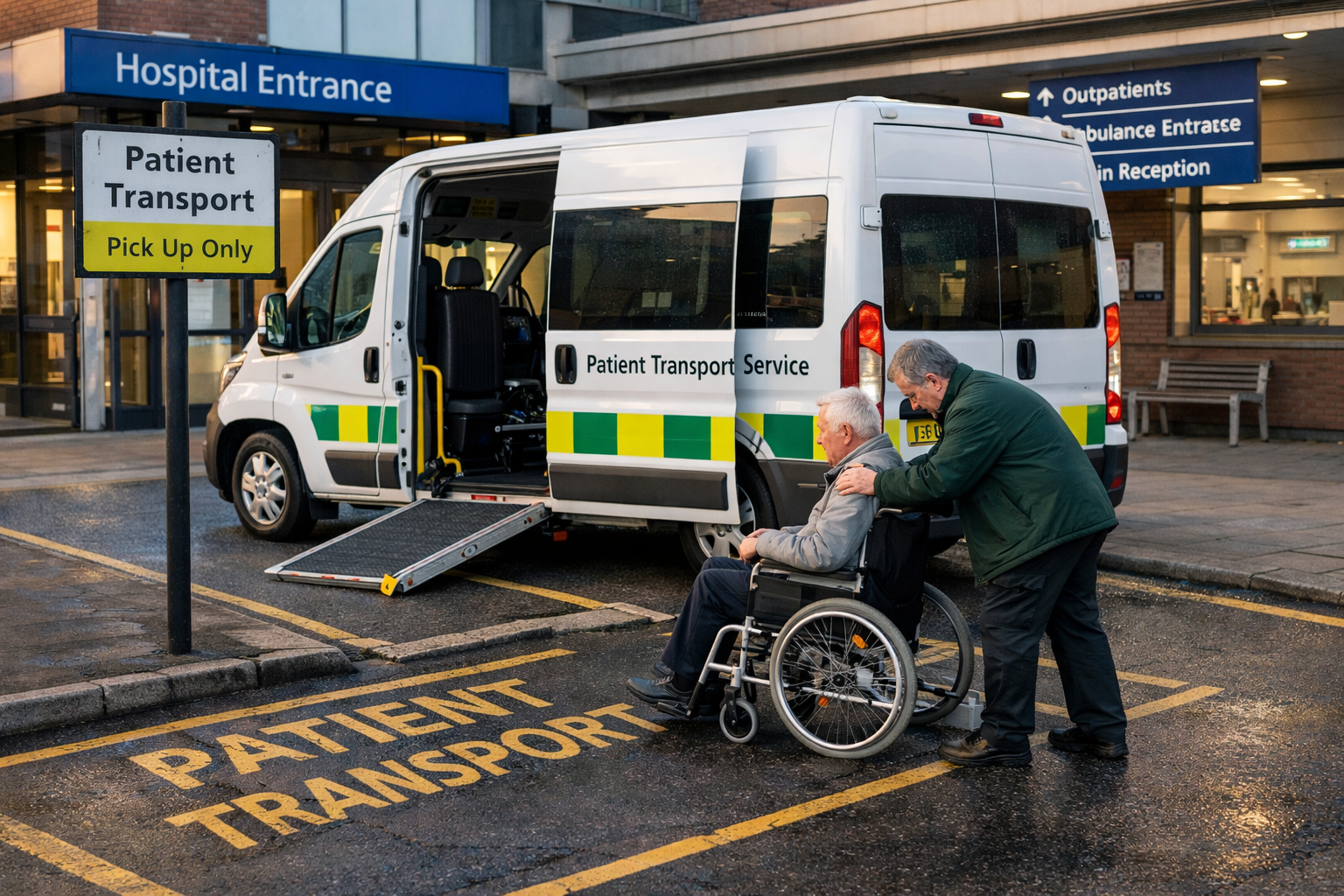
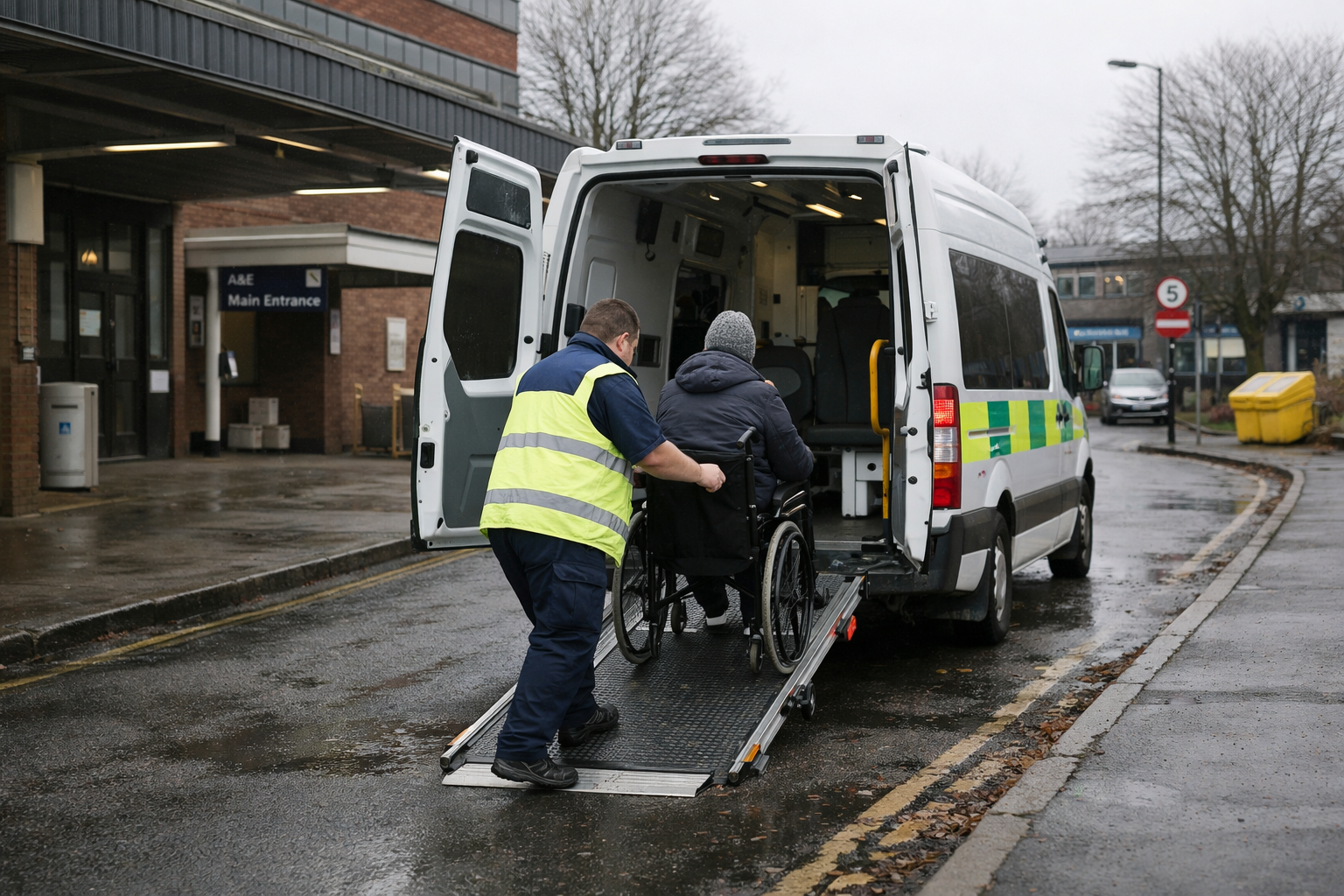
The healthcare transport sector in the South West of England has seen a significant shift following Health Transportation Group UK’s acquisition of First Care Ambulance. The deal brings the Devon non‑emergency patient transport contract and its associated vehicles and workforce into HTGUK’s portfolio and aligns services with Cornwall and Isles of Scilly operations.


What the acquisition means for NEPTS delivery

Non‑emergency patient transport (NEPTS) services are often overlooked until demand spikes or contracts change hands. They are essential to hospital flow, patient appointment access, and discharge planning. By consolidating the Devon and Cornwall contracts under one operator, commissioners may benefit from greater consistency of service delivery, deeper resource planning, and shared learning across a broader regional footprint.


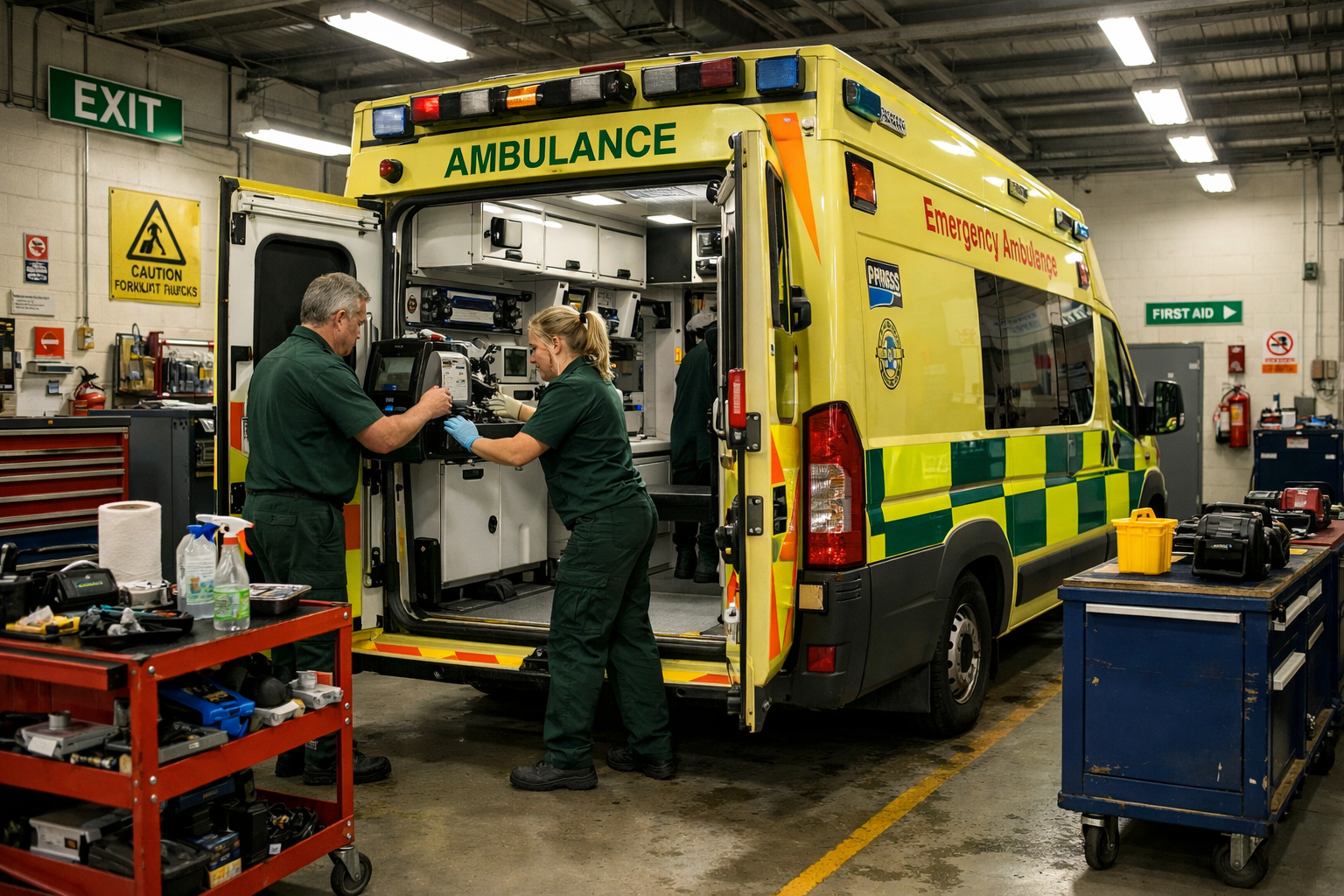
From an operations perspective, the acquisition brings around 176 staff and 76 vehicles into a larger group. That scale can improve resilience, especially during peak periods, unexpected staff shortages, or surge demand. For commissioners, this can translate to reduced risk, a broader pool of experienced personnel, and potentially better performance reporting because systems and processes are standardised across a larger network.


Implications for private providers

For private companies in the ambulance and patient transport market, this deal highlights the value of scale and integration. Winning contracts increasingly depends on demonstrating the ability to manage complex regional requirements, maintain fleet readiness, and support workforce development across multiple sites. Consolidated providers may be better placed to invest in fleet upgrades, telematics, and data‑driven performance measures than smaller, fragmented operators.


Workforce and service continuity

One notable feature of the acquisition is that the existing management team at First Care Ambulance stays in place. That continuity can help smooth the transition, reduce disruption, and retain institutional knowledge about local service requirements and commissioning relationships. It is an example of how acquisitions can be structured to preserve service stability while achieving organisational goals.


Strategic context

The merger of the Devon and Cornwall Integrated Care Boards adds a backdrop of broader health system transformation. As integrated care systems evolve, patient transport services are being looked at as part of whole‑system planning rather than discrete contracts. Bigger, coordinated transport networks may align better with broader goals like integrated discharge pathways and improved patient access.


Bottom line

This acquisition is more than a change of ownership. It reflects broader trends in healthcare transport: consolidation for resilience, integration with regional health planning, and the need for robust operational capability. Providers and commissioners alike should note that scale and continuity are increasingly central to delivering reliable, patient‑centric transport services.

Contact Us >

You might also like
By avro fleet team March 16, 2026
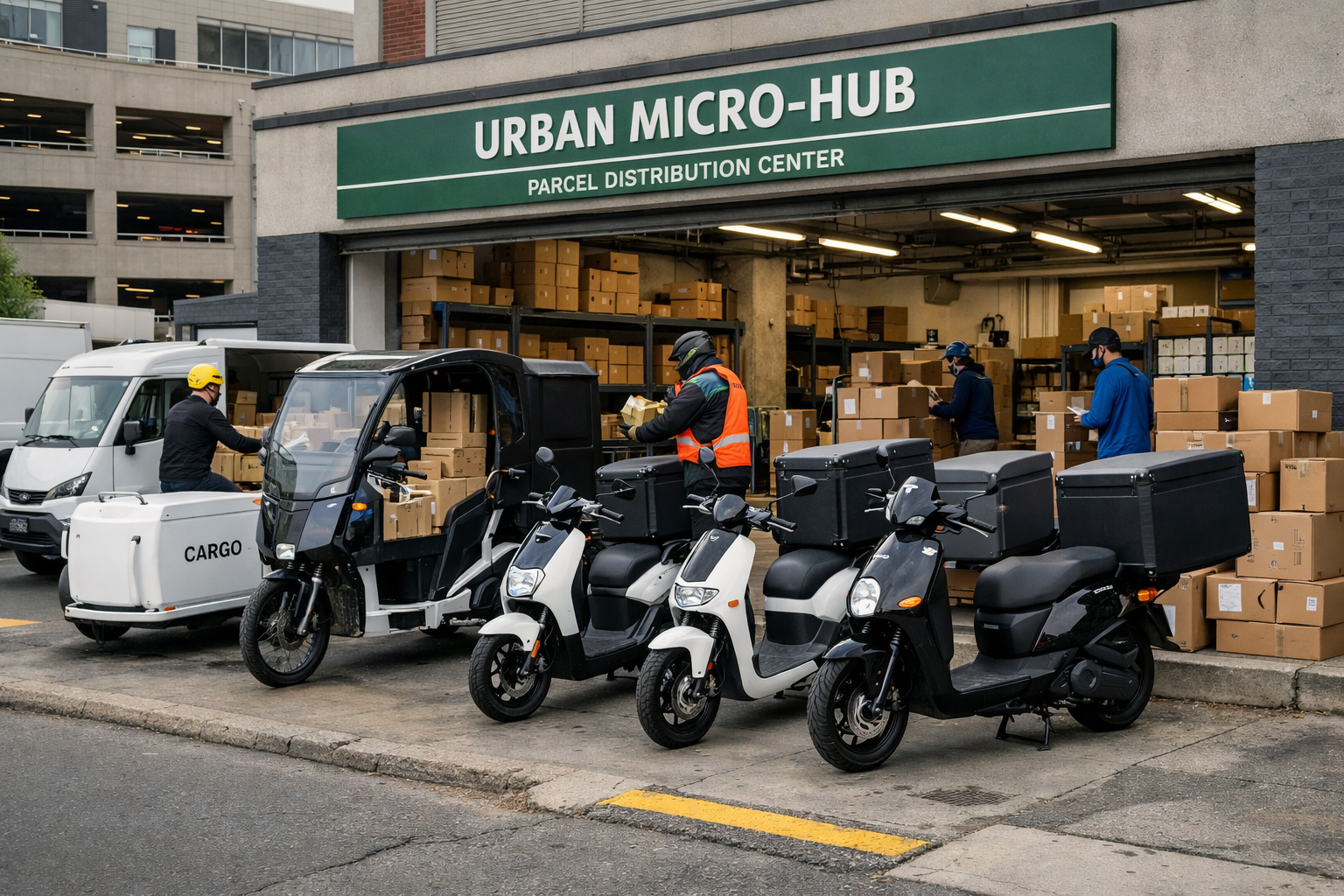
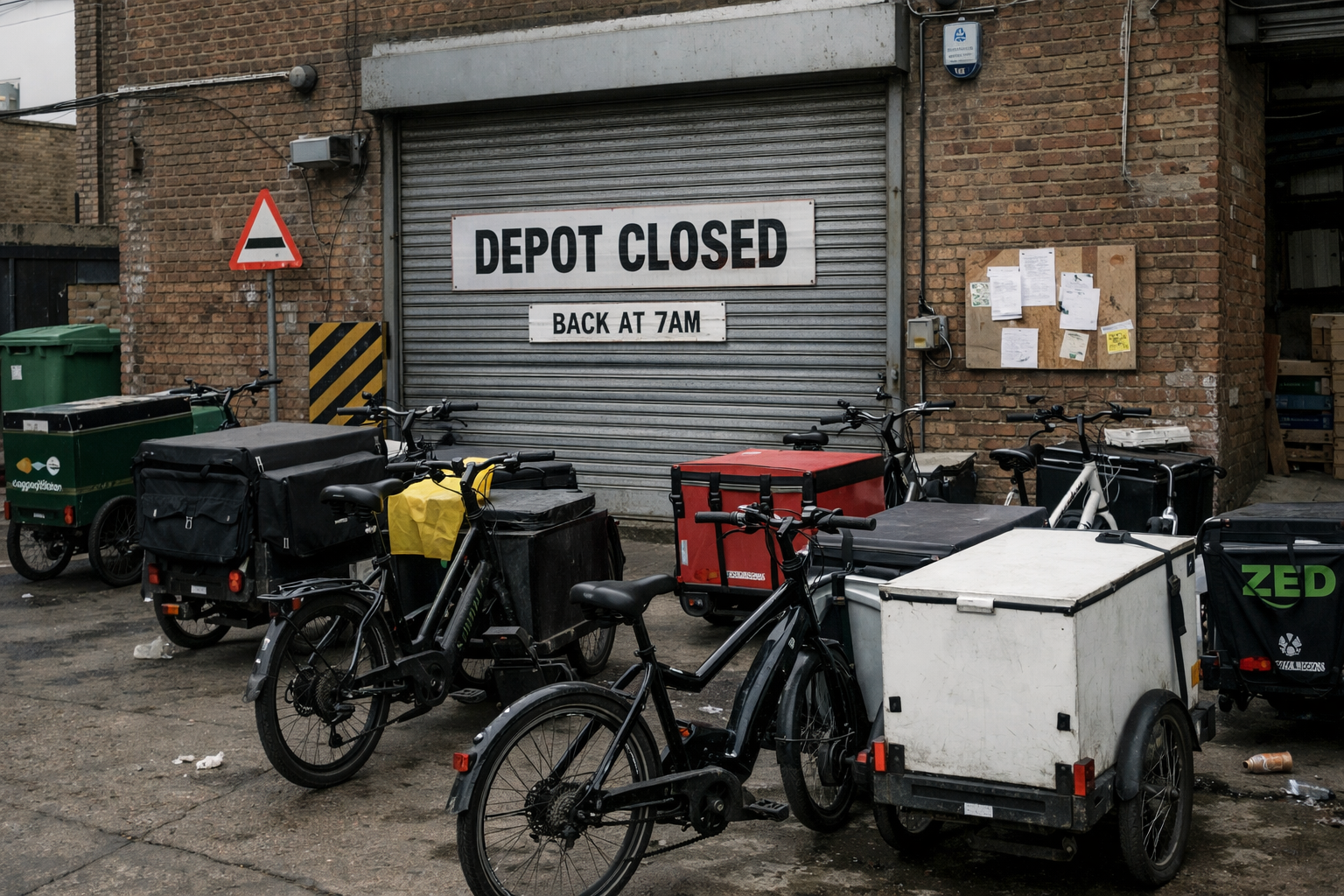
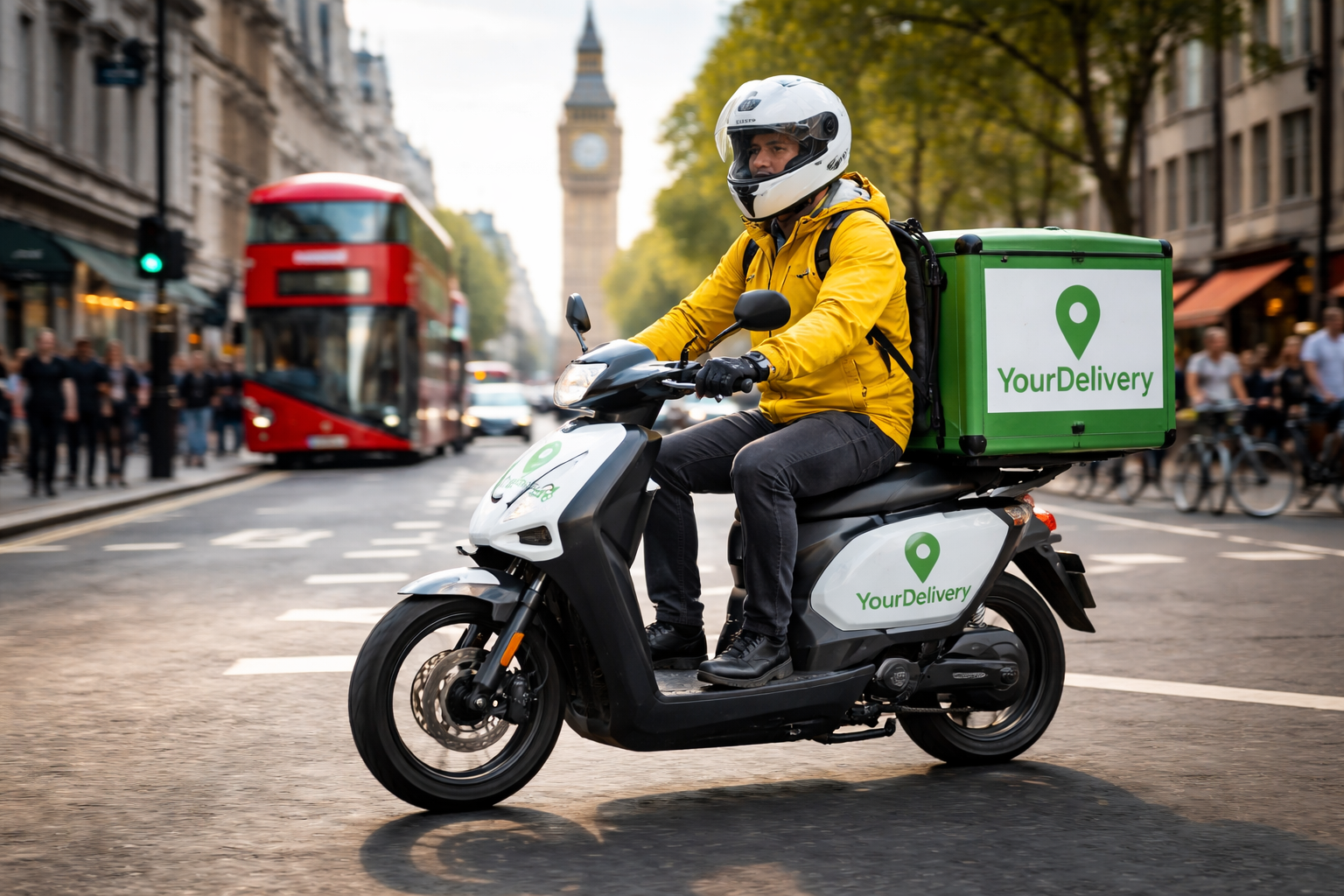
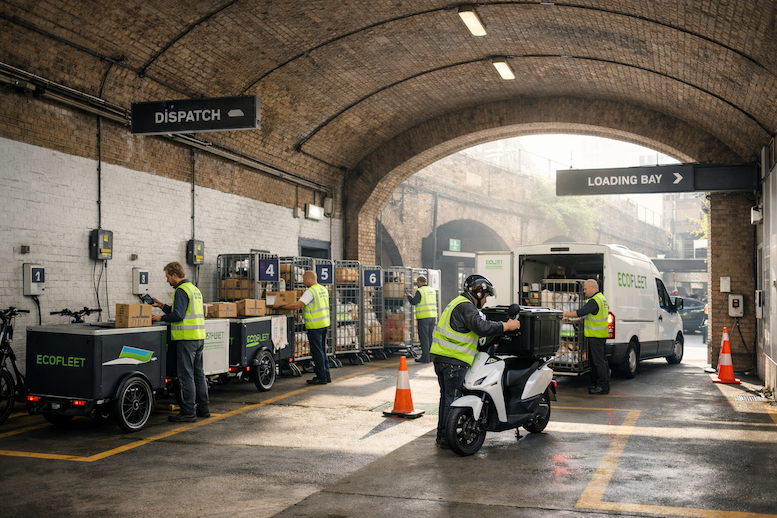
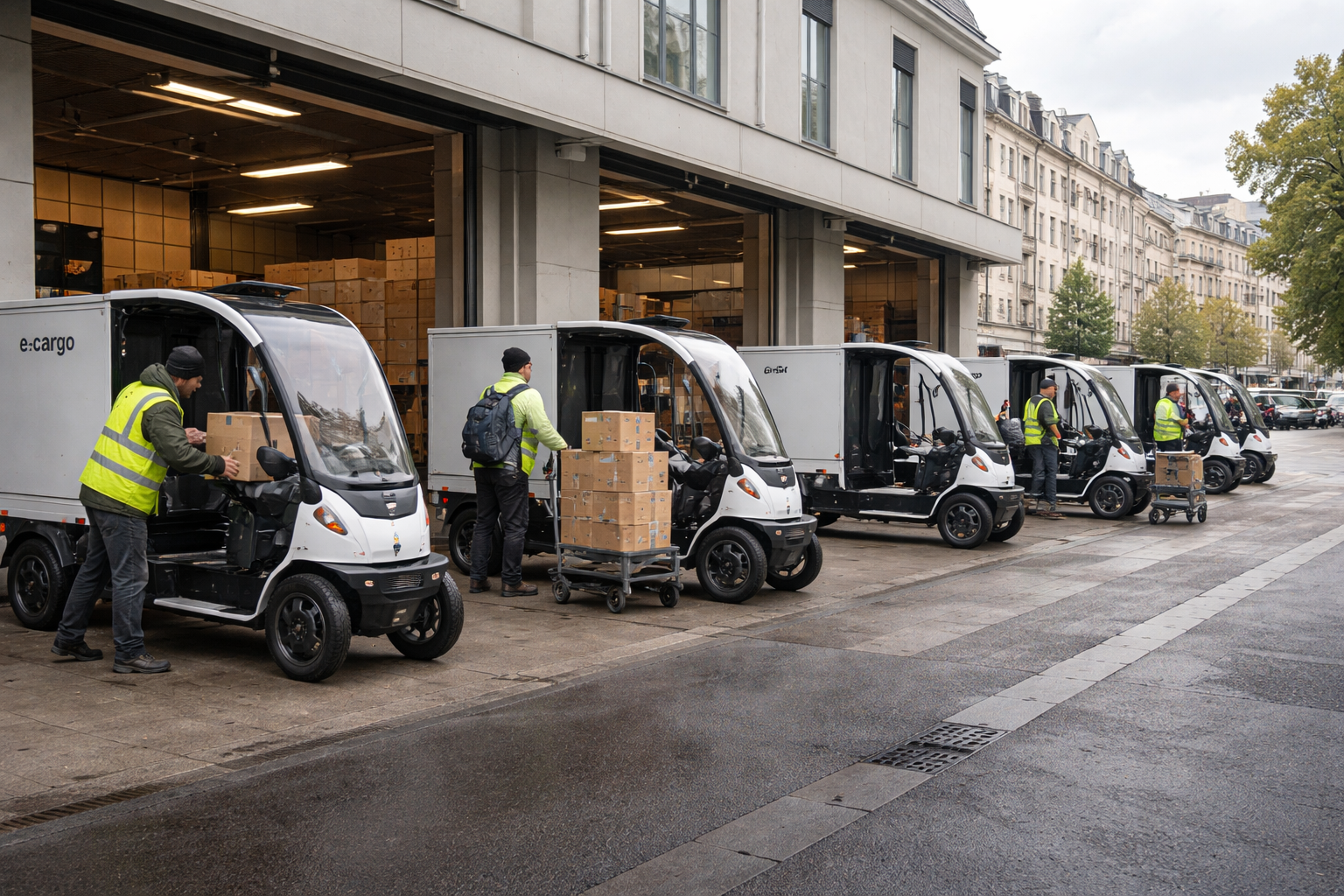
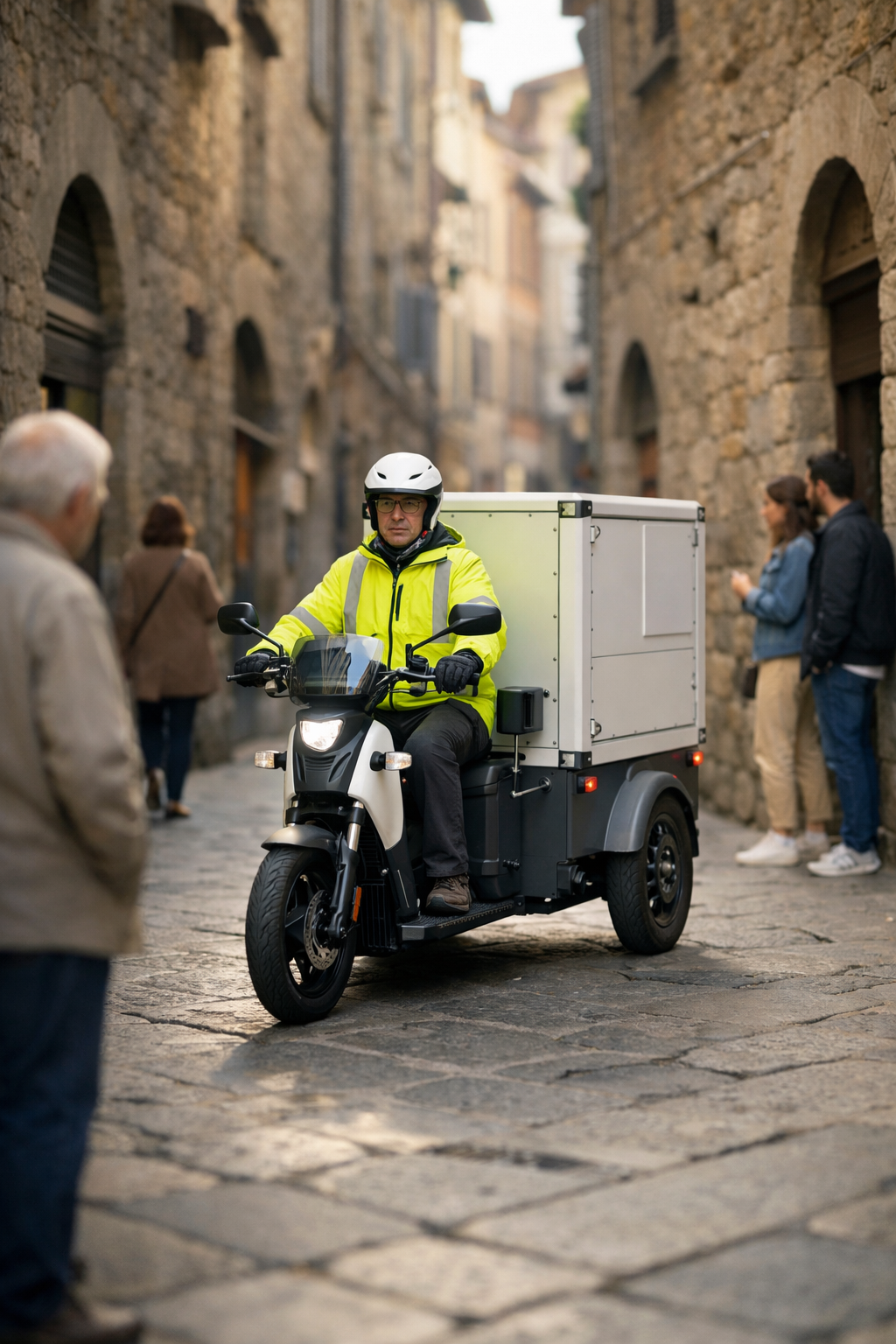
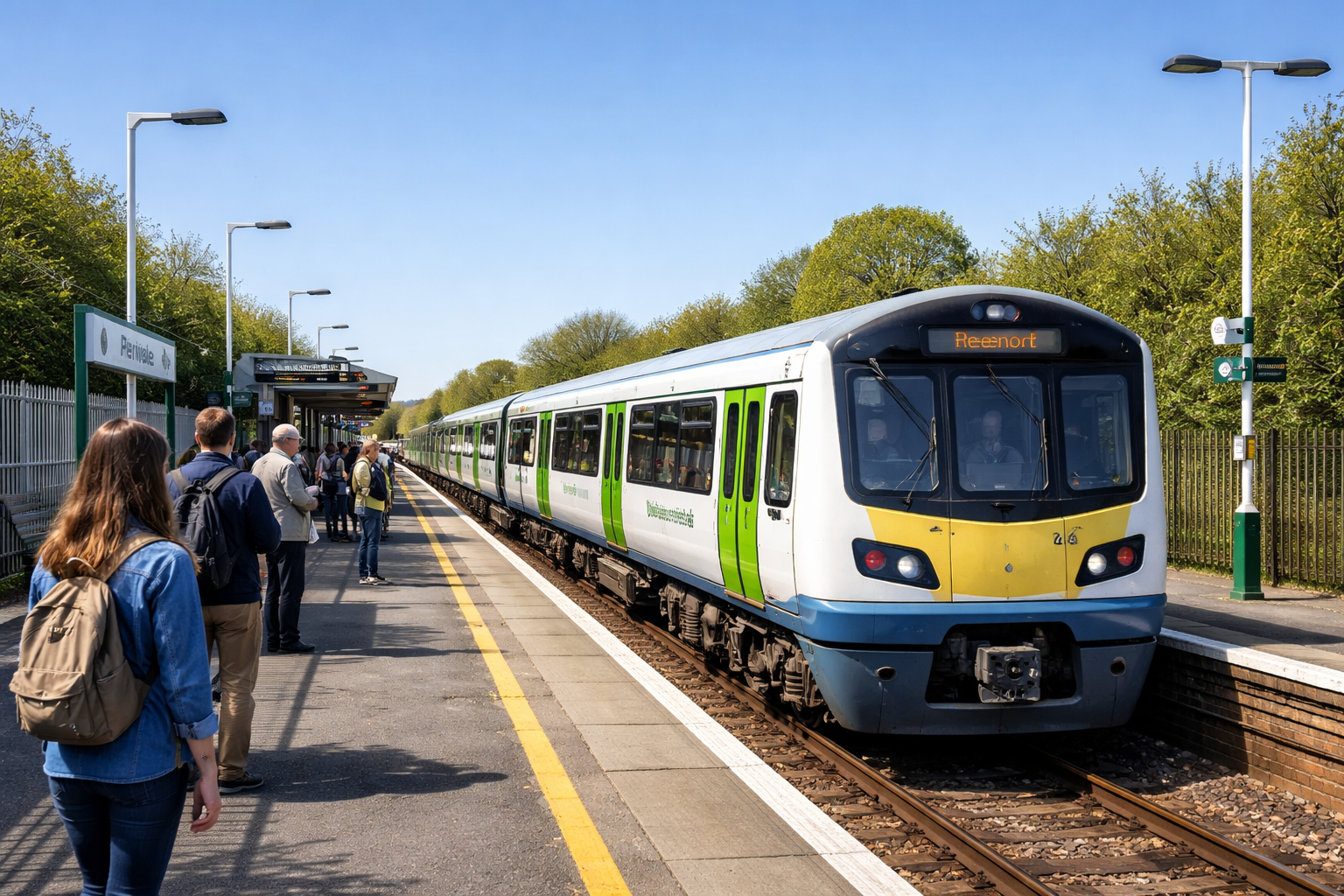
Urban logistics is changing fast. The traditional delivery van is no longer the only vehicle handling the last kilometre of e‑commerce shipments. Cargo bikes, electric mopeds and small electric carts are now becoming a core part of delivery fleets in major cities. One clear example is Amazon’s recent milestone: more than 100 million deliveries across Europe using cargo bikes, electric mopeds and push carts.  This scale shows that micromobility logistics is no longer experimental. Instead, it is becoming a practical strategy for navigating the constraints of city centres. Urban areas present unique challenges for delivery vehicles. Narrow streets, restricted access zones and limited parking slow down traditional vans. Drivers often spend significant time searching for loading space or dealing with congestion. Cargo bikes solve several of these problems. Because they are smaller, riders can use bike lanes, reach pedestrian areas and park directly near delivery addresses. In dense neighbourhoods this often leads to faster deliveries and more stops per hour. Electric mopeds fill another niche. They offer greater range and speed than bicycles while remaining compact enough for city traffic. For food delivery platforms and courier services, these vehicles balance efficiency and flexibility. The key to making these systems work is infrastructure. Many operators now use micro‑hubs located close to high‑demand areas. Parcels arrive at the hub in larger vehicles and are then transferred to cargo bikes or mopeds for the final leg of the journey. This approach reduces the number of vans entering city centres while keeping delivery times short. Cities are beginning to support these changes. Some municipalities are creating dedicated cargo‑bike parking zones, loading bays and consolidation hubs. These policies recognise that urban freight is evolving and needs infrastructure designed for smaller vehicles. The shift toward micromobility fleets is likely to continue as e‑commerce grows and cities introduce stricter emissions rules. Instead of replacing vans entirely, the future of delivery will probably involve mixed fleets where each vehicle type handles the routes it performs best. Cargo bikes, mopeds and electric vans working together could become the standard model for urban logistics.
By avro fleet team March 14, 2026
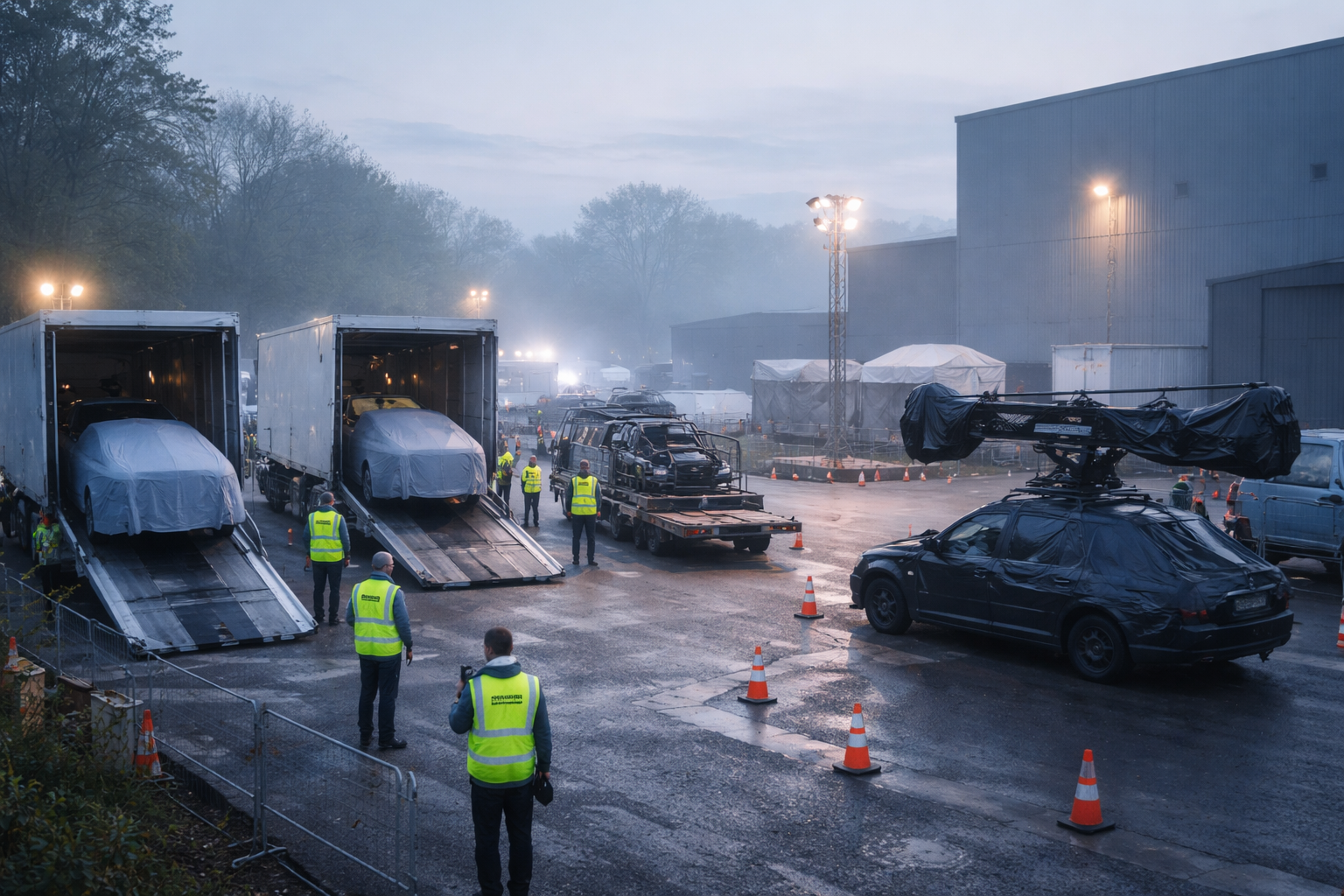
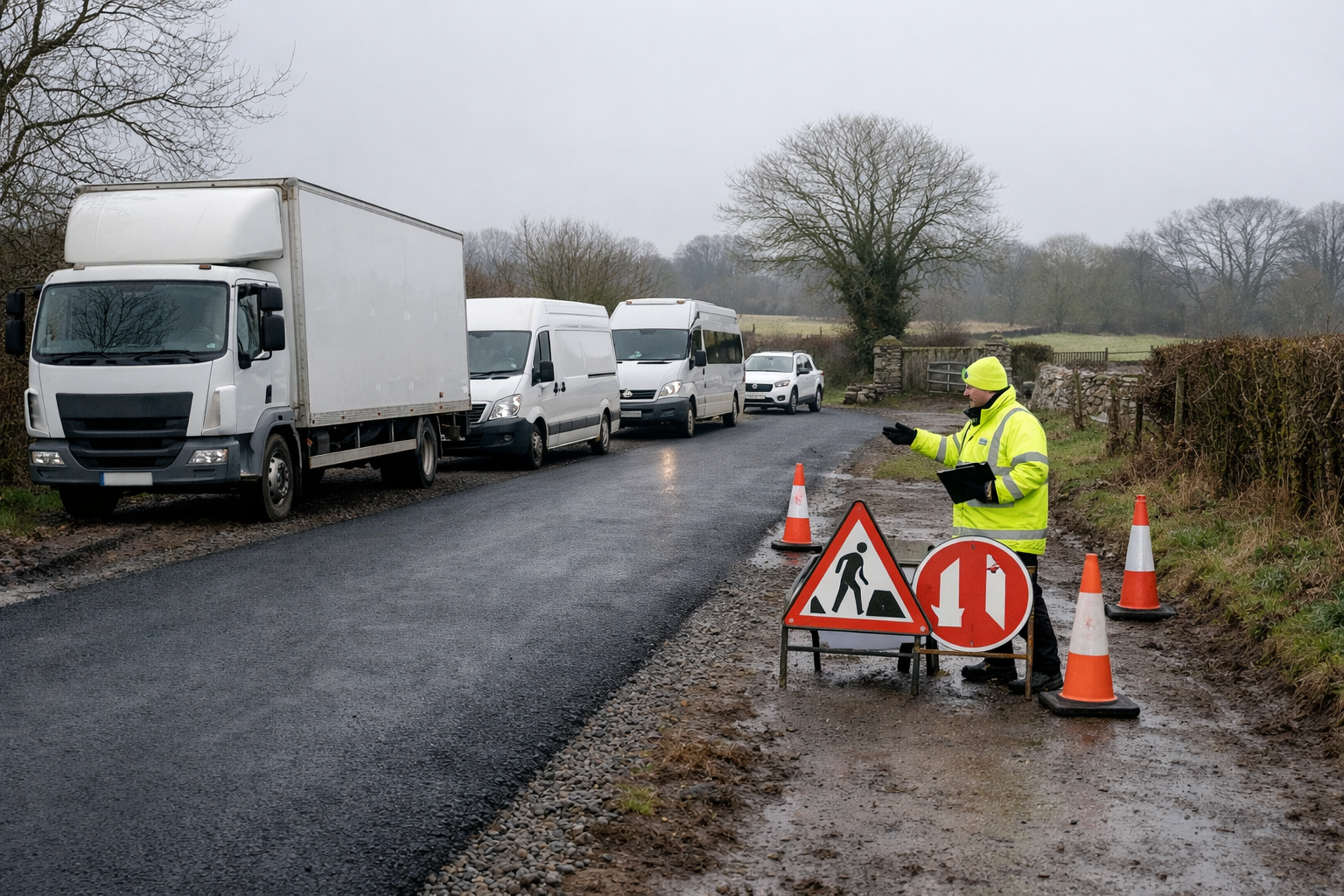
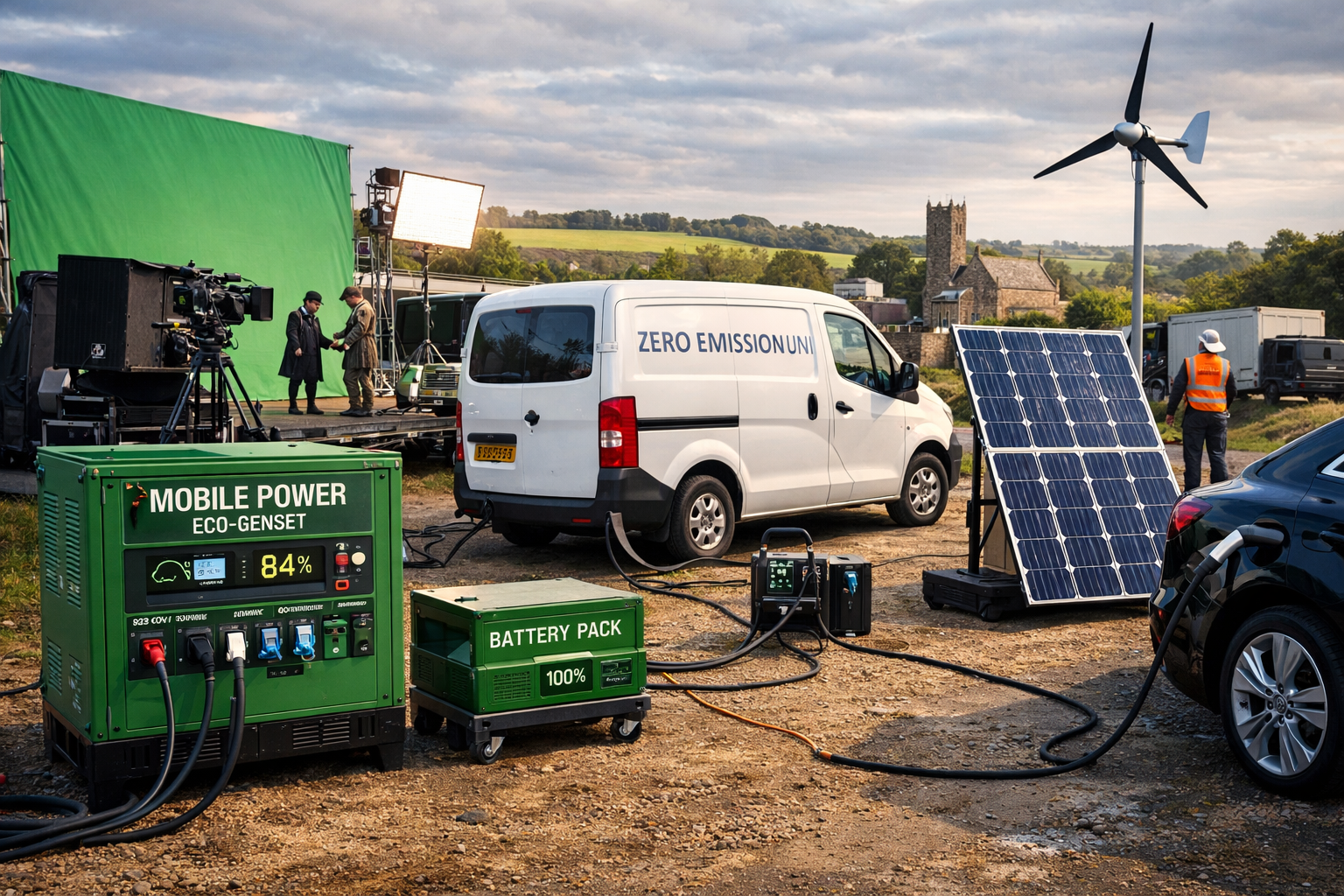
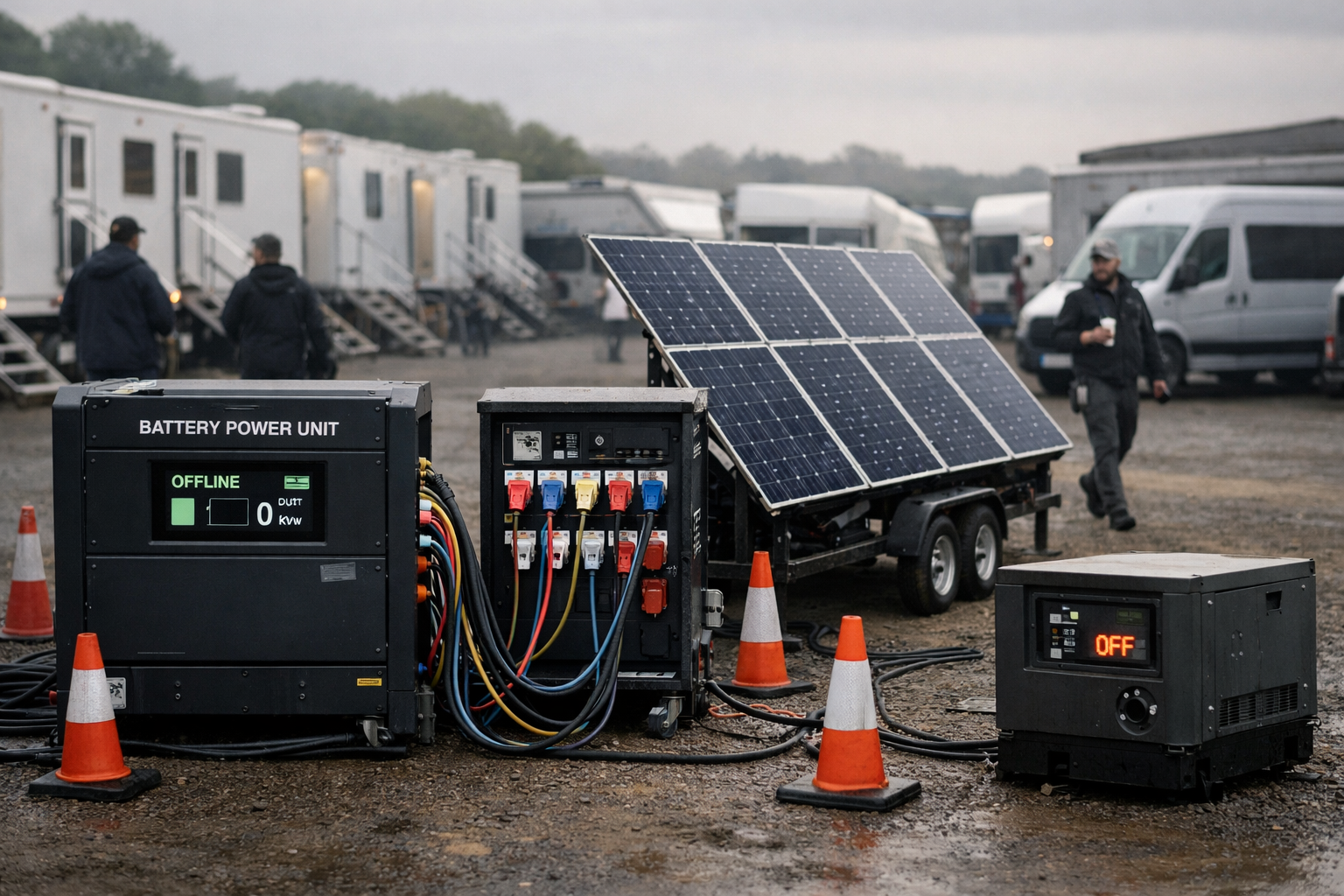
When audiences watch a film, they see the action on screen. What they rarely see is the logistics required to place those vehicles in front of the camera. Cars, trucks and specialist camera vehicles rarely live near the locations where scenes are filmed. Modern productions move frequently between cities, states and sometimes countries. As a result, vehicle transport has become a critical part of film production logistics. Why vehicles travel so much during production Film projects often change locations several times during shooting. One location might provide city streets, another might offer tax incentives, and a third might match the landscape described in the script. When the production moves, many of the vehicles move with it. These can include: Hero or “picture” cars used in close‑up scenes Backup vehicles that match the same model and colour Stunt cars prepared for crashes or high‑speed driving Camera vehicles used for moving shots Support vehicles used by the transport department Each vehicle plays a specific role in filming. Losing access to one at the wrong moment can delay an entire scene. Transport timing matters more than distance In traditional logistics, the main concern is getting cargo from point A to point B at a competitive price. In film production, timing is often the bigger concern A scene might require a specific vehicle at a precise time because hundreds of crew members are scheduled around that moment. Actors, road permits and location access are also tied to the schedule. If the vehicle arrives late, the production may have to reschedule filming or cancel the scene for the day. That can quickly turn into a very expensive problem. Special handling requirements Production vehicles are rarely treated like normal freight. Many require additional precautions during transport. For example, classic cars may need enclosed transport to avoid damage. Stunt vehicles may have structural modifications that require careful loading. Camera vehicles carrying specialised rigs may need custom securing methods. Insurance, condition reports and secure storage are also common parts of the process. Transport providers working with film productions must understand these risks and plan accordingly. Why vehicle transport rarely gets attention Transport teams usually do their best work when nobody notices them. If the vehicles arrive on time, the department quietly supports the production and filming continues smoothly. But if the transport chain breaks down, the consequences appear immediately on set. Crew members wait. Locations sit unused. Shooting time disappears. For productions working on tight schedules, that kind of delay can ripple through the entire shoot. The role of logistics in modern filmmaking Film and television production is often described as a creative industry, but it also relies heavily on logistics. Behind every scene involving vehicles there is a transport network moving equipment, props and cars across long distances. The audience only sees the finished scene.  The real work often happened days or weeks earlier, when someone made sure the right vehicle arrived in the right place at exactly the right time.
By avro fleet team March 13, 2026
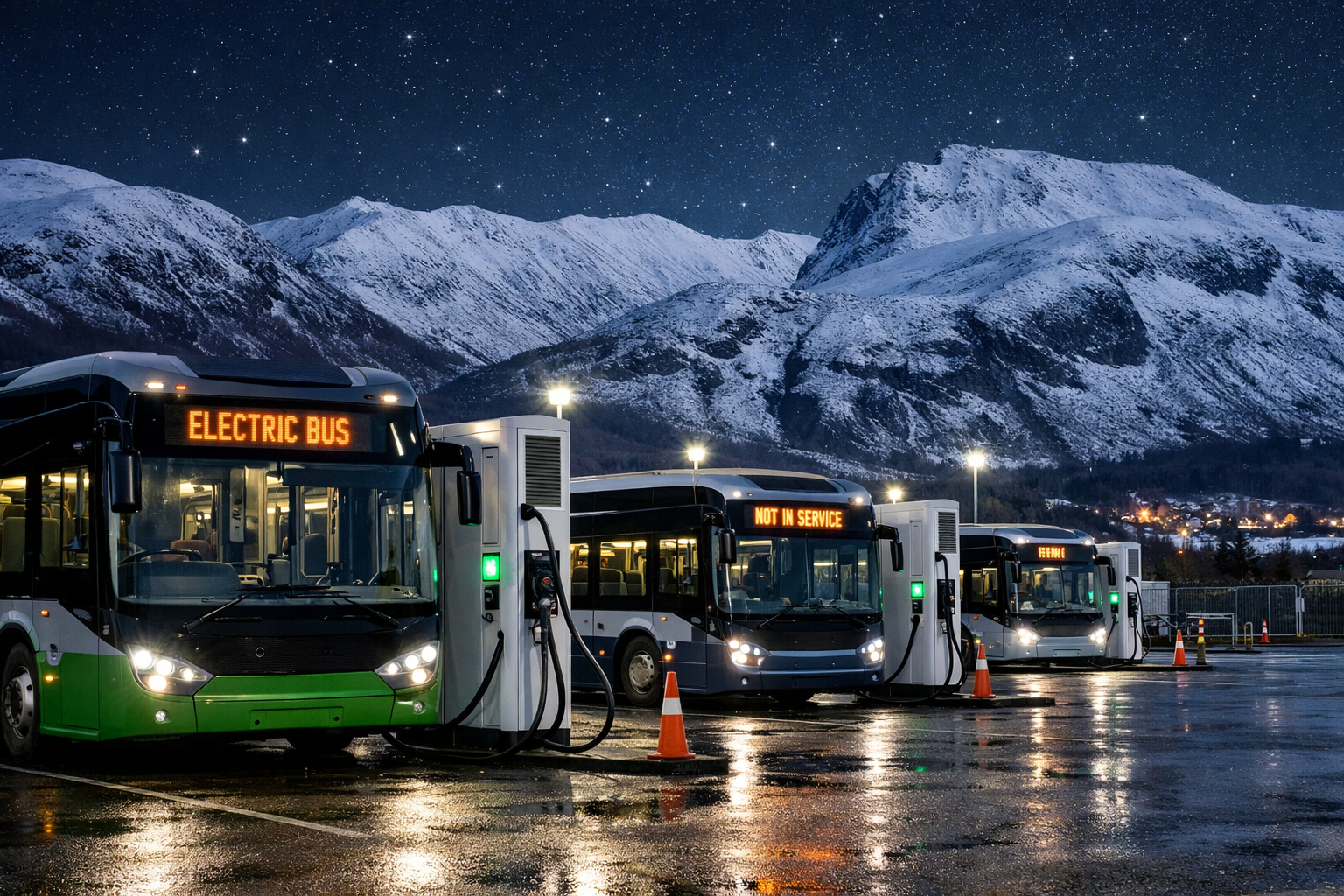
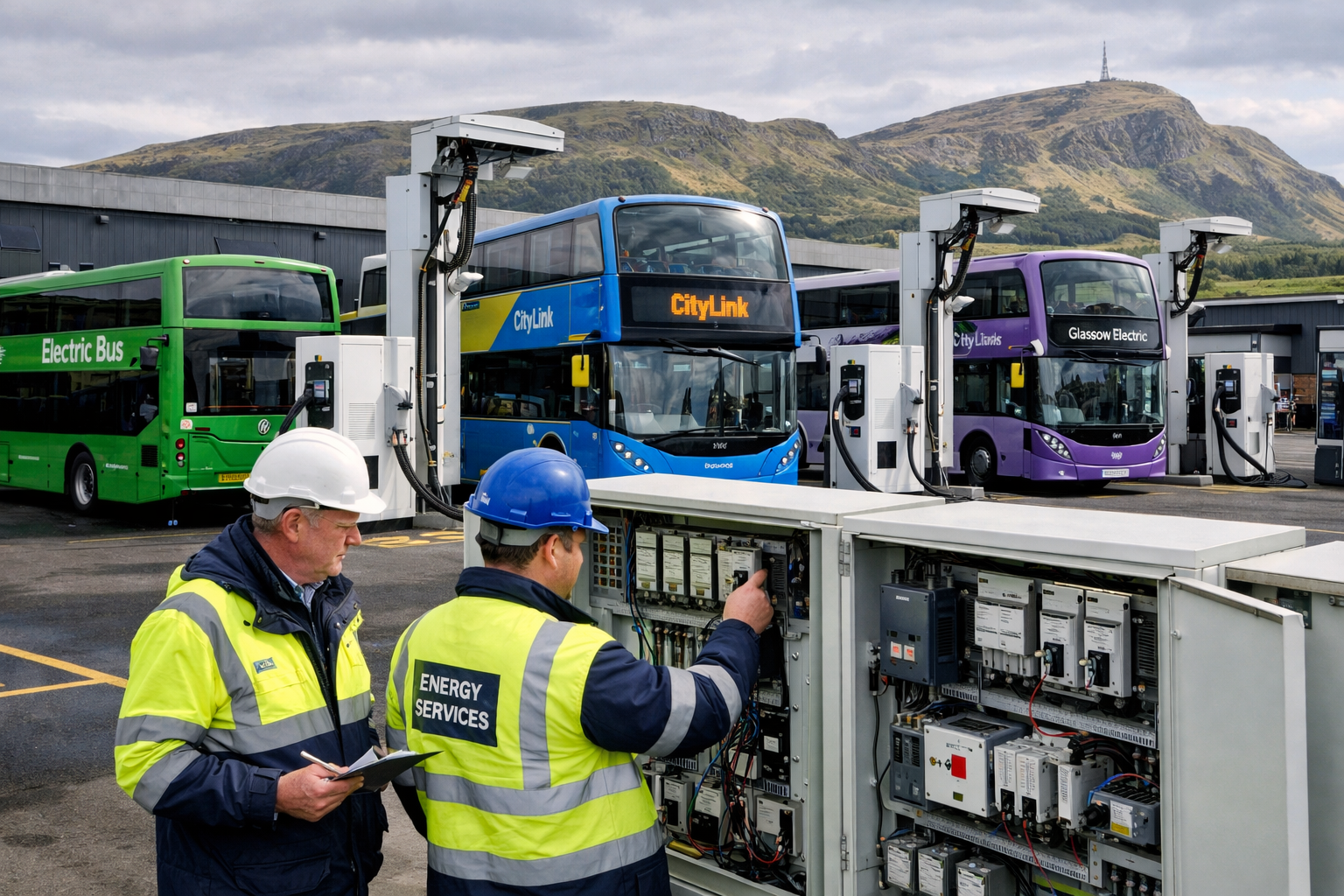
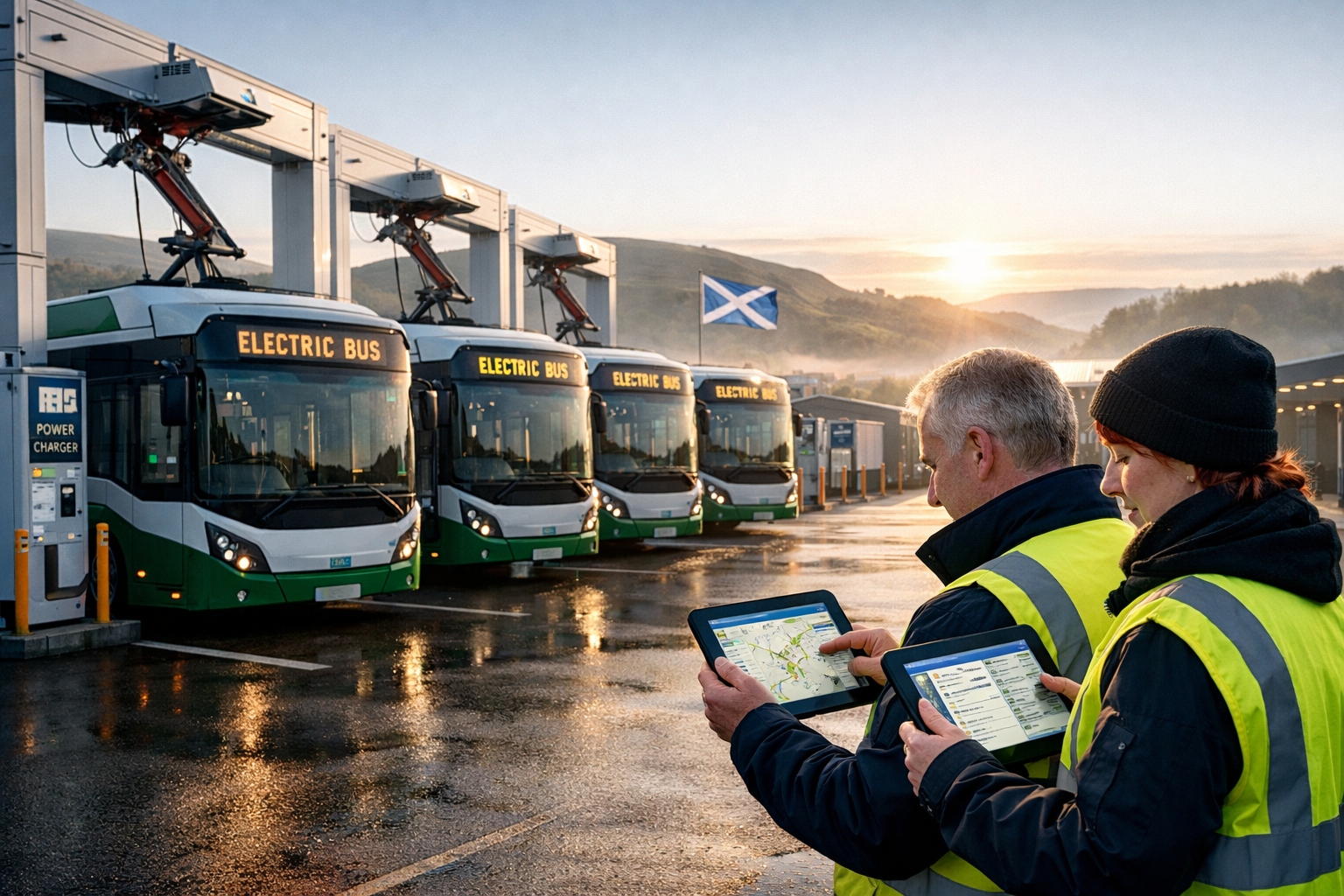
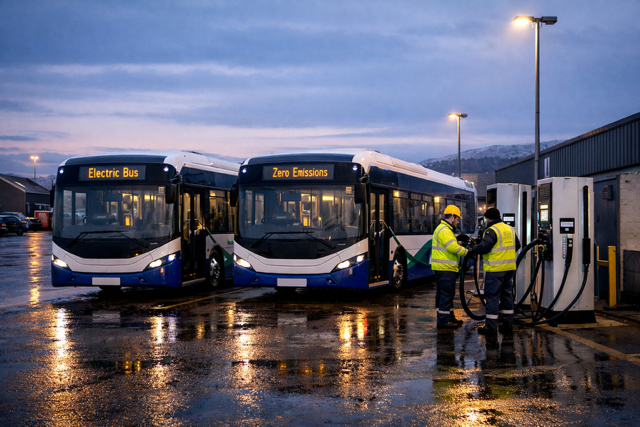
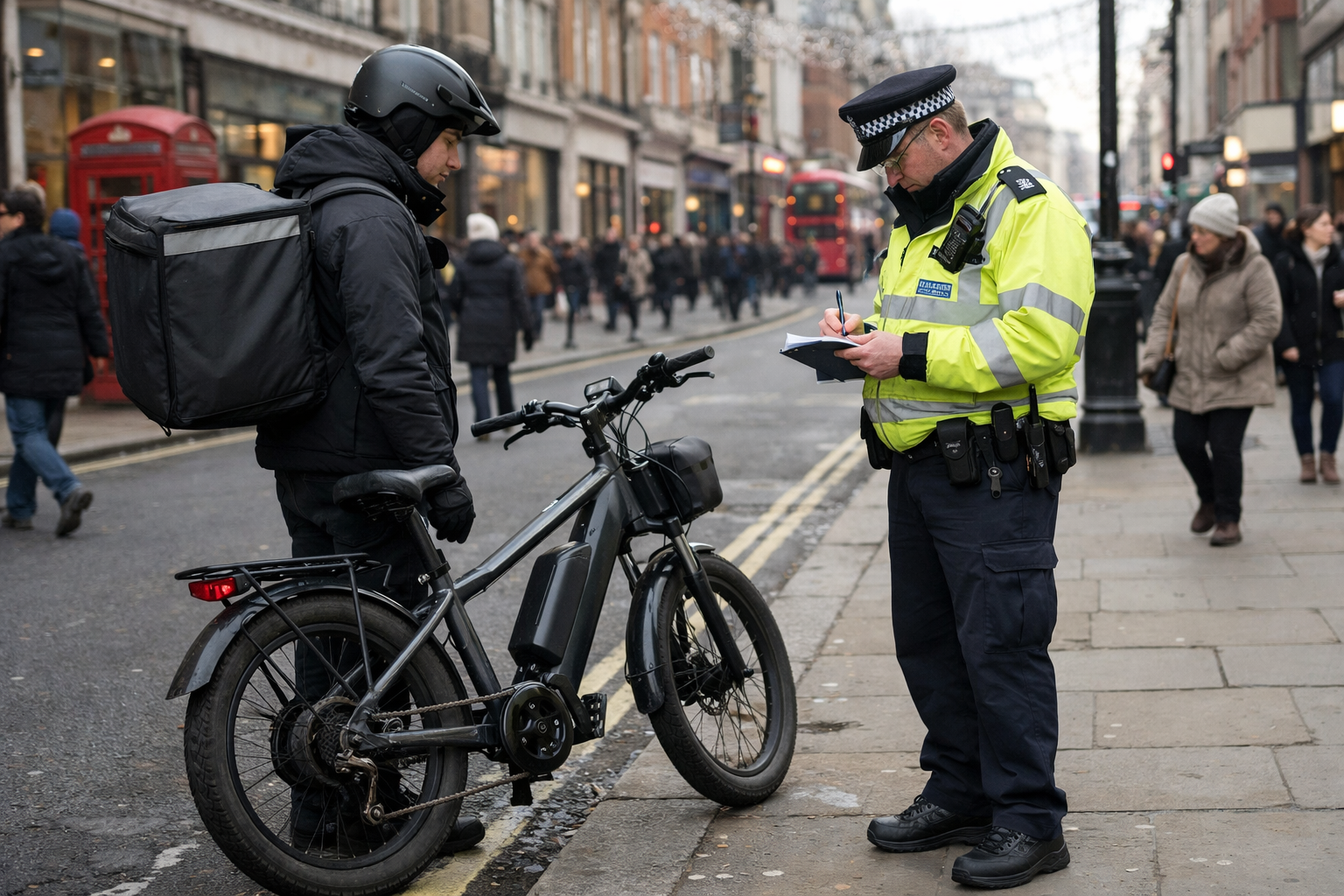
The UK’s push toward lower‑carbon transport is increasingly visible in real projects rather than long‑term policy announcements. Over the past few weeks, developments across rail, commercial fleets and vehicle conversion businesses illustrate how decarbonisation is starting to take shape in practical ways. Three recent stories show where the sector is moving: a battery train entering passenger service, a major EV fleet charging partnership and a new off‑grid workshop focused on converting commercial vehicles to electric power. Battery rail enters passenger service One of the most notable developments is the introduction of a rapid‑charging battery train operating on the Greenford branch line in west London. Instead of relying on overhead wires, the train runs entirely on battery power. At the end of the route, it charges through a high‑power conductor rail installed at the station before beginning the return journey. This technology is attracting attention because many regional rail lines remain dependent on diesel traction. Electrifying these lines with overhead infrastructure can be extremely expensive, particularly where passenger numbers are relatively low. Battery trains offer a different approach. By concentrating electrification infrastructure at stations rather than along the entire route, the cost and disruption of installation can be significantly reduced. If trials continue to perform well, similar systems could be deployed across other branch lines in the UK, gradually replacing diesel trains without requiring large‑scale infrastructure programmes. Fleet electrification gains momentum While rail innovation continues, commercial vehicle fleets are also moving steadily toward electrification. A recent partnership between Sainsbury’s and Openreach highlights how infrastructure collaboration can accelerate that transition. Through the agreement, Openreach engineers will gain access to ultra‑rapid EV chargers installed at supermarket locations across the country. Retail sites are becoming an increasingly important part of the EV charging ecosystem. Supermarkets often have large car parks, convenient locations and existing electrical infrastructure that can support high‑power chargers. By opening these facilities to commercial fleets, companies can expand charging networks without building entirely new sites. For fleet operators, this reduces both cost and operational risk when switching to electric vehicles. As more businesses electrify their vans and service vehicles, partnerships like this may become a common model for expanding charging access nationwide. Converting vehicles instead of replacing them Another emerging trend is vehicle conversion. Instead of replacing entire fleets with new electric models, some companies are converting existing vehicles to electric powertrains. A UK engineering firm has begun developing the country’s first fully off‑grid workshop dedicated to electric vehicle conversions. Powered by renewable energy and battery storage, the facility is designed to minimise operational emissions while converting light commercial vehicles to electric power. Conversion projects can be particularly appealing for fleets with relatively new vehicles that still have years of service life remaining. Rather than scrapping them early, businesses can retrofit electric drivetrains and extend their useful life. This approach also reduces the environmental impact associated with manufacturing entirely new vehicles. While conversion may not replace large‑scale manufacturing of new electric vans and trucks, it could play a meaningful role in accelerating the transition for certain fleet types. A gradual shift toward practical deployment Taken together, these developments highlight a broader pattern in the UK’s green transport transition. Large infrastructure programmes and long‑term climate targets remain important. However, many of the most meaningful changes are now emerging from practical engineering solutions that can be deployed quickly. Battery trains allow regional rail routes to remove diesel traction without massive electrification projects. Retail charging networks help fleets access reliable EV infrastructure. Vehicle conversions give businesses another pathway to electrify existing assets. None of these developments alone will decarbonise the transport system. But together they show how progress often occurs through incremental steps rather than single transformative breakthroughs. The next challenge will be scaling these ideas. Pilot projects and early deployments provide valuable data, but the long‑term impact will depend on how widely these technologies are adopted across the transport network. If deployment continues to expand, the quiet changes happening today could play a significant role in reshaping how people and goods move across the UK.