NEPTS contract award: why non-emergency patient transport is a patient flow issuee rental pilot: a practical shift in delivery tech
Non-emergency patient transport (NEPTS) rarely makes the news, but it is one of the quiet systems that holds hospital flow together.
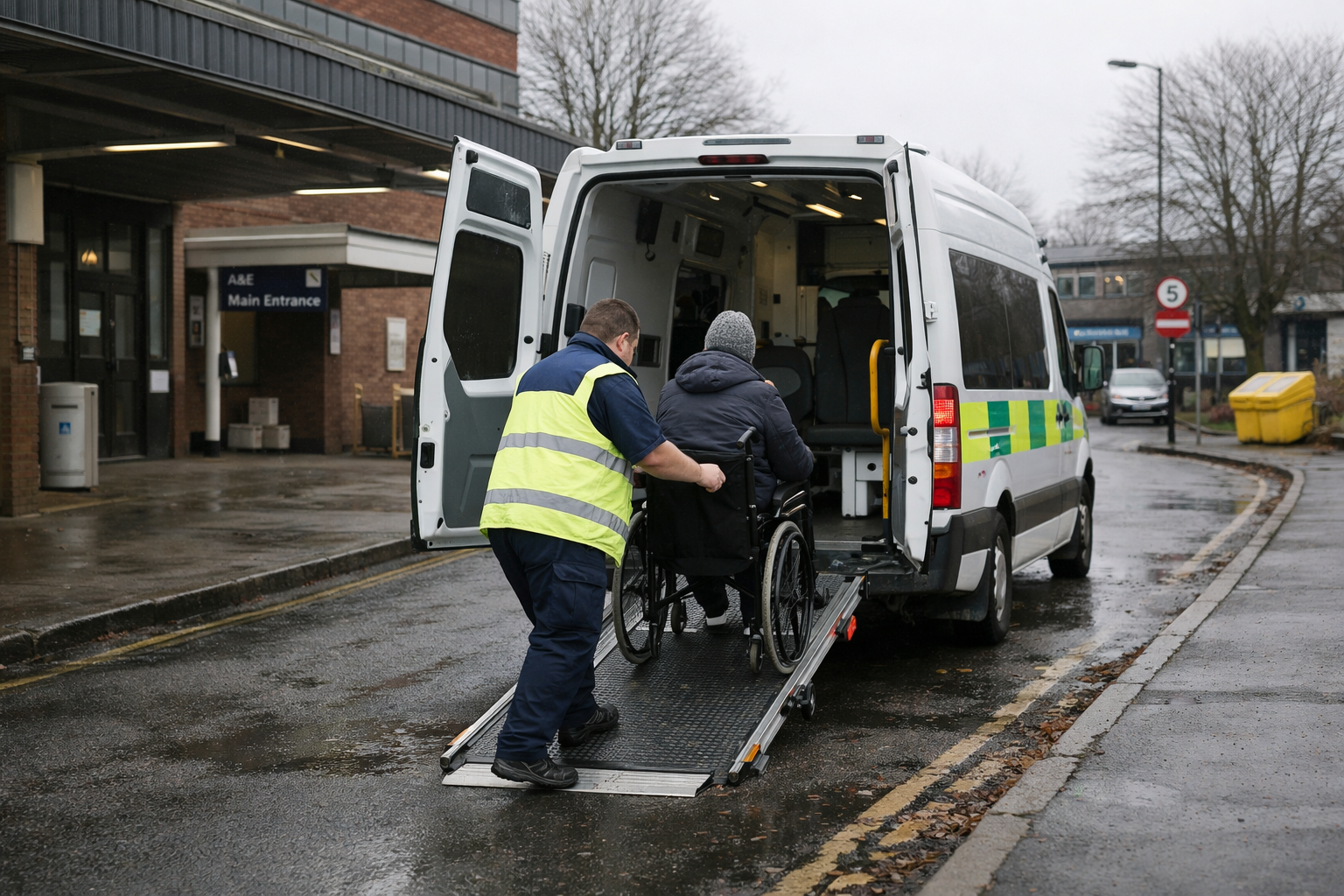
A recent Find a Tender award notice shows Great Western Hospitals NHS Foundation Trust awarding a “Provision of Non Emergency Patient Transport” contract to Ambulnz Community Partners Ltd. The notice describes journeys including inpatient discharges, transfers to discharge support facilities, wait-and-return outpatient appointments, and ad-hoc transfers authorised to support patient flow for patients registered with BSW ICB GPs. Estimated contract dates run from 1 April 2026 to 31 March 2028, with possible extension to 31 March 2030.
That description matters because it tells you what NEPTS is really doing: it is not “just transport”. It is operational glue.
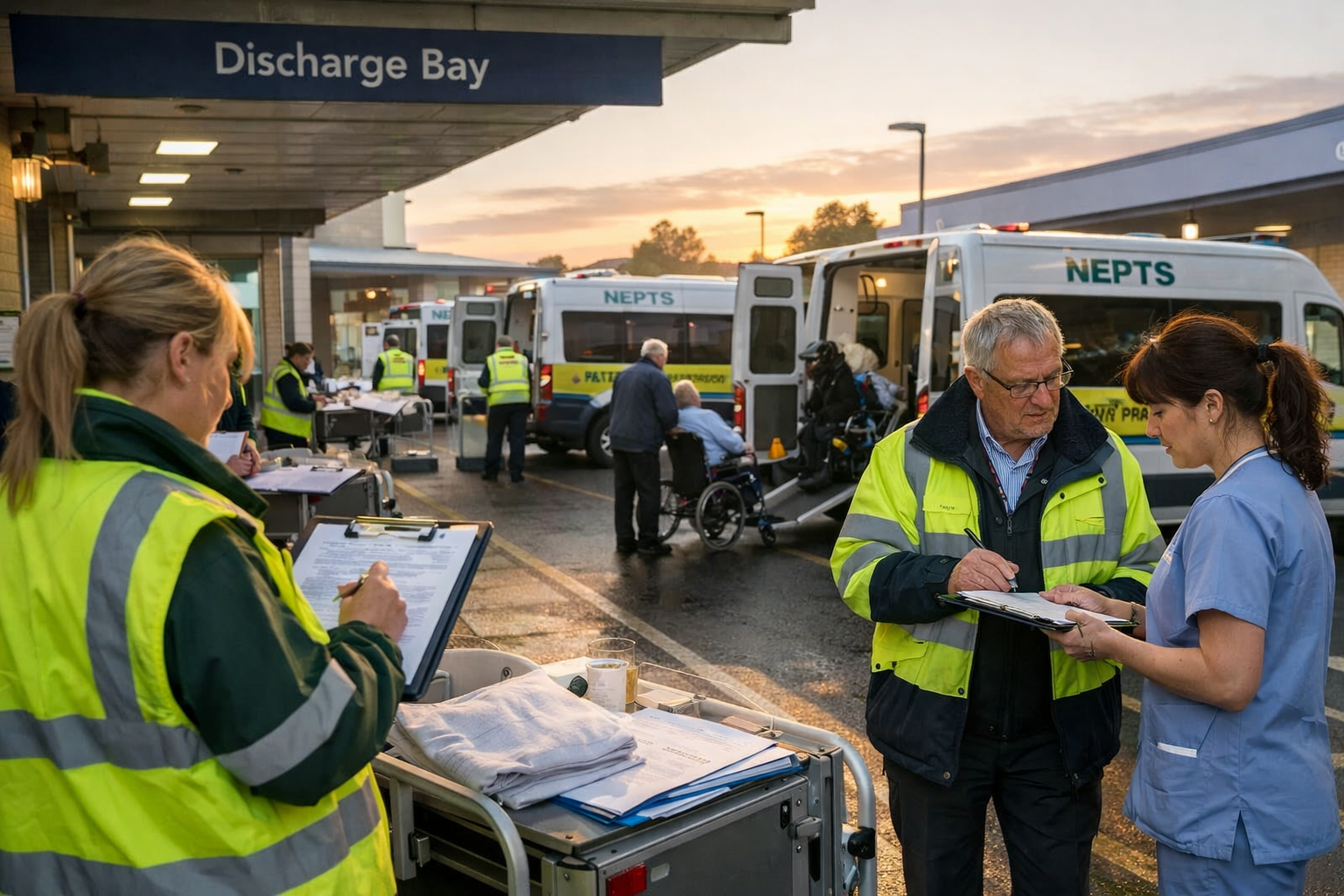
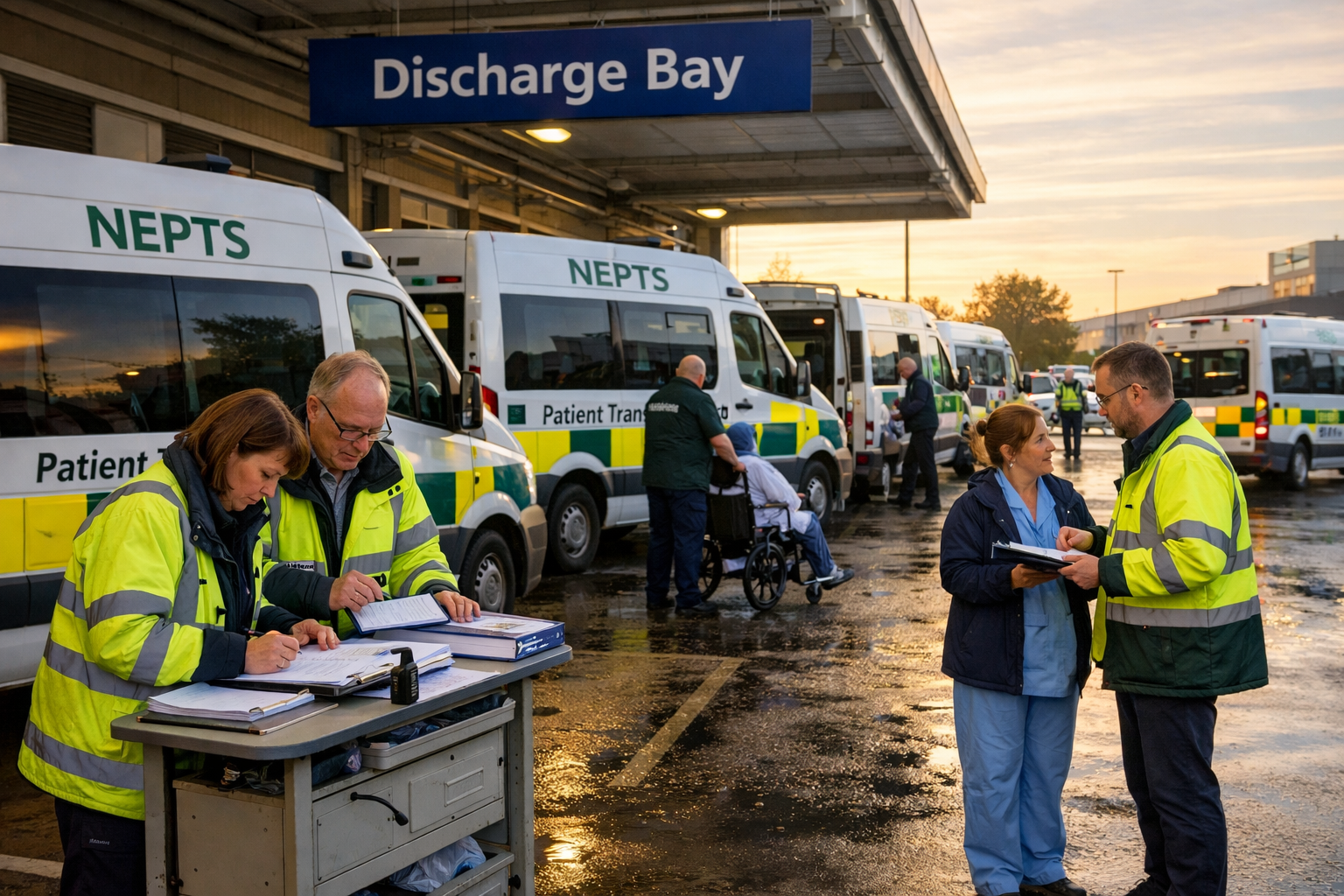
Discharge transport affects bed capacity
If discharge transport is delayed, patients stay longer than planned, beds are blocked, and wards struggle to accept new admissions.
Even small delays can ripple across the day. That is why more trusts talk about transport as part of patient flow, not as a standalone service.
A strong NEPTS model supports discharge by:
- Providing reliable pickup windows
- Handling short-notice changes
- Communicating clearly with wards and families
- Ensuring the right vehicle and crew for the patient’s needs
- Outpatient journeys protect access to care
Wait-and-return journeys for clinic appointments sound simple, but they often involve people with mobility needs, complex conditions, or safeguarding requirements. When transport fails, appointments are missed and lists get longer. That creates avoidable pressure on services that are already stretched.
Transition is where quality is won or lost
A contract award is a milestone, but the patient experience is shaped by the transition:
- Booking and dispatch processes
- Call handling standards
- Staff onboarding and local knowledge
- Incident reporting and complaints handling
- Coordination with wards, clinics, and discharge teams
The notice also shows 11 tenders were received. That level of competition is a reminder that providers need to show not just price, but dependable delivery.
Procurement routes are widening
Alongside individual tenders, the NHS is also building routes to market through national frameworks. NHS SBS has a Transportation and Travel Services for Health framework that covers non-emergency patient transport and is positioned in the context of longer-term decarbonisation aims.
For providers, that means two things:
- Evidence and performance data matter more than ever
- Fleet planning has to keep pace with policy, not just contracts
The takeaway?
NEPTS is not a “nice to have”. It is a practical lever for better patient flow, fewer missed appointments, and calmer wards. Providers who can make the service feel boring and predictable are usually the ones who win trust.

You might also like