Robotaxis coming to UK streets: what pilots mean for cities, drivers and regulators
Robotaxi pilots are moving from demonstration events to on-street trials in the UK.
Major ride‑hailing firms have announced plans to test Baidu-made autonomous vehicles in 2026, leveraging the UK’s legal framework for automated vehicles. That shift could change how people move around cities — but it raises practical questions for everyday operations and for those who work in the sector now.
What the pilots will test
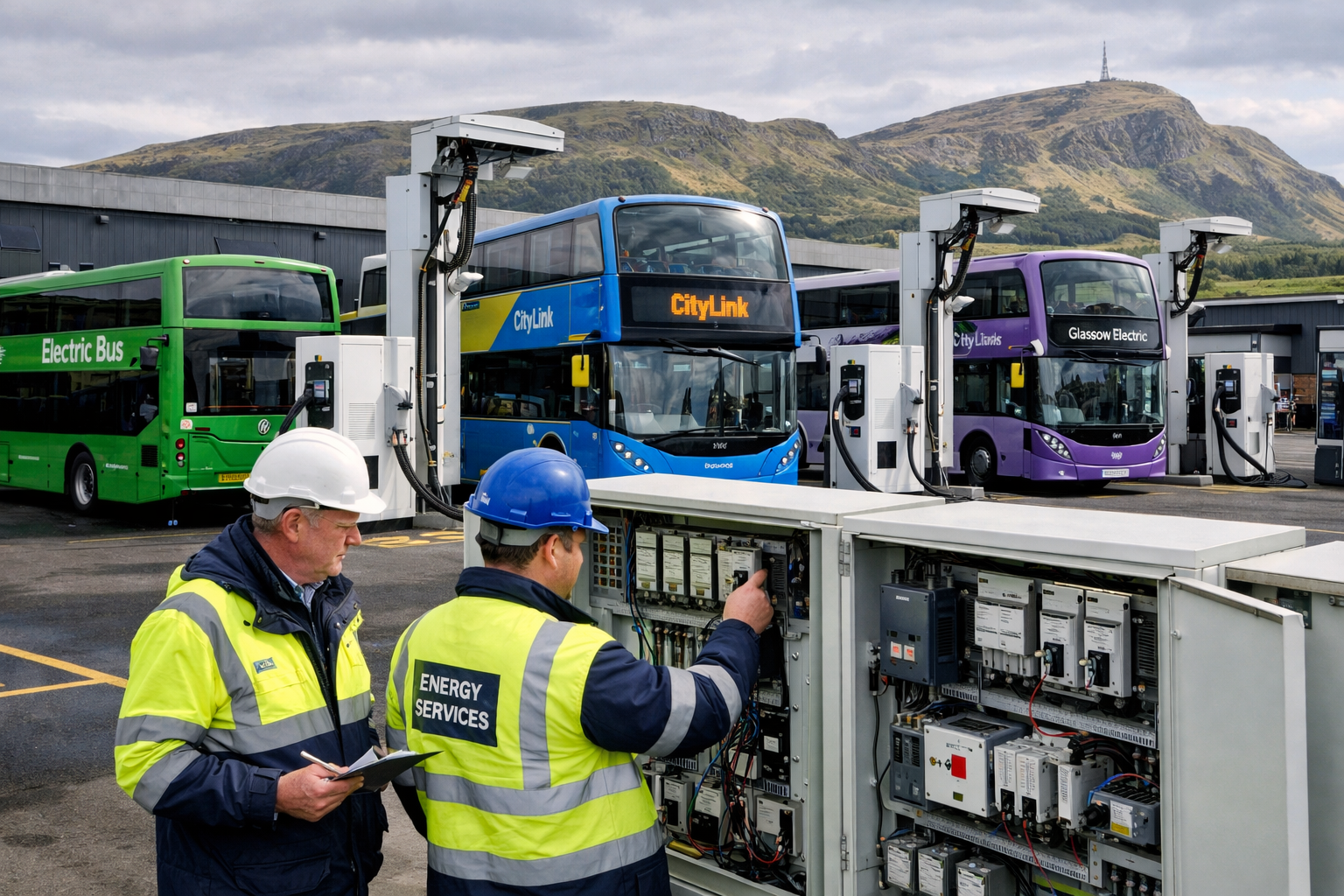
Early trials focus on limited, geofenced areas and a mix of technical and operational questions: how vehicles handle complex junctions, how they share space with cyclists and pedestrians, how incidents are reported, and how charging and vehicle staging will work. Trials also test service models — for example whether robotaxis will operate as pooled services or on-demand single trips. Regulators expect detailed safety data, incident reporting and local coordination before any expansion beyond pilot zones.
City design and congestion risks
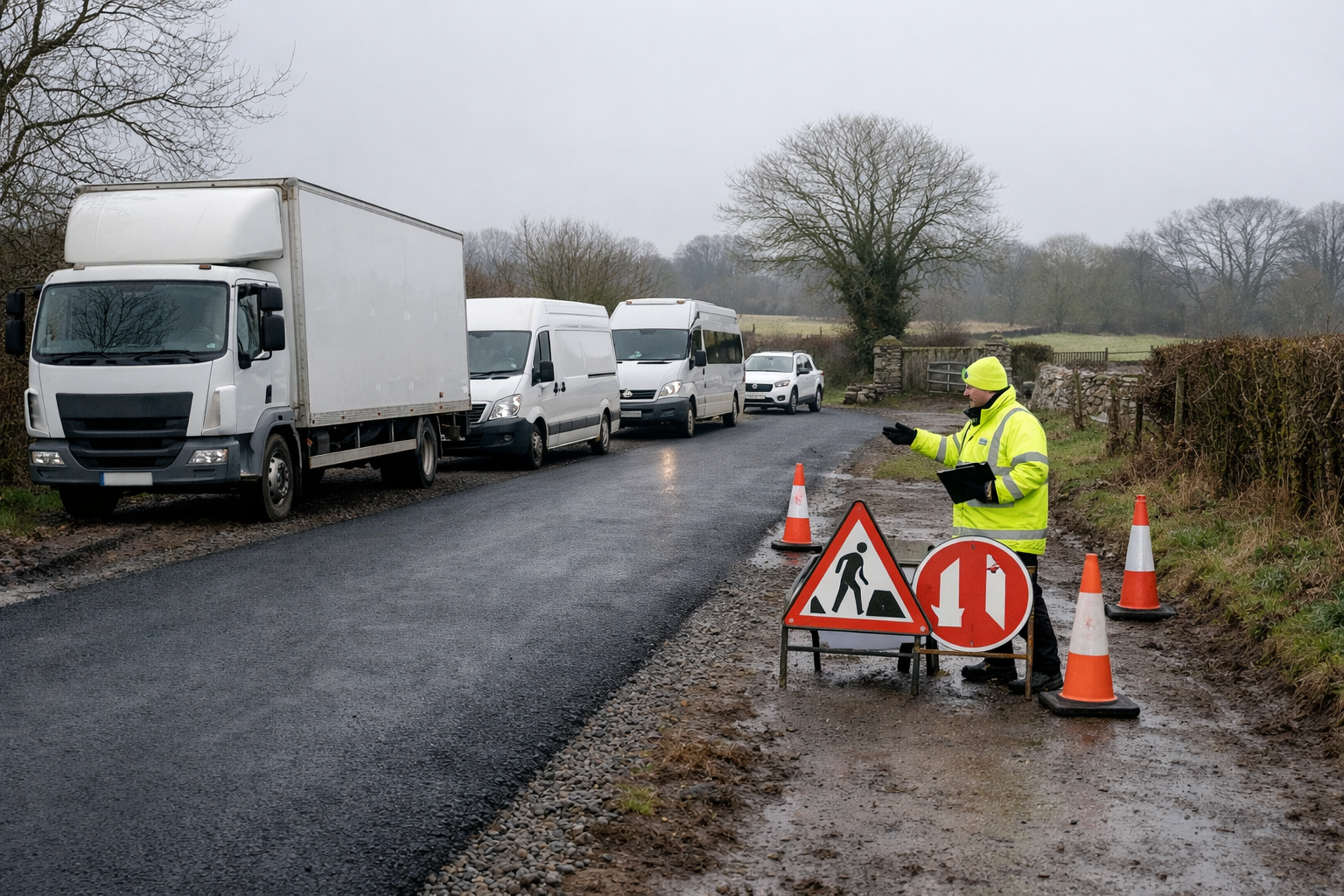
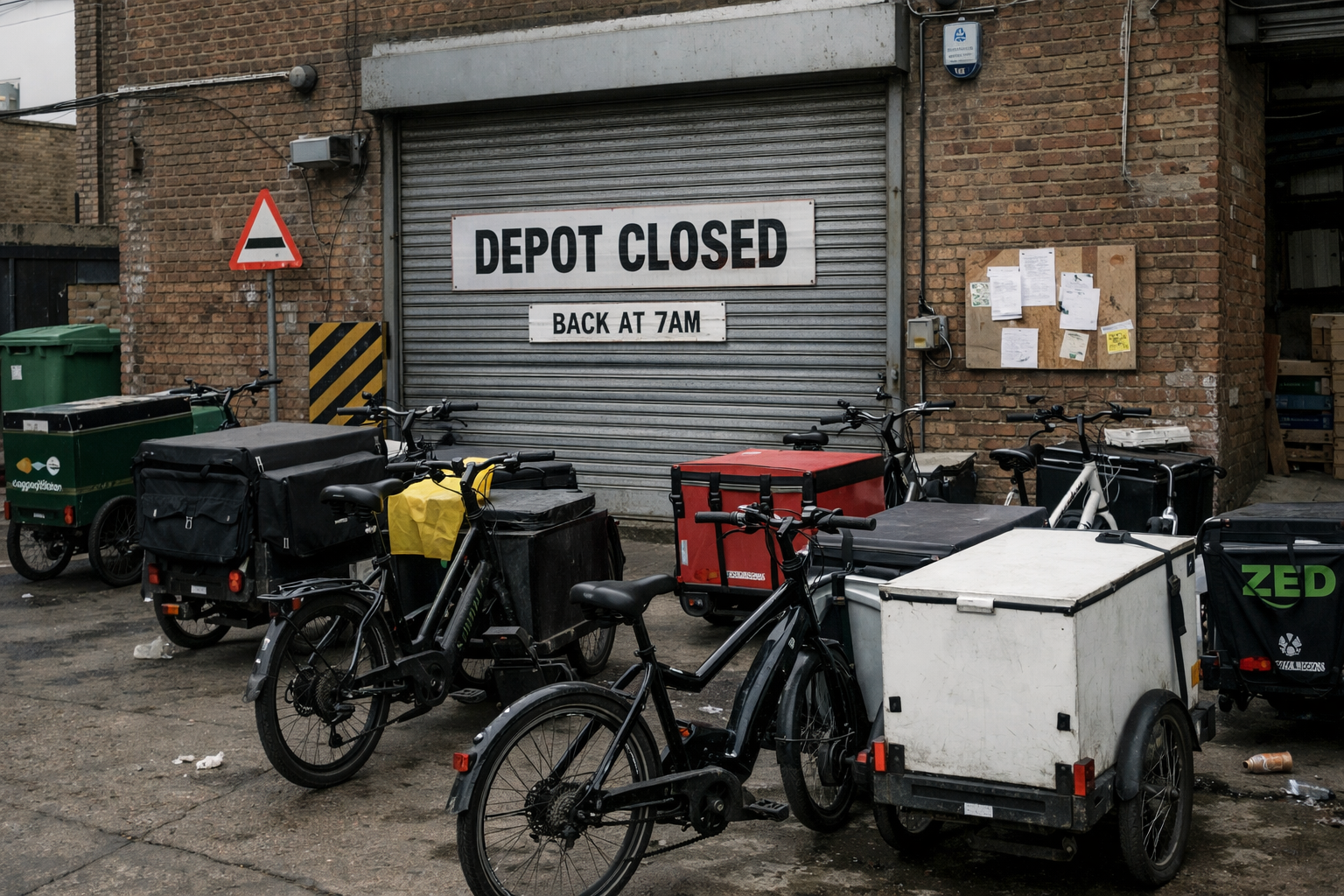
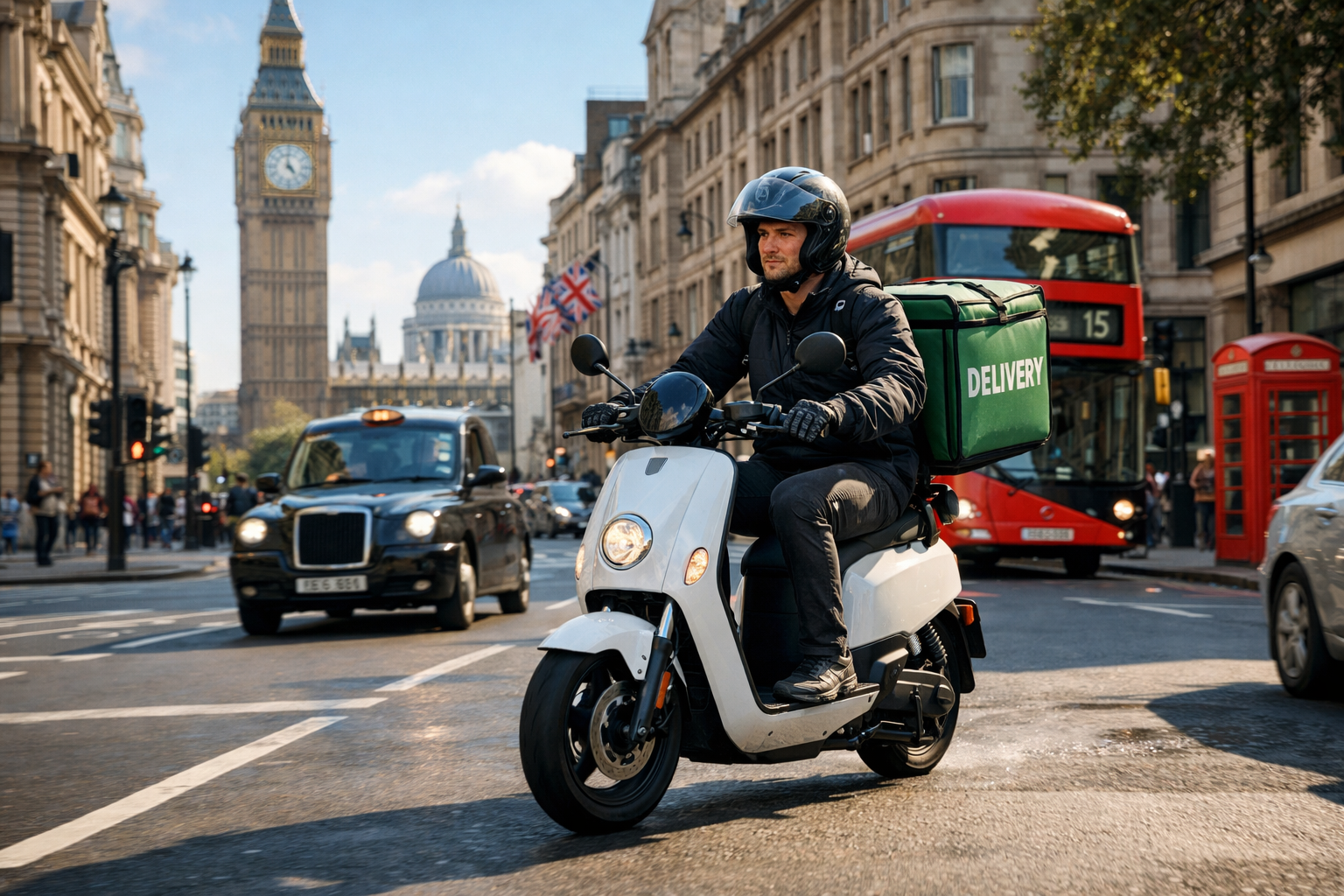
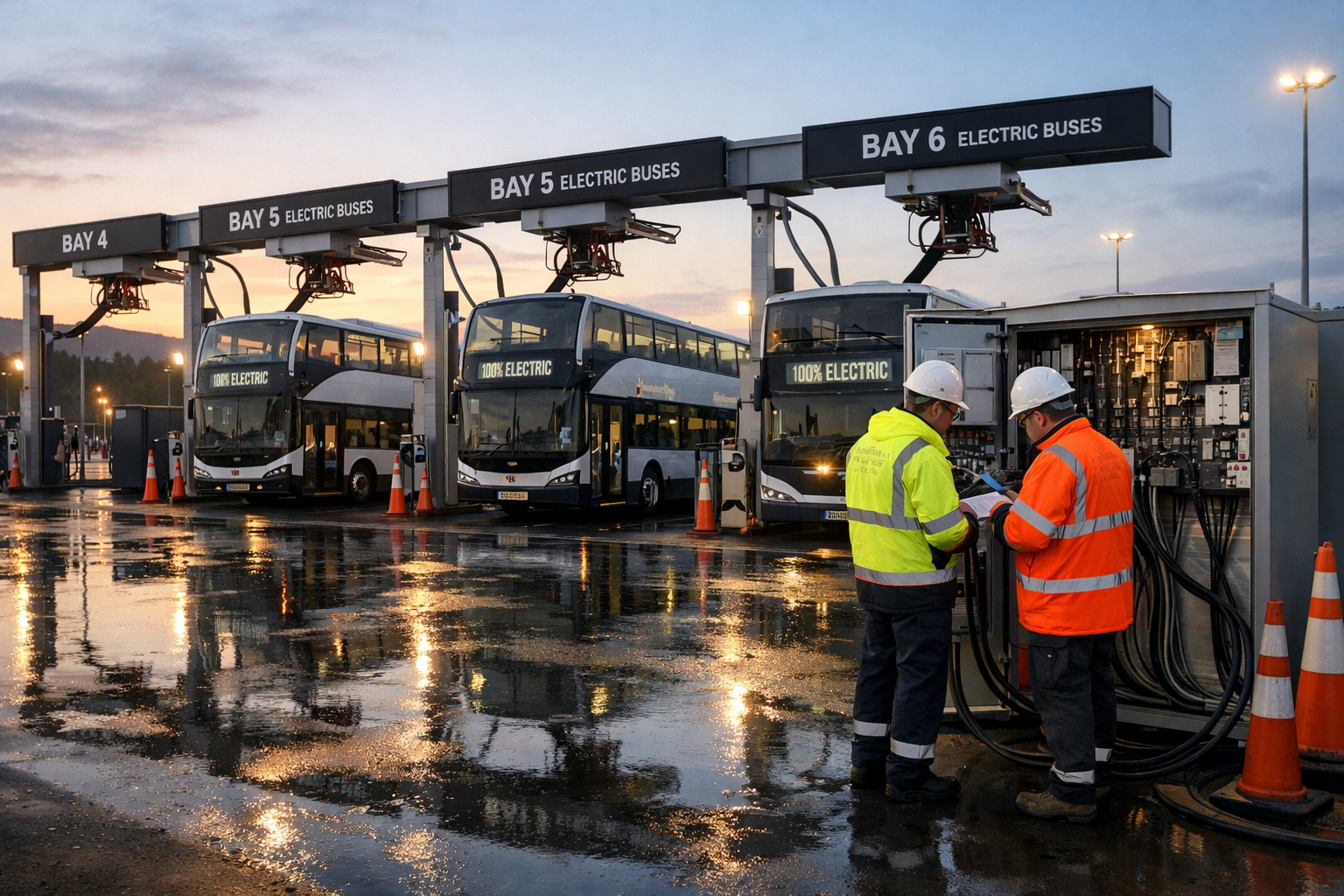
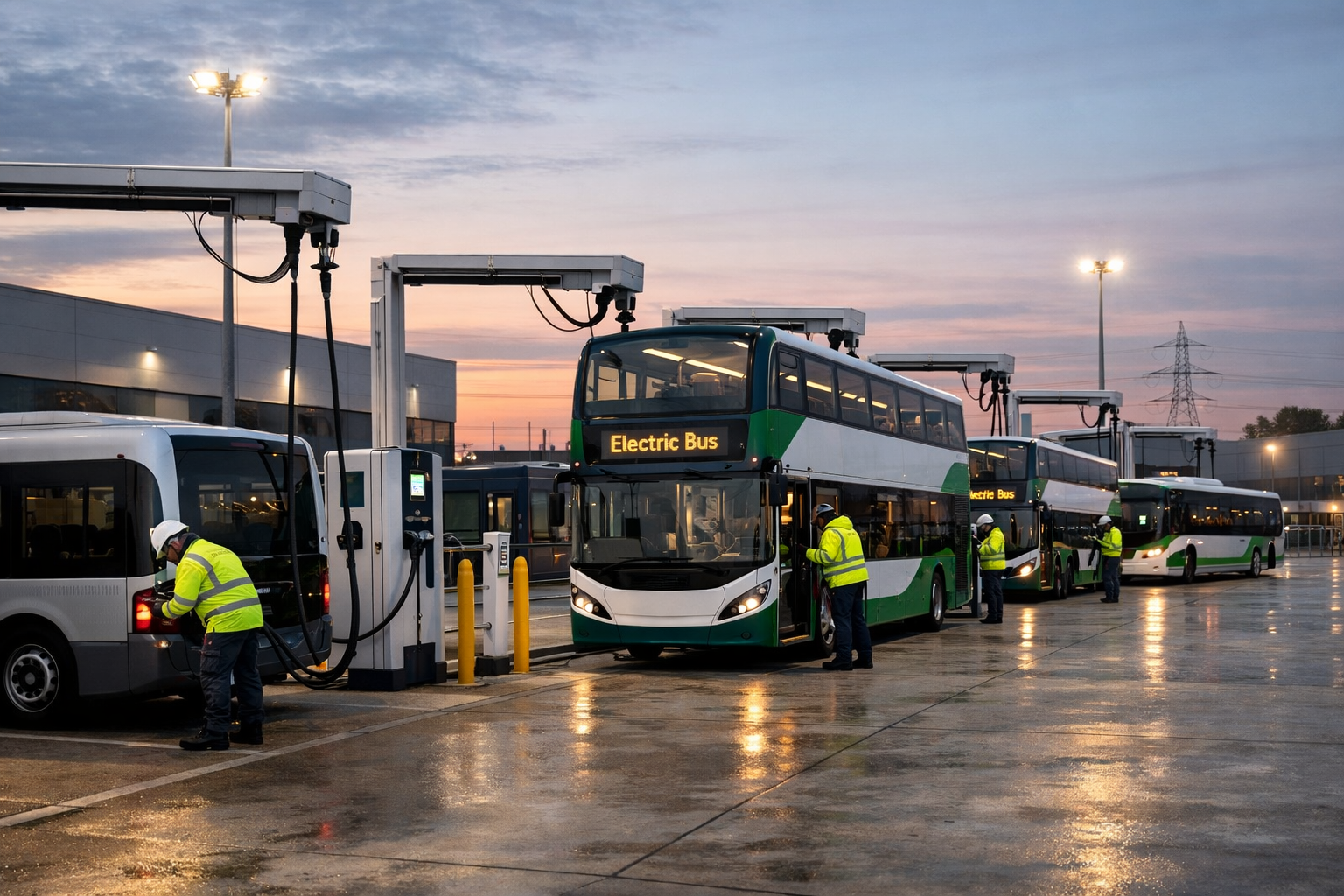
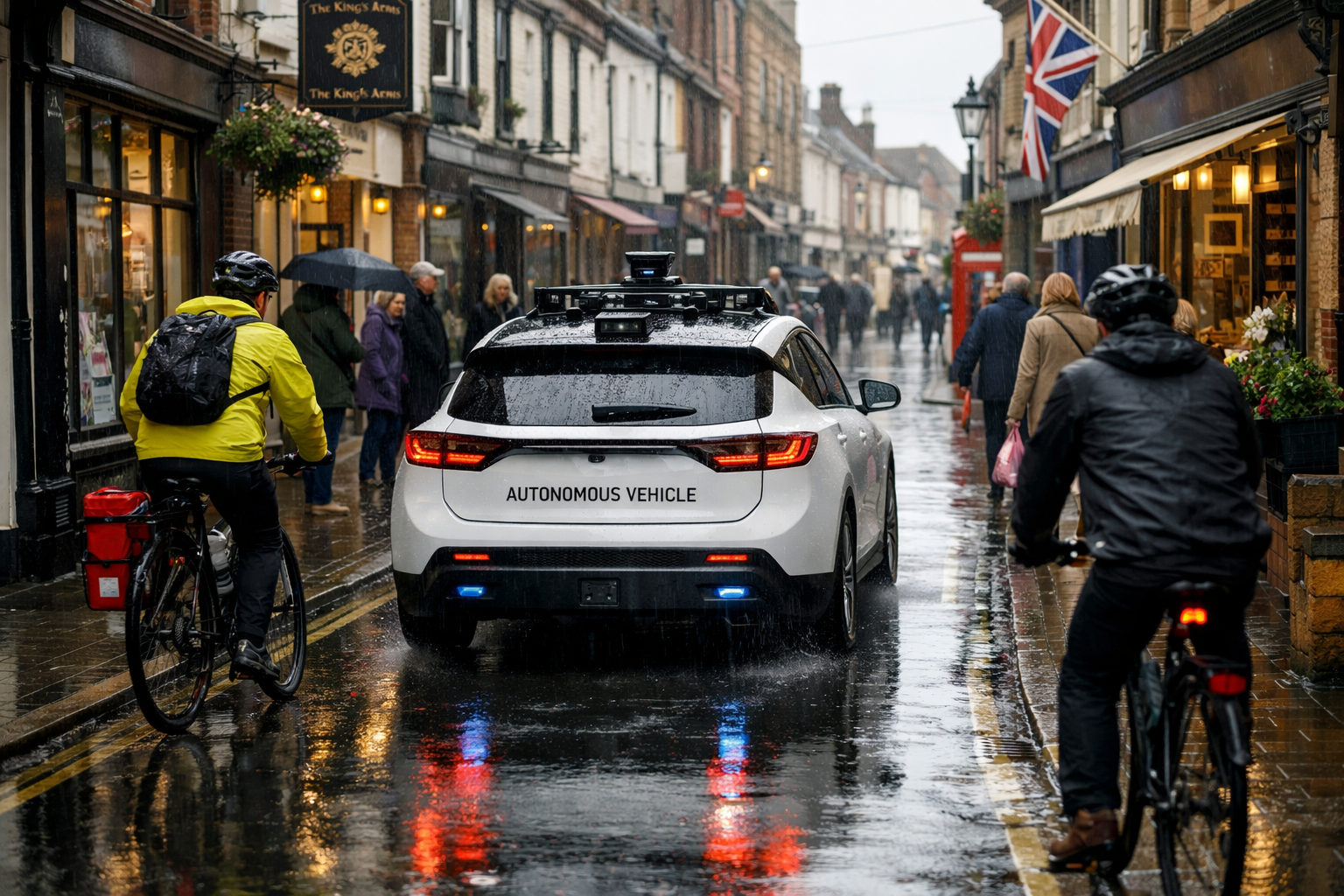
UK towns and cities are different from the wide‑street testbeds sometimes used for autonomous development. Narrow lanes, heavy cycling and busy pavements make safe navigation harder. Analysts warn of “deadheading” — empty robotaxis cruising between fares — which could raise congestion unless operators use tight zone controls and high utilisation. That means local authorities must plan curb access, rank allocation and charging points so robotaxis don’t displace buses, bikes or walking space. Good local coordination will be crucial.
Impact on drivers and the workforce
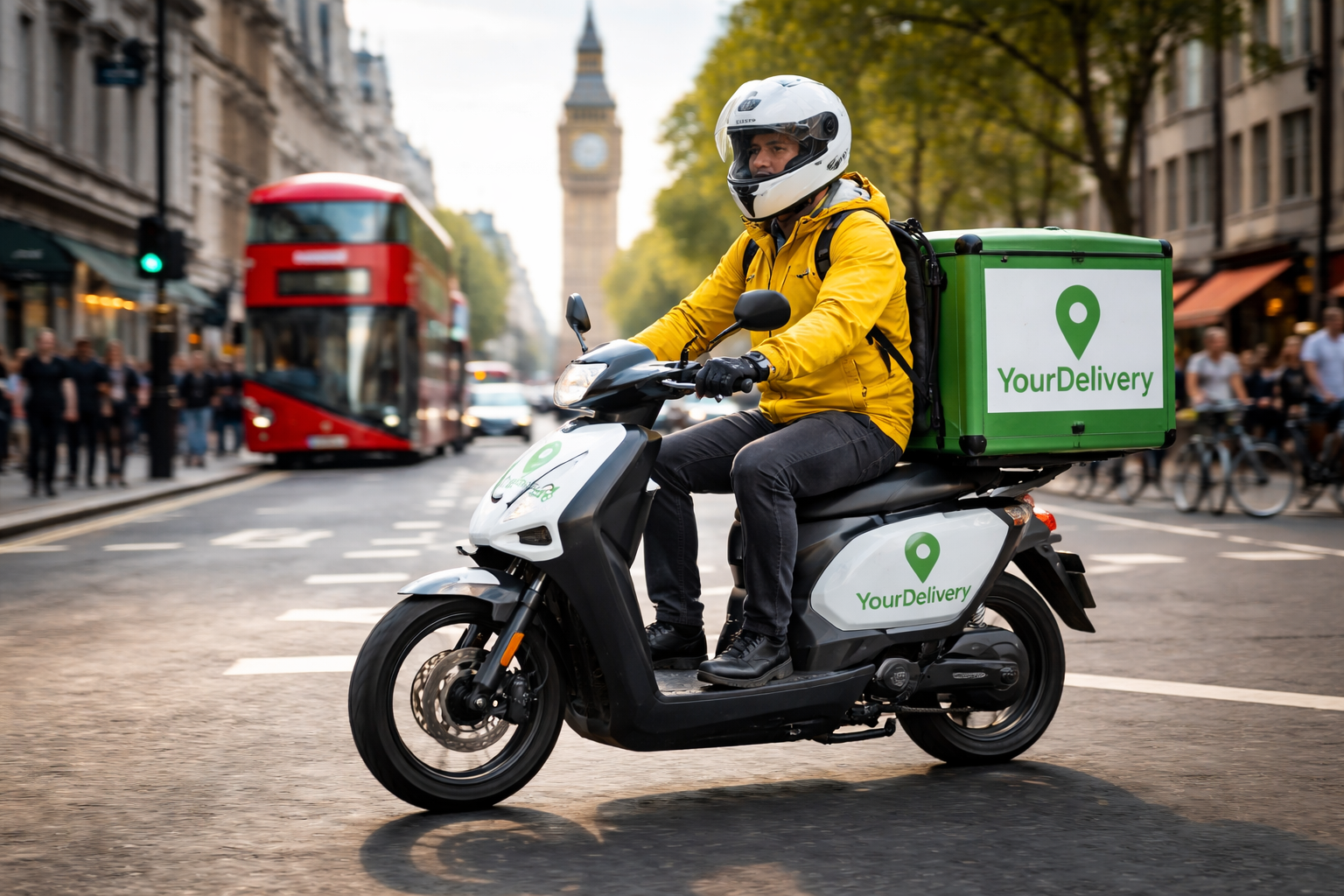
Robotaxi pilots will not immediately replace human drivers. Early models will operate in limited zones and often with safety staff present. Still, the long‑term risk for some driving jobs exists, particularly in areas with high automation investment. Policy makers should consider retraining programmes, transitional support and mechanisms to ensure that automation complements rather than simply displaces existing services. Trade groups and councils will need to track pilot outcomes and plan workforce responses.
Regulatory approach and public trust
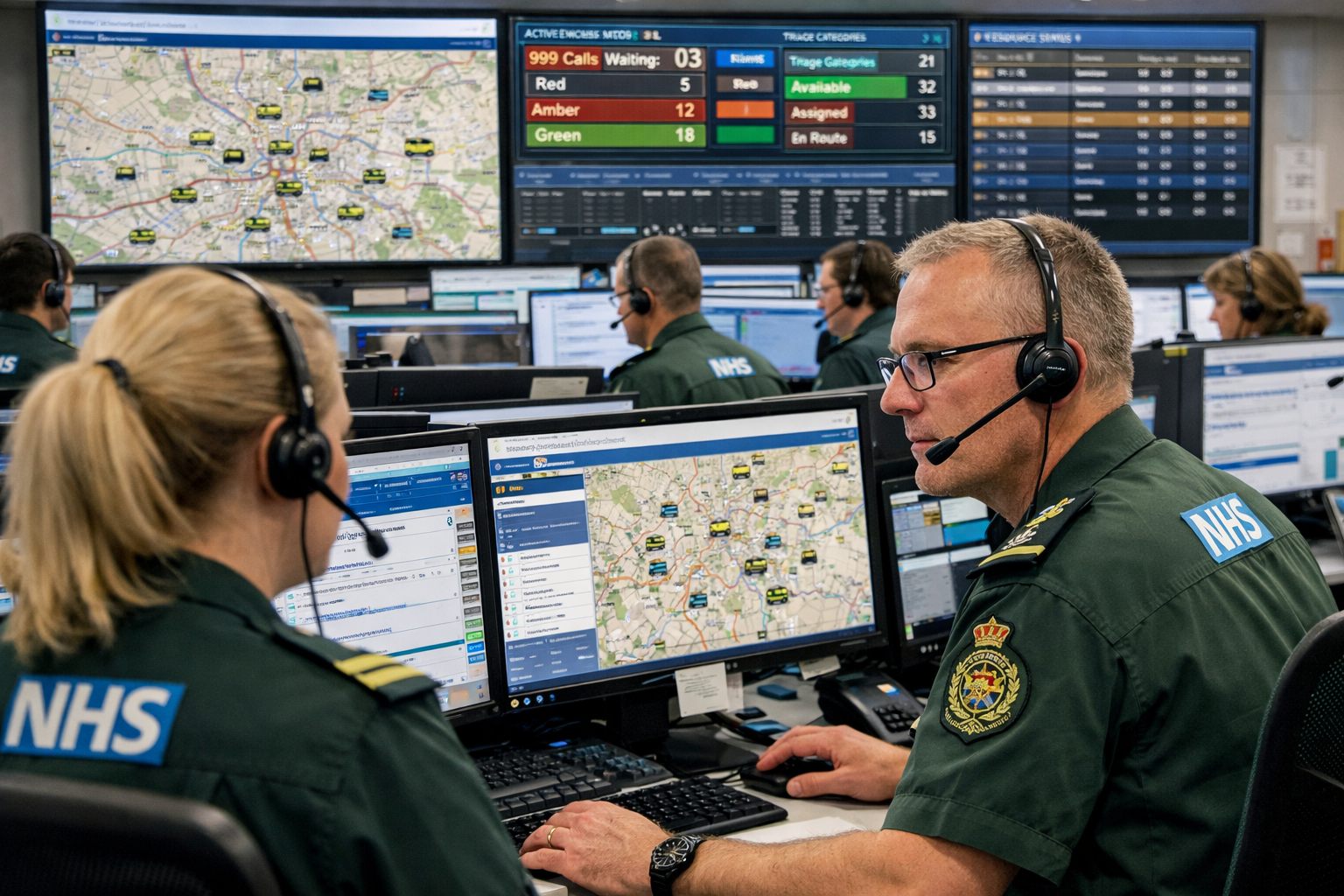
Public trust hinges on transparency. Trials must publish performance metrics, incident logs and clear geofences. The Automated Vehicles Act gives a liability framework, but public authorities need to ensure independent oversight and accessible reporting to build confidence. If trials are data‑rich and responsibly limited, the UK could show how automated vehicles fit into a mixed urban transport system; if trials are rushed, they risk public backlash.
What have we learned
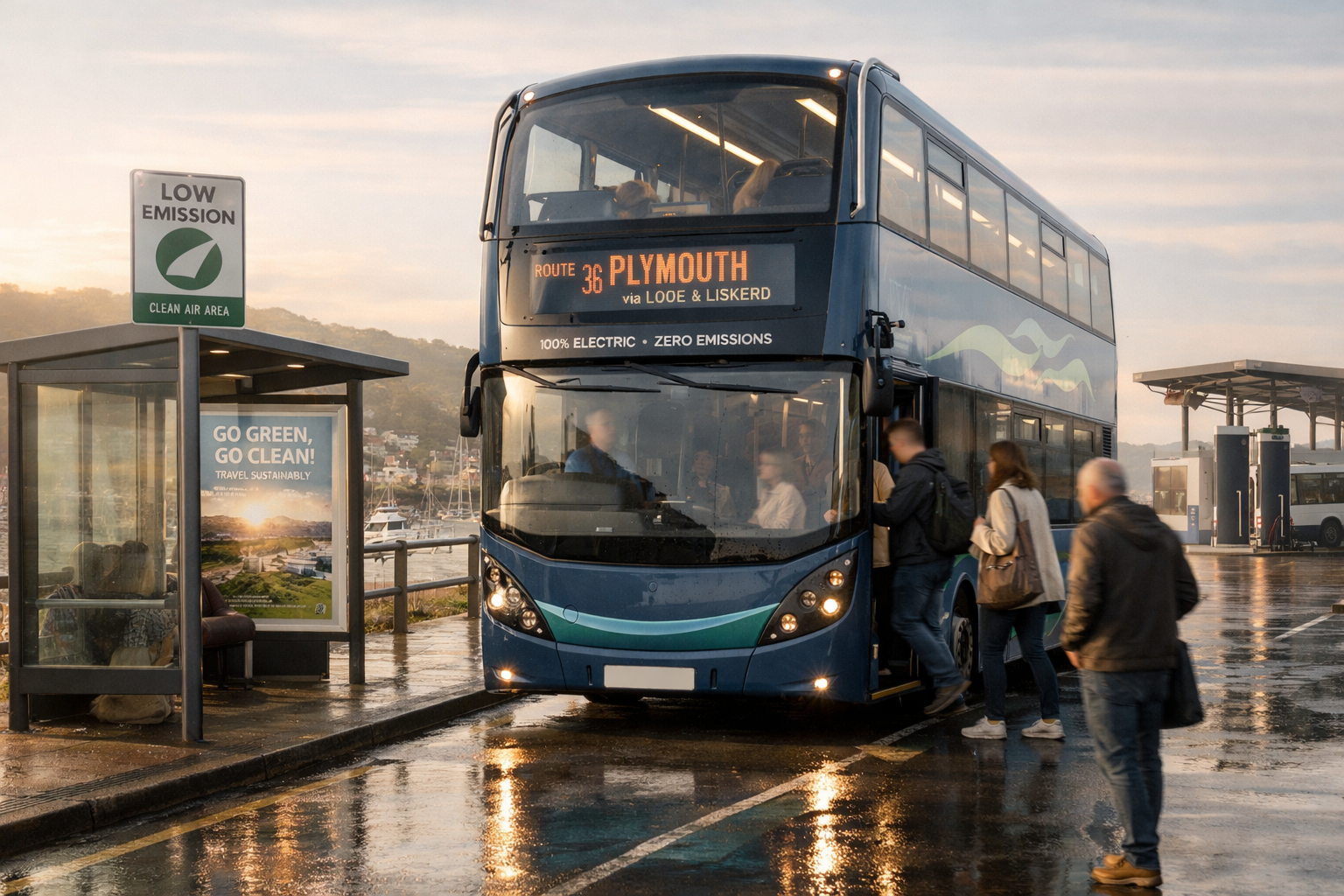
Robotaxi pilots present an opportunity to test new forms of urban mobility. The benefits — lower emissions if vehicles are electric, extended mobility options for people who can’t drive — are real. But success depends on careful local planning, transparent reporting and policies that protect existing workers and city priorities. If pilots are run with those constraints in mind, they can become constructive building blocks for future transport networks.
You might also like