
New ambulances enhance emergency response and reliability
England’s NHS ambulance services have received more than 500 new vehicles as part of a £75 million investment to strengthen emergency care capacity. The rollout is one of the largest NHS fleet renewals in recent years and is aimed at cutting response times and boosting reliability during high‑pressure seasons.
Breaking down the investment
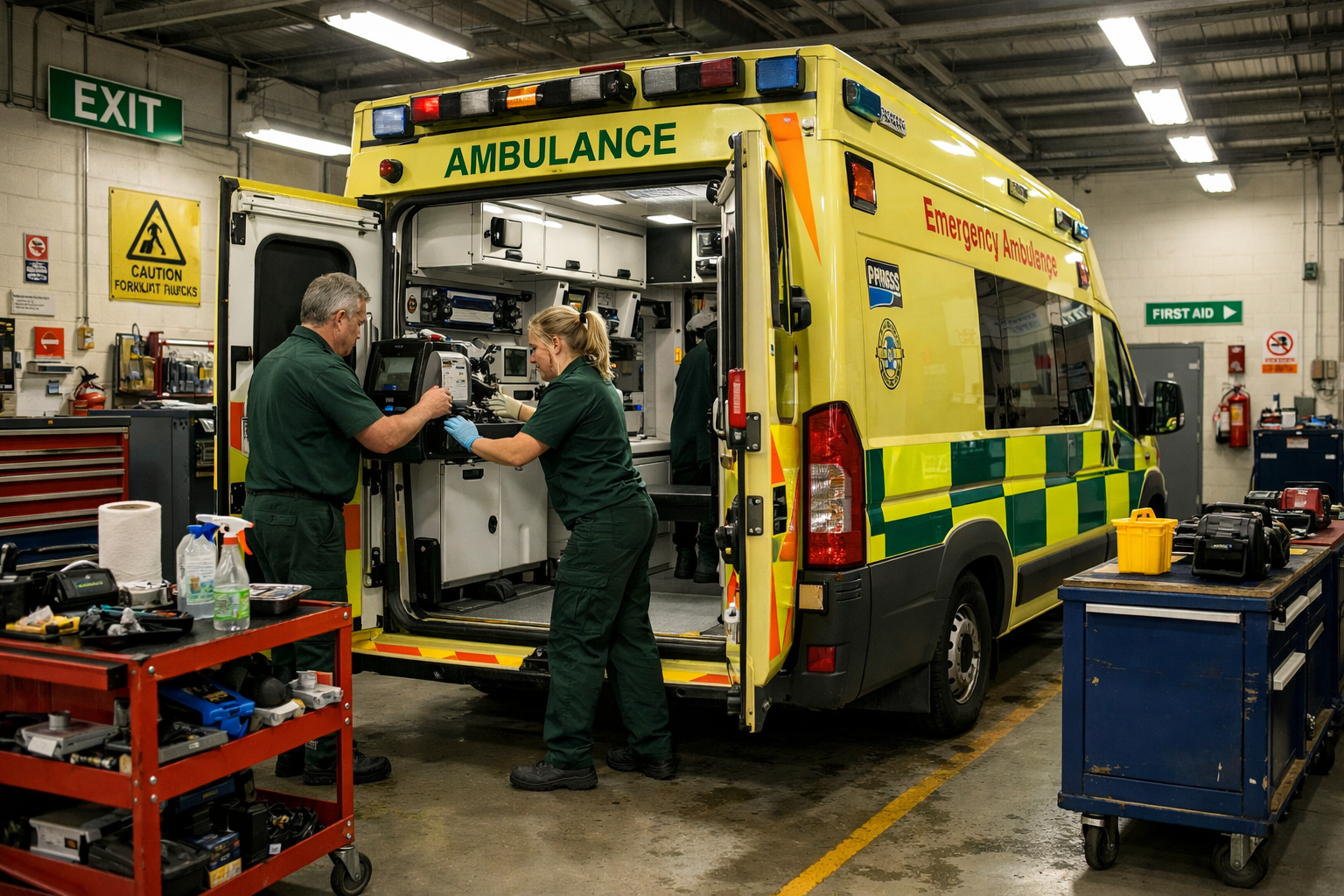
The new ambulances are double‑crew models equipped with updated safety technology to protect patients and paramedics. They replace older vehicles and have already reduced breakdown rates, meaning more vehicles are available to respond to 999 calls. The investment is part of a broader approach within the NHS to modernise urgent and emergency care and support frontline staff amid rising demand.
An important part of this fleet upgrade is that many of the vehicles were converted or assembled in towns and cities across England. Local work in places such as Goole, Bradford, Sandbach, and Peterborough supports skilled jobs while ensuring the supply chain for ambulances remains robust and responsive.
Operational impact
For ambulance services stretched by seasonal spikes in respiratory illness and other pressures, having reliable, up‑to‑date vehicles makes a difference on the ground. Fewer breakdowns mean crews spend less time waiting for replacements and more time caring for patients. Early feedback suggests response times have improved compared to previous winter periods.
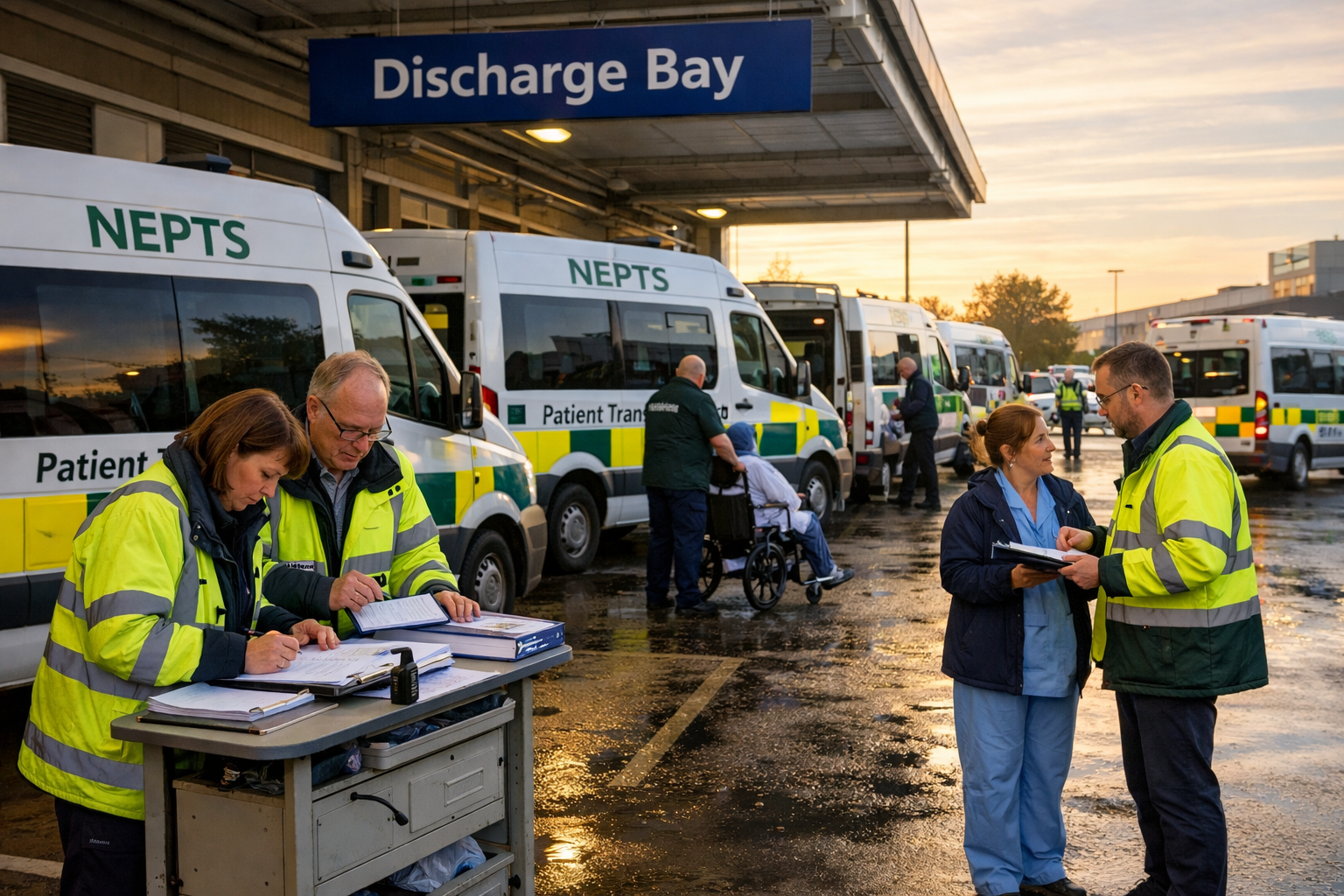
These vehicles also play a role in non‑emergency ambulance workflows, supporting transfers between hospitals, discharges, and urgent care transport that does not require emergency lights and sirens but still matters to patient flow.
What this means for the sector
From the perspective of private providers, suppliers, and fleet partners, the scale and scope of this rollout send clear signals. First, NHS fleet renewal remains a priority for health planners. Second, modernisation is increasingly tied to reliability and staff safety features, not just replacement cycles.
Manufacturers and converters that can deliver vehicles that match evolving NHS specifications and regulatory requirements are likely to see continued demand. Meanwhile, operators that manage maintenance and telematics well will be better positioned to support fleet uptime and reduce operational downtime.
The bigger picture
Investments in ambulance fleets are part of a wider strategy to improve urgent care and emergency services. Upgrading vehicles is one part; ensuring they are integrated into broader care pathways, supported by workforce planning, and backed by modern dispatch and tracking technologies will determine long‑term impact.
Conclusion
The deployment of over 500 new ambulances strengthens emergency response and everyday patient transport. It underscores the need for reliable, safer vehicles and signals sustained commitment to frontline care capability across the NHS.
You might also like