ScotZEB3 highlights the importance of infrastructure‑ready bus decarbonisation
As the ScotZEB3 deadline arrives, the focus of Scotland’s zero‑emission bus programme has shifted toward projects that are ready to deliver. The fund provides support for electric and hydrogen buses as well as depot charging and refuelling infrastructure, but the key assessment factor is deliverability.
Infrastructure as the critical path
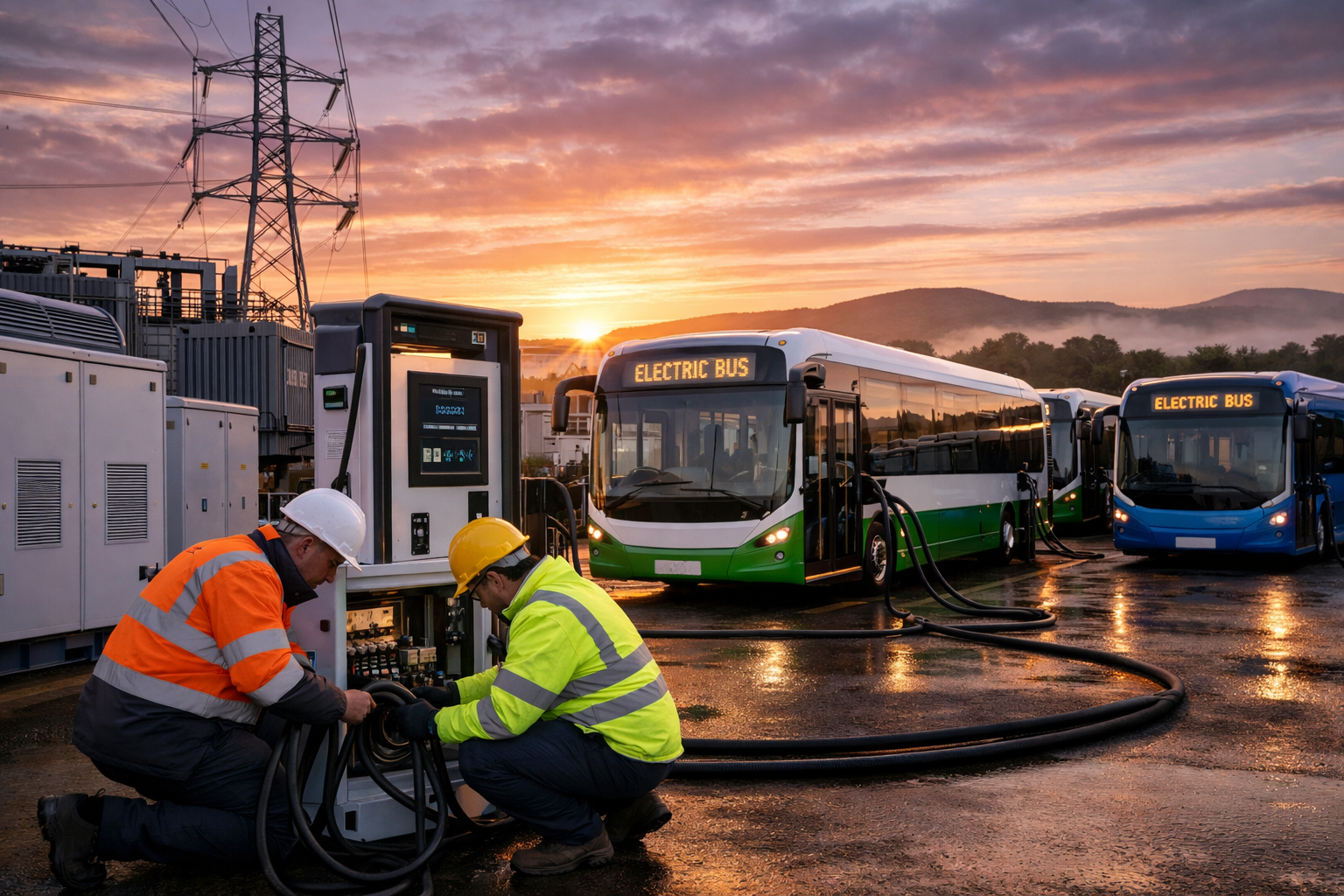
Experience from earlier funding rounds shows that grid connections, substation upgrades and depot civil works often determine project timelines. Vehicle delivery is rarely the limiting factor. Operators that have confirmed power availability and planned depot layouts are more likely to succeed.
Aligning vehicles and charging
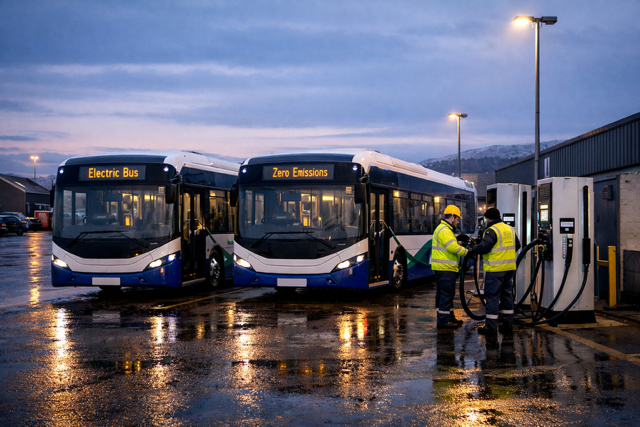
Zero‑emission fleets require careful operational planning. Charging schedules must match route duty cycles, and depot layouts must allow safe and efficient vehicle movements. These considerations affect both capital costs and day‑to‑day operations.
Financing considerations
The higher upfront cost of zero‑emission buses means funding structures must align with build phases. Payments for infrastructure, vehicles and installation need to be coordinated to avoid cashflow gaps.
Policy context
With tighter diesel regulations approaching, the transition to zero‑emission buses is moving from voluntary to expected. Early adopters benefit from grant support and operational experience.
Practical steps for operators
Successful projects typically include:
Confirmed grid capacity and connection timelines
Detailed depot and charger layouts
Realistic delivery schedules
Integrated fleet and infrastructure planning
Conclusion
ScotZEB3 is less about testing technology and more about implementing it at scale. Projects that demonstrate infrastructure readiness and operational planning are most likely to move forward and shape Scotland’s next phase of bus decarbonisation.
You might also like