1
Hearse Finance
Funding for new or used hearses where vehicle age, coachbuilt specification, condition and business usage need proper commercial consideration.

Avro supports funeral directors and related operators with specialist finance for hearses, limousines, private ambulances and wider funeral fleet requirements. This is commercial vehicle and asset finance tailored to a sector where specialist vehicle types, conversion values, refinance strategy and operational continuity often matter more than standard motor finance criteria.
Funeral vehicle finance is a specialist area of commercial asset funding because these vehicles are not standard fleet cars. Hearses, limousines and private ambulances often involve coachbuilt conversions, niche resale markets, operational downtime considerations and longer replacement cycles than ordinary business vehicles. That is why a more considered funding approach can matter, whether the objective is a single vehicle purchase, a planned fleet renewal, or a refinance strategy against existing assets.
Adjust the figures below to estimate indicative monthly payments for a funeral vehicle or specialist fleet purchase.
Estimated Monthly Payment
This calculator is for illustration only. Actual finance terms depend on lender approval, borrower profile, deposit, asset, age of vehicle, structure and underwriting. The business profile selector is used to estimate the calculation and does not guarantee acceptance or a specific rate.
Avro’s funeral vehicle finance proposition is designed for businesses operating within the funeral sector, including established funeral directors, growing firms and operators reviewing replacement cycles across specialist vehicle fleets. The funding conversation may involve a new hearse, a used limousine, a private ambulance conversion, or a refinance requirement against vehicles already owned by the business.
These transactions often need more than a generic “business vehicle loan” approach. Vehicle specification, age, residual position, coachwork quality, intended usage and the business’s broader commercial picture can all affect lender appetite. In practice, that means the most suitable structure is often the one that balances affordability, operational reliability and flexibility over time rather than simply chasing the lowest headline payment.
Where appropriate, this discussion can also sit naturally alongside broader Asset Finance or Asset Refinance planning, particularly where funeral businesses are reviewing multiple assets or looking to release capital tied up in existing vehicles.
The page is built around genuine funeral-sector vehicle requirements rather than generic van and car finance.
Funding for new or used hearses where vehicle age, coachbuilt specification, condition and business usage need proper commercial consideration.
Suitable for funeral limousines acquired as single additions or as part of wider replacement and fleet-standardisation programmes.
Relevant where funeral operators require specialist transport vehicles that sit outside ordinary retail vehicle underwriting.
Structured finance for staged renewal, expansion, or replacement of aging funeral vehicles without forcing unnecessary capital strain.
For many funeral businesses, vehicle funding is not an isolated purchase. It sits inside a wider operational plan that may include coachbuilder lead times, supplier relationships, replacement timing, service continuity, branding standards and cashflow management. A business replacing a hearse that has reached the end of its useful frontline life is solving a different problem from one adding a limousine to support higher service volumes or planning a phased refresh of several vehicles over time.
Coachbuilt funeral vehicles can involve production schedules that are very different from ordinary stock vehicles. In some cases, the chassis may be available sooner than the completed vehicle. In others, the chosen supplier, conversion specification and delivery timetable all affect when the funding needs to be in place. That makes early planning useful, particularly where the business wants to avoid operational gaps, preserve a consistent fleet image or align deliveries with wider replacement plans.
The right structure depends on more than the invoice value. Deposit strategy, repayment term, expected retention period, maintenance exposure, resale timing and future disposal plans all matter. Some businesses want to preserve working capital and spread cost over time, while others want to reduce monthly borrowing more quickly or phase investment so that multiple vehicles do not need replacing in the same year.
Where assets are already owned, refinance can form part of a sensible commercial plan rather than simply an emergency measure. Depending on valuation support, vehicle suitability and lender criteria, it may help a funeral director improve cashflow, restructure existing borrowing or support further investment in the business through a wider Asset Refinance conversation. In other cases, the discussion may overlap with broader Fleet Finance or Commercial Vehicle Finance planning where the business is reviewing several operational vehicles together.
 Fleet planning
 Commercial funding
The most suitable structure depends on the vehicle, the business, the term required and how the client wants to manage working capital.
Hire Purchase may suit funeral directors who want to spread the cost of a hearse, limousine or private ambulance over an agreed term with fixed repayments. Ownership usually passes once all contractual payments and any option to purchase fee have been paid, so it can work well where the business plans to retain the vehicle over the longer term and wants a clear route to ownership.
Lease Purchase may be relevant where a business wants to defer part of the balance to a contractual final payment at the end of the agreement rather than fully repaying the vehicle through monthly instalments alone. This can help where replacement planning, expected future value and monthly cashflow all need to be balanced carefully, but the structure still needs to be suitable for the asset and lender criteria.
Refinance may suit businesses that already own suitable funeral vehicles and want to release capital, restructure borrowing or support cashflow. In some cases this may sit within a wider Asset Refinance strategy, subject to available equity, valuation support, vehicle condition and lender criteria.
Equity release may be relevant where value is tied up in existing vehicles and the business wants to access part of that equity for investment, replacement cycles or other commercial requirements. Any amount raised depends on valuation, existing borrowing, asset suitability and lender criteria.
Funeral vehicles differ materially from ordinary commercial vehicles because they often sit within a specialist market shaped by coachbuilt bodies, bespoke conversions, limited production volumes and narrower resale channels. A hearse or limousine may start life on a mainstream base vehicle, but the completed vehicle is often the result of specialist design, bodywork, interior conversion and sector-specific finishing. That changes how the asset is viewed from both an operational and funding perspective.
Examples often discussed within the UK funeral sector include vehicles supplied or converted by names such as Coleman Milne, Wilcox Limousines, Binz and Eagle Specialist Vehicles. Each has its own place within the market, with differences in chassis choice, body style, conversion philosophy and resale profile. Common base vehicles may include Mercedes-Benz, Jaguar, Volvo and Ford platforms, but the underlying chassis is only one part of the picture once a vehicle has been coachbuilt or adapted for specialist funeral use.
That matters because lenders are not simply looking at a badge on the bonnet. In a specialist funeral vehicle case, they may consider the quality of the conversion, the original chassis, vehicle condition, provenance, age, mileage, maintenance history and how established the resale market is for that particular specification. A well-kept coachbuilt vehicle from a recognised funeral-sector manufacturer may be viewed very differently from a heavily worn or unusually specified unit with limited secondary market evidence.
Production volume also plays a part. These are not ordinary fleet vans bought in large numbers from dealer forecourts. Some funeral vehicles are built in comparatively small numbers, with bespoke options chosen by the operator. That can support long-term brand presentation and suitability for the business, but it also means valuations can require more care. Where market evidence is thinner, lenders may look more closely at supplier reputation, the standard of conversion work and the realistic disposal market for the finished vehicle.
Age and mileage remain relevant, but they do not tell the whole story on their own. A lower-mileage specialist vehicle may still need close review if the conversion quality is poor or if the specification is unusual for the market. Equally, an older vehicle with strong maintenance records, known provenance and a recognised coachbuilder may still be of interest where the wider case is sensible. That is one reason specialist commercial underwriting can matter more in this sector than a standard automated vehicle finance approach.
For funeral directors, this also affects replacement planning. Choosing a vehicle is not simply a matter of list price. The original base vehicle, the coachbuilder, the finished specification and the likely resale route all influence how the asset fits into the business and how fundable it may be. In some situations the discussion may overlap with broader Asset Finance considerations, particularly where the business is procuring multiple specialist assets or reviewing capital allocation more widely.
The sensible position is that specialist funeral vehicles can often be considered for funding, but not every manufacturer, age profile or vehicle specification will be viewed in the same way. Suitability depends on the asset itself, the commercial rationale, valuation support and lender appetite at the time. A stronger page for funeral vehicle finance should say that plainly, because that is how specialist cases are actually assessed.
Financing a new hearse is not the same as financing a used or refurbished one. New vehicles may offer a longer forward operating life, a fresh manufacturer or converter-backed presentation standard and more predictable maintenance in the earlier years, but they can also involve higher invoice values and a steeper early depreciation curve. For some businesses, that supports a longer-term ownership plan. For others, it may be more sensible to consider nearly-new or demonstrator stock where some initial depreciation has already been absorbed.
Used hearses and limousines can often be a practical option where the business wants to manage capital expenditure more carefully. In those cases, the asset is usually assessed with more focus on age, mileage, condition, maintenance history, conversion quality and the realistic remaining operational life of the vehicle. A used funeral vehicle with a clear history and good sector provenance may be a better proposition than a cheaper unit with uncertain condition or weak resale support.
Demonstrator and nearly-new vehicles can sit somewhere in the middle. They may give access to relatively recent specialist stock without the cost of a factory-order equivalent, but valuation still matters. Funders may want to understand how the vehicle has been used, how it is priced relative to similar stock and whether the specification is typical for the market. Refurbished vehicles can also be considered, but the quality and standard of refurbishment are critical. A professional refurbishment supported by evidence is different from a vehicle that has simply been cosmetically improved for sale.
Depreciation is relevant across all of these categories, although in specialist funeral markets it is not always as simple as applying an ordinary commercial vehicle curve. Lenders may also look at the likely resale market for a specific coachbuilder, body style or chassis combination. That is why two vehicles of similar age can be assessed differently if their provenance, maintenance standards or market appeal differ.
The practical question for a funeral director is not only whether a vehicle is new or used, but whether it is the right operational and commercial fit for the business. The most suitable structure depends on invoice value, age, valuation evidence, expected retention period, maintenance exposure and lender criteria. Every case needs to be assessed on its own facts rather than assuming that all new stock is straightforward or all used stock is difficult.
Electric and low-emission funeral vehicles are becoming a more relevant discussion for some operators, particularly where businesses work in or near Clean Air Zones, want to modernise parts of the fleet, or are considering longer-term sustainability goals. That does not mean every funeral fleet should move in the same direction, but it does mean funding discussions may increasingly involve hybrid vehicles, lower-emission base platforms and, in some cases, electric hearses or support vehicles.
The practical issues are wider than the vehicle alone. Operational range, route patterns, charging access, downtime planning and the availability of suitable specialist conversions all matter. A low-emission strategy that works for a city-based support vehicle may not be the same as one needed for a ceremonial frontline hearse covering a different operating pattern. That is why the commercial use case still has to lead the funding conversation.
Vehicle valuation can also require care, especially where the market for a specific electric or hybrid specialist vehicle is narrower than for conventional funeral stock. Lenders may consider the base vehicle, conversion quality, condition, age, specification and the likely resale position in a developing secondary market. For some buyers, the attraction is emissions compliance or brand modernisation. For others, the priority is reducing exposure to local charges, supporting environmental policy goals or future-proofing part of the fleet.
Charging infrastructure may also become relevant. Where a business is investing in electric or plug-in vehicles, charging equipment can form part of a wider commercial funding discussion in appropriate cases. That may sit alongside broader Asset Finance planning rather than the funeral vehicle agreement in isolation, particularly where the business is making a more substantial investment in operational infrastructure.
The sensible point is that electric and low-emission funeral vehicle funding should be assessed case by case. The vehicle, the usage model, the charging position and the wider commercial rationale all matter. This is an emerging part of the market, but it still needs the same grounded approach to asset suitability, operational practicality and lender criteria as any other specialist commercial vehicle transaction.
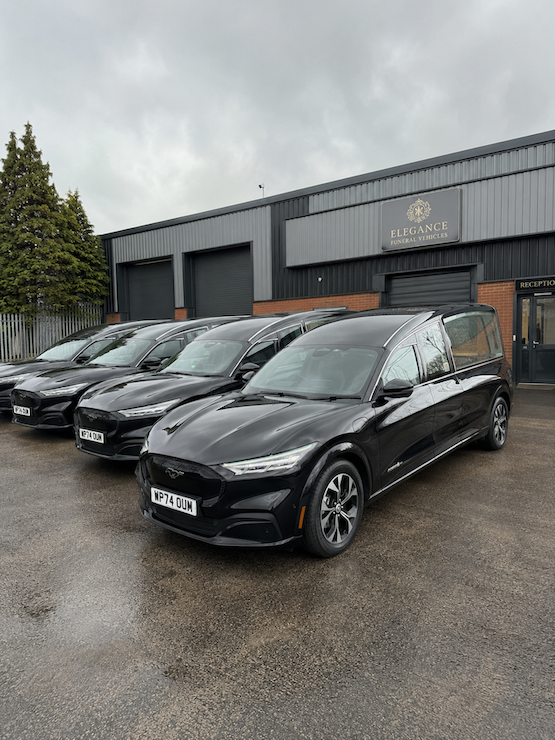
Many funeral directors do not procure vehicles one by one without reference to the wider fleet. Matching hearses, matching limousines, private ambulances and removal vehicles are often part of a broader presentation and operational strategy. Consistency can matter for branding, customer perception and the way a business presents itself across different types of service.
In practice, that means procurement decisions are often linked. A business may want a matching hearse and limousine delivered within the same replacement cycle, or it may want to standardise part of the fleet over time rather than replacing every vehicle at once. Finance can support that by allowing staged procurement, phased replacement and a more controlled approach to capital expenditure. Instead of absorbing the full cost of several specialist vehicles in one period, the business may be able to structure the investment in a way that better protects working capital.
Operational continuity also matters. Funeral businesses cannot easily tolerate long periods without the right frontline vehicles. A matched fleet programme may therefore be built around delivery timing, supplier schedules and the need to avoid gaps in service availability. That is another reason the structure should fit the commercial objective rather than simply the invoice total.
Multiple vehicles may also be funded together where the assets, the business profile and lender criteria support that approach. In some cases, the conversation can sit naturally alongside broader Fleet Finance planning, particularly where the operator is reviewing several vehicles as part of one coordinated programme. The right route depends on vehicle mix, replacement timetable and the wider financial picture of the business.
For many funeral directors, matched fleet funding is really about balance: maintaining brand consistency, protecting service standards, controlling capital outlay and preserving flexibility for future replacement decisions. That is exactly the kind of commercial reasoning a specialist vehicle finance page should reflect.
Replacing funeral vehicles is usually a business planning exercise before it is a finance exercise. The timing of replacement can affect reliability, workshop downtime, service availability, resale timing and the overall image of the fleet. A vehicle may still be operational, but if maintenance demands are rising, reliability is becoming less predictable or the presentation no longer aligns with the business standard, replacement may need to be considered before a breakdown forces the issue.
Ageing fleets create a particular challenge because costs do not always rise in a straight line. A business may manage maintenance and repairs for a period, but there often comes a point where downtime, workshop scheduling and inconsistent presentation start to weigh against retaining older vehicles. In a funeral business, reliability is not a minor convenience issue. It affects service delivery, resilience and confidence that the right vehicle will be available when needed.
Resale timing matters as well. Replacing a vehicle too late can reduce the value available on disposal, while replacing too early may not make the best use of the asset. The balance depends on mileage, condition, market demand, coachbuilder reputation and how that particular vehicle fits into the current fleet. This is one reason replacement planning is often stronger when looked at over several years rather than as a last-minute reaction.
Budgeting is another key point. Funding can be used to preserve cashflow and spread capital expenditure more evenly, but it is only one commercial option within a broader planning process. Some businesses may prefer staged procurement, replacing one frontline vehicle at a time. Others may decide that a more coordinated fleet refresh provides better operational consistency. The sensible route depends on current maintenance costs, anticipated downtime, capital availability and the business’s wider priorities.
Where the discussion involves several operational vehicles, the planning may also overlap with broader Commercial Vehicle Finance or Fleet Finance needs. In other cases, the focus may be narrower, such as a single hearse replacement supported by careful budgeting and a structure designed to protect working capital. Either way, finance should be viewed as one tool within sensible business planning, not as a substitute for it.
The strongest replacement strategy is usually the one that balances reliability, image, timing, maintenance exposure and cashflow rather than looking at one variable in isolation. That is the level of commercial thinking funeral directors typically need from a serious finance conversation.
An Avro transaction in this sector involved funding for a replacement funeral vehicle where the business objective was to maintain frontline service standards without placing unnecessary pressure on working capital. The vehicle itself sat within a specialist market rather than an ordinary commercial vehicle category, so the underwriting needed to consider the asset type, the business rationale and the structure in a more tailored way than a standard automated process would usually allow.
What made the case specialist was not simply the vehicle price. It was the fact that the asset was part of a funeral operator’s service delivery model, with a need to protect continuity, presentation and operational resilience. The funding structure supported the client’s commercial objective by allowing the vehicle to be replaced within a manageable repayment framework rather than forcing a large immediate capital outlay. As with other specialist vehicle cases, the outcome depended on the facts of the transaction, the asset and lender criteria at the time.
Documentation requirements vary depending on the lender, the vehicle and the individual transaction. Information may include business accounts, management information, bank statements, supplier quotations, vehicle specification, coachbuilder details, registration details, valuation information, mileage, and details of any existing finance where the case involves refinance. The exact documents needed will depend on lender criteria and the circumstances of the business.
This page is aimed at businesses making commercial funding decisions around specialist funeral transport.
Businesses replacing individual frontline vehicles or planning staged upgrades without tying up unnecessary capital in one transaction.
Regional or group operators reviewing fleet age, standardisation, refinance or replacement timing across several specialist vehicles.
Operators purchasing niche or coachbuilt vehicles where asset profile, supplier invoice and commercial rationale need to be assessed properly.
A conversation about the vehicle requirement, business profile and the commercial objective behind the funding.
The proposed asset, supplier invoice, term, deposit and intended use are reviewed to identify sensible funding routes.
Supporting information may include business accounts, bank statements, proof of identity, vehicle details and invoice information.
The case is considered against lender criteria, asset suitability, business profile and the structure requested.
If approved, terms can be reviewed and accepted subject to any conditions, documentation and final checks.
Once satisfied, the transaction completes and the funeral business can proceed with acquisition, refinance or replacement planning.
Approval is not based on one factor alone. Lenders may consider the business profile, trading history, credit background, deposit, invoice value, vehicle age, conversion quality, intended use and whether the asset is viewed as suitable security for the agreement.
Used funeral vehicles can often be considered, but age, mileage, condition and resale profile may influence the structure available. Refinance may also be possible on suitable existing vehicles where there is sufficient value and the wider case meets lender criteria.
All finance is subject to status, underwriting and lender criteria. Terms, availability and structure depend on the business, the vehicle and the overall transaction. The aim is to identify suitable commercial funding routes, not to imply guaranteed approval.

Funeral vehicle finance is commercial funding used by funeral directors and related operators to acquire or refinance hearses, limousines, private ambulances and other specialist vehicles used within the funeral sector.
In many cases, yes. Used hearses can be considered, subject to vehicle age, condition, value, maintenance history, lender criteria and overall suitability.
Potentially, yes. Funeral limousines can often be considered where the asset, invoice, business profile and lender criteria support the transaction.
Yes, in suitable cases. Private ambulances and removal vehicles may be considered where the vehicle type, specification and overall business case fit lender appetite.
Potentially, yes. Refinance may be available on suitable existing vehicles where there is sufficient value and the wider case meets lender criteria.
Funeral fleet finance can involve funding multiple vehicles together or in stages so the business can manage replacement planning, fleet consistency and capital expenditure over time.
Approval can be influenced by the business profile, trading history, deposit, credit profile, vehicle type, age, value, usage, term requested and lender appetite for specialist commercial assets.
In some cases, yes. Multiple vehicles may be funded together where the asset mix, commercial rationale and lender criteria support a coordinated fleet transaction.