ScotZEB3 funding deadline focuses attention on deliverable bus decarbonisation projects
Scotland’s transition to zero‑emission buses has been supported for several years through the ScotZEB programme. Phase 3, with up to £45 million available, is now nearing its application deadline. This round is widely seen as the last major funding window of its type before tighter diesel regulations take effect.
For operators, manufacturers and finance partners, the emphasis has shifted from ambition to delivery.
What ScotZEB3 supports
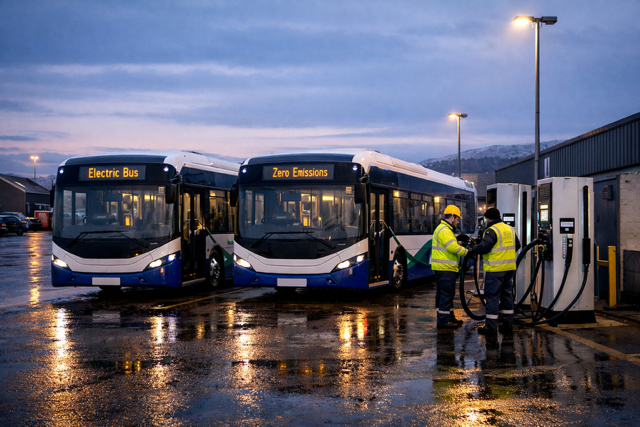
The fund contributes toward the cost of battery‑electric and hydrogen buses operating on regulated local services, along with the infrastructure needed to run them. That includes depot charging systems, hydrogen refuelling equipment and associated electrical works.
Projects are assessed on deliverability, value for money and their contribution to decarbonisation targets.
Infrastructure is the critical path
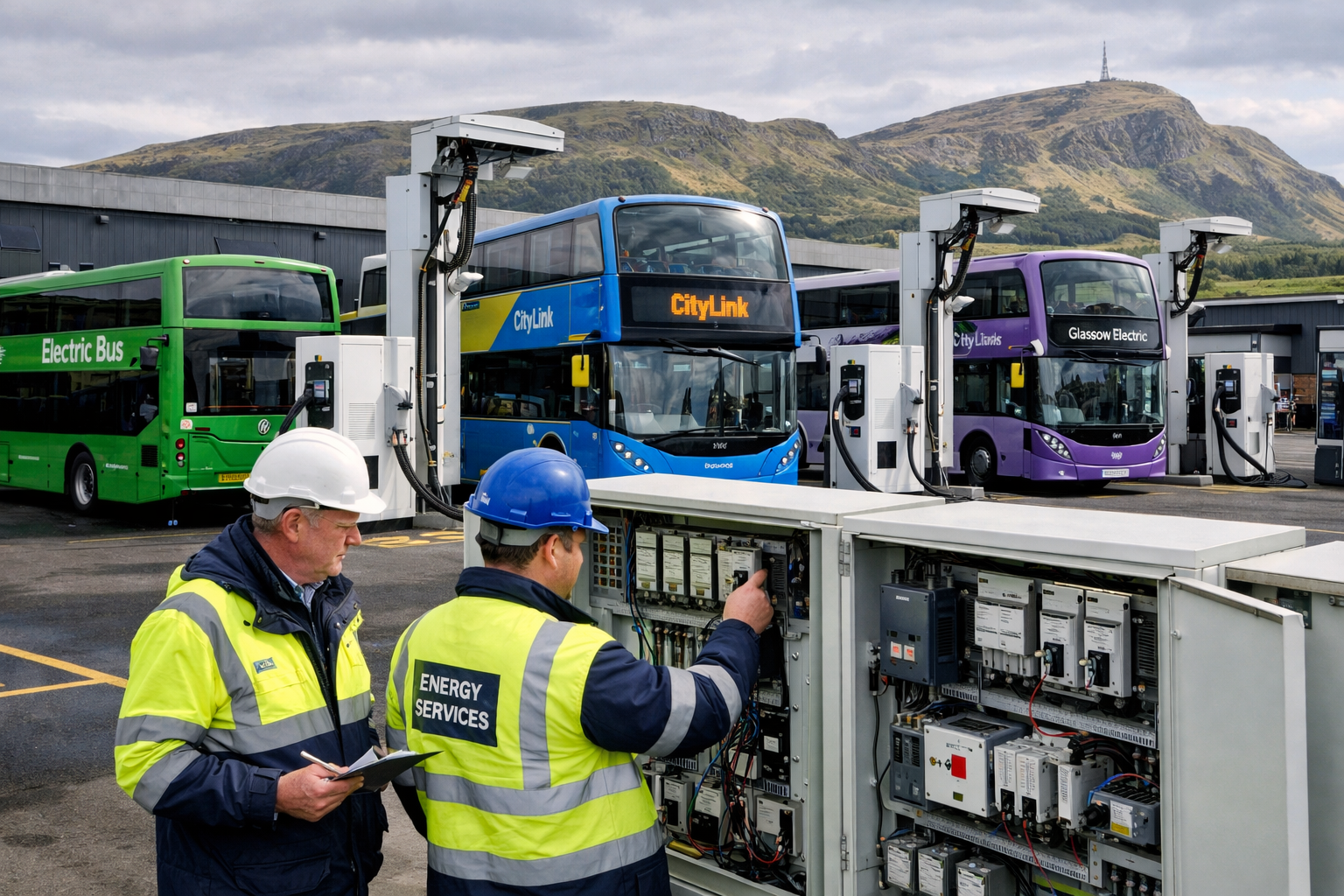
Experience from earlier rounds shows that the main constraint is not vehicle supply but infrastructure readiness. Grid connection lead times, substation upgrades and depot civil works can take longer than vehicle delivery.
Successful applications therefore need confirmed power availability, realistic installation schedules and clear cost planning. Without that, vehicle funding alone does not result in operational buses.
Financing and timing
Zero‑emission buses require different financing structures compared with diesel fleets. Capital costs are higher, while operating costs and maintenance profiles differ. Aligning funding drawdowns with construction milestones is essential to avoid cashflow gaps.
For finance providers, ScotZEB3 projects require careful structuring to reflect phased vehicle deliveries and infrastructure build programmes.
Regulatory context
Policy changes are pushing the market toward zero‑emission fleets for local services. Early adopters benefit from grant support and operational experience, while late adopters may face higher costs without subsidy.
Why the deadline matters
With applications closing soon, projects that are already developed stand the best chance. Waiting for a future scheme carries risk, as funding levels and eligibility criteria may change.
What this means
ScotZEB3 is less about experimentation and more about implementation. Operators that can demonstrate infrastructure readiness, realistic timelines and integrated fleet planning are most likely to succeed. The shift to zero‑emission buses in Scotland is moving from pilot projects to mainstream delivery.
You might also like