Fleet expansion and the move toward electric ambulances

avro fleet team • January 21, 2026

West Midlands Ambulance Service has confirmed a significant expansion of its frontline fleet with 23 more ambulances supported by government funding, including eight fully electric units to be delivered by March 2026. This fleet growth reflects operational need and a gradual move toward lower emissions in emergency transport.


Meeting current demand

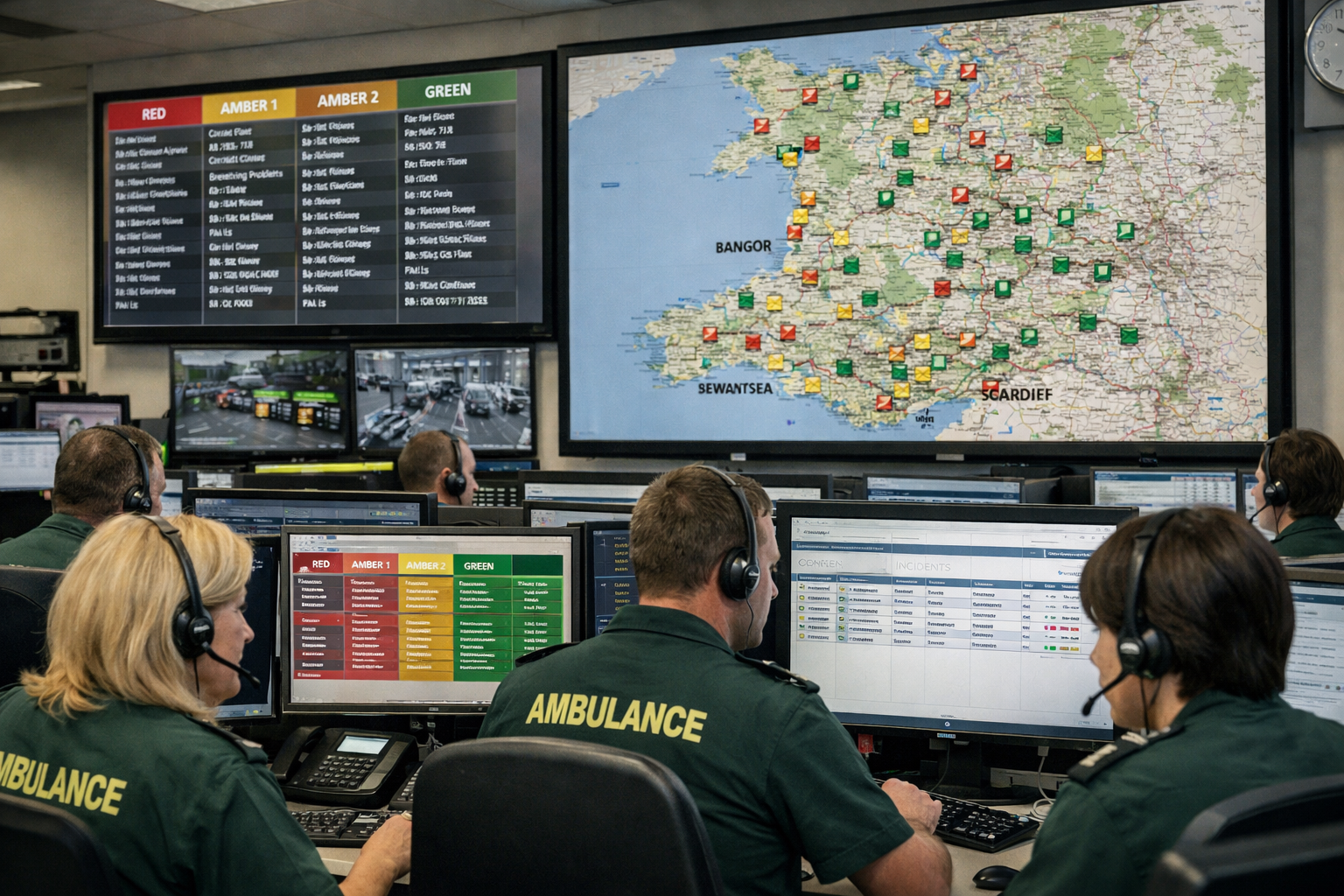
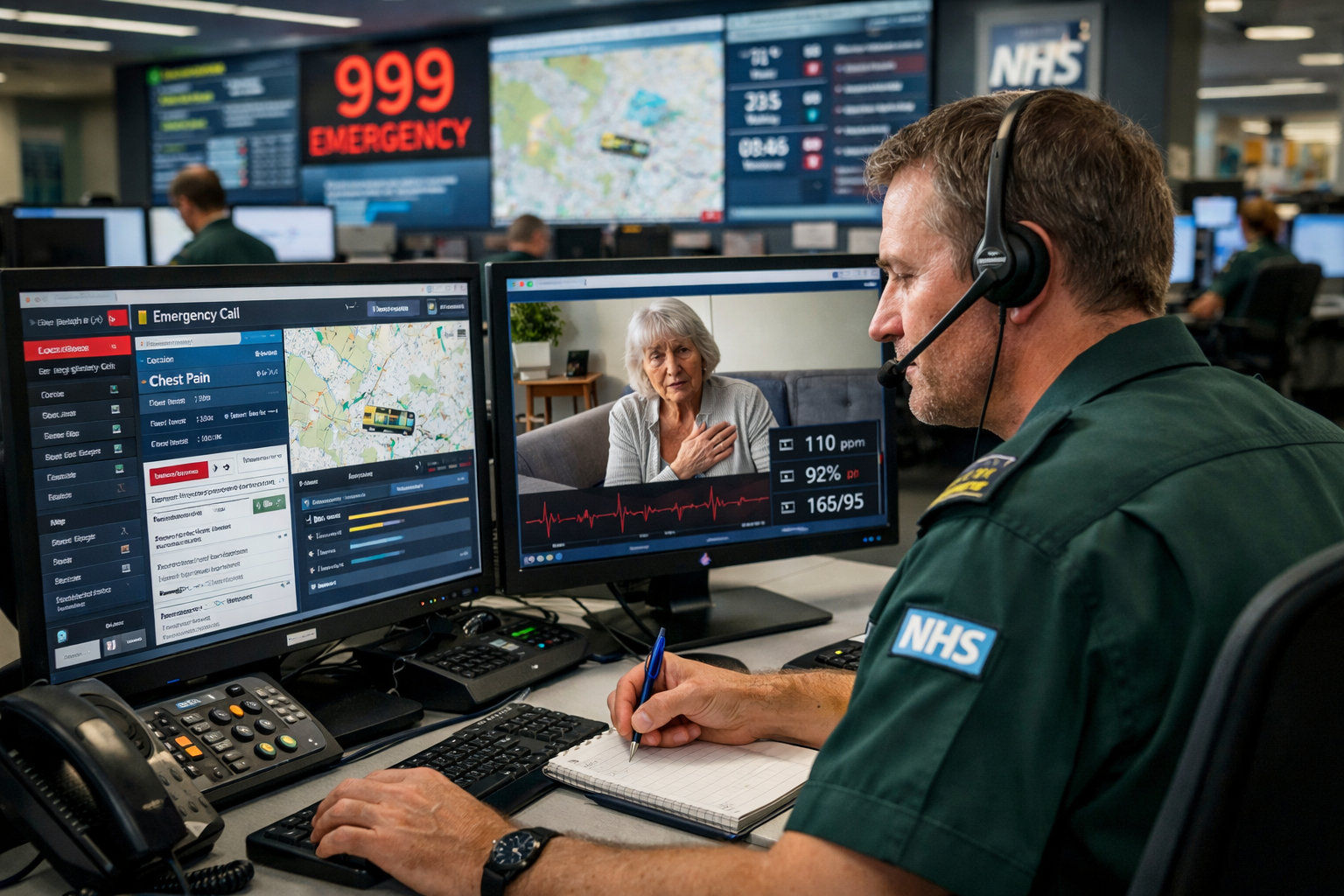
Ambulance services are operating in a context of high demand and seasonal pressure. Additional vehicles help reduce response times and ease workload on crews. In the West Midlands, a long‑standing vehicle replacement cycle is supported by this funding. People on the ground report that reliable, modern vehicles improve service confidence and help with staff morale.


What electric ambulances mean in practice

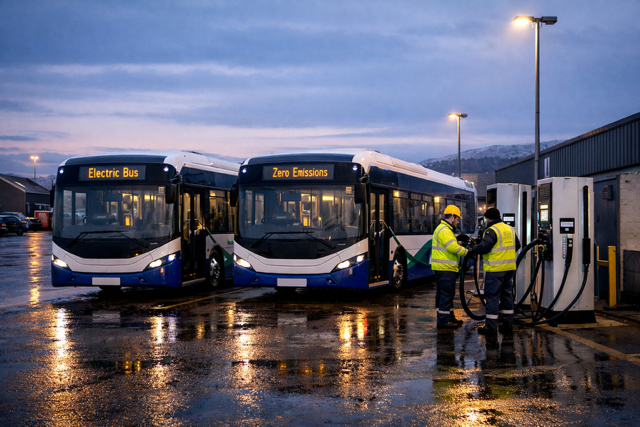
Incorporating fully electric ambulances is a strategic choice. These units support emissions reduction goals and align with broader NHS net zero plans, which foresee all new ambulances being zero emission from 2030 onwards.

Electric ambulances can help reduce fuel costs and local emissions, but they also bring new requirements:

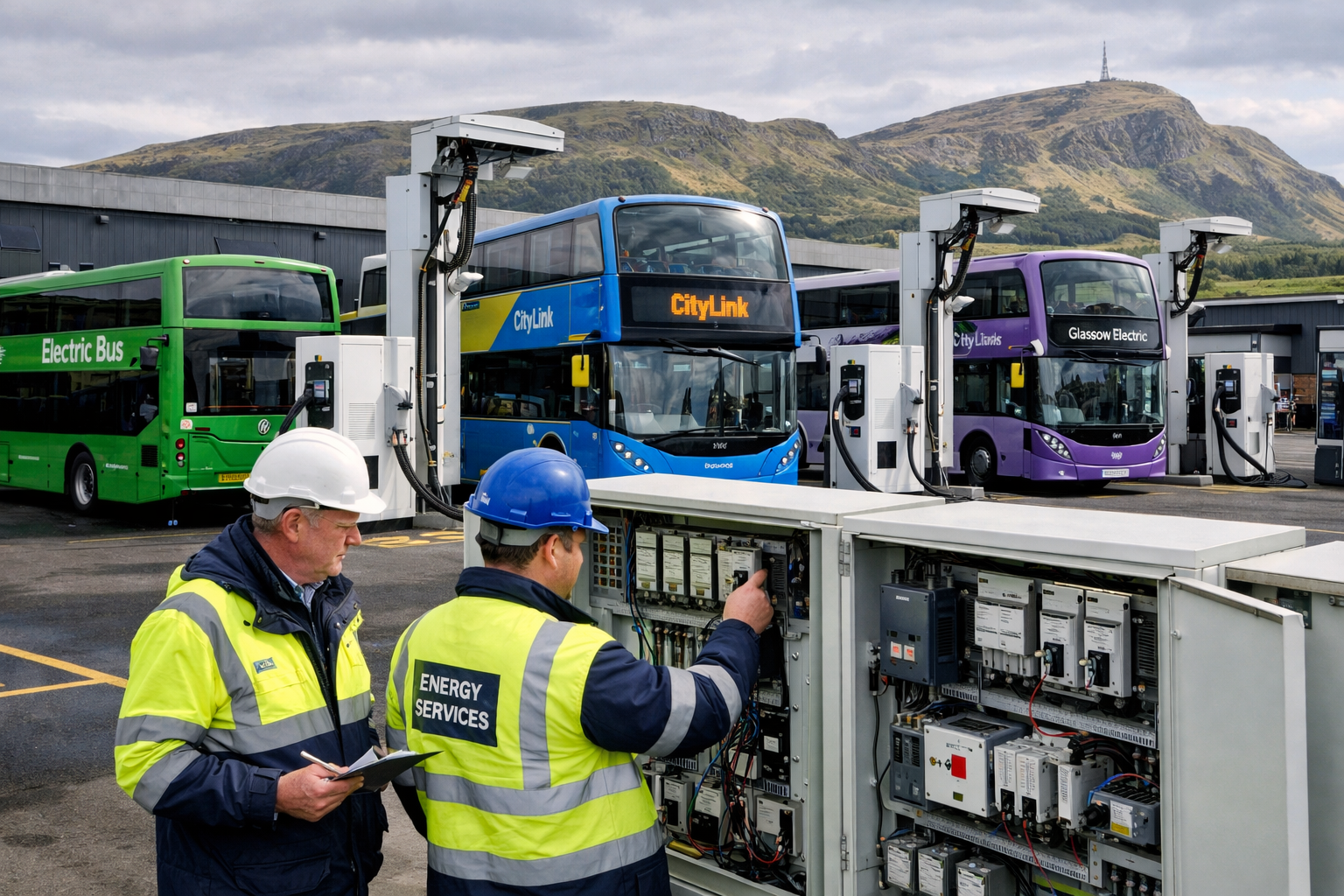
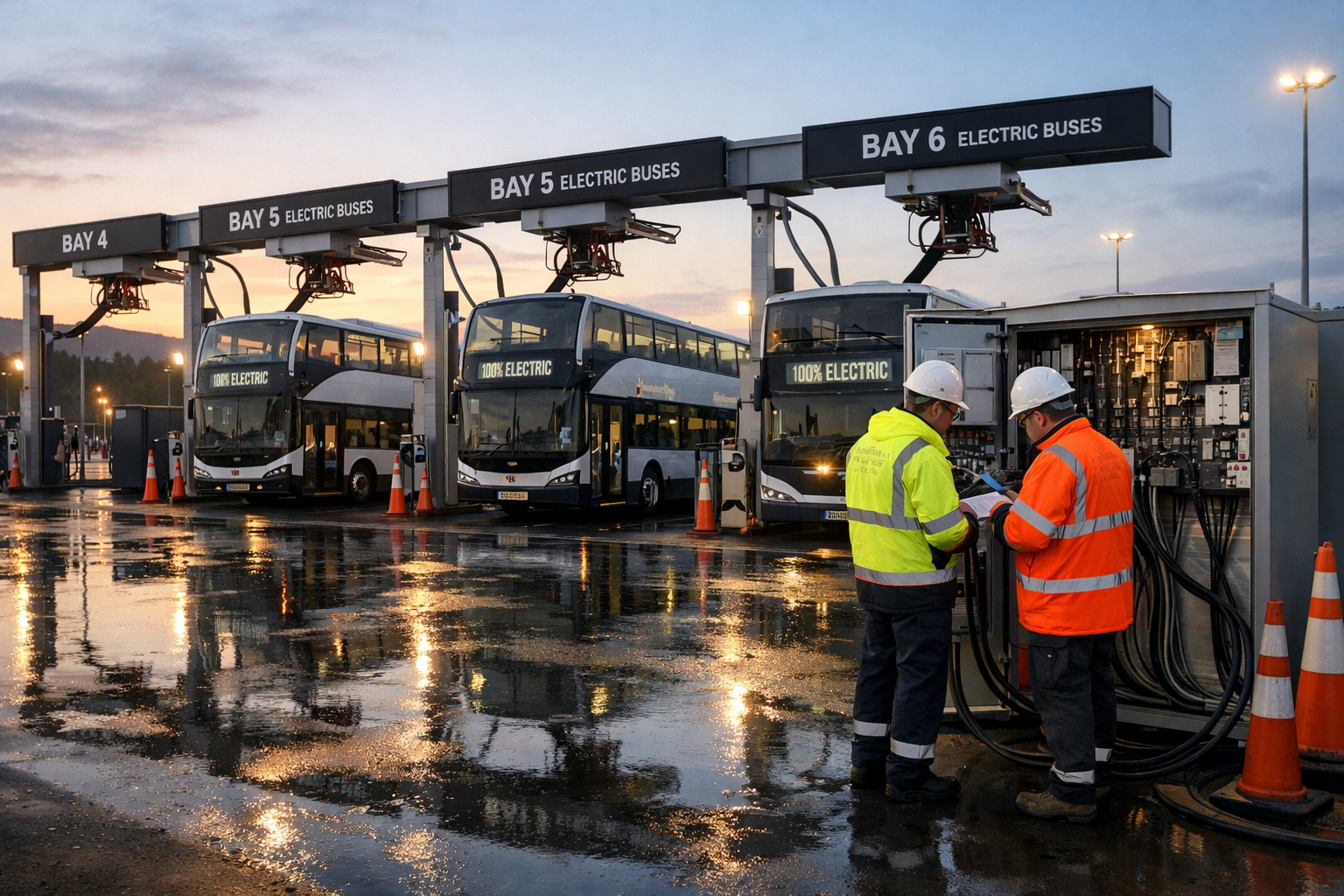
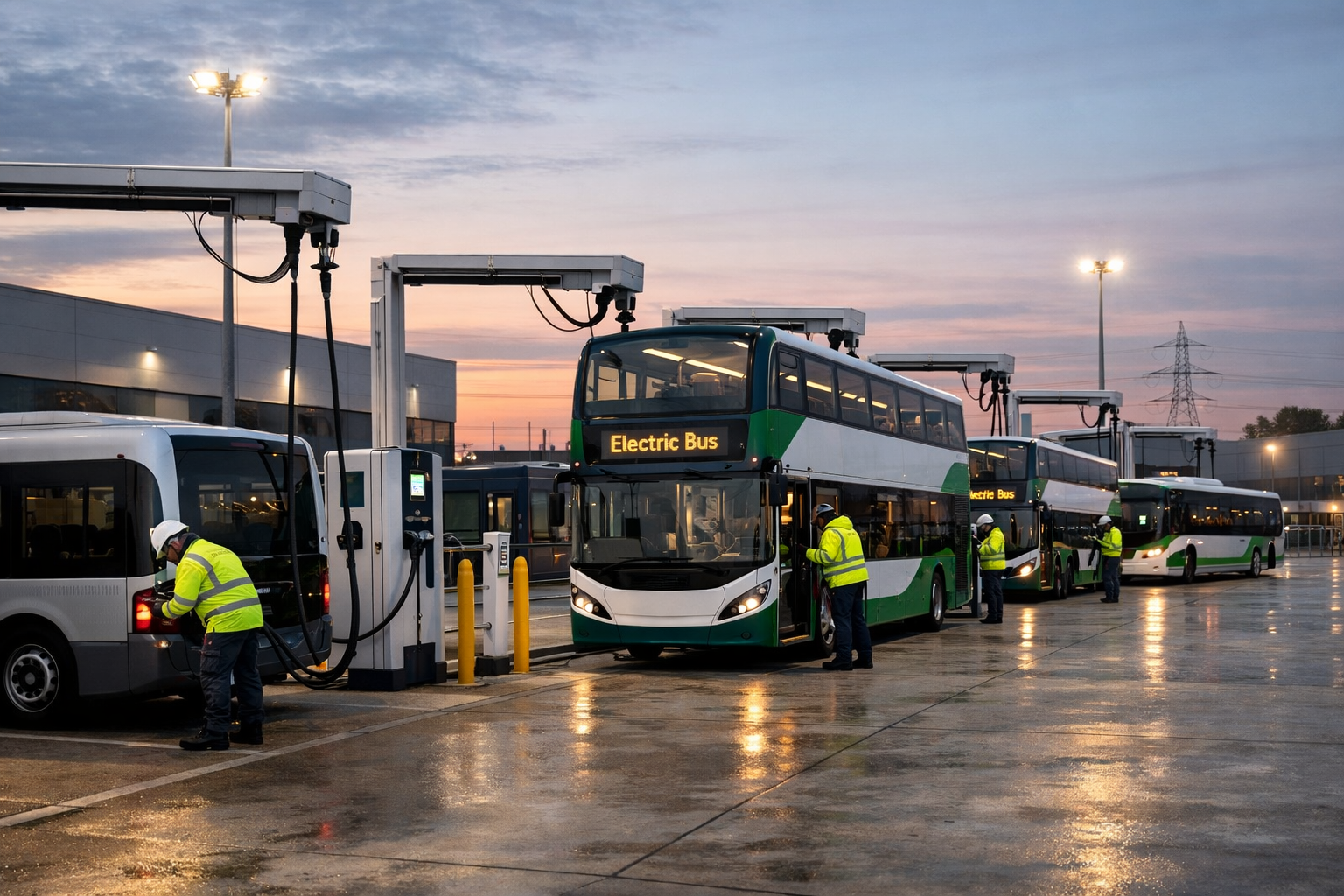
  • depot charging infrastructure
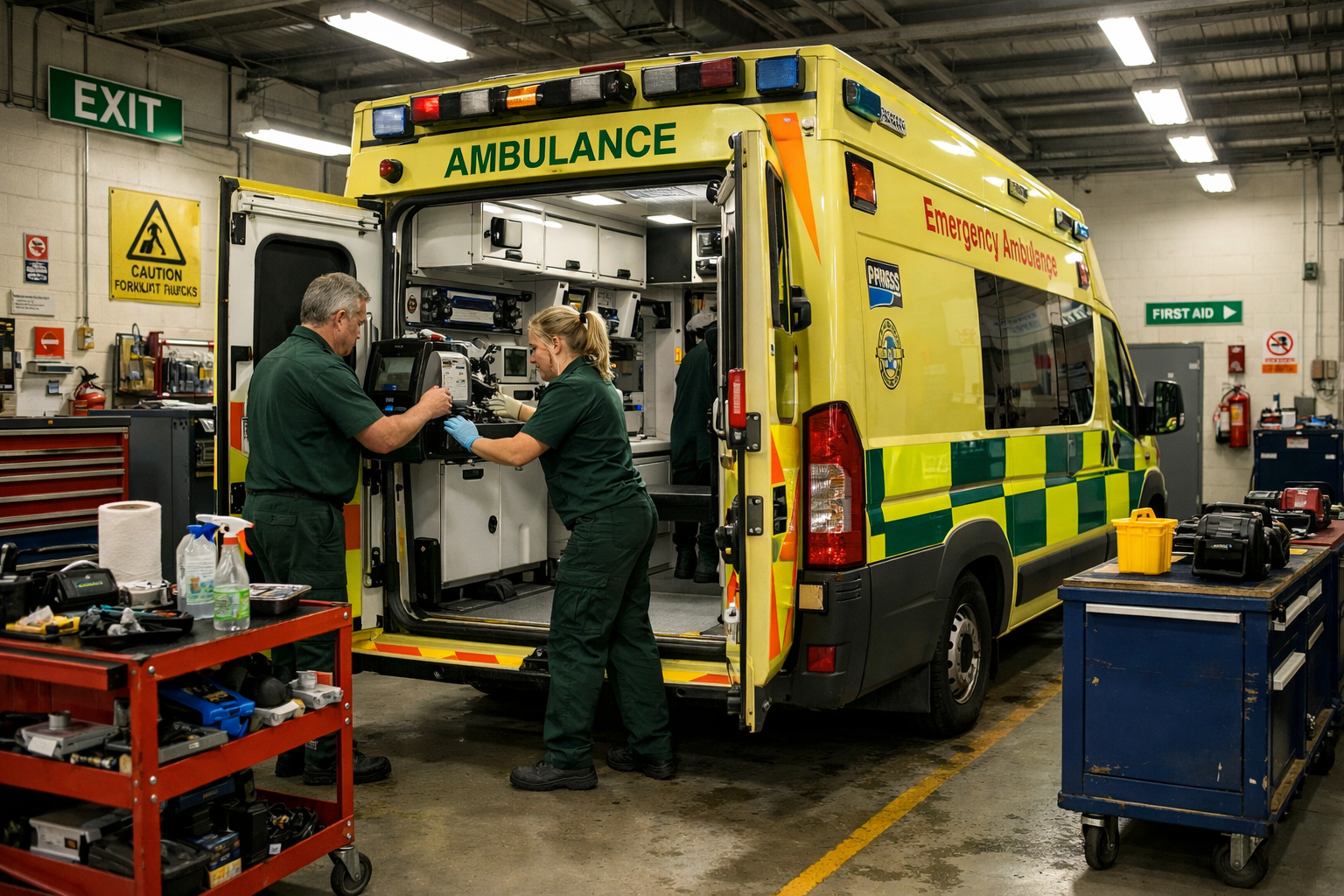
  • maintenance staff trained for high‑voltage systems
  • clear scheduling for range and turnaround

These practical needs shape how providers and trust partners plan operations.


Impacts for suppliers and contractors

If you provide vehicles or related services, electric ambulances change the game. They demand new skill sets and parts inventories, and often closer collaboration with energy and charging partners.

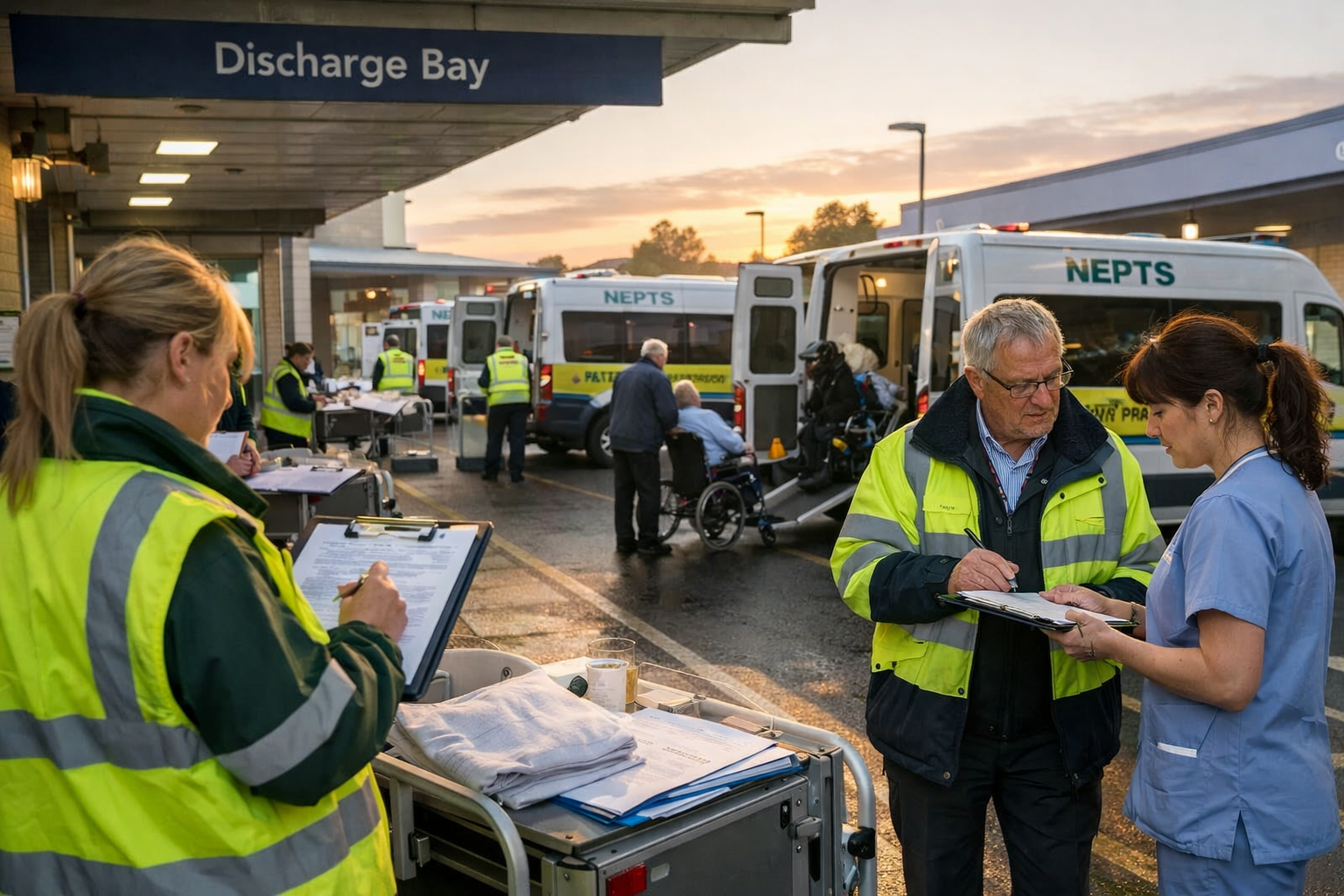
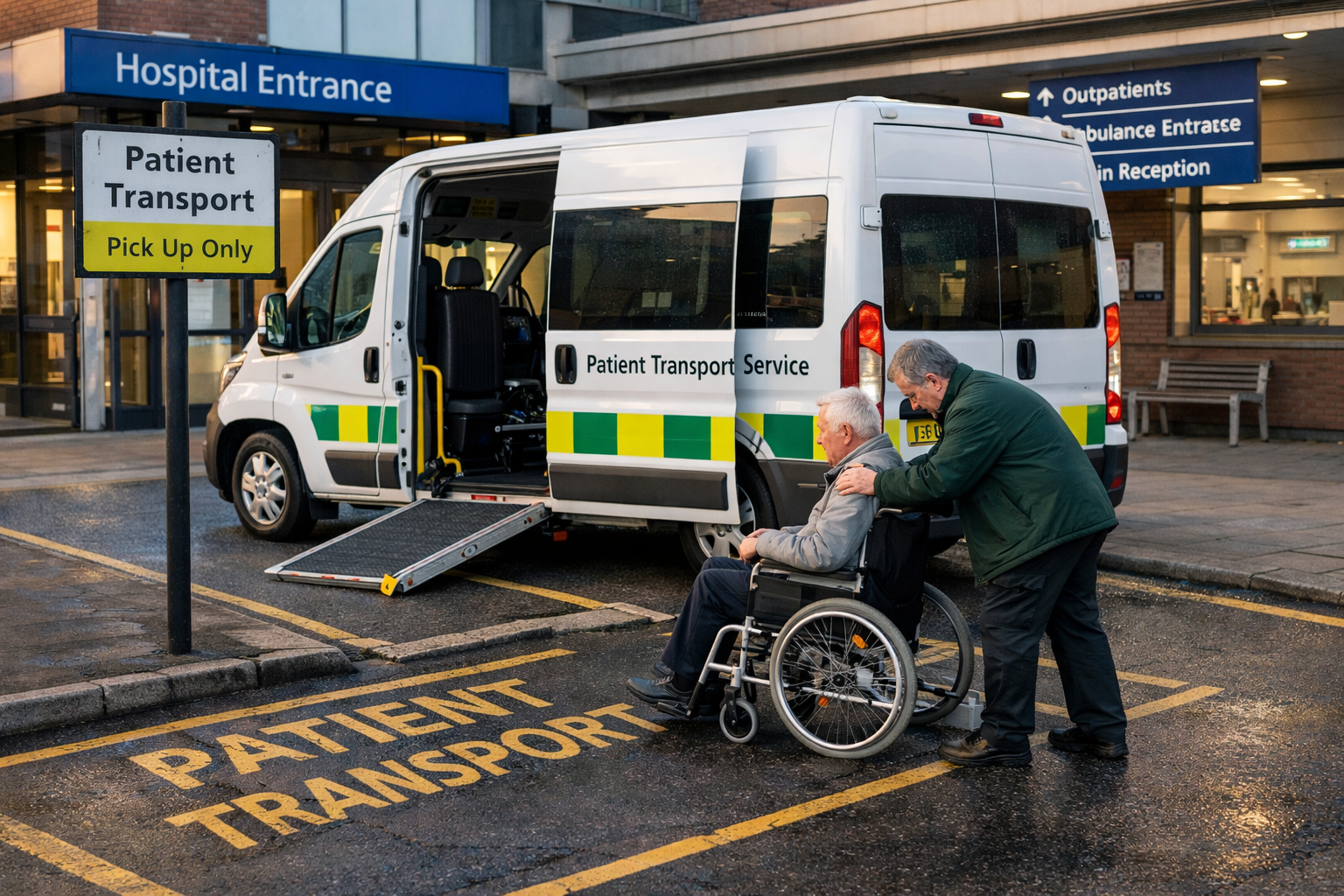
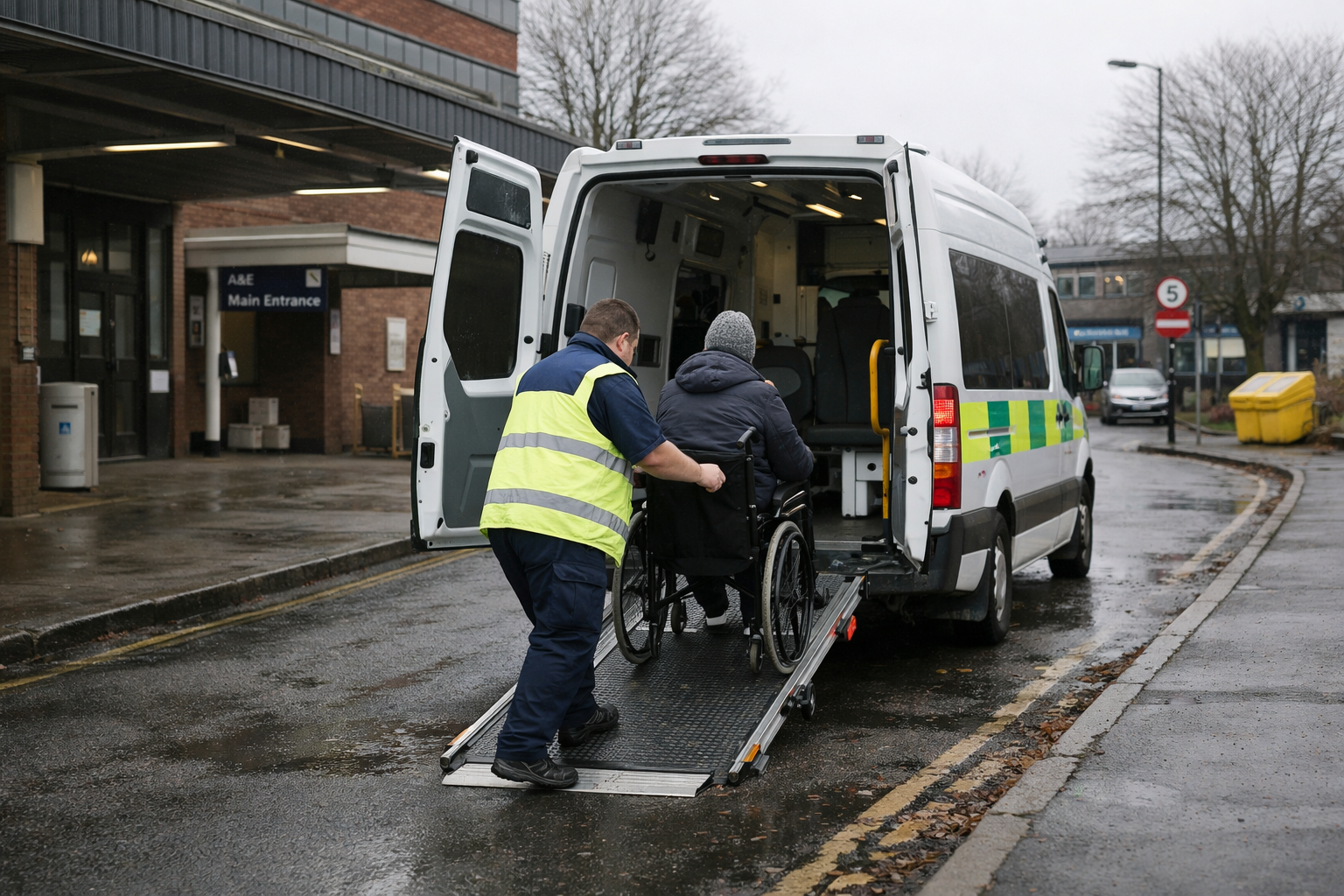
Even outside pure emergency units, decarbonisation is moving into patient transport and support vehicles across the NHS and its contractors, influencing long‑term procurement decisions.


Opportunities and challenges

Fleet expansion gives suppliers work now, but electric units also signal future expectations. Infrastructure planning, workforce skills, and depot readiness are becoming part of standard considerations in bids and proposals.


In summary

The West Midlands fleet growth story is not just about more vehicles. It is a shift toward capacity that meets today’s needs while preparing for tomorrow’s emissions standards. Keeping pace means understanding both reliability and electrification as operational commitments.


You might also like

By avro fleet team February 4, 2026
England’s NHS ambulance services have received more than 500 new vehicles as part of a £75 million investment to strengthen emergency care capacity. The rollout is one of the largest NHS fleet renewals in recent years and is aimed at cutting response times and boosting reliability during high‑pressure seasons. Breaking down the investment The new ambulances are double‑crew models equipped with updated safety technology to protect patients and paramedics. They replace older vehicles and have already reduced breakdown rates, meaning more vehicles are available to respond to 999 calls. The investment is part of a broader approach within the NHS to modernise urgent and emergency care and support frontline staff amid rising demand. An important part of this fleet upgrade is that many of the vehicles were converted or assembled in towns and cities across England. Local work in places such as Goole, Bradford, Sandbach, and Peterborough supports skilled jobs while ensuring the supply chain for ambulances remains robust and responsive. Operational impact For ambulance services stretched by seasonal spikes in respiratory illness and other pressures, having reliable, up‑to‑date vehicles makes a difference on the ground. Fewer breakdowns mean crews spend less time waiting for replacements and more time caring for patients. Early feedback suggests response times have improved compared to previous winter periods. These vehicles also play a role in non‑emergency ambulance workflows, supporting transfers between hospitals, discharges, and urgent care transport that does not require emergency lights and sirens but still matters to patient flow. What this means for the sector From the perspective of private providers, suppliers, and fleet partners, the scale and scope of this rollout send clear signals. First, NHS fleet renewal remains a priority for health planners. Second, modernisation is increasingly tied to reliability and staff safety features, not just replacement cycles. Manufacturers and converters that can deliver vehicles that match evolving NHS specifications and regulatory requirements are likely to see continued demand. Meanwhile, operators that manage maintenance and telematics well will be better positioned to support fleet uptime and reduce operational downtime. The bigger picture Investments in ambulance fleets are part of a wider strategy to improve urgent care and emergency services. Upgrading vehicles is one part; ensuring they are integrated into broader care pathways, supported by workforce planning, and backed by modern dispatch and tracking technologies will determine long‑term impact. Conclusion The deployment of over 500 new ambulances strengthens emergency response and everyday patient transport. It underscores the need for reliable, safer vehicles and signals sustained commitment to frontline care capability across the NHS.
By avro fleet team February 4, 2026
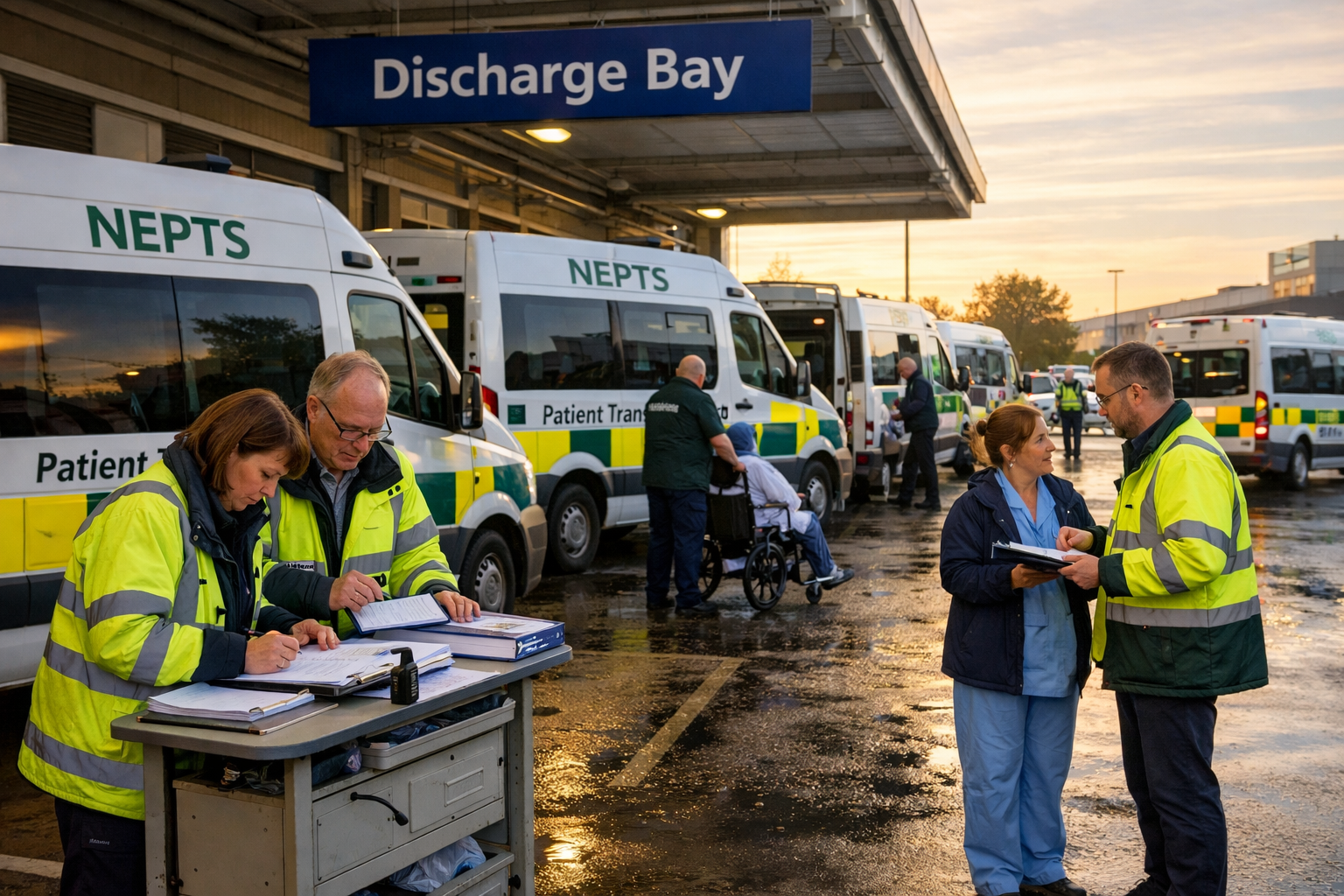
The healthcare transport sector in the South West of England has seen a significant shift following Health Transportation Group UK’s acquisition of First Care Ambulance. The deal brings the Devon non‑emergency patient transport contract and its associated vehicles and workforce into HTGUK’s portfolio and aligns services with Cornwall and Isles of Scilly operations. What the acquisition means for NEPTS delivery Non‑emergency patient transport (NEPTS) services are often overlooked until demand spikes or contracts change hands. They are essential to hospital flow, patient appointment access, and discharge planning. By consolidating the Devon and Cornwall contracts under one operator, commissioners may benefit from greater consistency of service delivery, deeper resource planning, and shared learning across a broader regional footprint. From an operations perspective, the acquisition brings around 176 staff and 76 vehicles into a larger group. That scale can improve resilience, especially during peak periods, unexpected staff shortages, or surge demand. For commissioners, this can translate to reduced risk, a broader pool of experienced personnel, and potentially better performance reporting because systems and processes are standardised across a larger network. Implications for private providers For private companies in the ambulance and patient transport market, this deal highlights the value of scale and integration. Winning contracts increasingly depends on demonstrating the ability to manage complex regional requirements, maintain fleet readiness, and support workforce development across multiple sites. Consolidated providers may be better placed to invest in fleet upgrades, telematics, and data‑driven performance measures than smaller, fragmented operators. Workforce and service continuity One notable feature of the acquisition is that the existing management team at First Care Ambulance stays in place. That continuity can help smooth the transition, reduce disruption, and retain institutional knowledge about local service requirements and commissioning relationships. It is an example of how acquisitions can be structured to preserve service stability while achieving organisational goals. Strategic context The merger of the Devon and Cornwall Integrated Care Boards adds a backdrop of broader health system transformation. As integrated care systems evolve, patient transport services are being looked at as part of whole‑system planning rather than discrete contracts. Bigger, coordinated transport networks may align better with broader goals like integrated discharge pathways and improved patient access. Bottom line This acquisition is more than a change of ownership. It reflects broader trends in healthcare transport: consolidation for resilience, integration with regional health planning, and the need for robust operational capability. Providers and commissioners alike should note that scale and continuity are increasingly central to delivering reliable, patient‑centric transport services.


By avro fleet team February 4, 2026
In dense city centres, last‑mile logistics has become a balancing act between speed, sustainability and cost. That’s why the recent announcement that Vok Bikes will shift production to Renault’s Refactory plant in France is significant.  Vok Bikes specialises in four‑wheeled electric cargo bikes designed for commercial use. These vehicles are bigger than a standard cargo bike but smaller and more agile than a van. They fit comfortably into urban streets, can often use bike lanes where allowed, and avoid the congestion charges that apply to larger vehicles in many cities. By moving production to the Refactory site, Vok gains access to an industrial‑scale manufacturing setup close to its key Western European markets. This production shift is projected to boost capacity roughly tenfold in its first year. For fleet operators, that means easier access to vehicles, shorter lead times and a less constrained path from pilot to full deployment. Why does this matter now? Cities across Europe are tightening emissions rules and charging zones. Business models that rely on petrol or diesel vans are increasingly costly. Cargo bikes fill a gap: they’re capable of carrying commercial loads without the overhead of larger EV vans, and they align with sustainability goals many clients and cities are prioritising. The partnership with Renault also strengthens Vok’s credibility with large clients who may have been hesitant to adopt a smaller manufacturer’s products at scale. When a well‑established automotive group backs production capacity, it reduces risk for fleet buyers who need dependable supply and service. This expansion could reshape how logistics operators think about last‑mile fleets. Rather than treating cargo bikes as experimental add‑ons, they could become a core part of a mixed‑fleet strategy, especially for deliveries under a few hundred kilograms. From a sustainability perspective, replacing vans with electric cargo bikes reduces emissions, cuts noise and eases urban congestion. And when production constraints ease, the total cost of ownership for these bikes becomes more attractive. For businesses planning future fleet investments, understanding this shift — and watching how quickly production can scale — will be key to competitive planning.