A hearse at a drive-through is strange, until you understand why
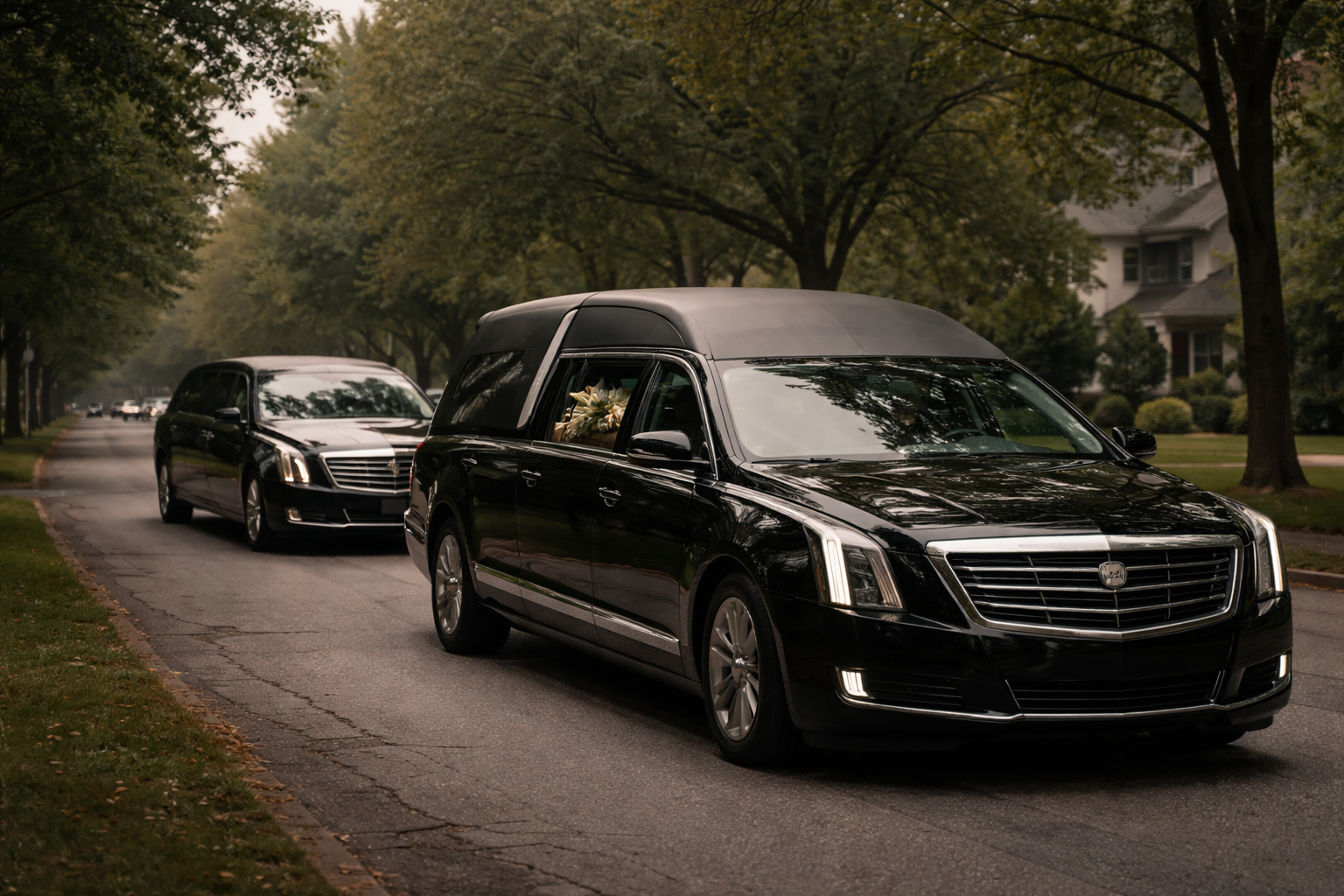
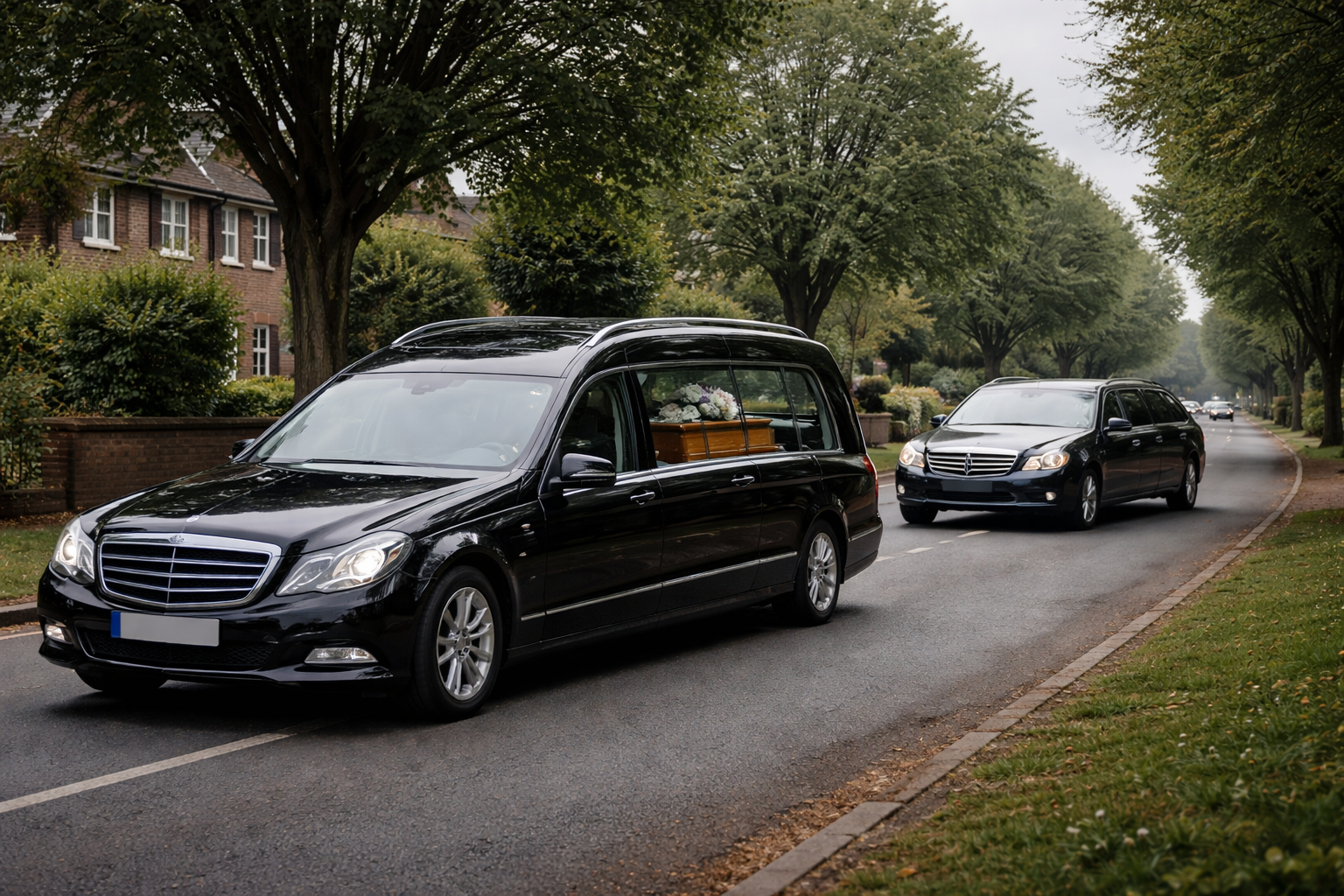
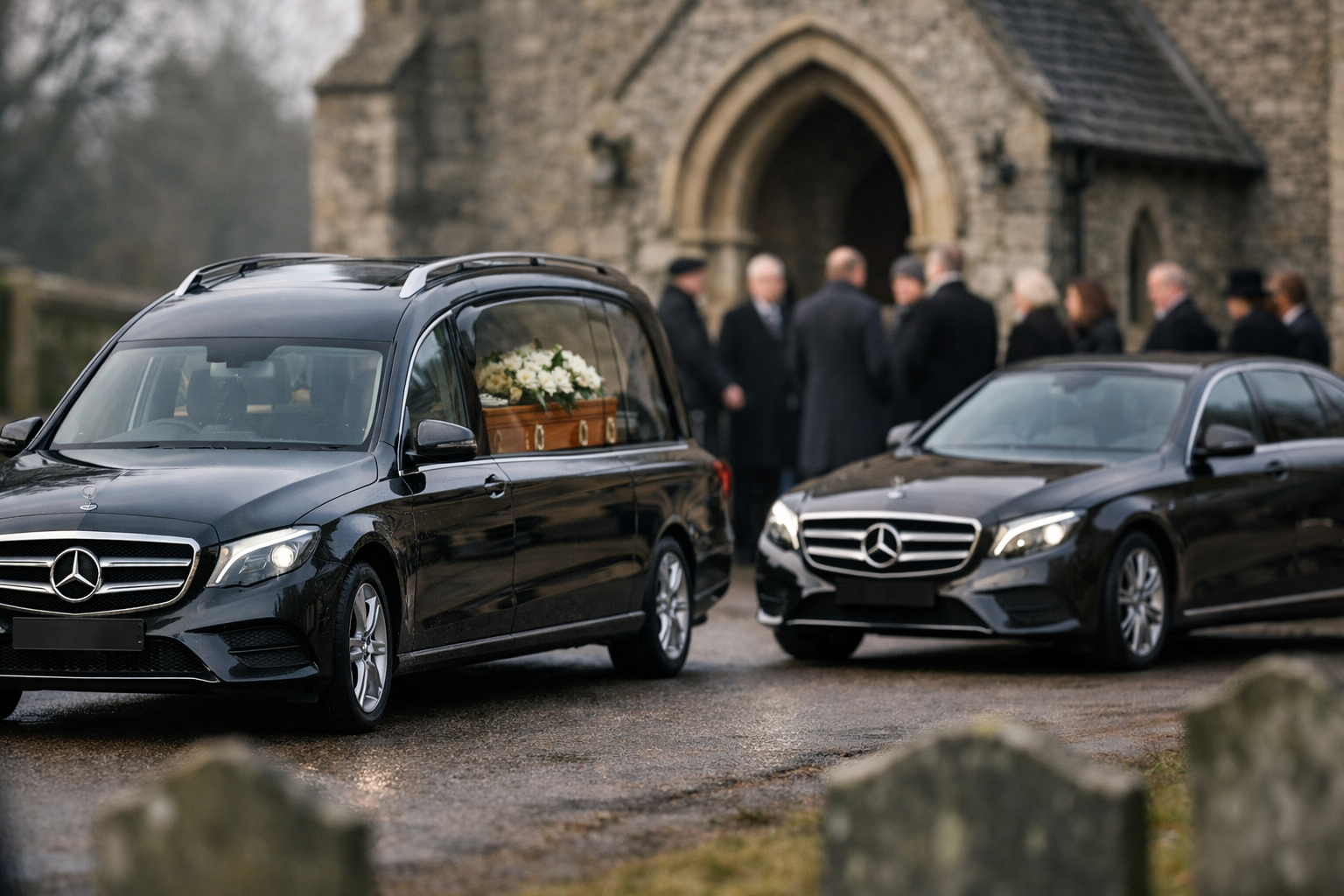
A video from South Australia showed something most people don’t expect: a hearse with a coffin visible, rolling into a fast-food drive-through. It went viral because it felt like the wrong vehicle in the wrong place.
But the explanation shared afterwards was simple. In some cases, families ask for a final stop that meant something to the person who died. A last coffee. A familiar snack. One more small routine before the goodbye.
Whether you find that touching or uncomfortable, it points to a real change in funeral transport.
Funeral journeys are getting more personal
Funerals are not only about tradition now. More families want the day to feel specific to the person. The music has changed. The venues have changed. The tone has changed. And transport is part of that story.
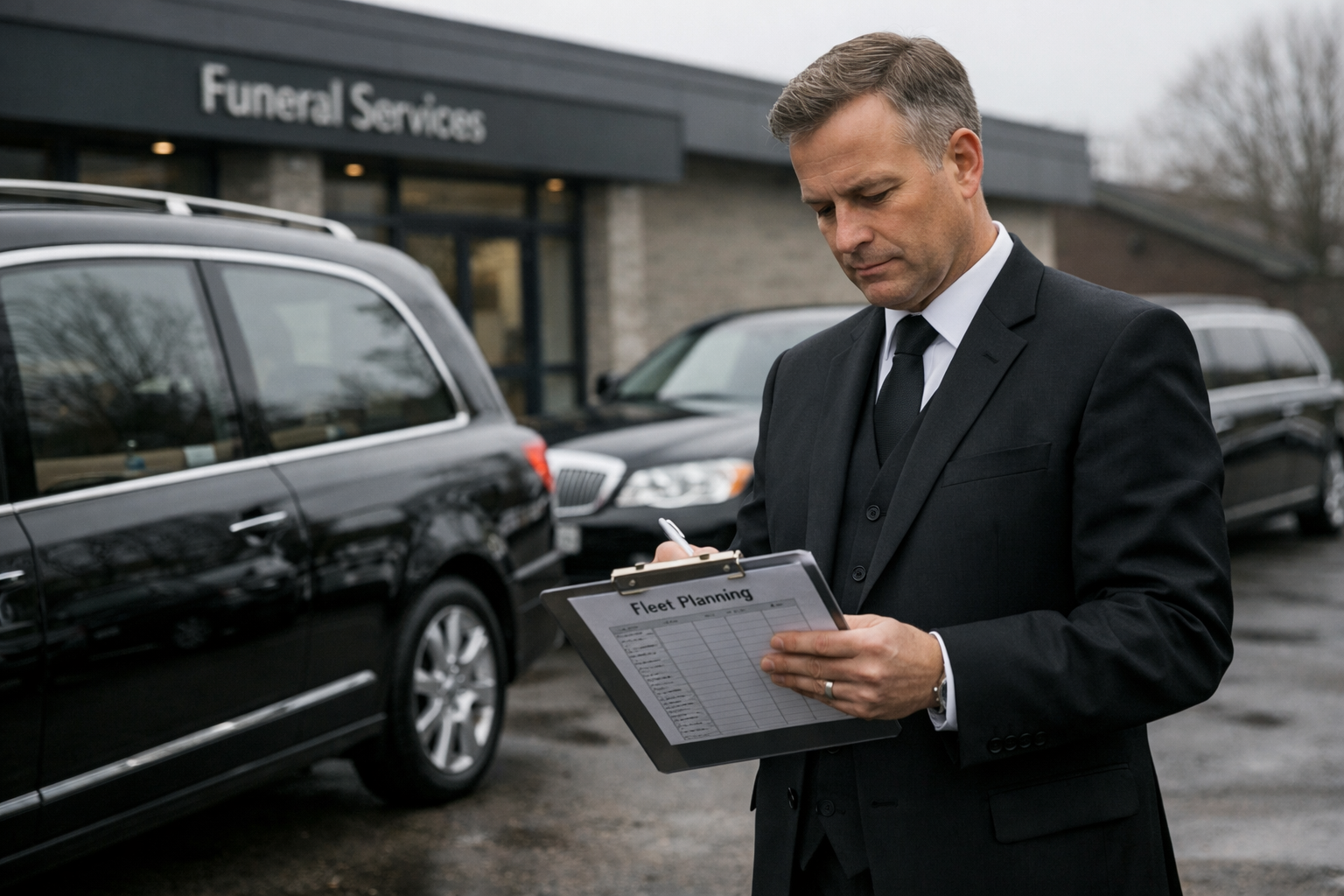
For funeral directors and fleet operators, this creates a new kind of expectation: the route matters. A “standard” point‑to‑point trip may not be enough. Families may ask for a short detour, a pause at a meaningful spot, or something that looks ordinary to the public but is deeply important to them.
What transport operators can learn from the viral moment
The video got attention because it was public. That is the risk and the reality. When a hearse stops somewhere everyday, strangers may film it, comment on it, and misunderstand it.
So the lesson is not “do drive-through stops”. The lesson is: if you offer personalised processions, you need a plan that protects dignity.
Here are practical considerations worth building into operations:
Confirm the request clearly. Who is asking, and what exactly do they want: a pass-by, a stop, or a short wait?
Choose locations carefully. Is there safe access for a long vehicle? Is the route suitable? Is there space to avoid blocking traffic?
Keep it discreet. If a stop is meaningful but likely to attract attention, consider quieter alternatives (a nearby car park, a brief pull-in, a planned pass).
Driver briefing matters. Chauffeurs need guidance on what to say if approached, how to handle filming, and how to keep the family calm.
Timing and coordination. If a third party is involved (a café, venue, crematorium schedule), a quick phone call can prevent delays and awkwardness.
Think about safety first. A respectful moment is not worth a risky manoeuvre or a rushed rejoin into traffic.
The bigger point: dignity is not only about formality
Some people equate dignity with strict tradition. Others see dignity as doing what the person would have wanted, even if it looks unusual to outsiders.
The best funeral transport teams already understand this. They don’t just provide a vehicle. They provide reassurance, calm timing, and quiet professionalism when families are under pressure.
Viral videos come and go. The underlying shift will stay: families want funeral transport that feels human. If the industry meets that with good judgement and clear boundaries, it can be both personal and respectful.
You might also like