What a Texas electric trucking “buyers group” can teach film and TV production logistics
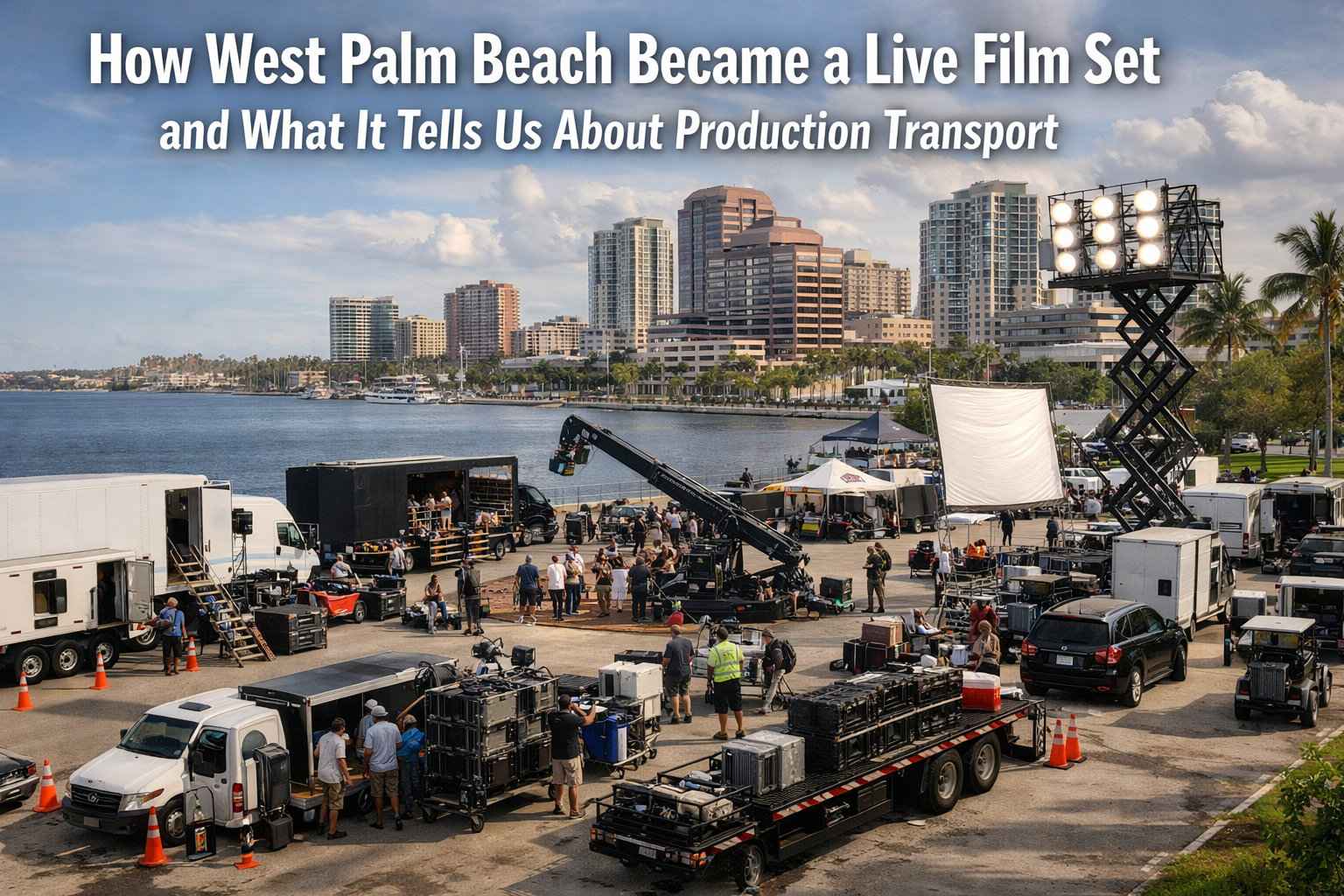
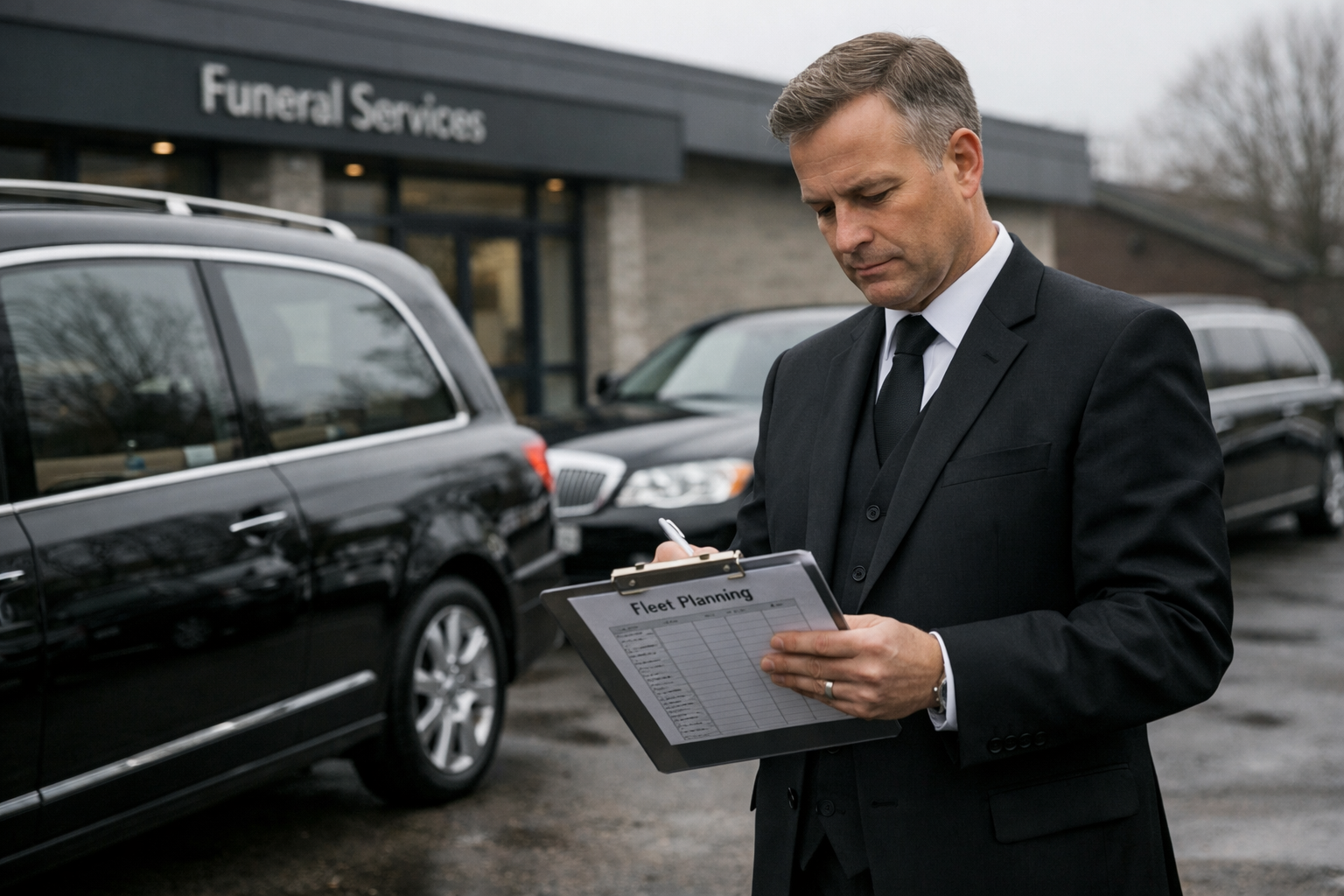
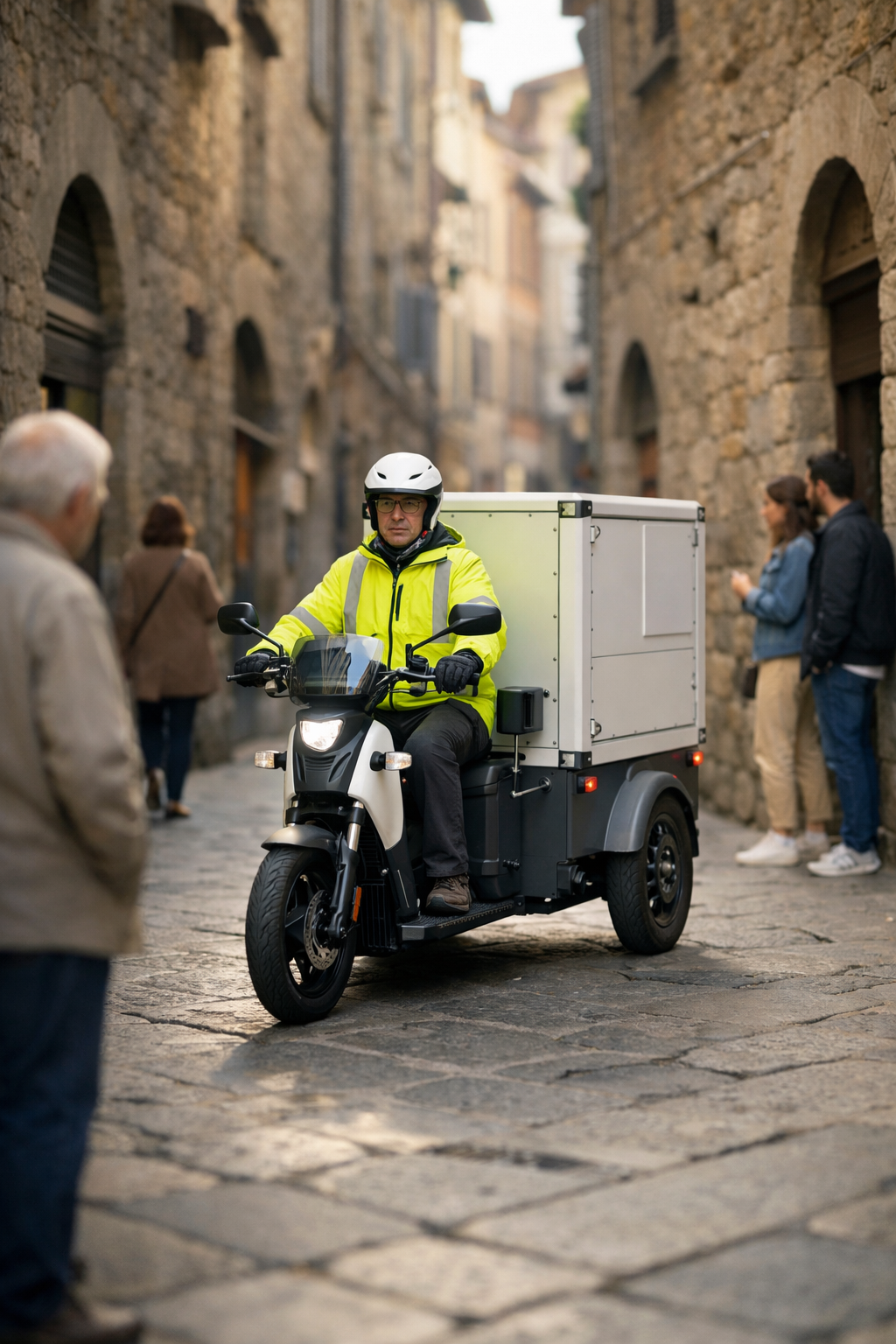
Film and TV production runs on transport. Unit vehicles, trucks for equipment, set builds moving between shops and stages, and last‑minute courier runs that somehow become “urgent” at 10pm.
That’s why a new electric trucking pilot in Texas is worth a look, even if you’ve never shipped a pallet in your life.
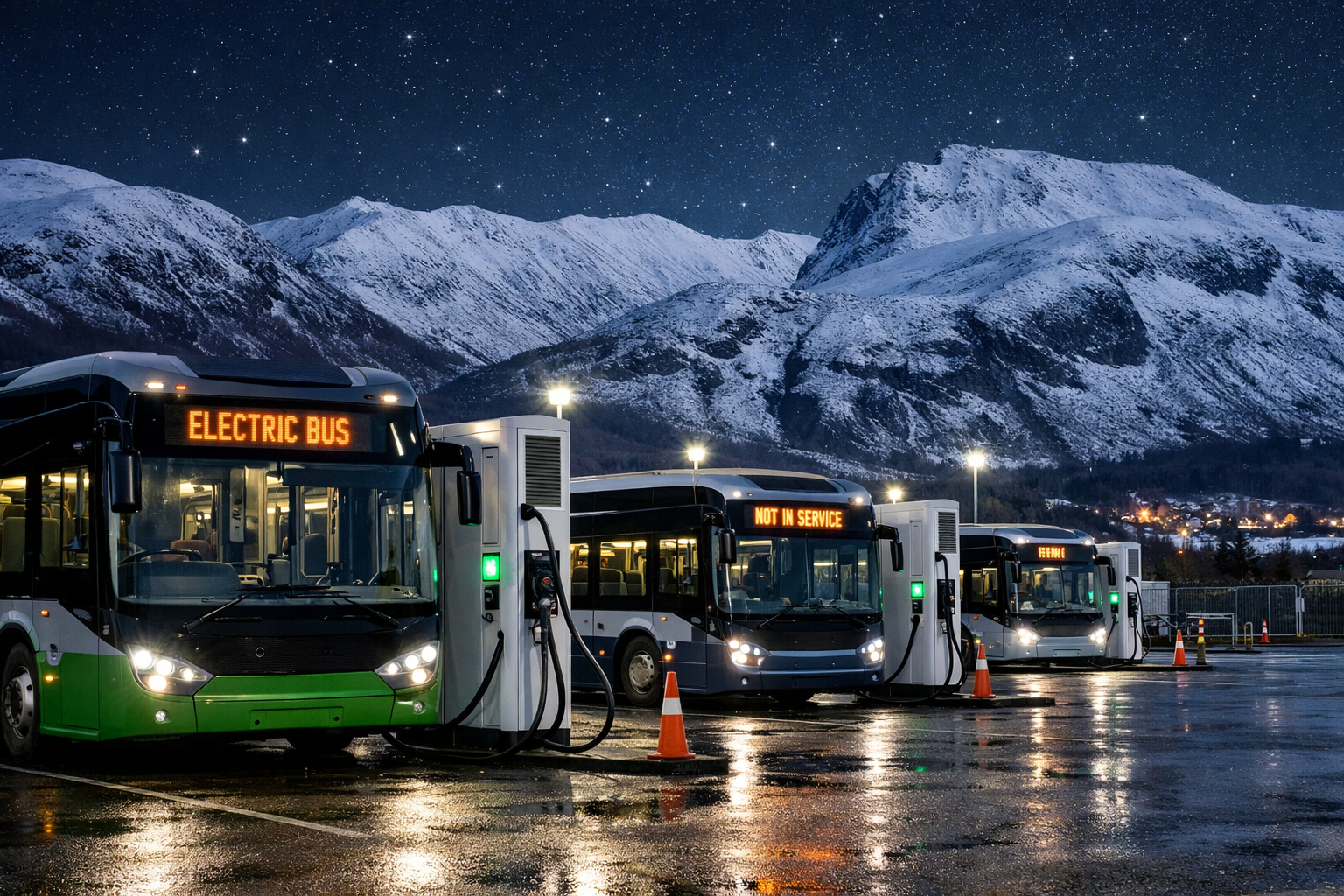
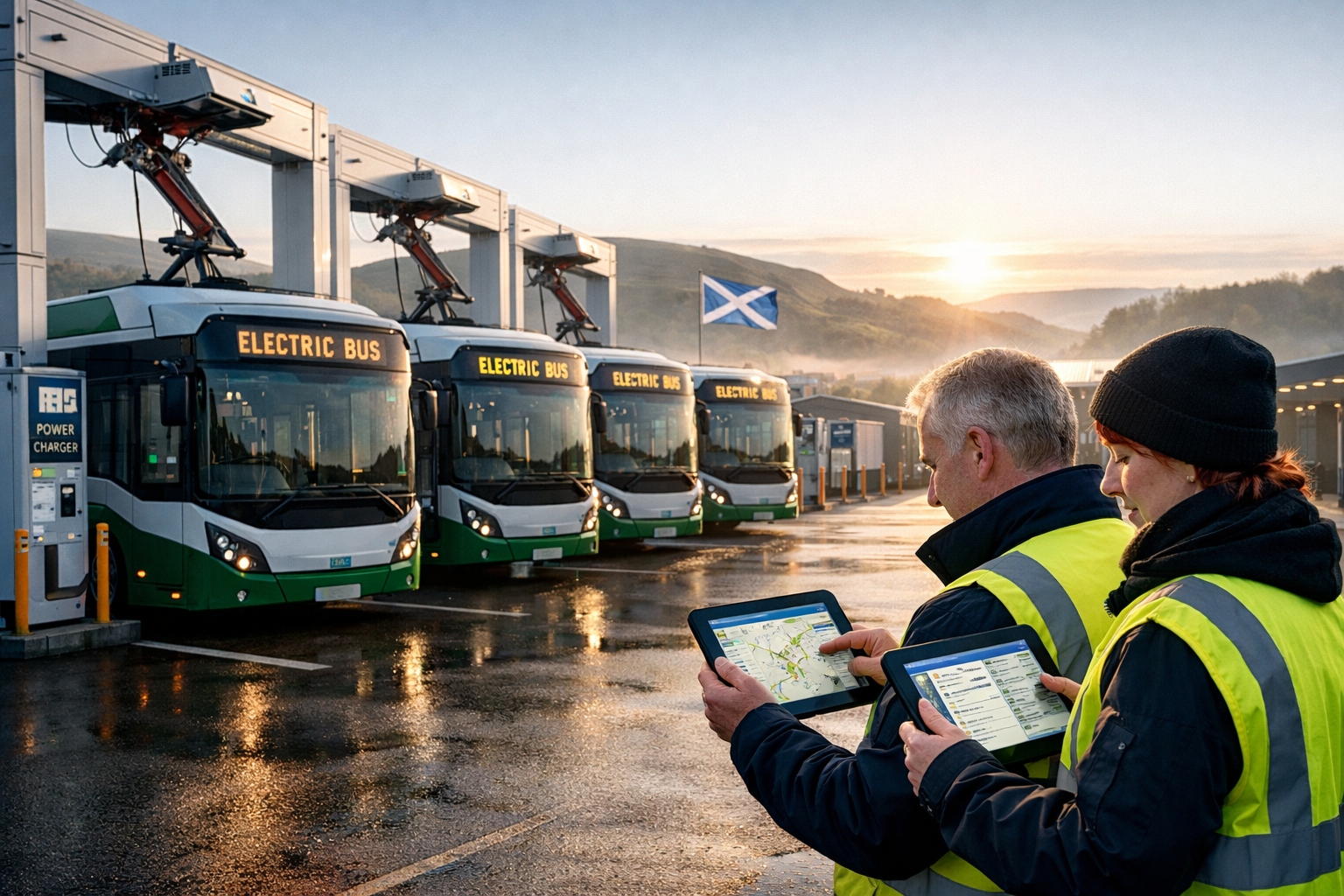
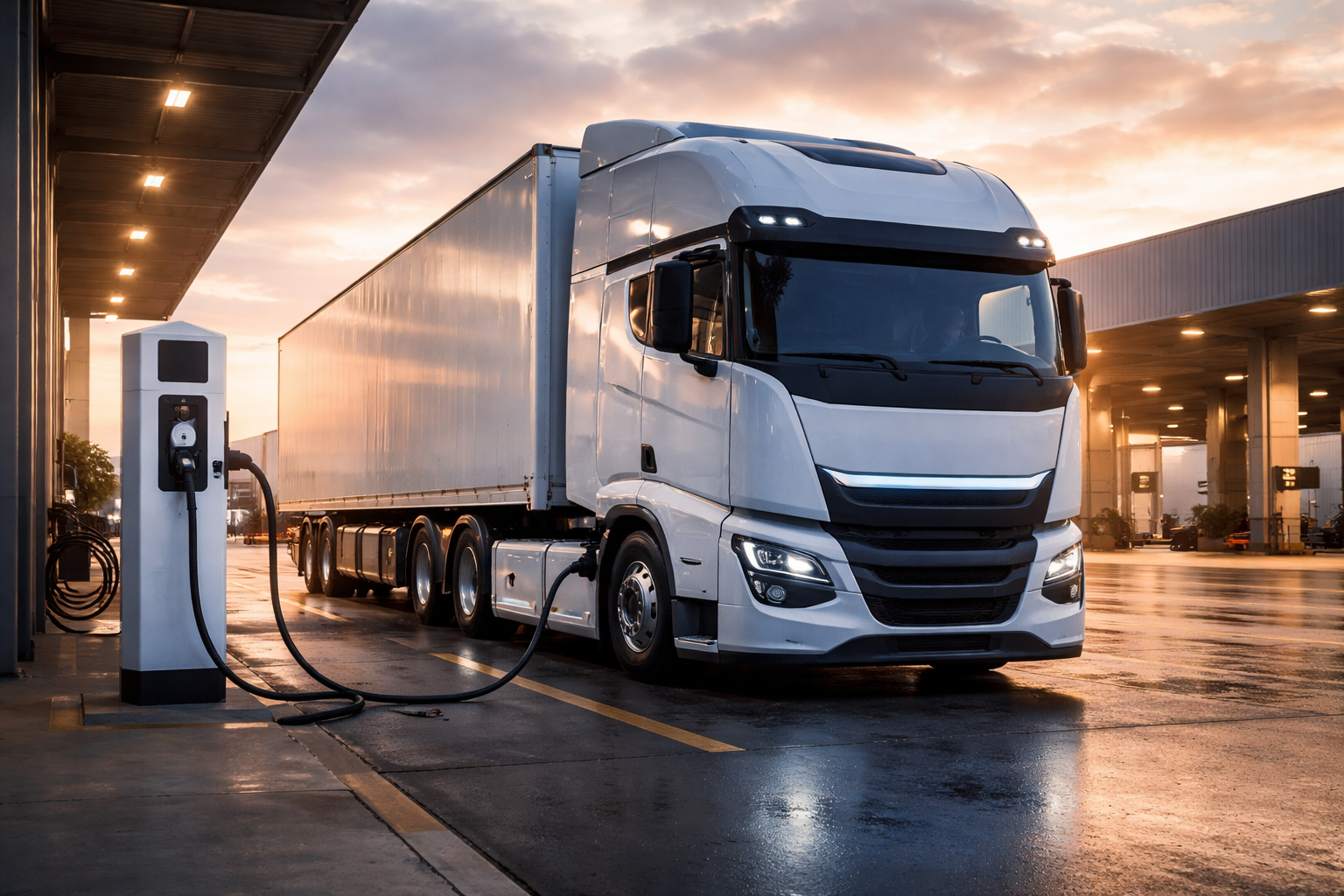
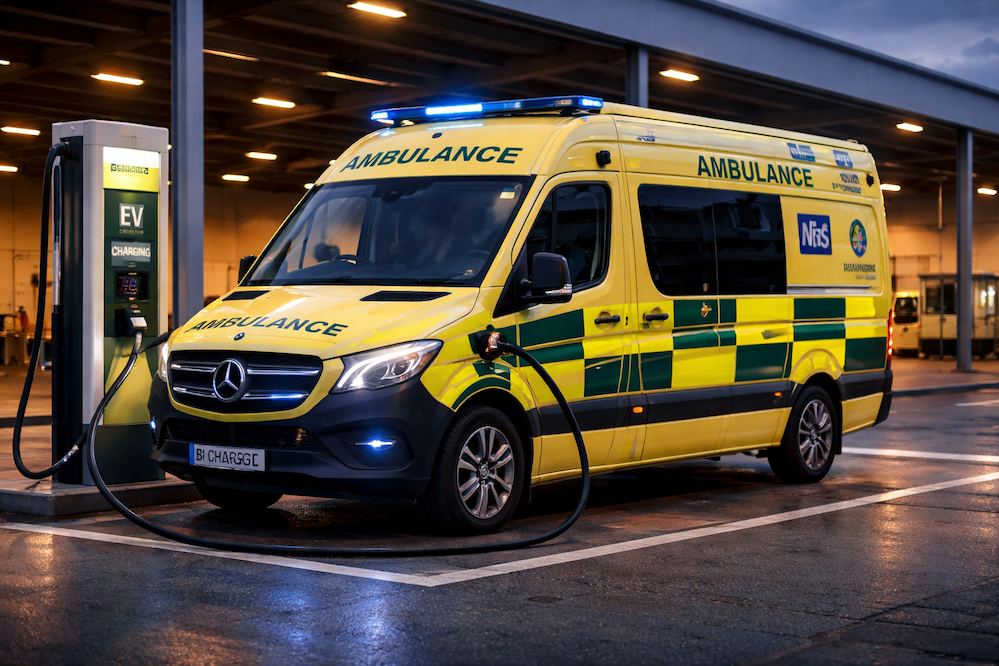
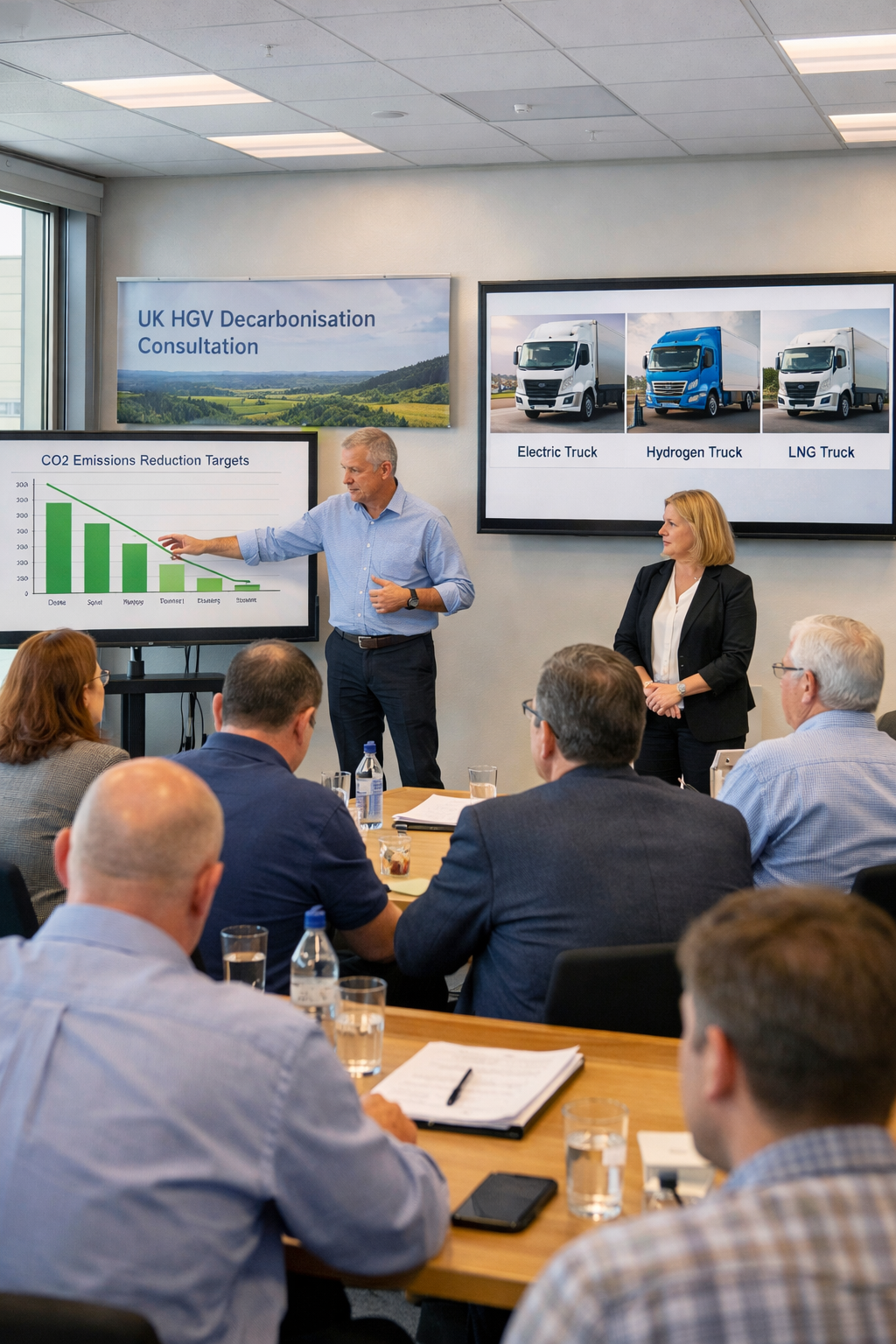
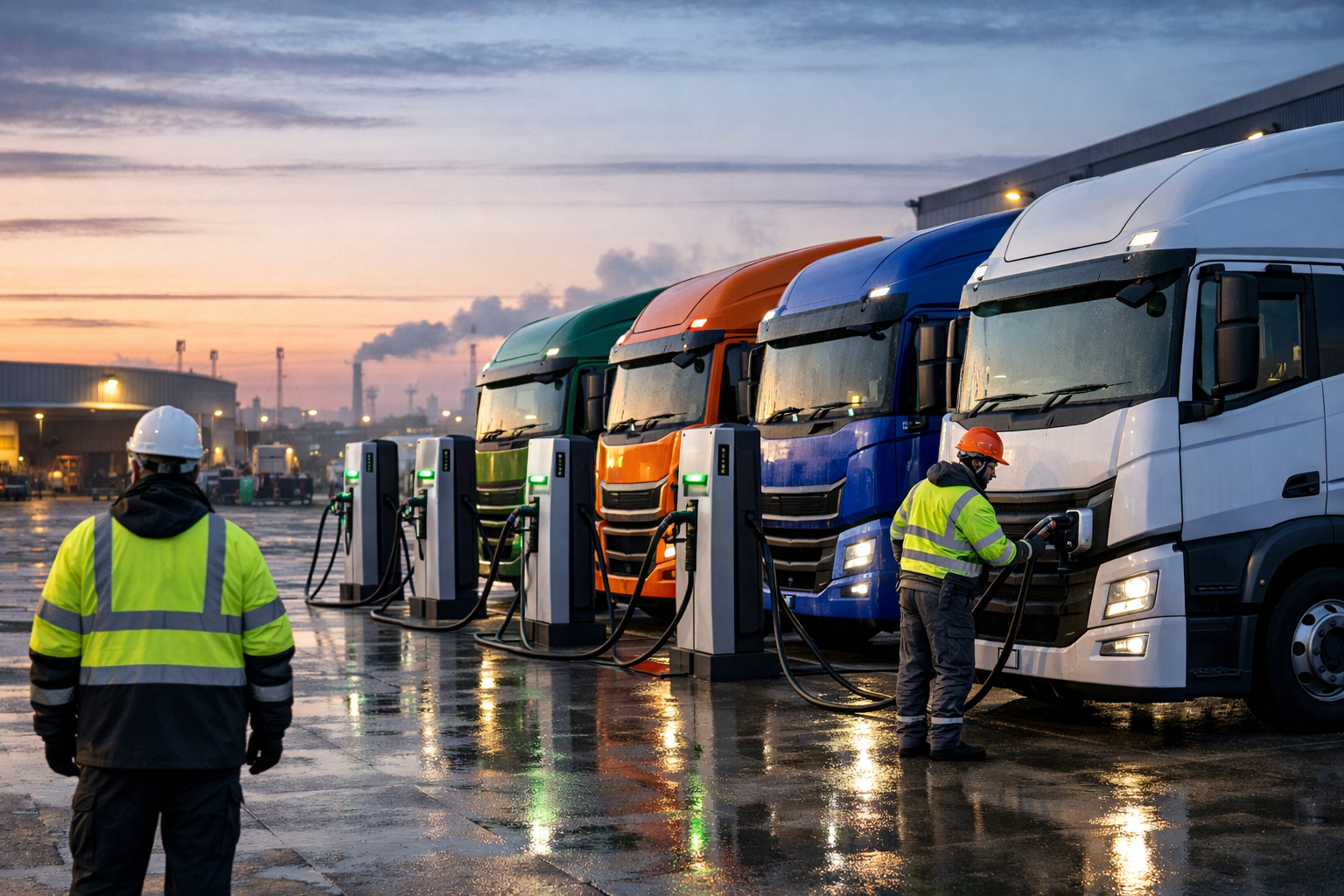
A procurement led by the Center for Green Market Activation (GMA), with Smart Freight Centre, is set to support carrier Nevoya deploying roughly 40 Class 8 battery-electric trucks and charging infrastructure on a Houston–Dallas route. The programme brings together corporate demand through multi‑year offtake agreements, and it uses a “book and claim” approach where companies buy verified zero‑emission trucking attributes that are audited and tracked in a registry.
This is a freight story. But the real lesson is about how to get clean transport capacity to show up at scale.
The problem production transport keeps hitting
In production transport, the pattern is familiar:
- A show wants lower emissions.
- A supplier can help, but the cleaner kit costs more upfront.
- Nobody wants to be the first mover if the next job might not request it.
So progress becomes patchy. You get a few electric vans here, a hybrid there, and a lot of “maybe next season.”
The GMA pilot tackles the same issue in heavy trucking: shippers want zero‑emission freight, but fleets need reliable demand to justify rolling out trucks and chargers. The pilot’s answer is simple: aggregate demand, lock in commitments, then deploy.
Why the structure matters more than the tech
Battery-electric trucks are improving fast, but a truck without a route plan and charging plan is just an expensive idea.
This pilot ties the pieces together:
- a defined corridor (Houston–Dallas)
- a carrier deploying trucks where they can actually run
- charging infrastructure matched to that route
- multi‑year commitments that support financing and operations
That’s the bit film and TV can borrow.
What this could look like for film and TV logistics
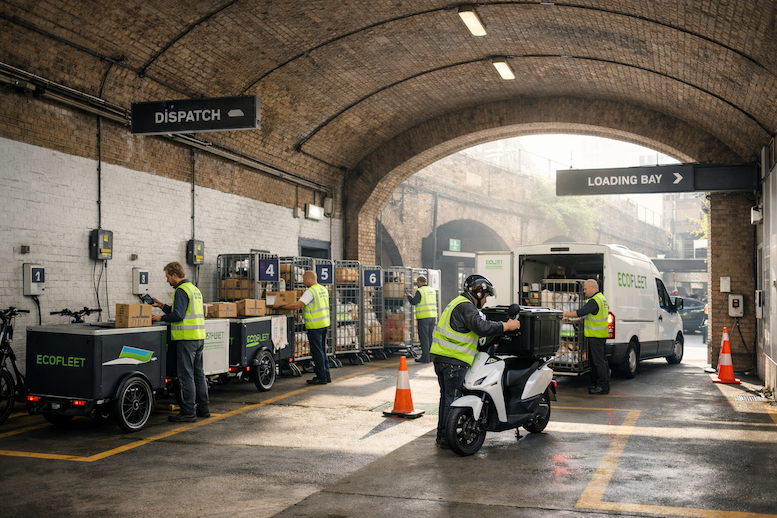
Imagine a similar buying method for production transport:
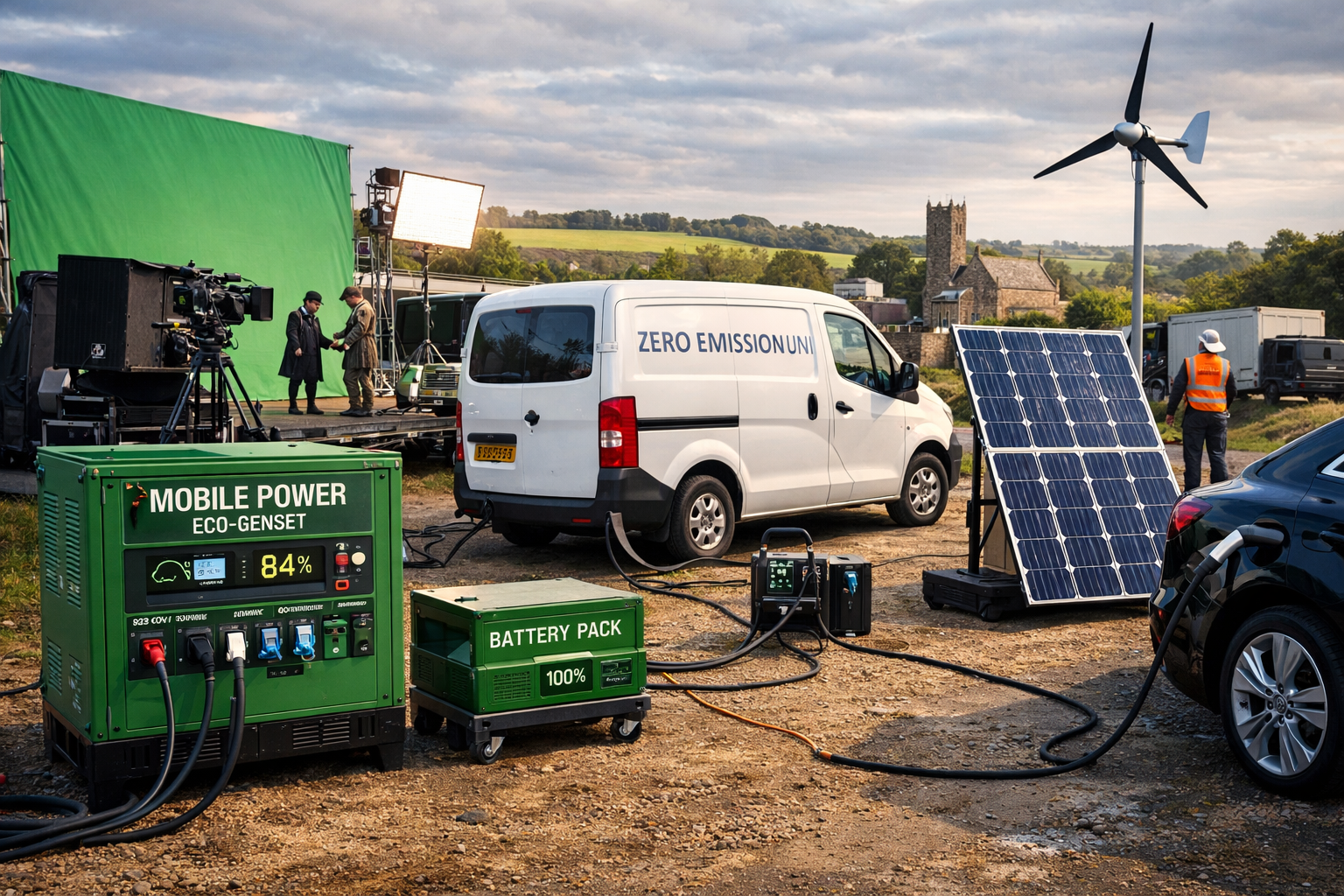
- Several studios or production service companies commit to a minimum number of electric unit vehicles across a season.
- A transport supplier commits to providing the vehicles, drivers, and charging plan.
- The commitment is long enough to justify investment, not just a one‑off deal.
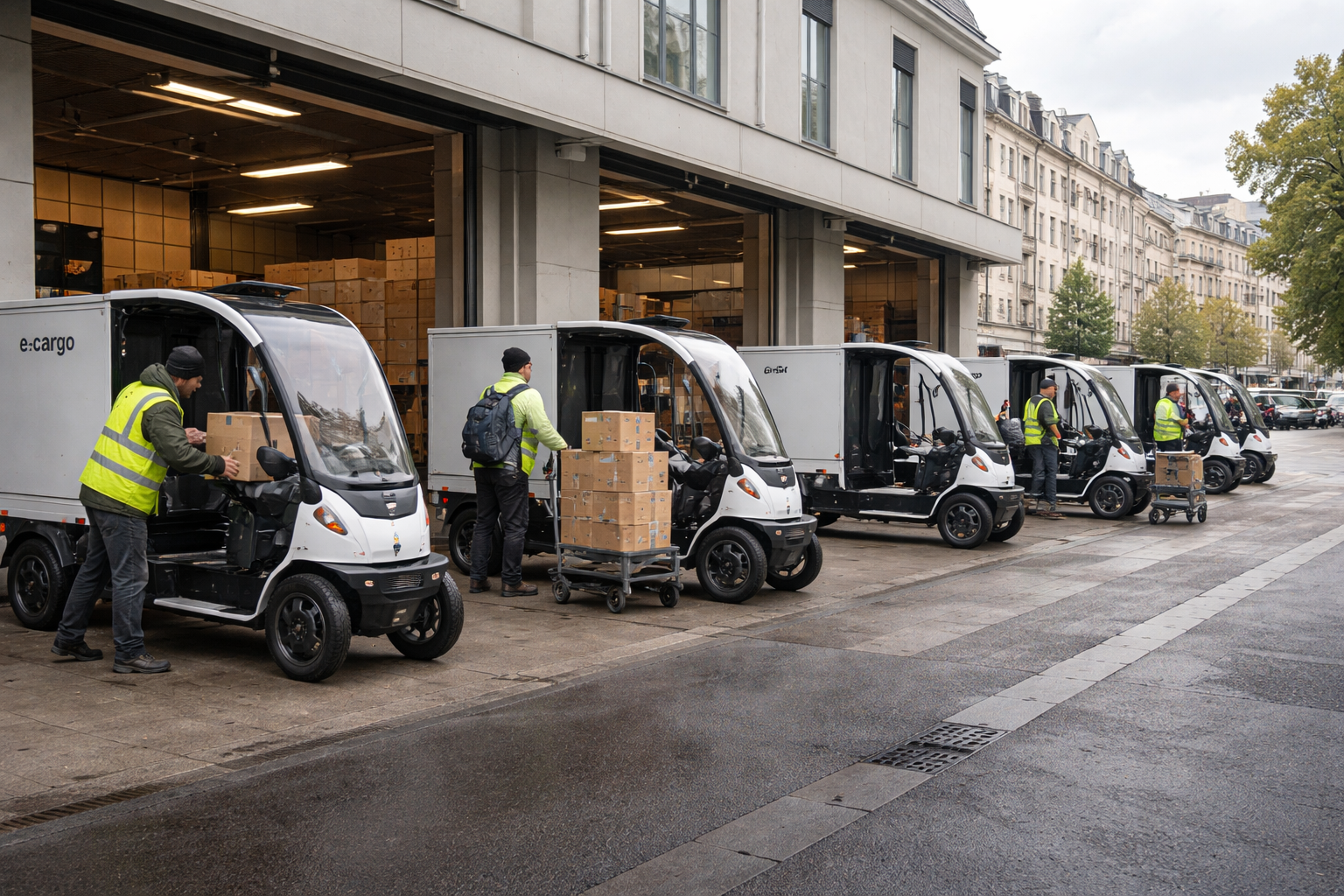
You can apply the idea to equipment trucking too, especially for predictable lanes: shop to stage, stage to location base, repeat.
Even the “attribute” concept is interesting for productions working across multiple sites. The pilot separates the environmental benefit from the physical move, so companies can fund clean capacity where it’s most practical, without pretending every shipment is perfectly matched.
What this means
If you’re responsible for production logistics, the question to ask isn’t “Do we want cleaner vehicles?” Most people already do.
The better question is: Are we buying in a way that lets suppliers invest with confidence?
Because the biggest shift in production transport might not come from a new model year van.
It might come from a smarter way to commit demand, so clean capacity becomes normal.
You might also like