UK moves forward with HGV emissions regulation and hydrogen transport innovation
The UK transport sector remains one of the highest sources of greenhouse gas emissions in the economy. In early 2026, momentum toward cleaner freight and innovative fuel technologies took two notable steps forward: the Department for Transport launched a public consultation on a new heavy goods vehicle (HGV) CO₂ emissions regulatory framework, and five hydrogen innovation projects were selected for demonstration under the Hydrogen Innovation Initiative. These developments reflect policy and technology working in parallel to reduce carbon emissions from surface transport and support the shift toward zero‑emission fleets.
HGV emissions consultation: a regulatory turning point
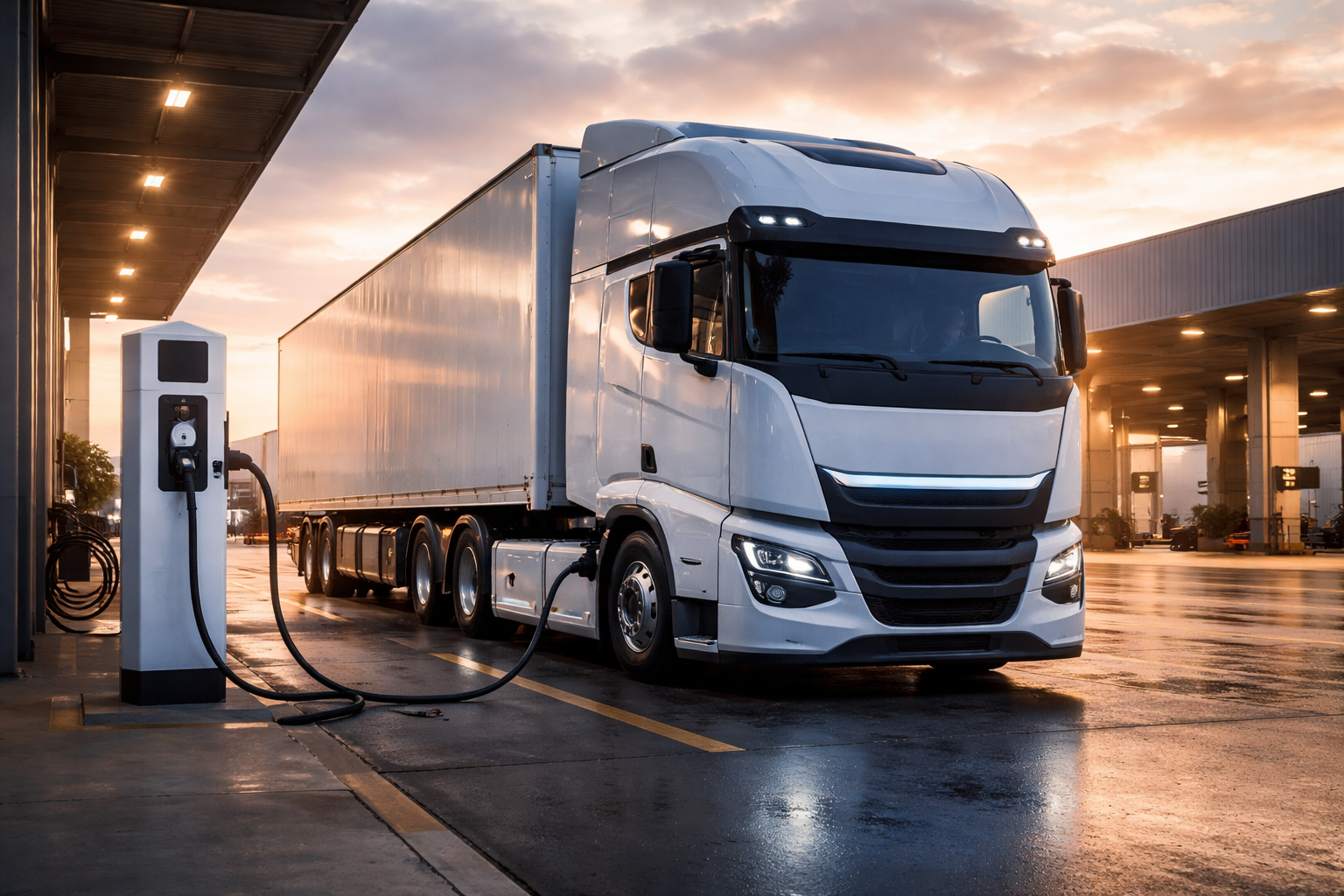
The consultation on tighter HGV CO₂ limits represents a more structured approach to cutting emissions from heavy freight. Historically, transport emissions regulation has focused on passenger cars and vans, with heavy trucks slower to adopt binding standards. By inviting industry feedback on proposed carbon limits and compliance mechanisms, the Department for Transport aims to create a regulatory baseline that will influence buying decisions, fleet renewal cycles and total cost considerations for operators.
For fleet operators and financiers, the immediate impact is planning certainty. Knowing how emissions standards could tighten over time allows asset planning teams to model depreciation curves more accurately and lenders to assess risk and collateral values with more confidence. This regulatory foresight is not just about limits on paper; it shapes residual value expectations and determines how quickly older diesel HGVs need replacement. Clear emissions frameworks also guide capital allocation to charging infrastructure or alternative fuels. Increasingly, investors look for clarity on emissions pathways before committing long‑term capital to high‑value transport assets.
Hydrogen innovation reveals alternative decarbonisation pathways
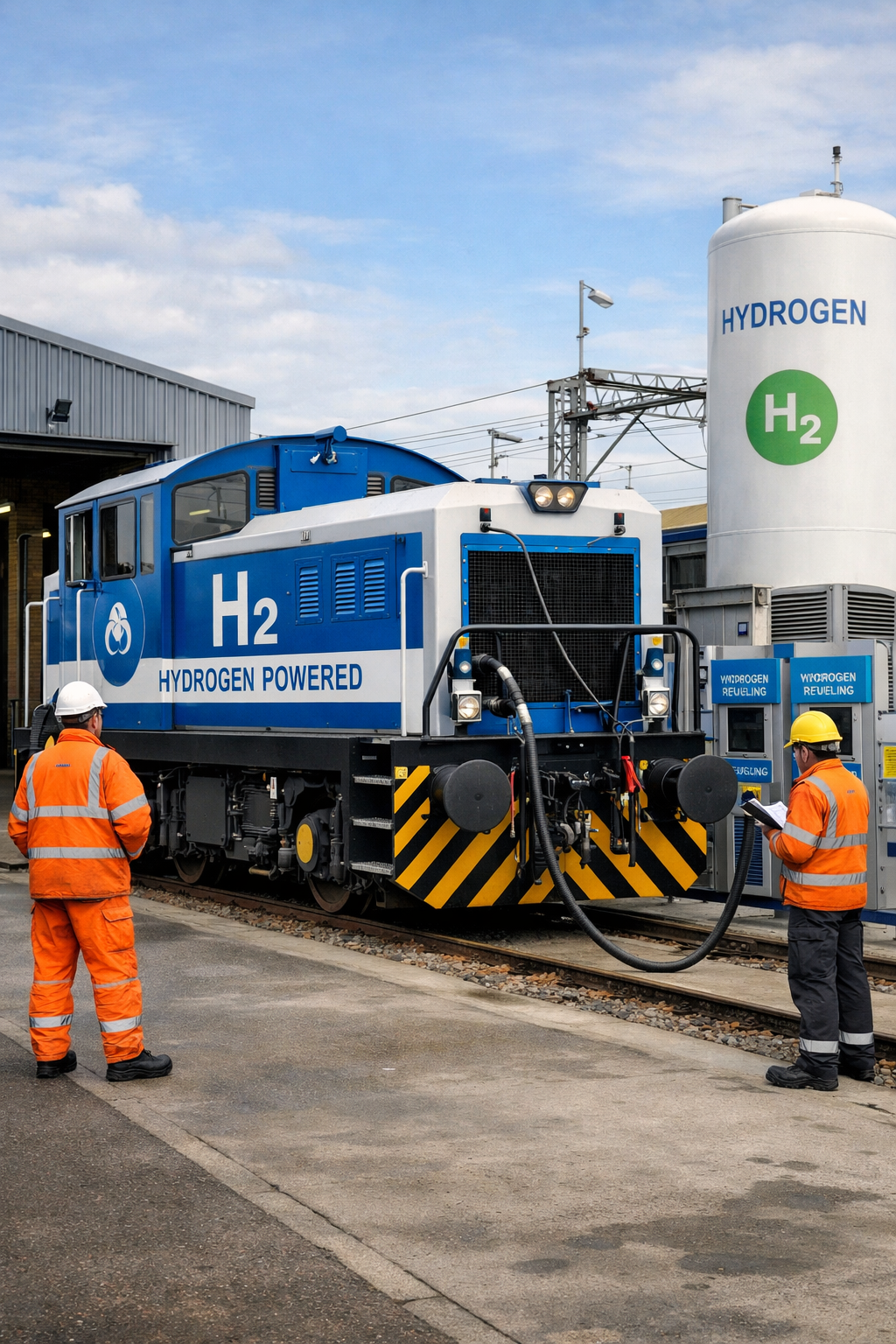
While electrification is central to reducing freight emissions, hydrogen shows promise for applications where battery weight, range or refuelling time present challenges. The Hydrogen Innovation Initiative’s selection of five UK pilot projects supports technology demonstrations ranging from offshore hydrogen production to the country’s first hydrogen‑powered railway shunter. These pilots aim to explore how hydrogen can be integrated safely and effectively into transport operations, especially in sectors where battery‑electric solutions may face limitations.
Hydrogen transport technologies, including fuel cells and synthetic fuels, are gaining traction in markets where long ranges and fast refuelling are priorities, such as heavy freight, certain rail operations and long‑haul applications. Early demonstrations help map out the practical barriers and enablers, such as safety protocols, fuelling infrastructure and supply chain readiness. Fleet professionals and financiers should watch these pilots closely, as successful projects could unlock new investment corridors and revenue streams tied to low‑carbon fuel infrastructure.
Why these moves matter for fleet decision‑makers
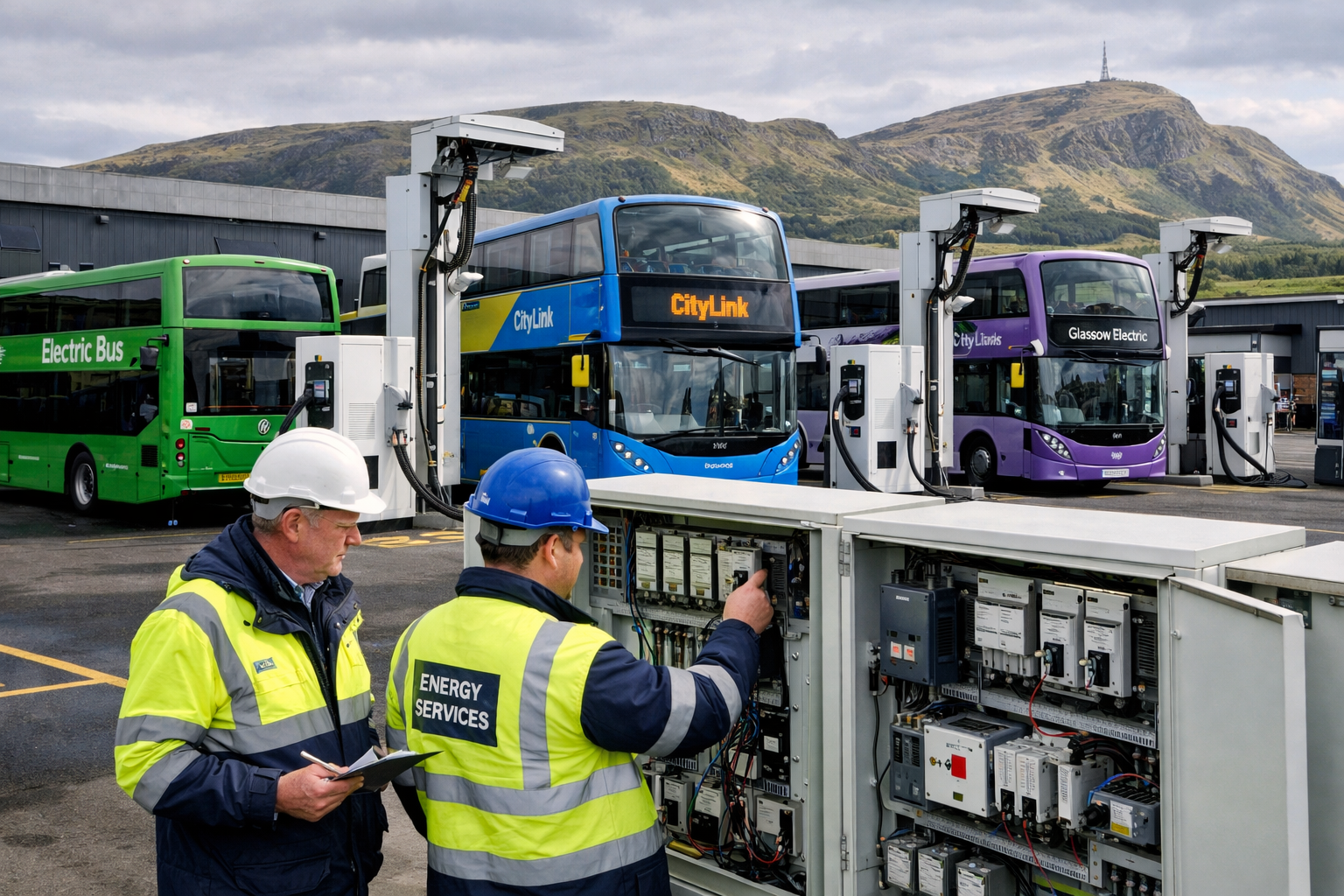
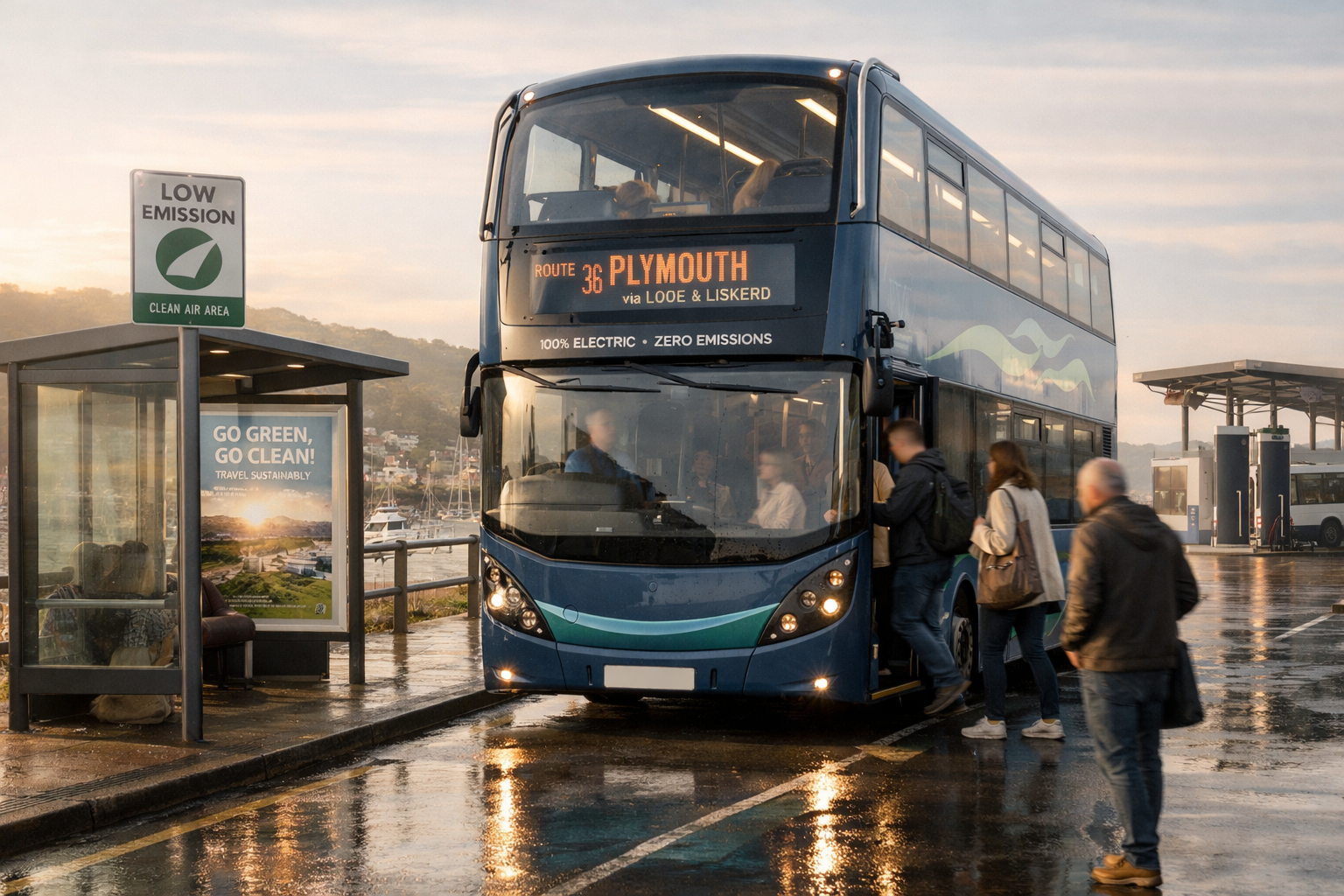
Transport decarbonisation is as much commercial as it is environmental. Regulatory certainty around HGV emissions helps operators plan refresh cycles and quantify the business case for electric or alternative fuel trucks. It also shapes financing conversations, enabling brokers and lenders to structure products that align with future compliance timelines and residual performance expectations. As regulations tighten, demand for zero‑emission vehicles will increase, reducing technical risk and improving secondary market liquidity for greener assets.
Likewise, hydrogen pilots represent a diversification of the clean transport portfolio. Fleet planners and investors benefit from understanding how hydrogen stacks up against electrification for specific use cases. Identifying where hydrogen may add value or complement electric solutions helps shape balanced long‑term plans.
Putting policy into practice
To turn regulatory and technological promise into operational change, fleet and finance teams should prioritise:
- Incorporating emissions regulation scenarios into asset life planning and depreciation models
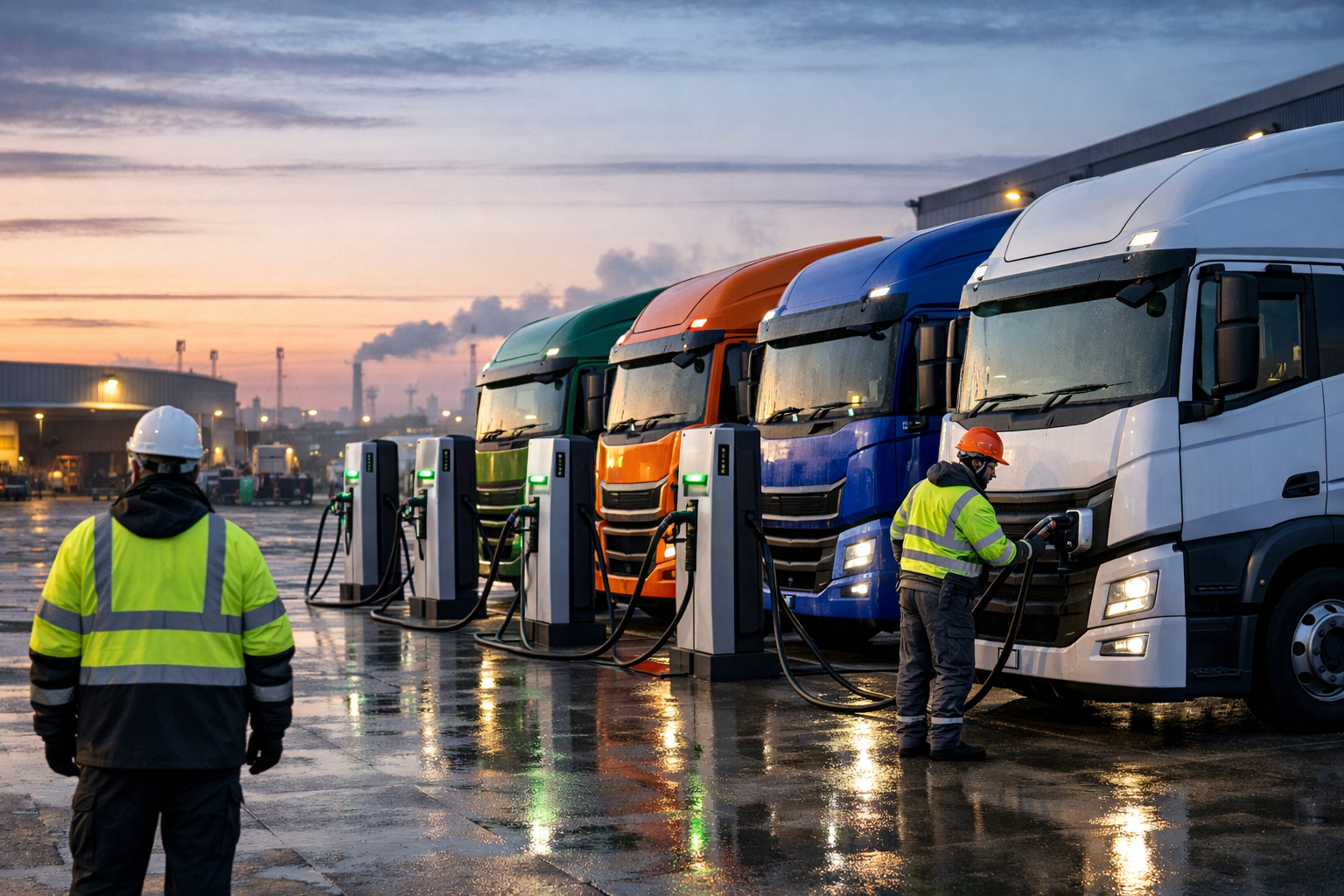
- Assessing infrastructure needs for charging or hydrogen refuelling alongside vehicle purchases
- Monitoring pilot performance for insights on operational costs, range and refuelling processes
- Engaging with consultation responses and industry groups to influence emerging policy
You might also like