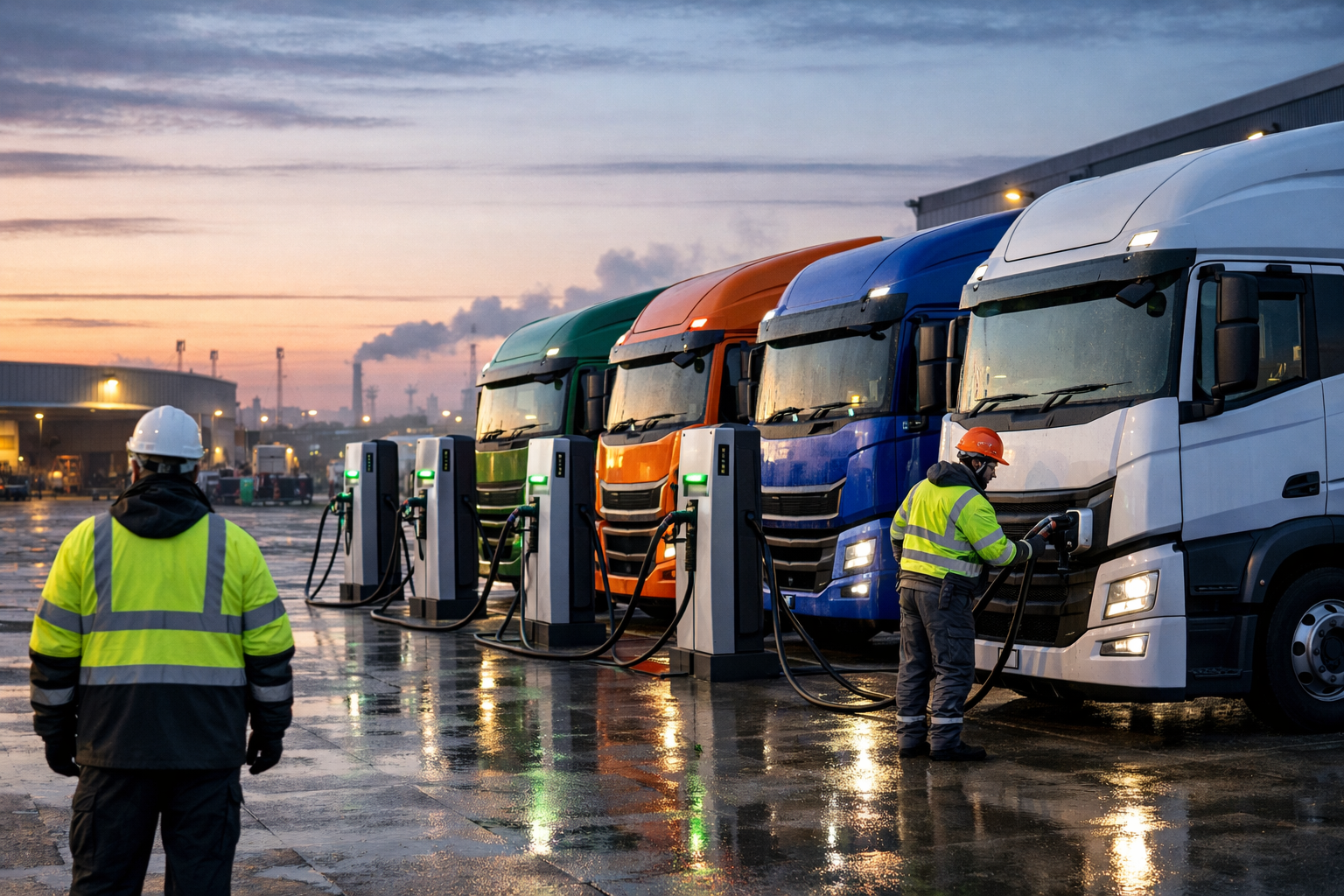
Film & TV Production Logistics Are Shifting Toward Cleaner Power in 2026
Transport and power are basic utilities on a production. Trucks, vans, buses and generators are unavoidable. But this year, there’s growing clarity around how to cut emissions from those same activities.
Two recent developments show that decarbonisation of production transport and mobile power is moving from idea to planning phase.
Why power and transport matter
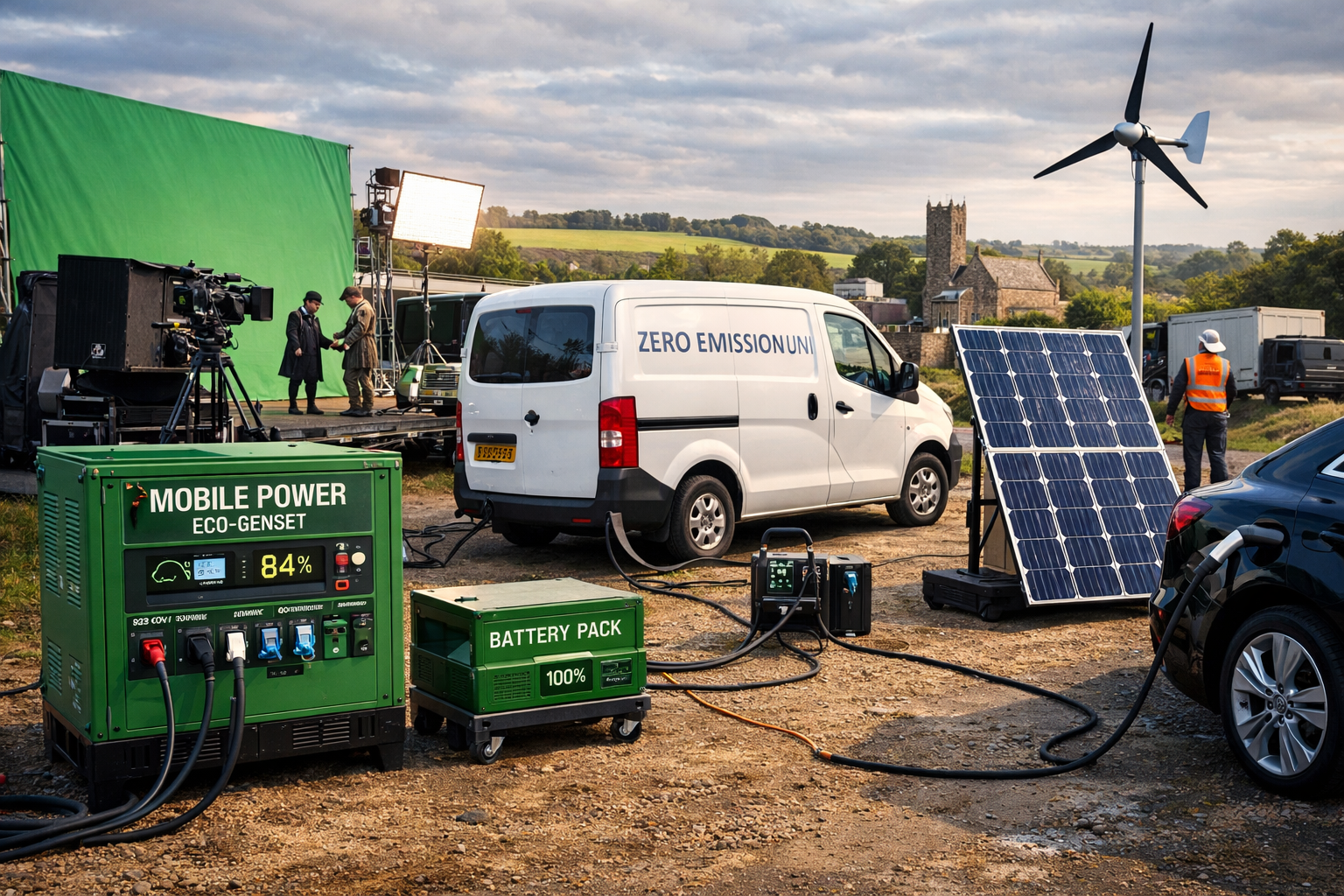
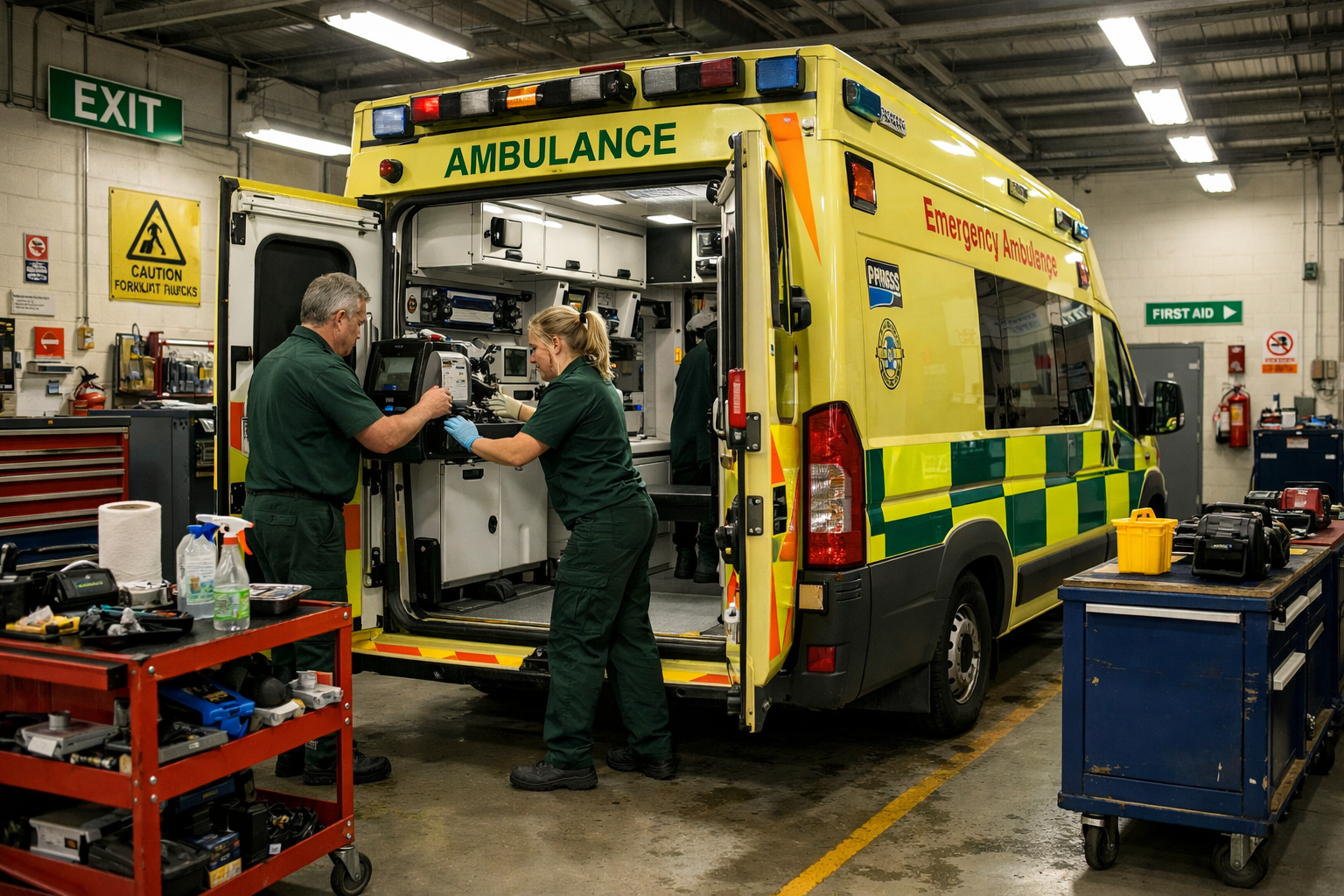
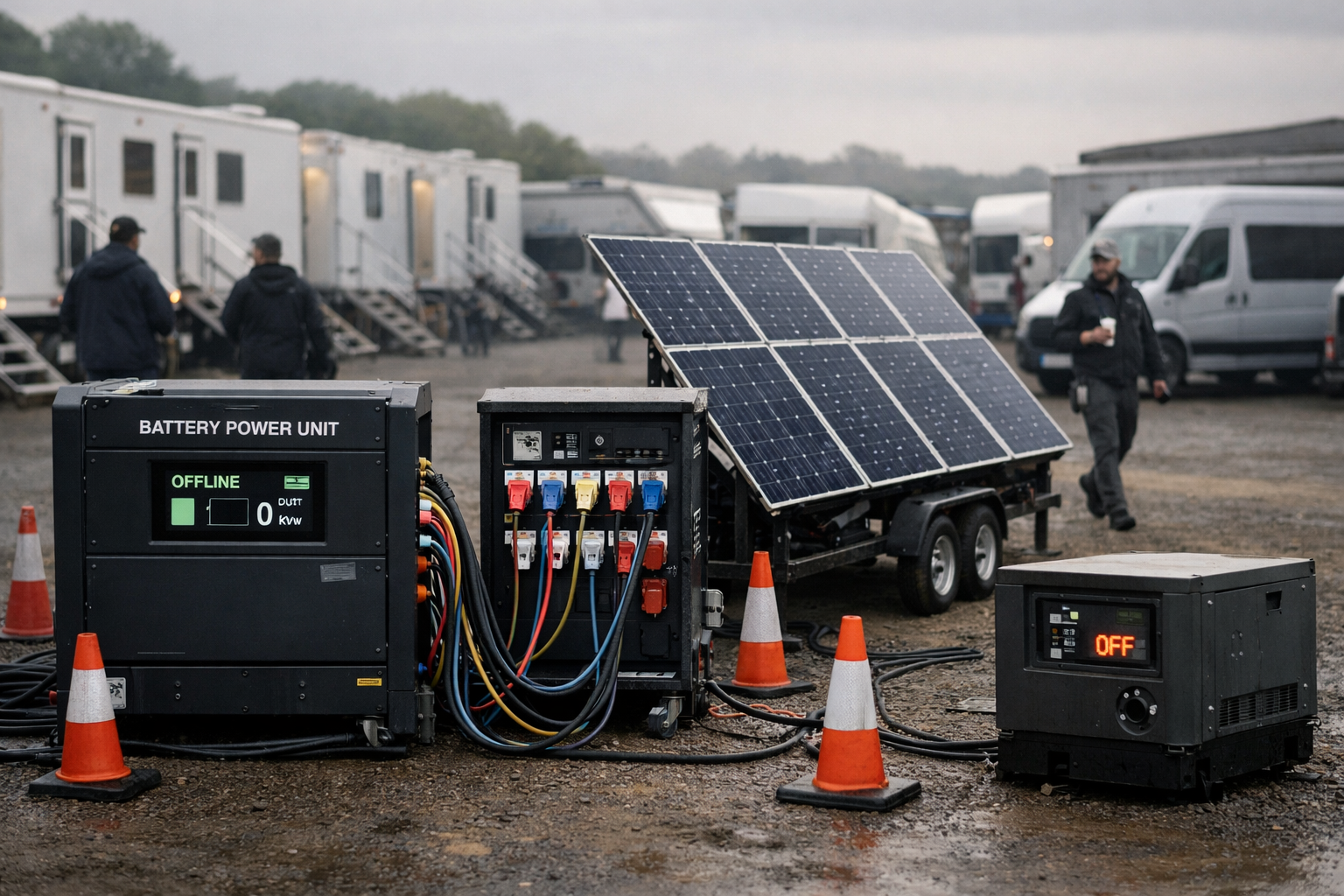
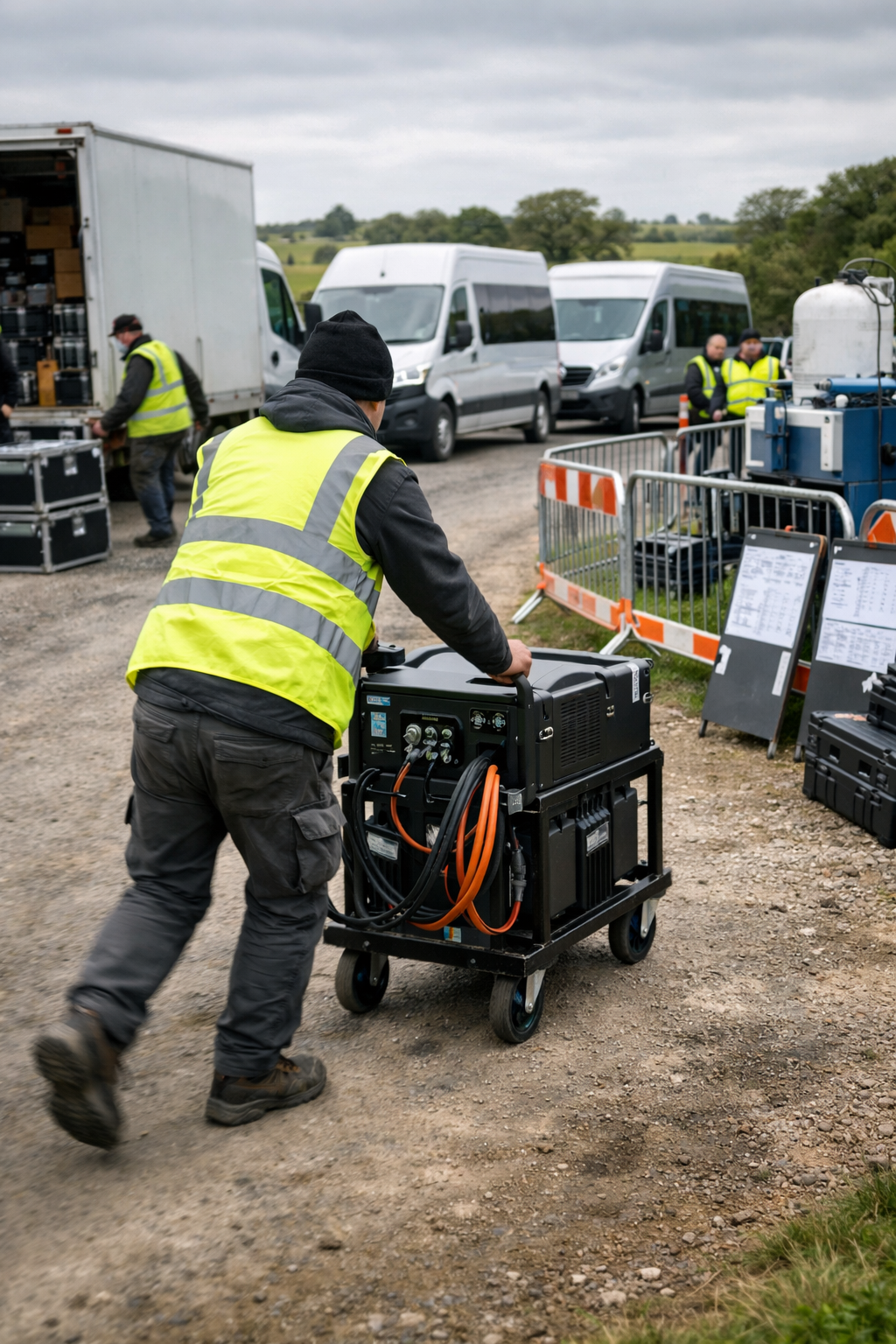
Production logistics teams know how basecamp power and vehicles shape a shoot. Diesel generators and transport fleets are often the first things booked for location work. They also happen to be among the largest sources of emissions on a set. A new industry roadmap focused on clean mobile power provides a detailed look at how productions can cut emissions from mobile power by shifting toward battery systems and renewable alternatives.
The paper doesn’t just outline technologies. It breaks down barriers: practical constraints around mobility, power output, and industry purchasing patterns that slow adoption. The core message is that studios, rental houses and suppliers all need to coordinate demand and investment if clean power options are going to become standard.
Data from The Fuel Project: where fleets stand now
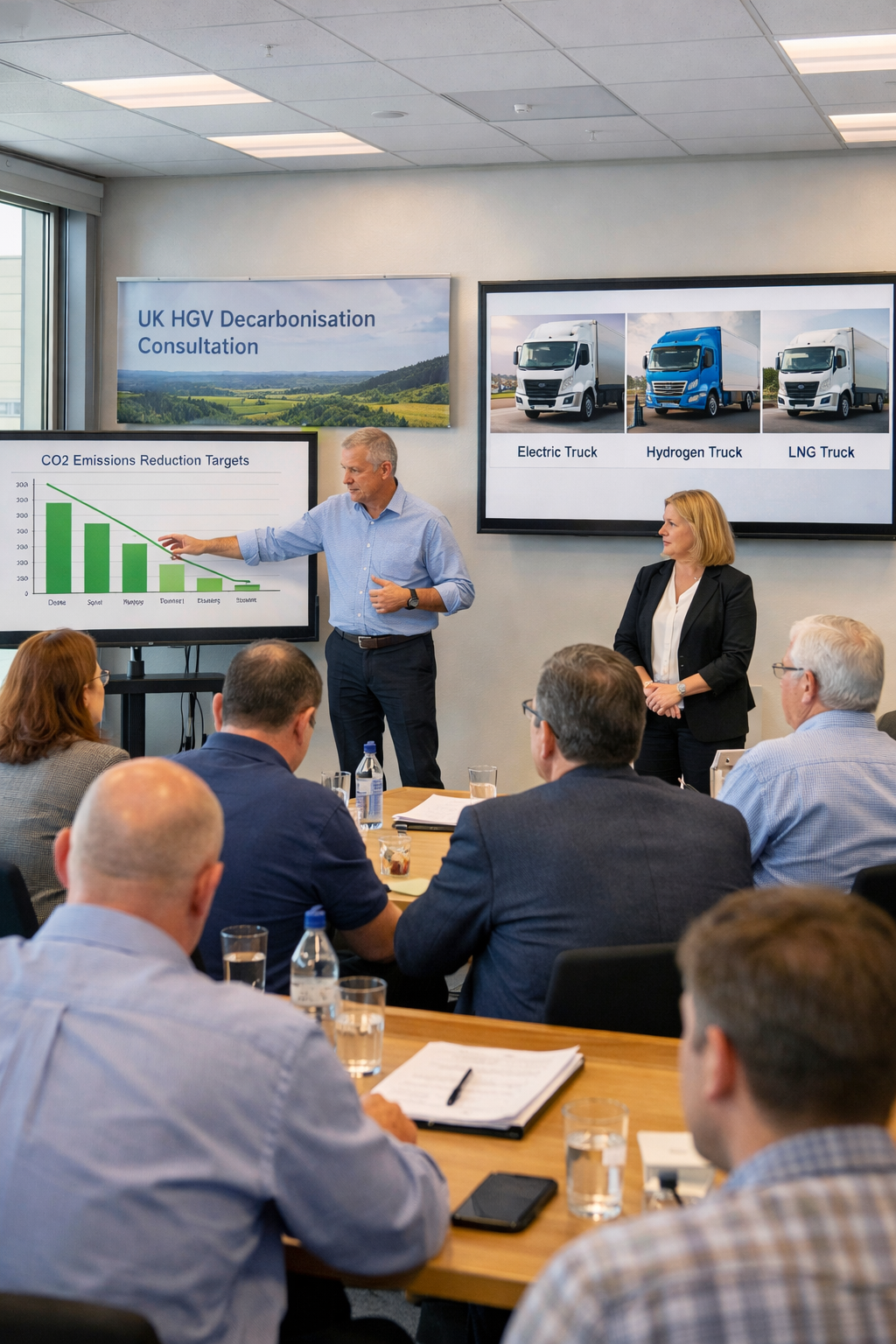
In London, Phase II of The Fuel Project quantified the emissions produced by supplier vehicles and mobile power units used across film and TV productions. That data gives logistics teams something real to plan around. Rather than guesswork, the report shows what a typical fleet emits and how switching to battery power, hydrogen or cleaner fuels can reduce that footprint over time.
The findings also highlight opportunities: many generators are oversized for actual load, meaning that properly sized battery systems could already cover most production power needs without diesel.
Broader transport trends influencing production logistics
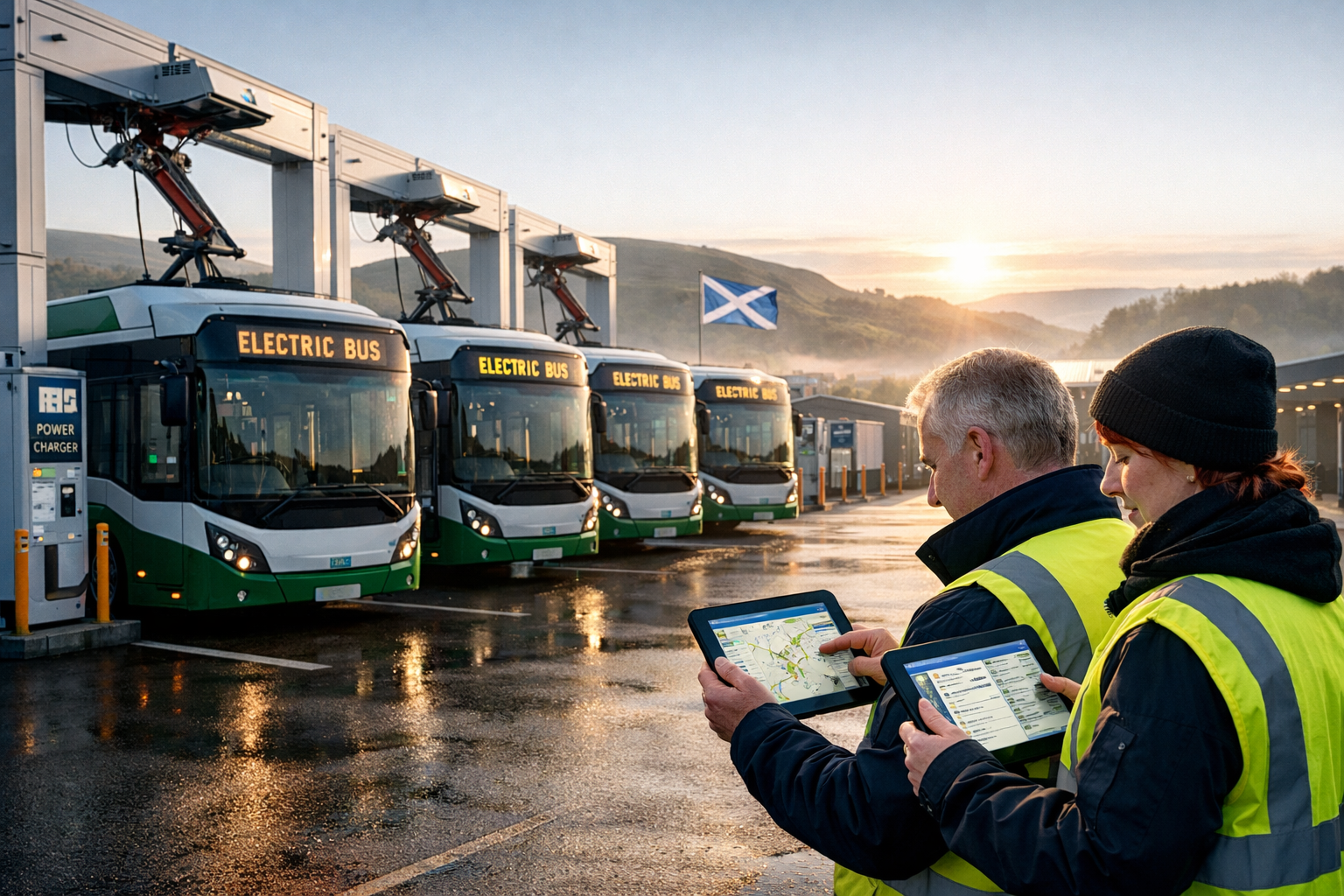
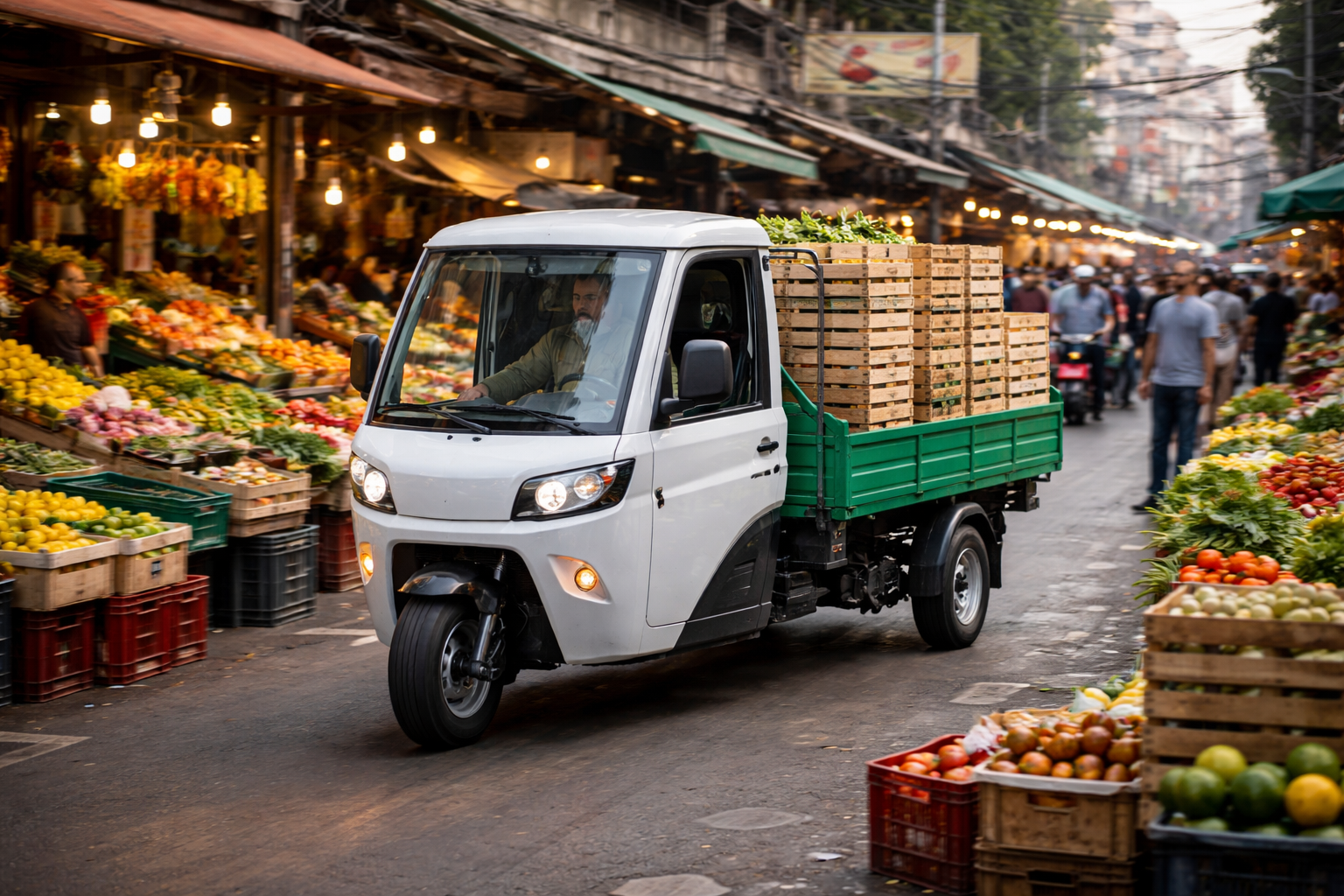
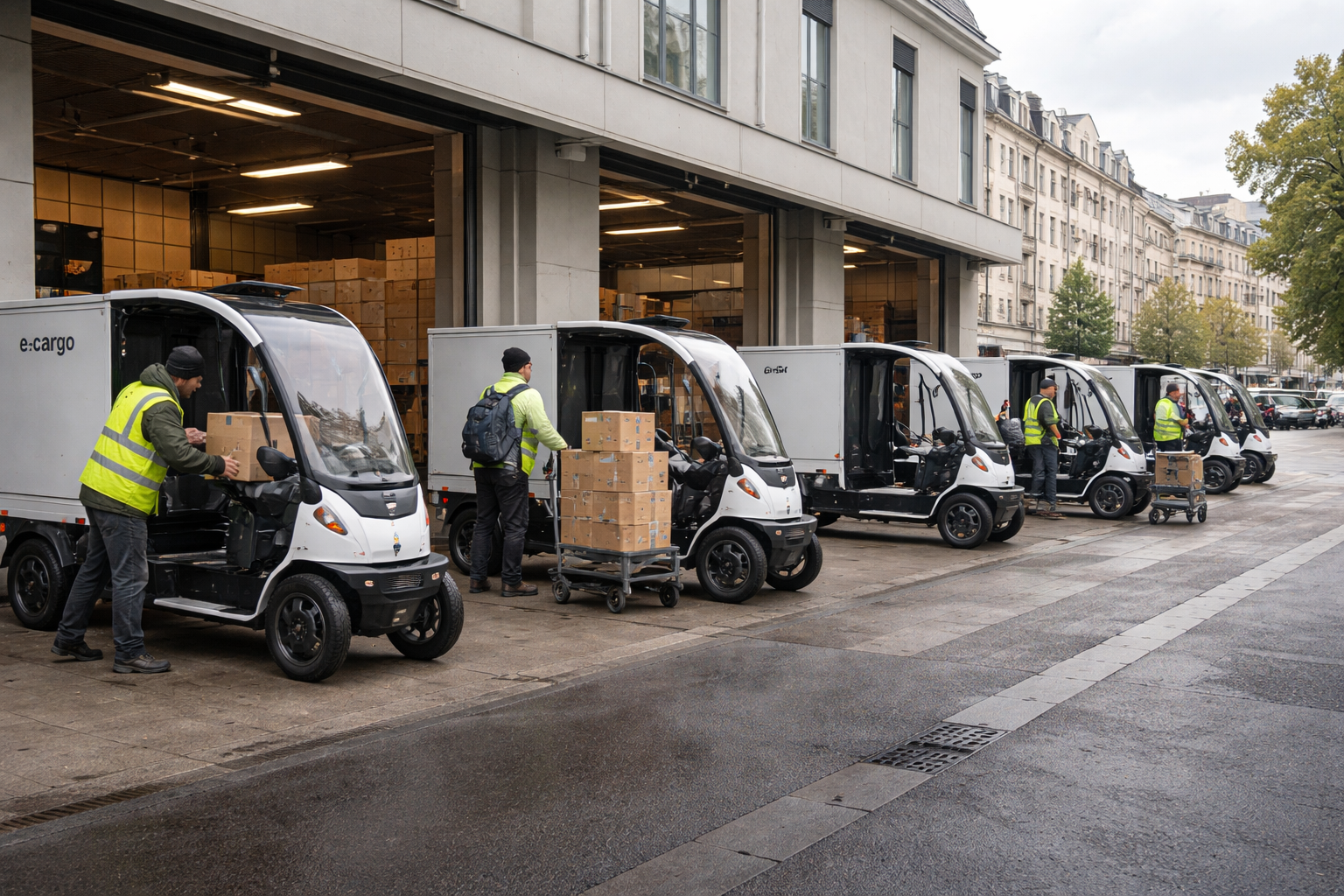
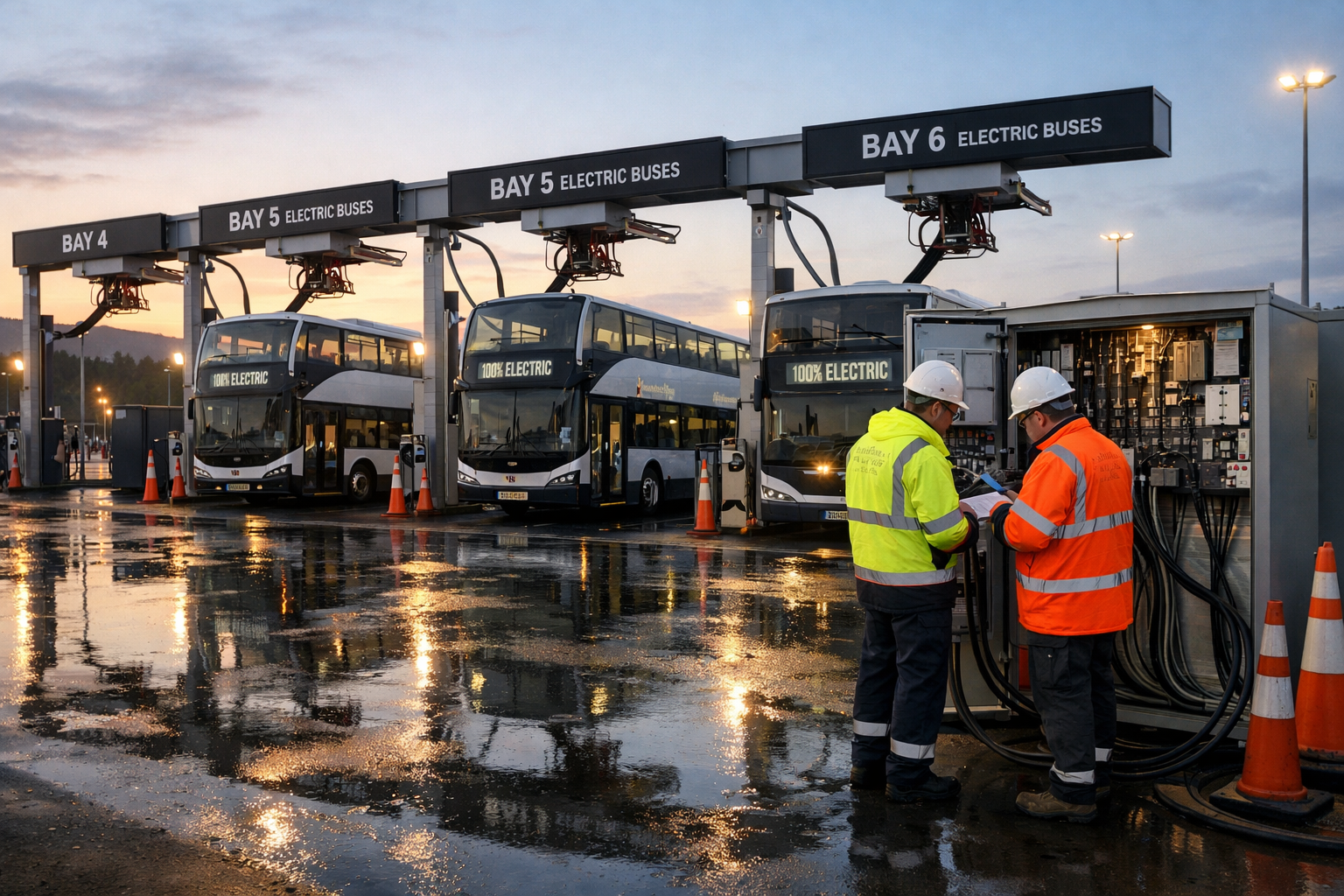
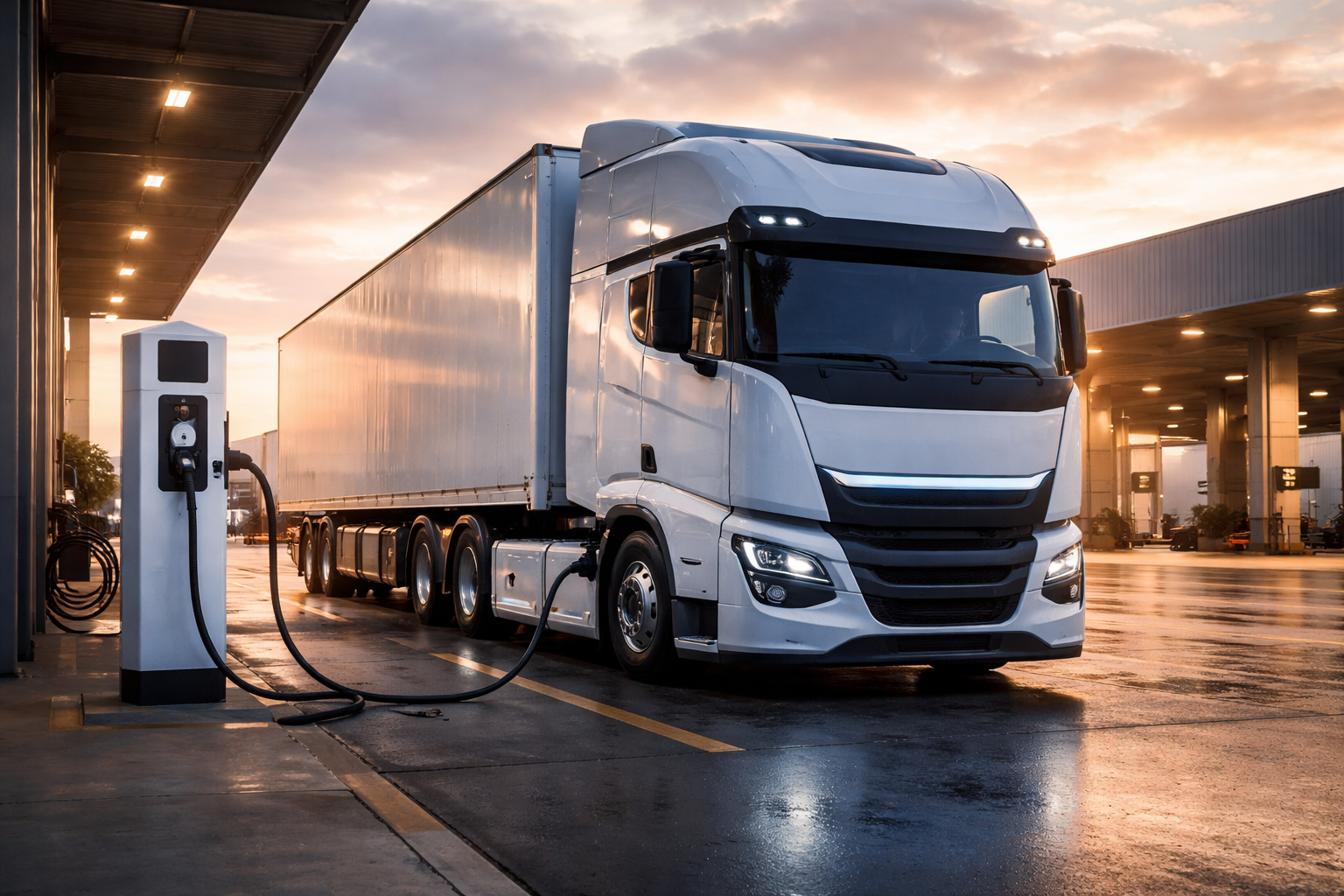
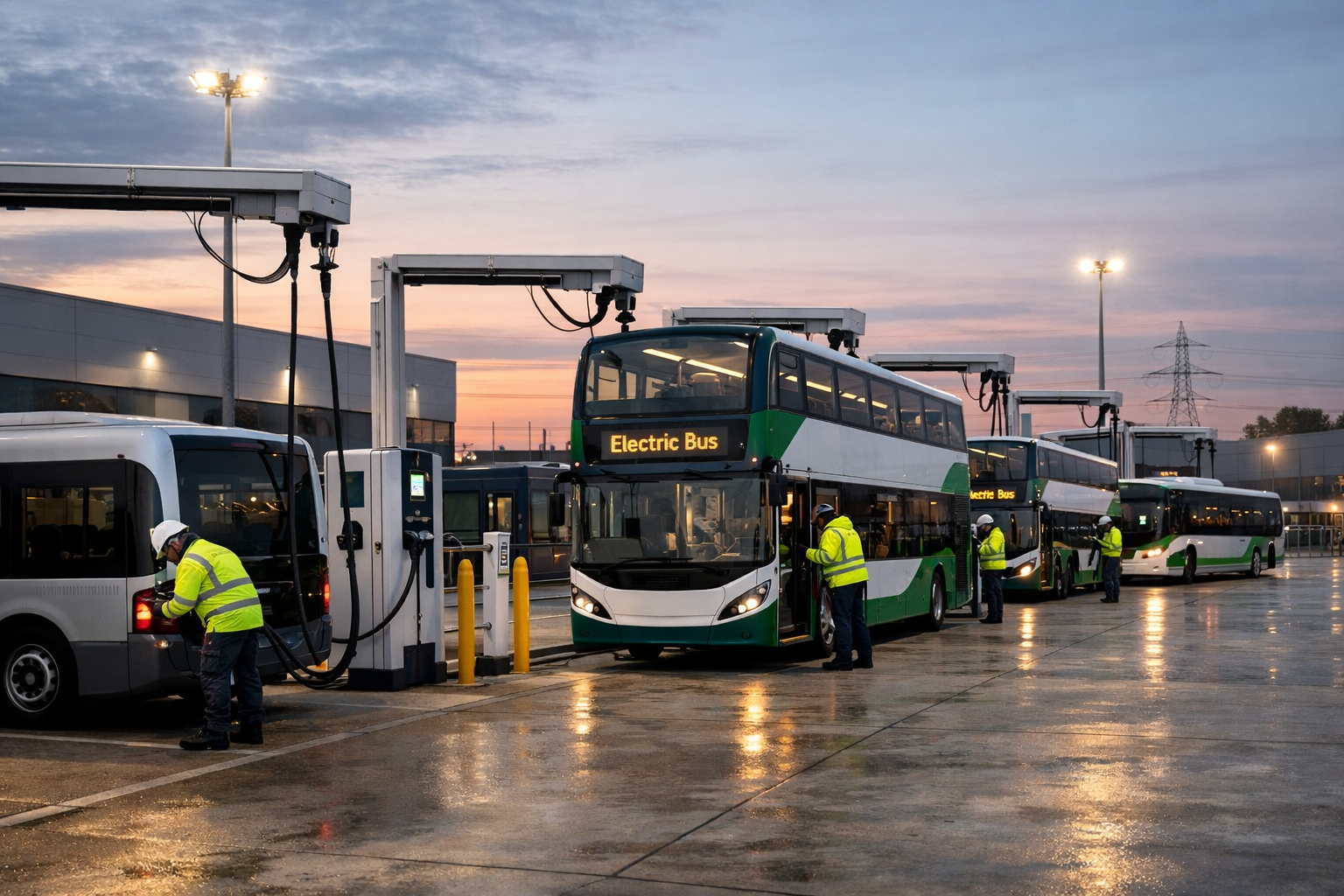
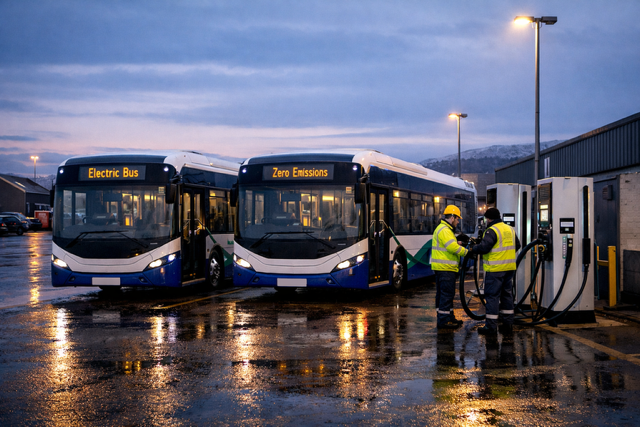
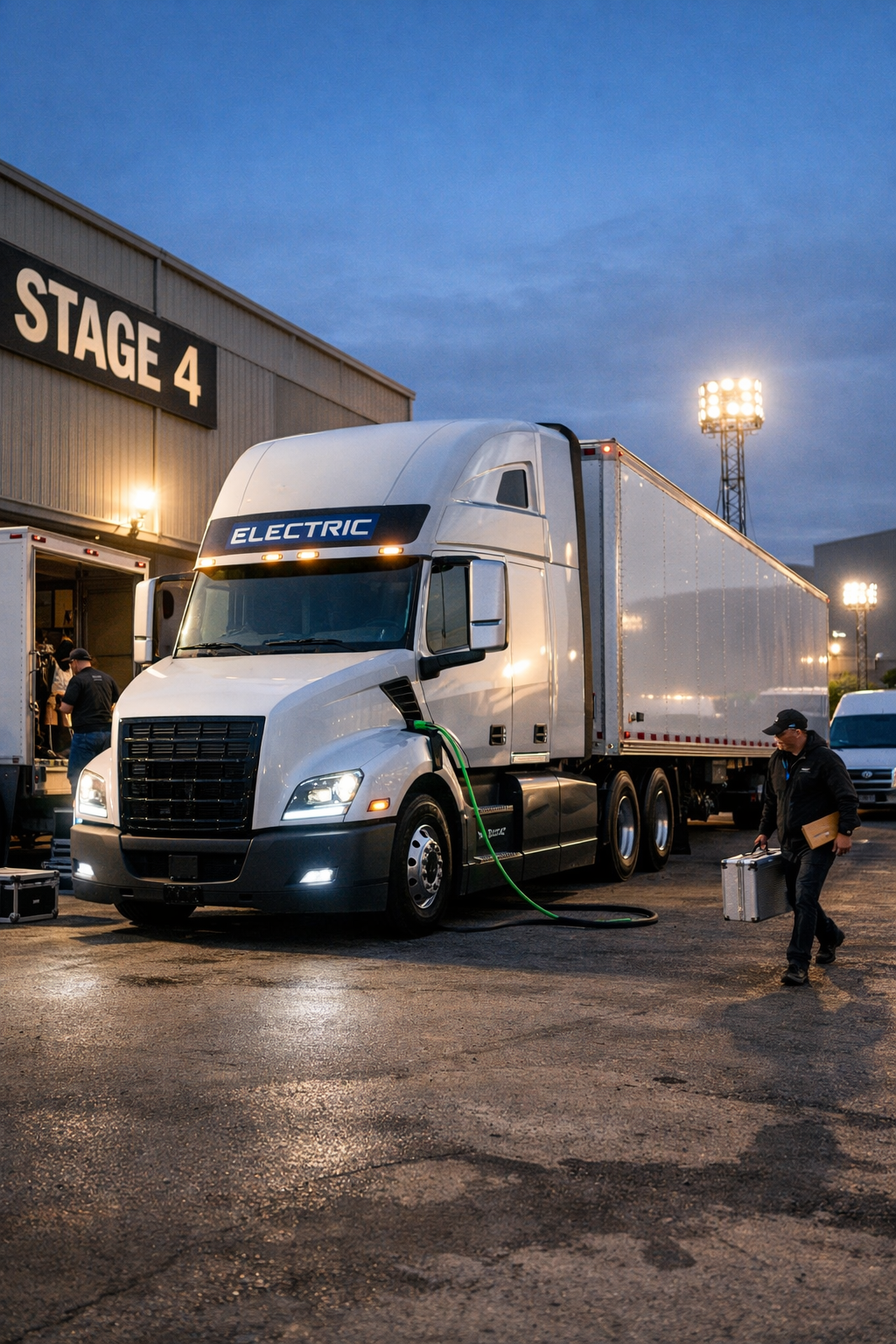
The wider transportation industry is also under pressure to decarbonise. In 2026, zero‑emission rules and electrification are not fringe topics — they are shaping fleet decisions across logistics sectors. Compliance with emissions standards and investment in cleaner vehicles and data systems are becoming necessary components of operating any fleet. These shifts will impact supplier operations that support film, television and live productions.
For instance:
- Emission reporting requirements will affect both local and long‑haul transport used in production logistics.
- Fleet electrification and alternative fuels are becoming economic priorities as regulations tighten.
- Data systems that track vehicle use and emissions can provide planning insights that reduce costs and environmental impact.
What this means for production planning
For transport and unit teams, the takeaway is clear: sustainability is now part of operational planning. Whether it’s hiring cleaner vehicles, negotiating for battery power units on set, or tracking emissions data for budgeting, logistics staff will be asked to integrate cleaner practices into everyday workflows.
It’s not just about reducing impact. As sustainability expectations grow from clients and regulators alike, teams that understand and act on these trends will manage risk better, control costs and future‑proof their operations.
The shift away from fossil fuels won’t happen overnight. But with data, planning and coordinated demand across the industry, production logistics is beginning to look greener.
Want to reach out for a chat?
You might also like