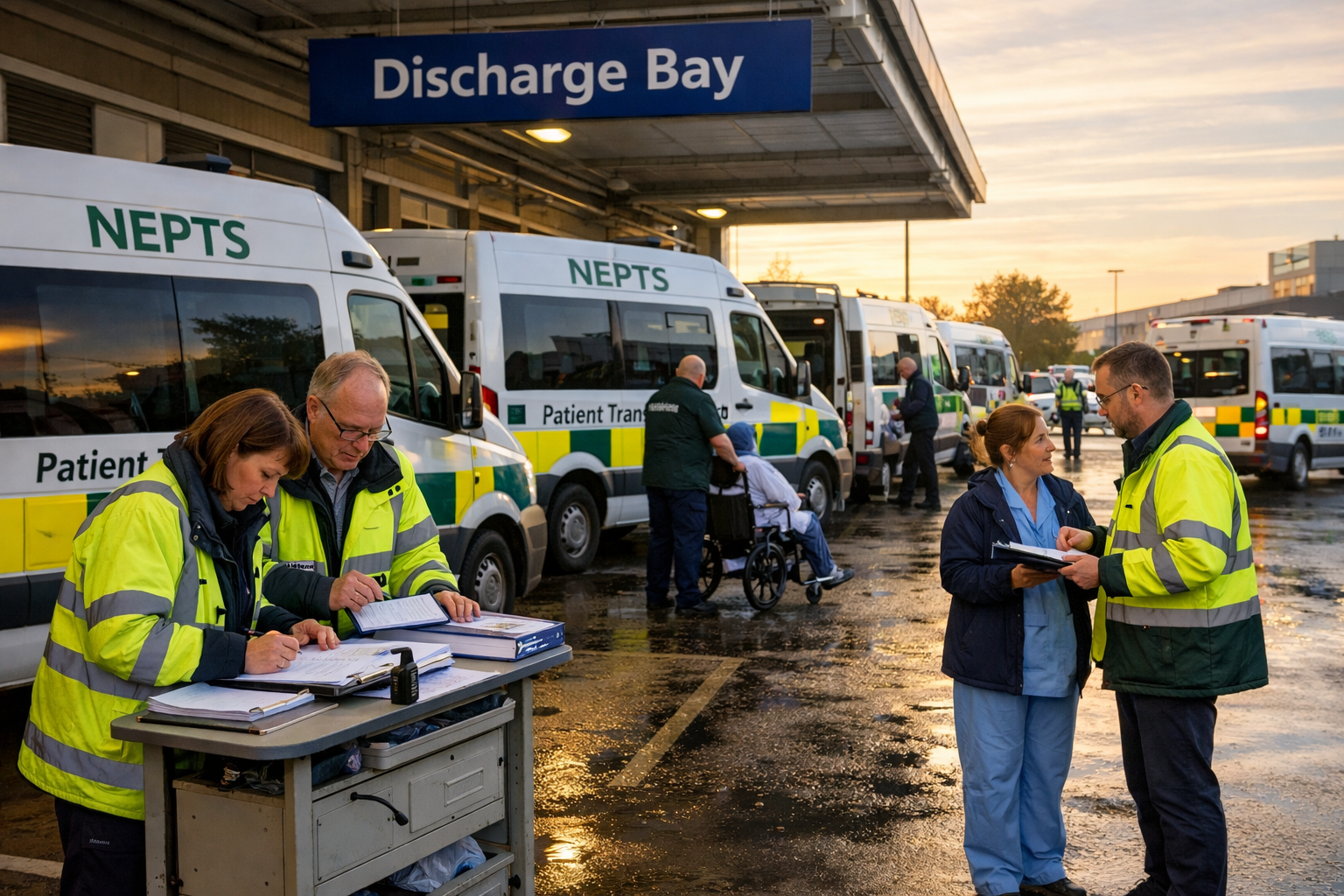

NEPTS contracts are getting more competitive. Here’s what that means for fleets and funding.
Non-emergency patient transport (NEPTS) is easy to overlook until it doesn’t turn up. It’s the daily work that keeps hospitals moving: discharges, transfers, wait-and-return appointments, and the ad-hoc journeys that help patient flow.
This week, a contract award notice from Great Western Hospitals NHS Foundation Trust put a useful number on how competitive this market has become: 11 tenders received for its NEPTS requirement.
That’s not a headline designed for the public. But for operators, fleet suppliers, and finance brokers, it’s a clear signal.
When 11 bidders chase one award, delivery becomes the differentiator
In competitive NEPTS bidding, most providers will claim the basics: trained staff, compliant vehicles, safe processes.
What separates winners is often the unglamorous stuff:
How quickly you can mobilise.
Whether your fleet plan is realistic from day one.
How you cover maintenance without service wobble.
What you do when demand spikes on a Monday afternoon.
The same award notice shows practical timetable detail too, including standstill and a stated contract start window (April 2026) which forces any winning operator to be ready on a fixed clock.
Fleet decisions in NEPTS are business decisions first
If you run patient transport, the vehicle is not just a vehicle. It’s a service promise on wheels.
The cheapest purchase can become the most expensive outcome if it leads to downtime, poor patient experience, or missed performance targets. In a crowded bidding market, reputational damage matters because re-tenders come around quickly.
So fleet planning becomes about:
Reliability and uptime.
Standardisation (so you can swap vehicles and staff without drama).
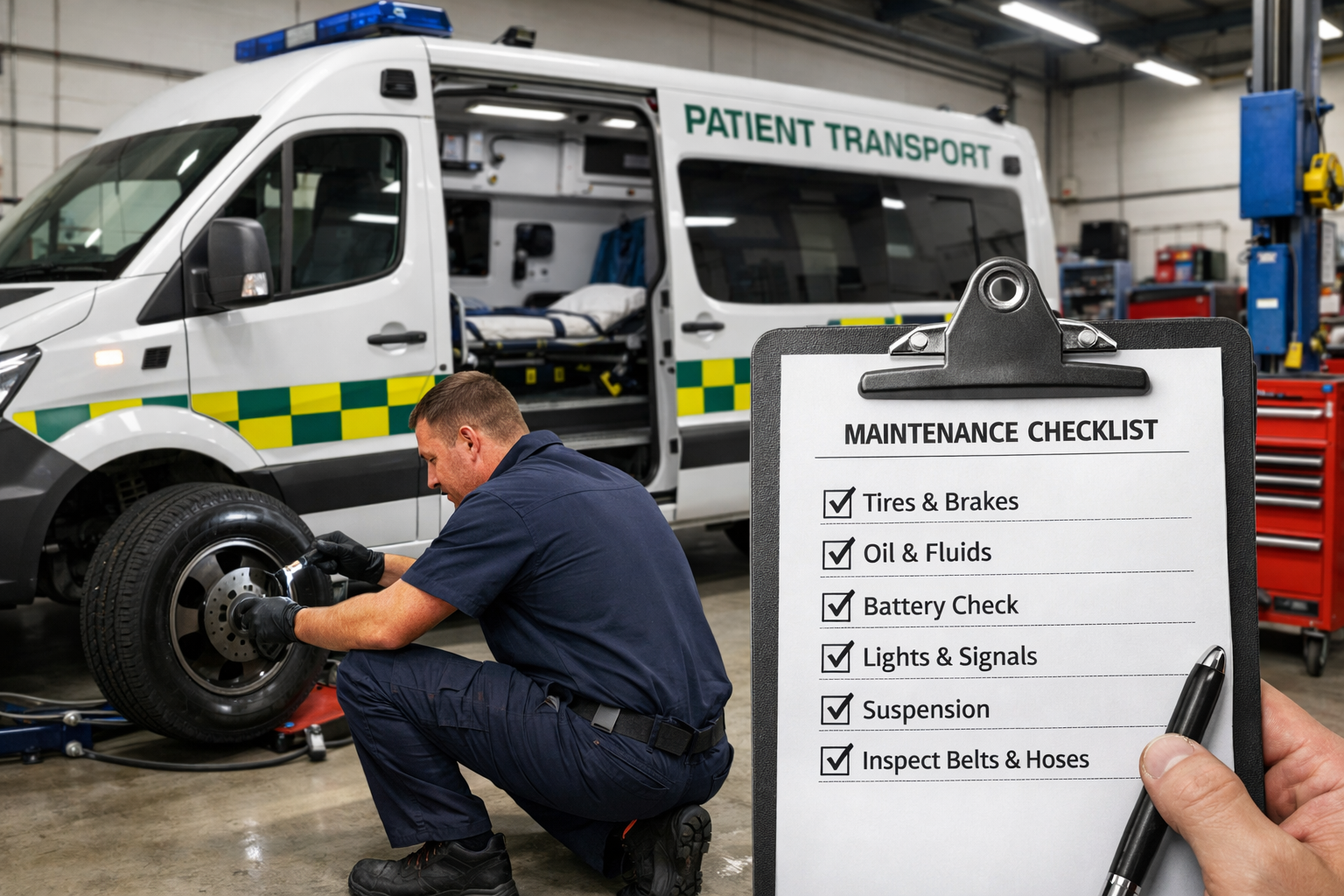
Maintenance scheduling that matches real utilisation.
Resale or redeployment value if the contract changes.
What this means for funding and cashflow
When competition rises, pricing pressure follows. That’s when funding structure matters.
Operators usually feel the squeeze in the gap between:
Monthly payments (vehicles, insurance, maintenance)
And how revenue arrives (often with strict invoicing and performance conditions)
A contract can be “won” on paper and still hurt if the fleet plan is over-stretched or the cash cycle is too tight.
The practical takeaway is simple: match the finance to the working reality. Build in room for mobilisation costs, training, and the early months where everything takes longer than planned.
The bigger picture
NEPTS isn’t going away. If anything, hospitals need patient flow support more than ever. But the market is clearly active and contested. A single notice showing 11 bids tells you that capable operators are chasing work hard.
If you’re an operator, the lesson is to build a fleet plan that wins tenders and still works on a wet Tuesday. If you’re funding these vehicles, the best deals are the ones that survive the contract cycle, not just the first delivery day.
You might also like